📖 About this Collection
Yitzhak Rabin: A Soldier Who Dared to Choose Peace
The Legend & The Legacy
Few figures of the twentieth century carried within a single life the full, contradictory weight of their nation's history quite like Yitzhak Rabin. A sabra — born of the land itself — he rose from the battlefields of Israel's War of Independence to become the architect of its most audacious diplomatic gamble: the Oslo Accords and the handshake on the White House lawn that the world watched, breathless, in September 1993. In an era before the internet fractured public attention into fragments, the global press was the singular lens through which ordinary people understood the unfolding drama of the Middle East peace process. Each development — each summit, each setback, each image of this weathered soldier-statesman standing beside Yasser Arafat — arrived in living rooms and waiting rooms through the printed page, ink pressed into paper, permanent and considered. His was a story that defied easy categorization: a man who had ordered armies into battle and yet staked his legacy, and ultimately his life, on the belief that the same land soaked in generations of conflict could be shared. The contradictions that defined him — hawk and dove, warrior and peacemaker, revered and reviled within his own borders — made him irresistible to editors and journalists who understood that his personal journey was the story of the modern Middle East. When an assassin's bullet struck him on November 4, 1995, the outpouring of grief that followed was catalogued entirely in print, in special editions and commemorative issues that rushed to capture a world in shock, and in doing so, preserved forever the magnitude of what had been lost.
Inside the Archive
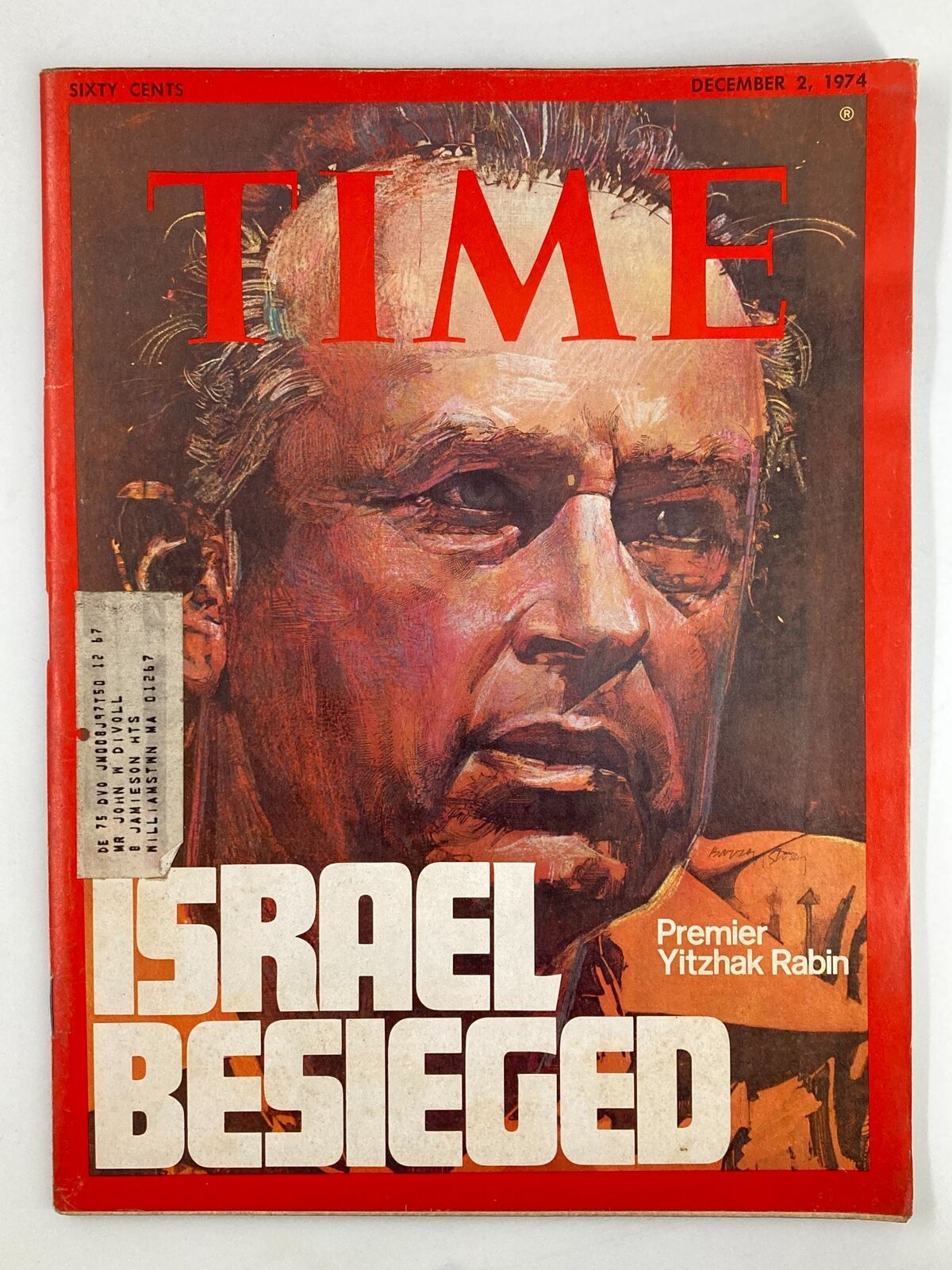
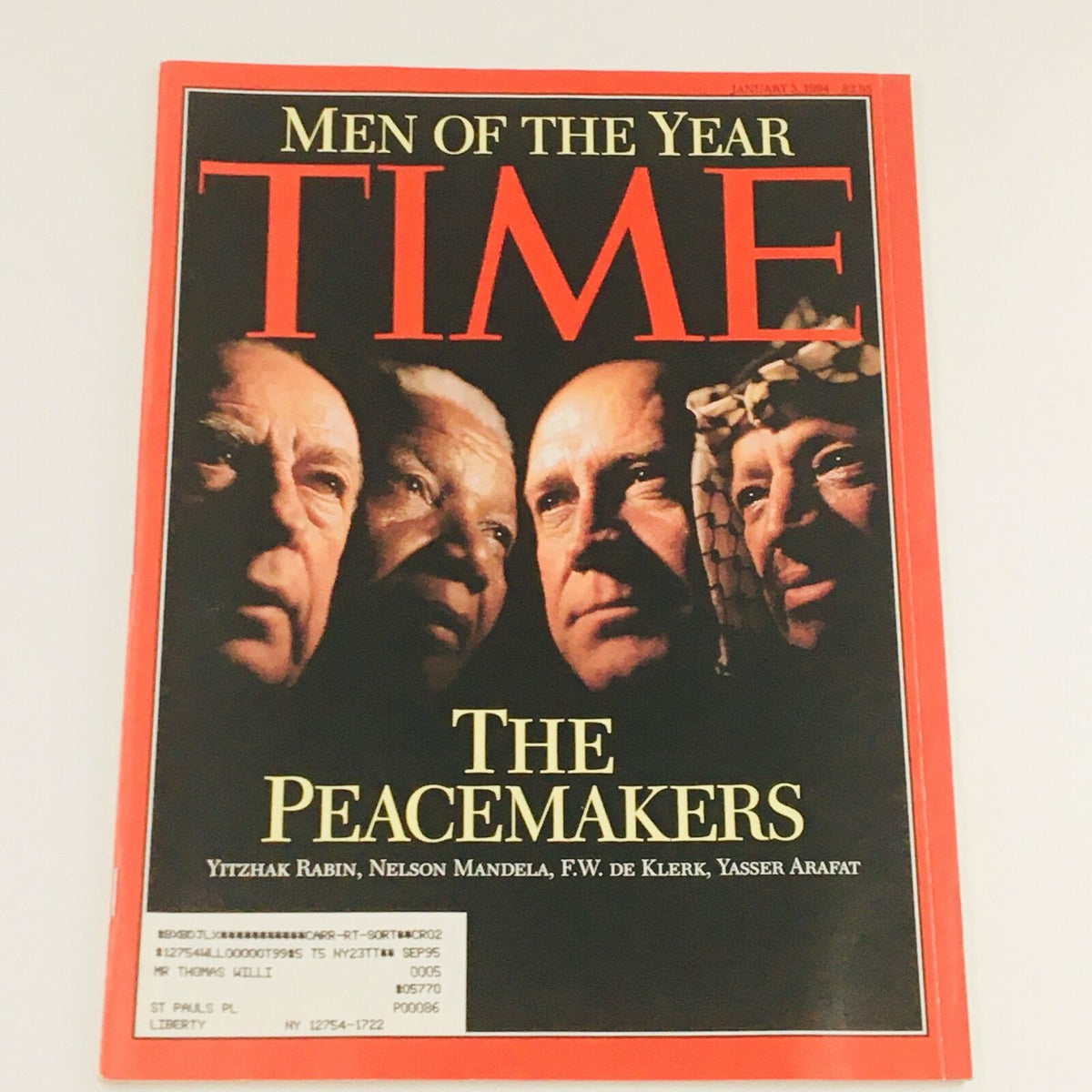
The international press covered Rabin with the grave, deliberate attentiveness reserved for history in motion. Photographers captured him in the manner of classical portraiture — a man visibly carrying the burden of command, his lined face a map of wars fought and compromises made. Time magazine, which named him among the defining figures of the peace process era, returned to him repeatedly throughout the early 1990s with stark, authoritative covers that framed the Oslo negotiations as one of the century's defining moral pivot points. Newsweek provided long-form analytical dispatches that explored the internal Israeli political fractures his peace agenda provoked, while French weekly Paris Match — with its characteristic blend of photojournalism and humanizing intimacy — brought European readers into the human drama behind the headlines, photographing him in candid moments of reflection that tabloid pages rarely afforded their subjects. Israeli publications, naturally, treated his story with an almost sacred weight, but it was the international newsweeklies of that era that elevated the peacemaking general into a figure of universal moral reckoning. What distinguishes the print coverage of this era is its patience — long-form essays that traced the ideological evolution of a man who had spent his youth fighting for a state and his later years fighting, just as fiercely, for its future. Editorial photographs from this period are particularly striking in their restraint: close portraits that allowed the gravity of his expression to speak for itself, images composed with the considered craft of an era when a single photograph had to carry the full weight of a story. Collectively, these publications form a visual and editorial chronicle of a geopolitical transformation that no subsequent medium has captured with the same depth or permanence.
Curator's Checklist: Highlights Often Include
-
Oslo Accords coverage (1993): Issues from the weeks surrounding the White House signing ceremony, featuring iconic imagery of the Rabin–Arafat handshake and analytical cover stories examining whether a durable peace was truly within reach — many of these issues also carried op-eds and reader responses that illuminate just how electric and divisive that moment felt in real time
-
Nobel Peace Prize features (1994): Coverage from international publications marking his joint award alongside Shimon Peres and Yasser Arafat, often rich with retrospective photography tracing his journey from general to diplomat, and frequently accompanied by broader reflections on whether the prize represented an arrival or merely a fragile beginning
-
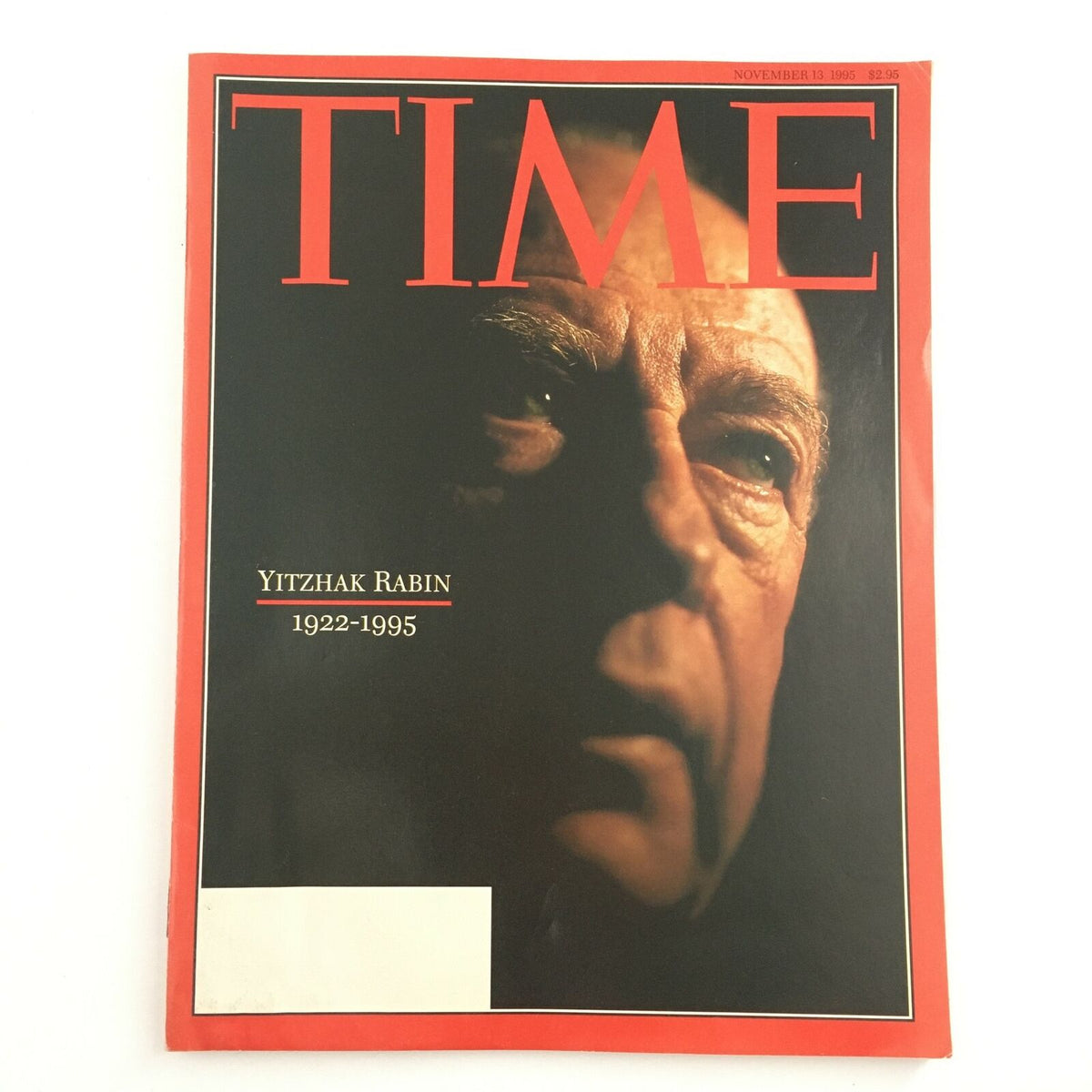
Assassination and memorial issues (November 1995): Special editions and black-bordered commemorative issues published in the immediate aftermath of his murder in Tel Aviv, representing some of the most collectible single issues of the decade — publications that froze a moment of global mourning in ink and paper, never to be replicated
-
Six-Day War and military retrospectives: Profiles and historical features — particularly from the late 1980s and early 1990s — that revisited his role as IDF Chief of Staff during Israel's most decisive military chapter, contextualizing the soldier behind the statesman and tracing the long arc from the battlefield to the negotiating table
-
Israeli political portraiture: In-depth magazine profiles from the early-to-mid 1990s documenting the fierce domestic debate his peace agenda ignited, capturing the polarized Israeli public in a nation at a crossroads — issues that now read as vivid, unfiltered dispatches from the front lines of one of the twentieth century's great ideological struggles
The Collector's Value
To hold one of these issues today is to hold something irreplaceable — a first draft of history printed on paper stock that has yellowed just enough to remind you of its age, carrying the faint mineral scent of decades-old ink and the particular texture of a page that was designed to be read slowly, in full. The vintage advertisements nestled between editorial pages place you precisely in that era: the cars, the cigarettes, the fashions of a world that existed before the twenty-four-hour news cycle dissolved every moment of consequence into noise. These are not reprints or digital facsimiles — they are the actual objects that sat on newsstands in Tel Aviv, Paris, New York, and London during one of the most consequential peace processes of the modern age. There is a profound intimacy in reading words written without the knowledge of how the story would end — a correspondent filing breathlessly from Oslo, an editor composing a headline before the vote was counted, a photographer choosing the frame that would define a generation's memory of a man still very much alive. Each issue is, in this sense, a time capsule sealed at a specific moment of hope, uncertainty, or grief, and opening one today is an act of genuine historical communion. For collectors of Cold War and post-Cold War political history, Middle Eastern affairs and diplomacy, or Israeli and Jewish heritage, these publications offer something no documentary or digitized archive can replicate: the visceral, primary-source experience of receiving world-altering news as it was first delivered, on the morning it changed everything. Explore our current rotating inventory below and discover which rare issues are available today.