📖 About this Collection
Yul Brynner: The Shaved Crown of a Thousand Stages
The Legend & The Legacy
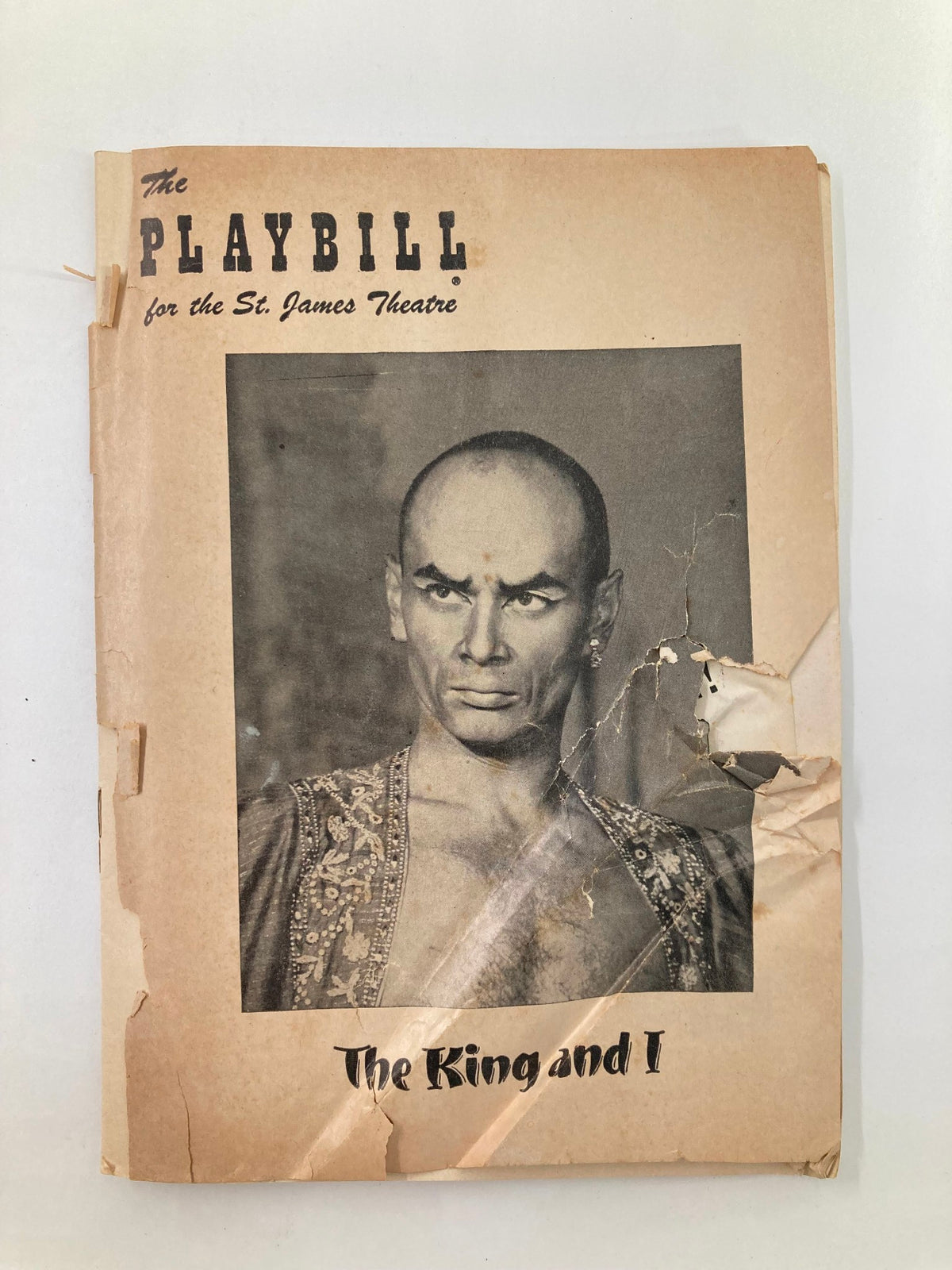
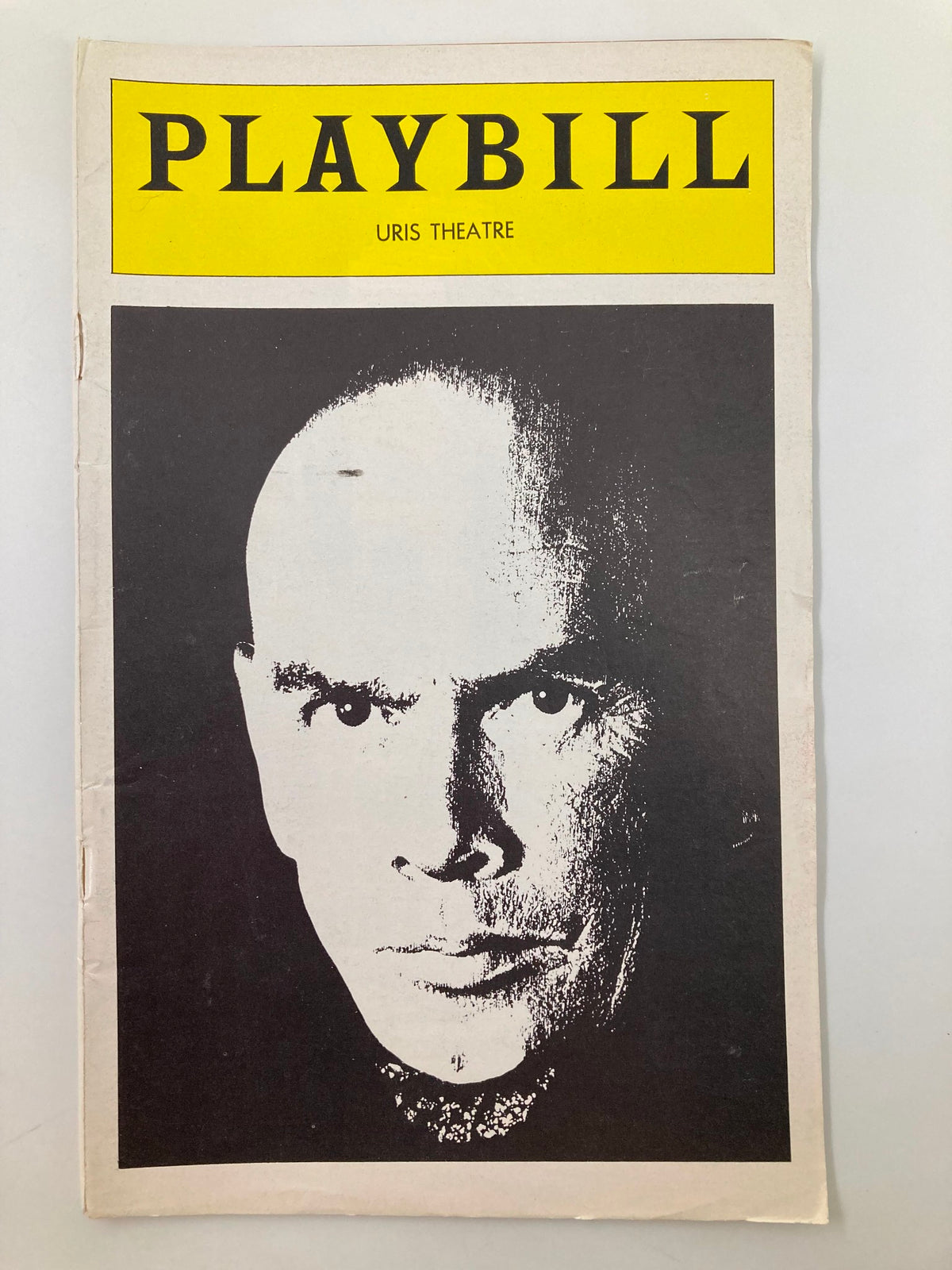
There are stars, and then there are forces of nature who reshape the very silhouette of an era. Yul Brynner was the latter — a man of deliberately mysterious origin whose shaved head, smoldering intensity, and commanding baritone made him one of the most visually arresting presences in the golden age of Hollywood and Broadway. Born in the Far East and forged across Europe, he arrived on the world stage like a figure conjured from myth, and the public was utterly transfixed. When he first strode onto Broadway as King Mongkut in The King and I in 1951, he did not simply perform the role — he became it, returning to it over 4,600 times across his lifetime. His Oscar-winning turn in the 1956 film adaptation made that imperious stance — arms folded, chin raised, bare scalp gleaming under the lights — one of the most iconic images the twentieth century ever produced. In an age when audiences learned about their cultural icons exclusively through print, radio, and cinema, the magazines of the 1950s, 60s, and 70s carried the full weight of his mystique, delivering him in glossy monochrome and saturated color into living rooms across the globe.
Inside the Archive
The magazine coverage of this extraordinary figure was itself an art form. Photographers and editors understood instinctively that he demanded a different visual language — dramatic chiaroscuro lighting that played against that shaved head, intimate set portraits that captured the coiled stillness behind his eyes, and fashion spreads that leaned into his effortlessly exotic allure. Life magazine, the great visual chronicle of mid-century American culture, featured him in the context of Hollywood's imperial age, placing him alongside the grand productions and outsized personalities that defined the era. Paris Match, with its unrivaled eye for the intersection of glamour and gravitas, was particularly drawn to him — he was, after all, a man as much European as American, as much enigma as celebrity. Look magazine similarly devoted rich editorial space to his personal mythology, probing the deliberately obscure origins and the theatrical genius behind the man. Coverage tended to vacillate between the magisterial — the conquering performer at the height of his Broadway or cinematic power — and the unexpectedly tender, capturing glimpses of his life as a devoted father, an impassioned photographer, and a quietly philosophical wanderer far removed from the footlights.
Curator's Checklist: Highlights Often Include
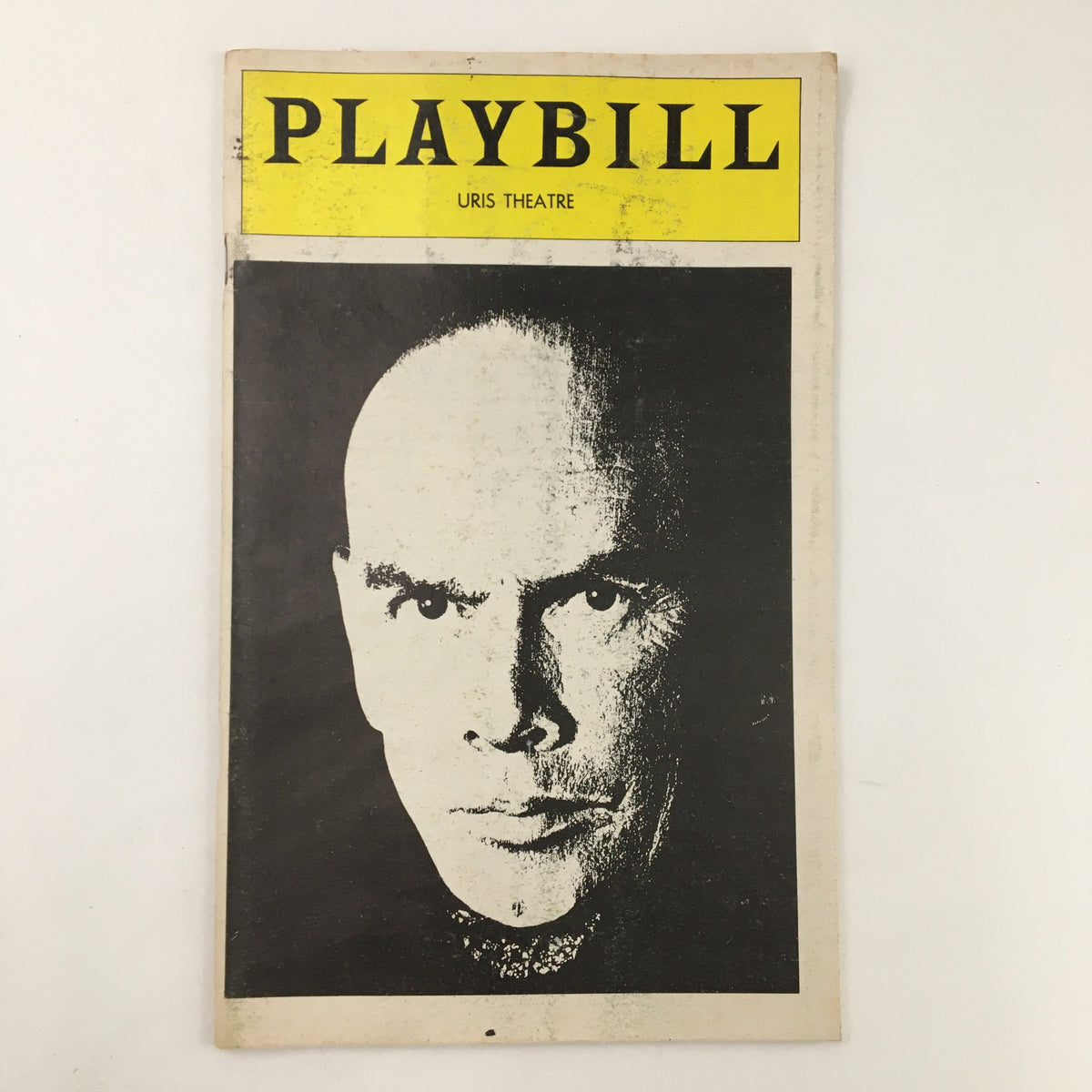
- Broadway & Stage Royalty — Feature coverage from the extraordinary original run of The King and I in the early 1950s, including cast photographs, behind-the-scenes editorial, and reviews that captured the theatrical world's astonishment at his debut
- Hollywood's Golden Decades — Film tie-in issues and studio portrait spreads from landmark productions, including The Ten Commandments (1956), The Magnificent Seven (1960), and Westworld (1973), often featuring lavish full-page studio photography
- International & Fashion Coverage — European publications capturing his off-screen life, his noted personal style, and the cosmopolitan world he inhabited between Paris, New York, and the Swiss countryside
- Celebrity Profile Features — Long-form personality profiles delving into his shrouded biographical origins, his Russian and Swiss upbringing, and the carefully constructed public persona of the world's most recognizable bald man
- Later-Career Tributes & Anti-Smoking Legacy — Coverage from the 1980s documenting his final, profoundly moving advocacy work — his now-legendary posthumous anti-smoking television message — which gave his final chapter an elegiac, historically significant dimension
The Collector's Value
To hold one of these magazines is to hold a specific, irreplaceable moment — the precise week a reviewer declared him untouchable, or the season a photographer caught that famous profile against a studio backdrop that no digital reproduction has ever fully honored. The paper stock of a 1956 Life carries a weight and warmth that a screen cannot simulate; the slight foxing at the edges, the ink that has mellowed to a deeper tone over seven decades, the surrounding advertisements for cars and cigarettes and refrigerators that frame him in the full context of his era — all of it conspires to make the experience of reading these issues something closer to time travel than mere collecting. For collectors of Hollywood's golden age memorabilia, mid-century Broadway history, or international cinema and entertainment ephemera, these publications offer not just a portrait of a singular performer but a primary source document of the cultural world that made him a legend. Browse the current available inventory below, and find the piece of history that belongs in your archive.