


Description
Collector's Note – Why This Issue Matters
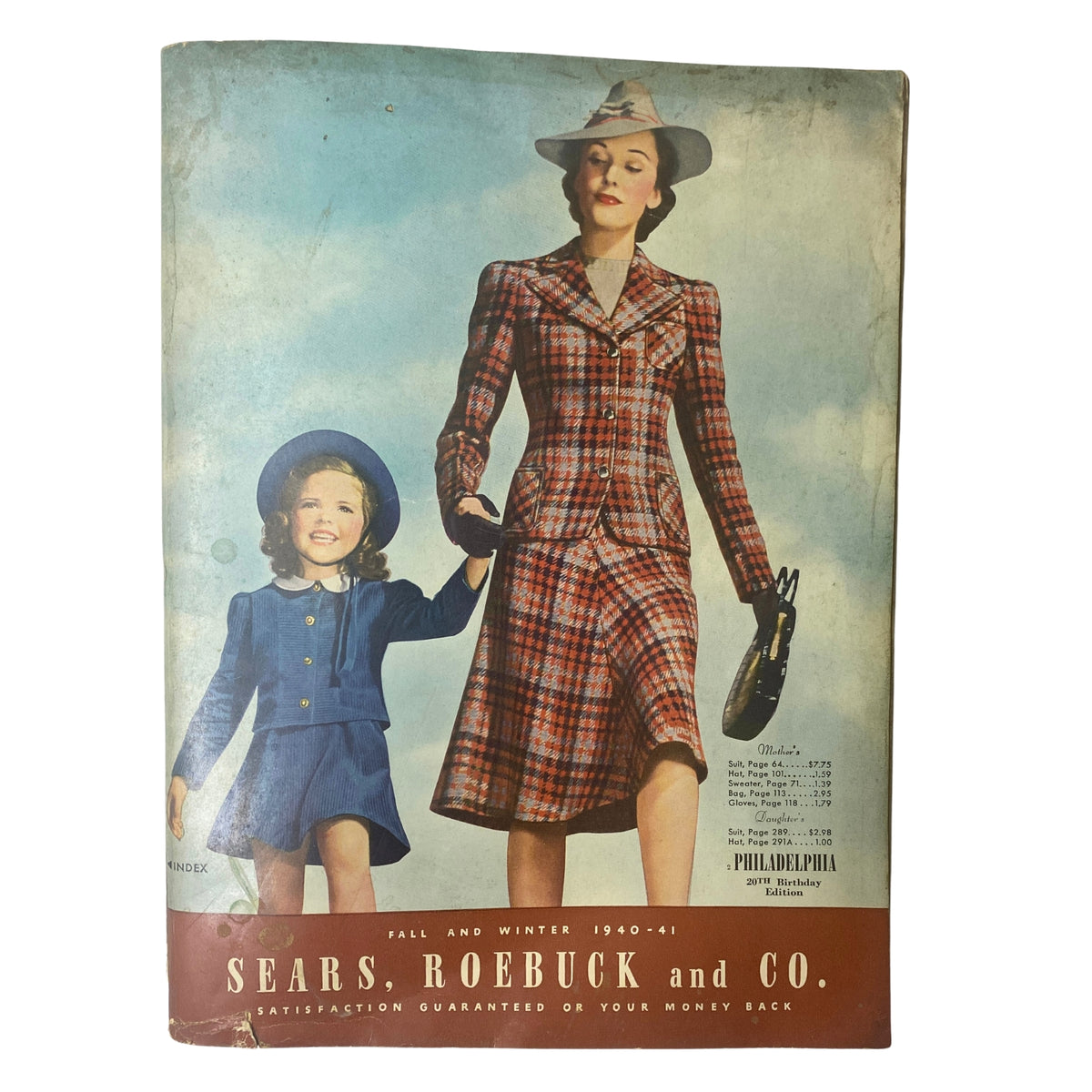
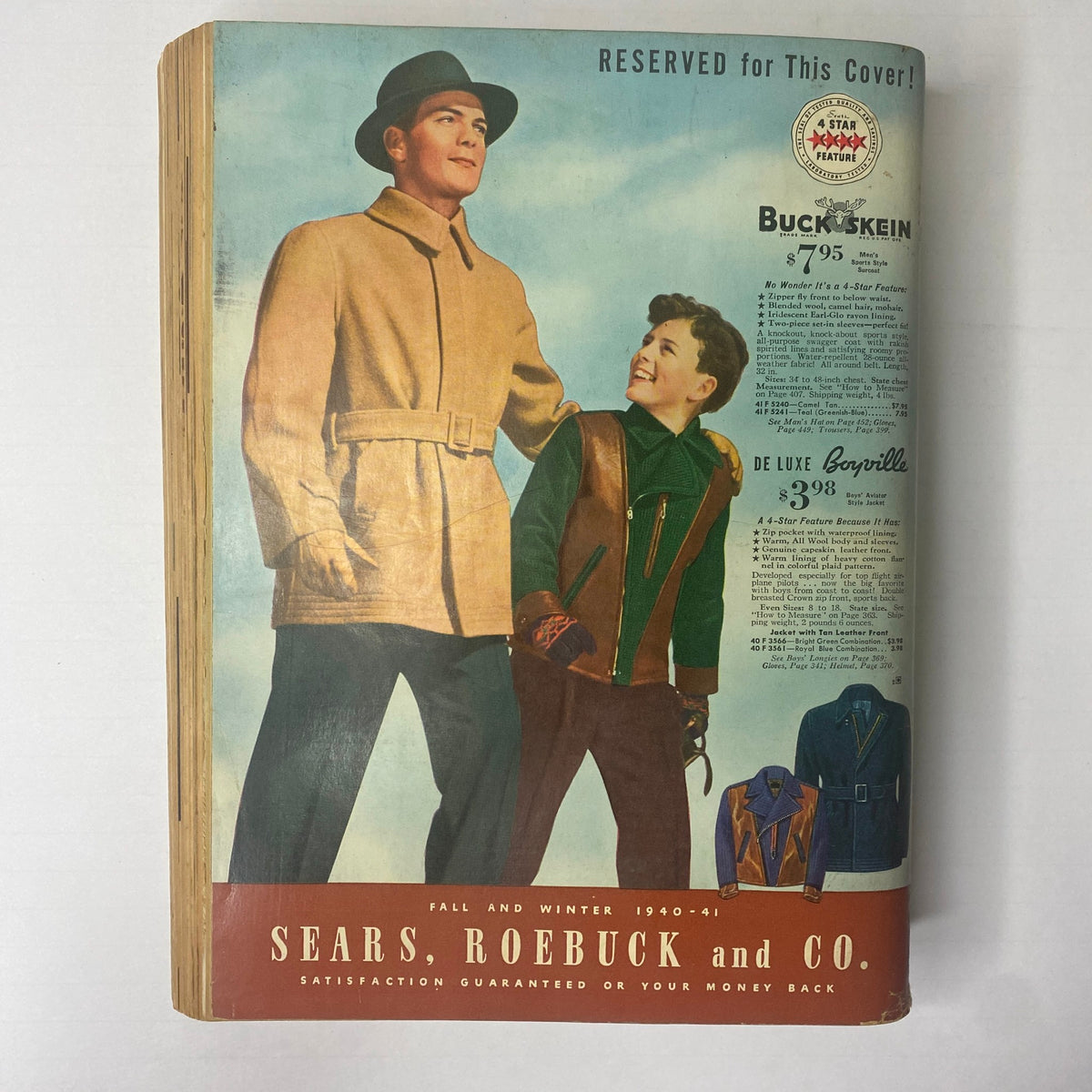
The 1940–1941 Sears, Roebuck & Co. Fall and Winter Catalog occupies a genuinely singular position in the archive of American consumer history. This was the twentieth anniversary edition of the fall and winter catalog format, arriving at a moment of profound national uncertainty. Europe had been at war since September 1939. France had fallen in June 1940. The Battle of Britain was underway as this catalog went to press. American entry into the war was not yet a fact — Pearl Harbor was still more than a year away — but the economic and psychological atmosphere of the country was already shifting. Defense spending was beginning to pull the United States out of the Depression's long tail, and American families were spending again, cautiously, on the kinds of domestic goods and clothing that a Sears catalog existed to provide. The result is a document that captures the last full expression of American peacetime consumer culture before the war transformed manufacturing priorities, rationed materials, and redirected the entire apparatus of domestic production. For collectors building an archive of vintage Sears catalog editions, the 1940–1941 fall and winter issue represents a precise historical threshold — the world just before everything changed.
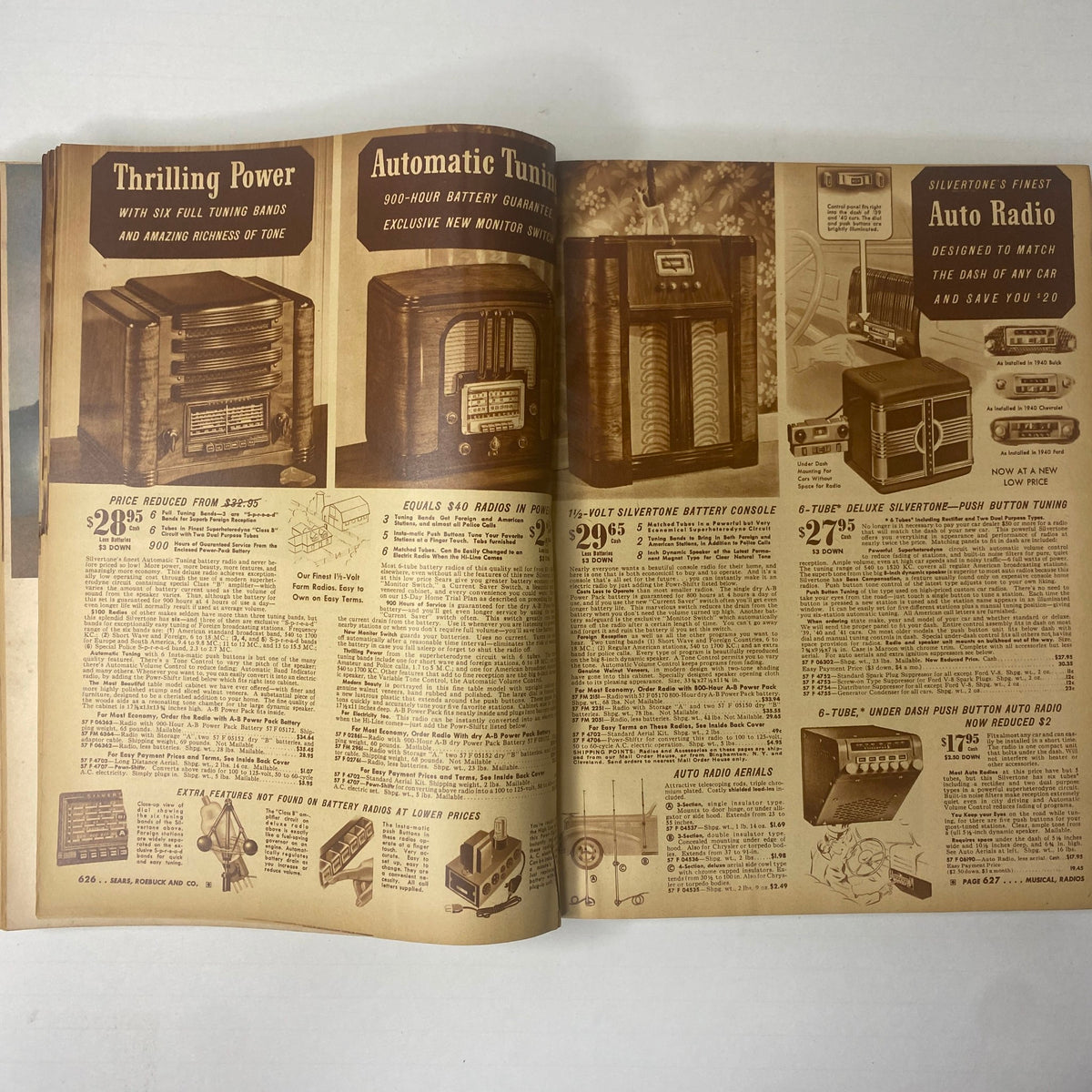
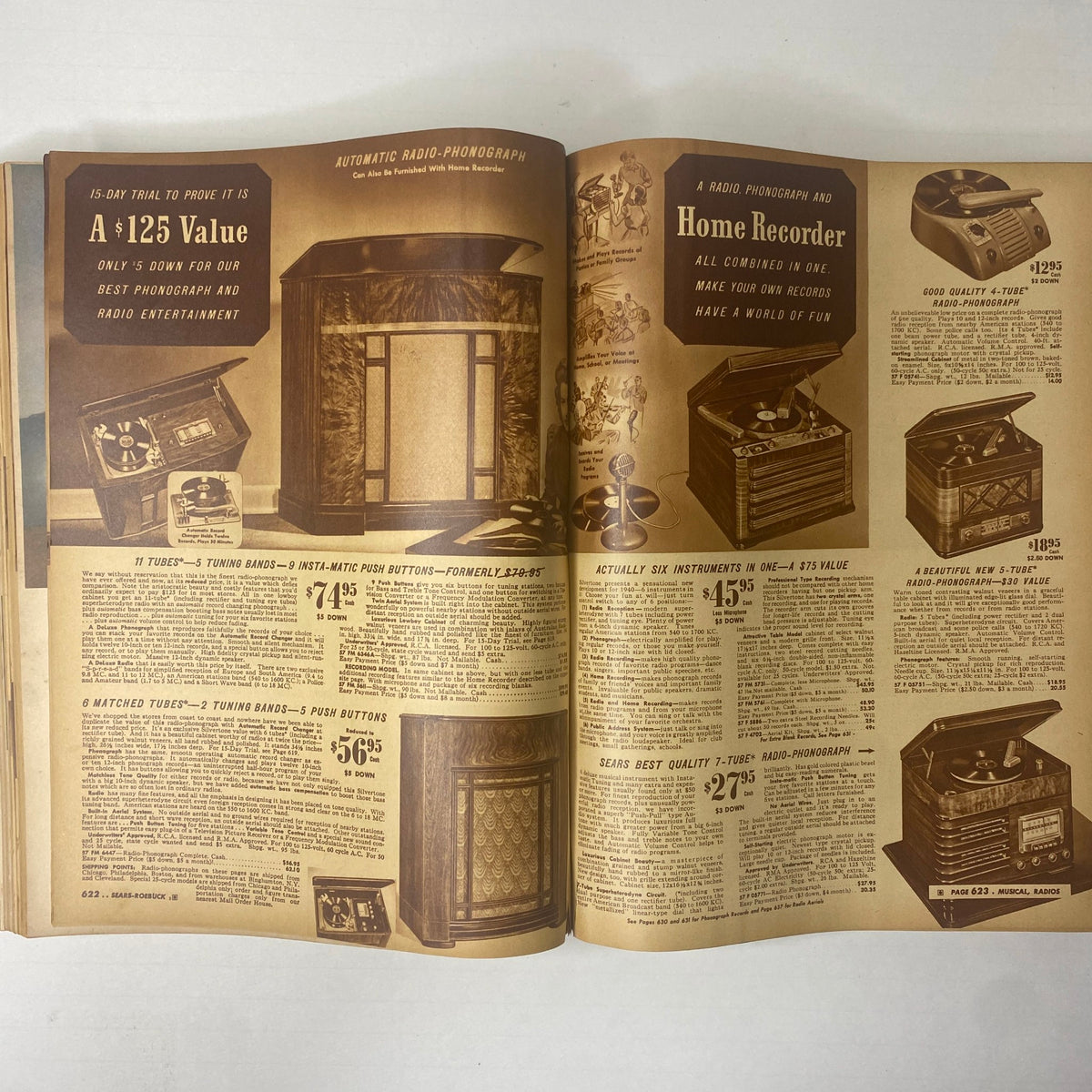
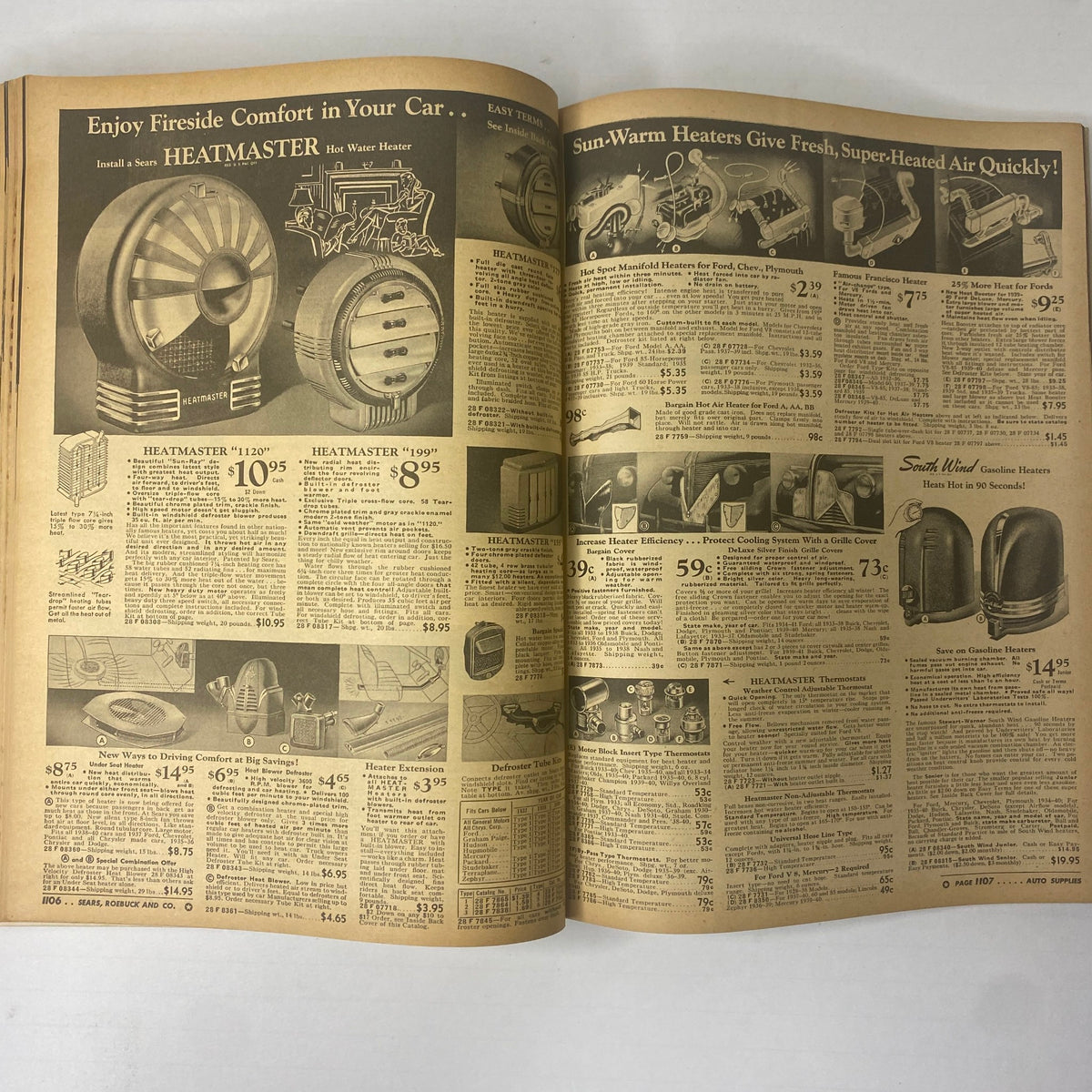
The twentieth anniversary designation adds a self-conscious historical layer to the catalog's significance. Sears had been publishing fall and winter editions since the early 1920s, and by 1940 the format had matured into something far more than a shopping guide. It was a comprehensive portrait of what American families needed, wanted, and could afford — men's wool suits and women's winter dresses alongside cast-iron stoves, farm equipment, vintage toys, and home tools. The breadth of that inventory is itself the historical argument. A single Sears catalog from this period documents the full material culture of American domestic life in a way that no other single source quite replicates. Among publications from 1940, the Sears fall and winter catalog stands apart for the sheer density of primary evidence it contains about how ordinary Americans lived, dressed, equipped their homes, and prepared for the cold months ahead.
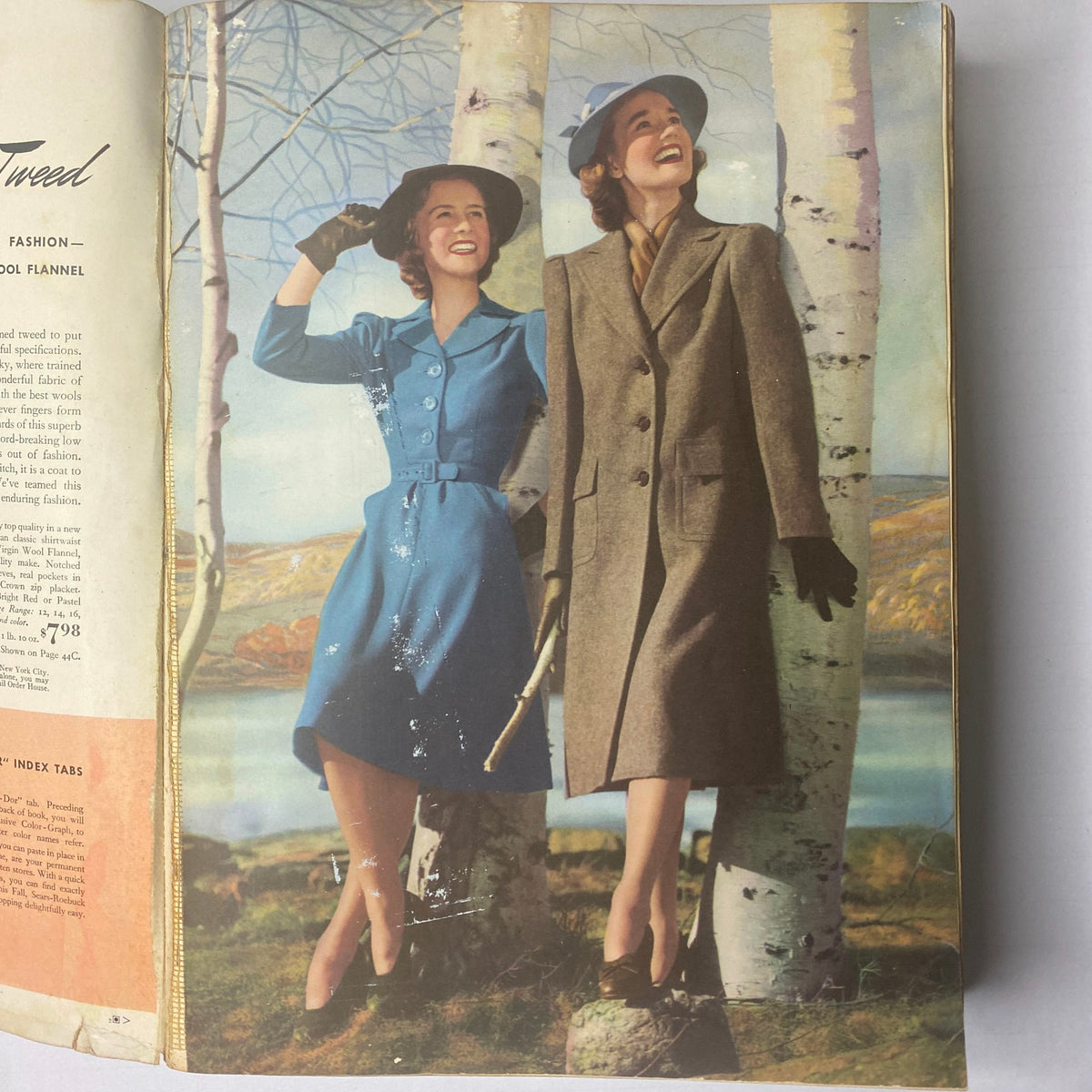
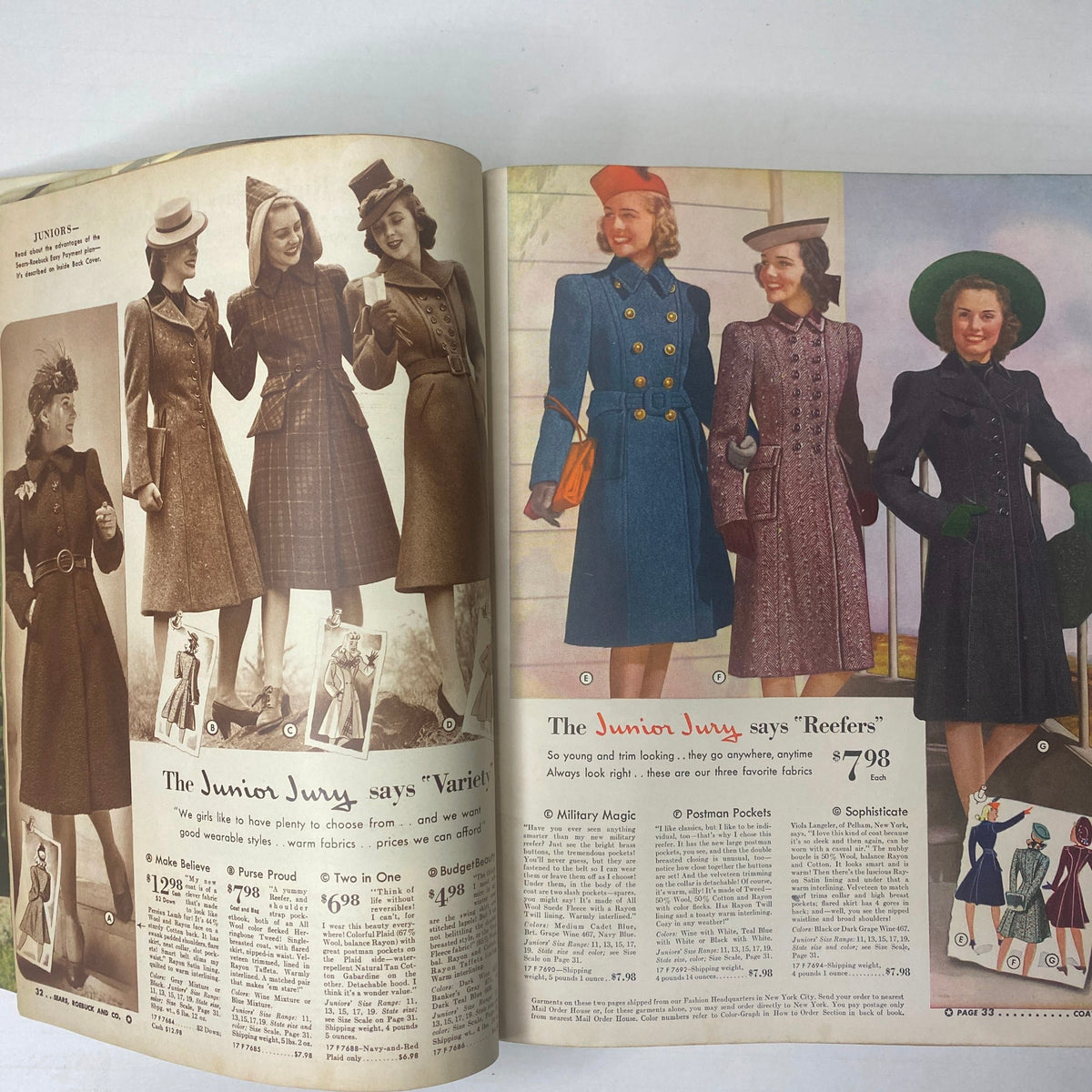
There is also a design history argument to be made for this edition. The late 1930s and early 1940s represented a transitional moment in American commercial illustration and graphic design — Art Deco influence was fading, and the cleaner, more functional aesthetic that would define mid-century commercial art was beginning to assert itself. A Sears catalog from this exact moment captures that transition in its typography, its fashion illustration style, and its product photography, making it a valuable reference for researchers working across design history, fashion history, and retail history simultaneously.
About the Publication
Sears, Roebuck and Co. began publishing its general merchandise catalog in 1888, and by the early twentieth century it had become one of the most widely distributed publications in the United States — reaching rural and small-town households that had limited access to department stores and functioning as the primary retail channel for a significant portion of the American population. The fall and winter catalog was one of two major annual editions, alongside the spring and summer book, and both were treated by recipient families as practical reference documents rather than ephemeral advertising. Pages were consulted repeatedly across the season, items were circled and discussed, and the catalogs were often kept for years. By 1940 the fall and winter edition ran to hundreds of pages and covered virtually every category of consumer goods, from apparel and footwear to appliances, furniture, farm supplies, and toys. Its audience was explicitly national and deliberately middle-American — families who valued reliability, affordability, and the assurance that came with buying from a company whose name had been in their homes for generations.
Key Highlights Inside
- Twentieth anniversary fall and winter edition: A self-consciously milestone publication, issued at the last moment before wartime manufacturing restrictions and material rationing would begin reshaping what Sears could offer and how it could present its merchandise.
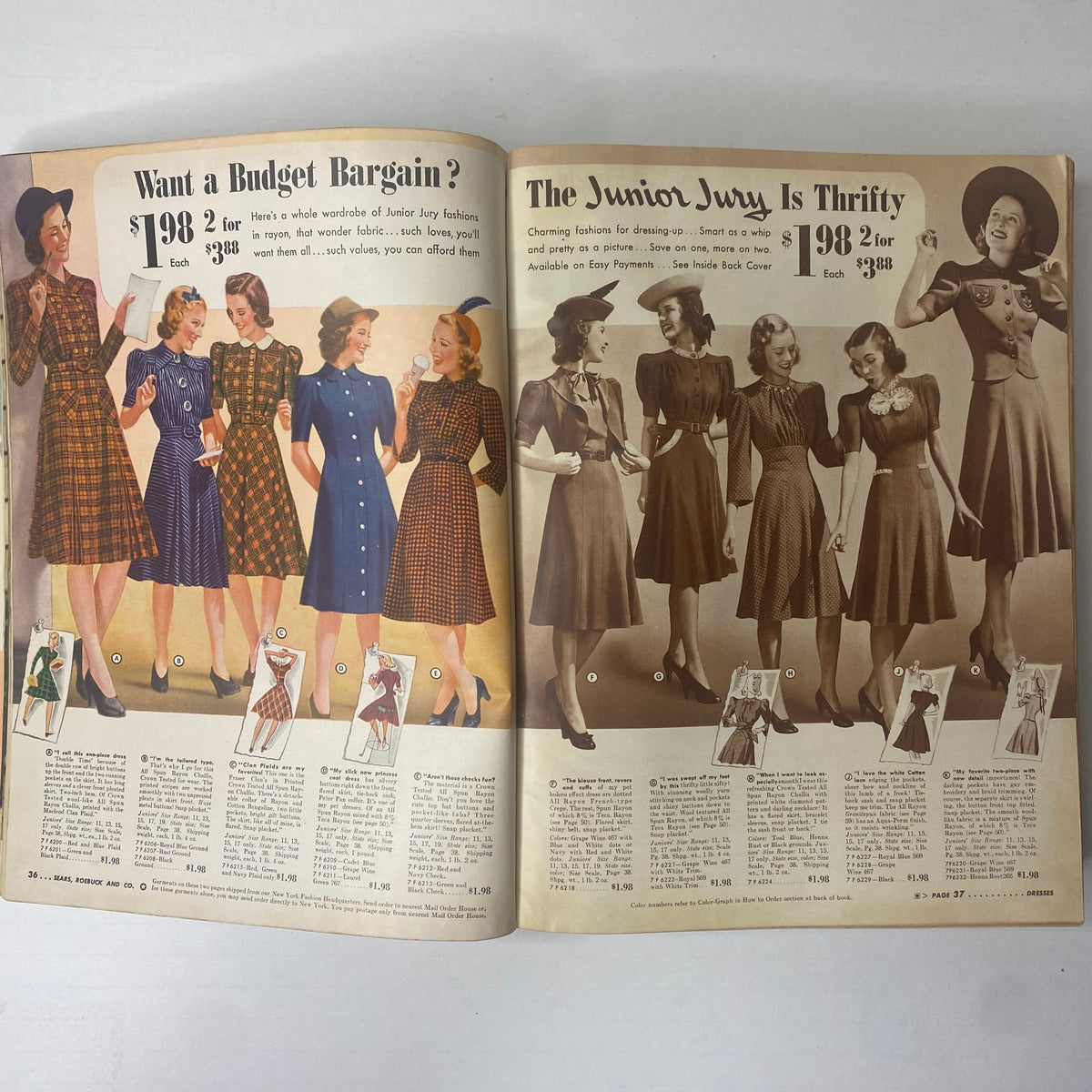
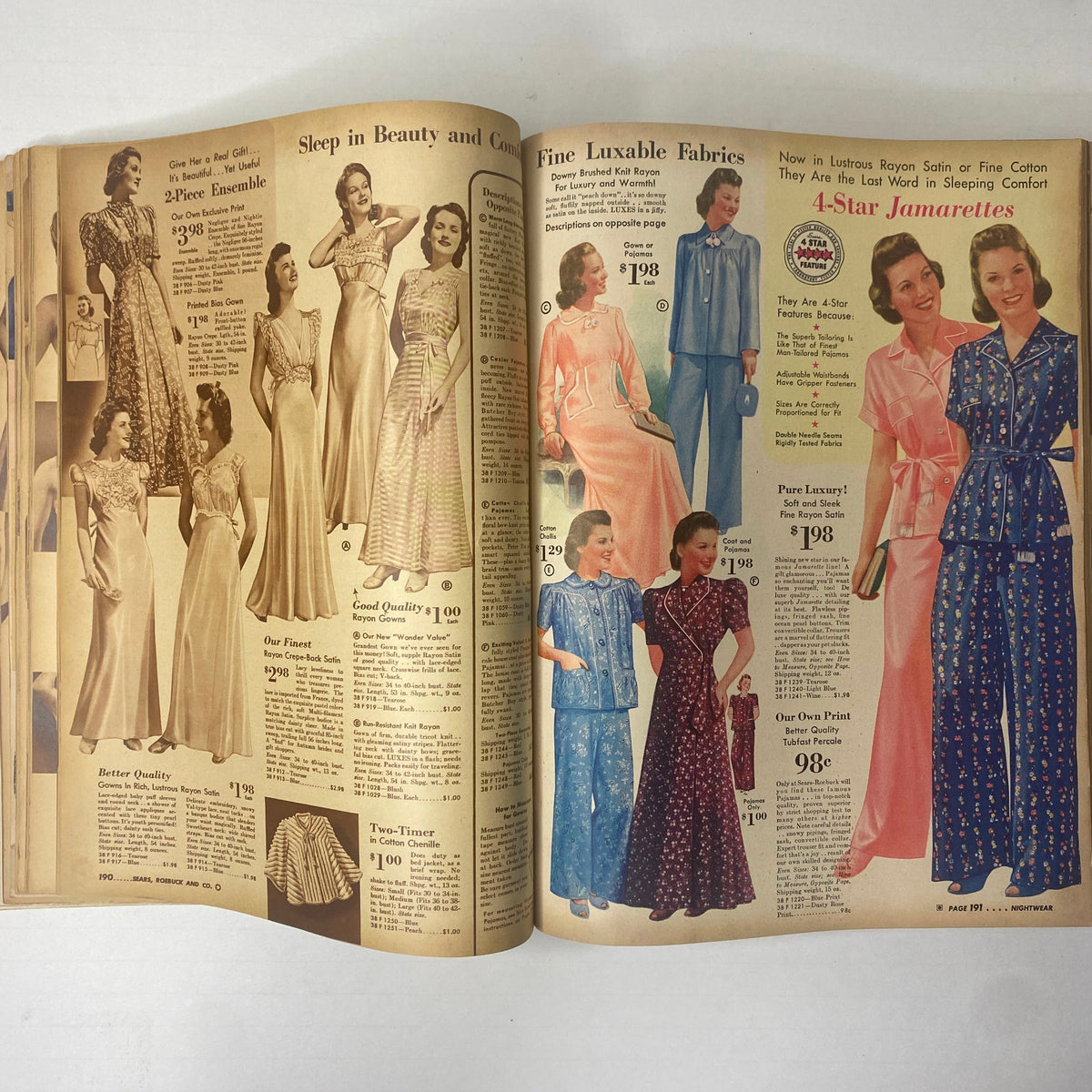
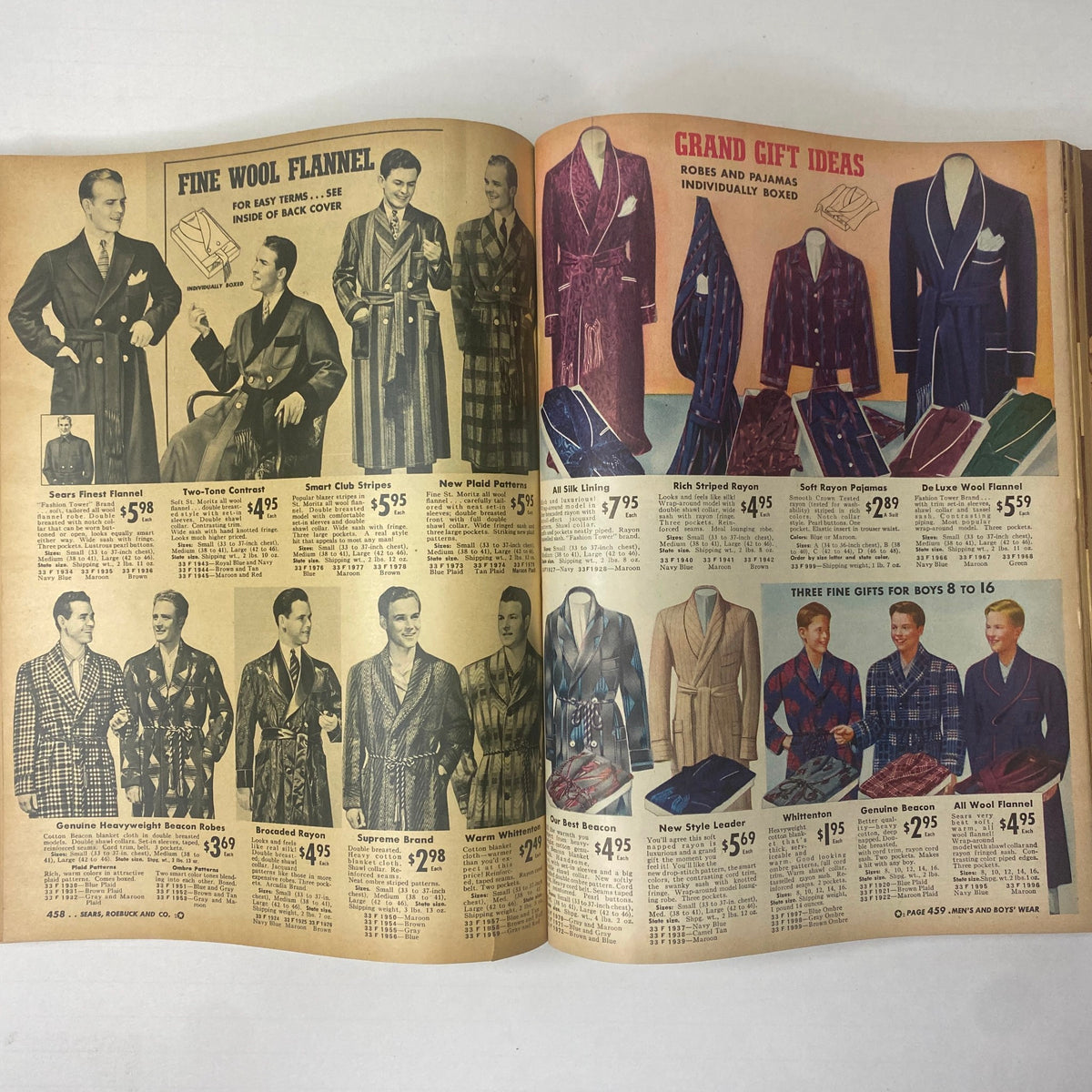
- Men's wool suits and women's winter dresses: Pre-war American fashion at the retail level — the styles, fabrics, and price points available to ordinary families rather than the haute couture documented in fashion magazines, making this a primary source for social historians of dress.
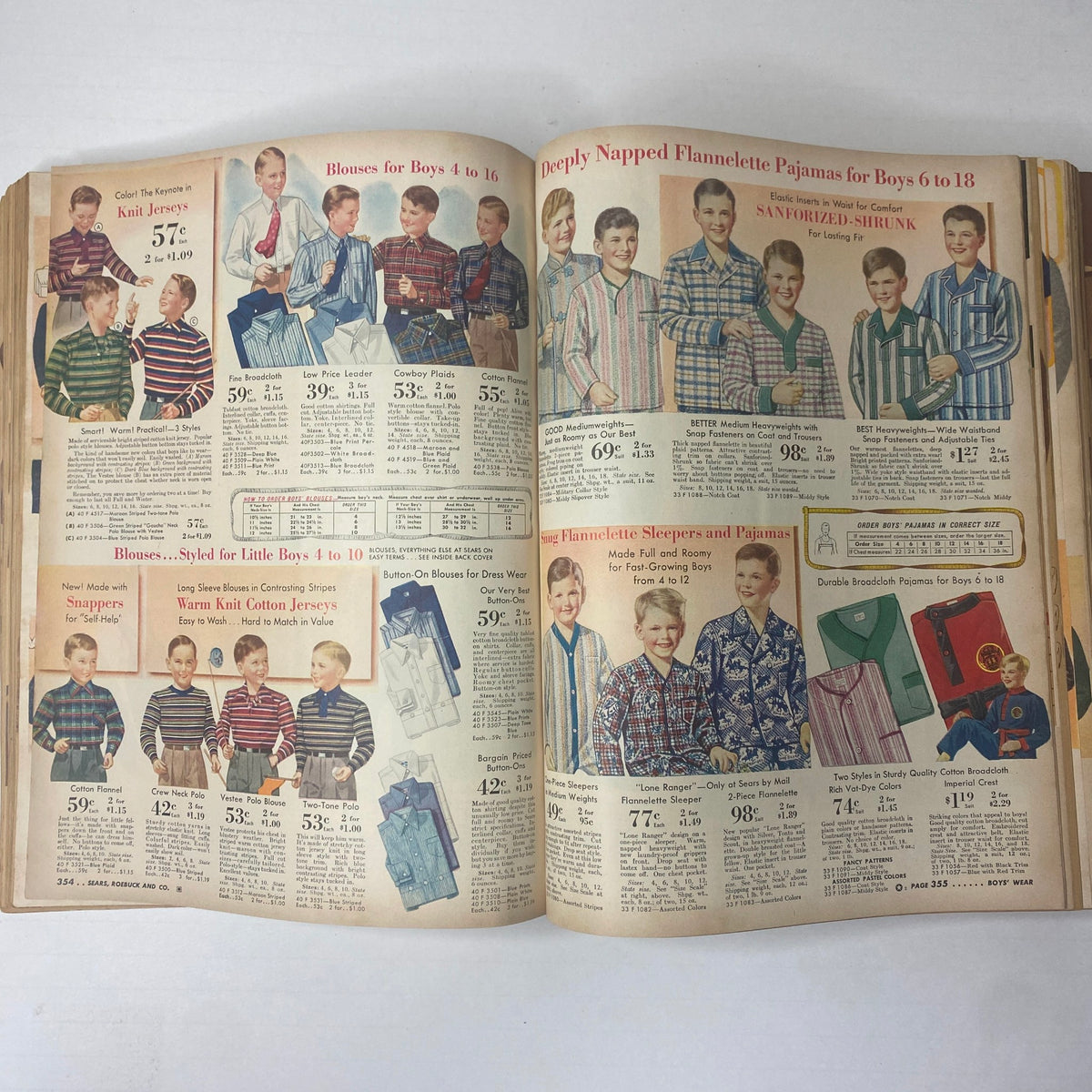
- Children's warm wear: A detailed record of how American children were clothed in the early 1940s, covering styles, materials, and the retail infrastructure that supplied them to families across the country.
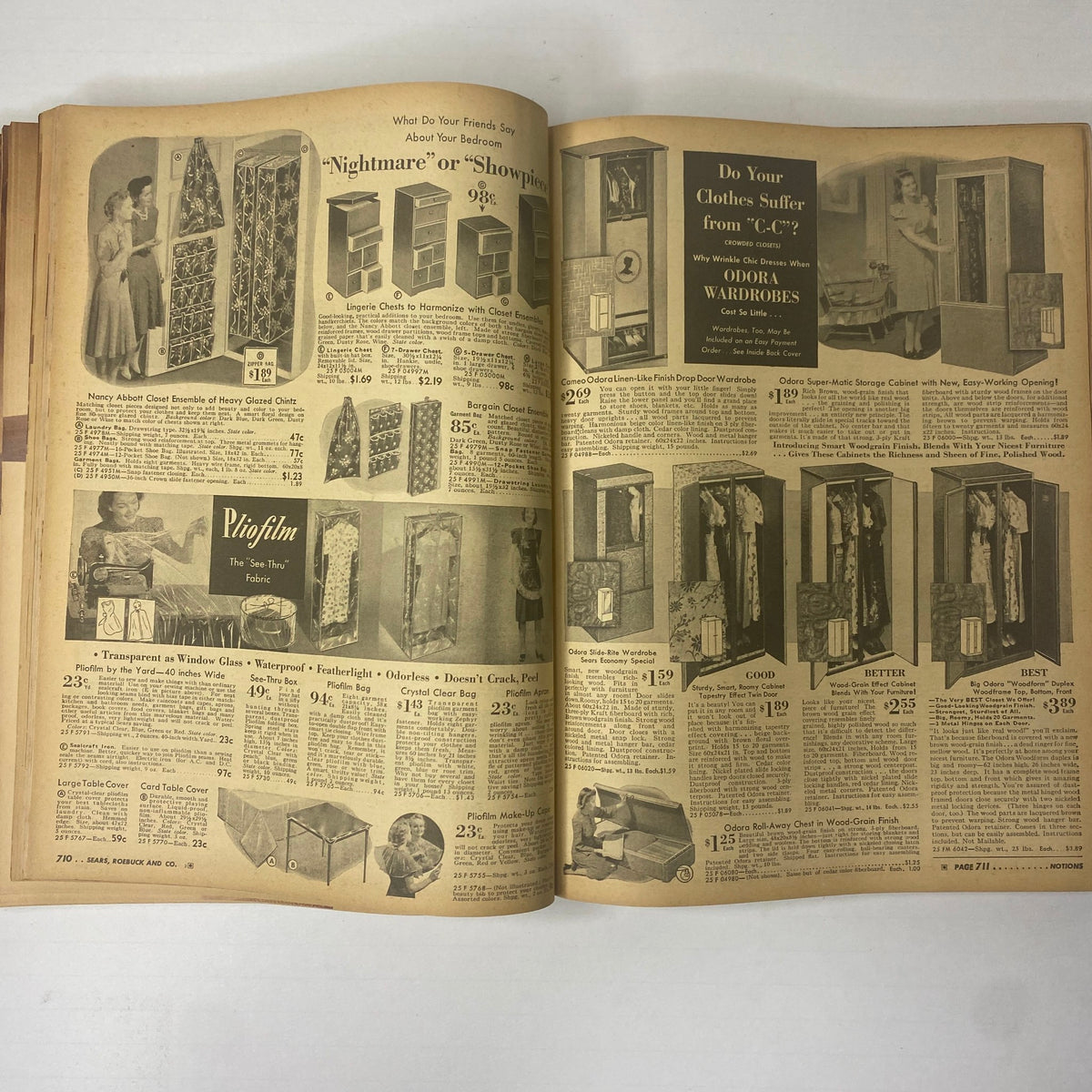
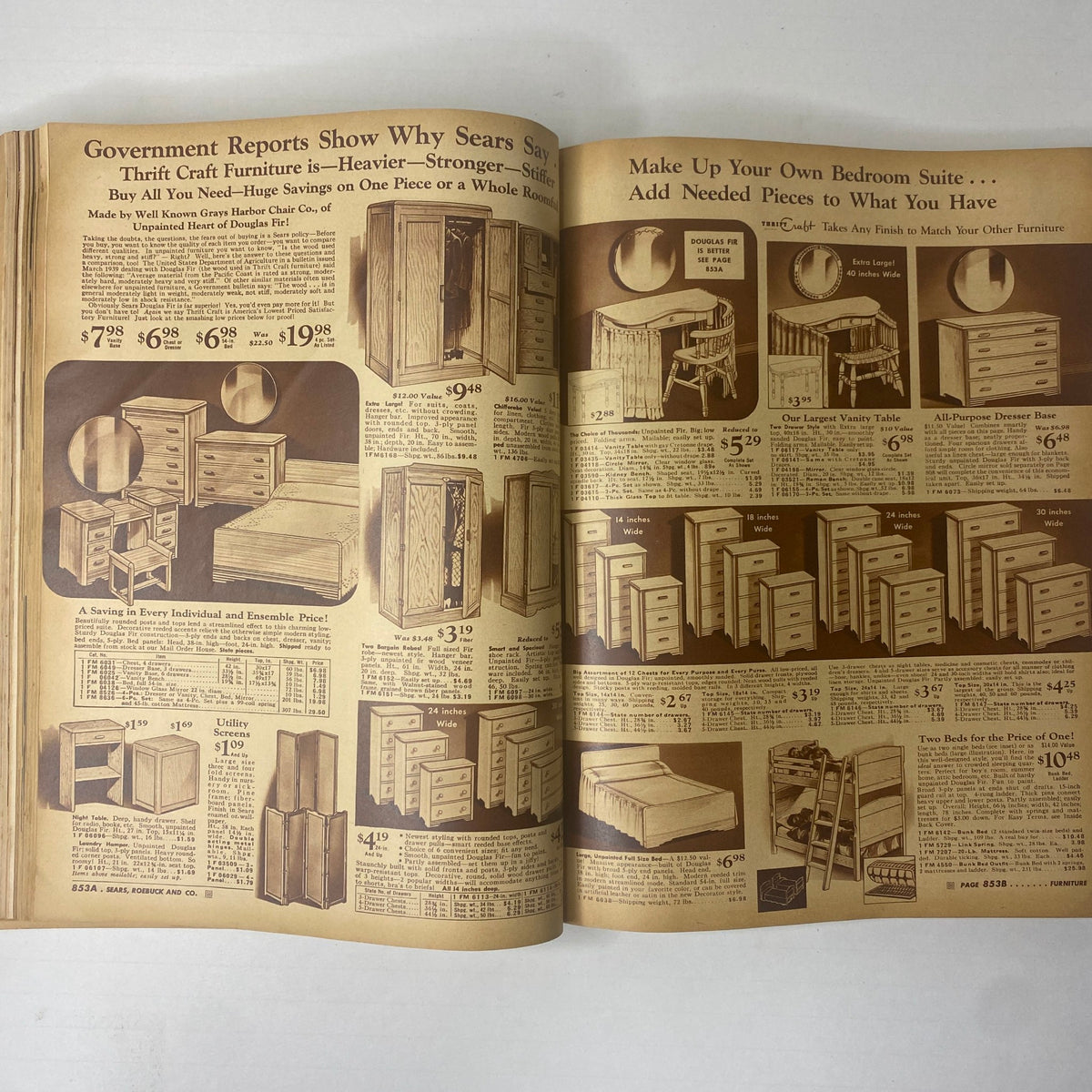
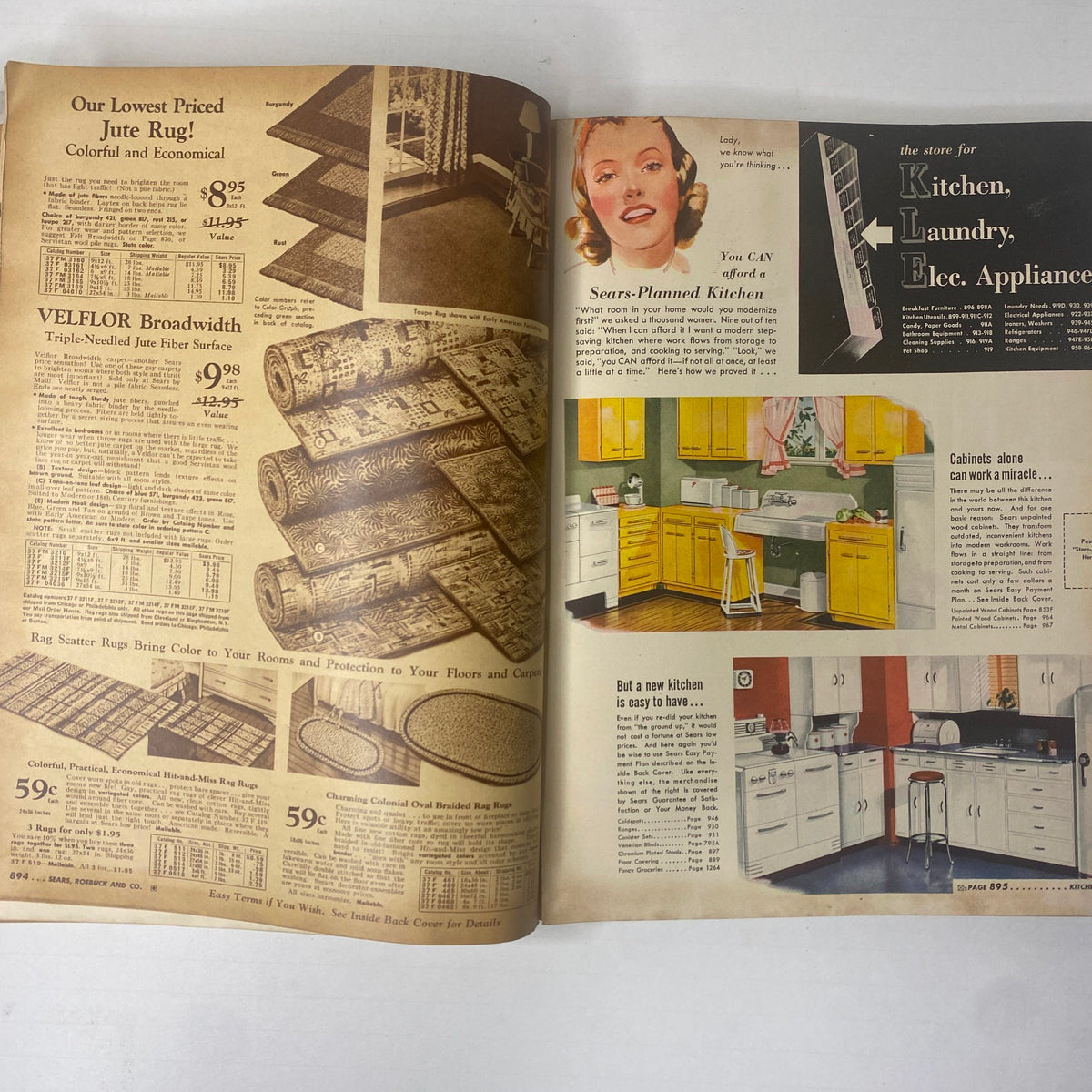
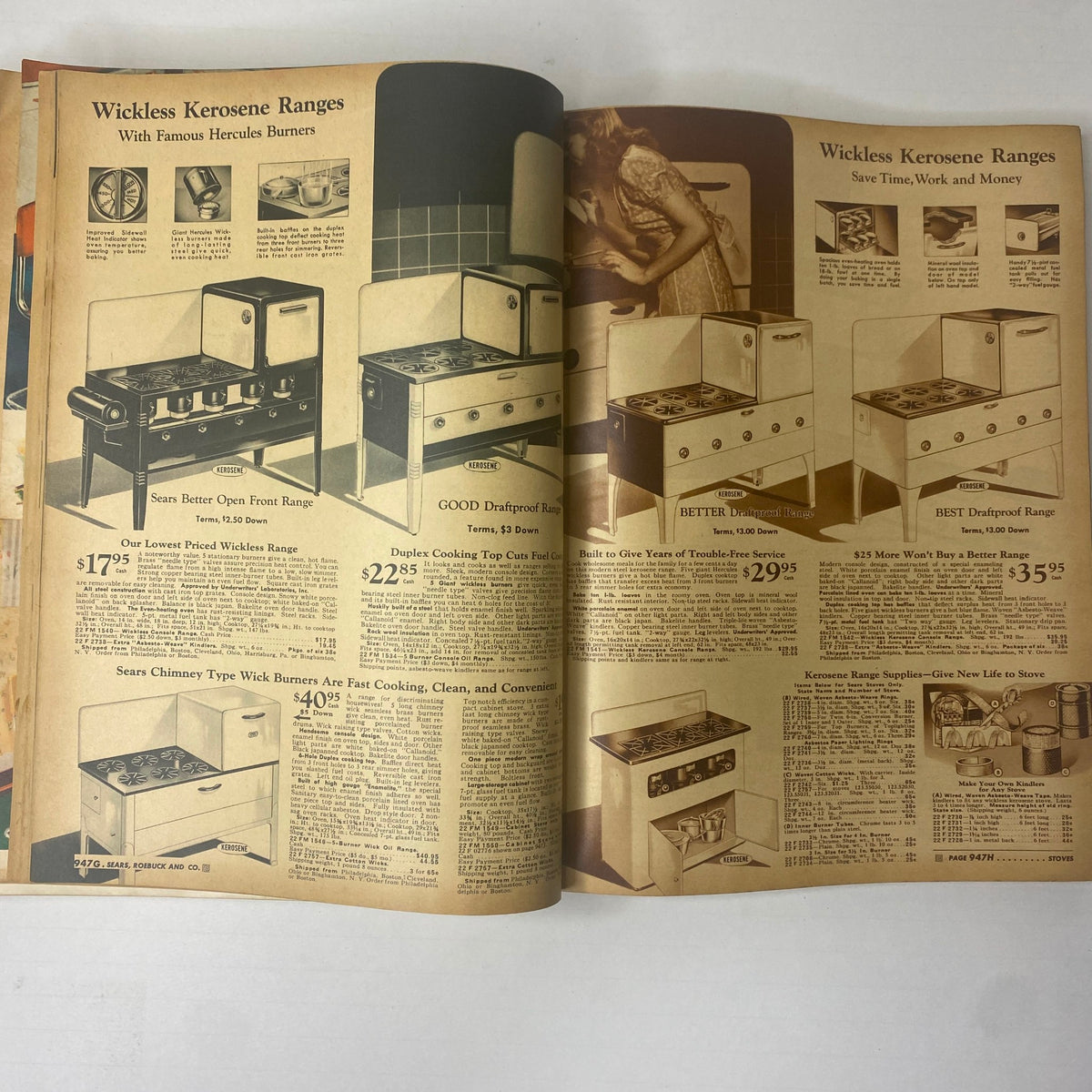
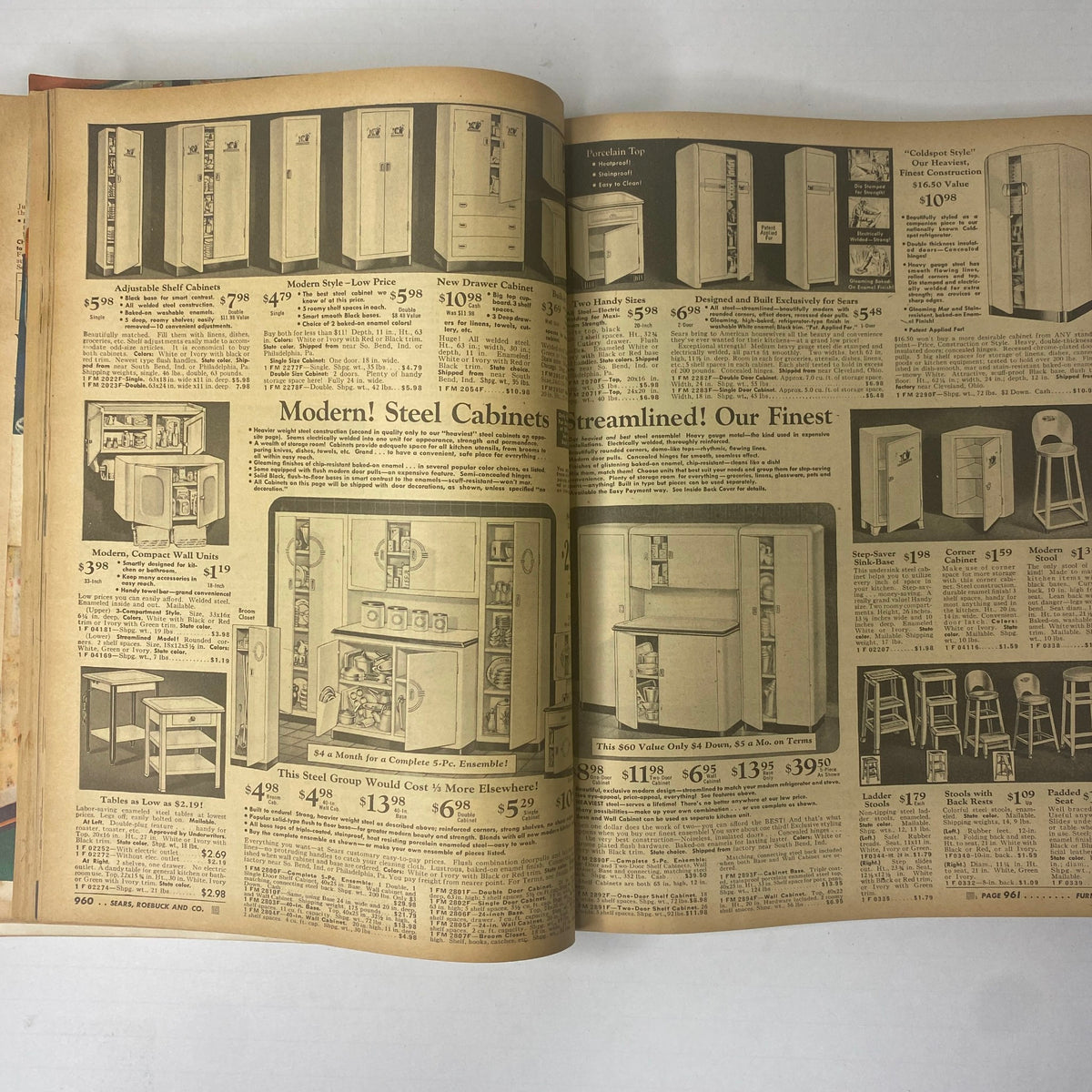
- Cast-iron stoves and classic furniture: Home goods sections of Sears catalogs from this period document the material standards of American domestic interiors with a specificity that architectural and design historians find invaluable.
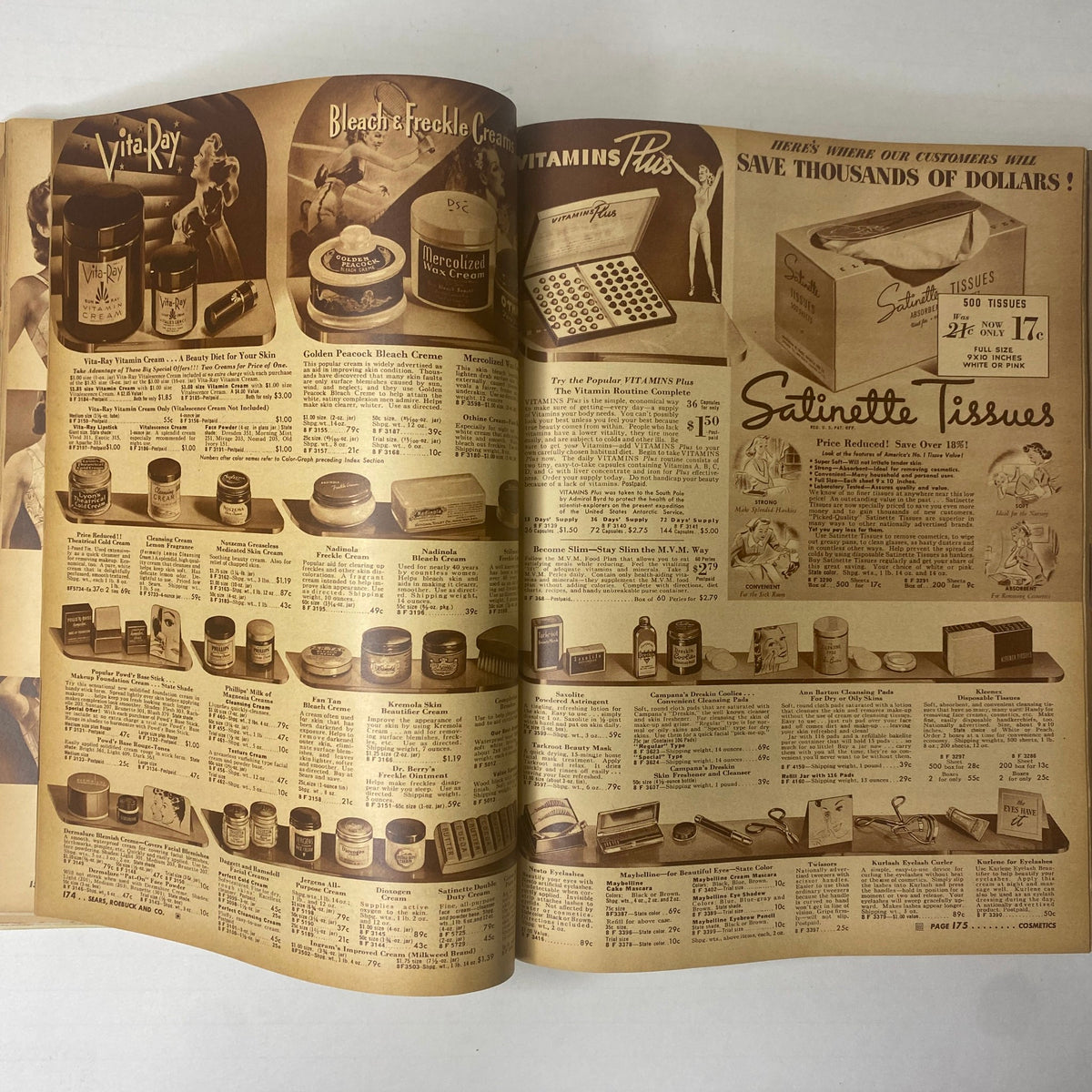
- Farm equipment, home tools, and vintage toys: The catalog's non-apparel sections reflect the full breadth of the Sears customer base — rural and semi-rural households that looked to the catalog for equipment and supplies unavailable locally, alongside the domestic toy market that would be dramatically curtailed by wartime material restrictions within two years.
Condition & Rarity
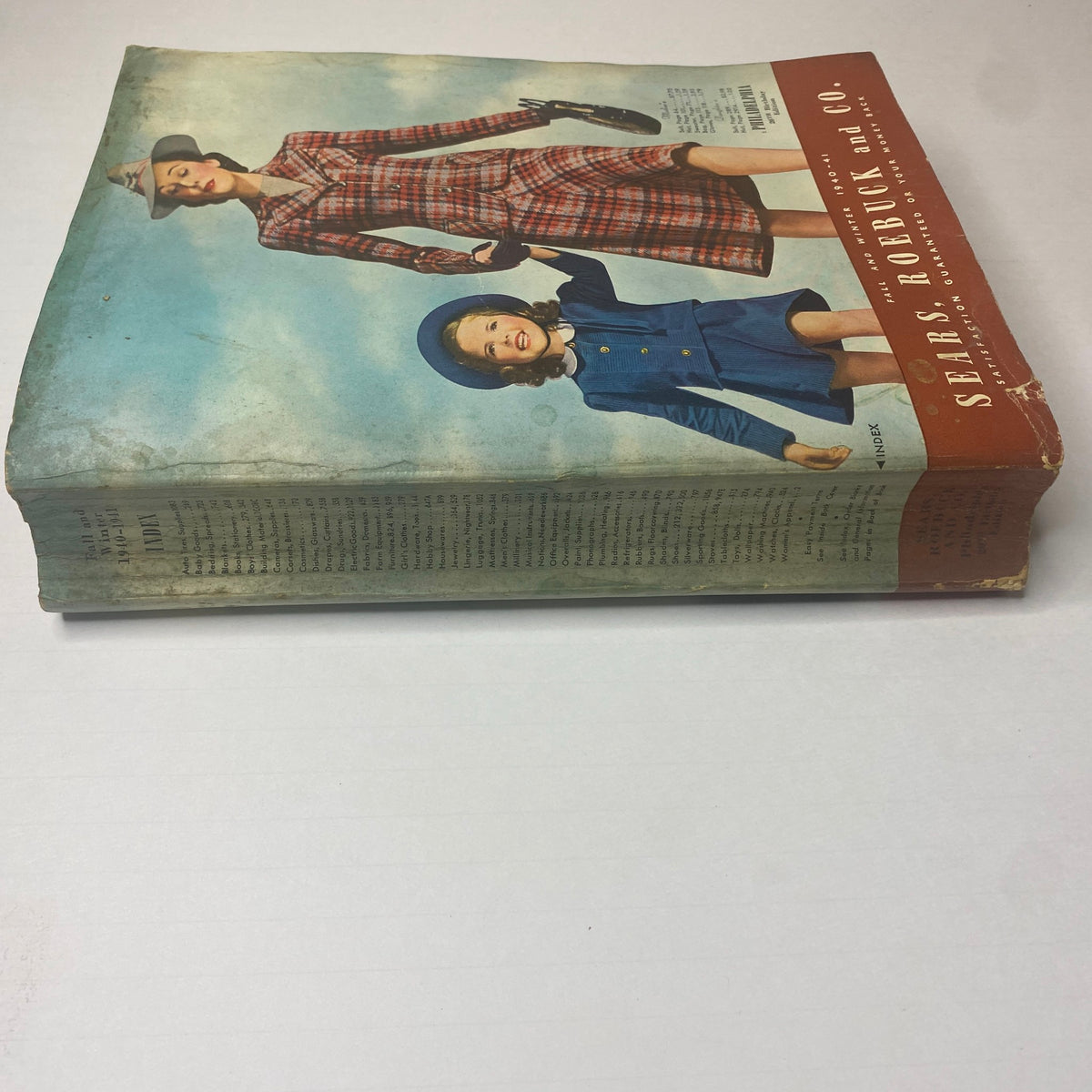
The no-label attribute noted for this catalog is a meaningful condition positive. Sears catalogs were mailed directly to registered customer households, and the mailing label was typically applied to the cover — meaning the overwhelming majority of surviving copies carry that label damage. A copy presenting without an address label either reached its original recipient through a retail or secondary channel rather than direct mailing, or has had the label cleanly removed at some point, and either scenario results in a cleaner cover presentation. For a catalog now more than eighty years old, minimal wear is an honest and favorable characterization — these publications were heavily used reference documents, and copies that have survived with pages intact and covers readable represent the better end of what the market regularly offers. The relevant condition benchmarks for any surviving copy of this edition are cover integrity, the completeness of the full page count, the readability of the fashion and product illustration pages, and the absence of significant moisture or pest damage, all of which affect both display quality and research utility.
Looking for More Issues Like This?
Pre-war Sears catalogs in no-label condition are genuinely uncommon finds — these were working documents, used hard and rarely preserved with collectors in mind. The full archive of vintage Sears catalog editions spans multiple decades and is the strongest available resource for collectors and researchers working through the publication's history systematically. For those building a collection around a specific historical period, the complete 1940 publications archive brings together a range of titles from the last year of American peacetime and provides rich context alongside this catalog.