





Description
Collector's Note – Why This Issue Matters
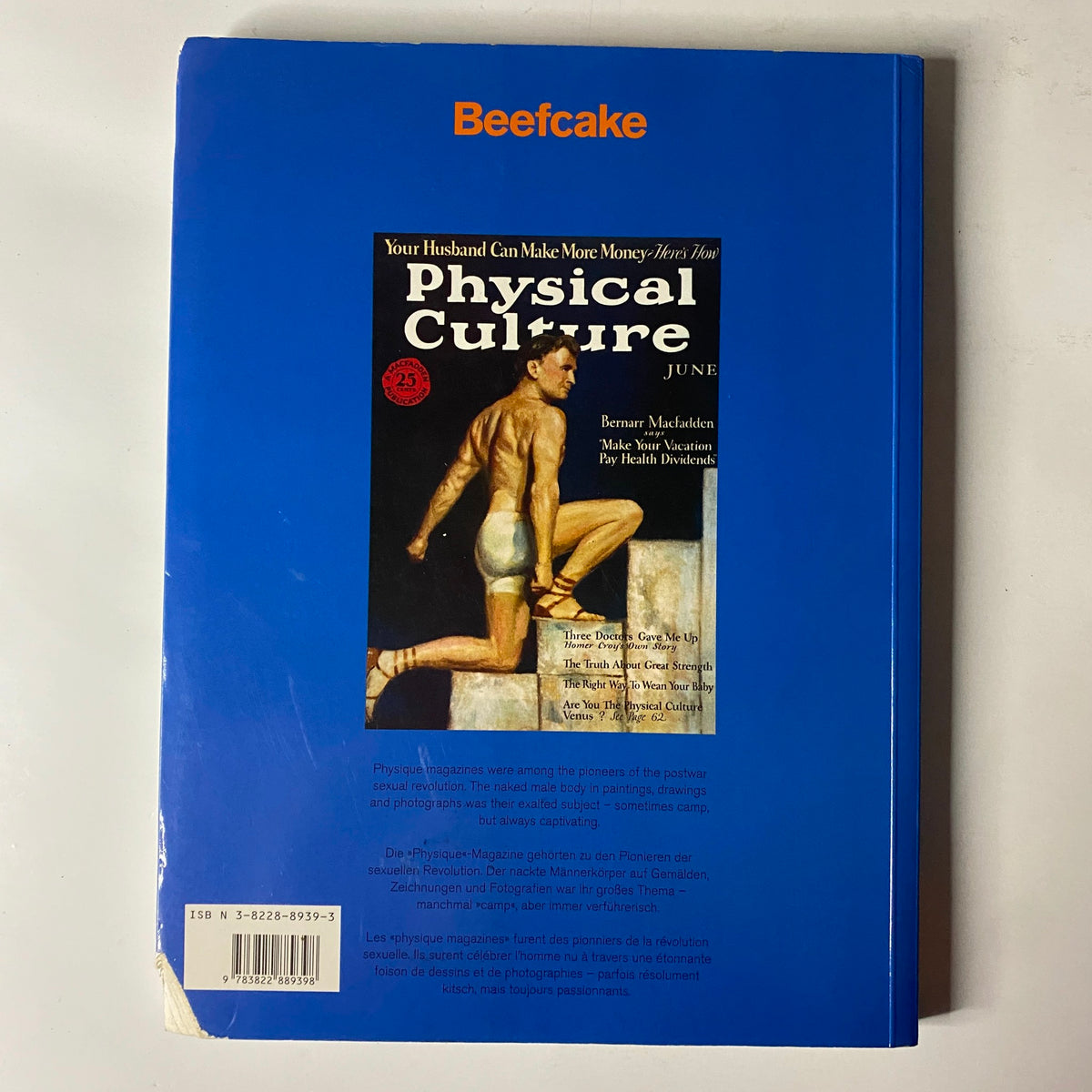
Published in the era before LGBTQ+ history had a recognized shelf in most bookstores, Beefcake: The Muscle Magazines of America, 1950–1970 by F. Valentine Hooven III stands as one of the earliest serious attempts to document the physique magazine phenomenon as both a publishing history and a coded cultural movement. The two decades it covers — spanning the postwar conservatism of the 1950s through the slow loosening of censorship in the 1960s — were precisely the years when magazines like Physique Pictorial, Tomorrow's Man, and Vim operated in a legal gray zone, distributing images of near-naked men to a readership that understood perfectly well what they were looking at, even when the law did not. Hooven's volume gave that history a name, a chronology, and a critical framework at a time when very few writers were willing to do so. For collectors drawn to vintage publications from the 1950s, this book functions as an essential field guide and contextual companion.
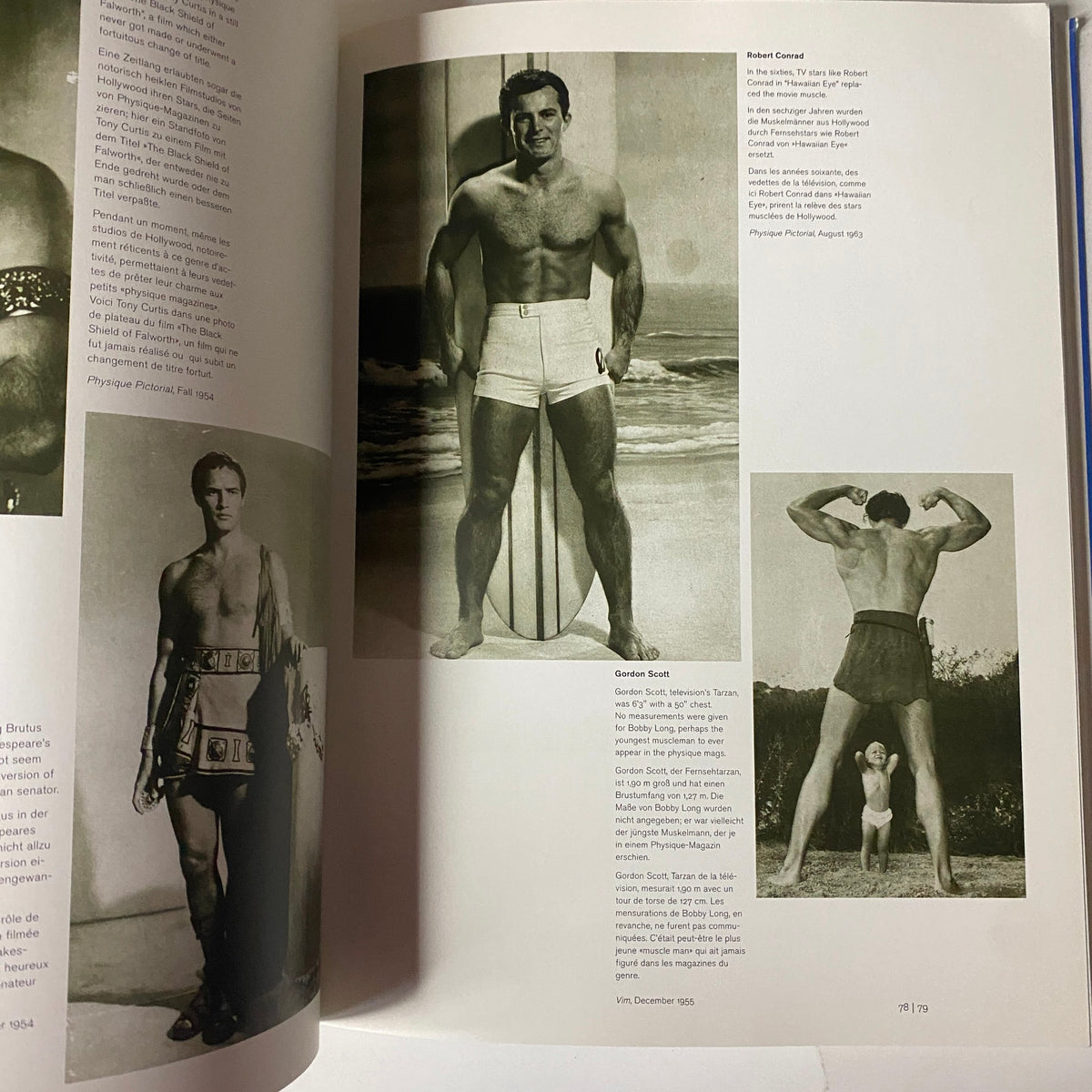
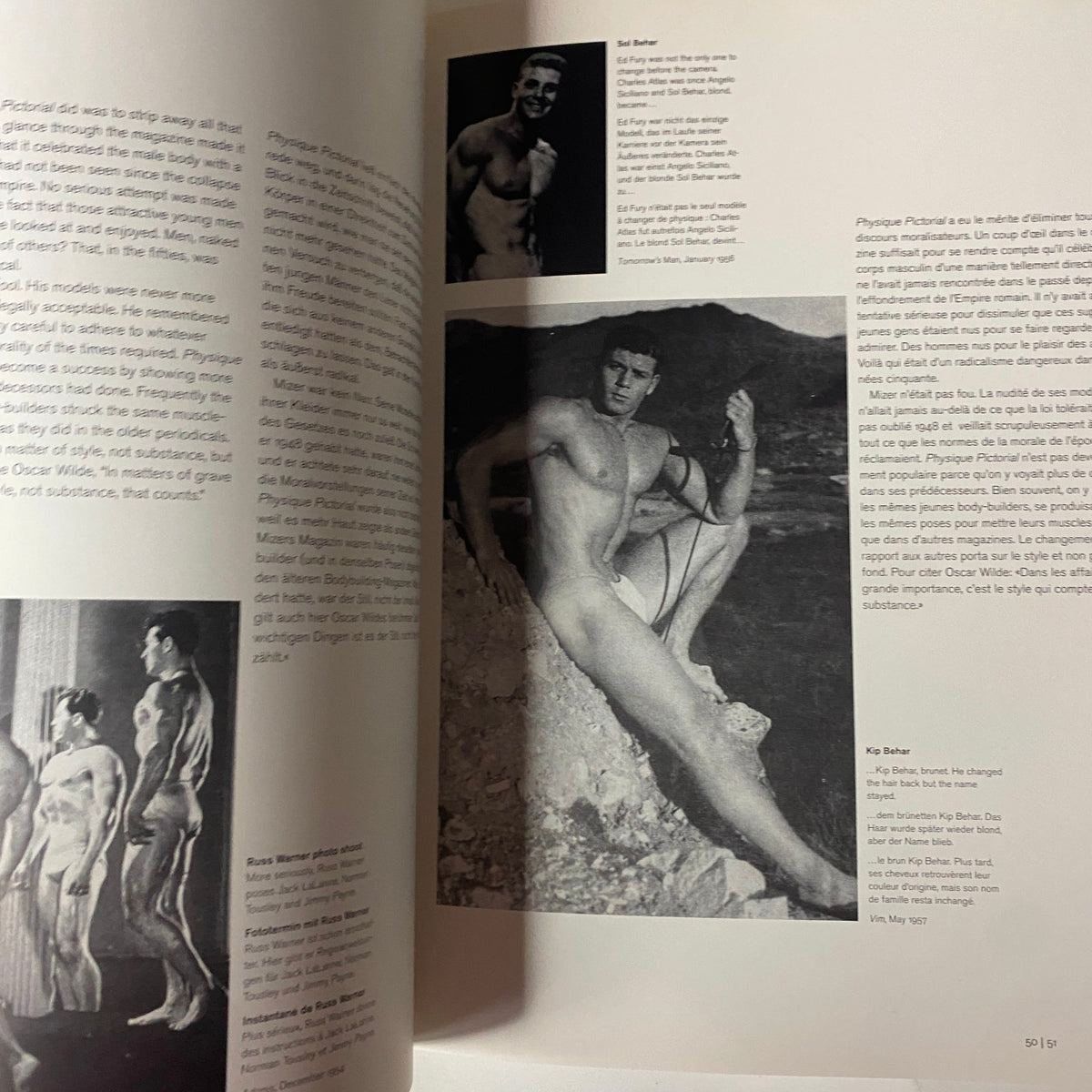
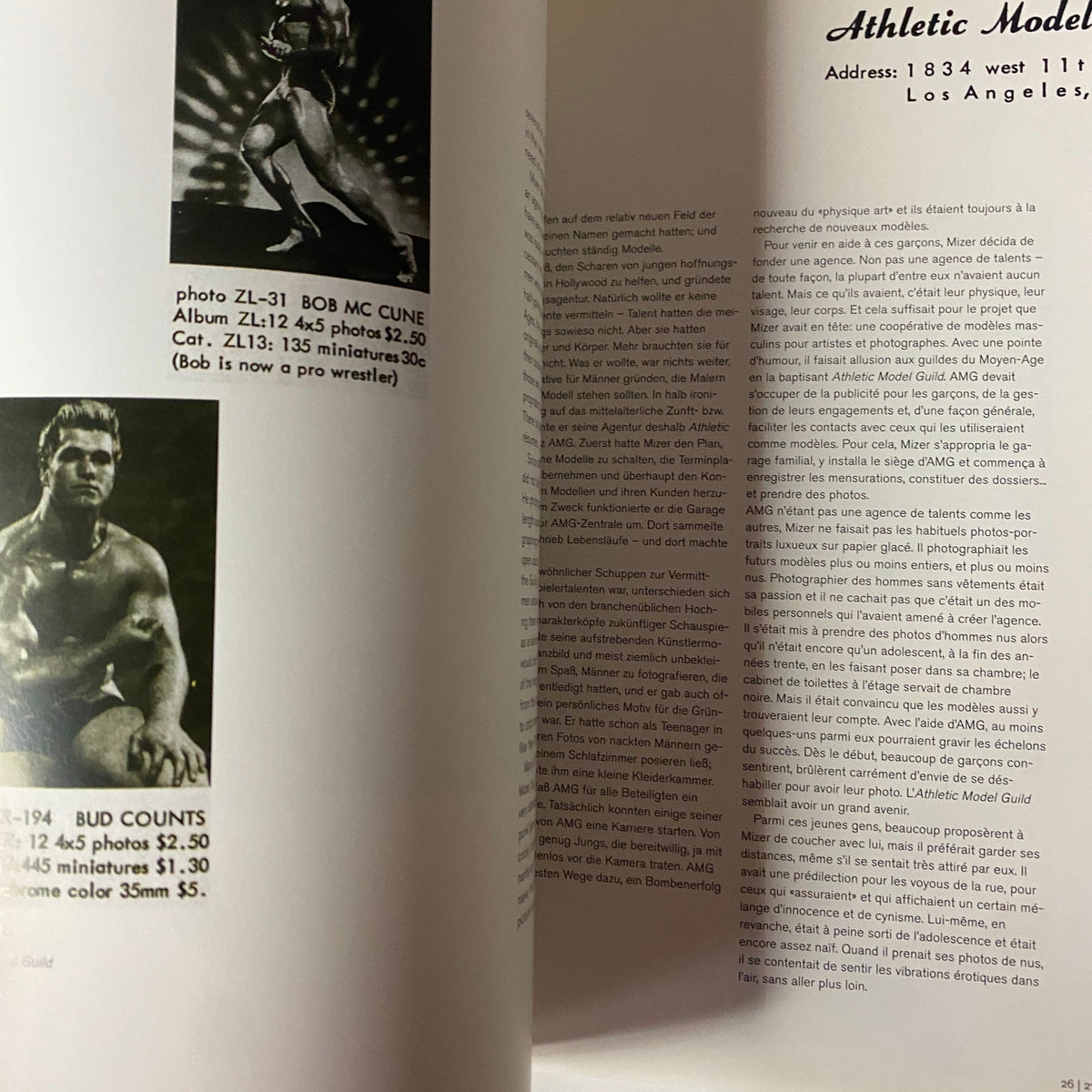
The chapter structure — from "The Birth of Beefcake" through "The Fifties: Not-Completely-Naked Revolutionaries" and into "The Sixties: The Fig-Leaf Falls" — maps the arc with precision. Hooven understood that the muscle magazine genre was never purely about fitness. Photographers like Bob Mizer of the Athletic Model Guild were simultaneously building bodybuilding iconography and creating one of the few distribution networks through which gay men could legally obtain images that reflected their own desires. The magazines operated under the cover of health culture even as they quietly revolutionized visual representations of the male body. This book is among the first to say that plainly and to back the argument with rare photography and documented publishing history.
Hooven's work also arrives at a meaningful cultural moment within the collector market: as interest in pre-Stonewall queer history has deepened, so has scholarly and collector attention to the publications that made up its visual underground. This volume bridges the gap between coffee-table photography book and cultural history, making it sought after by collectors of physique art, vintage Americana, bodybuilding history, and LGBTQ+ archival material alike.
About the Publication
Beefcake: The Muscle Magazines of America, 1950–1970 was published by Taschen, the German art book publisher known for producing high-quality visual histories of photography, design, and popular culture. Taschen's format — generous image reproduction, scholarly commentary, and wide distribution — made it an ideal vehicle for Hooven's subject matter. The book was aimed at collectors, cultural historians, and readers with a serious interest in twentieth-century photography and the social history of sexuality, presenting material that had previously been scattered across rare original periodicals and private archives in a single documented volume.
Key Highlights Inside
- A documented survey of the physique magazine industry from its postwar origins through the collapse of censorship restrictions at the close of the 1960s, organized chronologically across four chapters.
- Rare photography drawn from the physique publication era, reproduced to Taschen's high production standards — many images sourced from magazines that are themselves extremely scarce in collector condition today.
- Analysis of the "not-completely-naked" conventions of 1950s physique photography — the posing straps, the classical poses, the fig-leaf compositions — as deliberate strategies for navigating obscenity law rather than mere modesty.
- Coverage of the transition into the 1960s as legal precedents shifted and the publications became progressively more explicit, culminating in the near-dissolution of the original physique magazine format by decade's end.
- An epilogue that contextualizes the era within the broader arc of LGBTQ+ publishing and American censorship history.
Condition & Rarity
Surviving copies of this title in good condition present well for collectors. Key things to evaluate in any copy: integrity of the spine (Taschen volumes of this size and weight are prone to stress cracking along the binding with heavy use), the condition of the cover boards and dust jacket if present, and the cleanliness of the interior photography pages, which in lesser-condition copies may show tanning or foxing. A copy described as good — with no noted damage to the binding, text block, or photographic reproductions — represents a solid addition to a serious collection. The plastic protective covering noted in surviving copies is a positive preservation indicator, suggesting the book has been stored with deliberate care rather than shelved and forgotten. First-edition Taschen printings of titles in this subject area have held consistent collector interest, and copies retaining their original dust jacket in presentable condition command a premium in the secondary market.
Looking for More Issues Like This?
A volume this specific — sitting at the intersection of physique art history, vintage publishing, and pre-Stonewall cultural documentation — surfaces rarely in collector condition. If you're building a collection around mid-century American print culture, the broader archive of 1950s magazines at OriginalMagazines.com is worth exploring in depth: original physique periodicals, men's health titles, and general interest publications from the decade provide exactly the primary-source context that Hooven's book documents. It's the kind of collection where the original magazines and the history book about them belong on the same shelf.