
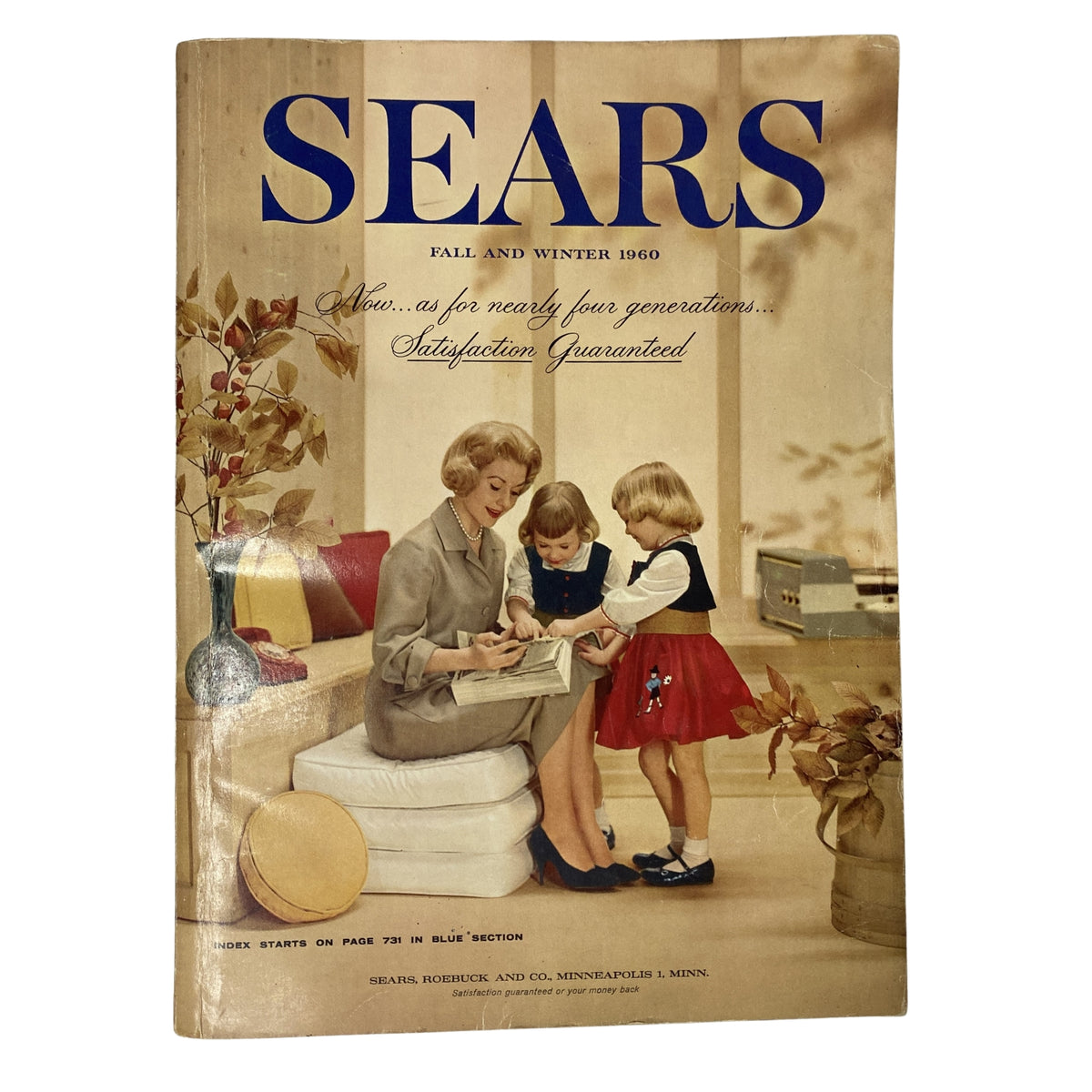
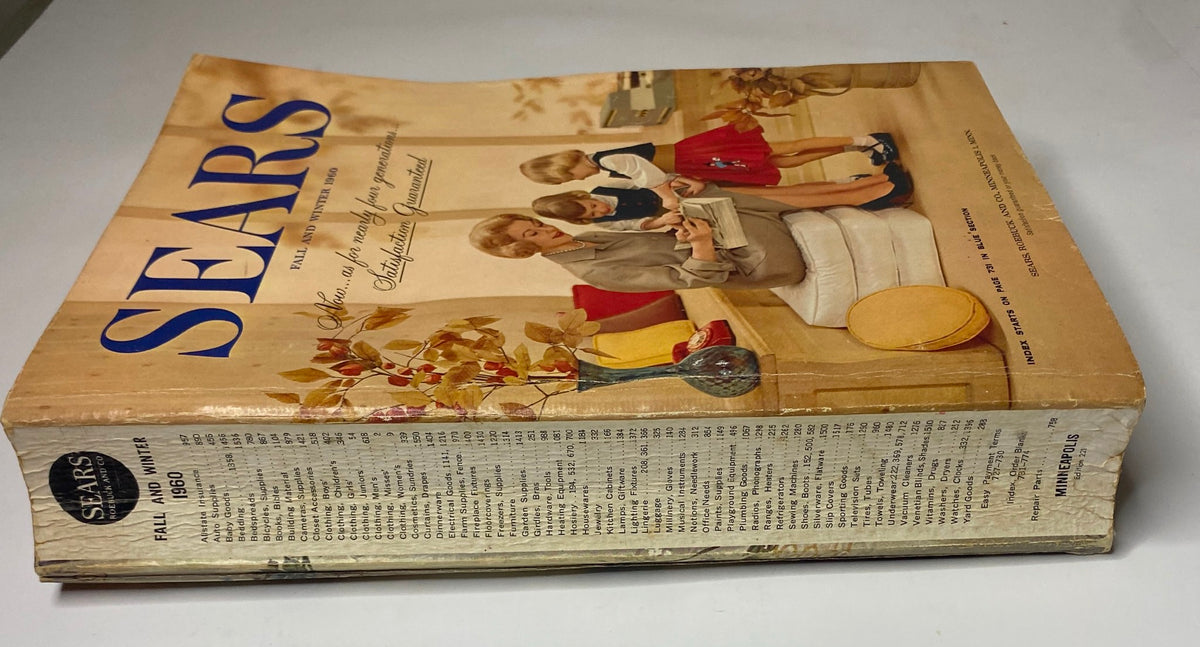


Description
Collector's Note – Why This Issue Matters
The 1960 Sears Fall and Winter Catalog arrives at a pivotal moment in American consumer history. The postwar economic expansion was at its most confident peak — household incomes had been rising steadily for fifteen years, the suburban landscape that Sears had helped populate with appliances and furnishings was fully established, and the consumer economy was operating with an optimism that would characterize the early Kennedy years. This catalog was assembled and distributed in the final months of the Eisenhower administration, at the precise moment when American consumer culture was cresting before the social transformations of the decade's latter half would begin to complicate its self-assurance. What Sears offered in the fall and winter of 1960 was a complete picture of that confidence — the full range of what a prosperous American family could aspire to own, organized with the systematic thoroughness that had made the Sears catalog the most comprehensive retail document in the country for seven decades.
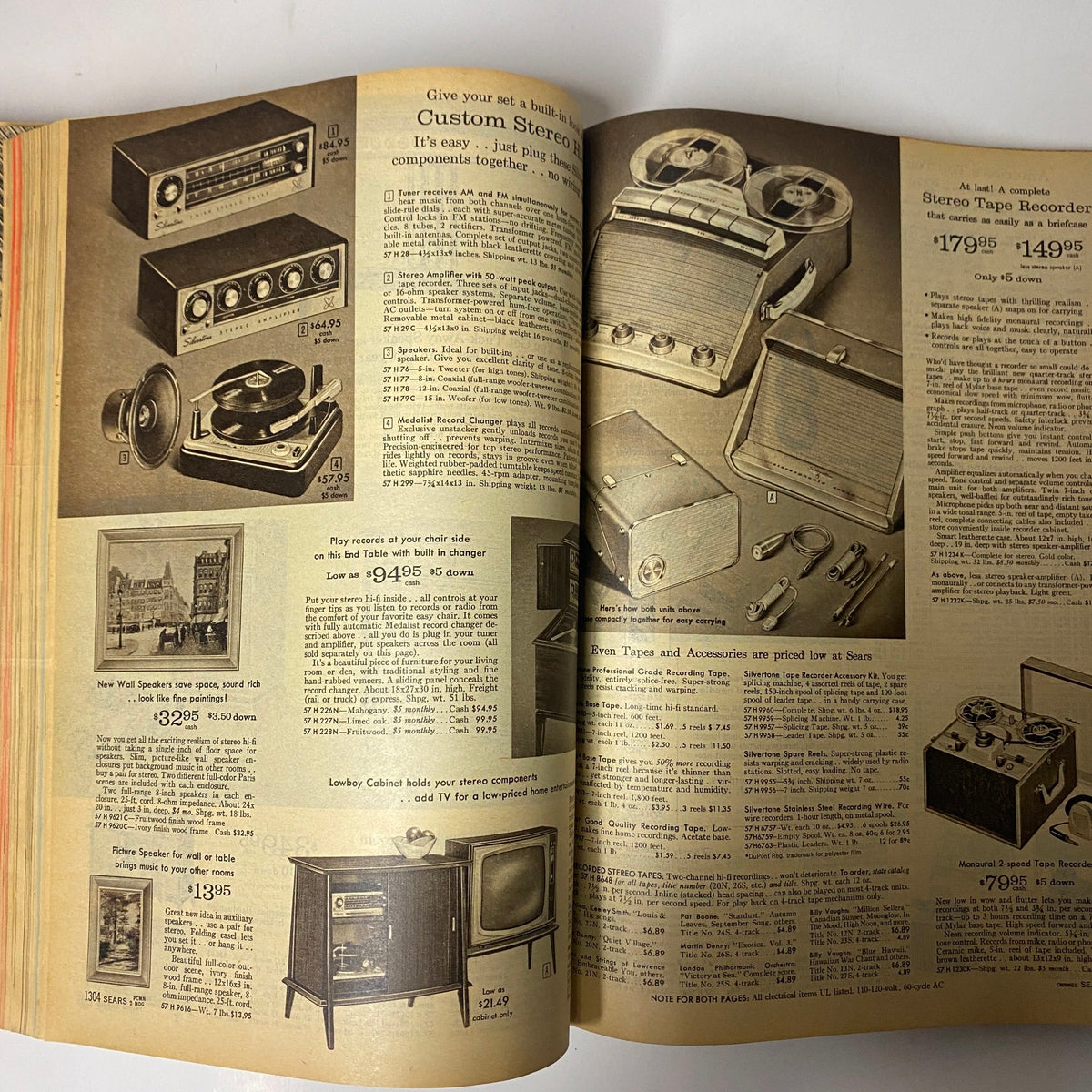
The electronics section of this catalog is particularly significant as a historical document. By 1960, television ownership had reached approximately 90 percent of American households, and the Sears catalog's television and home appliance offerings document the specific state of consumer electronics at a moment when the technology was both fully established and still rapidly evolving. The first color television broadcasts were expanding, the appliance market was diversifying, and the domestic technology documented in this catalog represents a precise snapshot of what American households were equipping themselves with at the opening of the new decade. For collectors who follow vintage Sears catalog archives, the 1960 Fall/Winter edition captures the postwar consumer economy at its most comprehensive and self-assured.
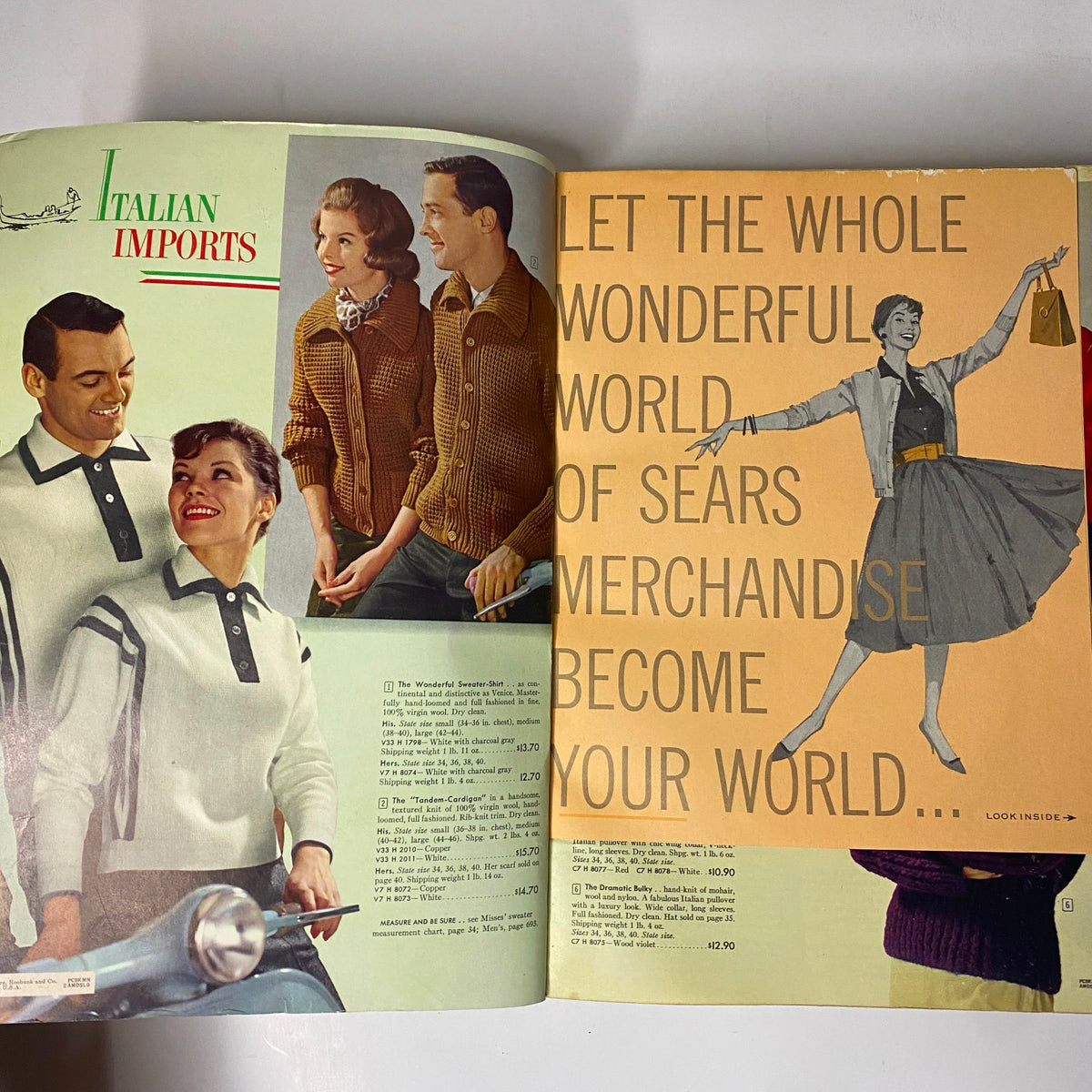
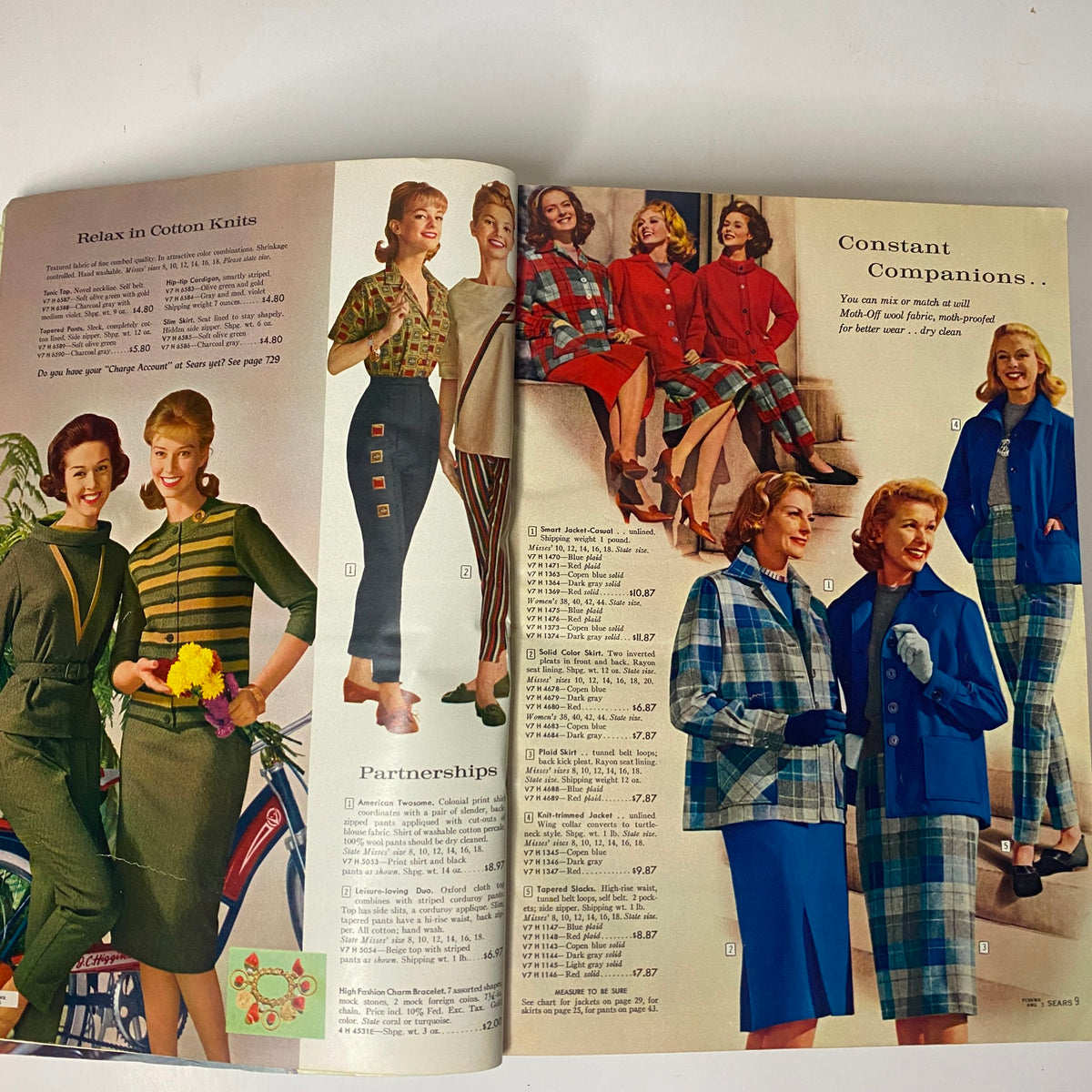
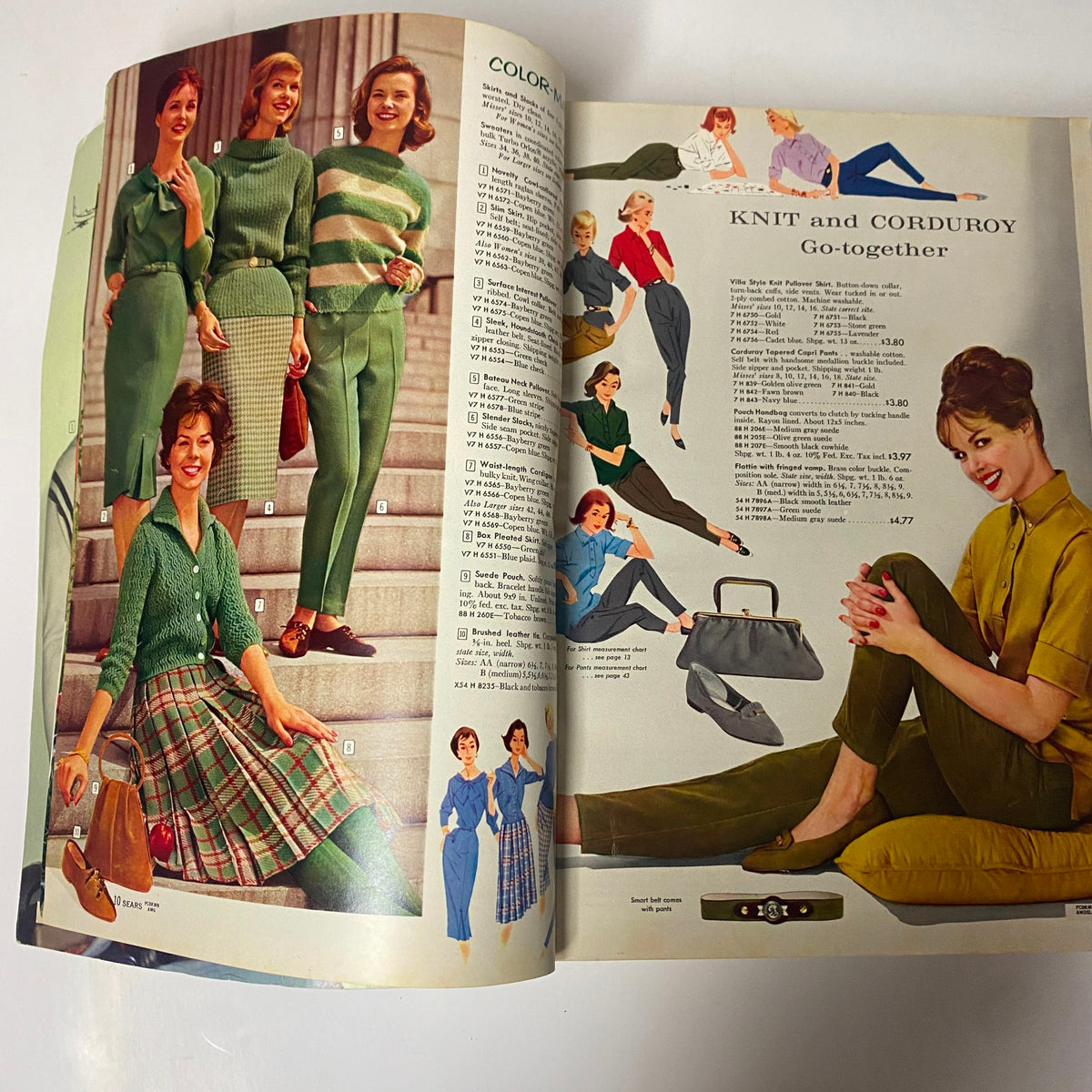
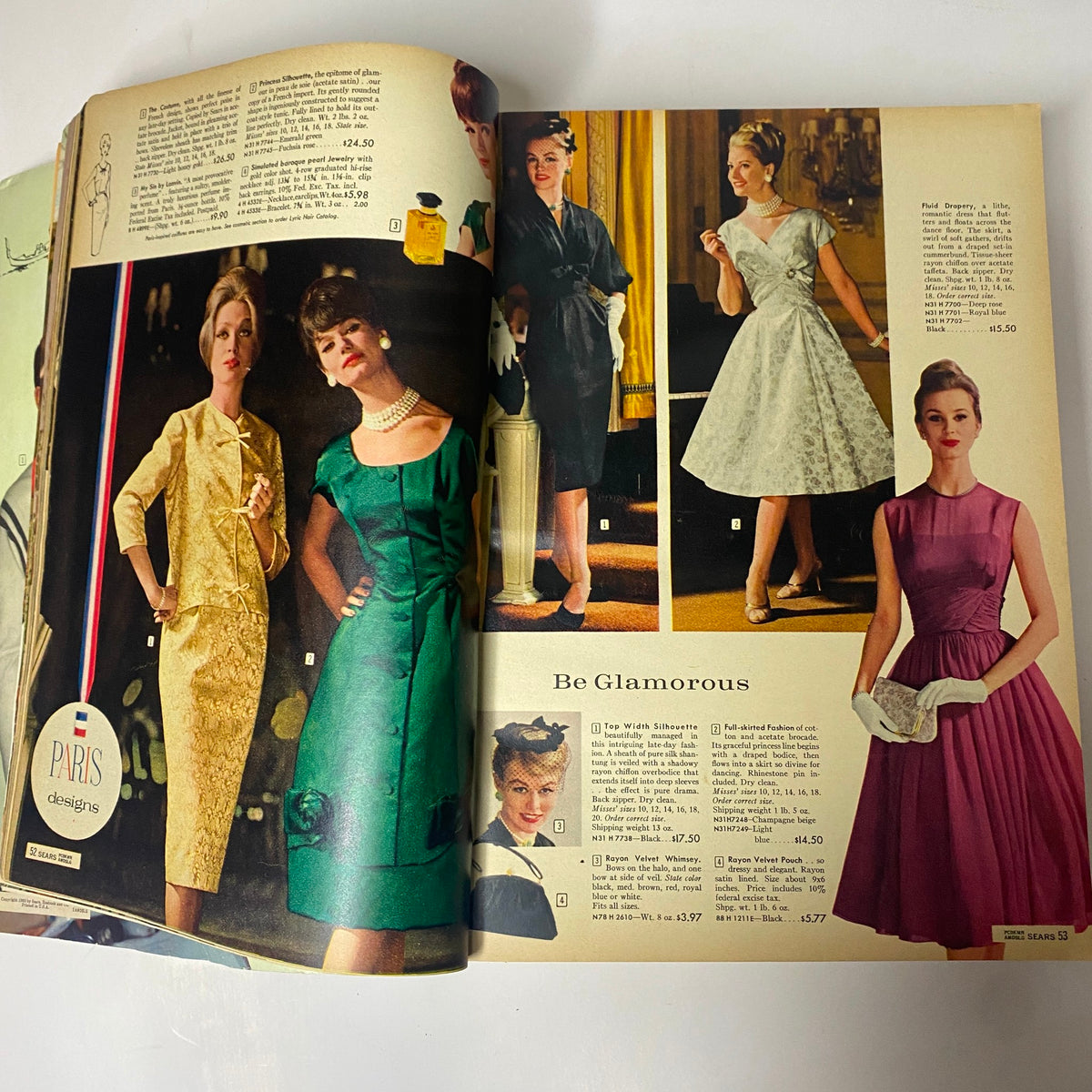
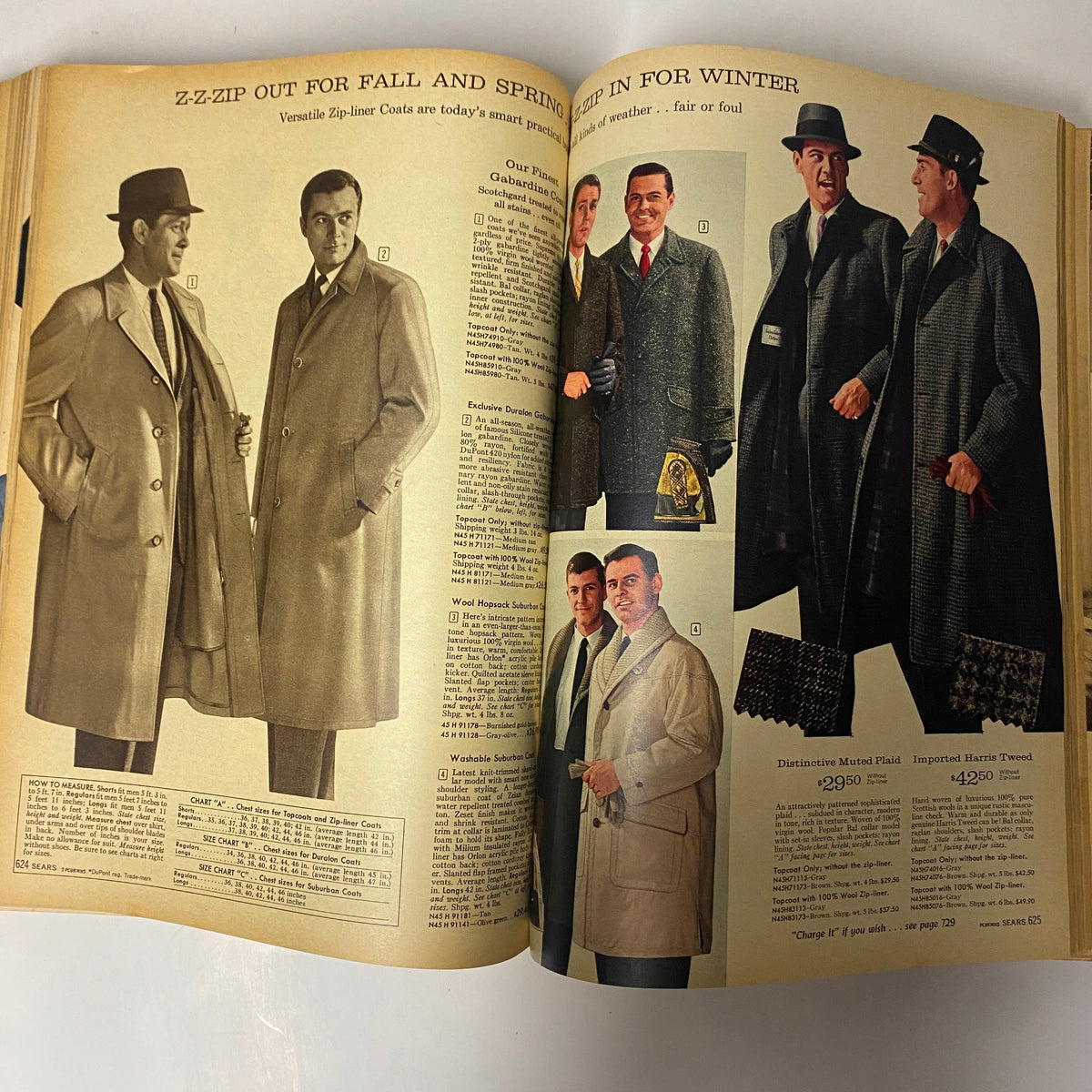
The fashion documentation in this catalog is equally valuable as a primary source. The women's fall and winter apparel of 1960 sits at a specific transitional moment — the full-skirted silhouette of the 1950s was giving way to the straighter, more architecturally precise lines that would define early-sixties fashion, and the Sears catalog, with its mass-market orientation and its commitment to accessible versions of mainstream trends, documents that transition as it was actually experienced by the majority of American women rather than the fashion press's aspirational version. Collectors building focused archives around publications from 1960 will find this catalog one of the most complete documentary records of American material culture at the opening of the decade.
About the Publication
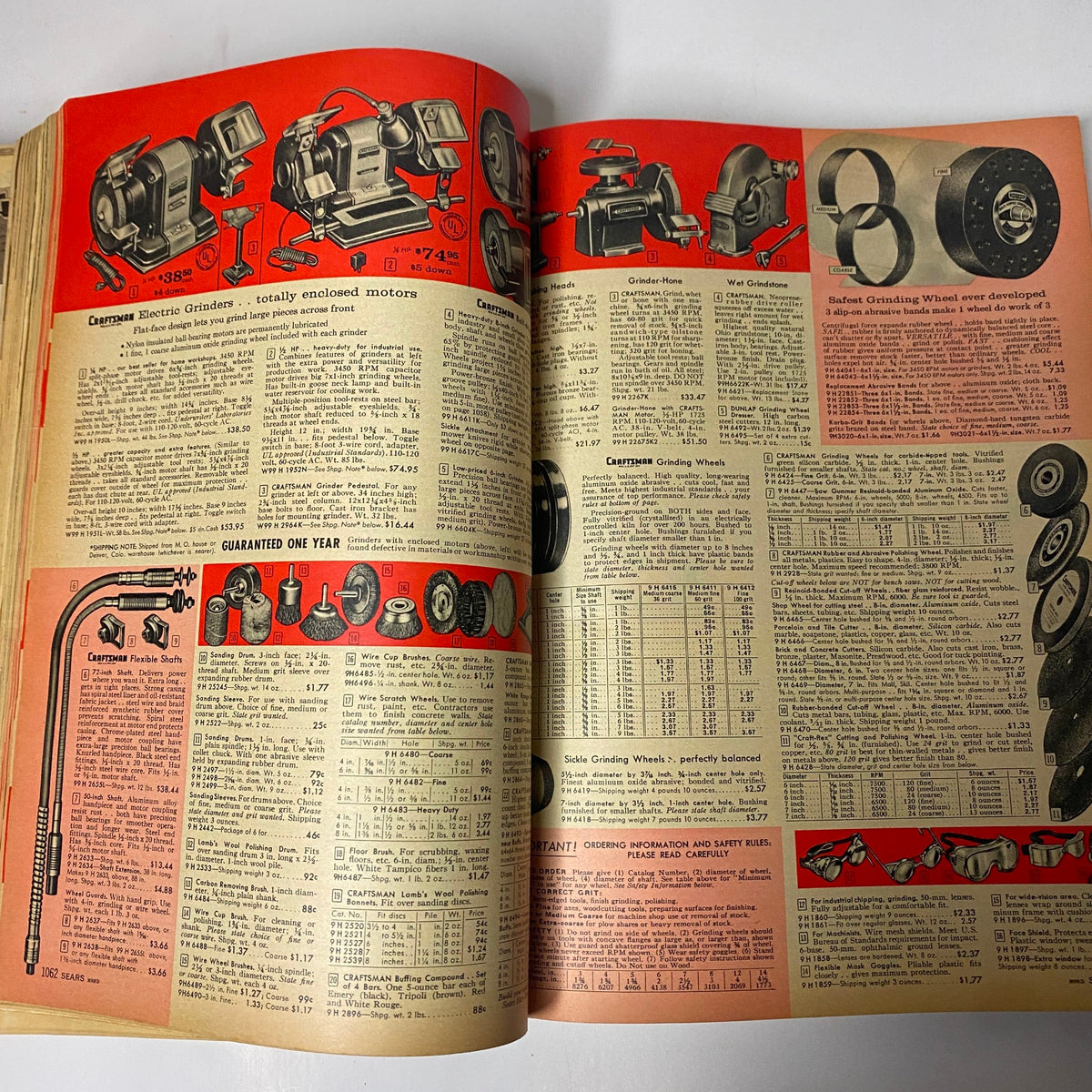
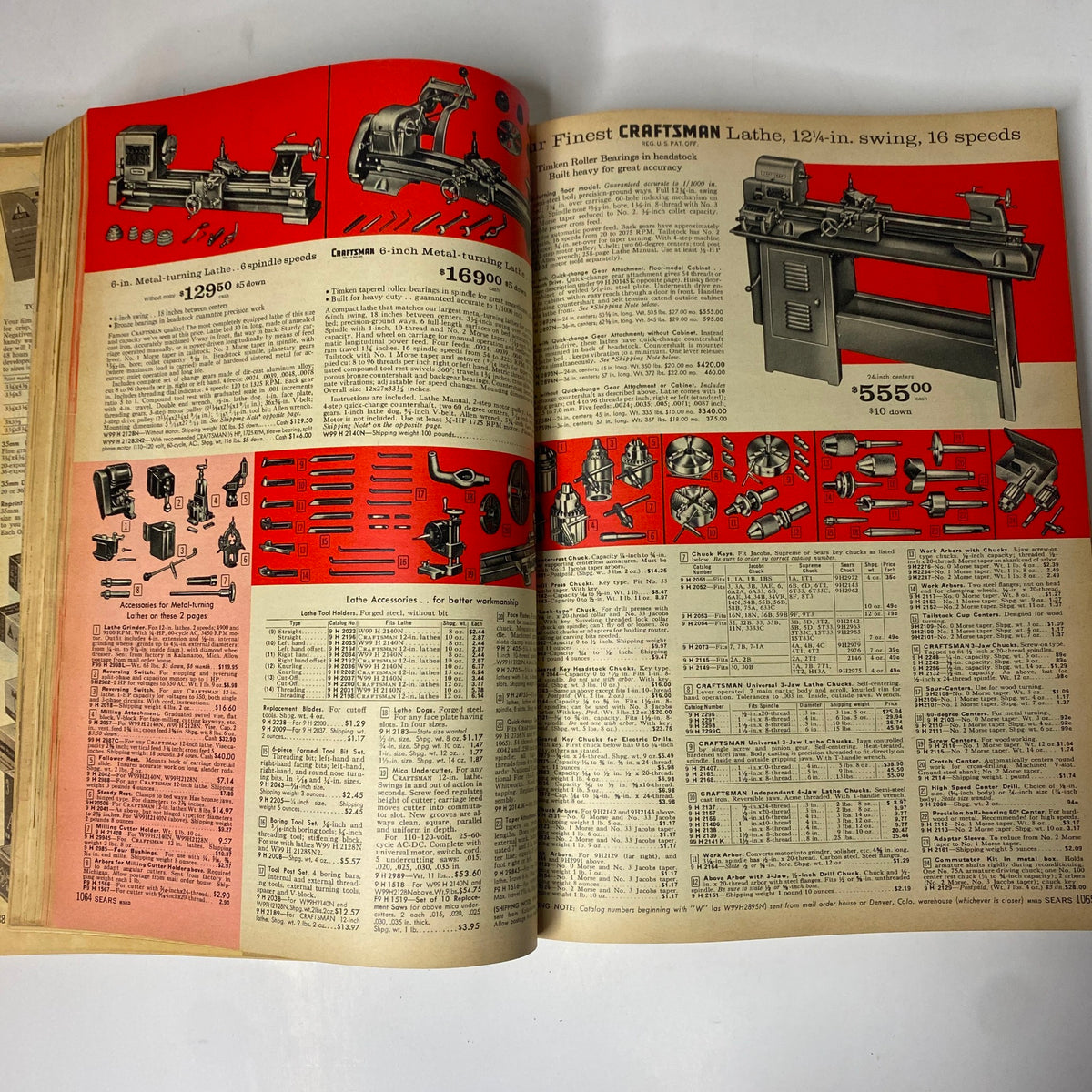
Sears, Roebuck and Co. had been issuing semi-annual mail-order catalogs since 1888, and by 1960 the Fall/Winter edition was one of the most widely distributed publications in the United States, reaching tens of millions of American households. The catalog's function was simultaneously practical — a comprehensive mail-order shopping guide covering clothing, footwear, furniture, appliances, tools, toys, and seasonal merchandise — and inadvertently documentary, creating a detailed annual record of American consumer goods, pricing, design aesthetics, and domestic aspiration at each specific moment in its publishing history. The 1960 edition was produced by a company at the height of its retail dominance, before the rise of shopping malls and discount retailers began the long erosion of the catalog's centrality to American shopping life.
Key Highlights Inside
- Women's fall and winter fashion documenting the transitional moment between the full-skirted 1950s silhouette and the more linear early-sixties aesthetic — a primary source for fashion historians tracking how mainstream American style actually changed at the decade's opening.
- Men's clothing and accessories reflecting the conservative but well-appointed masculine wardrobe of early-sixties American consumer culture, distinct from the fashion experimentation that would arrive later in the decade.
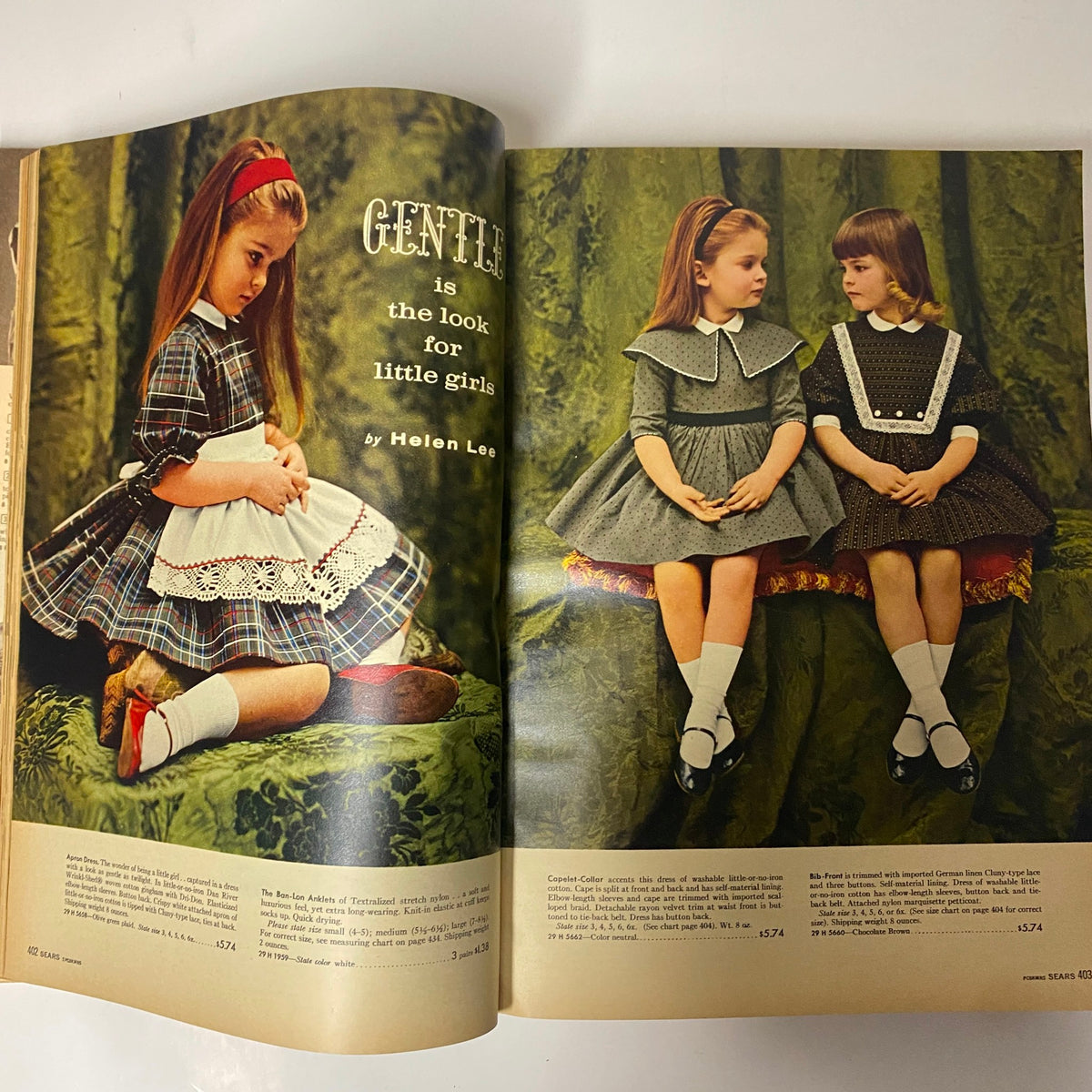
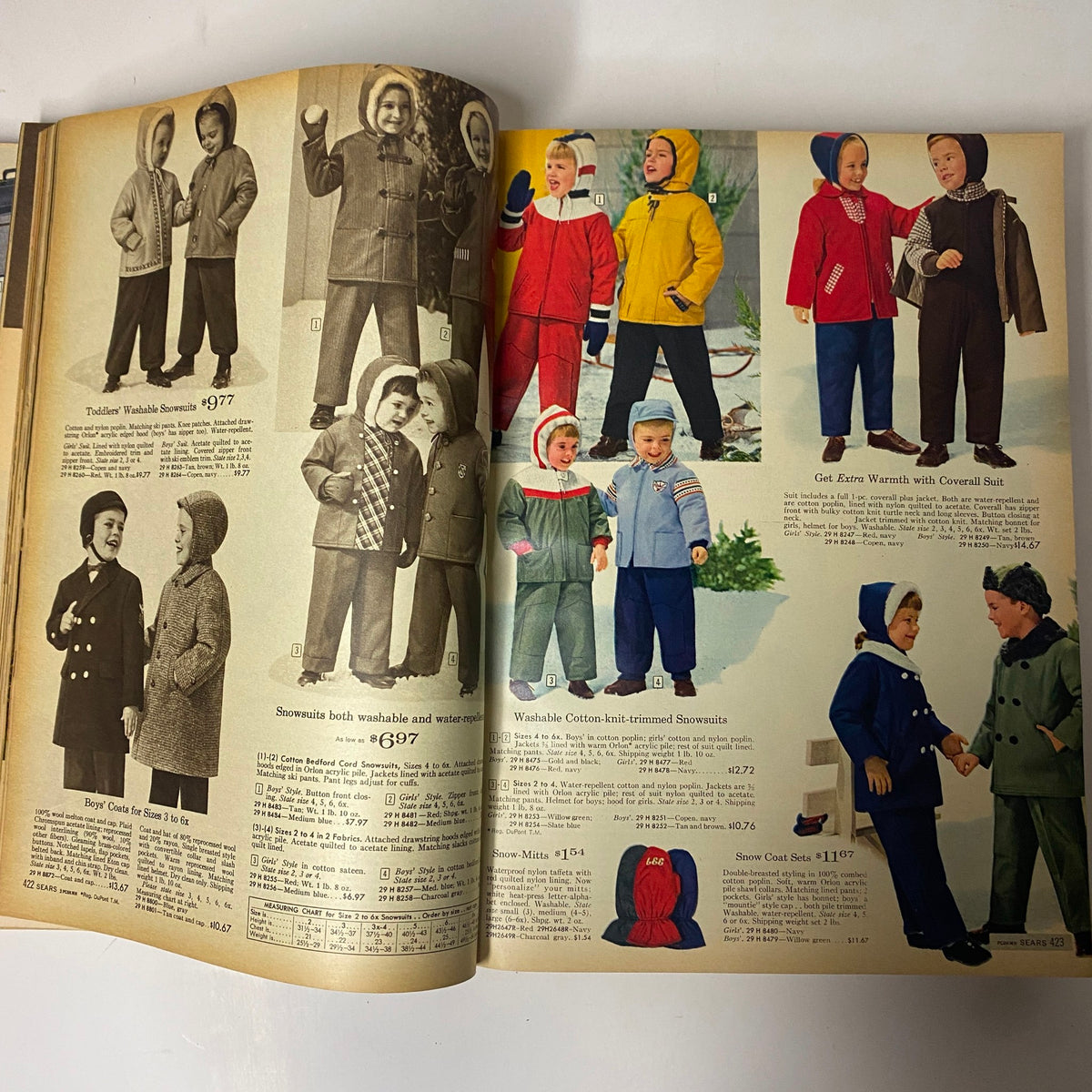
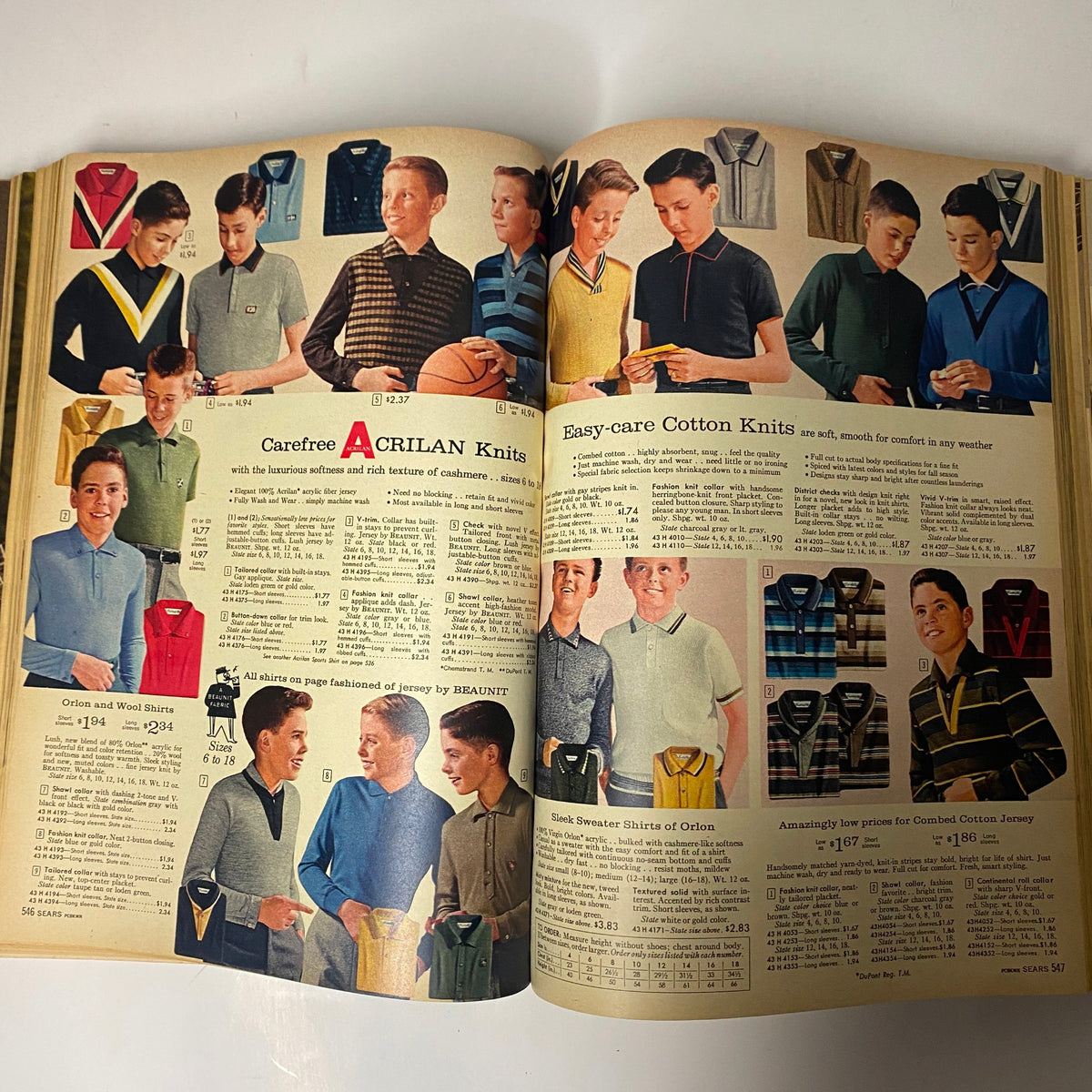
- Children's clothing lines documenting the specific styles worn by the Baby Boom generation as it moved through childhood in 1960.
- Television and home appliance sections capturing consumer electronics at a precise moment of near-universal television ownership and rapidly expanding appliance diversity in the American home.
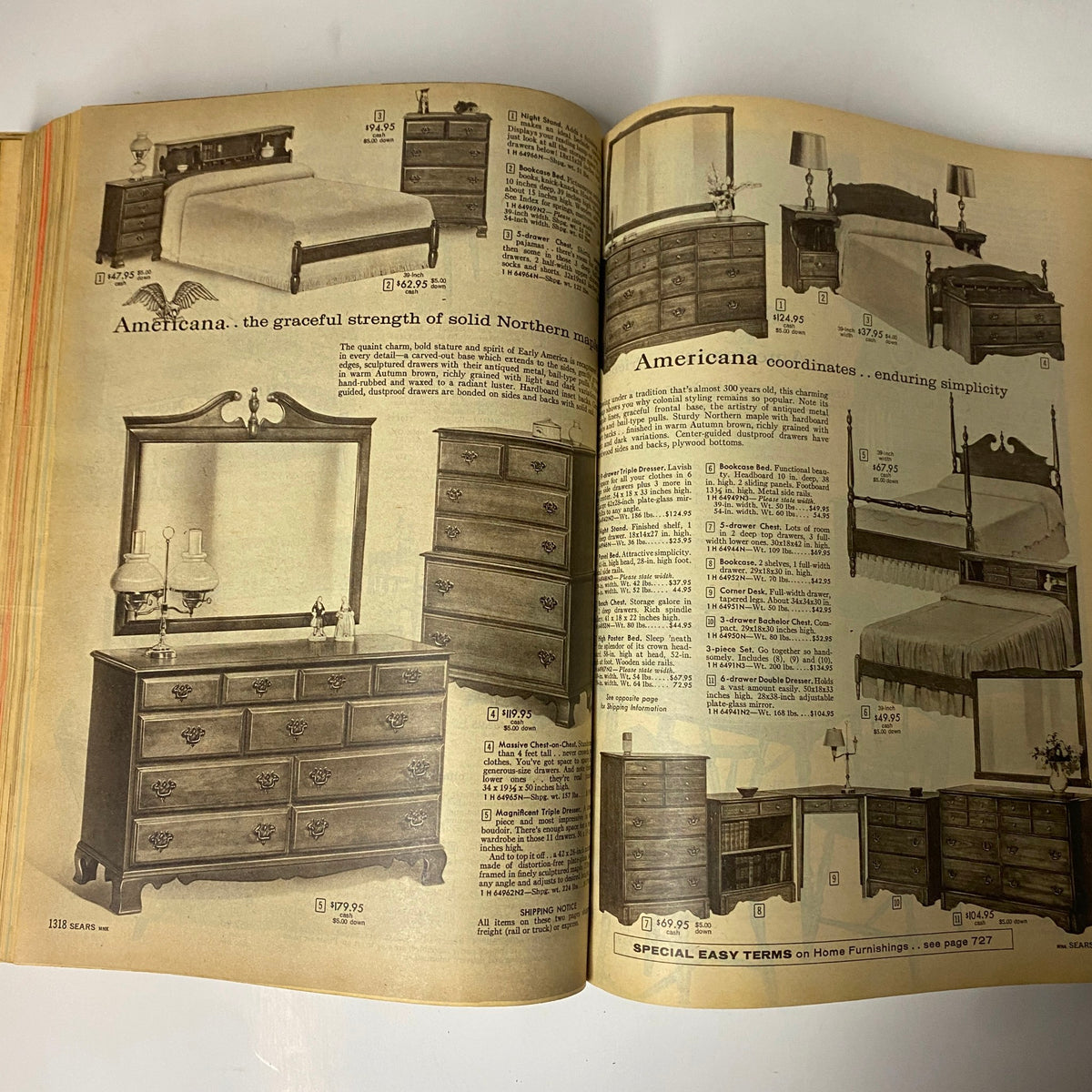
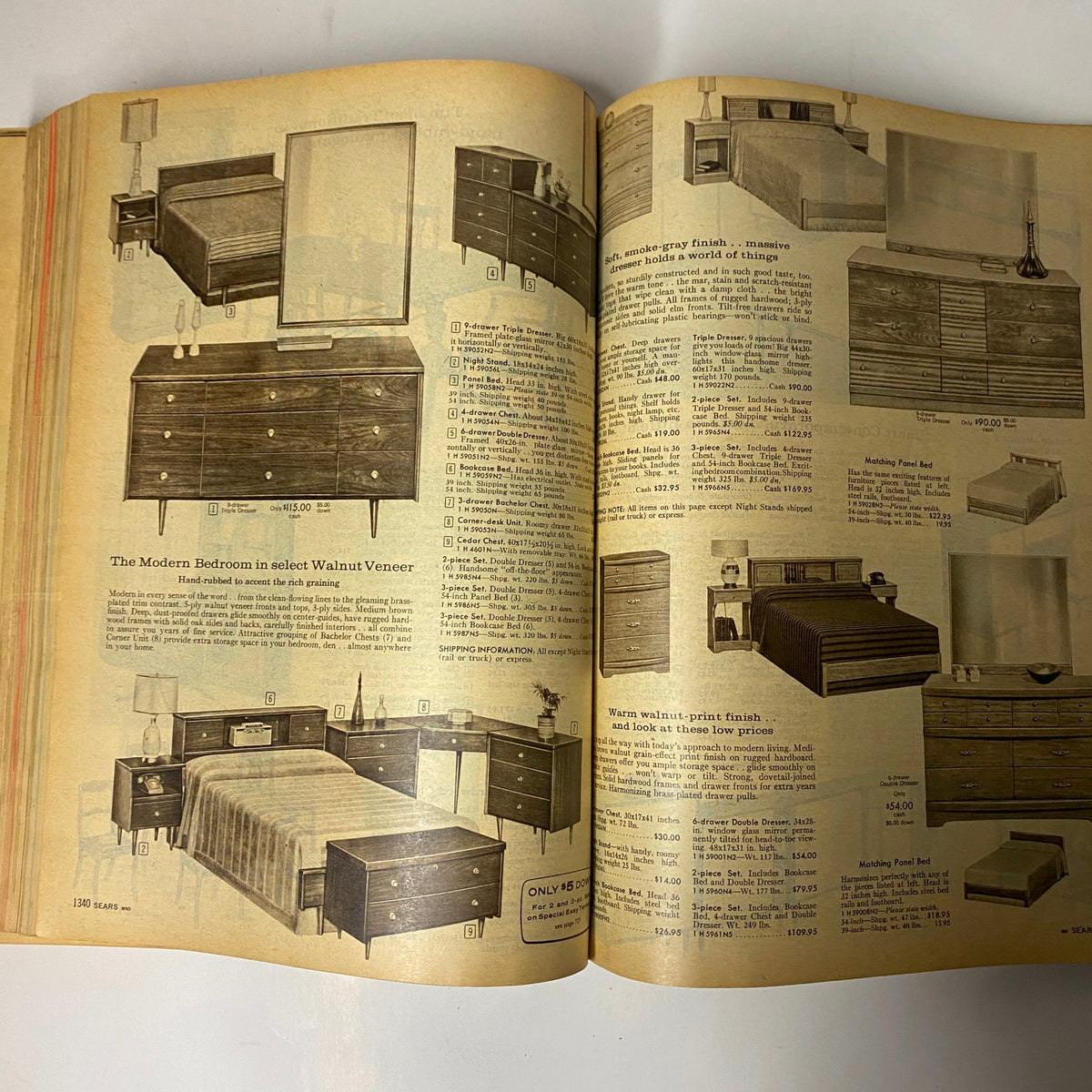
- Living room and bedroom furniture documentation reflecting the specific aesthetic of early-sixties American domestic design — the transitional moment between postwar Danish-influenced modernism and the more varied styles that would follow.
- Holiday and seasonal merchandise sections providing a comprehensive record of what Americans were buying as gifts in the fall and winter of 1960.
Condition & Rarity
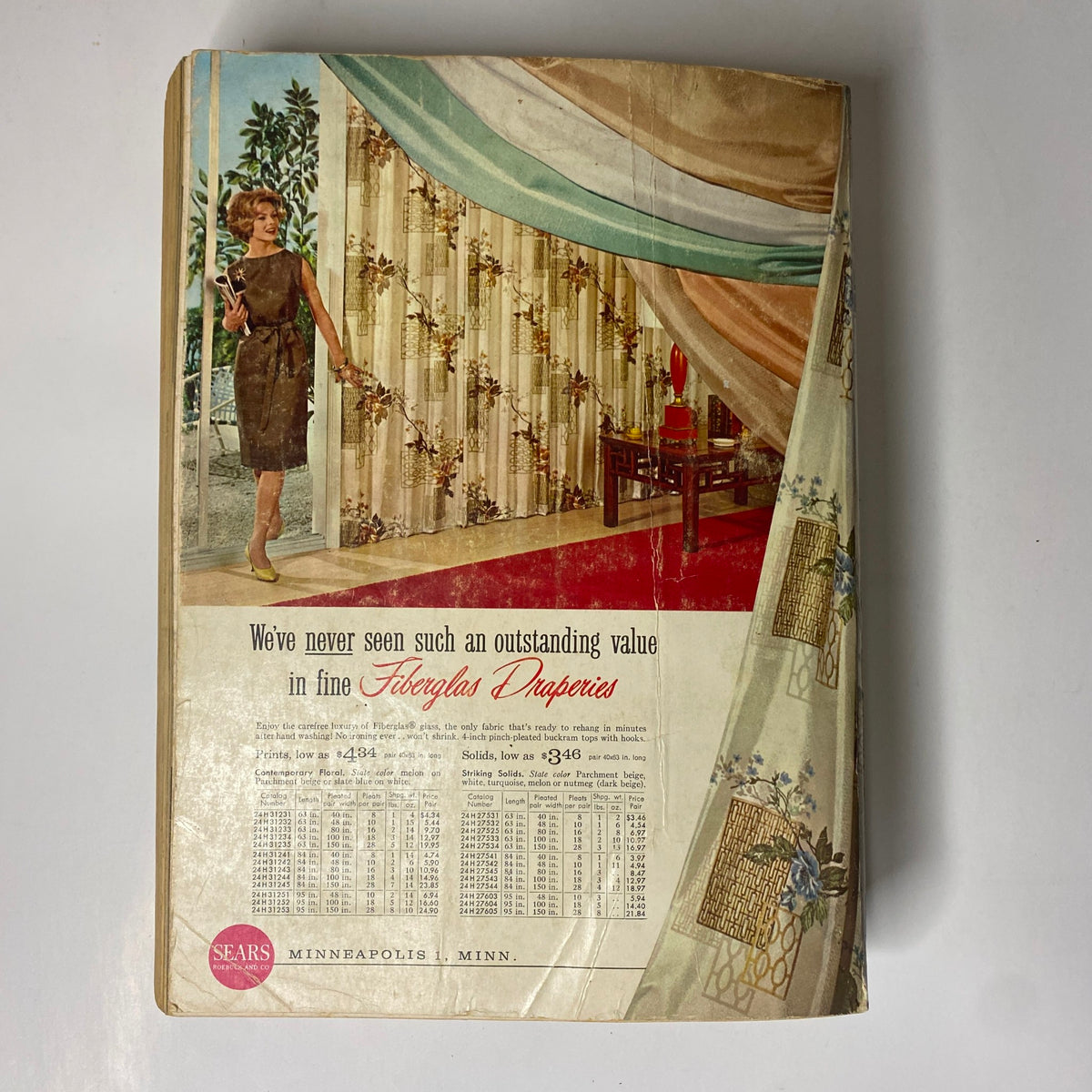
The listing grades this catalog as good condition with minor signs of wear and confirms protective plastic sleeving. For a publication now more than sixty years old with a page count substantially larger than standard periodicals, good condition with minor wear is an honest and realistic grade. The Sears Fall/Winter catalogs of this era were printed on mixed paper stocks — coated pages for photography and fashion illustration, standard newsprint-weight paper for listing pages — and the differential aging of these two stocks within the same binding creates specific preservation challenges that smaller, uniformly printed publications do not share. Binding integrity across the full page count is the most critical structural evaluation factor for any surviving copy of this edition; the weight and thickness of Fall/Winter catalogs make them particularly susceptible to binding stress and page loss over decades of storage. Minor wear at sixty-plus years of age for a publication of this utility and heft is an honest accounting. The plastic sleeving indicates appropriate current preservation practice. Collectors should assess photographs carefully for spine condition and page completeness throughout.
Looking for More Issues Like This?
The 1960 Sears Fall and Winter Catalog is a rich and comprehensive document of American consumer culture at the opening of one of the most consequential decades in the country's history, and copies in good condition with intact bindings represent sound preservation of a publication designed for use rather than archiving. If this issue is no longer available, the full Sears catalog archive at OriginalMagazines.com is the best resource for other editions spanning the catalog's long publishing history. The 1960 magazine archive covers the full year across multiple titles for collectors building a focused early-sixties American culture library.