
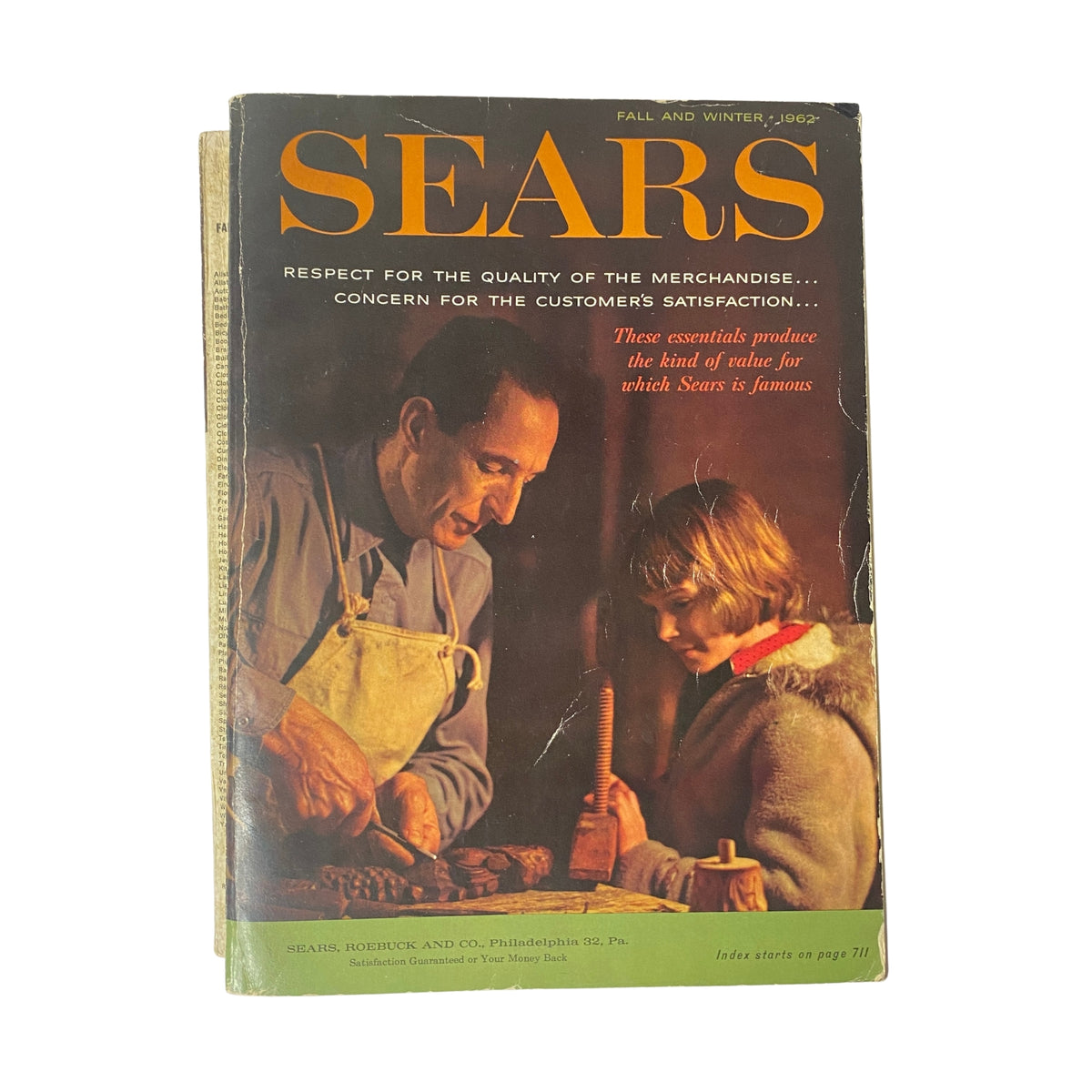


Description
Collector's Note – Why This Issue Matters
The 1962 Sears Fall and Winter Catalog arrived in American mailboxes at one of the most precisely defined moments in postwar consumer culture. The early 1960s represented the full flowering of the suburban middle-class prosperity that the previous decade had promised — and Sears, as the dominant mail-order and retail institution in the country, was its most comprehensive catalog. This was not merely a shopping guide. It was an annual inventory of American material life: what families wore, what they put in their kitchens, how they furnished their living rooms, and what they bought their children for Christmas. For historians, designers, and collectors, the Fall and Winter edition carries particular weight because it documented the transitional aesthetic moment between the optimistic pastels of the late 1950s and the sharper, more angular sensibility that would define mid-decade style. Collectors building a serious archive of Sears catalog issues across the twentieth century treat the early 1960s volumes as essential anchors of that visual and commercial history.
1962 specifically was a year of considerable cultural tension beneath its consumer-culture surface. The Cuban Missile Crisis unfolded in October of that year, and the United States was navigating the earliest stages of what would become a decade of profound social transformation. None of that turmoil is visible in the Sears catalog, which is precisely what makes it such an interesting document. It presents the aspirational American domestic ideal in its most complete and unguarded form — the version of American life that millions of families were actively purchasing and arranging around themselves while the wider world churned. That contrast between the catalog's serene consumerism and the historical moment surrounding it gives the 1962 Fall and Winter edition a documentary complexity that transcends its original commercial purpose. For anyone researching American print culture and consumer society in 1962, this catalog is a primary source of genuine depth.
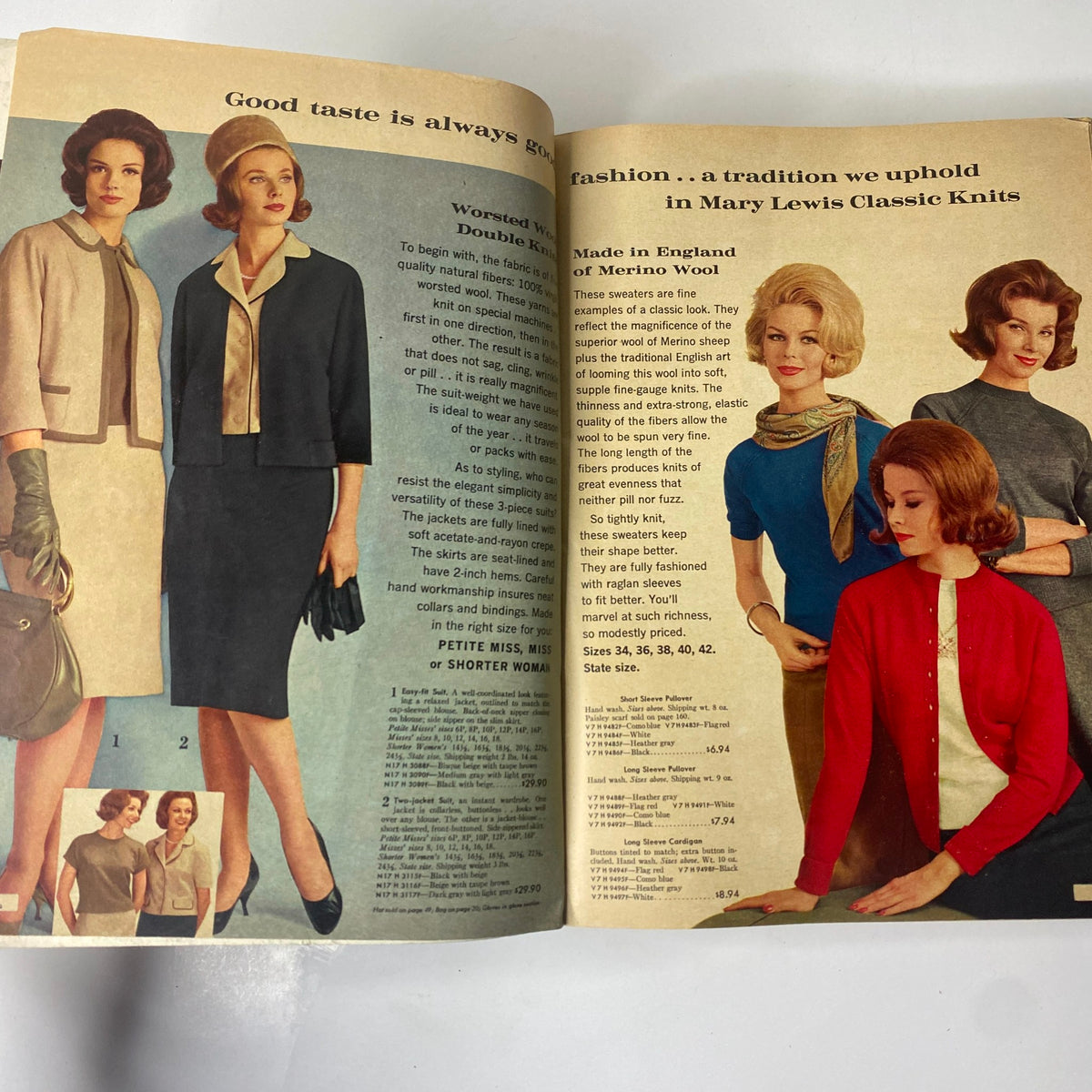
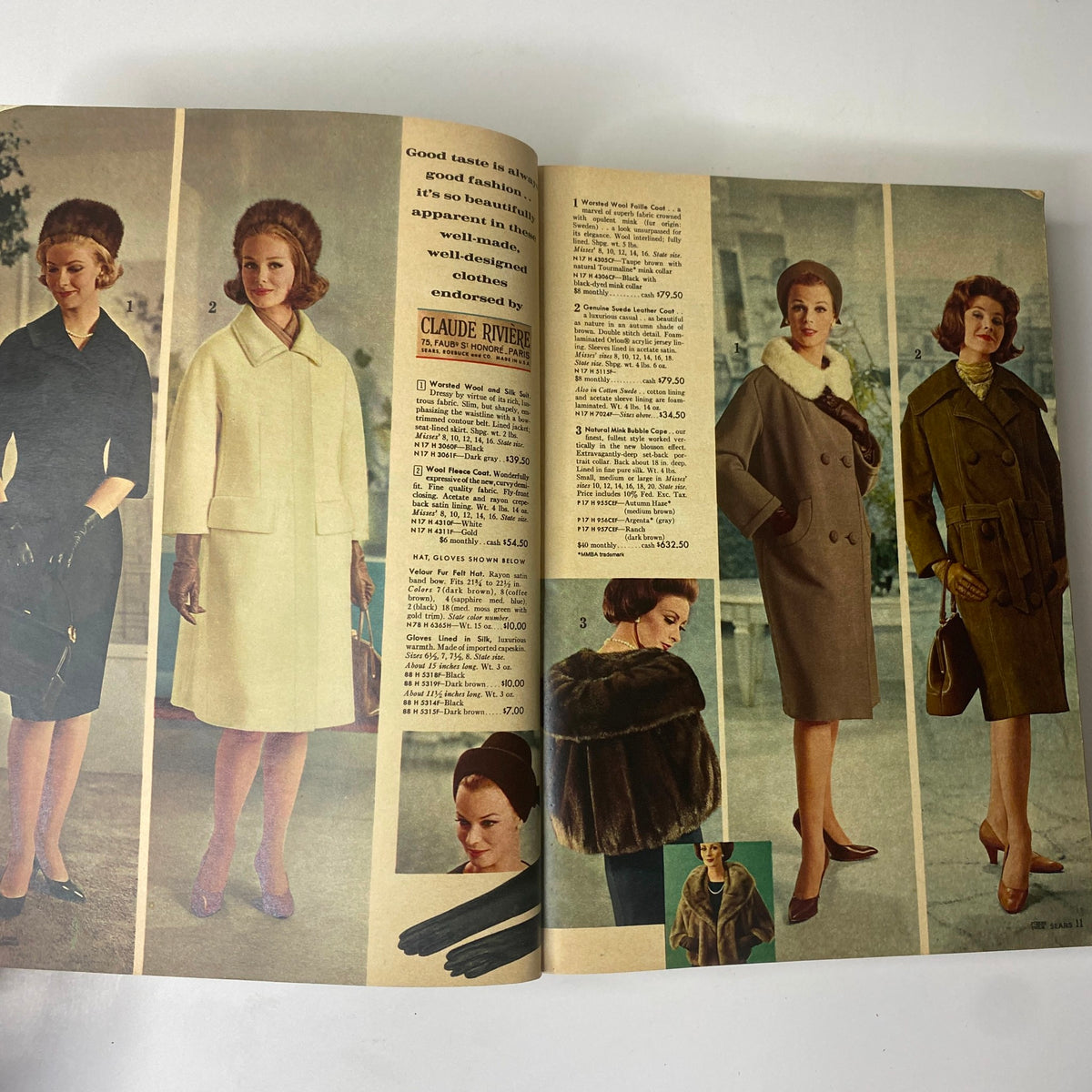
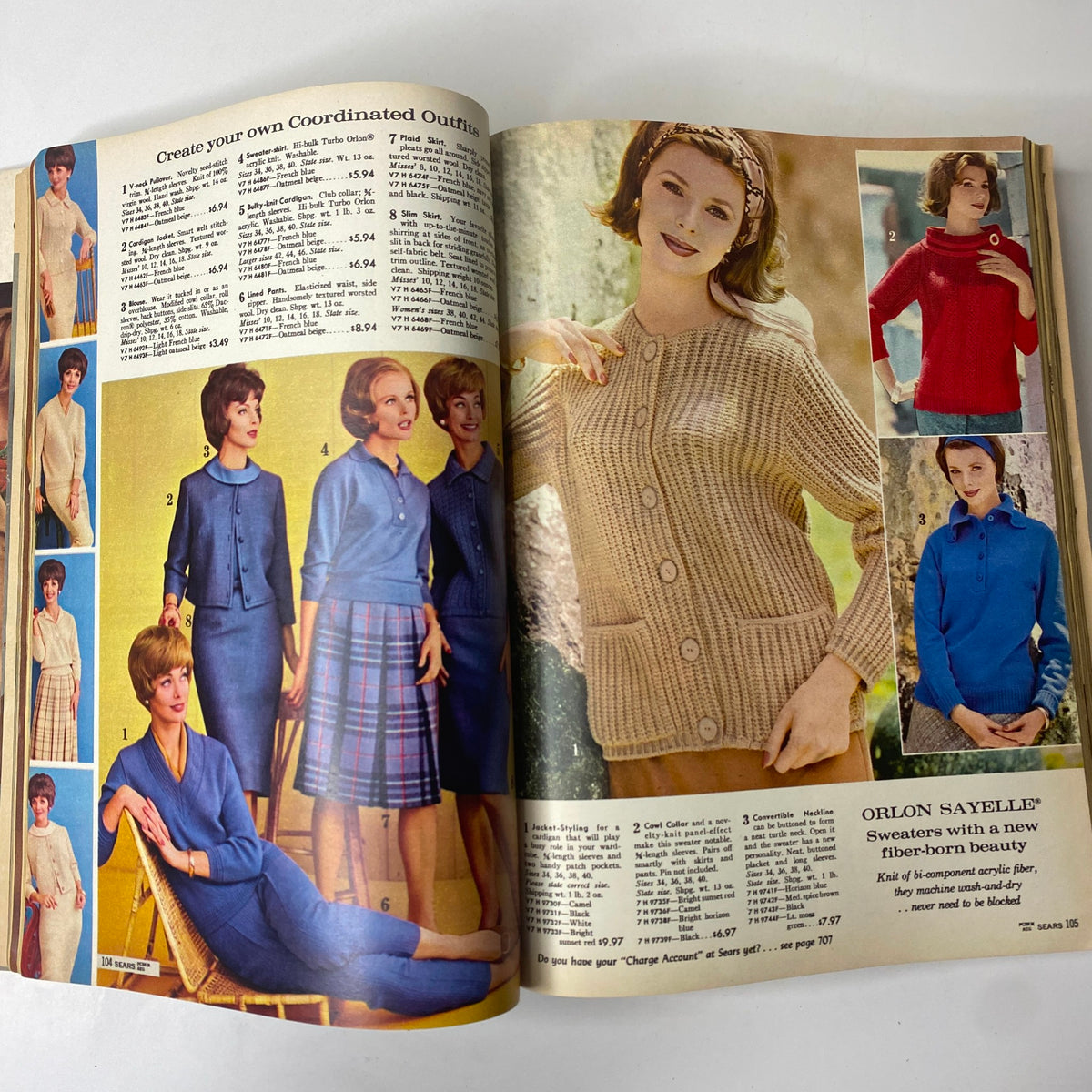
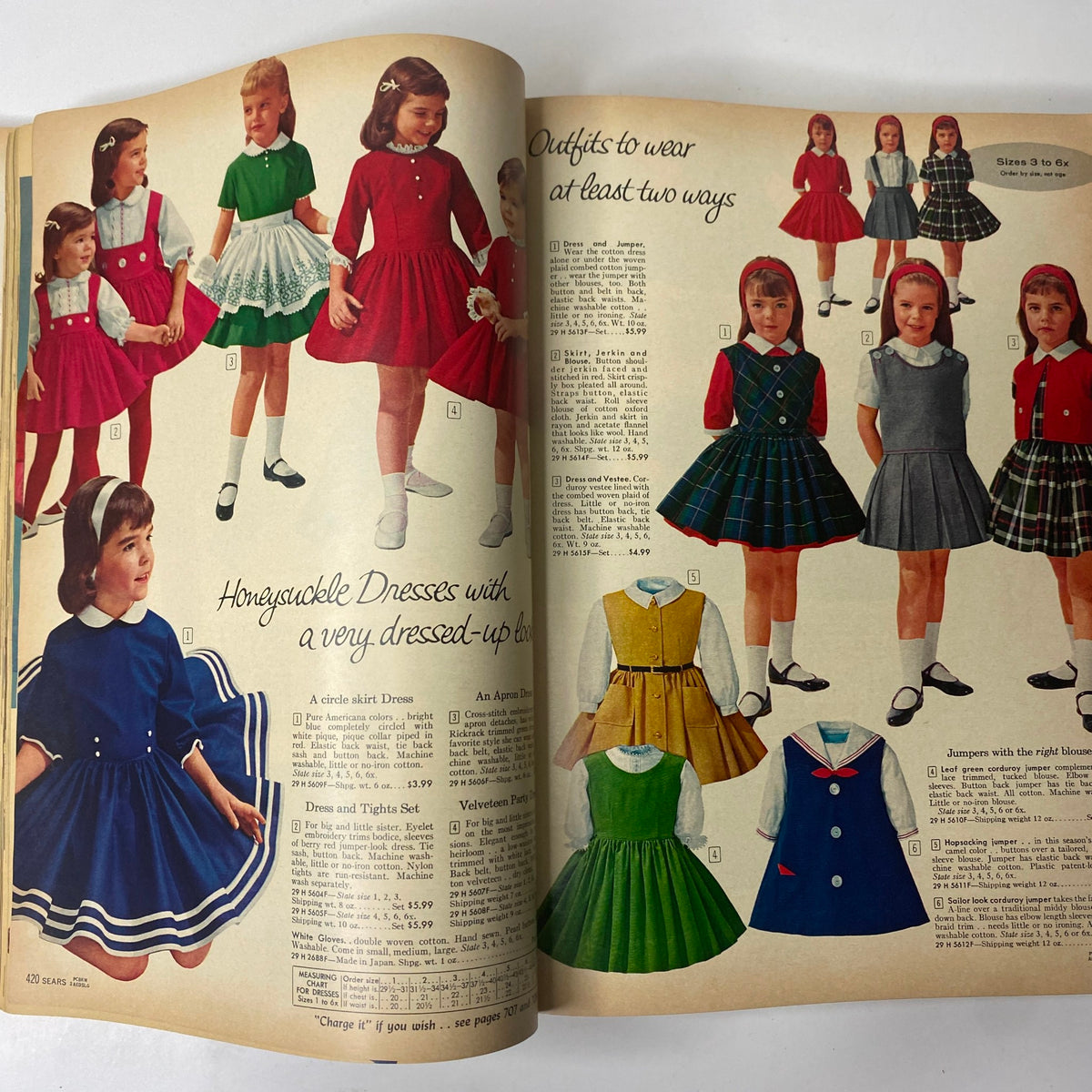
The fashion content alone justifies serious collector attention. Women's fall and winter fashion in 1962 sat at the cusp of a major shift — Jackie Kennedy's influence on American style was at its absolute peak, and the clean lines, wool coats, and fitted silhouettes described in this catalog reflect that moment with precision. The men's slim-cut suits documented here are similarly period-specific, capturing a look that would be rendered obsolete within a few years by the broader cultural upheavals of the mid-decade. As a reference document for costume designers, design historians, and Americana collectors, the specificity of the 1962 Sears Fall and Winter Catalog is part of what makes surviving copies valuable.
About the Publication
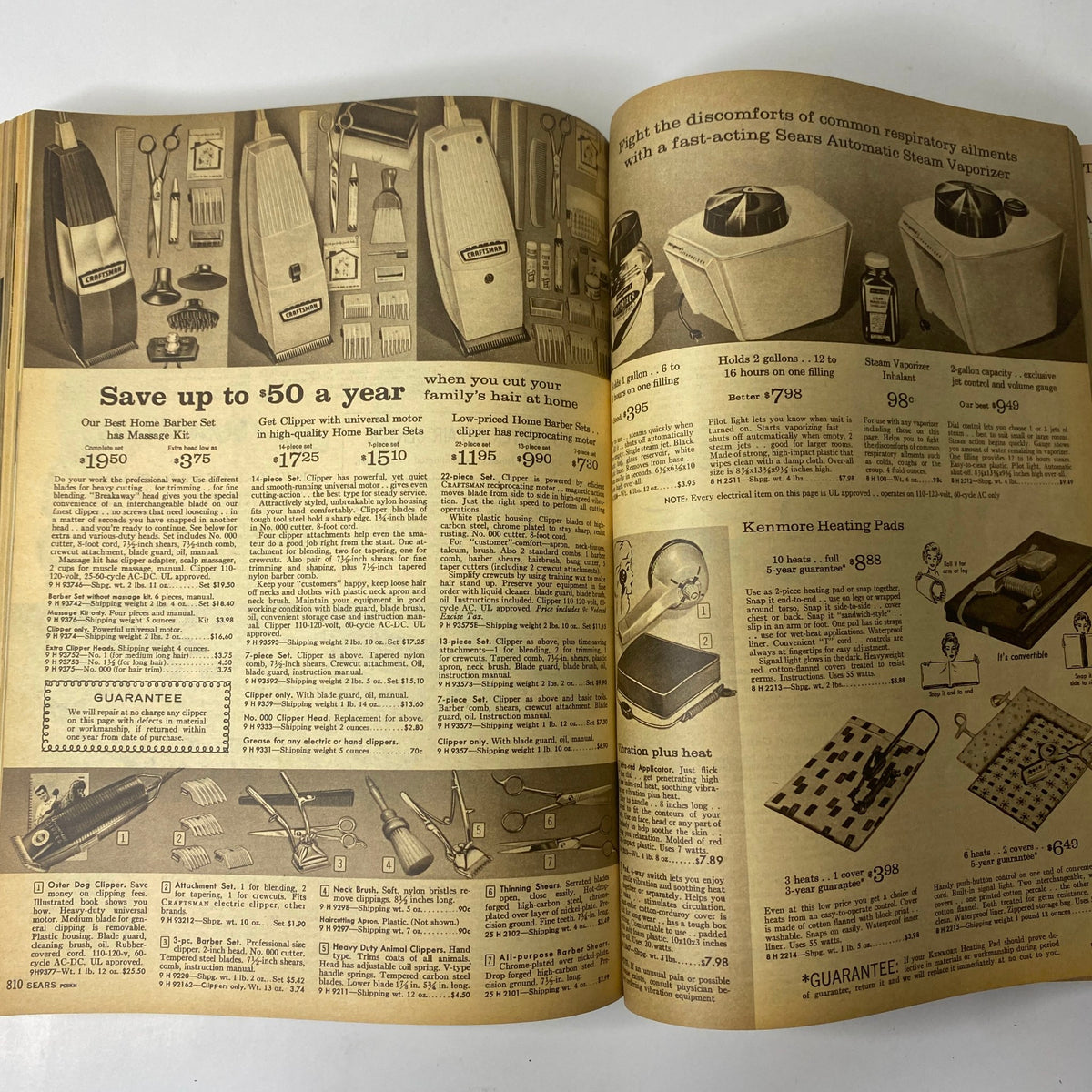
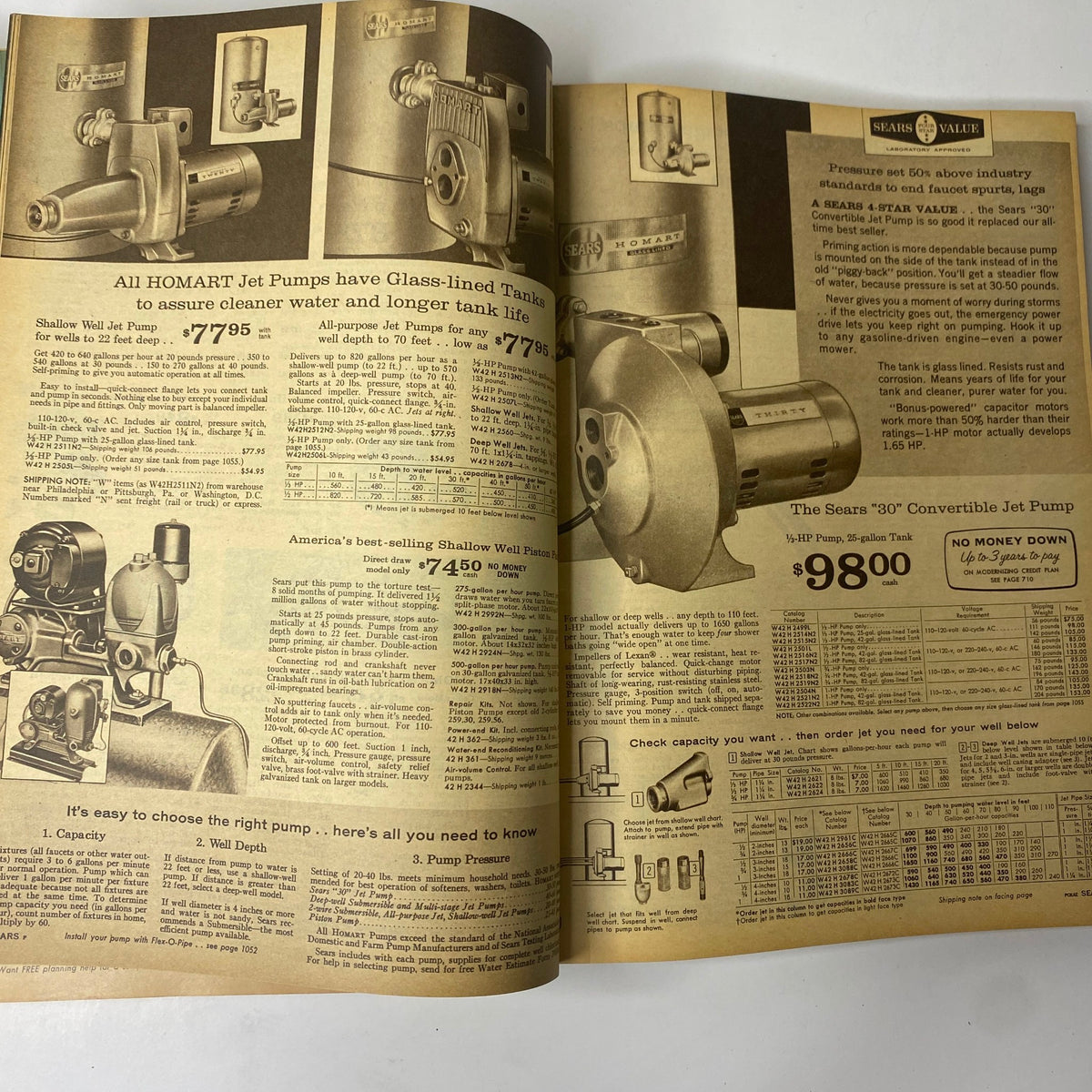
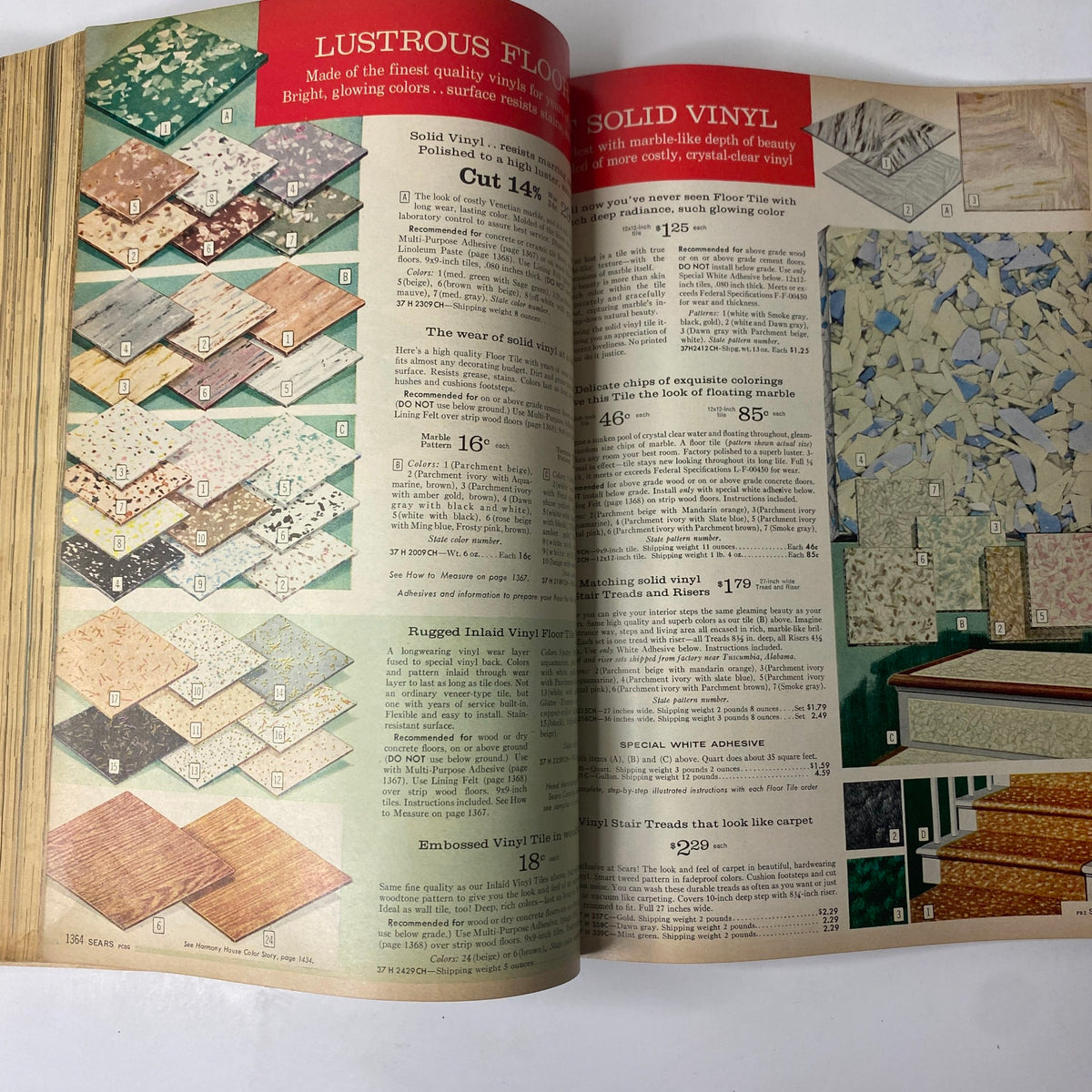
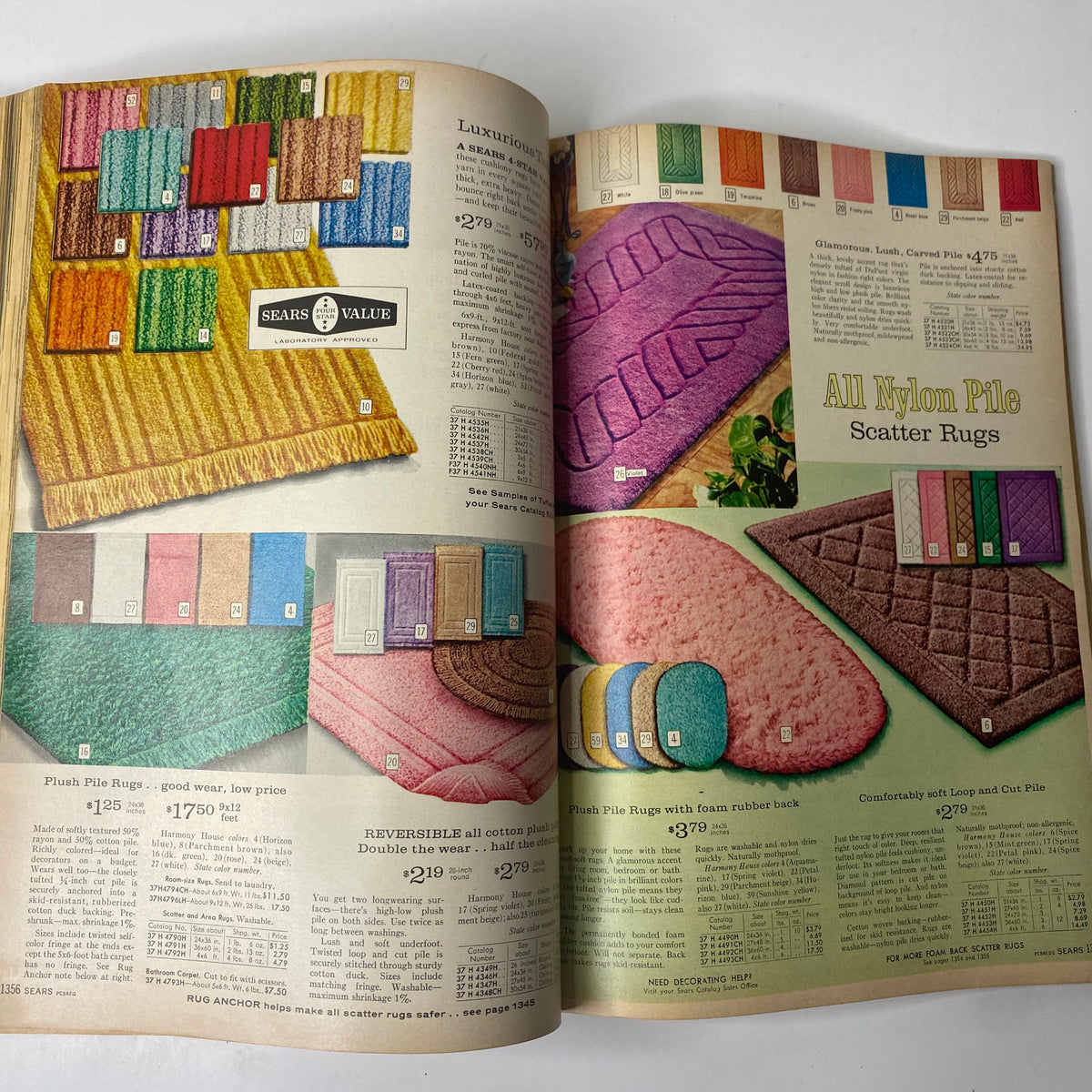
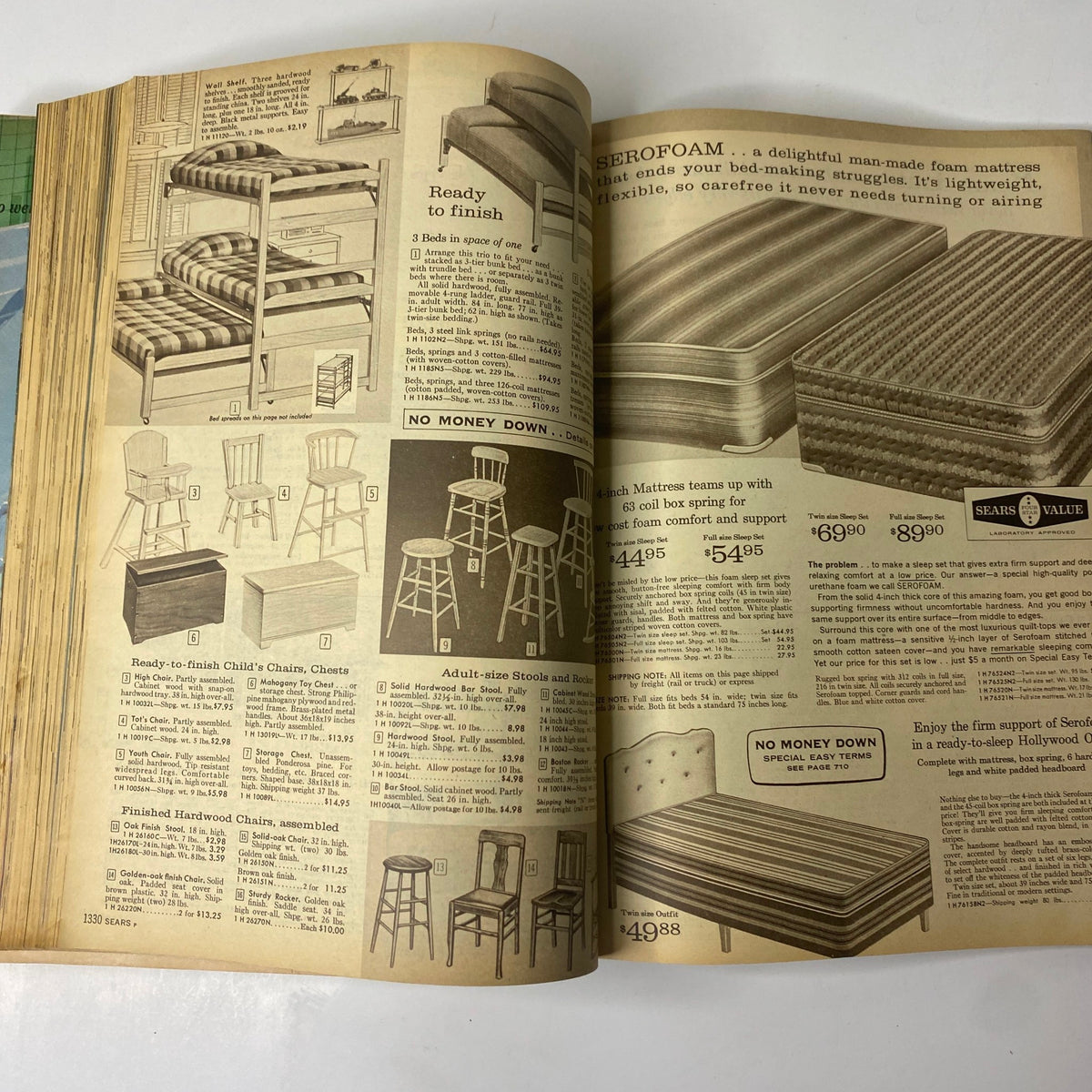
The Sears, Roebuck and Company catalog, issued in its major Fall and Winter and Spring and Summer editions from 1888 through 1993, was at its peak the largest retail publication in the United States by circulation and the most comprehensive single document of American consumer goods available in any given year. By 1962, the catalog ran to hundreds of pages and covered virtually every category of household need — apparel for all ages, appliances, furniture, tools, toys, sporting goods, and seasonal merchandise — illustrated with photography and detailed product descriptions aimed at a broad middle-class audience shopping primarily by mail. The Sears catalog was a democratic institution: it reached rural households, small-town families, and urban apartment dwellers alike, and its contents were treated by many families as an authoritative guide to what was available, affordable, and desirable in American consumer life.
Key Highlights Inside
- Women's fall and winter fashion including wool coats, fitted dresses, and knitwear reflecting the early-1960s silhouette at its most characteristic — clean, tailored, and visibly influenced by the Kennedy-era aesthetic.
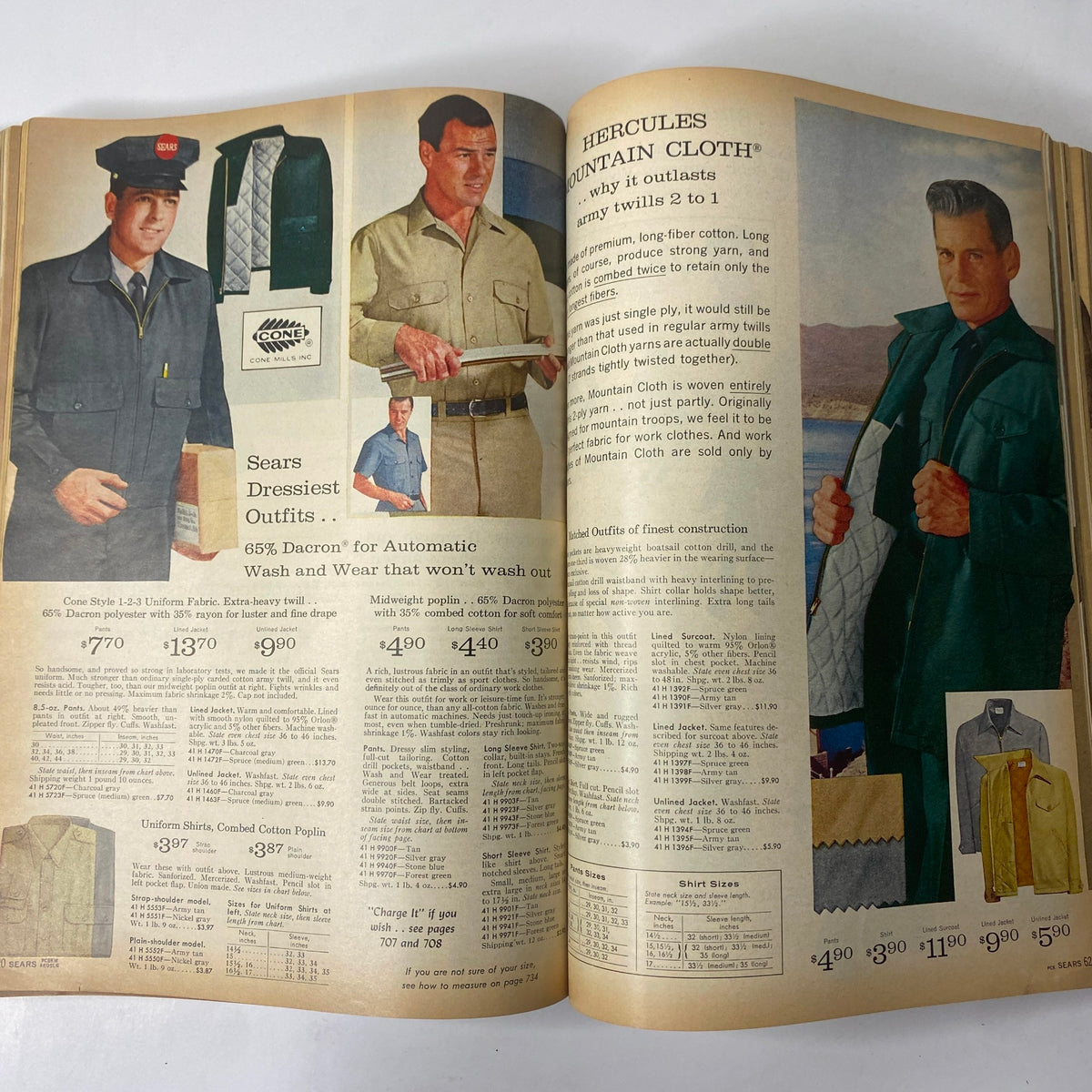
- Men's apparel featuring slim-cut suits and casual workwear, documenting the precise moment before mid-decade style disruptions transformed American men's fashion.
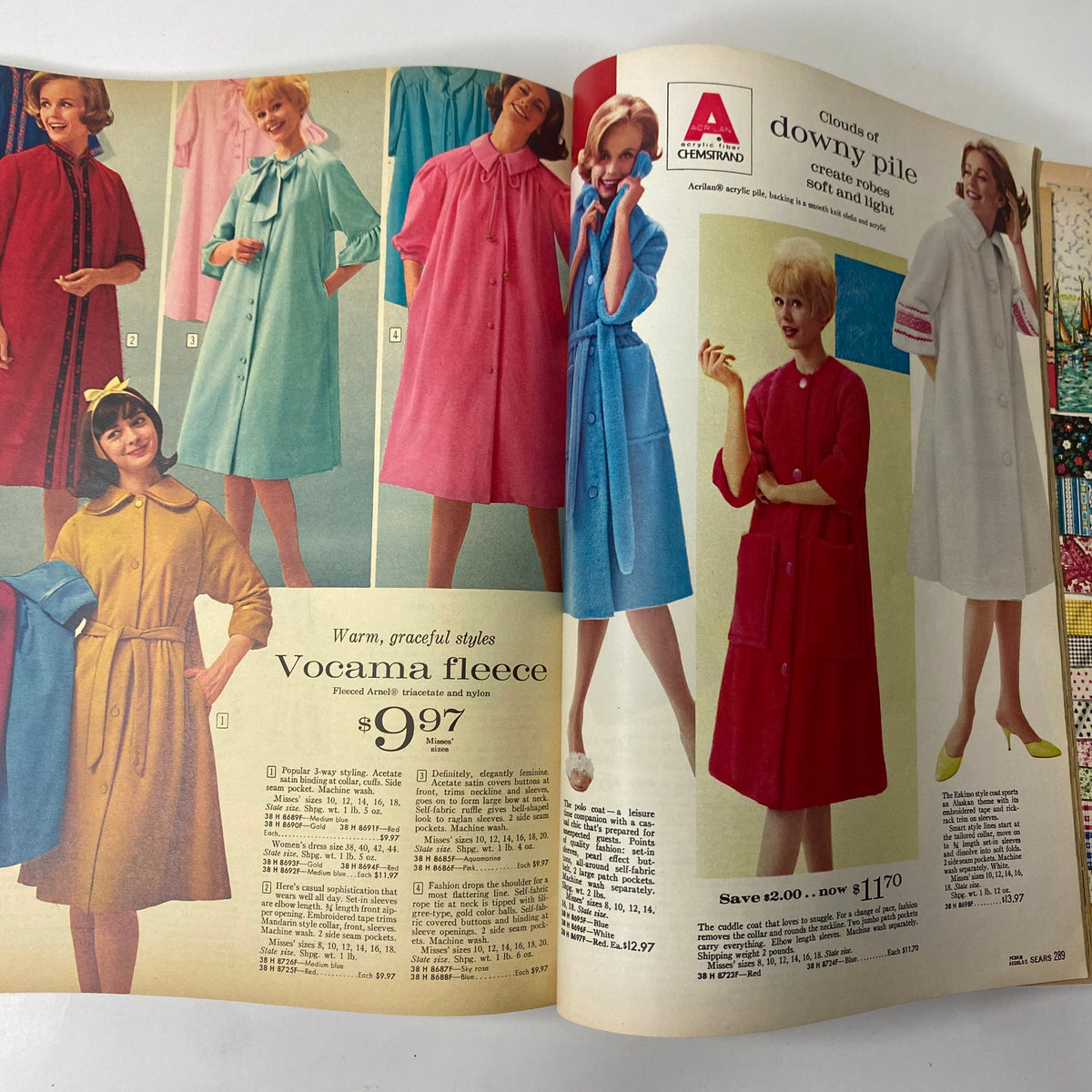
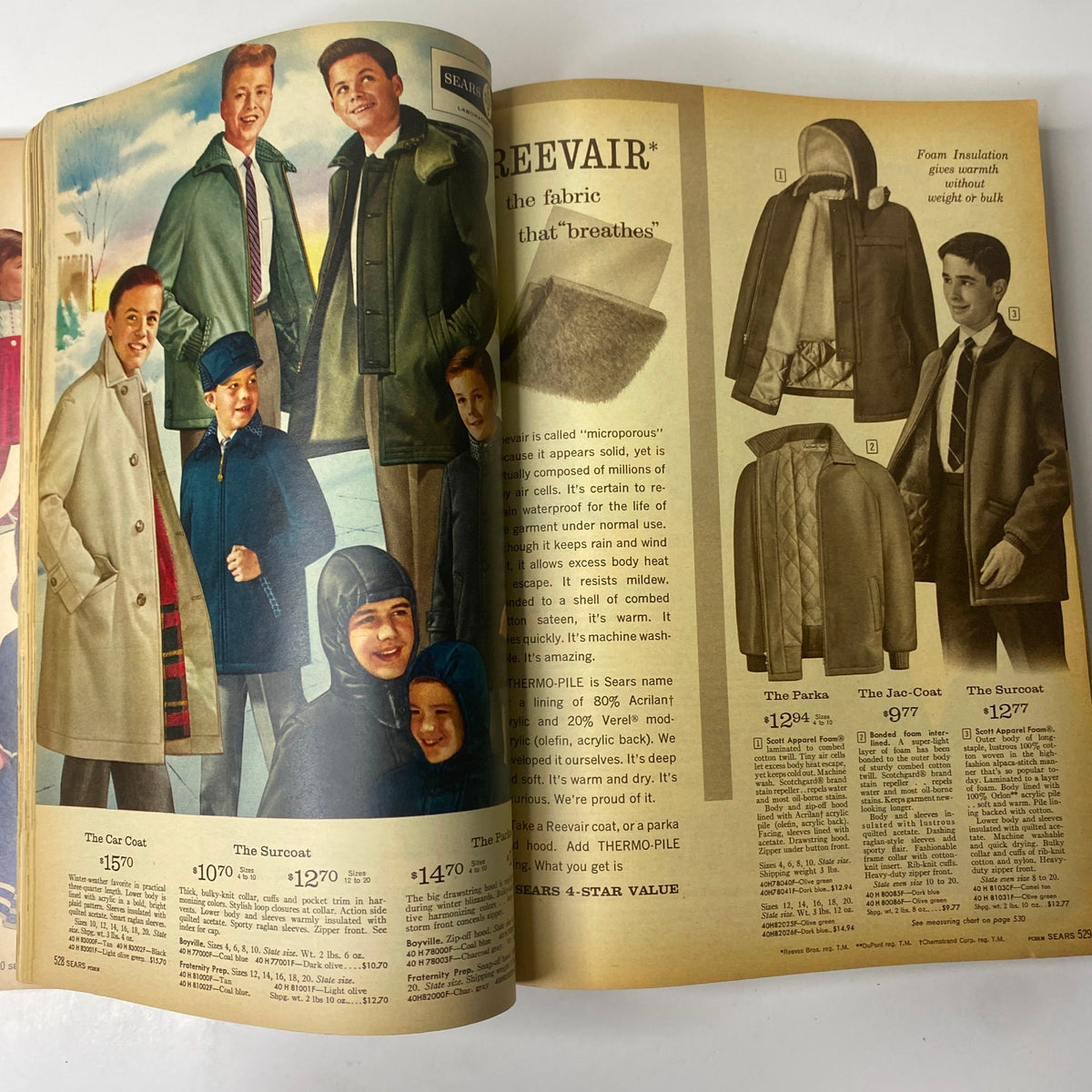
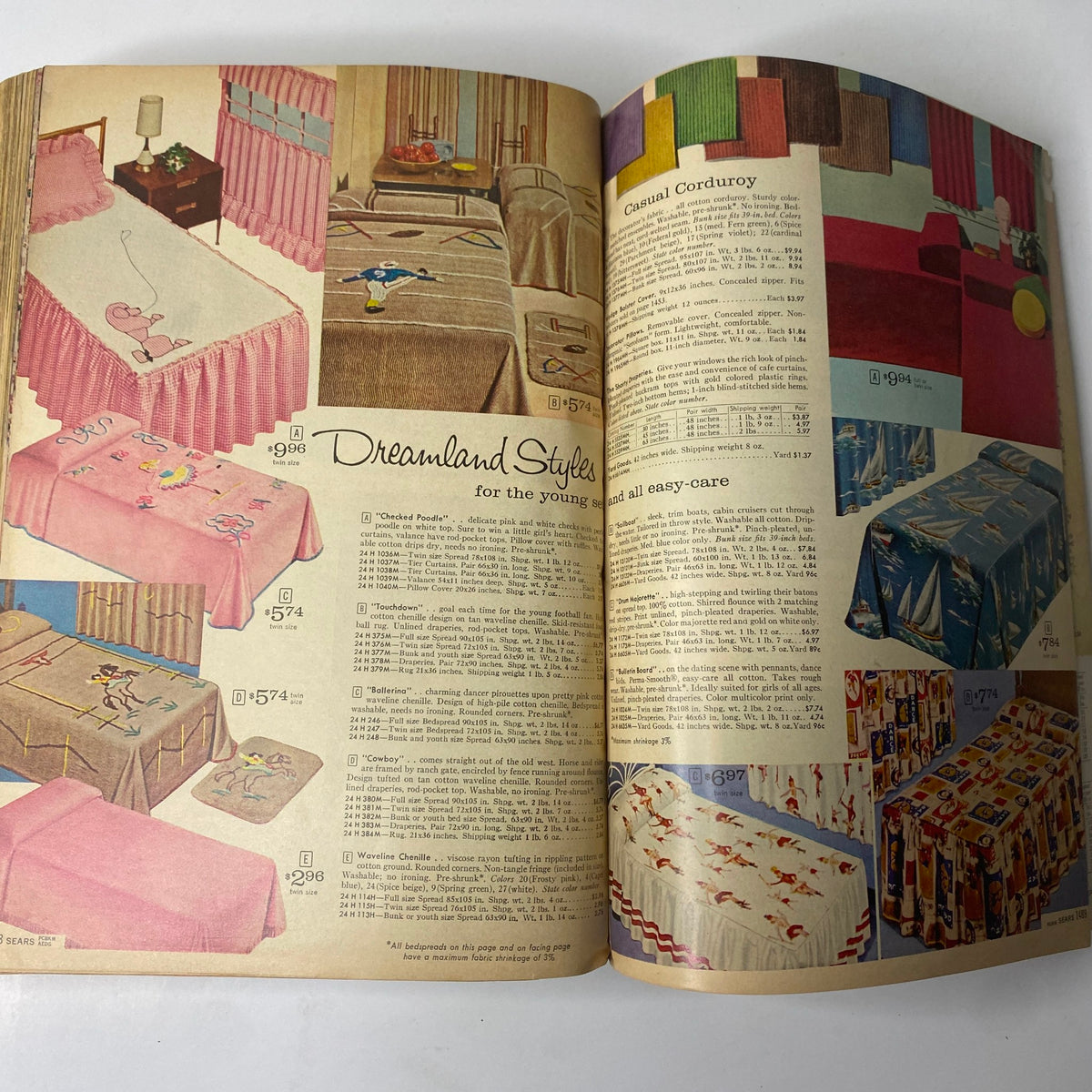
- Children's clothing section with warm outerwear and holiday outfits — a category that Sears catalogs of this era documented with particular thoroughness, making them valuable references for costume and design research.
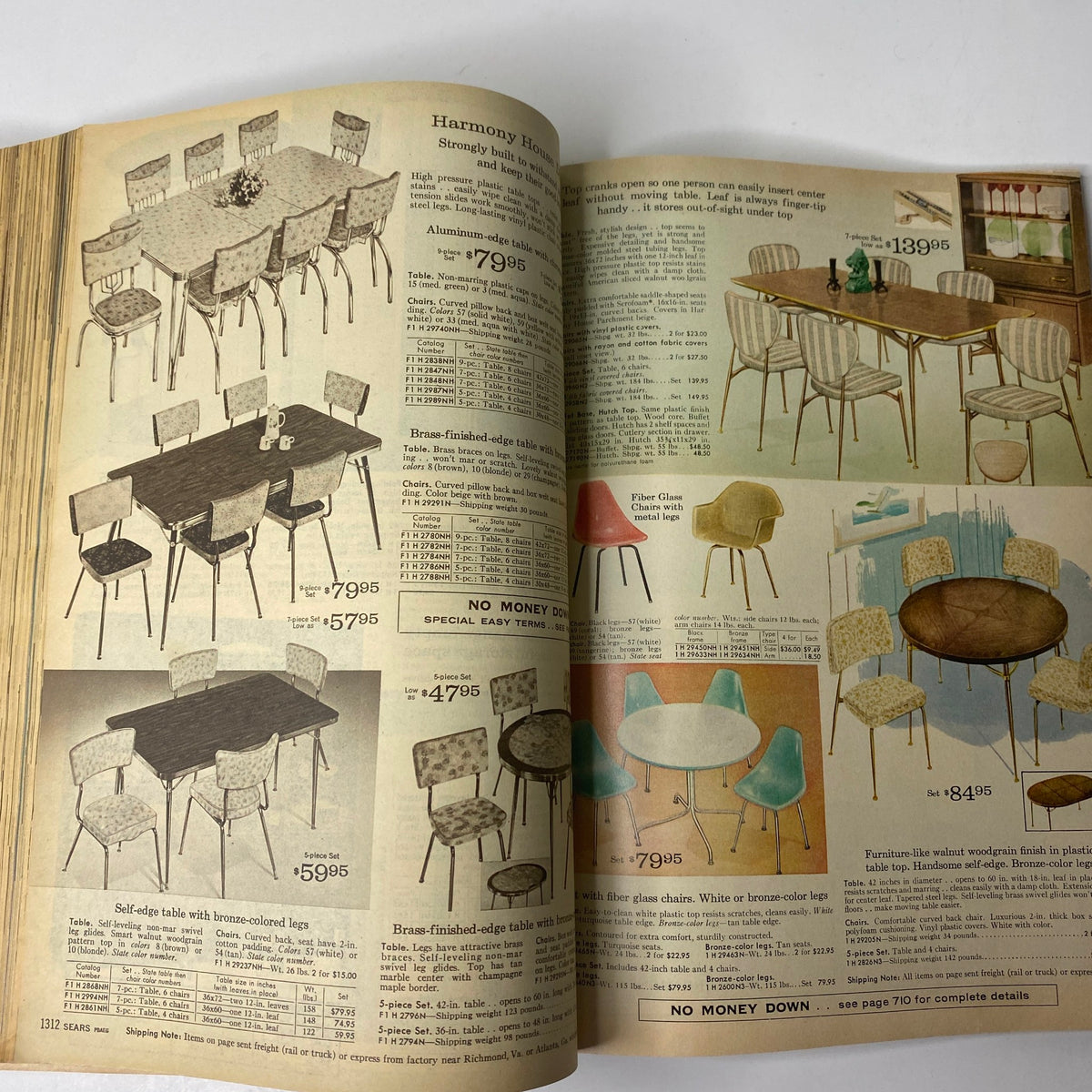
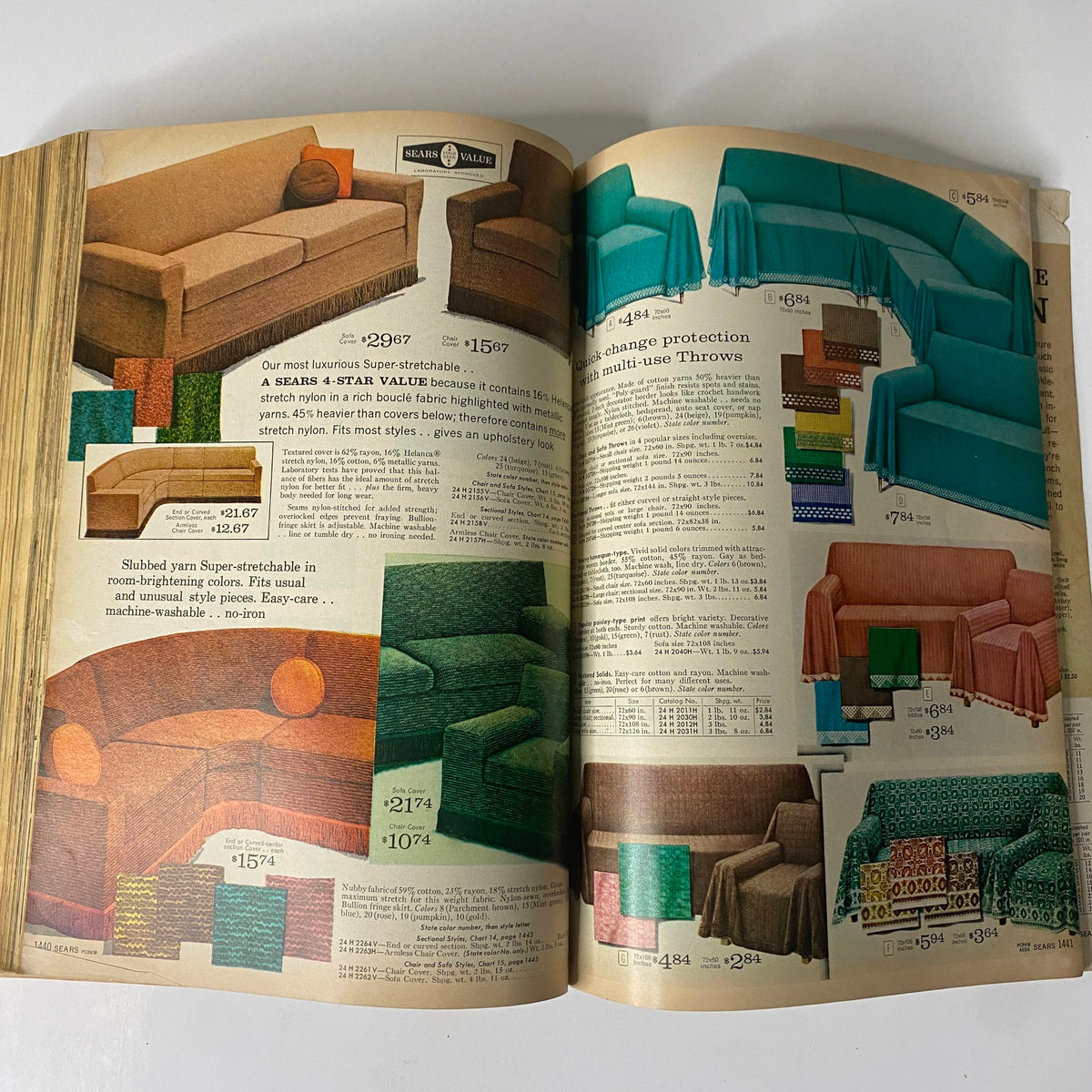
- Mid-century modern furniture section showcasing the color palettes and design vocabulary of early-1960s American home furnishing at its most widely accessible price points.
- Kenmore appliances and kitchen essentials, representing Sears' house brand at the height of its market dominance and offering a detailed snapshot of American kitchen technology and design in 1962.
Condition & Rarity
Surviving copies of the 1962 Sears Fall and Winter Catalog present particular conservation challenges owing to the publication's size, the weight of its paper stock, and the heavy use most copies received in their working lives as household reference documents. Loose pages are among the most common structural issues found in surviving catalog copies of this era — the binding on these large-format, high-page-count publications was not designed for the kind of repeated consultation they typically received, and separation along the spine and at individual page signatures is expected rather than exceptional in collector-grade copies. The absence of an address label is a meaningful positive, as Sears catalogs were distributed both by mail and through stores, and label-free copies present more cleanly for display and research use. A plastic protective covering indicates intentional preservation by a previous owner. For research and reference purposes — the primary use cases for most serious collectors of this material — loose pages that remain present and legible retain full documentary value even when the binding has failed.
Looking for More Issues Like This?
The 1962 Fall and Winter edition is one of the more actively sought volumes in the Sears catalog collecting community, and clean copies with intact contents move reliably when they surface. If this one is no longer available, the full Sears catalog collection at OriginalMagazines.com spans multiple decades and editions and is the right place to continue the search — whether you're focused on a specific era, a particular product category, or simply building out a run of this essential American publication. The complete 1962 magazines collection is also worth exploring for anyone assembling a broader picture of American print culture from this pivotal year.