
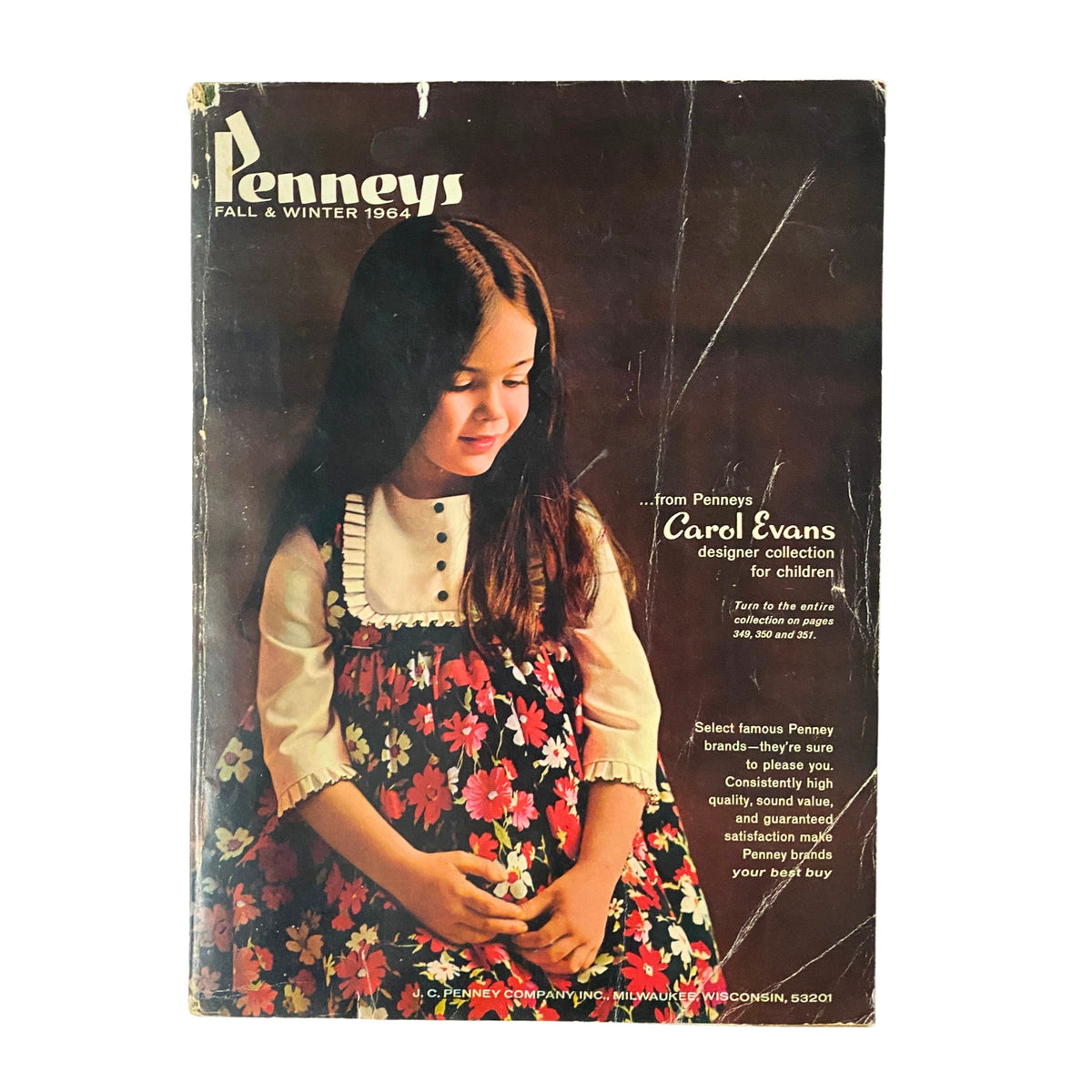
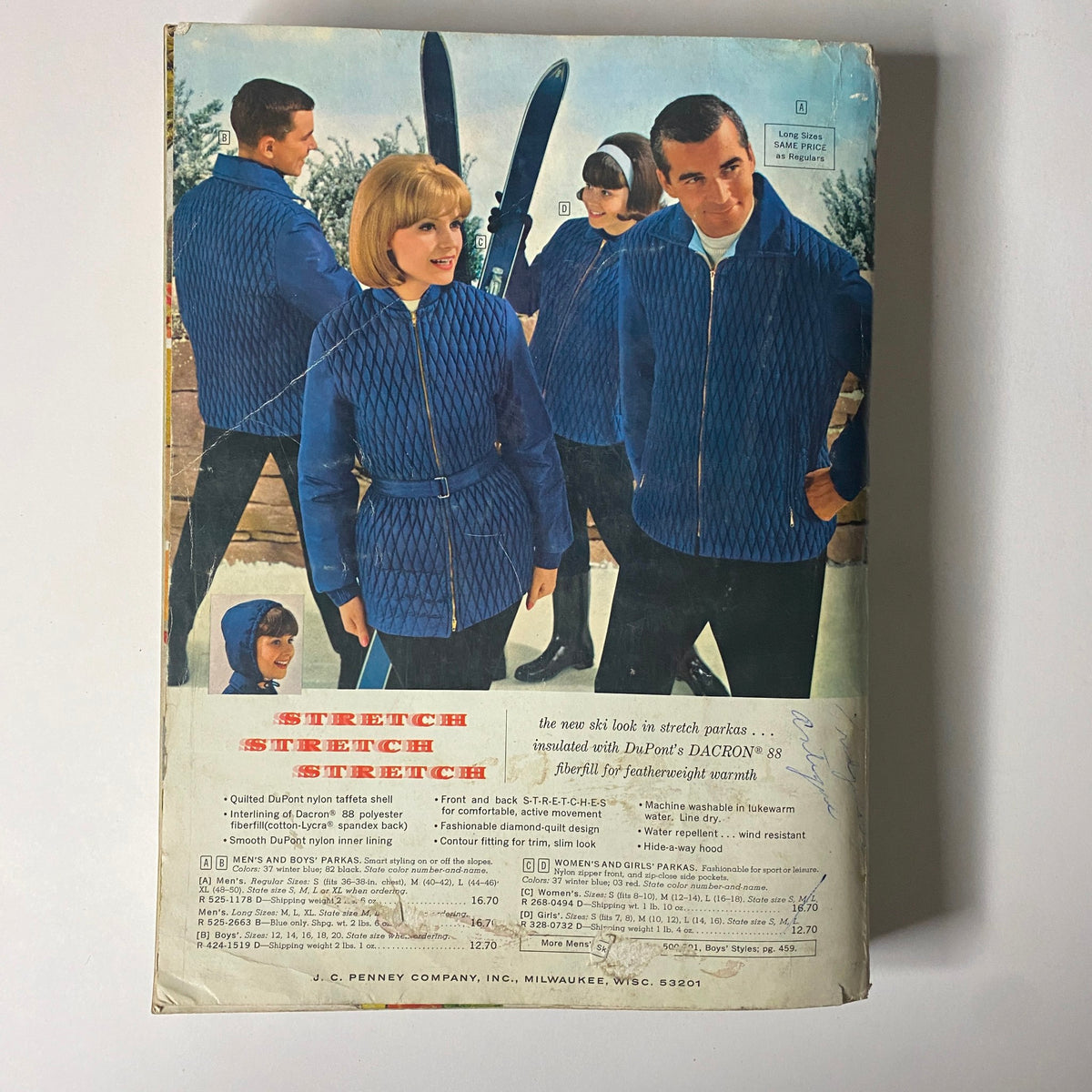


Description
Collector's Note – Why This Issue Matters
The 1964 J.C. Penney Fall and Winter Catalog documents American consumer life at one of the most historically weighted seasons of the postwar era. The fall and winter of 1964 arrived in the first full year after the assassination of President Kennedy — the national trauma of November 1963 was less than twelve months in the past when this catalog reached American households, and the country was simultaneously grieving, recalibrating, and pressing forward under Lyndon Johnson's presidency. The 1964 presidential election, in which Johnson defeated Barry Goldwater in a historic landslide, occurred in November — the precise heart of this catalog's circulation period. The Civil Rights Act had been signed into law in July 1964. The Beatles had arrived in February. American life was in active, rapid transformation, and yet the pages of a J.C. Penney fall and winter catalog from this moment present the domestic consumer culture that persisted through all of it: families choosing fall clothing, holiday decorations, gifts, and cold-weather essentials with the familiar rhythms of mid-century American retail life. That coexistence of historical magnitude and ordinary domesticity is what gives this catalog its particular historical character. Collectors building a documentary record of early-to-mid 1960s American life will find the J.C. Penney catalog archive an essential resource for tracing the evolution of mainstream consumer culture through one of the most consequential decades in American history.
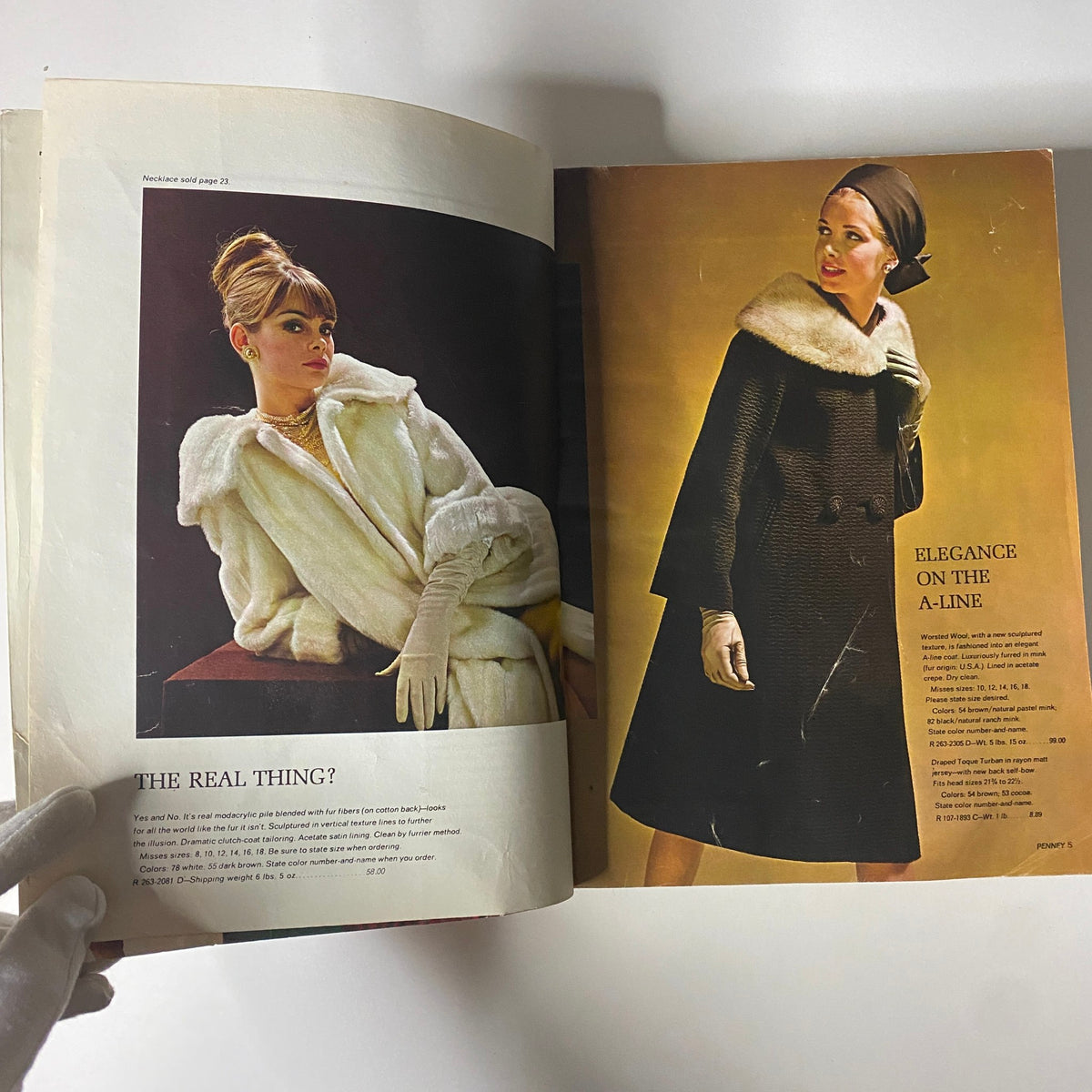
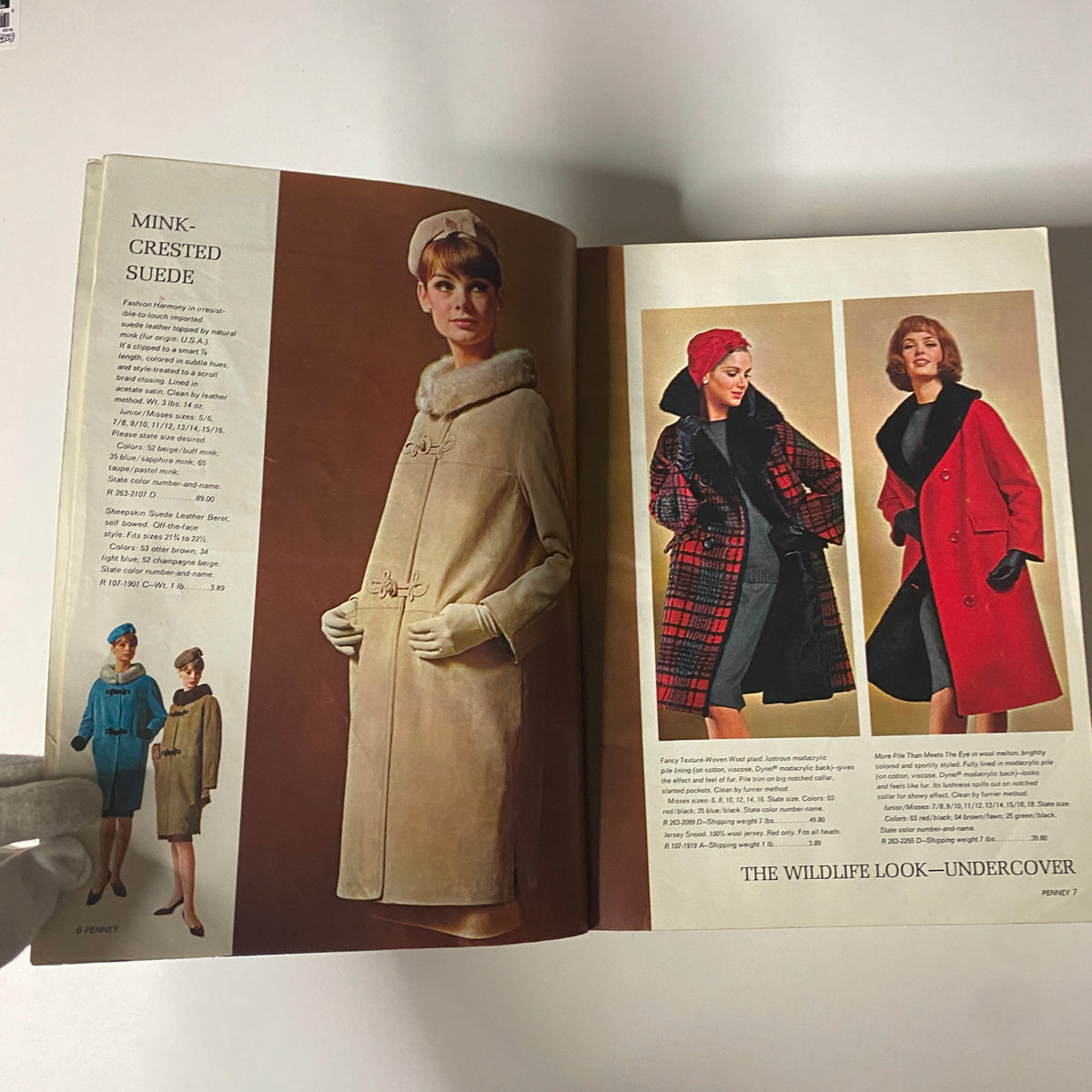
The Fall and Winter 1964 catalog also documents American fashion at a specific and historically interesting transitional moment. The early-1960s aesthetic — the tailored, structured sensibility associated with the Kennedy era — was still fully present in the fall and winter Penney's line, even as the cultural forces that would transform American fashion within the next two years were already gathering momentum. The mod revolution had not yet arrived in mainstream American retail: hemlines were still conservative, silhouettes were still structured, and the bold geometric patterns of the mid-decade years were still in the future for the customers consulting a Penney's fall catalog in the autumn of 1964. This makes the catalog a precise primary document of the early-1960s fashion aesthetic at its last intact moment before the rapid mid-decade changes that would follow. Holiday décor and gift sections document the Christmas consumer culture of 1964 America with the material specificity that social historians find invaluable — what American families were decorating with and giving as gifts in the first Christmas following Kennedy's assassination. The full range of 1964 publications provides essential context for the historically charged year this catalog documented.
The Fall and Winter edition was J.C. Penney's most comprehensive annual catalog production — the reference document that households retained and consulted over the year's longest and most purchasing-intensive season. A 1964 edition from this historically specific moment represents one of the more significant entries in the Penney's Fall and Winter catalog series for collectors of early-1960s Americana.
About the Publication
J.C. Penney Company issued seasonal general merchandise catalogs throughout the mid-twentieth century, competing in the mail-order and store-catalog space alongside Sears and Montgomery Ward with a particular emphasis on apparel and soft goods for the American suburban middle class. The Fall and Winter catalog was the company's most comprehensive annual publication, covering the full range of cold-weather apparel, home furnishings, holiday merchandise, and gift categories for a customer base that relied on it as a primary retail reference through the year's most demanding consumer season. By the early 1960s Penney's catalogs were produced with colorful full-color photography reflecting the decade's transitional visual sensibility, making surviving editions from this period valuable primary sources for researchers of early-1960s fashion, domestic culture, and American retail history.
Key Highlights Inside
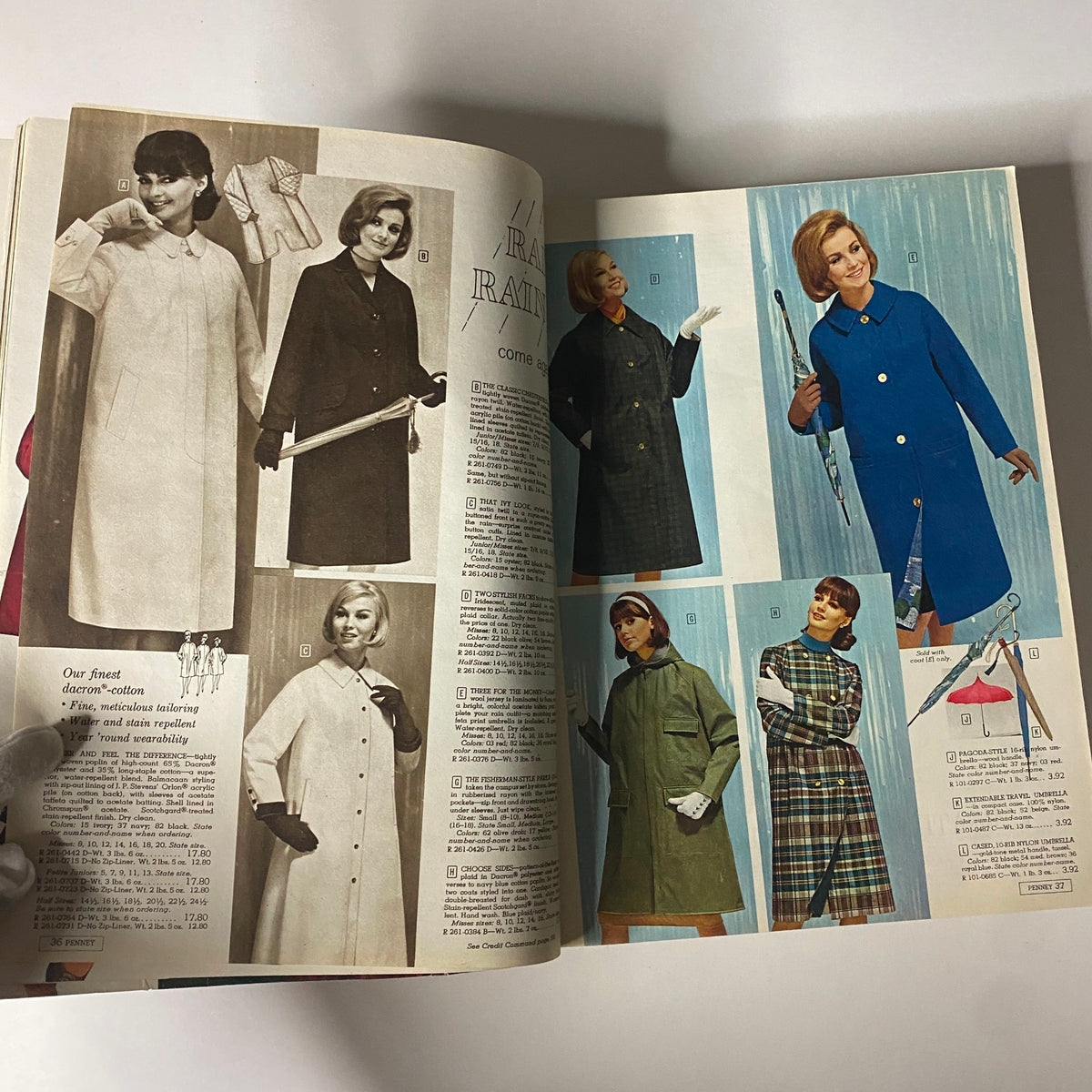
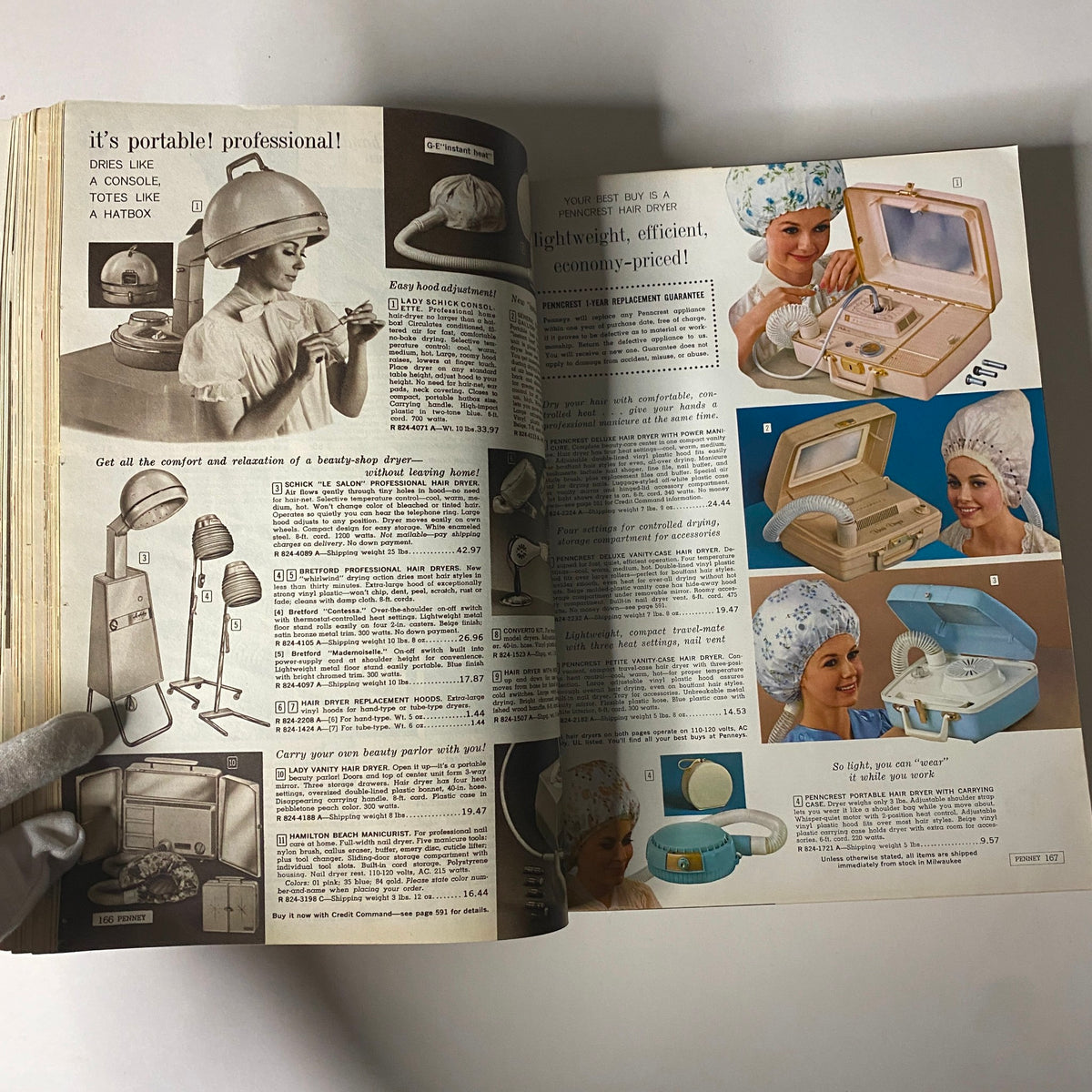
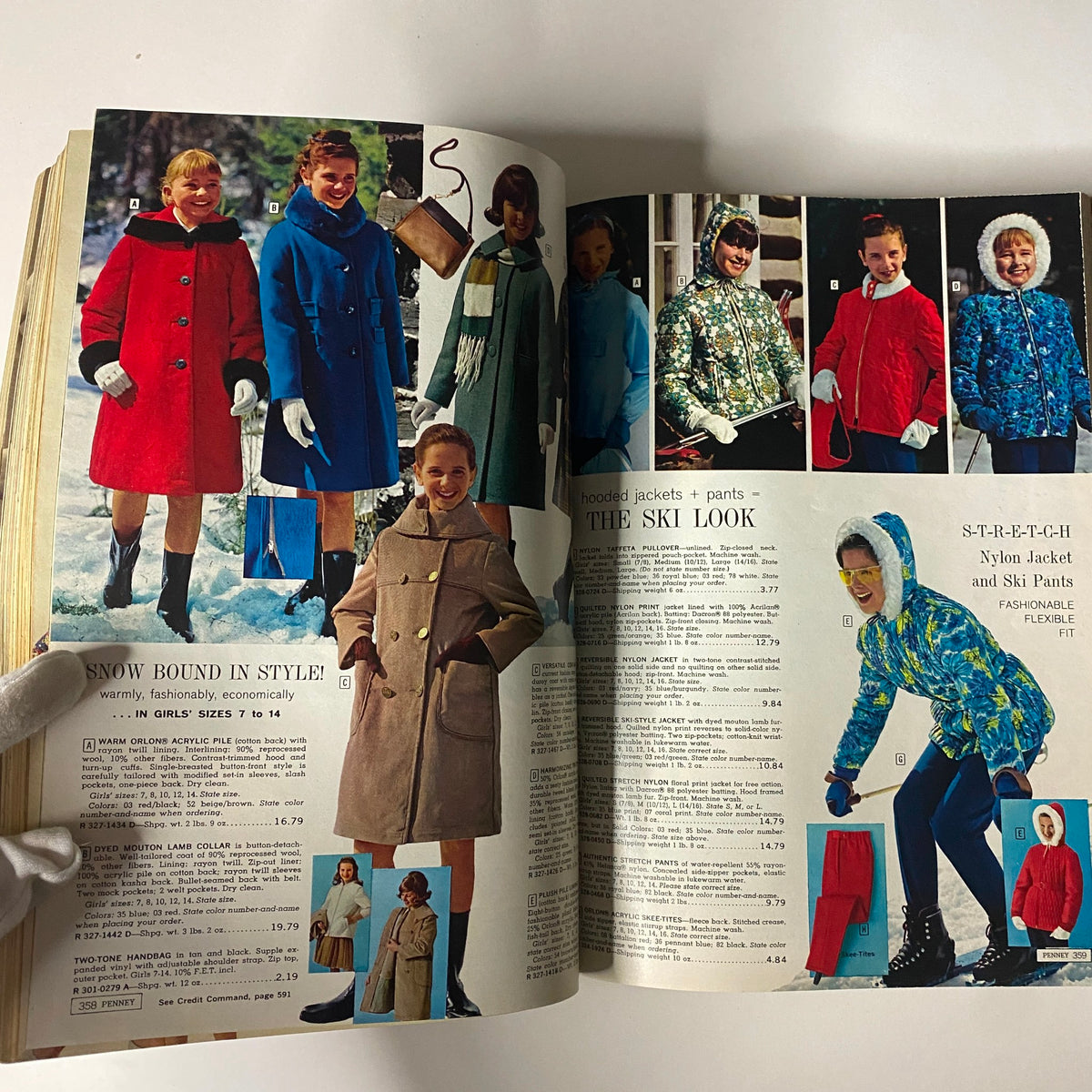
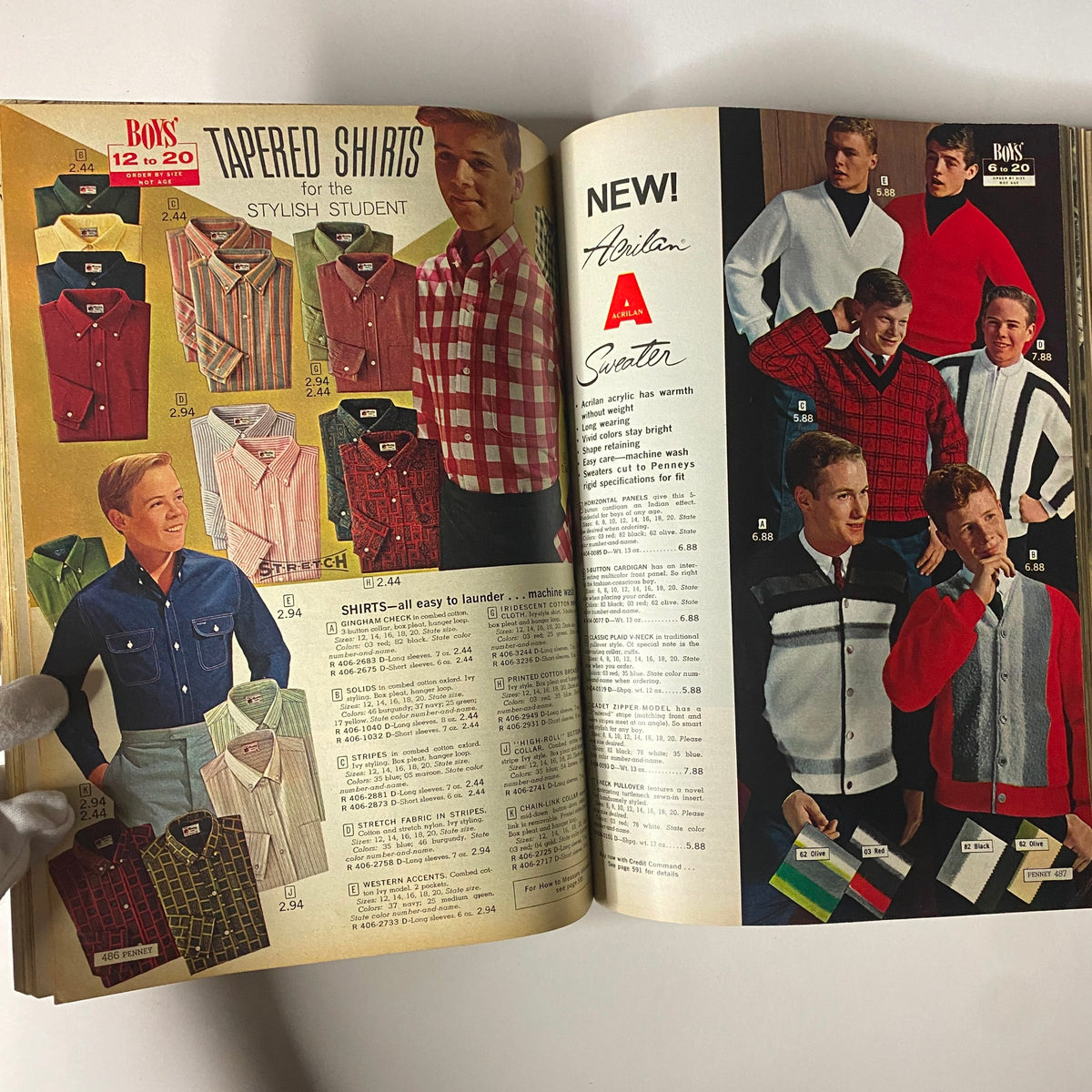
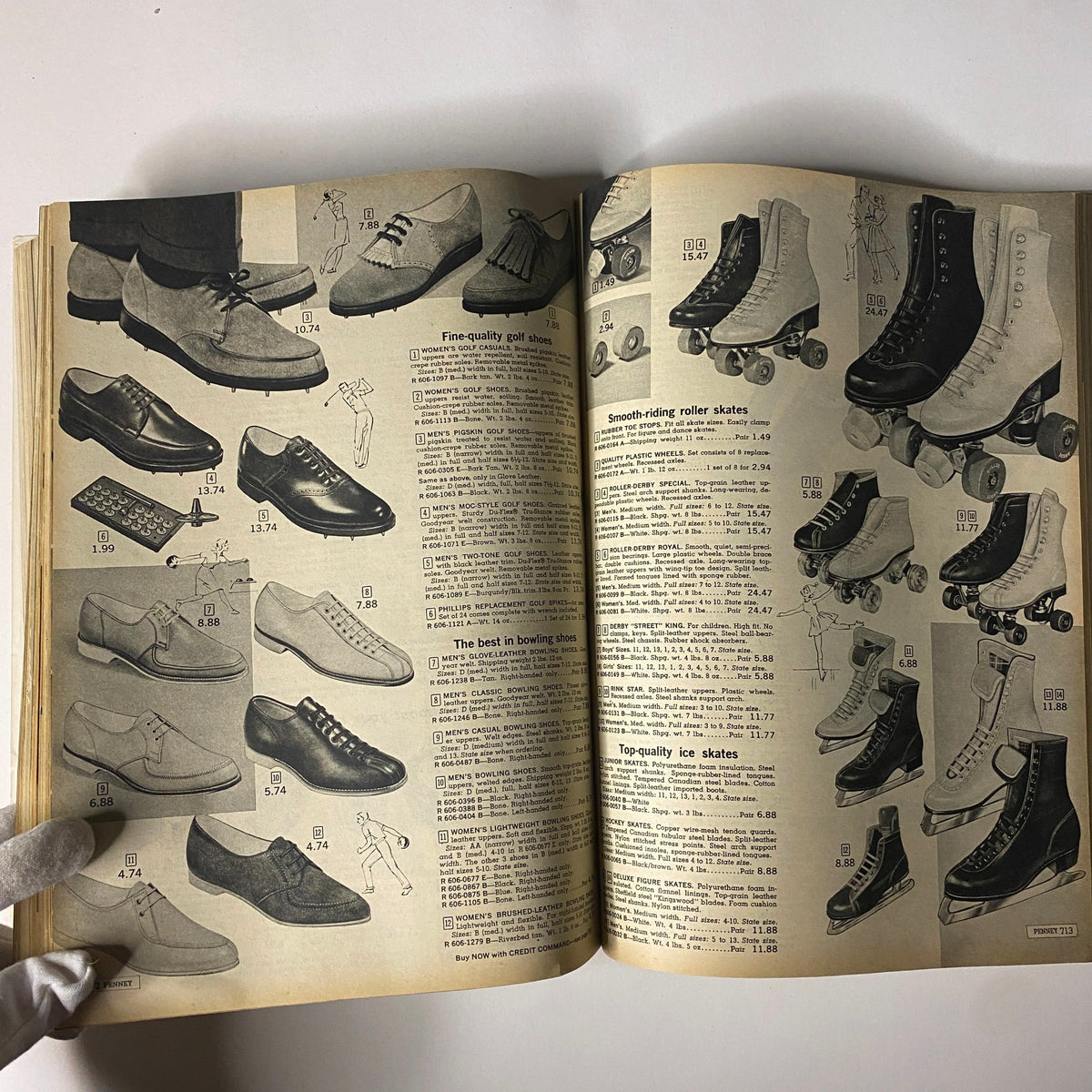
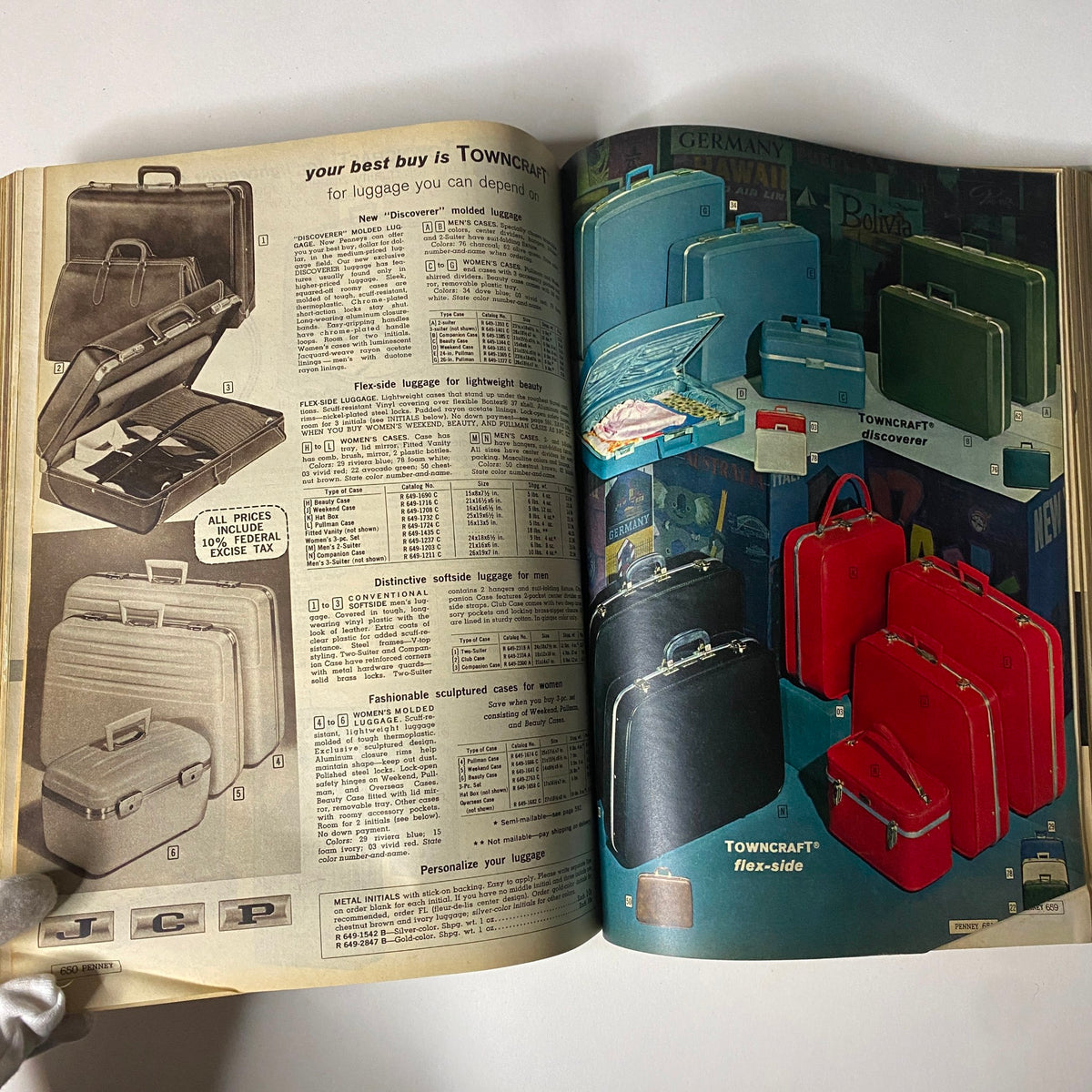
- Fall and winter apparel for men, women, and children reflecting the early-1960s mass-market fashion aesthetic at its last intact moment — the tailored, structured Kennedy-era sensibility fully present in the Penney's fall line in the final season before the mid-decade style revolution began to reshape American mainstream fashion.
- Holiday décor and gift sections documenting the Christmas consumer culture of 1964 America — the first full Christmas following the Kennedy assassination, and the holiday season of the Johnson landslide election, giving the catalog's seasonal content an unusual historical density.
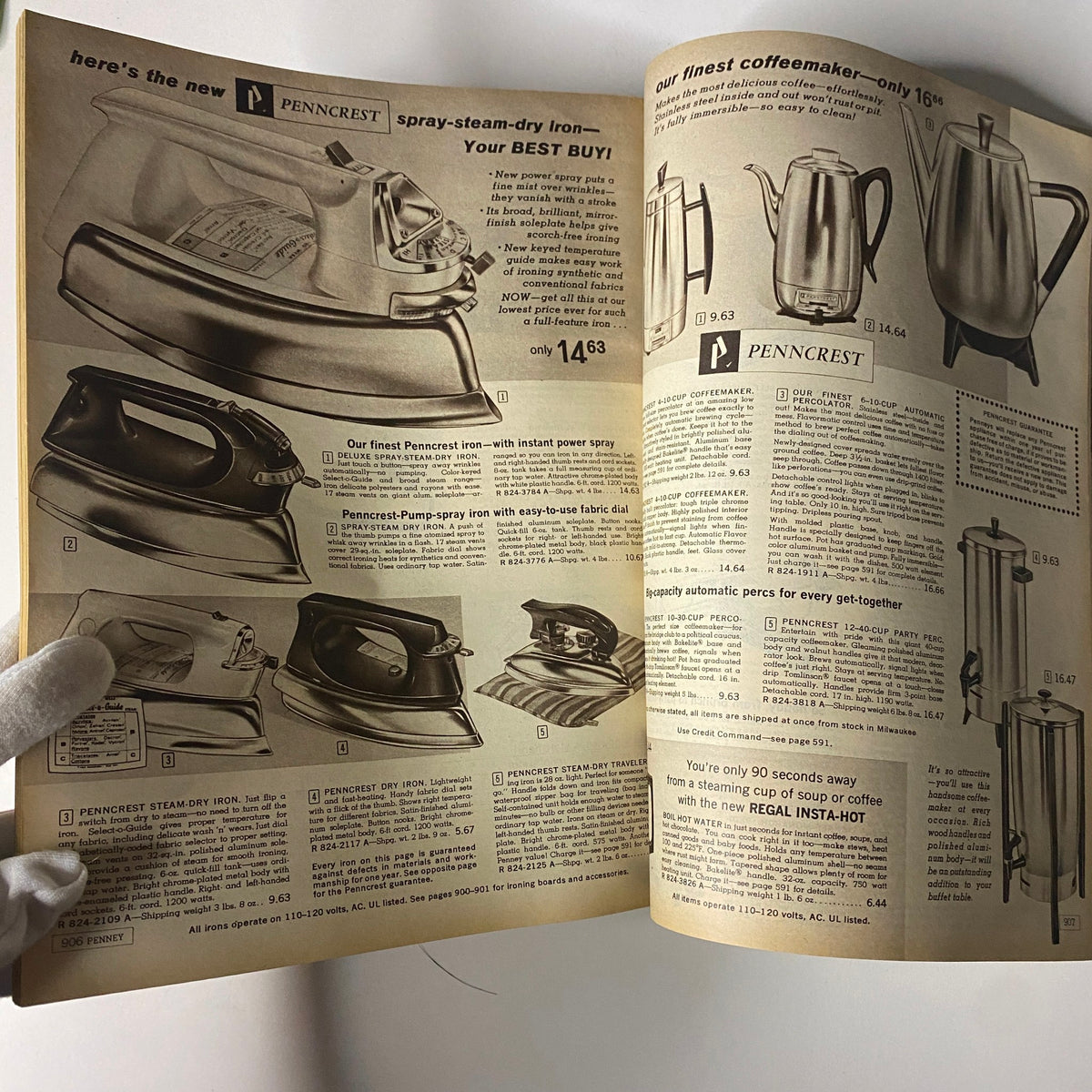
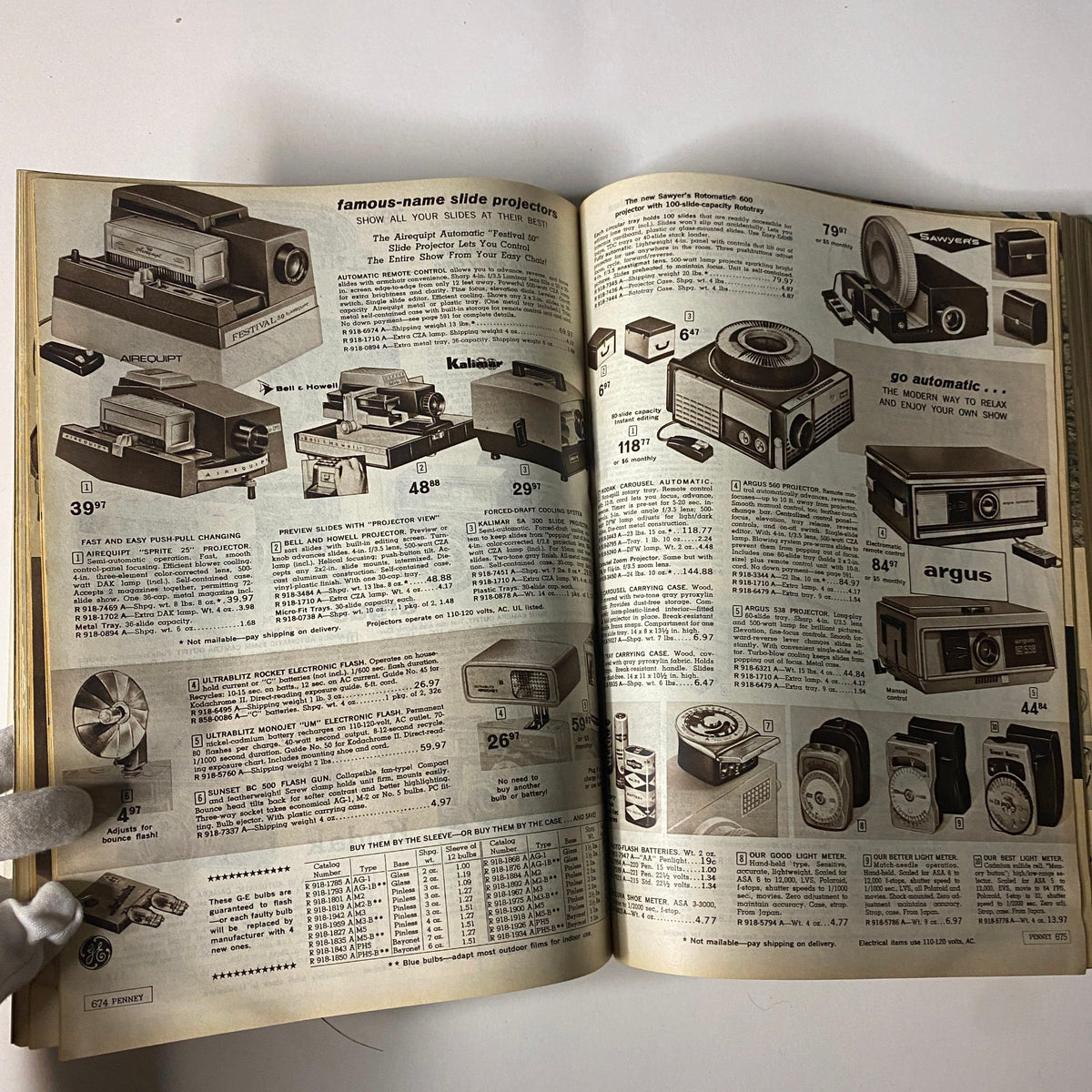
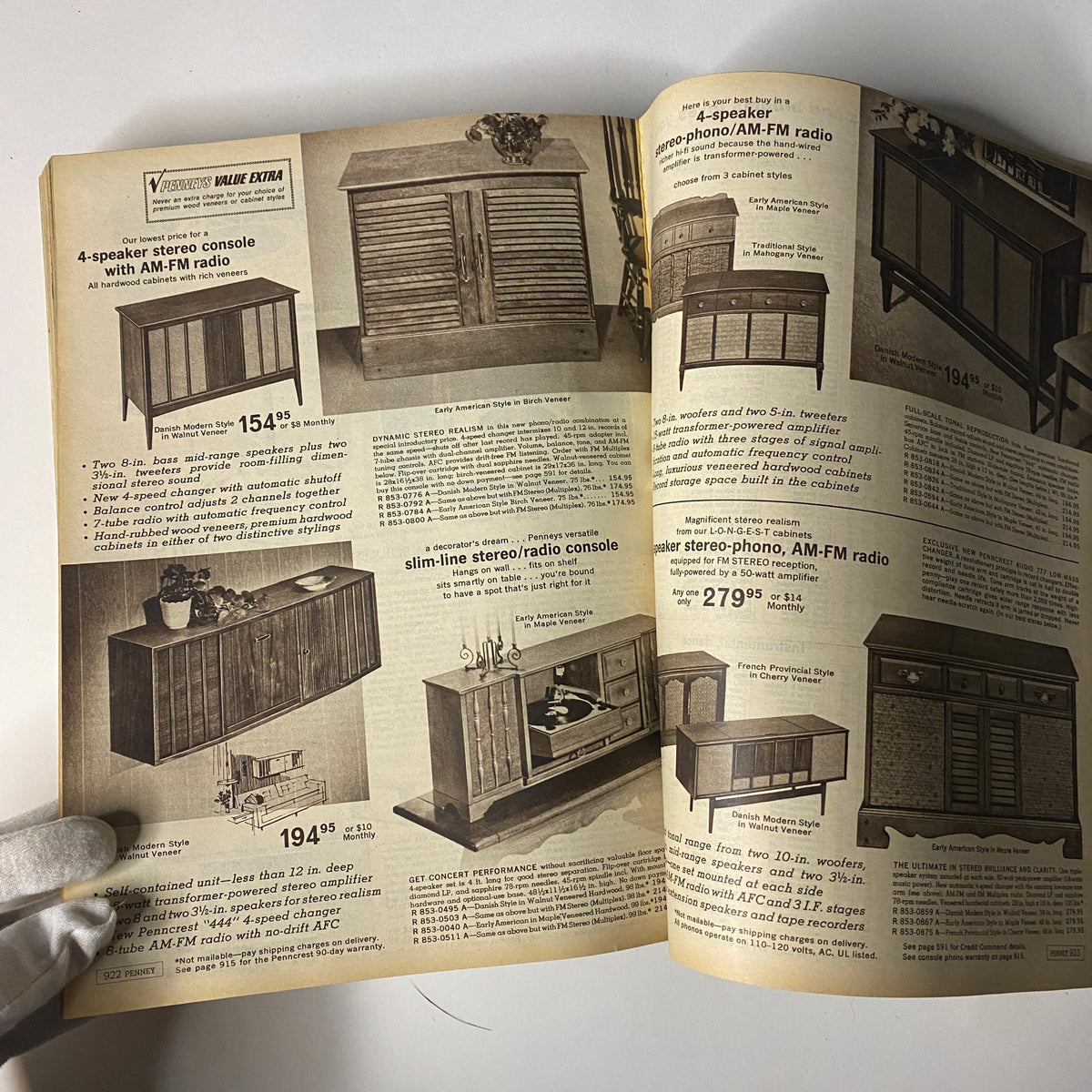
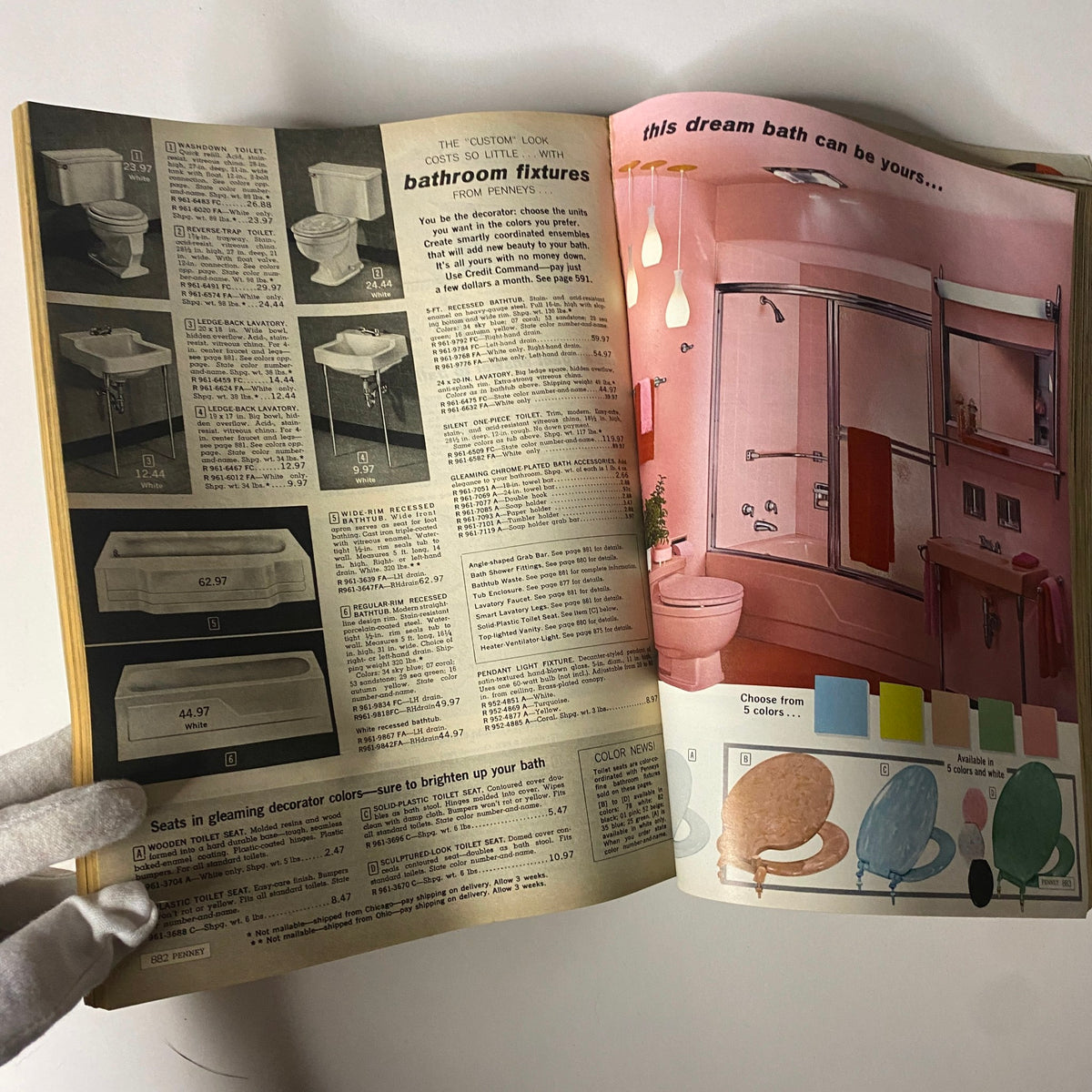
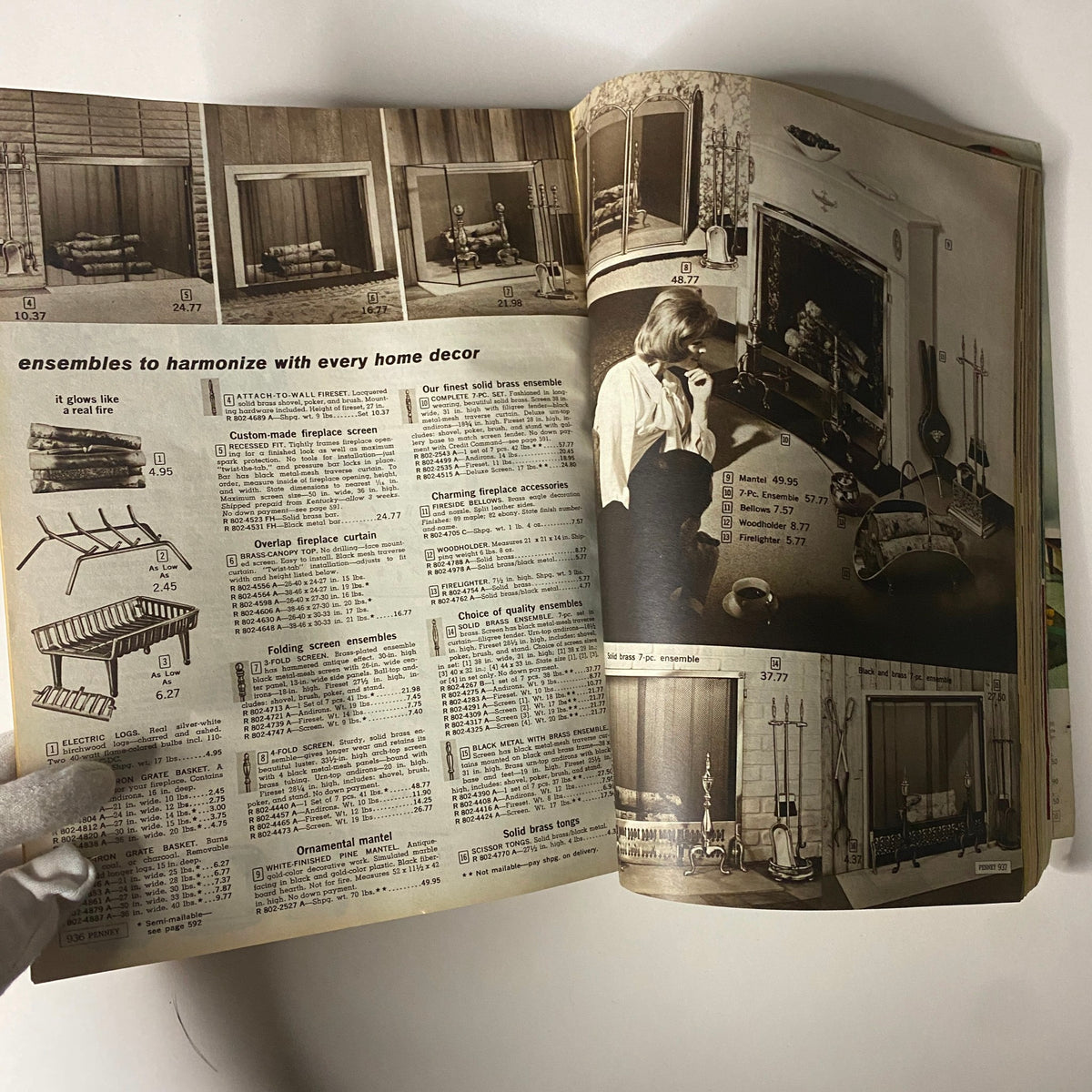
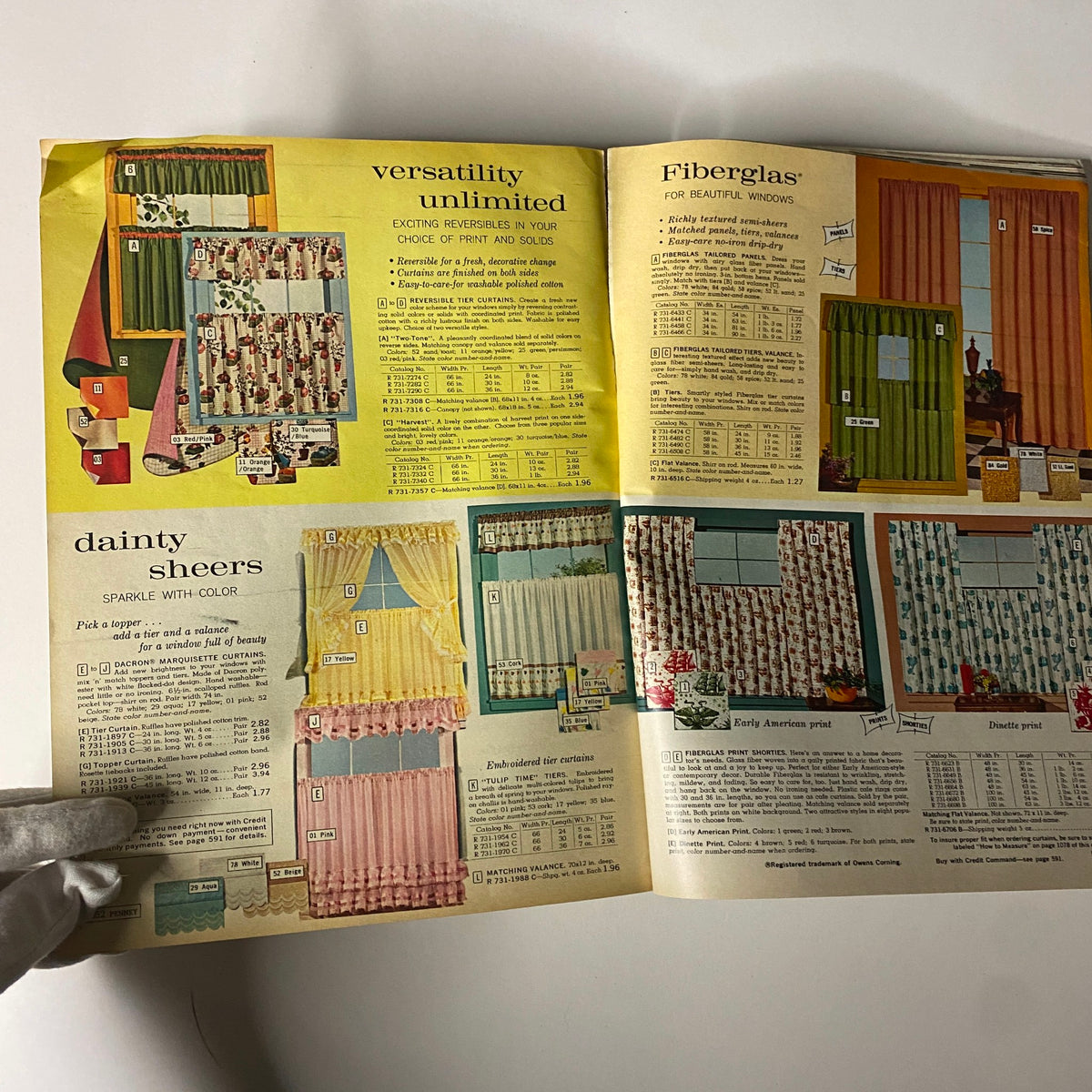
- Home furnishings capturing the interior design sensibility of early-1960s mainstream American domestic taste — the furniture forms, textile choices, and decorative products that defined the mid-century suburban household at the precise moment when the decade's rapid cultural changes were about to begin reshaping domestic aesthetics.
- Cold-weather essentials and outerwear documenting the practical consumer priorities of American families in the fall and winter of 1964 — a season that encompassed the Civil Rights Act's first months in effect, the presidential election, and the continued social transformation of American life.
- Note: Specific page numbers, additional category details, and confirmed interior content beyond what is documented in the listing have not been independently verified. The above reflects what is verifiable from the listing description and well-documented knowledge of this catalog format and era.
Condition & Rarity
J.C. Penney Fall and Winter catalogs from the early 1960s are among the more historically significant entries in the American retail catalog collector market, and the 1964 edition — from a year of extraordinary historical density — draws consistent interest from collectors of early-1960s Americana and fashion historians. The Fall and Winter edition was the most heavily used of Penney's annual publications, consulted repeatedly over a full cold-weather season and typically retained by households longer than seasonal supplements. A surviving example from 1964 rated in good condition, with a protective plastic sleeve applied, represents a well-preserved artifact by realistic standards for a catalog now more than sixty years old. When evaluating any surviving copy, the primary condition factors are the integrity of the full-color photographic printing — early-1960s catalog color photography is susceptible to fading and color shift over six decades — along with binding cohesion, cover brightness, page completeness, and the absence of significant moisture damage or household markings. Good condition on a Fall and Winter catalog of this age indicates structural soundness and visual legibility sufficient for both display and research use.
Looking for More Issues Like This?
The 1964 J.C. Penney Fall and Winter Catalog is a retail document from one of the most historically weighted years of the entire decade, and the Fall and Winter edition specifically — the most comprehensive of Penney's annual publications — draws consistent interest from collectors of early-1960s Americana and fashion historians tracking the Kennedy-era aesthetic at its final intact moment. The J.C. Penney catalog collection at OriginalMagazines.com is the most reliable place to search for other seasonal editions spanning the full arc of Penney's catalog history. Collectors building around the pivotal and emotionally charged year of 1964 will also want to explore the 1964 magazine collection, which brings together a wide range of period publications that document the style, politics, grief, and forward momentum of one of modern American history's most consequential years.