
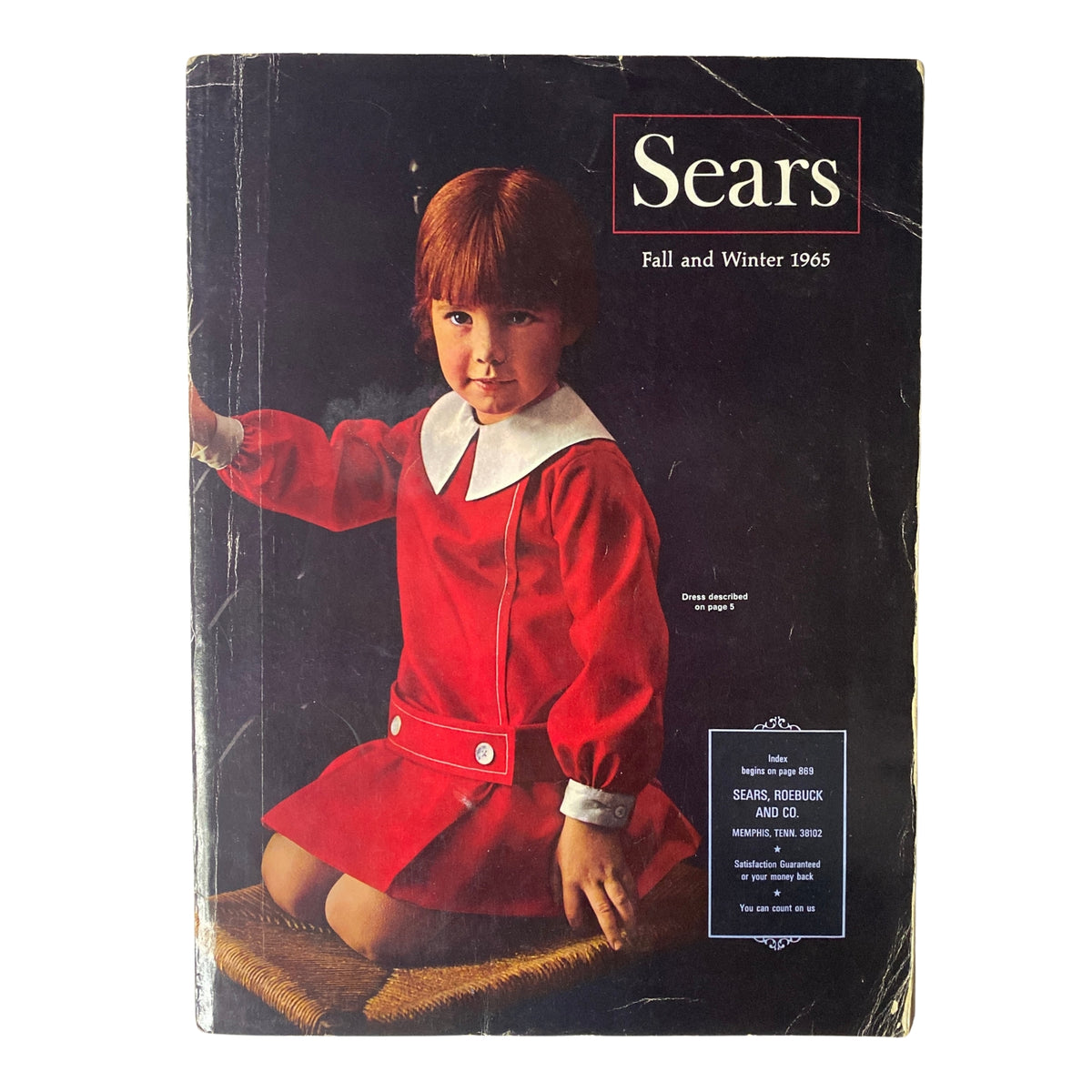
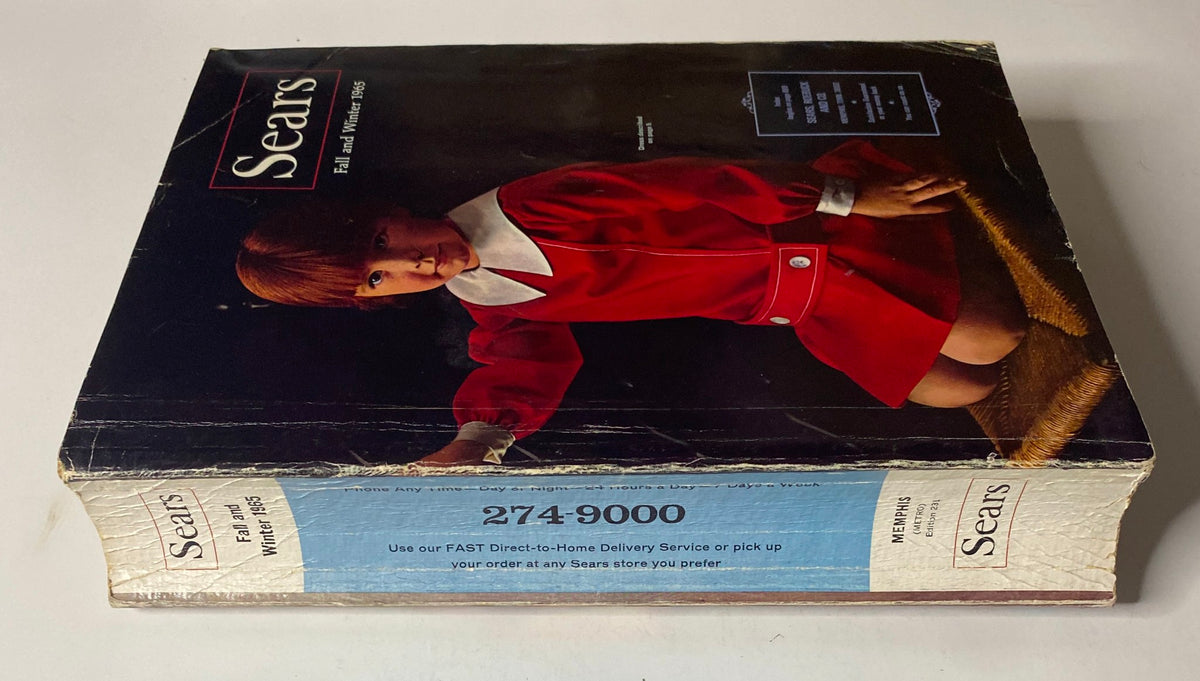
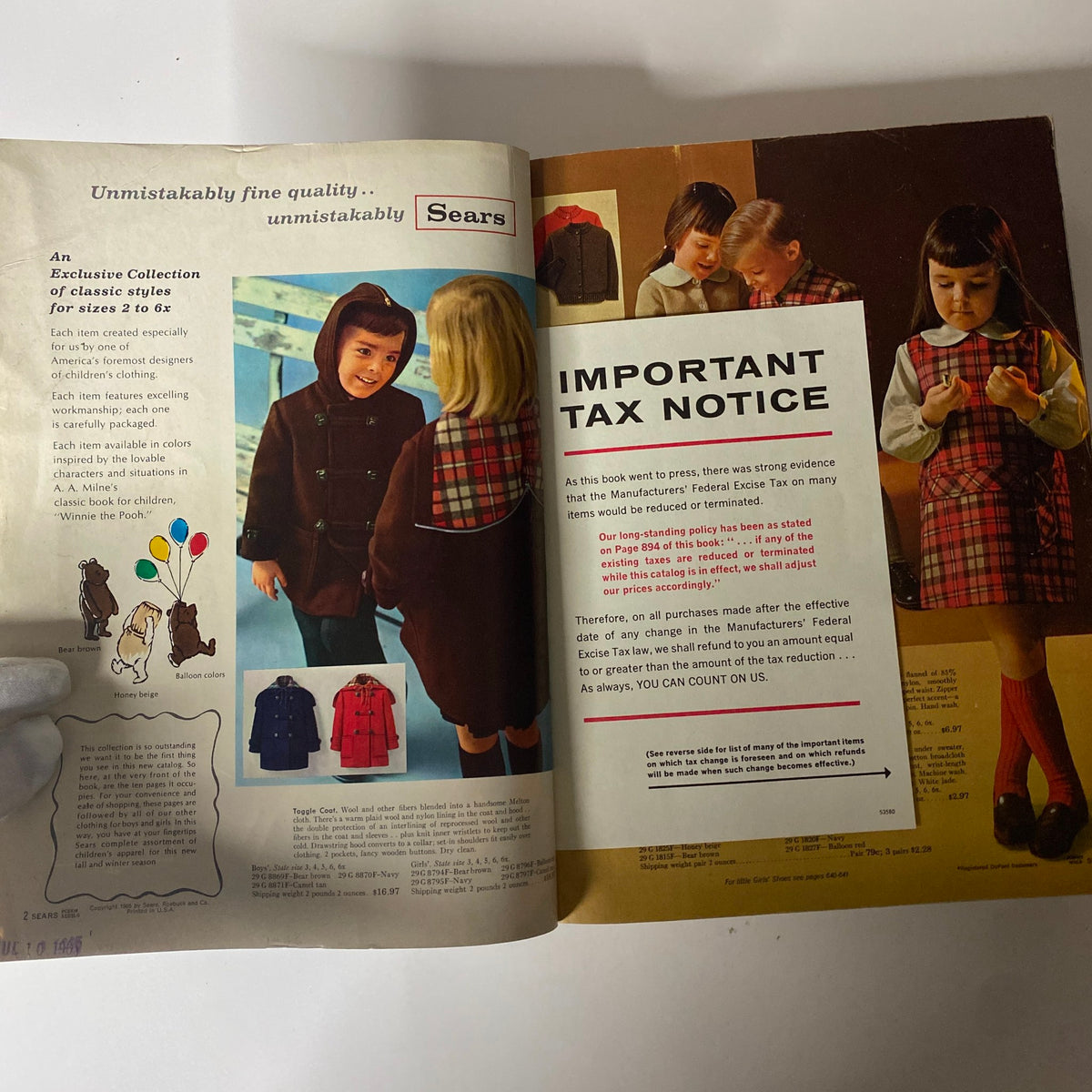
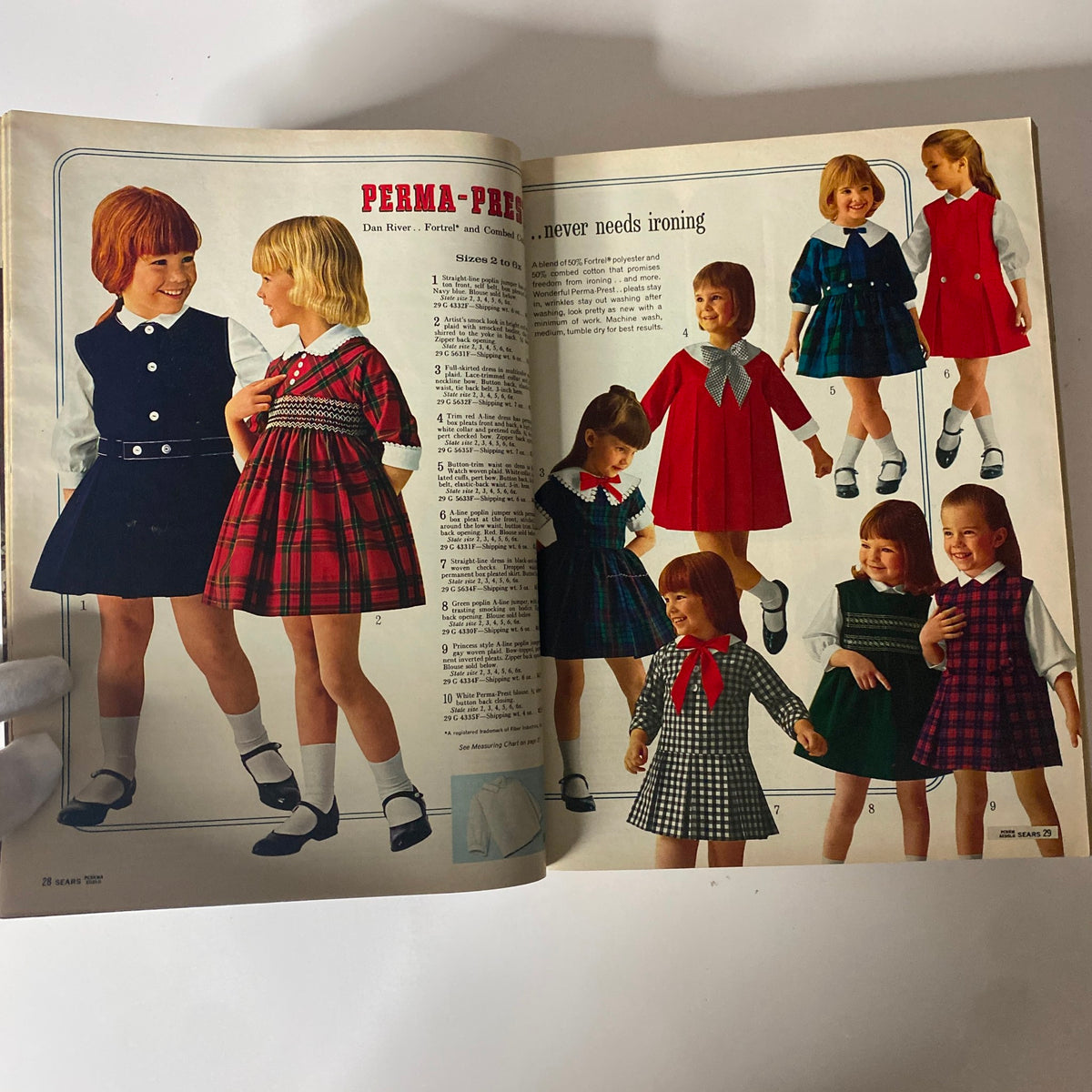


Description
Collector's Note – Why This Issue Matters
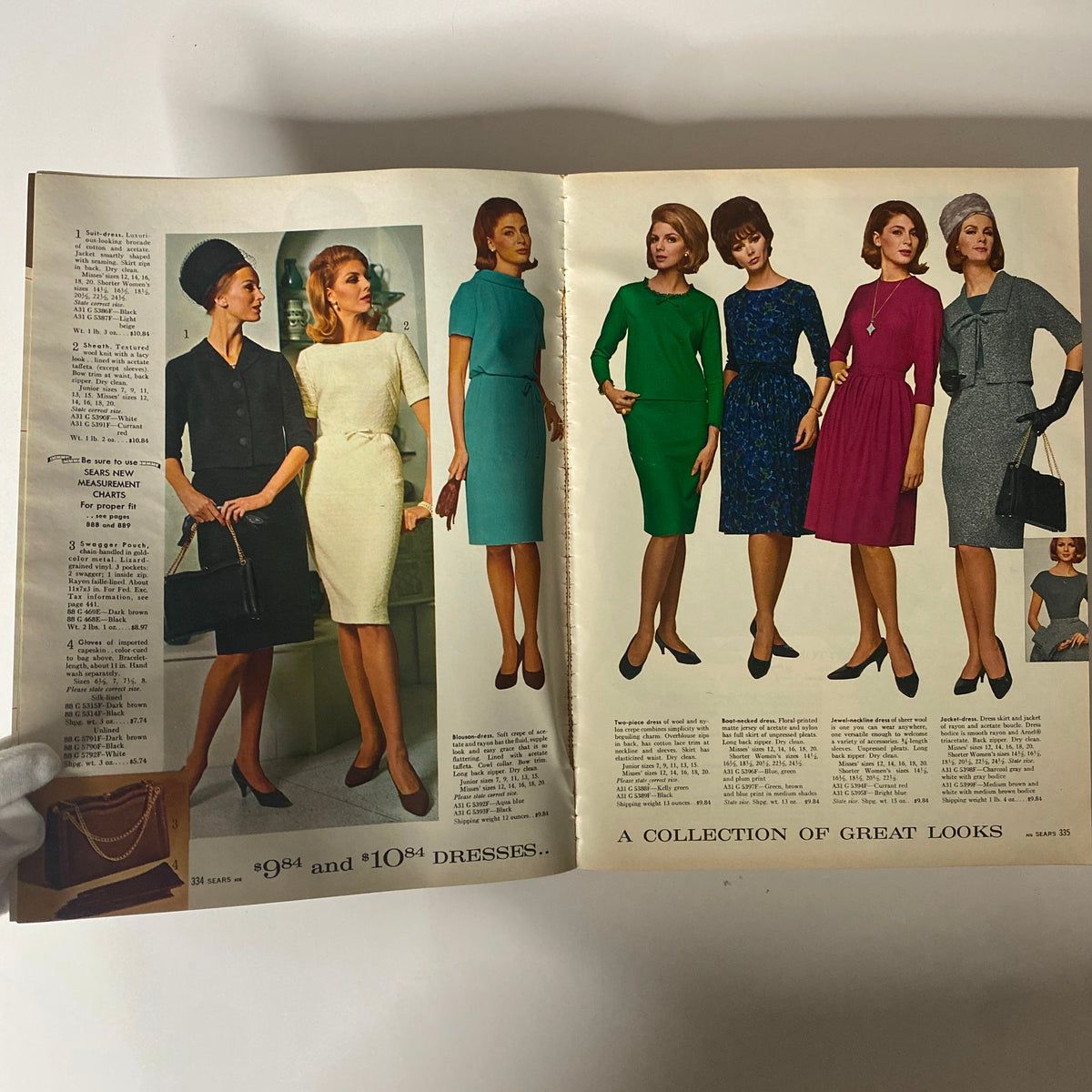
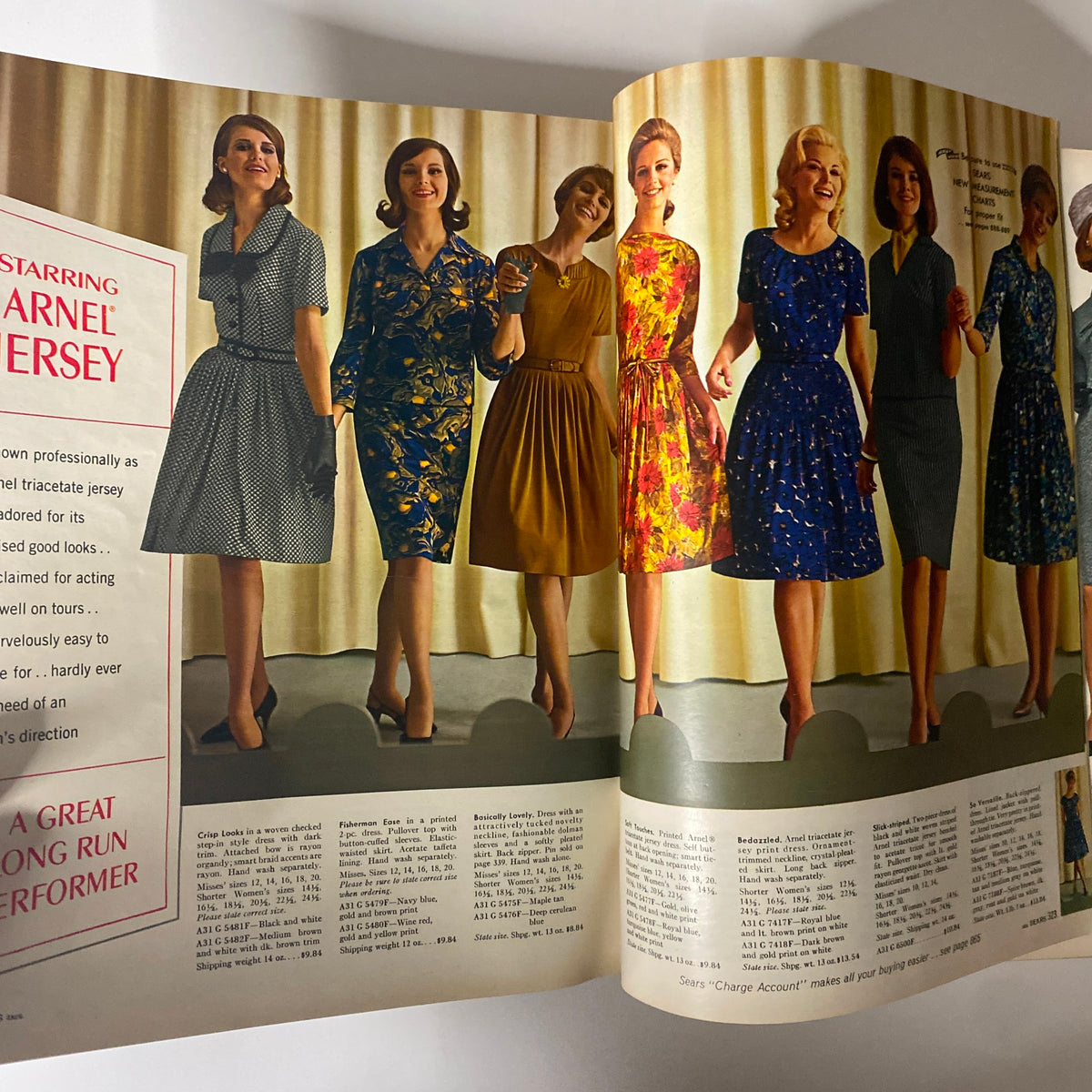
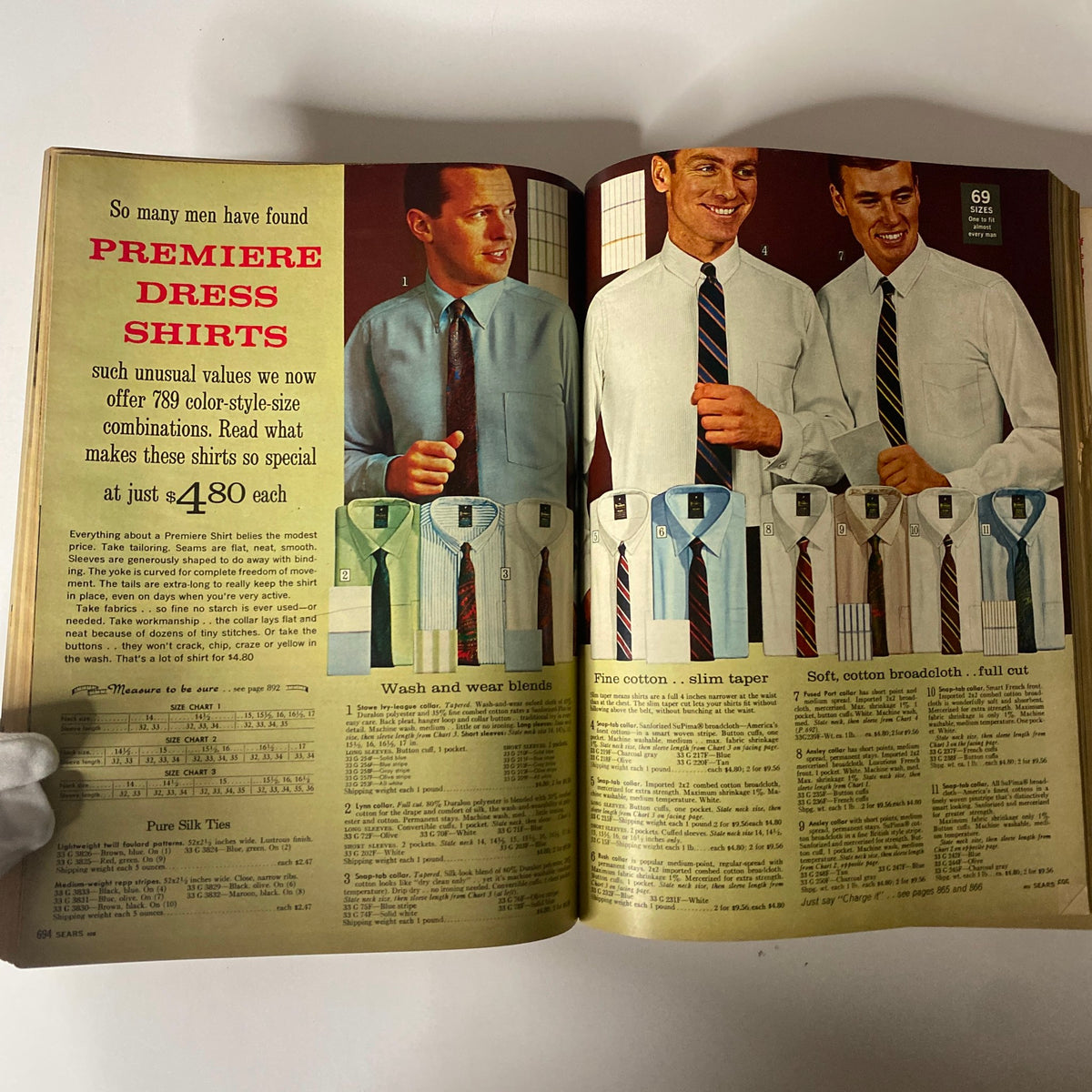
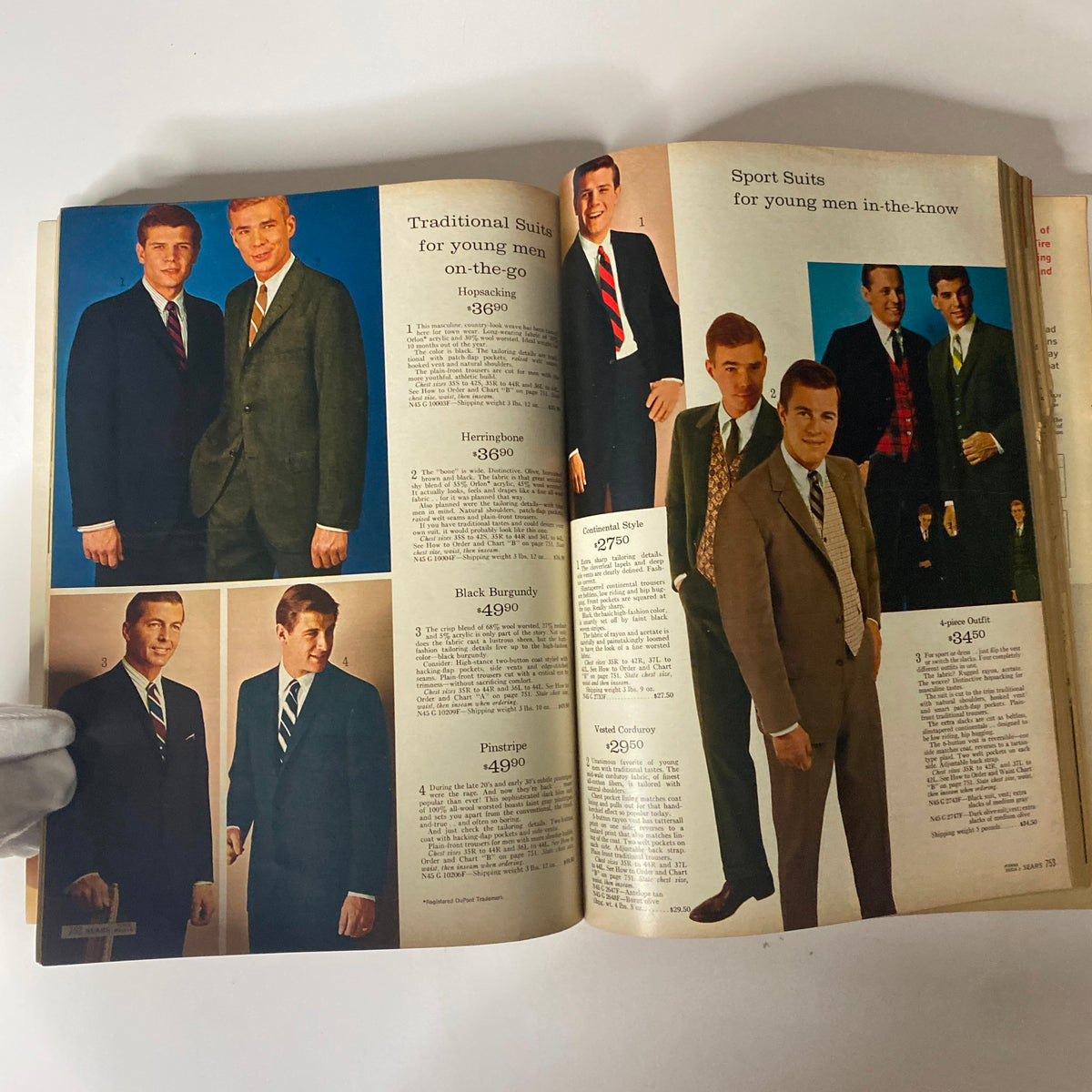
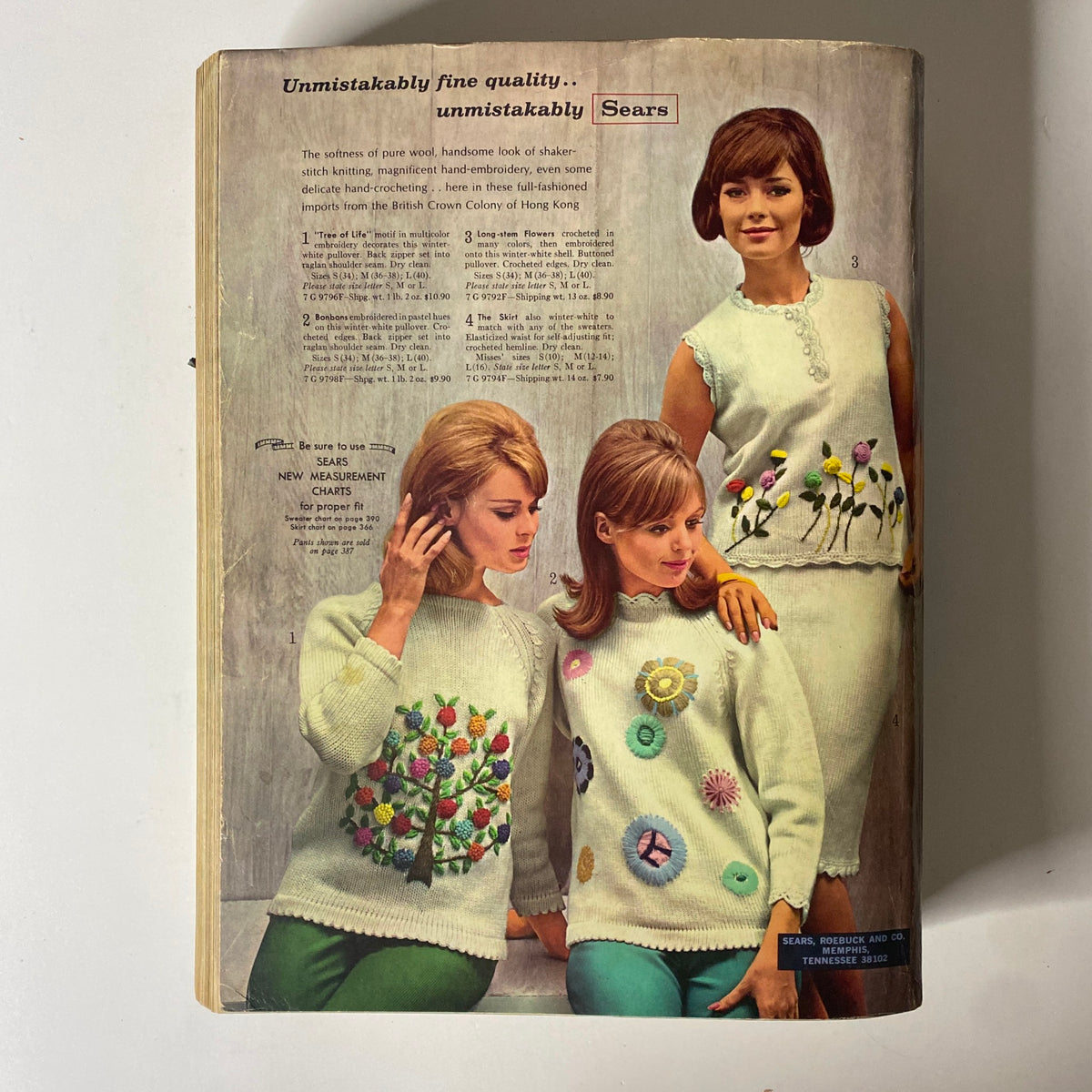
The 1965 Sears Fall and Winter Catalog documents American consumer culture at one of its most visually electric and historically turbulent moments. By the fall of 1965, the mid-century aesthetic that had defined the previous decade was fracturing in real time. The clean, conservative lines of early-Kennedy-era fashion were giving way to something faster, younger, and more restless — hemlines were rising, color palettes were intensifying, and the influence of British mod fashion was beginning to register in mainstream American retail. The Sears Fall and Winter catalog of this year sits precisely at that inflection point: traditional enough to reflect the tastes of its vast middle-American customer base, yet visibly touched by the stylistic energies that would fully transform American fashion within another two or three years. For collectors and fashion historians, that transitional quality is exactly what makes the 1965 edition so valuable as a primary document. Researchers building a chronological archive through the Sears catalog run across the twentieth century consistently identify the mid-1960s volumes as among the most visually dynamic in the entire series.
The broader historical context of 1965 amplifies the catalog's documentary significance. The year saw the escalation of American involvement in Vietnam, the passage of the Voting Rights Act, and the early stirrings of the counterculture — none of which appear in the catalog's pages, and that silence is itself historically meaningful. Sears in 1965 was still presenting a vision of American domestic life that was aspirational, stable, and confidently consumerist, even as the social fabric surrounding that vision was under serious strain. The gap between the catalog's serene pageant of fall coats, kitchen appliances, and holiday gifts and the turbulent America of 1965 is a gap that historians of the period find endlessly instructive. Anyone assembling a serious archive of American print and consumer culture from 1965 will find this catalog an indispensable reference point.
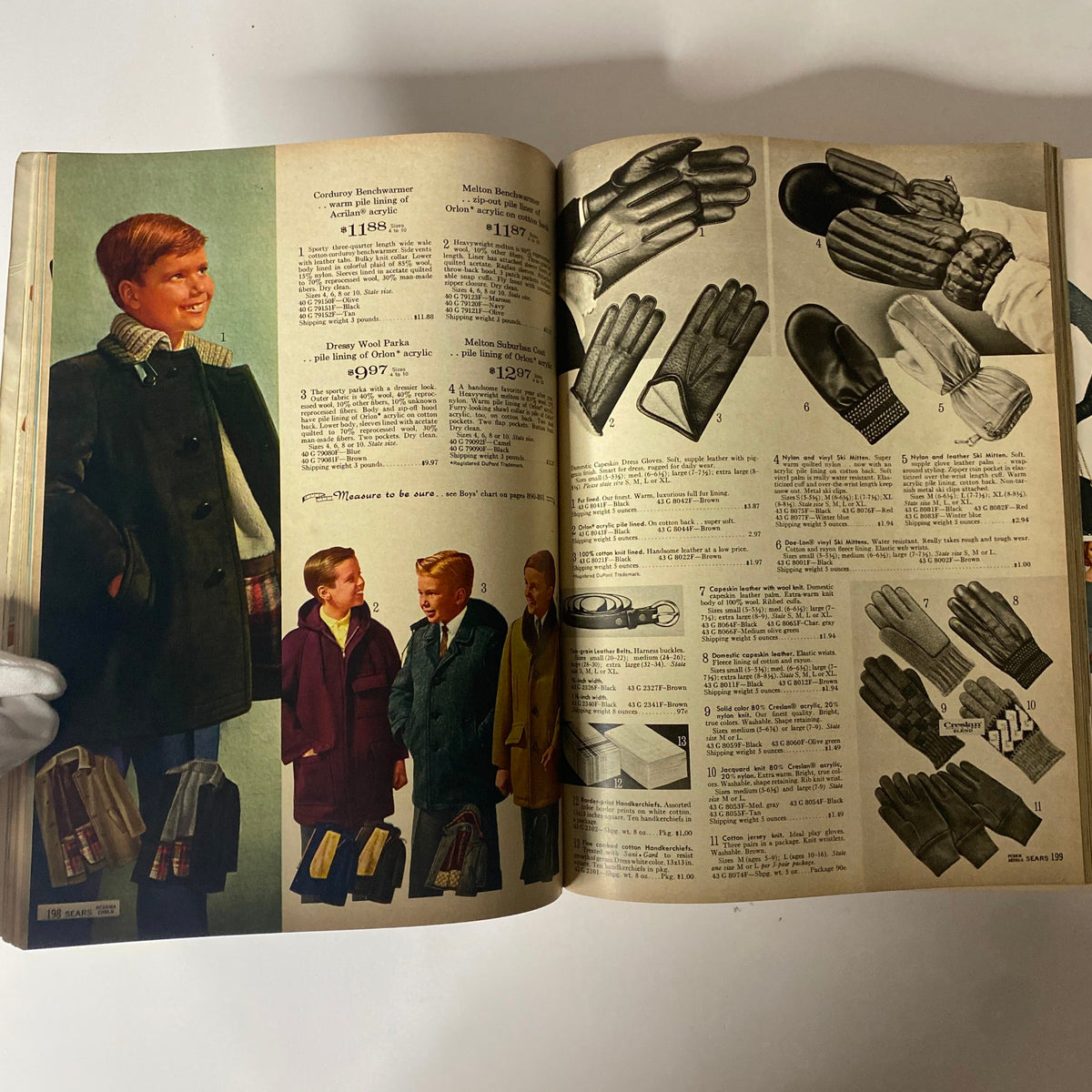
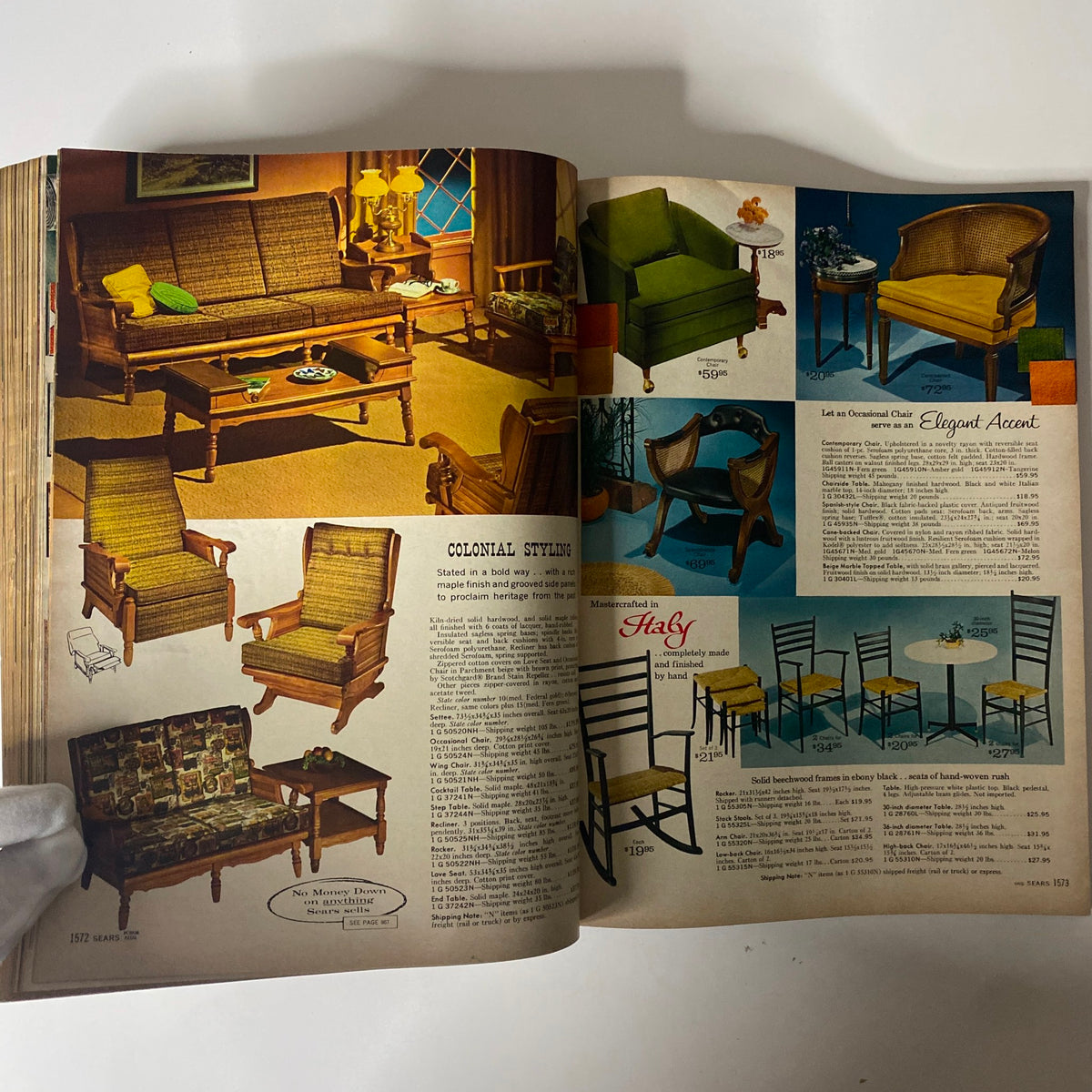
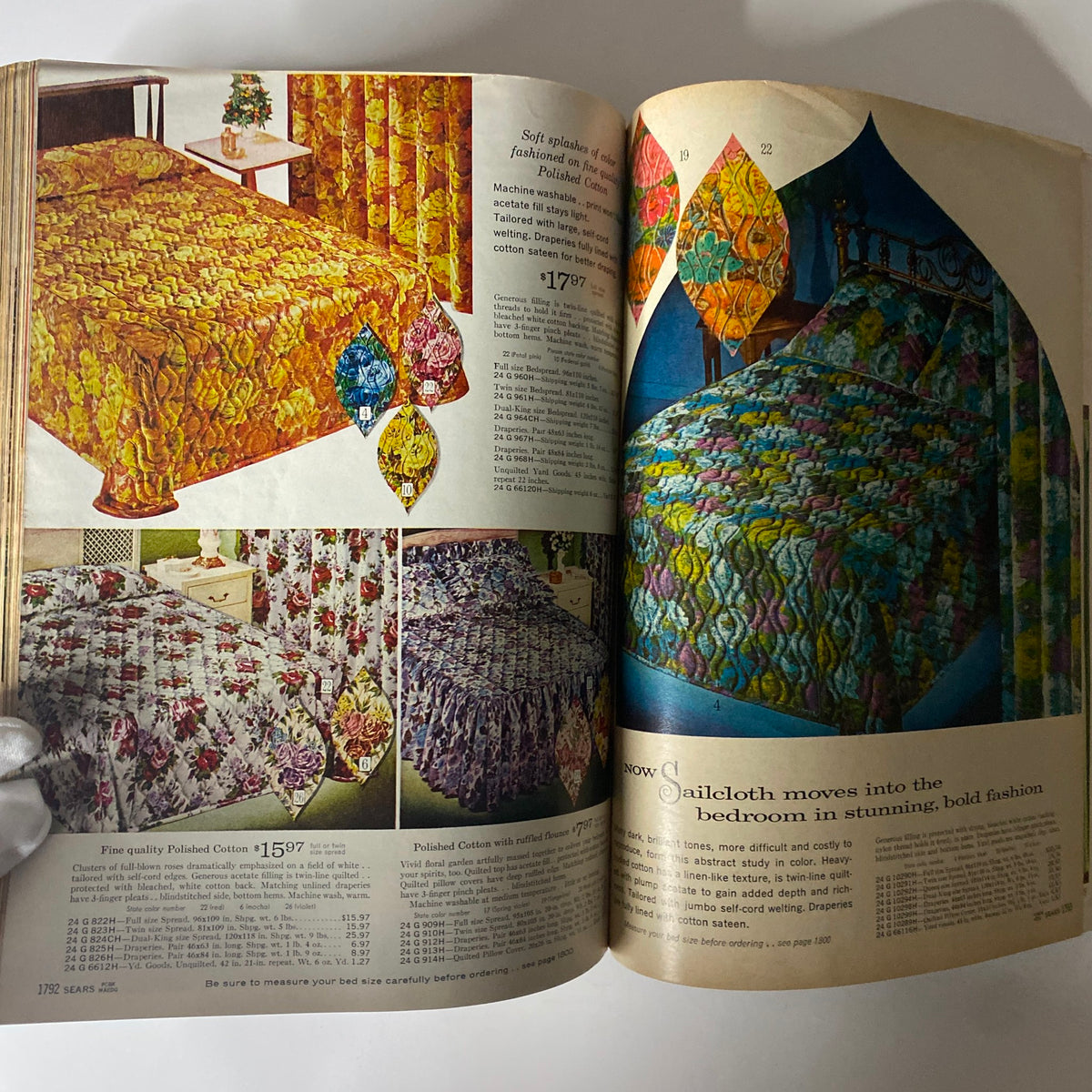
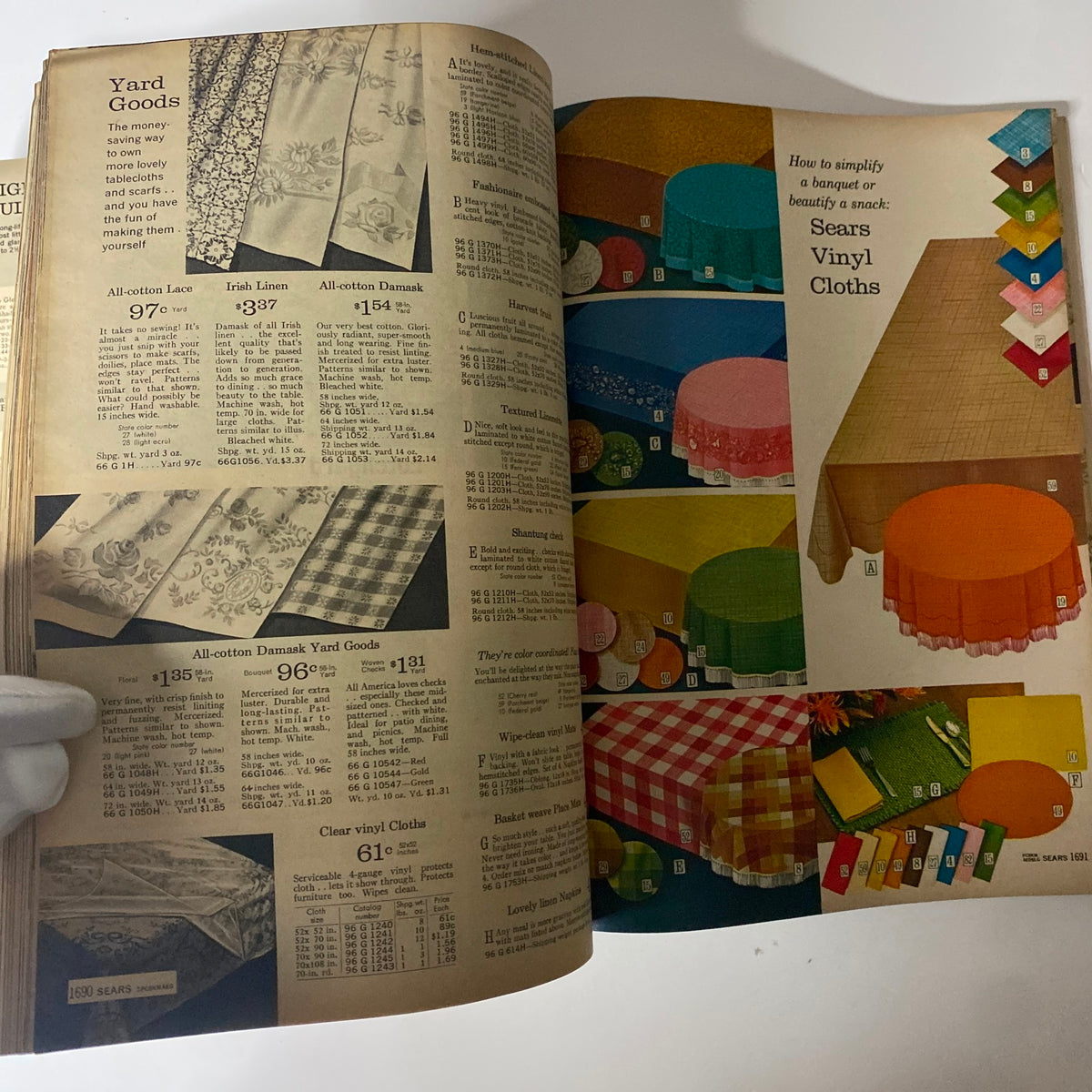
The home furnishings and cold-weather essentials sections carry their own period-specific value. Mid-century modern design was by 1965 fully embedded in mainstream American taste — no longer avant-garde but not yet retro — and the Sears catalog documented it at the price points and product selections that actually reached ordinary households rather than design showrooms. That distinction matters enormously for researchers interested in how design movements translate from elite to popular culture. The colorful photography that Sears employed in this era also makes these catalogs visually compelling objects in their own right, not merely reference tools.
About the Publication
The Sears, Roebuck and Company catalog, published in major Fall and Winter and Spring and Summer editions from 1888 through 1993, was at its mid-century peak the most comprehensive single document of American consumer goods produced in any given year. By 1965, the catalog ran to several hundred pages and covered the full spectrum of household need — clothing for all ages, appliances, furniture, toys, tools, sporting goods, and seasonal merchandise — presented through professional photography and detailed product copy aimed at a broad national audience. It reached rural households, suburban families, and urban shoppers alike through both direct mail and in-store distribution, functioning as both a retail instrument and an annual inventory of what mainstream America was buying, wearing, and furnishing its homes with. No equivalent publication exists for understanding American consumer life at this level of specificity and breadth.
Key Highlights Inside
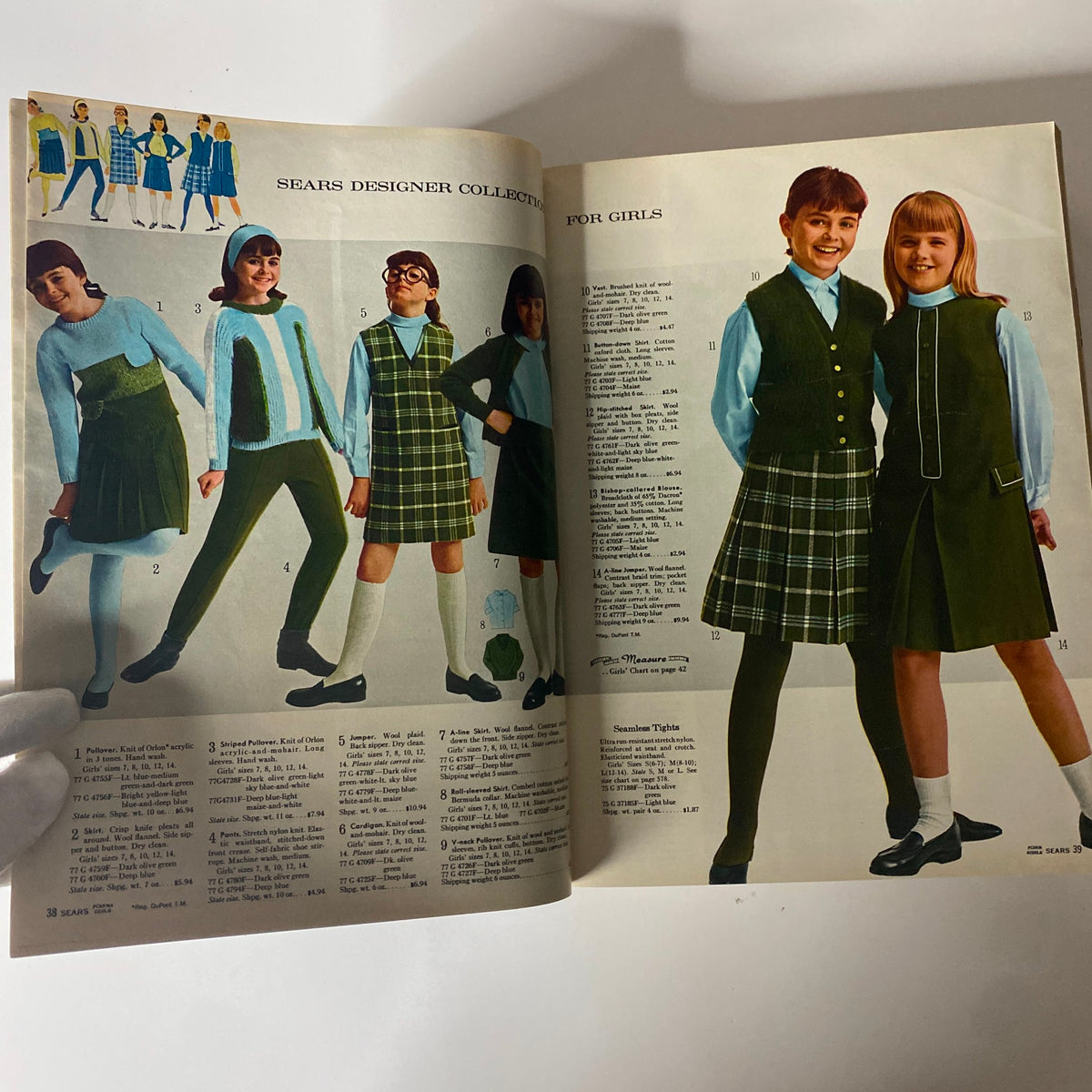
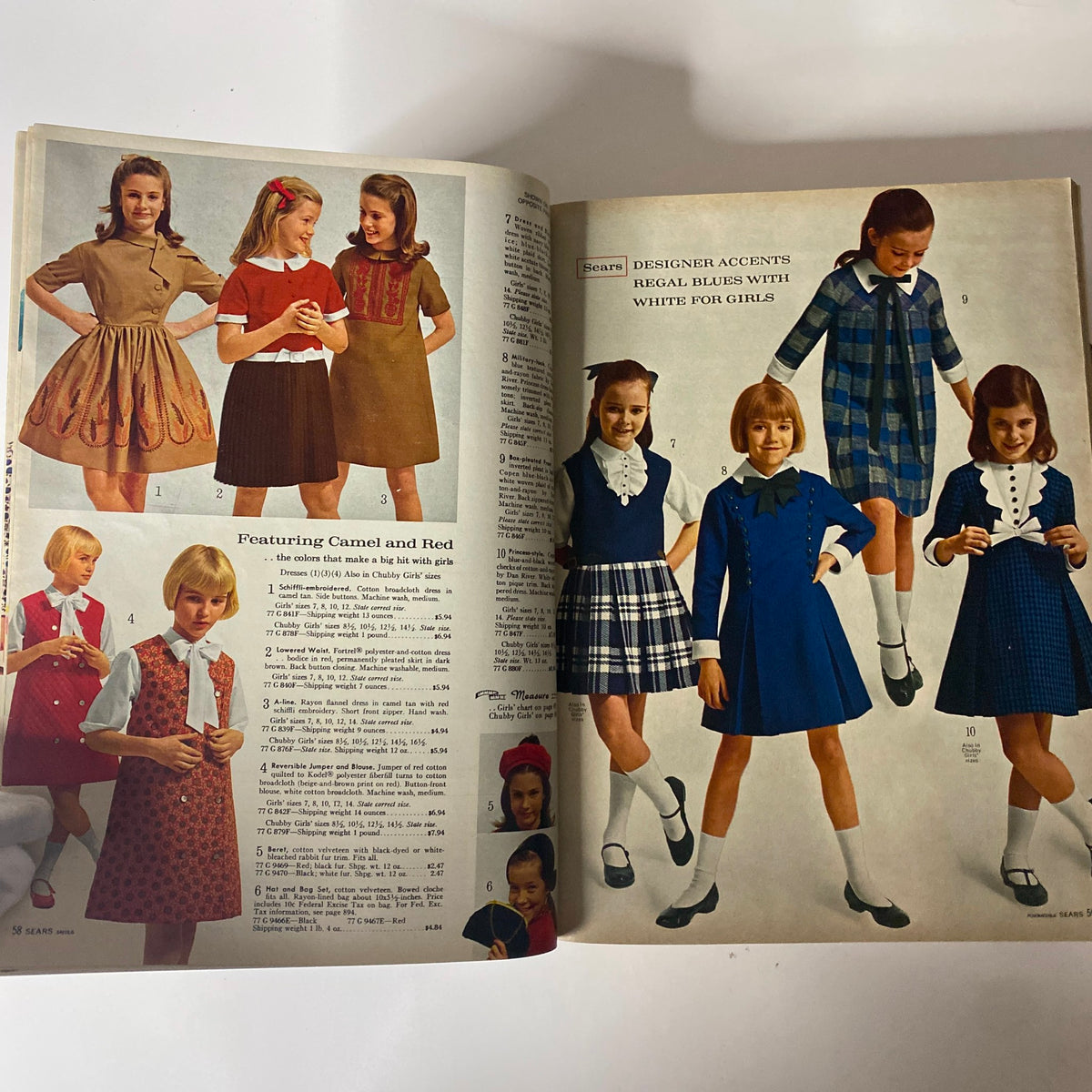
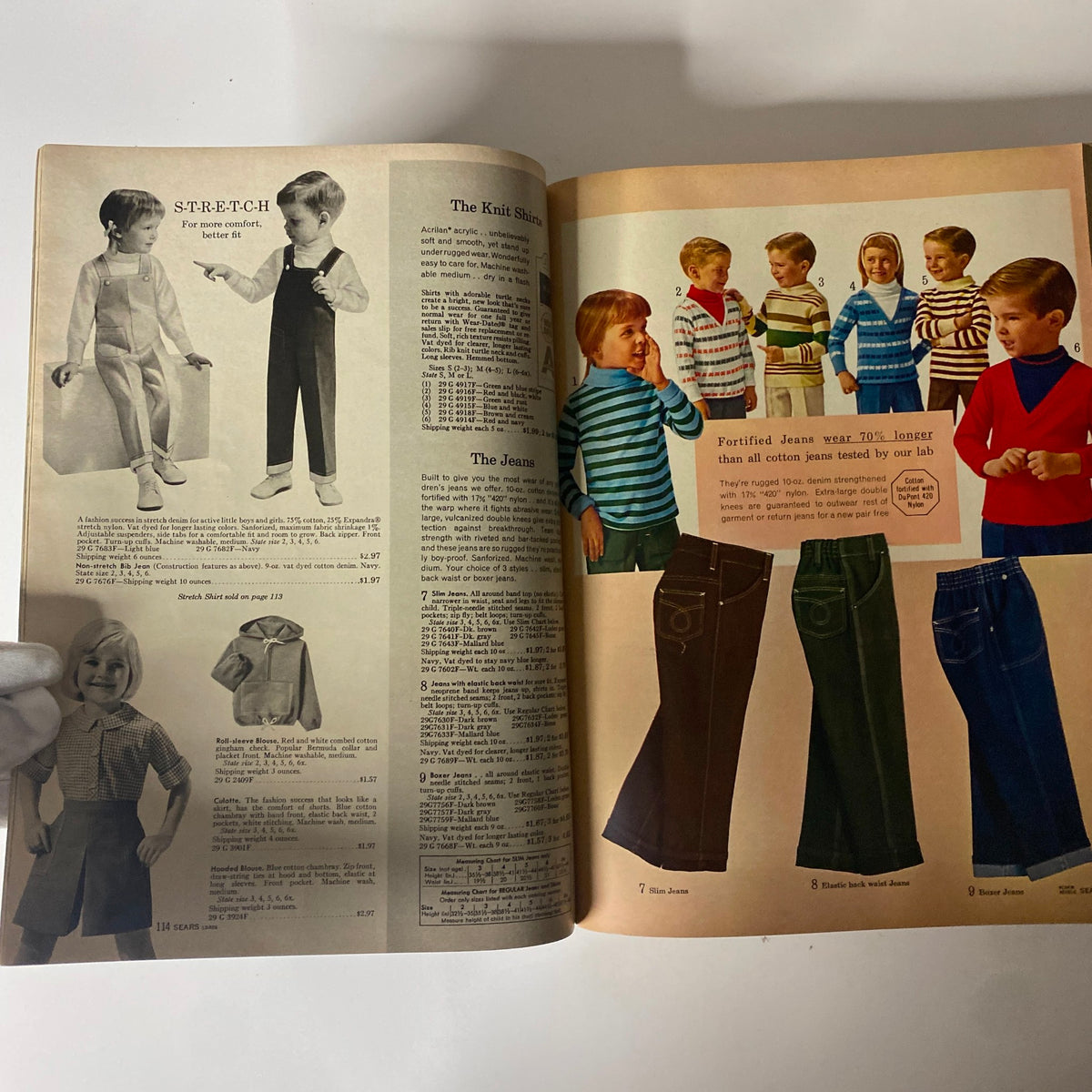
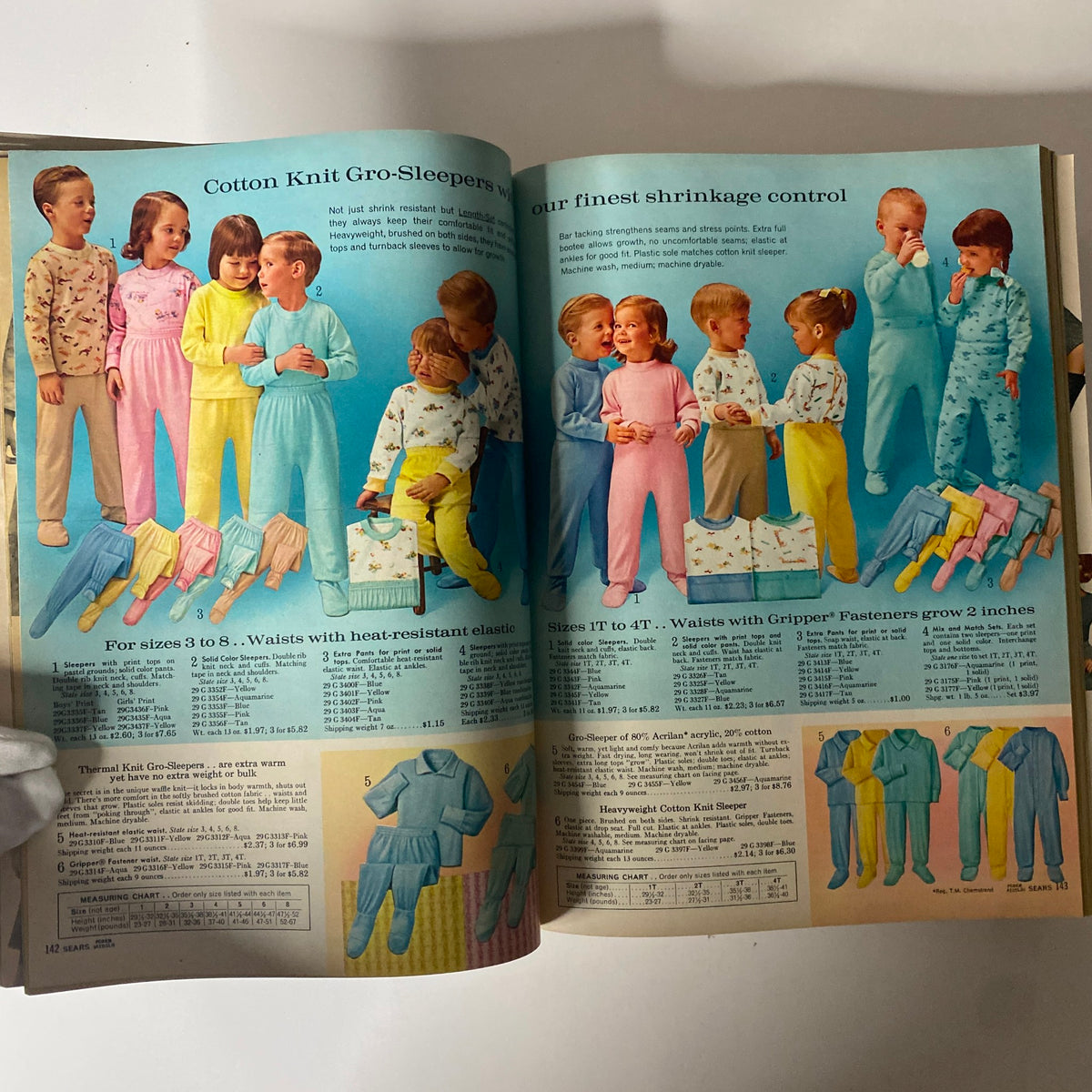
- Fall and winter clothing for men, women, and children documenting the precise mid-1960s moment when traditional American mainstream fashion was beginning to absorb the influence of younger, faster-moving style trends from Britain and the coasts.
- Home furnishings section reflecting mid-century modern design at full mainstream penetration — the point at which these aesthetics had become the default vocabulary of American domestic interiors across income levels.
- Holiday décor and gift sections, which in Sears Fall and Winter catalogs of this era served as one of the most complete annual records of American gift culture and seasonal consumer habits available in any single source.
- Cold-weather essentials and outerwear across all age categories, with the detailed product photography and descriptions that make Sears catalogs particularly valuable for costume design research and fashion history.
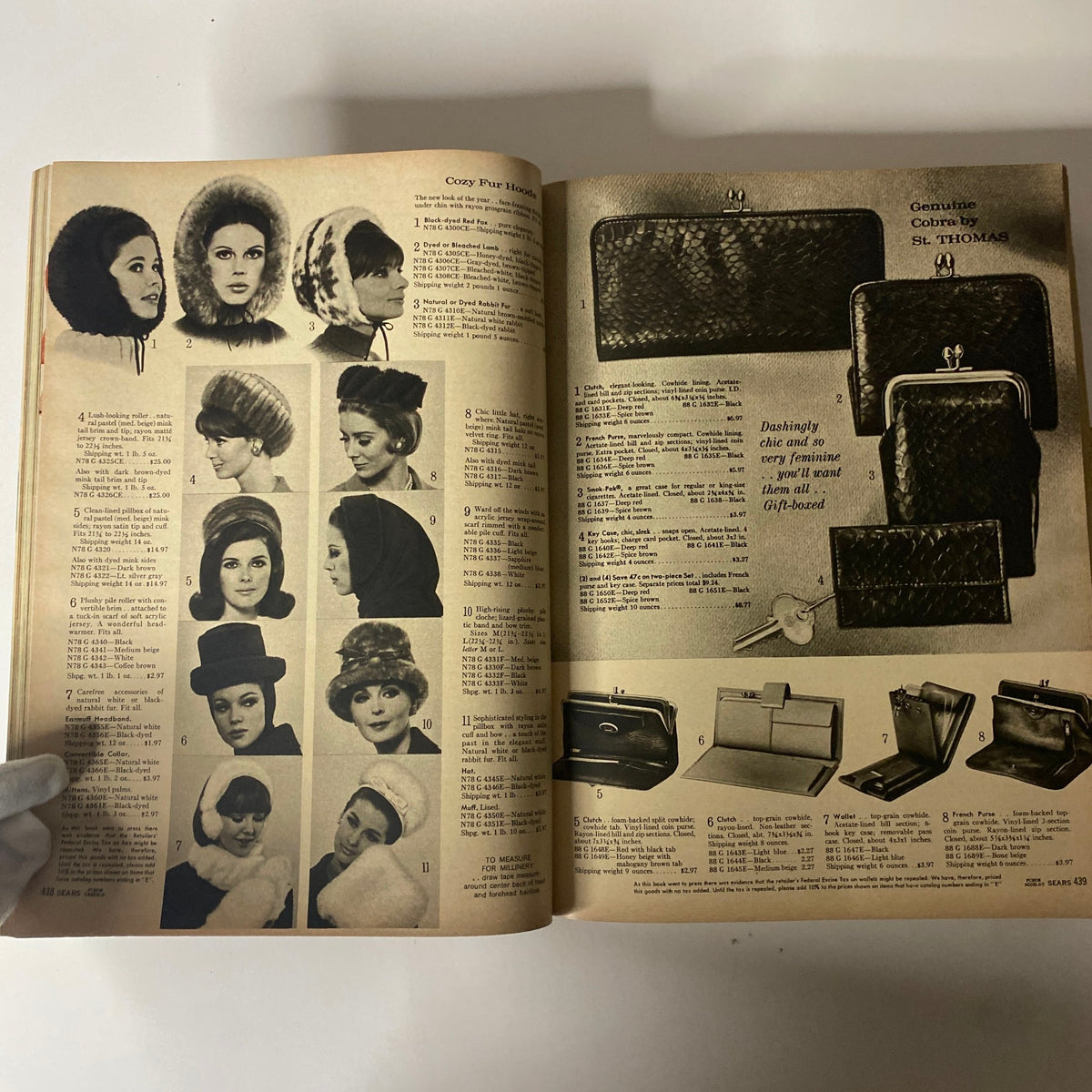
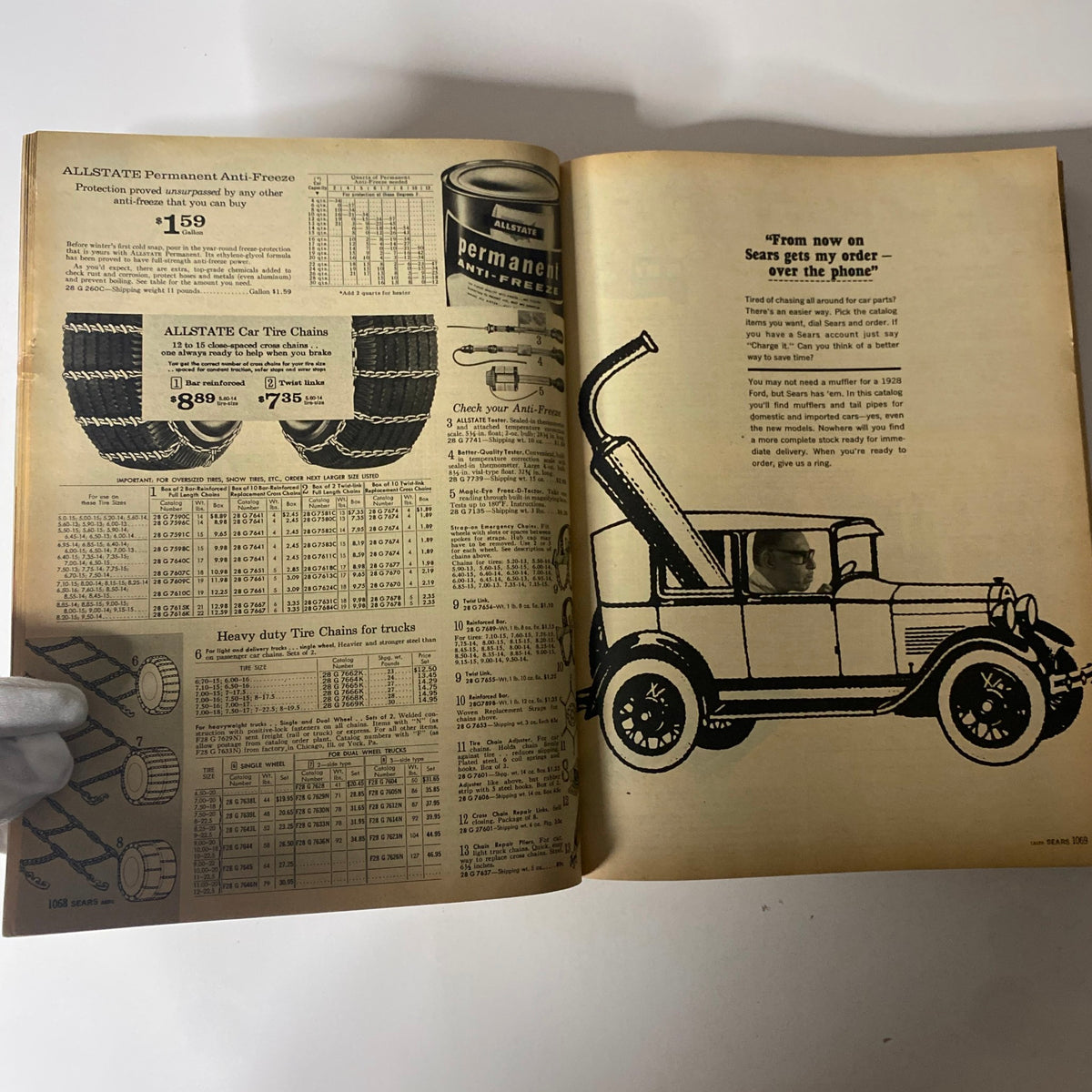
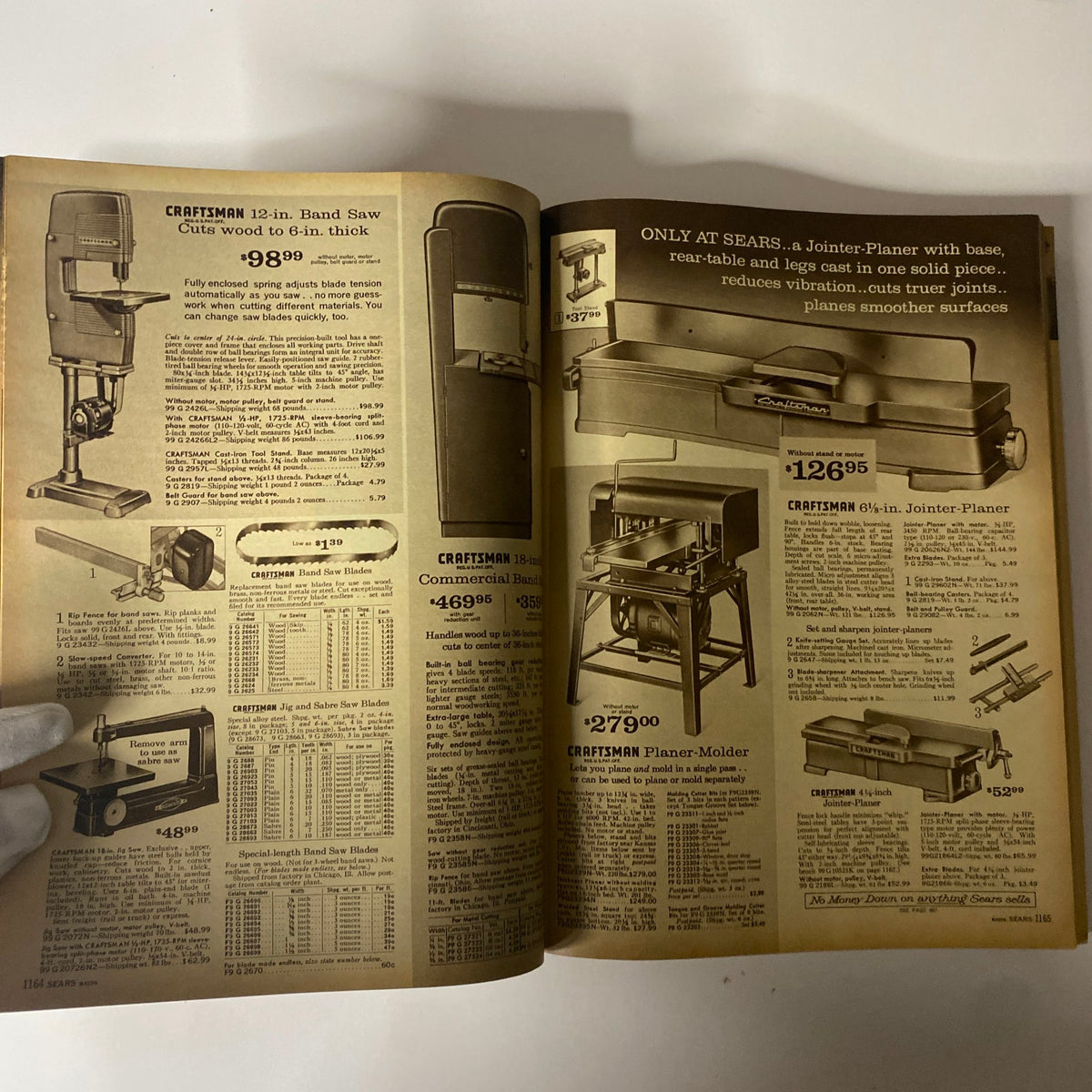
- Period advertising and pricing throughout — a detailed economic document recording what American consumer goods cost in 1965 and how they were marketed to a mass audience.
Condition & Rarity
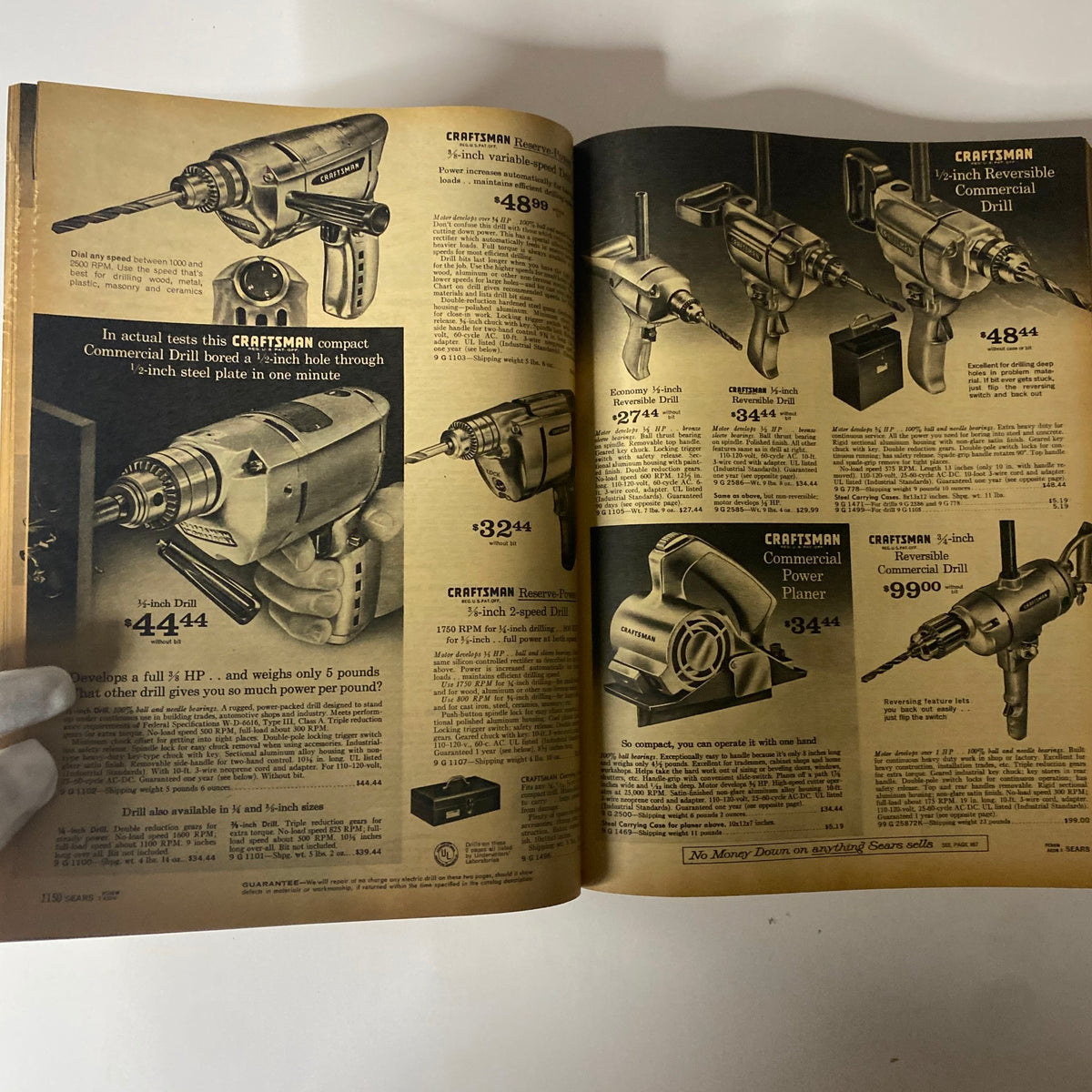
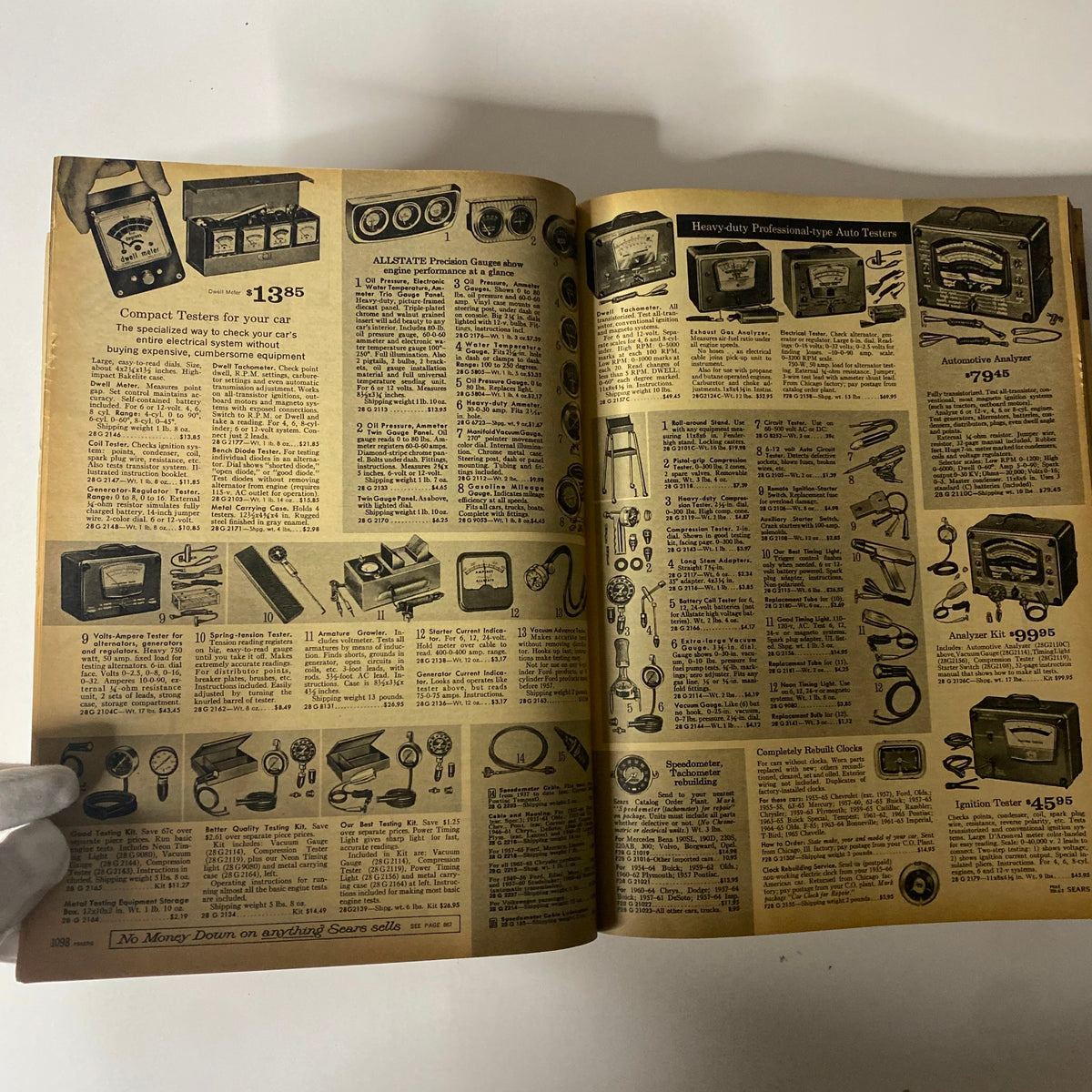
Surviving copies of the 1965 Sears Fall and Winter Catalog reflect the structural realities of a publication that was designed for active household use rather than archival preservation. Good condition for a sixty-year-old catalog of this size and format indicates that the essential content — photography, product descriptions, and editorial sections — remains accessible and intact, which is the primary criterion for research and reference use. The large format and high page count of Sears Fall and Winter editions placed considerable stress on bindings through repeated consultation, and some degree of wear is expected and accepted in any surviving copy from this period. A plastic protective sleeve signals deliberate preservation effort. For collectors and researchers, the key evaluation criteria in any surviving copy are completeness of page count, legibility of the photography and product copy, and overall structural cohesion — factors that determine whether the catalog can still function as the reference document it was always meant to be.
Looking for More Issues Like This?
Mid-1960s Sears catalogs in good, complete condition are consistently among the more sought volumes in this collecting category, pursued by fashion historians, costume designers, Americana collectors, and mid-century enthusiasts simultaneously. If this edition has already found a home, the full Sears catalog collection at OriginalMagazines.com spans multiple decades and is the natural place to continue — whether you're building a chronological run or hunting a specific year. The complete 1965 magazines collection is also worth exploring for anyone building a broader archive of American print culture from this pivotal year.