
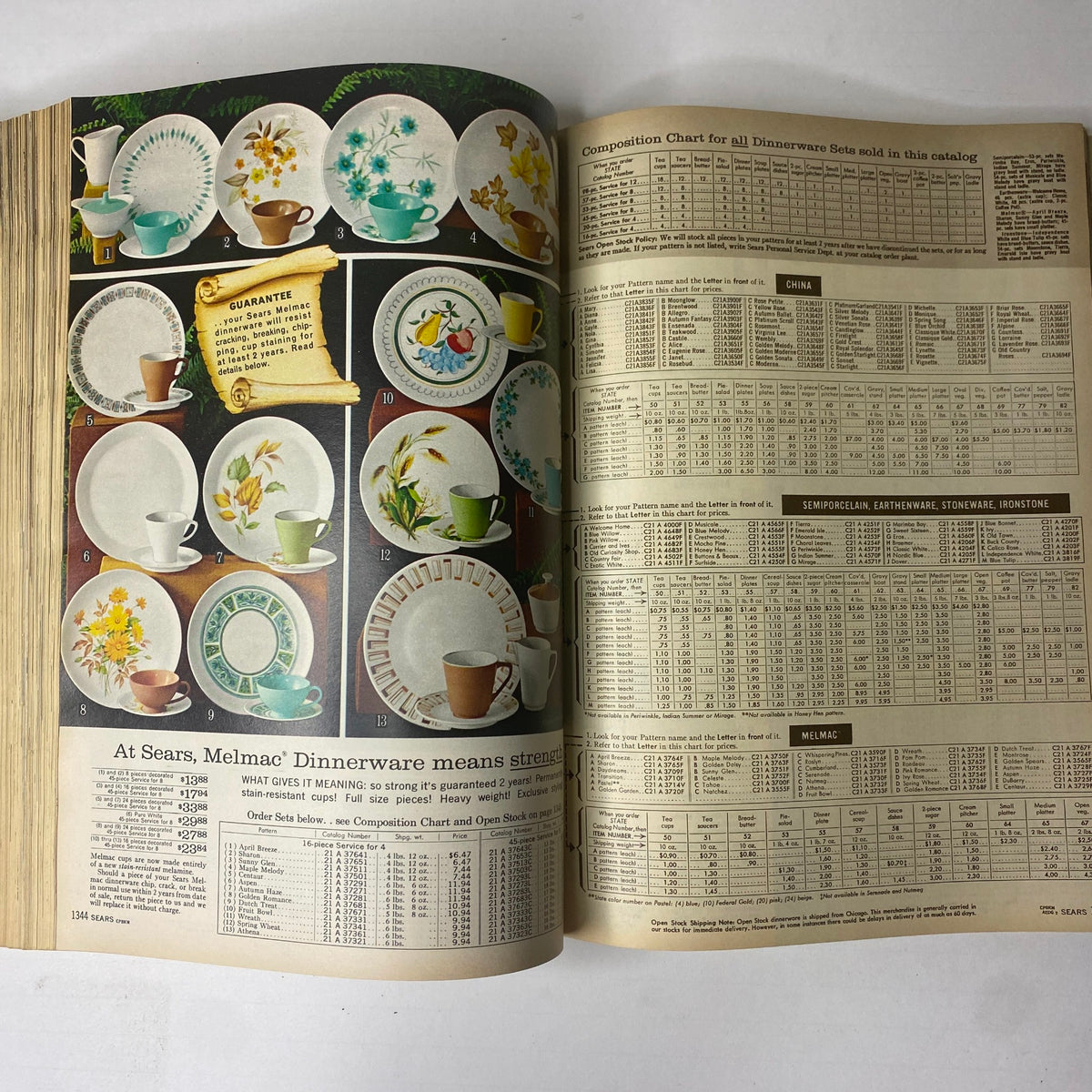
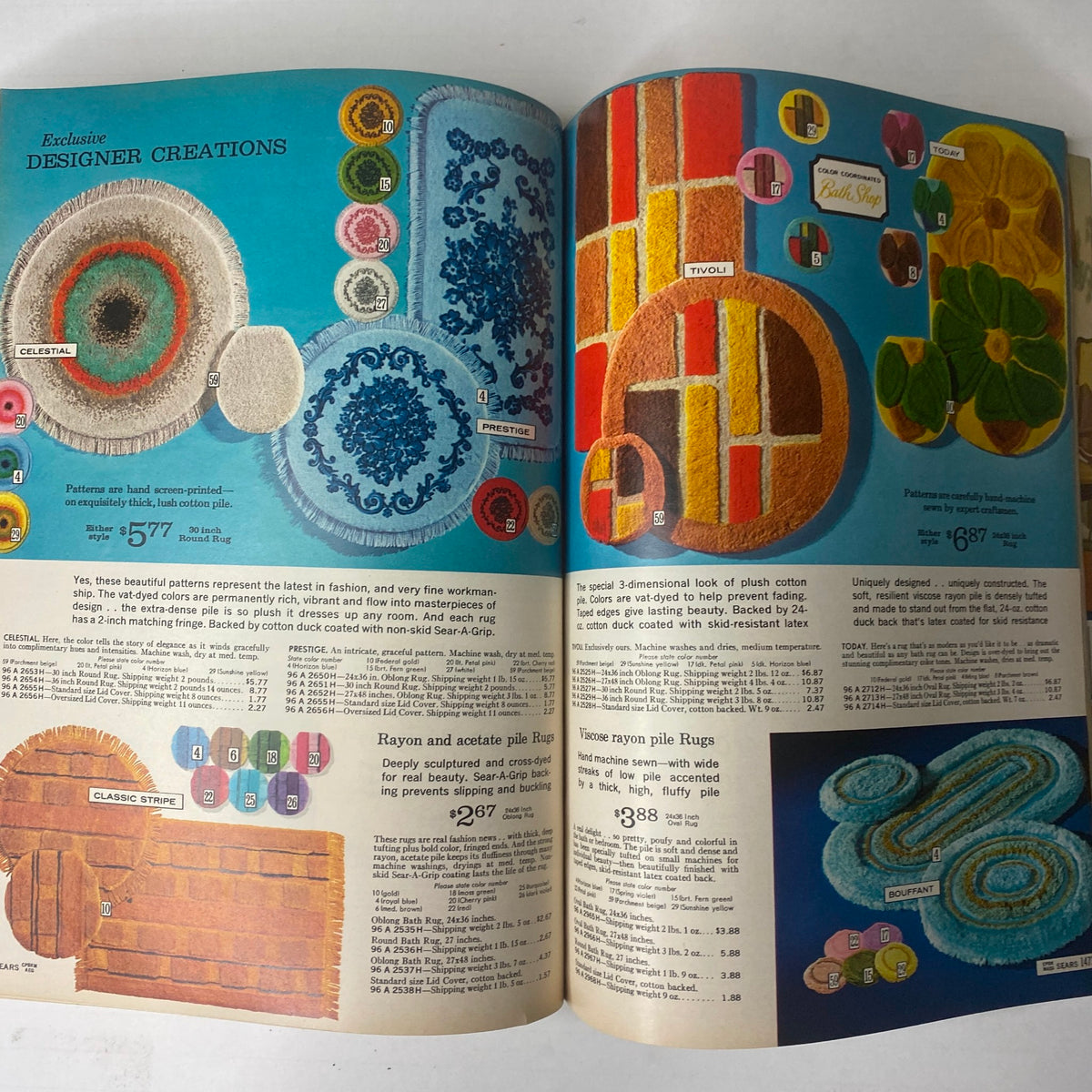
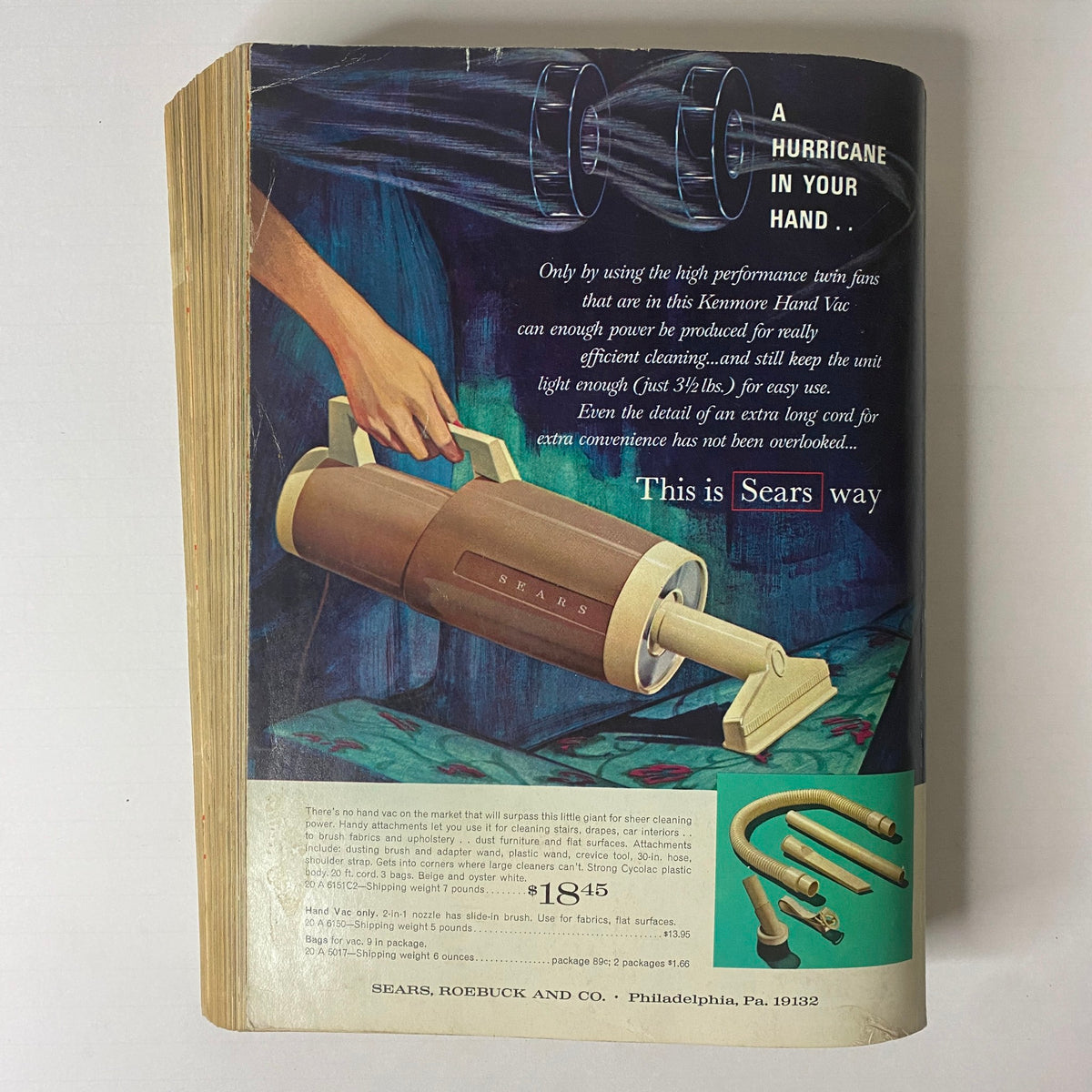


Description
Collector's Note – Why This Issue Matters
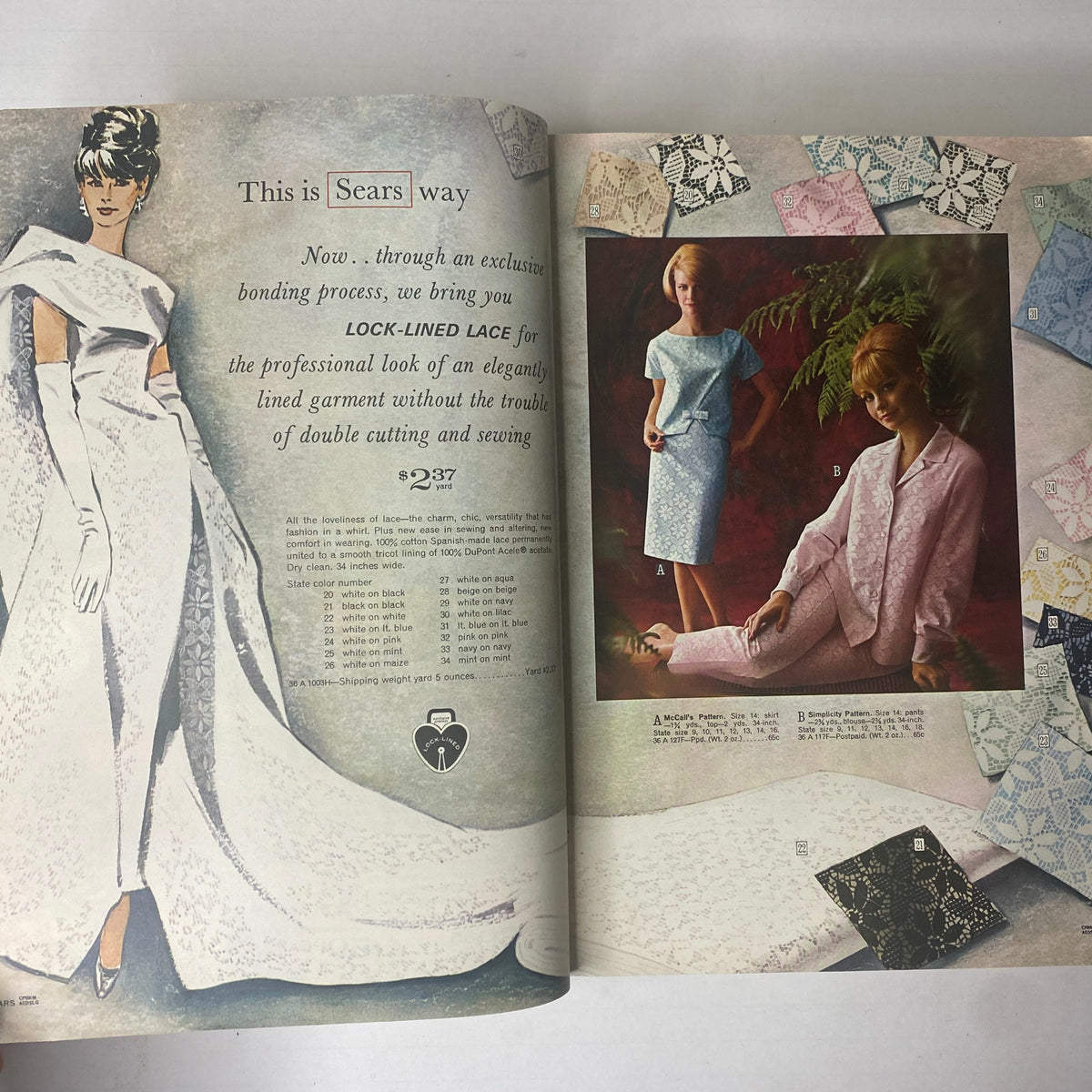
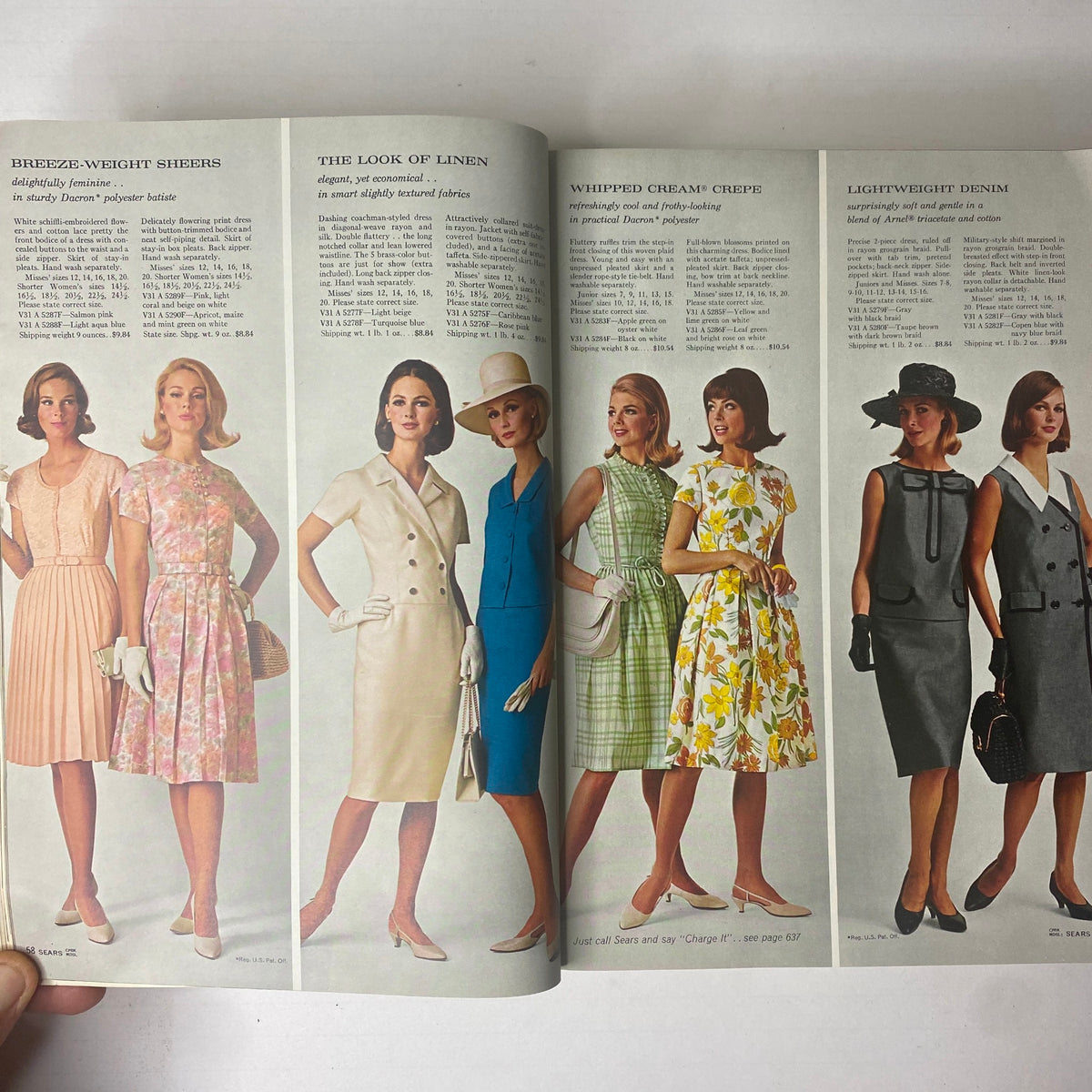
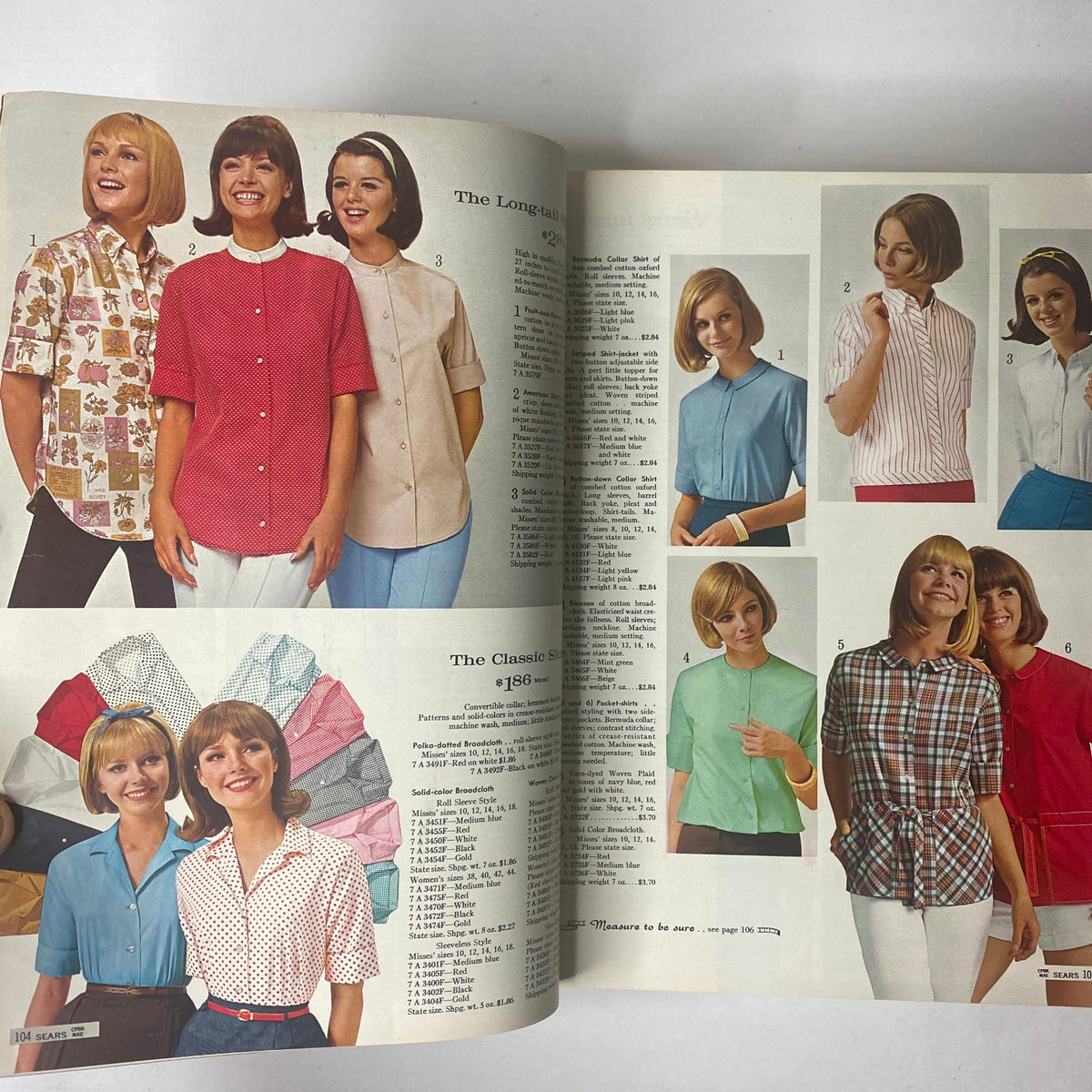
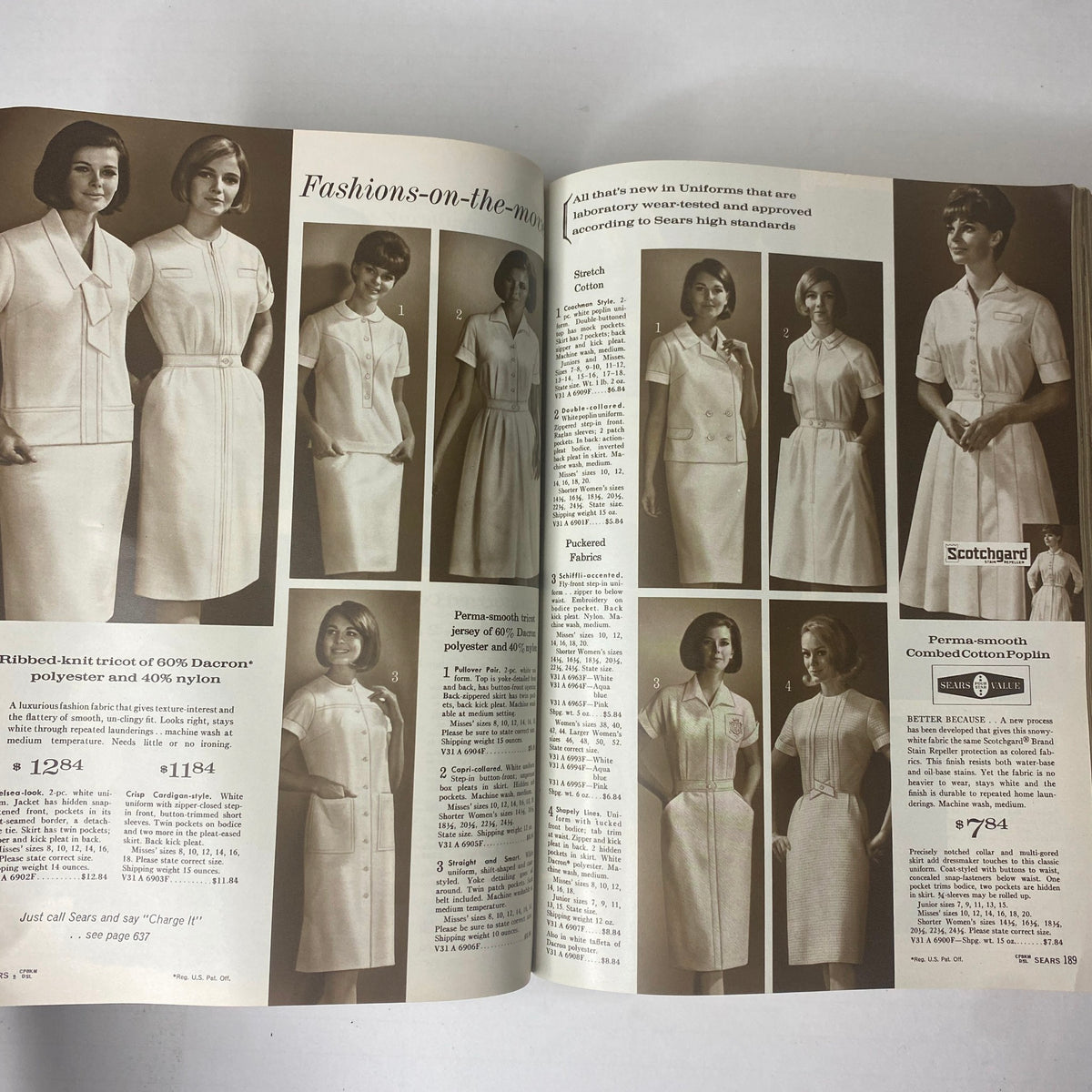
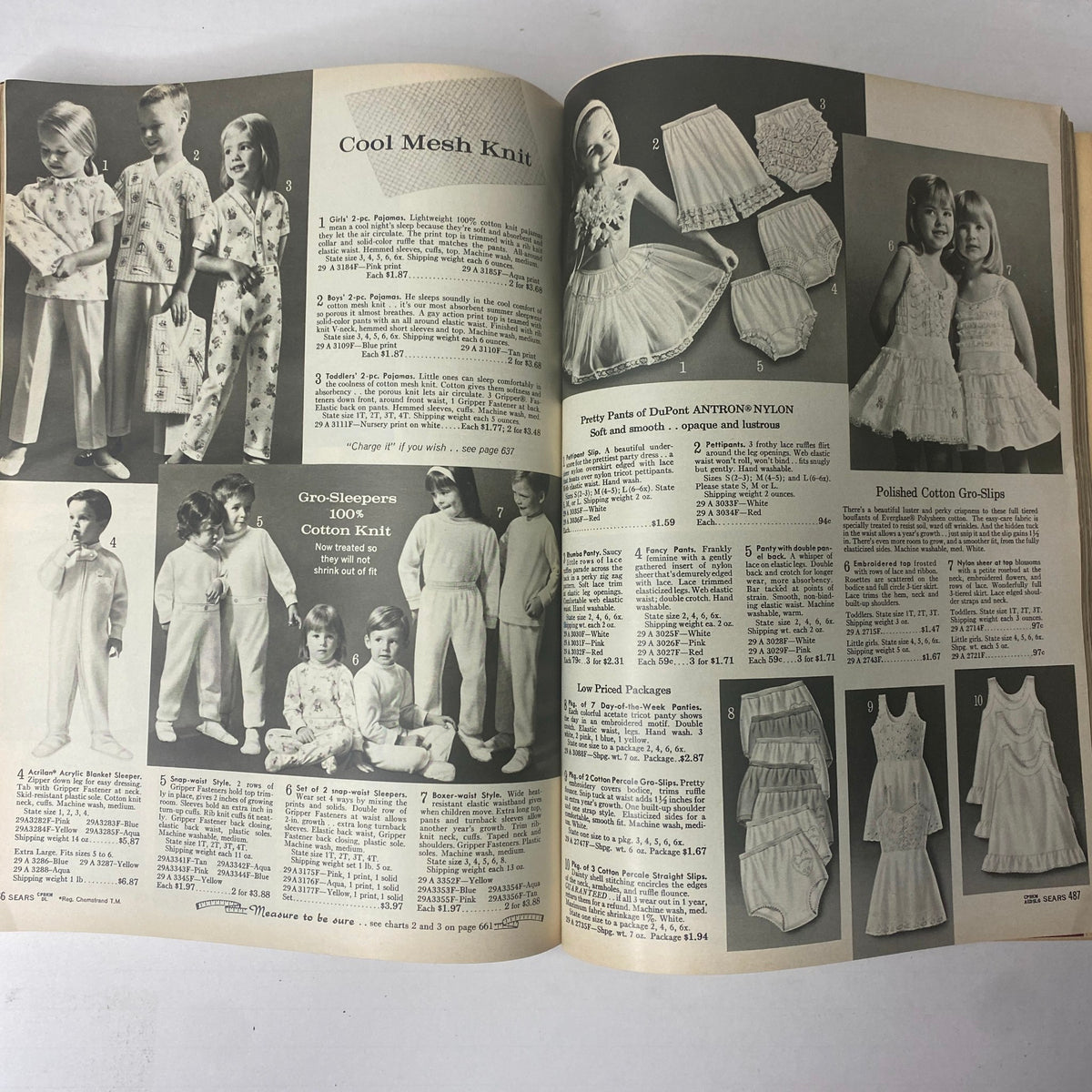
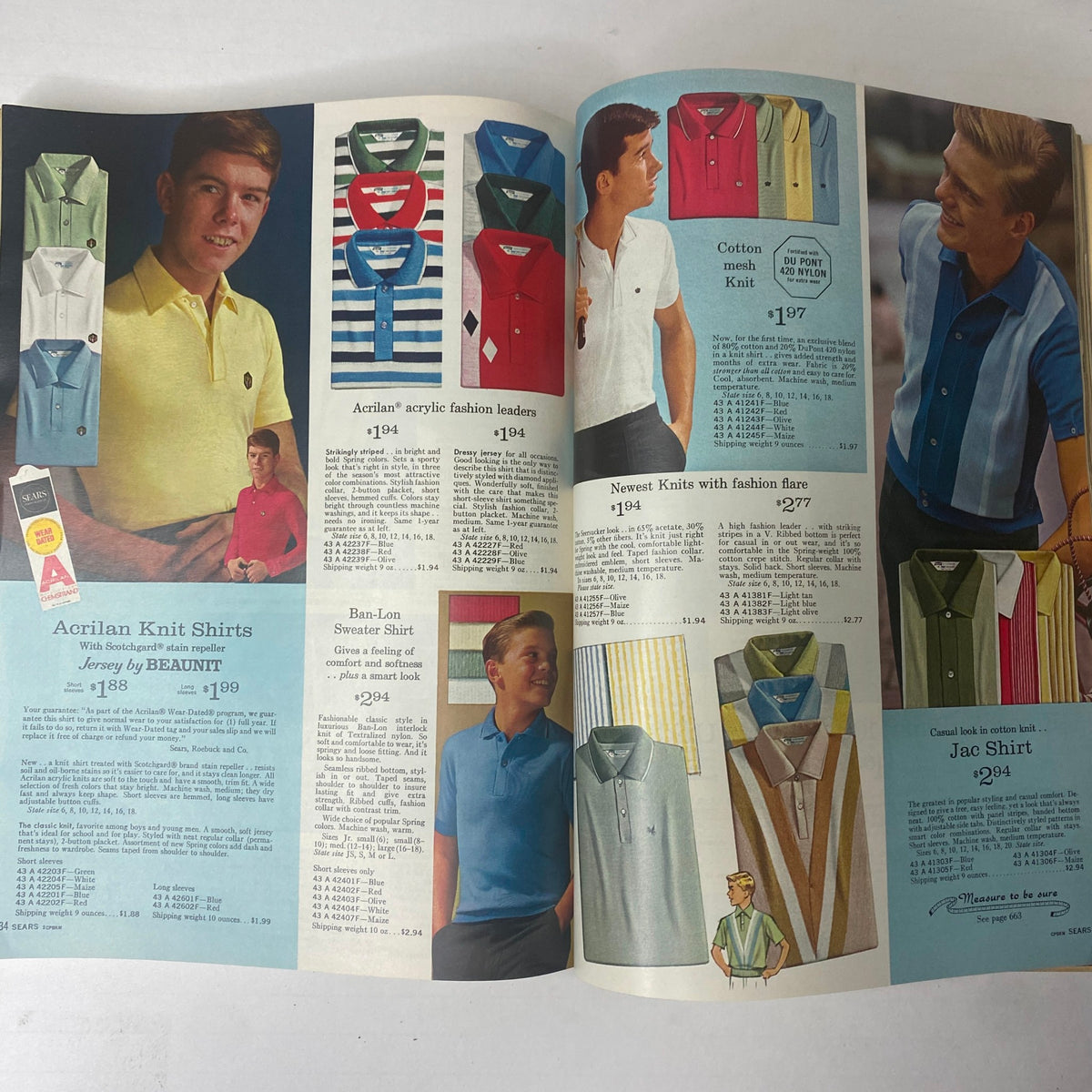
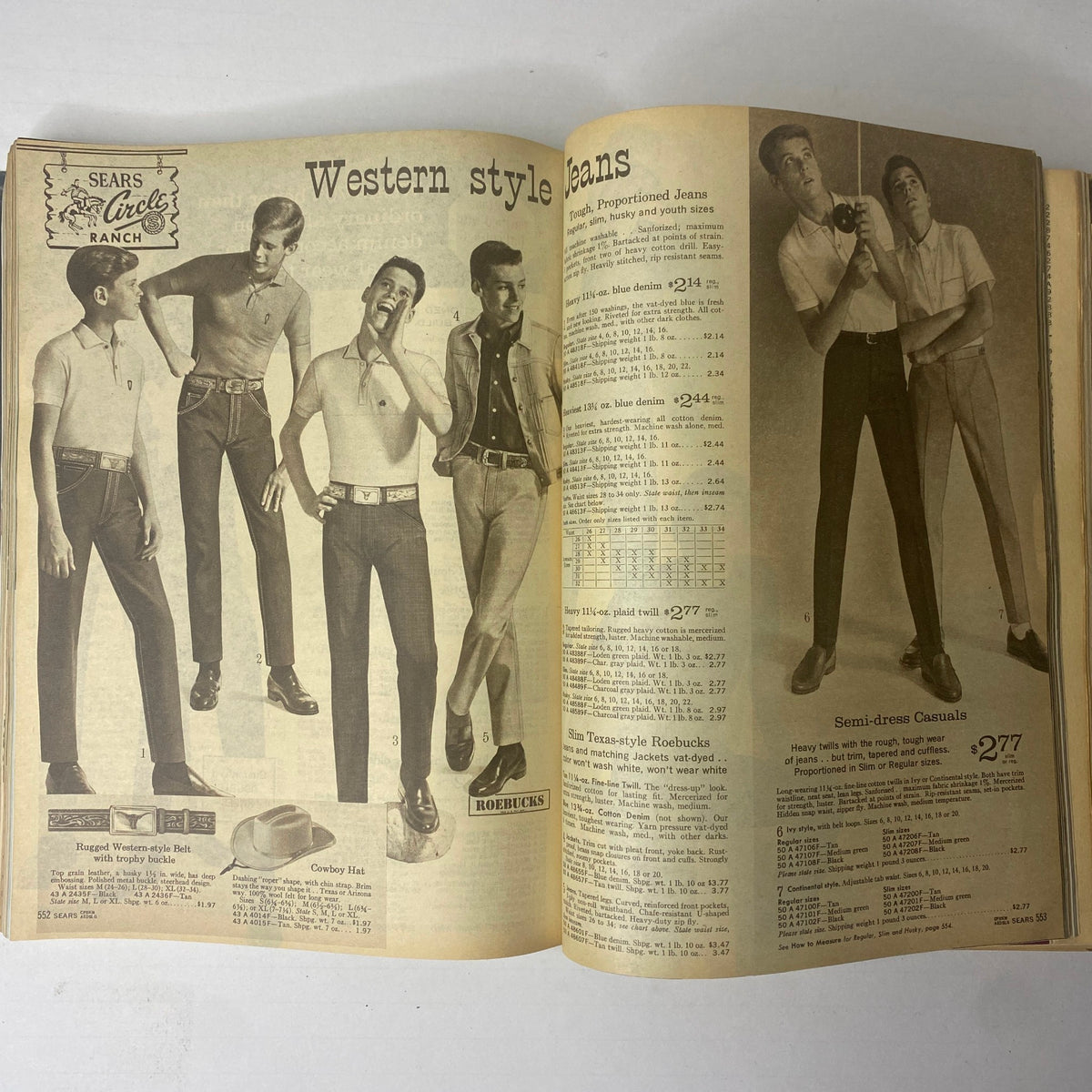
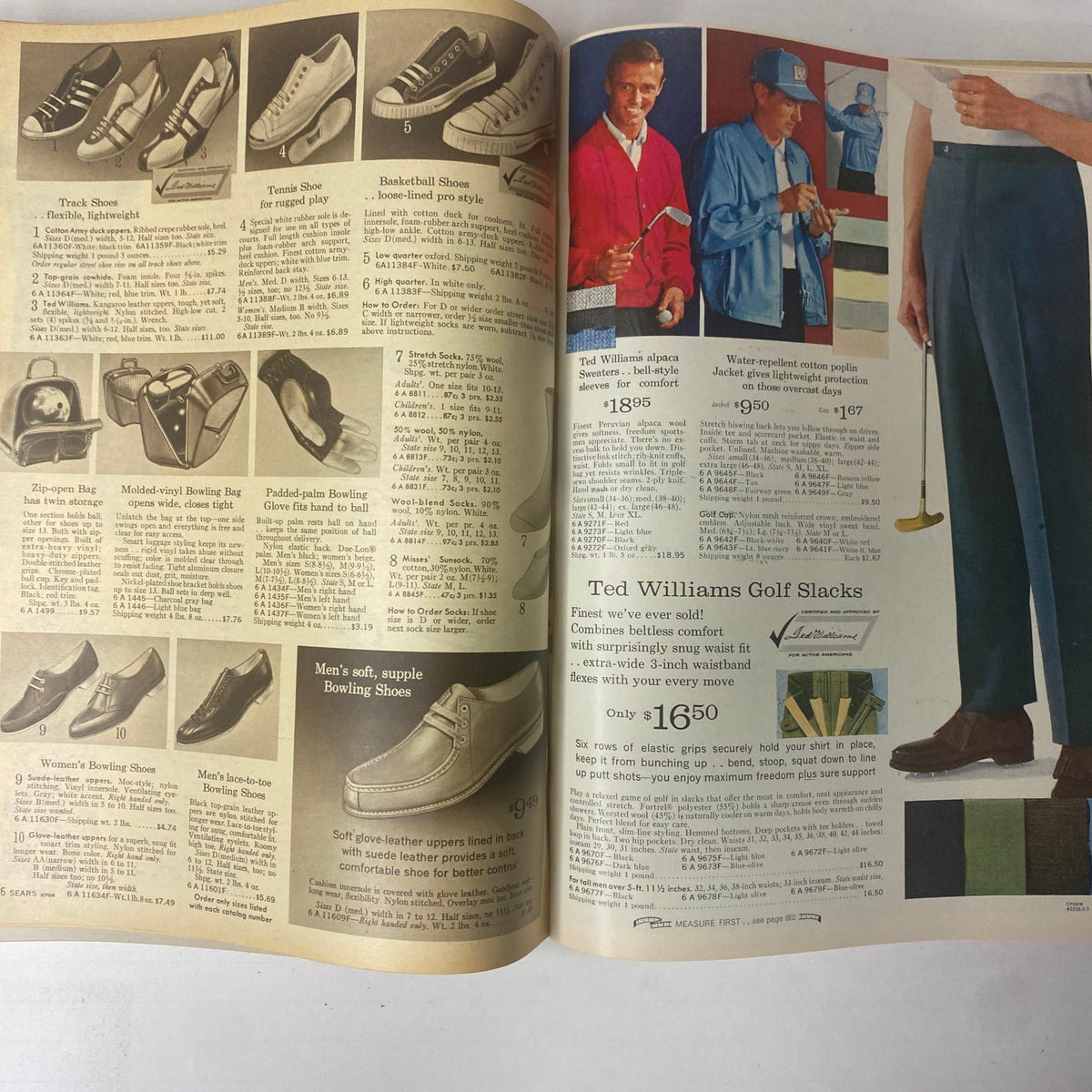
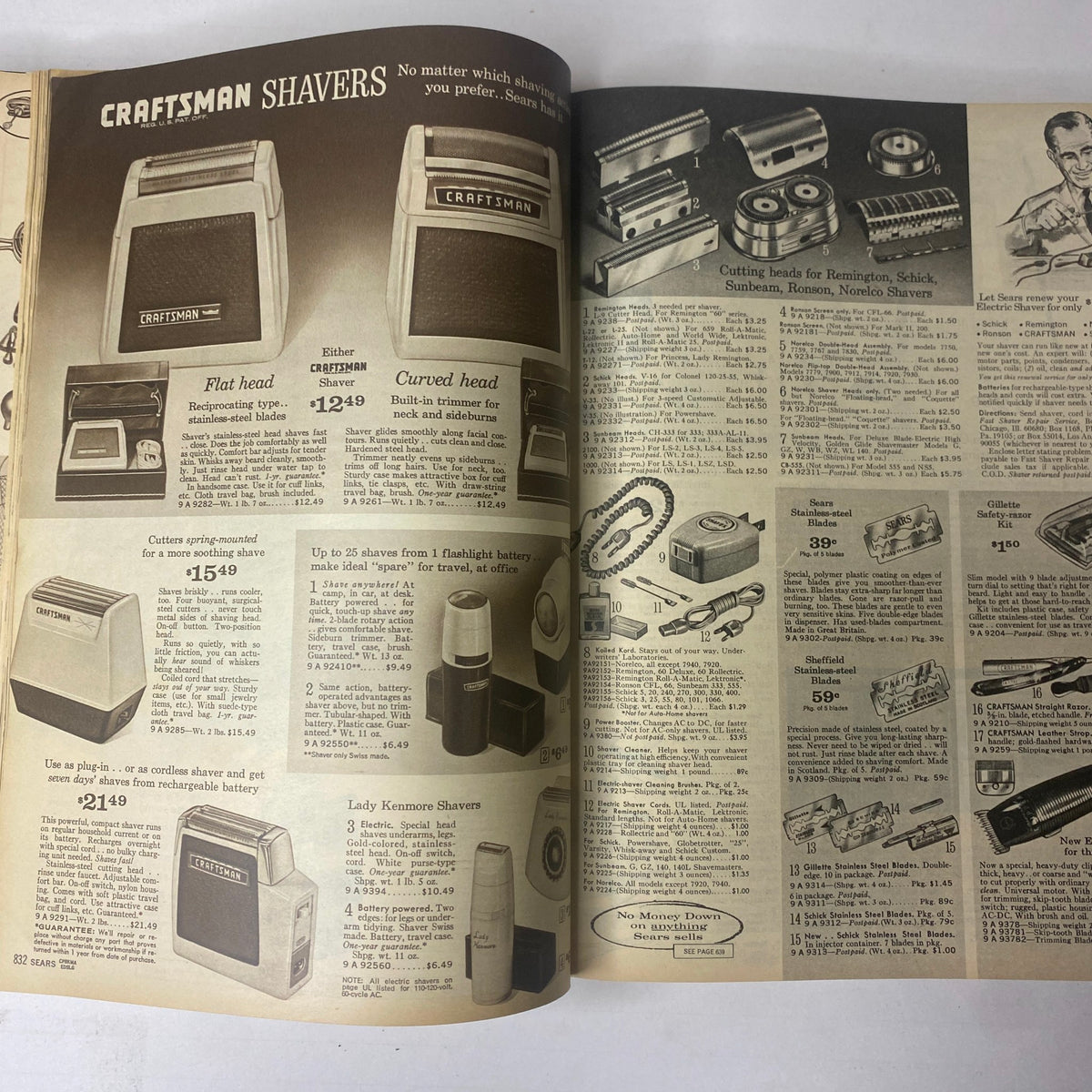
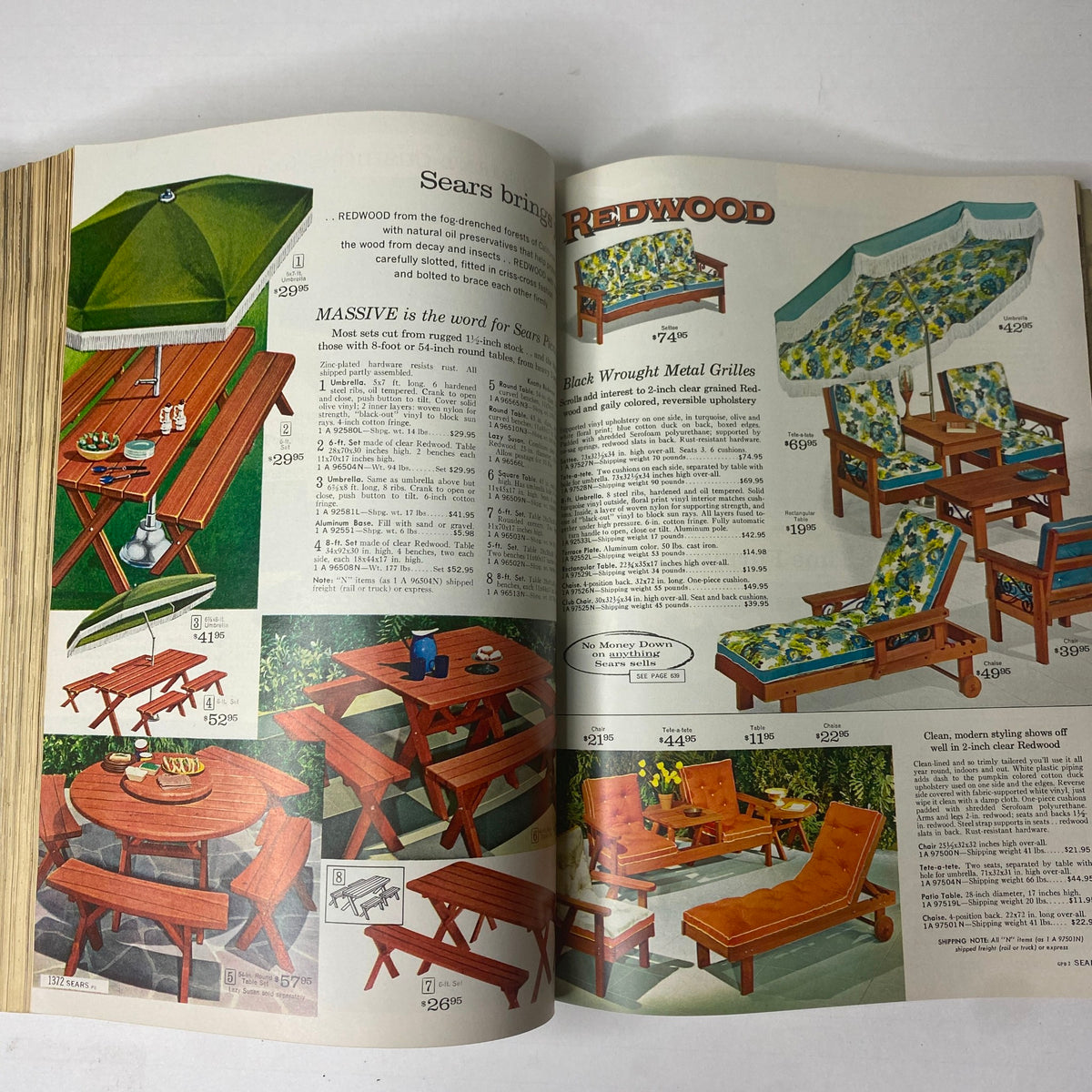
The 1965 Sears Spring and Summer Catalog is a primary document of American consumer fashion at a specific and historically significant moment. Mid-1960s fashion was in genuine transition — the mod revolution was arriving from London, hemlines were beginning their dramatic upward movement, and the postwar silhouette that had dominated American women's clothing since Dior's New Look was being challenged from multiple directions simultaneously. The Sears catalog of Spring 1965 captures that transition from the perspective that matters most for understanding how fashion actually moved through American culture: not the runway, not the fashion press, but the mass-market retail channel through which the vast majority of American women actually acquired their clothing. The Lock-Lined Lace Skirt Collection documented here — A-line, pleated, and full skirts paired with lace-trimmed blouses — represents the American mainstream's specific interpretation of mid-1960s femininity, distinct from the avant-garde London look and the high-fashion Paris collections, but equally historically significant as a document of what most American women were actually wearing in the spring and summer of 1965. Sears catalog archive across the 1960s is one of the most reliable primary sources for the history of American mass-market fashion, and the 1965 spring and summer edition is among the most visually rich and historically concentrated examples from that decade.
The McCall's sewing pattern integration documented in this catalog adds a dimension that distinguishes it from purely retail publications. The presence of McCall's patterns alongside Sears ready-to-wear reflects the specific domestic economy of mid-1960s American women's fashion — a world in which home sewing remained a significant and respected practice, where the same aesthetic could be achieved through purchase or construction, and where pattern companies like McCall's and Butterick were genuine cultural forces in shaping how women understood and engaged with fashion. A catalog that presents the Lock-Lined Lace aesthetic both as ready-to-wear and as a sewing pattern with instructions and customization options is documenting a consumer culture that has substantially changed since 1965, making it a valuable primary source for researchers of domestic textile practices, home economics history, and the mid-century sewing culture that has experienced significant collector and scholarly interest in recent decades. The broader publication landscape of 1965 captures American consumer culture in the middle of the decade's most dynamic period of social and aesthetic change, and the Sears spring catalog documents the mainstream's particular navigation of that change.
About the Publication
The Sears, Roebuck and Company general catalog was one of the most widely distributed publications in American history, circulated to millions of households annually from 1888 through the discontinuation of the general catalog in 1993. Its spring and summer editions were among the most anticipated publications of the year, serving as the primary shopping reference for American families across all income levels, with particular importance for rural and working-class households that lacked easy access to urban department stores. The 1960s catalogs occupy a specific and well-studied position in the Sears archive as documents of American consumer culture during one of its most visually dynamic decades, capturing the decade's fashion evolution as it filtered through the mass market rather than the fashion press.
Key Highlights Inside
- Sears Lock-Lined Lace Skirt Collection. A full presentation of A-line, pleated, and full skirt styles in the lace aesthetic that defined mid-1960s American mainstream femininity — documented both as retail ready-to-wear and as the foundation for McCall's sewing pattern options, reflecting the dual consumer culture of the era.
- McCall's sewing pattern integration with instructions and customization options. A document of the mid-1960s home sewing culture that remained a significant domestic practice — pattern instructions and customization guidance that make this catalog a primary source for researchers of American textile and domestic history as well as fashion historians.
- Lace-trimmed blouse and skirt pairings. Complete outfit documentation reflecting the specific way the mid-1960s American mainstream was interpreting the decade's femininity — a visual record of how coordinated dressing was presented to a mass-market audience before the decade's later counterculture disrupted those conventions.
- Spring accessory and footwear guidance. Period documentation of how shoes and accessories were being paired with the season's clothing — a primary source for the complete material culture of spring and summer 1965 as the Sears retail universe defined it.
Condition & Rarity
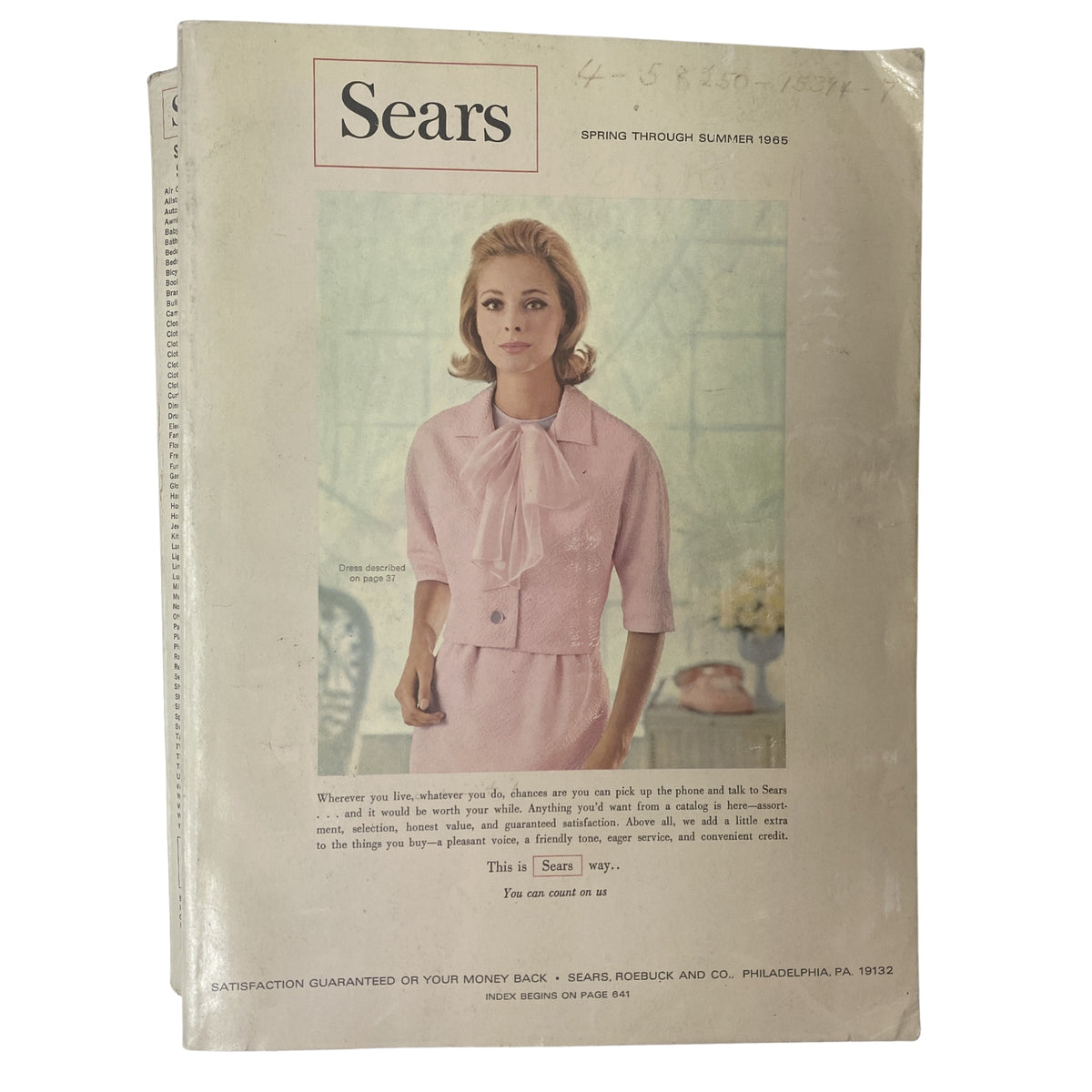
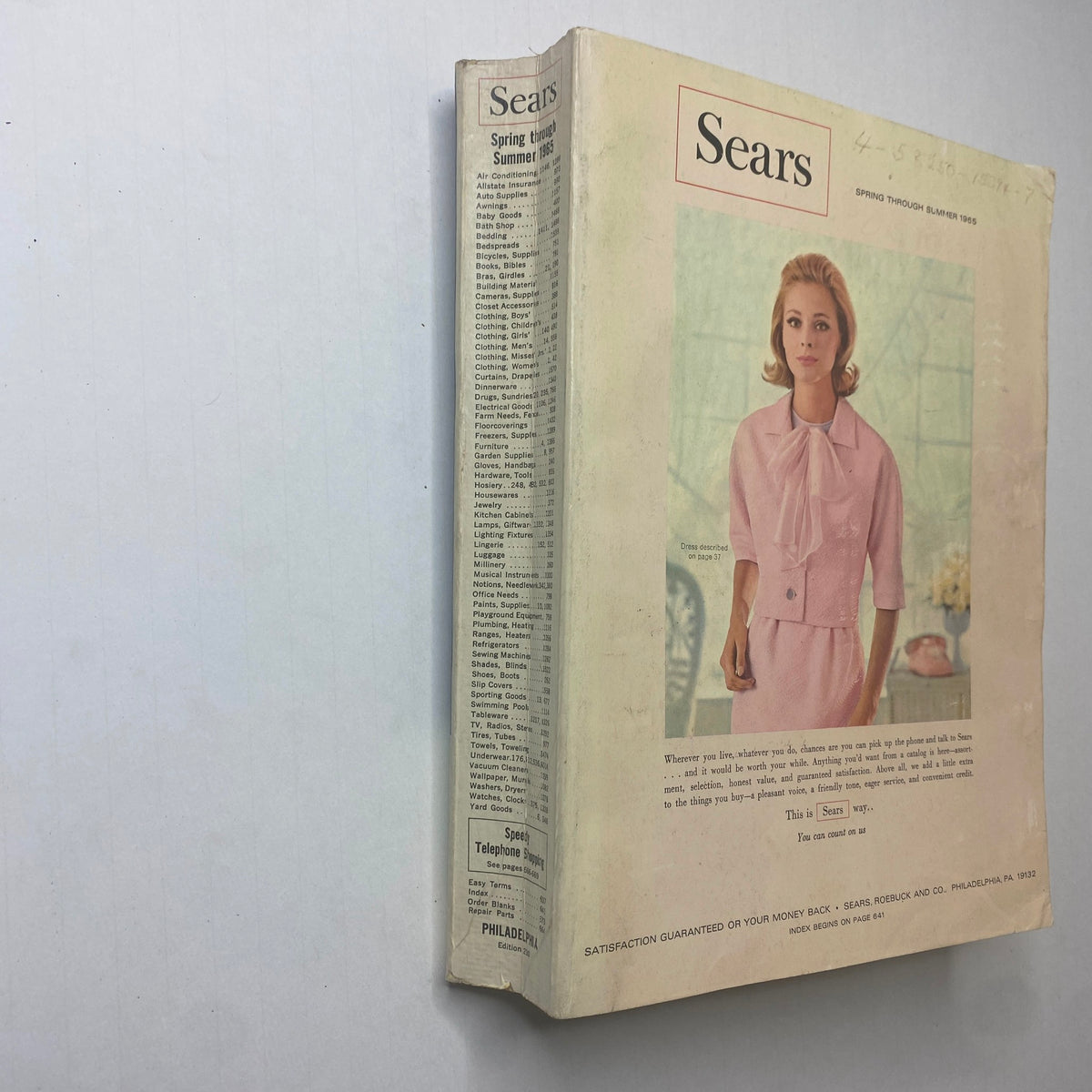
The listing describes this catalog as in good condition with no address labels and light age-appropriate wear — a notably strong condition profile for a sixty-year-old retail catalog. Sears spring and summer catalogs were produced as working household shopping references, printed on paper stock that prioritized cost-effective production over archival longevity, and most surviving copies show significant use-related wear. Good condition with light wear and no label damage represents a genuinely above-average survivor for a publication of this age and intended purpose. The absence of an address label is a positive attribute: Sears catalogs were distributed both by mail to account holders and through in-store pickup, and mail-distributed copies frequently carry address label marks that degrade the cover. A clean-cover example in good readable condition, with the interior pages intact and legible, represents the collector standard for mid-1960s Sears catalog issues and is the condition profile most useful for the costume historians, sewing researchers, and fashion history collectors who most actively seek these publications.
Looking for More Issues Like This?
A 1965 Sears Spring and Summer Catalog in good condition with no label damage is a specific find for collectors of mid-century American material culture, sewing history, and 1960s fashion documentation — the mid-decade Sears catalogs are among the most sought-after in the broader Sears collecting world for their visual richness and historical concentration. The Sears catalog collection at OriginalMagazines.com is the most comprehensive place to browse for other issues spanning the catalog's long publishing history, including additional 1960s editions from across the decade's most dynamic fashion years. For collectors building a broader picture of the 1965 publication landscape, the 1965 magazine and catalog collection covers publications from across that pivotal mid-decade year.
Collector's Note – Why This Issue Matters
The 1965 Sears Spring and Summer Catalog is a primary document of American consumer fashion at a specific and historically significant moment. Mid-1960s fashion was in genuine transition — the mod revolution was arriving from London, hemlines were beginning their dramatic upward movement, and the postwar silhouette that had dominated American women's clothing since Dior's New Look was being challenged from multiple directions simultaneously. The Sears catalog of Spring 1965 captures that transition from the perspective that matters most for understanding how fashion actually moved through American culture: not the runway, not the fashion press, but the mass-market retail channel through which the vast majority of American women actually acquired their clothing. The Lock-Lined Lace Skirt Collection documented here — A-line, pleated, and full skirts paired with lace-trimmed blouses — represents the American mainstream's specific interpretation of mid-1960s femininity, distinct from the avant-garde London look and the high-fashion Paris collections, but equally historically significant as a document of what most American women were actually wearing in the spring and summer of 1965. Sears catalog archive across the 1960s is one of the most reliable primary sources for the history of American mass-market fashion, and the 1965 spring and summer edition is among the most visually rich and historically concentrated examples from that decade.
The McCall's sewing pattern integration documented in this catalog adds a dimension that distinguishes it from purely retail publications. The presence of McCall's patterns alongside Sears ready-to-wear reflects the specific domestic economy of mid-1960s American women's fashion — a world in which home sewing remained a significant and respected practice, where the same aesthetic could be achieved through purchase or construction, and where pattern companies like McCall's and Butterick were genuine cultural forces in shaping how women understood and engaged with fashion. A catalog that presents the Lock-Lined Lace aesthetic both as ready-to-wear and as a sewing pattern with instructions and customization options is documenting a consumer culture that has substantially changed since 1965, making it a valuable primary source for researchers of domestic textile practices, home economics history, and the mid-century sewing culture that has experienced significant collector and scholarly interest in recent decades. The broader publication landscape of 1965 captures American consumer culture in the middle of the decade's most dynamic period of social and aesthetic change, and the Sears spring catalog documents the mainstream's particular navigation of that change.
About the Publication
The Sears, Roebuck and Company general catalog was one of the most widely distributed publications in American history, circulated to millions of households annually from 1888 through the discontinuation of the general catalog in 1993. Its spring and summer editions were among the most anticipated publications of the year, serving as the primary shopping reference for American families across all income levels, with particular importance for rural and working-class households that lacked easy access to urban department stores. The 1960s catalogs occupy a specific and well-studied position in the Sears archive as documents of American consumer culture during one of its most visually dynamic decades, capturing the decade's fashion evolution as it filtered through the mass market rather than the fashion press.
Key Highlights Inside
- Sears Lock-Lined Lace Skirt Collection. A full presentation of A-line, pleated, and full skirt styles in the lace aesthetic that defined mid-1960s American mainstream femininity — documented both as retail ready-to-wear and as the foundation for McCall's sewing pattern options, reflecting the dual consumer culture of the era.
- McCall's sewing pattern integration with instructions and customization options. A document of the mid-1960s home sewing culture that remained a significant domestic practice — pattern instructions and customization guidance that make this catalog a primary source for researchers of American textile and domestic history as well as fashion historians.
- Lace-trimmed blouse and skirt pairings. Complete outfit documentation reflecting the specific way the mid-1960s American mainstream was interpreting the decade's femininity — a visual record of how coordinated dressing was presented to a mass-market audience before the decade's later counterculture disrupted those conventions.
- Spring accessory and footwear guidance. Period documentation of how shoes and accessories were being paired with the season's clothing — a primary source for the complete material culture of spring and summer 1965 as the Sears retail universe defined it.
Condition & Rarity
The listing describes this catalog as in good condition with no address labels and light age-appropriate wear — a notably strong condition profile for a sixty-year-old retail catalog. Sears spring and summer catalogs were produced as working household shopping references, printed on paper stock that prioritized cost-effective production over archival longevity, and most surviving copies show significant use-related wear. Good condition with light wear and no label damage represents a genuinely above-average survivor for a publication of this age and intended purpose. The absence of an address label is a positive attribute: Sears catalogs were distributed both by mail to account holders and through in-store pickup, and mail-distributed copies frequently carry address label marks that degrade the cover. A clean-cover example in good readable condition, with the interior pages intact and legible, represents the collector standard for mid-1960s Sears catalog issues and is the condition profile most useful for the costume historians, sewing researchers, and fashion history collectors who most actively seek these publications.
Looking for More Issues Like This?
A 1965 Sears Spring and Summer Catalog in good condition with no label damage is a specific find for collectors of mid-century American material culture, sewing history, and 1960s fashion documentation — the mid-decade Sears catalogs are among the most sought-after in the broader Sears collecting world for their visual richness and historical concentration. The Sears catalog collection at OriginalMagazines.com is the most comprehensive place to browse for other issues spanning the catalog's long publishing history, including additional 1960s editions from across the decade's most dynamic fashion years. For collectors building a broader picture of the 1965 publication landscape, the 1965 magazine and catalog collection covers publications from across that pivotal mid-decade year.