


Description
Collector's Note – Why This Issue Matters
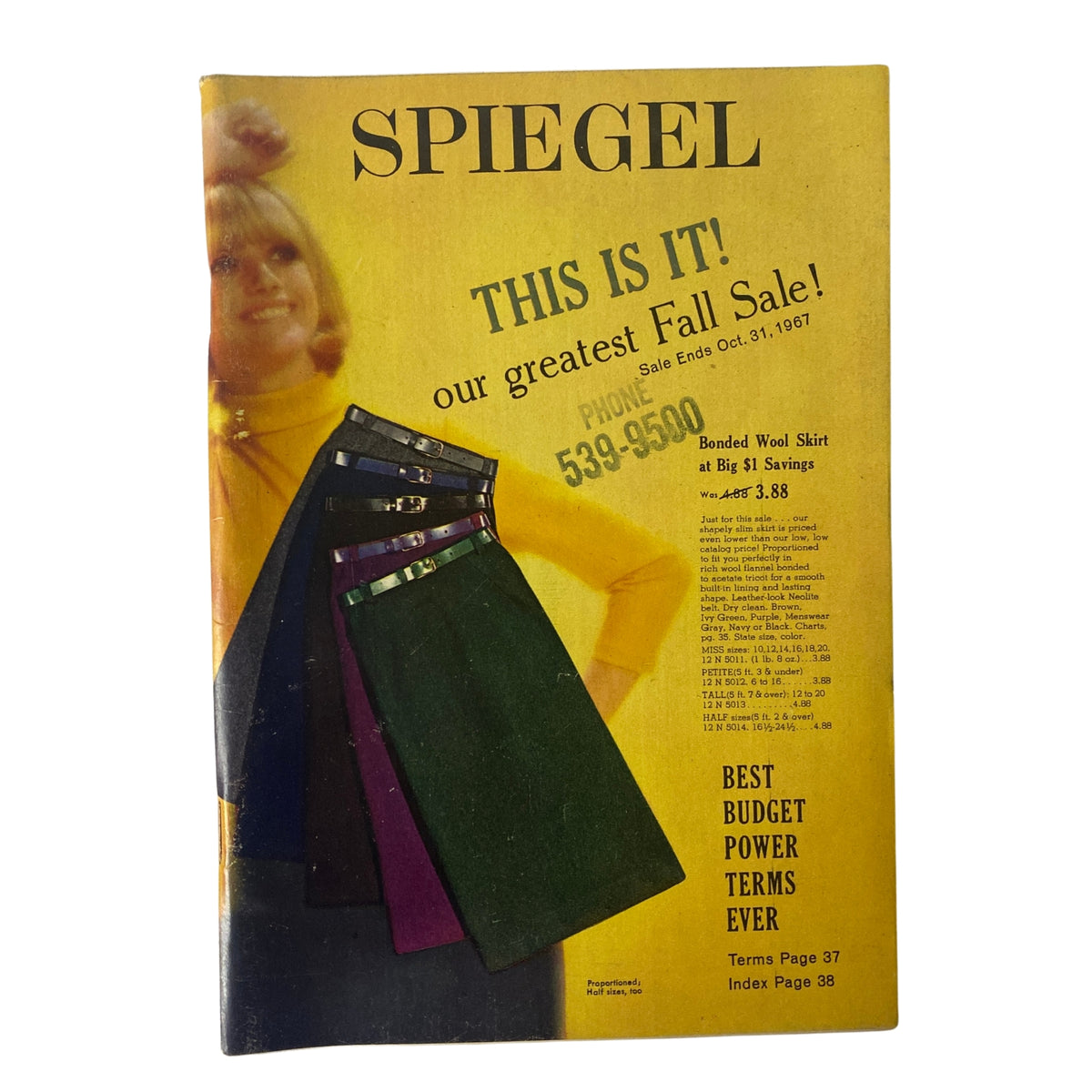
The 1967 Spiegel Fall Catalog is a primary document of American consumer culture at the precise midpoint of the decade's most dramatic aesthetic revolution — the fall of 1967, when the mod aesthetic had achieved its maximum commercial penetration of the American mass-market catalog and when the specific visual language of late-1960s fashion was being offered to the broadest possible consumer audience through the credit catalog retail channel that Spiegel had pioneered and perfected. The fall of 1967 followed the Summer of Love, arrived in the same season as the Velvet Underground's debut album and the escalation of Vietnam War protests, and found mainstream American consumer culture simultaneously absorbing the decade's most radical cultural energies and continuing the domestic rhythms that catalog retail depended upon. A Spiegel fall catalog from this specific year captures that specific tension in its most commercially precise form: the specific mod-influenced fashion vocabulary, the mid-century home décor that was both reflecting and resisting the decade's disruptions, and the full range of consumer goods that the modern American household was being offered in the fall of one of the most culturally consequential years of the century. Spiegel's specific identity as a credit catalog retailer — the company that had built its business model around making consumer goods accessible through installment purchasing — gave its fall 1967 catalog a specific character that distinguished it from Sears and Montgomery Ward: its customer base was particularly attuned to the promise of consumer credit as a vehicle for aspiration, and its merchandise selection and marketing language reflected the specific demographics and purchasing patterns of that credit-dependent consumer segment. For collectors building a documentary archive of late-1960s American consumer culture, the full range of 1967 magazines and publications from this year provides essential primary source context for understanding the specific commercial and cultural moment this catalog documents.
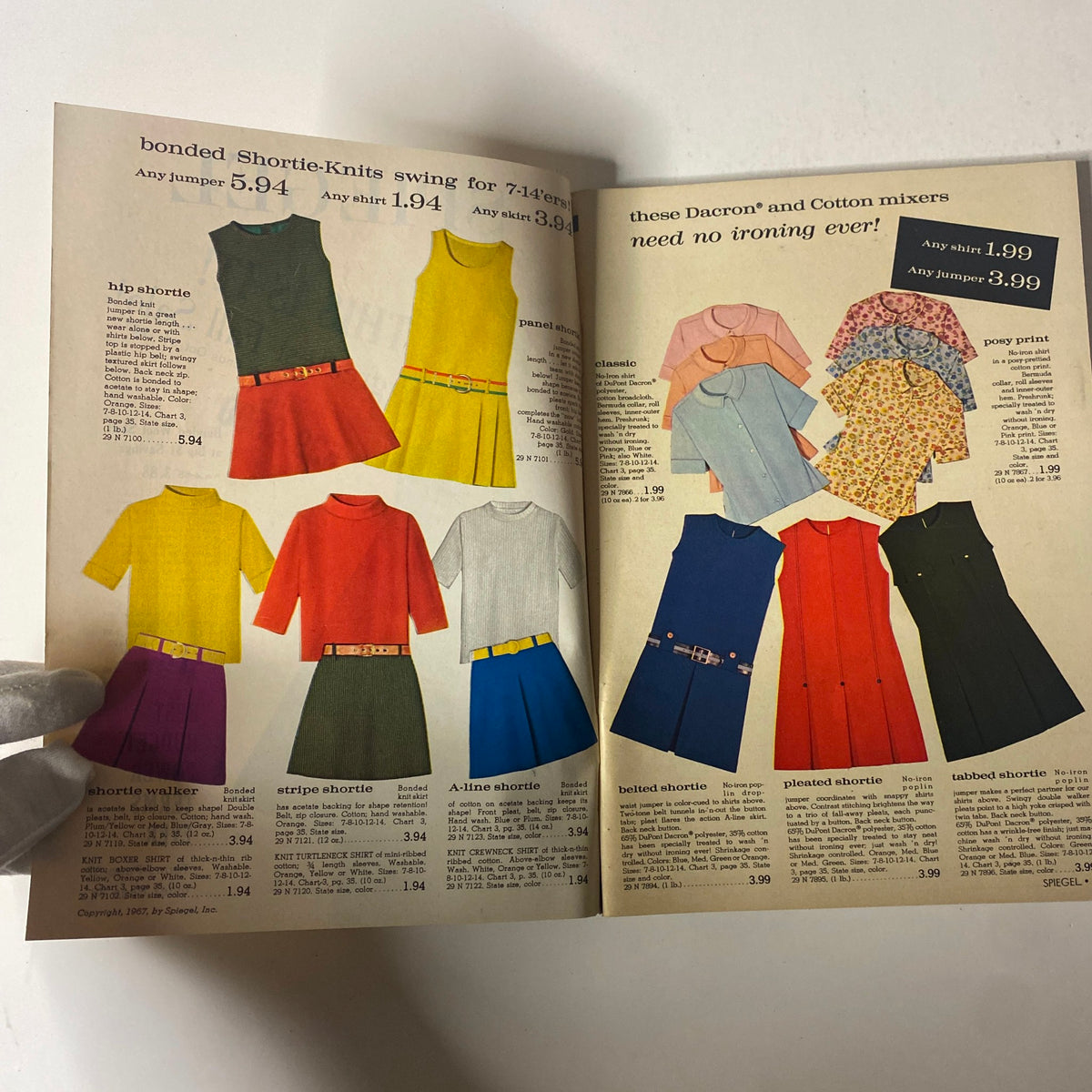
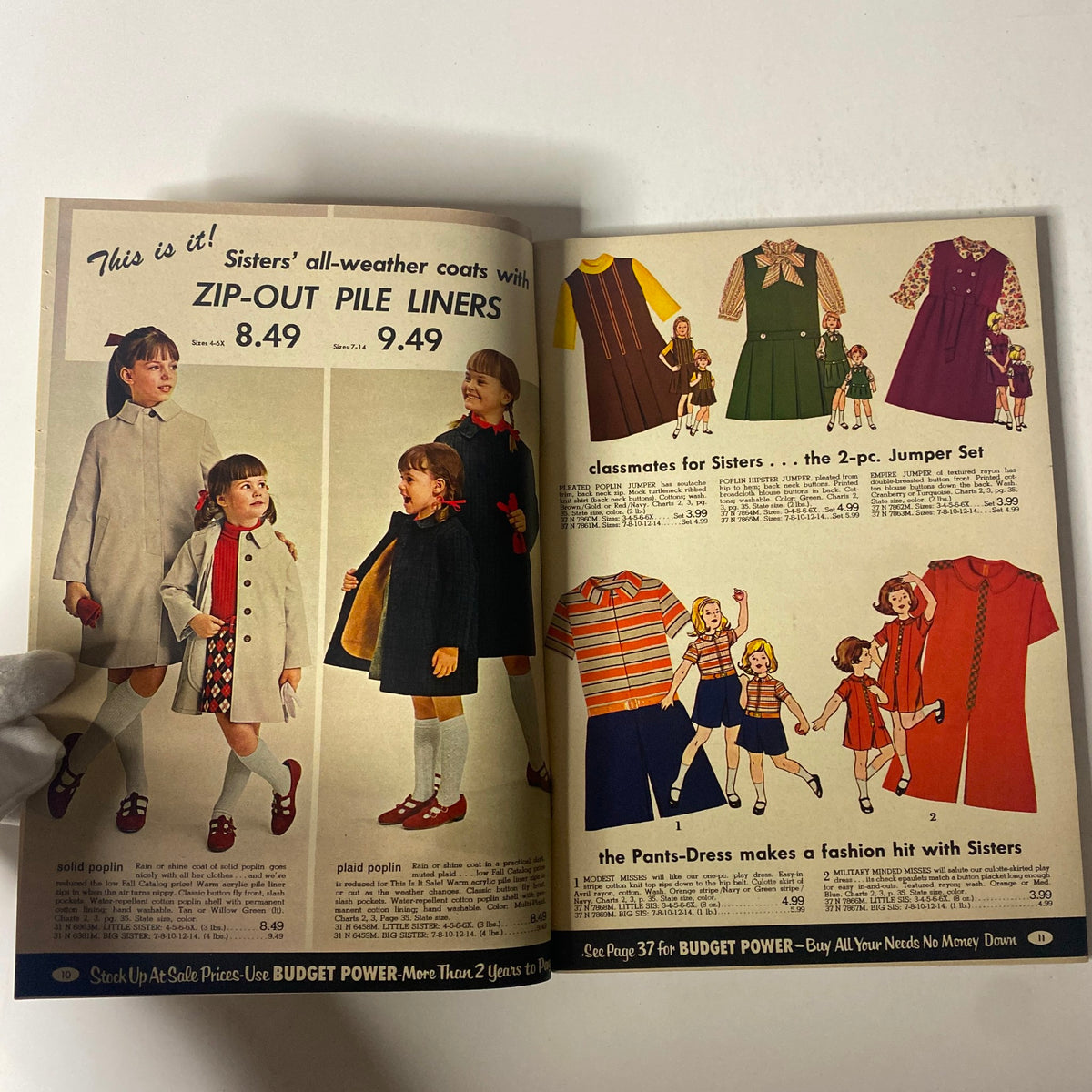
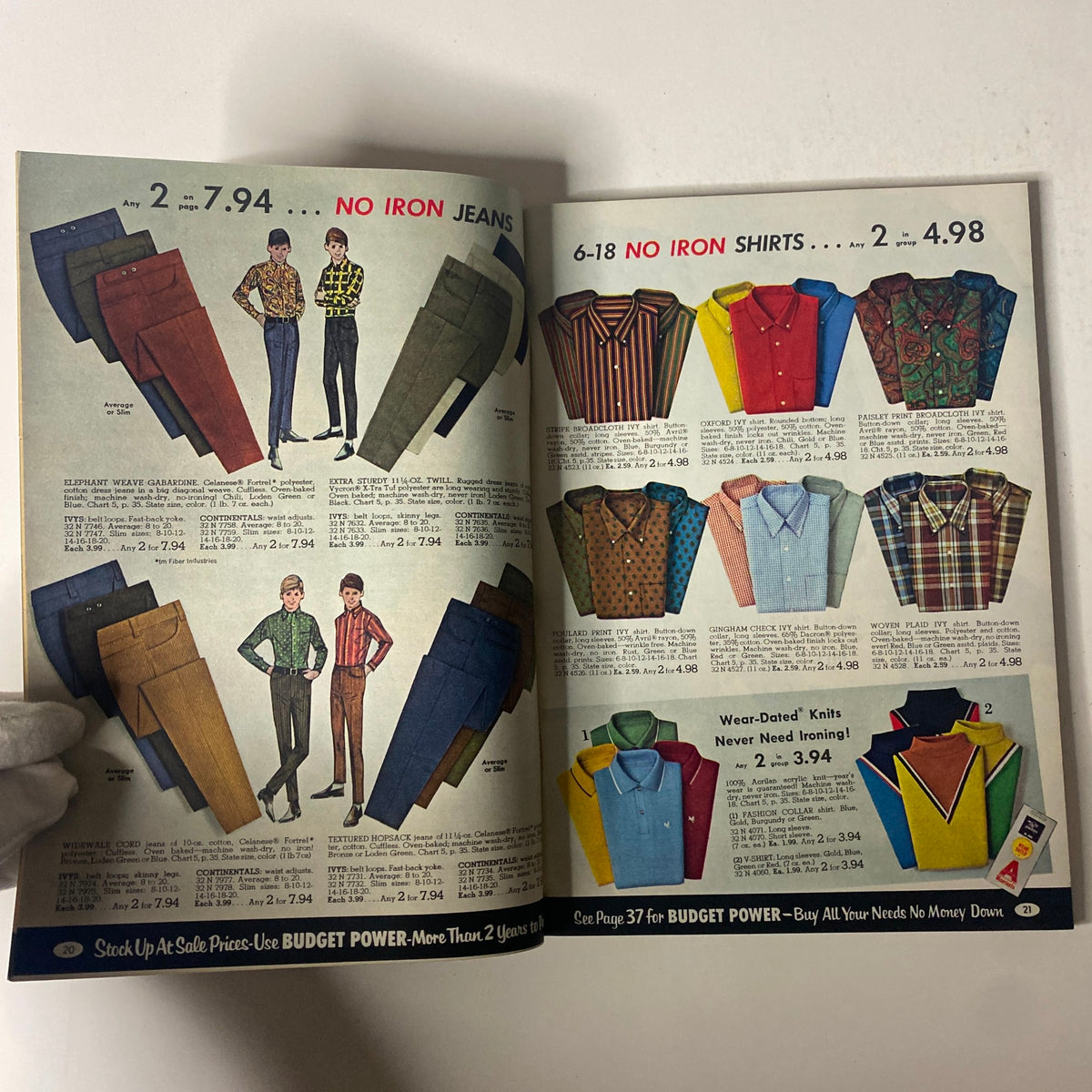
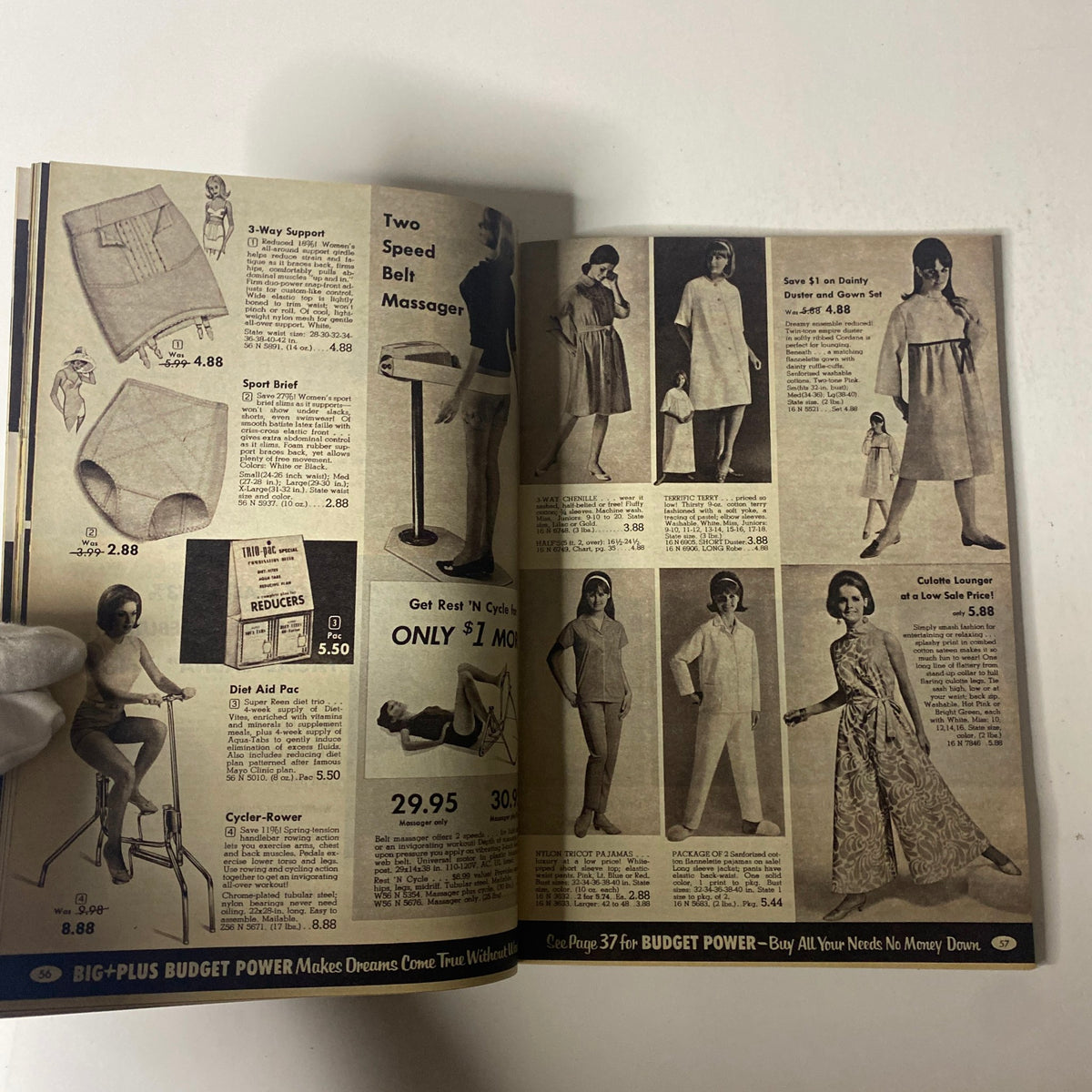
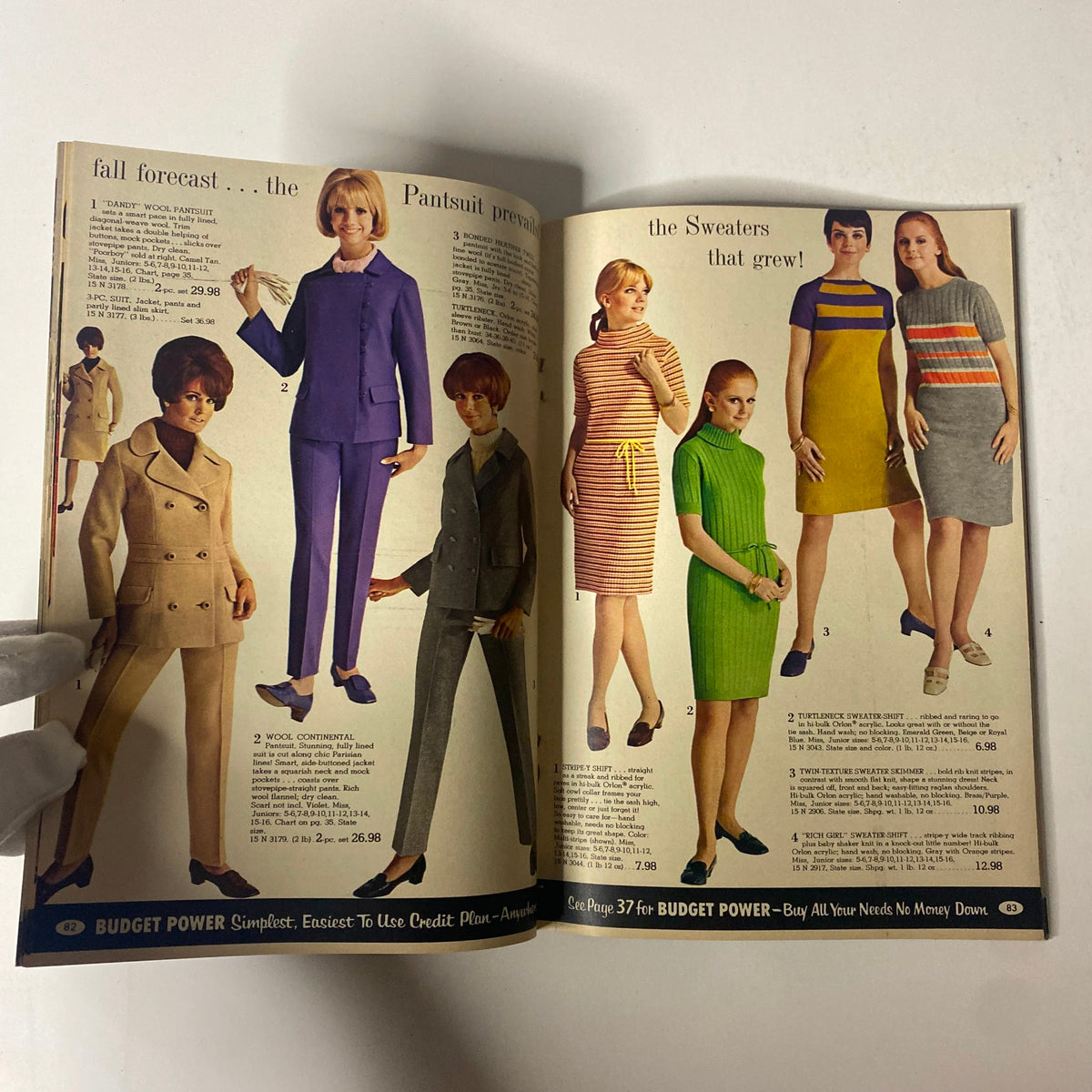
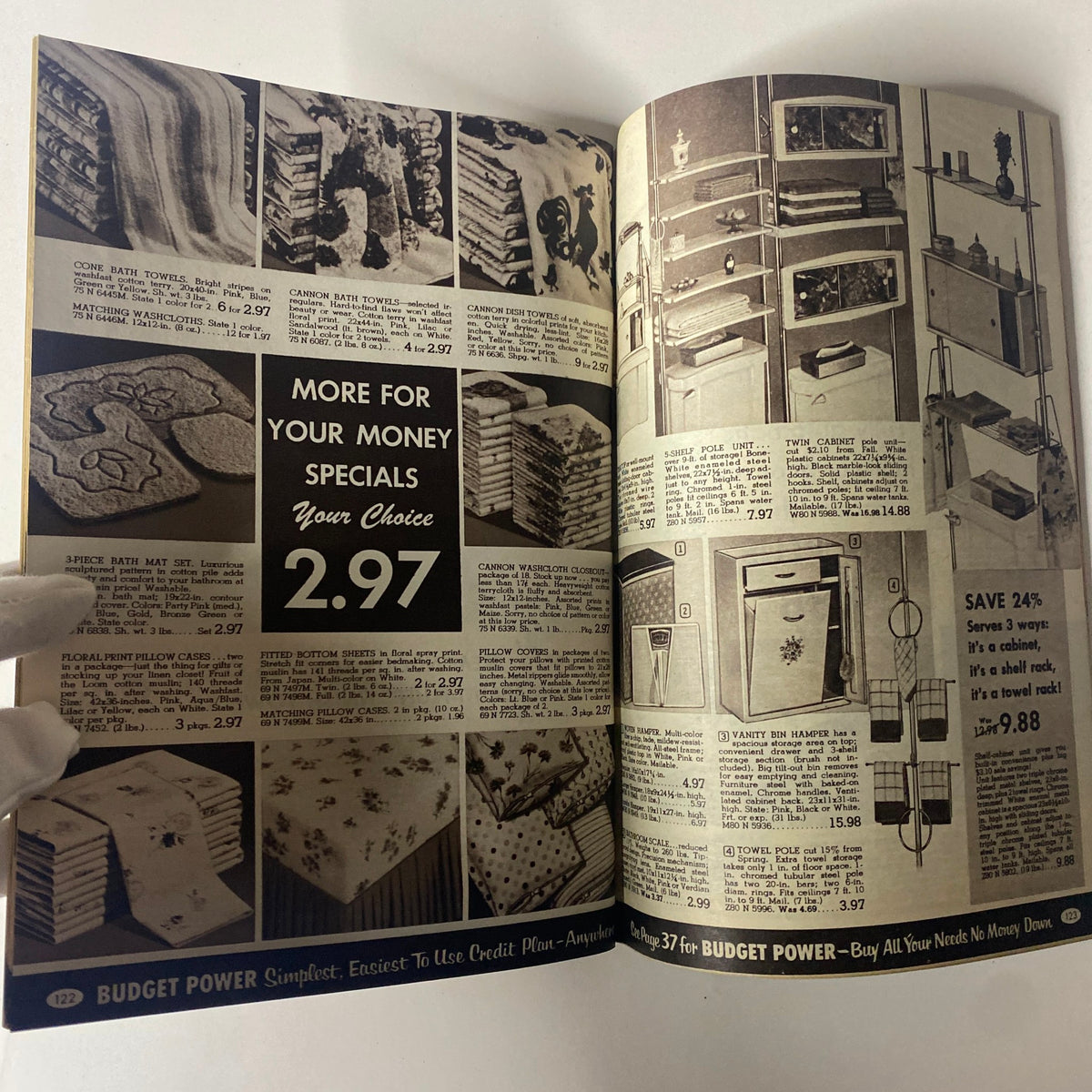
The confirmed content range of this catalog — fall apparel, home furnishings, gadgets, and seasonal essentials — maps the full breadth of an American household's fall consumer needs in 1967, from the clothing that documented the mod fashion revolution's commercial mainstream arrival through the home furnishings that documented mid-century design's mass-market accessibility and the gadgets that documented the specific consumer technology culture of the late-1960s American home. The "bold colors" and "mod fashion" confirmed in the listing's description are primary commercial documentation of the specific aesthetic vocabulary that British-influenced youth culture fashion had introduced to American mass-market retail, preserved in the specific catalog format that reached the widest possible American consumer audience. The mid-century home décor confirmed alongside it documents the domestic design vocabulary that was simultaneously being challenged by the decade's counterculture and sustained by the mainstream consumer market's continued appetite for the clean lines and optimistic materialism that postwar American interior design had developed. The "gadgets" category adds a layer of consumer technology documentation that is itself historically interesting: the specific devices being offered in a fall 1967 catalog document the particular state of American consumer technology at a moment when the transistor revolution was accelerating, when color television was achieving mass-market penetration, and when the domestic technology landscape was changing more rapidly than it had in any previous decade.
Spiegel's position in the American retail landscape of 1967 was itself historically specific in ways that give this catalog additional documentary significance. As a Chicago-based credit catalog retailer serving a customer base that managed major purchases through installment payments, Spiegel in 1967 was operating at the peak of consumer credit's first great American commercial wave — before the credit card revolution of the 1970s had transformed the mechanics of consumer credit and before the suburban mall expansion had begun drawing Spiegel's customer base toward in-person retail alternatives. A fall catalog from 1967 documents the company's merchandise offering at the last moment before these structural shifts would begin to reshape its competitive position, making it a primary source for the specific commercial form of American installment-purchase retail culture at its mid-century peak as well as for the broader consumer aesthetic of the late-1960s American household.
About the Publication
The Spiegel Fall Catalog was a seasonal retail publication produced by Spiegel, Inc., the Chicago-based mail-order and credit catalog retailer that had distinguished itself in the American retail landscape through its pioneering development of consumer installment purchase programs, making a broad range of consumer goods accessible to households that managed their purchases through extended payments rather than cash. The fall catalog represented one of the company's primary seasonal publications, covering the full range of fall apparel, home goods, and seasonal merchandise that constituted the company's offering for the autumn months and the approaching holiday season. By 1967, Spiegel had been operating for over eight decades and had developed a customer base and a product range that reflected the specific demographics and aspirations of the credit-purchasing middle-class American household its business model had been designed to serve, presenting that offering in the bold, colorful format that the late-1960s commercial aesthetic demanded.
Key Highlights Inside
- Late-1960s mod fashion — bold colors and contemporary styling at the mass-market level — The confirmed bold colors and mod-influenced fall apparel document the specific commercial translation of the decade's most dramatic fashion revolution into the credit catalog retail format, preserving primary evidence of how the mod aesthetic was being presented and priced for the broad American middle-class consumer audience in the fall of 1967 at its moment of maximum mass-market penetration.
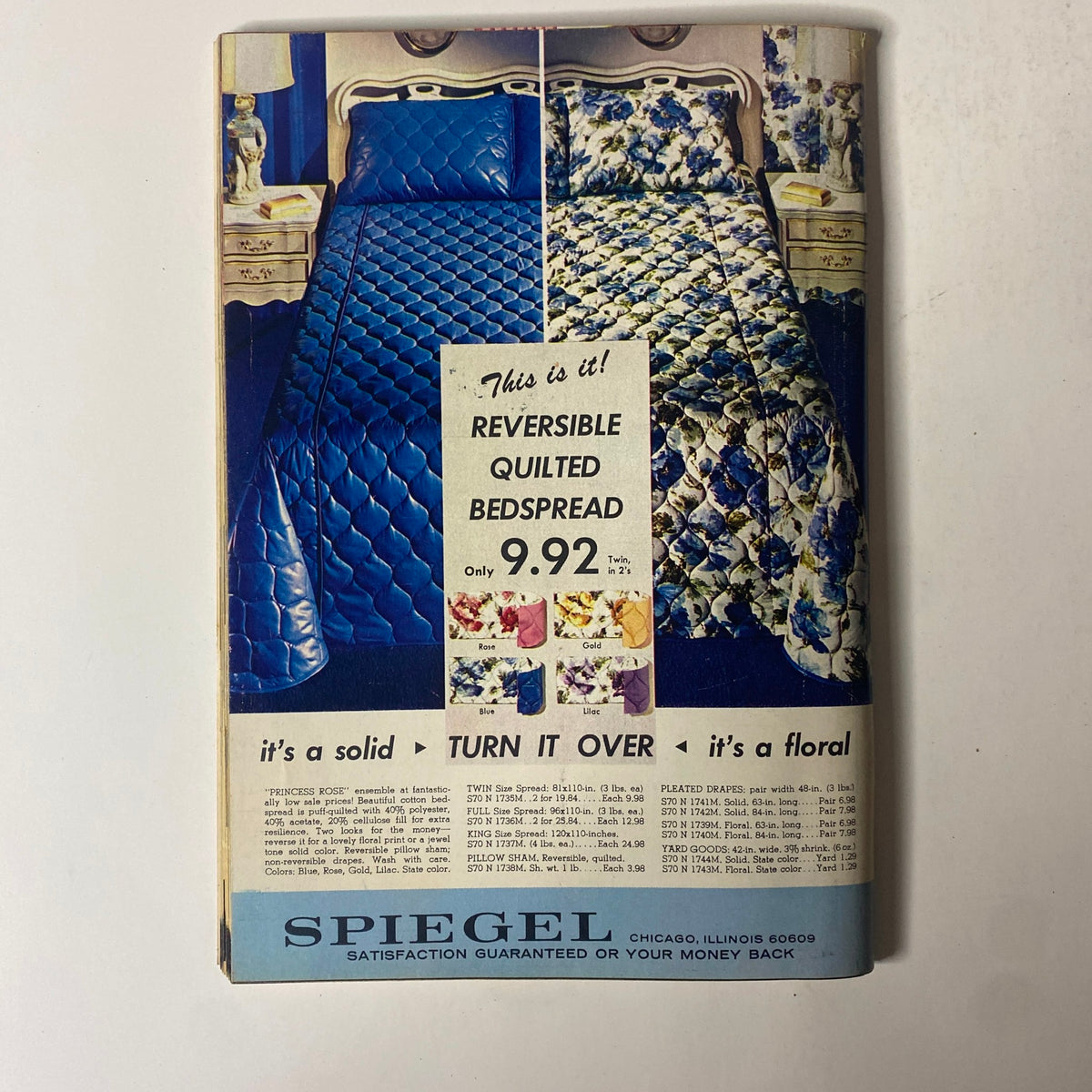
- Mid-century home furnishings and home décor documentation — The confirmed home furnishings and décor content preserves primary commercial evidence of the specific domestic design vocabulary being offered to American households in fall 1967, documenting the mid-century modern aesthetic's continuing mainstream commercial presence in the specific terms of a credit catalog retailer serving the broadest possible consumer audience.
- Consumer gadgets — late-1960s domestic technology documented — The confirmed gadget content preserves primary commercial documentation of the specific consumer technology being offered to American households in fall 1967, at the moment when the transistor revolution and the color television adoption wave were accelerating the pace of domestic technology change more rapidly than any previous decade had experienced.
- Seasonal essentials — fall 1967 American household consumer culture documented — The confirmed seasonal essentials content provides primary commercial documentation of the full range of practical consumer goods defining the American household's fall needs in 1967, preserving evidence of the specific products, price points, and consumer priorities that defined mainstream American domestic consumption at this historically charged seasonal moment.
- Note: Specific fashion brand names, individual product descriptions, pricing details, and the complete catalog contents beyond the confirmed general merchandise categories have not been independently verified beyond the listing description. The highlights above reflect what is documentable from the listing and the well-established historical context of Spiegel's 1967 fall catalog format and the specific consumer moment it documented.
Condition & Rarity
This catalog is described as being in acceptable condition with a good interior, presenting cover creases, marks, and possible rips throughout — protected by a plastic covering, with the listing confirming that the photographed item is exactly what will be received and directing detailed condition assessment to the accompanying photographs. The acceptable-cover/good-interior split is the most meaningful condition distinction for potential research uses: for historians and collectors whose primary interest is in the fall 1967 fashion content, home furnishings documentation, and gadget catalog sections that constitute the catalog's primary research value, a good interior in a worn cover represents a functionally complete and usable primary source despite its surface condition challenges. The cover creases and marks are consistent with a publication that was actively used as a practical shopping reference rather than preserved from the moment of acquisition, and the possible rips throughout require examination of the accompanying photographs to assess their extent and placement relative to the specific content sections of greatest interest. The plastic protective covering indicates that the catalog has received preservation care that has stabilized it against further deterioration. Spiegel fall catalogs from 1967 are less systematically collected and less well-represented in institutional archives than the dominant Sears and Montgomery Ward equivalents from the same year, making surviving examples of any condition useful additions to documentary archives of late-1960s American credit retail culture.
Looking for More Issues Like This?
Spiegel fall catalogs from 1967 — documenting the mod fashion revolution, mid-century home décor, and consumer gadget culture of late-1960s American credit retail at the Summer of Love's immediate aftermath — are sought by fashion historians, consumer culture researchers, credit retail historians, and late-1960s Americana collectors who recognize these publications as primary documents of a specific and historically distinctive commercial relationship between American consumer aspiration and installment purchasing at the decade's most culturally charged moment. If this 1967 fall catalog is no longer available, the 1967 magazines collection at OriginalMagazines.com brings together a wide range of primary source material from that extraordinary year in American fashion, consumer culture, and social history — collectively documenting the full sweep of American life at the decade's most aesthetically and culturally consequential midpoint.