


Description
Collector's Note – Why This Issue Matters
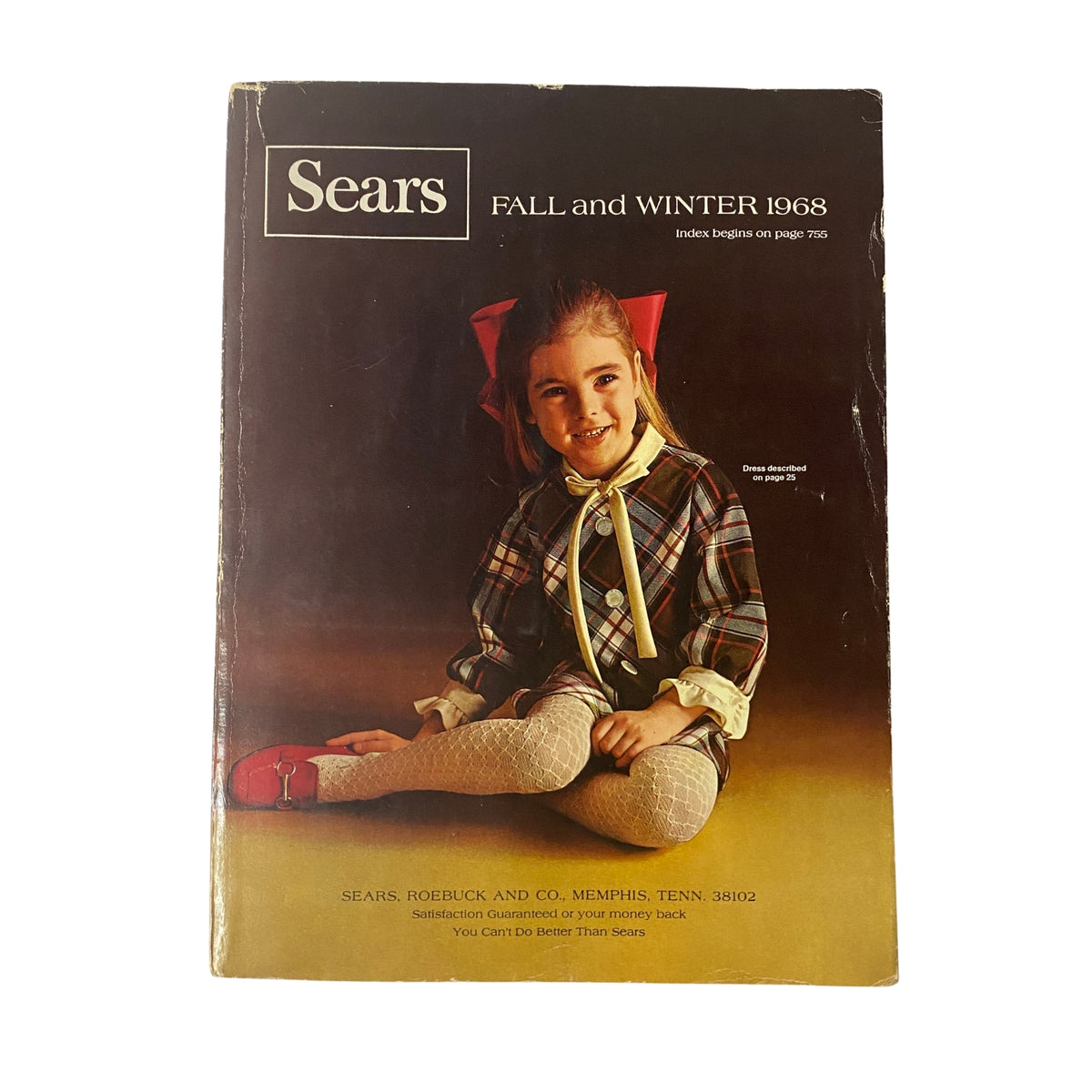
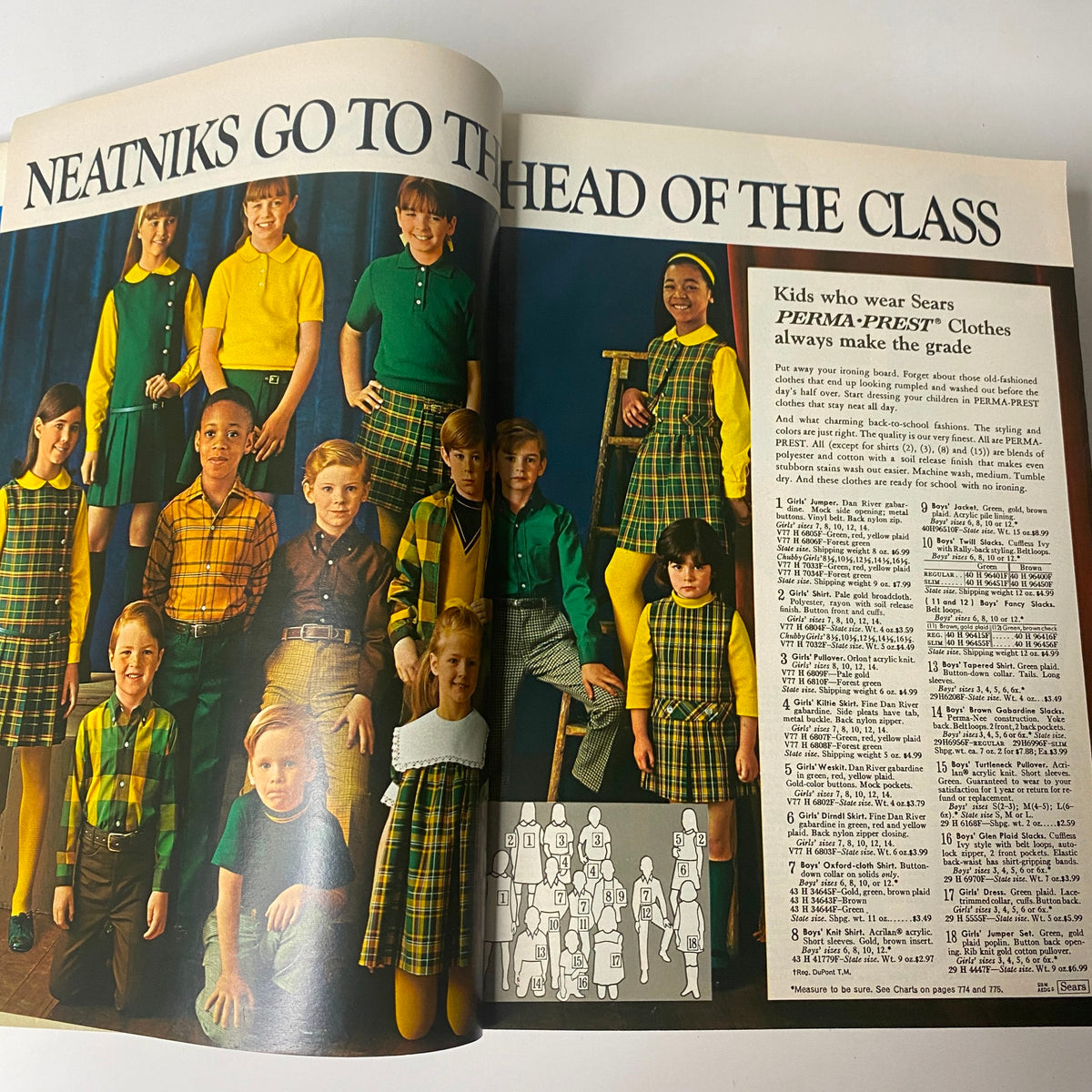
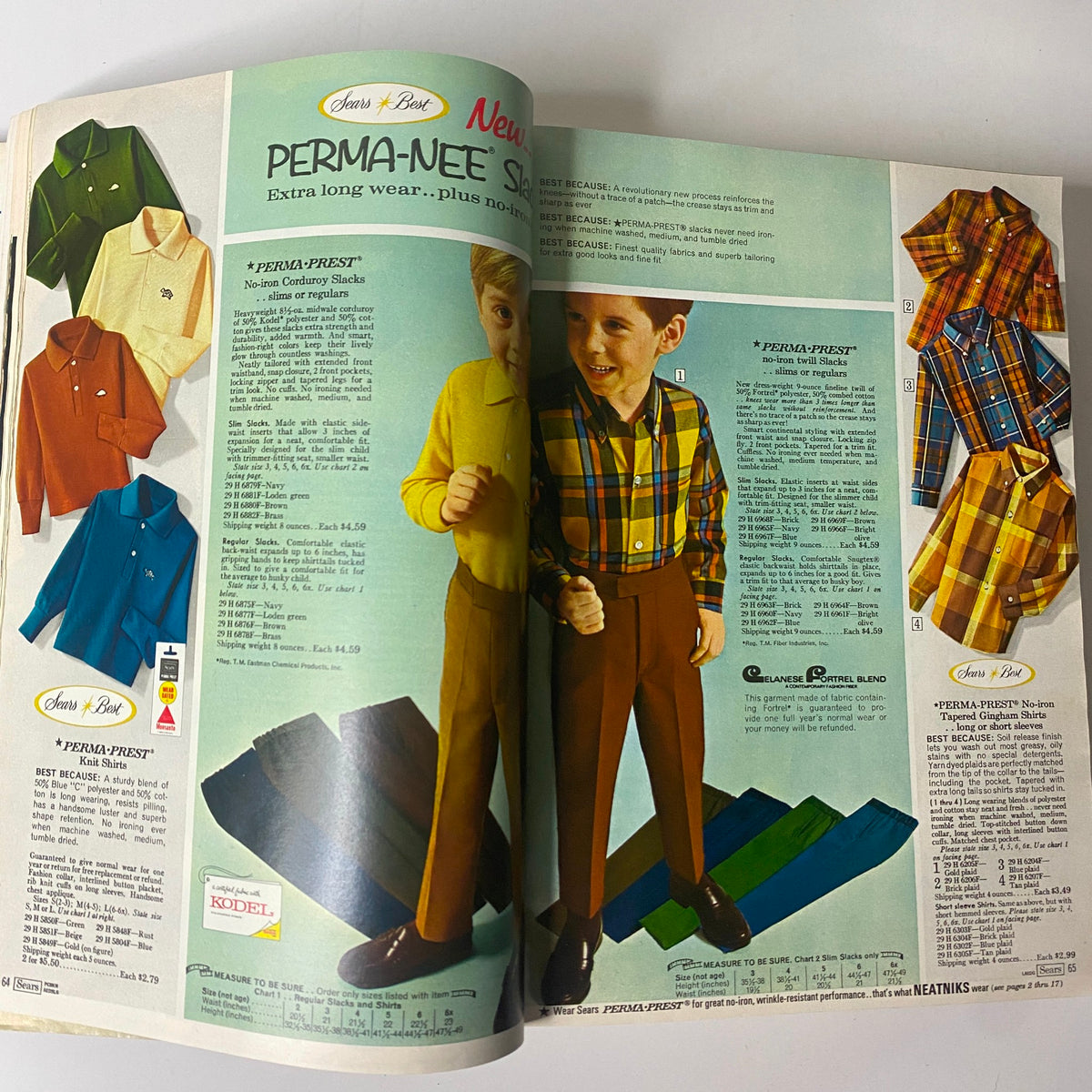
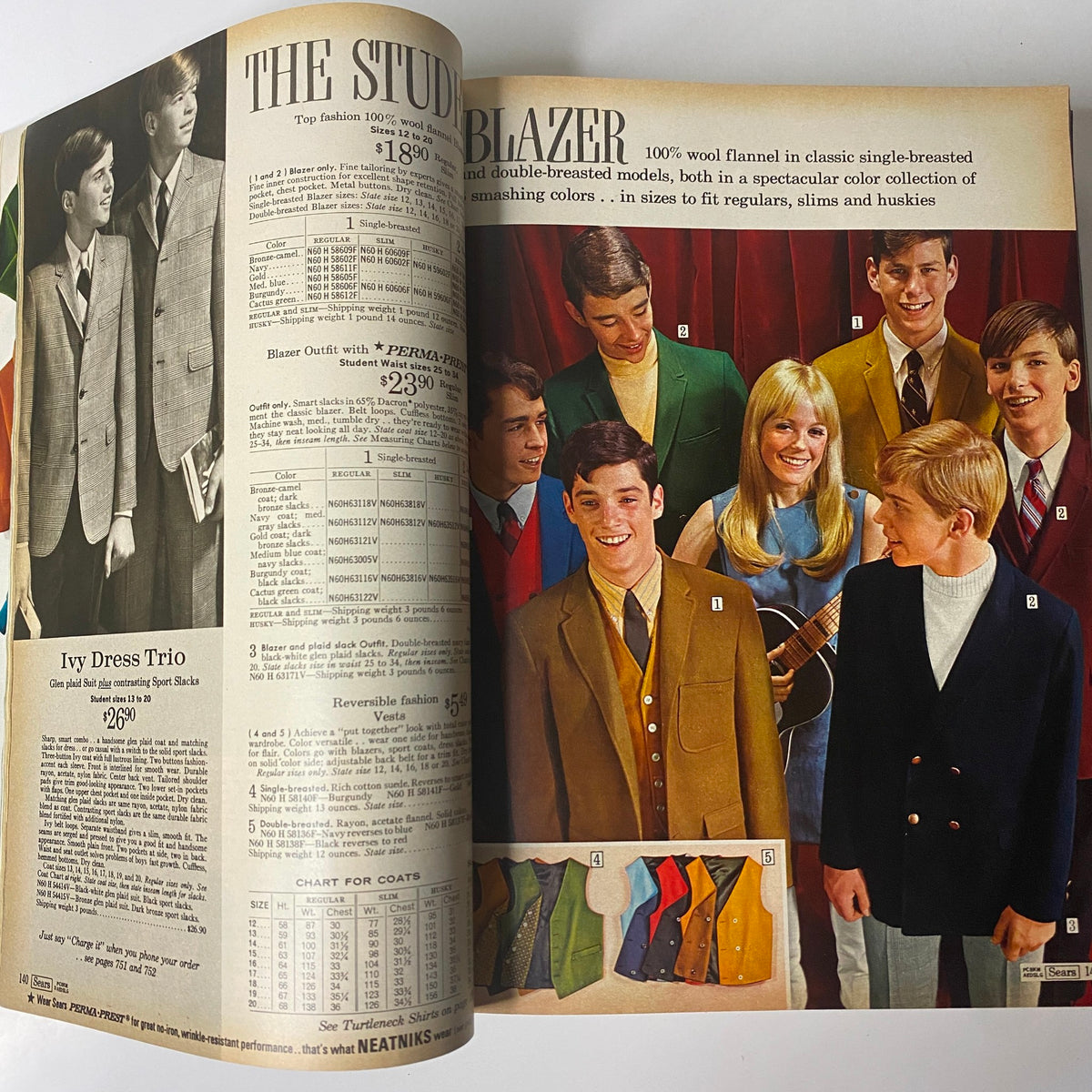
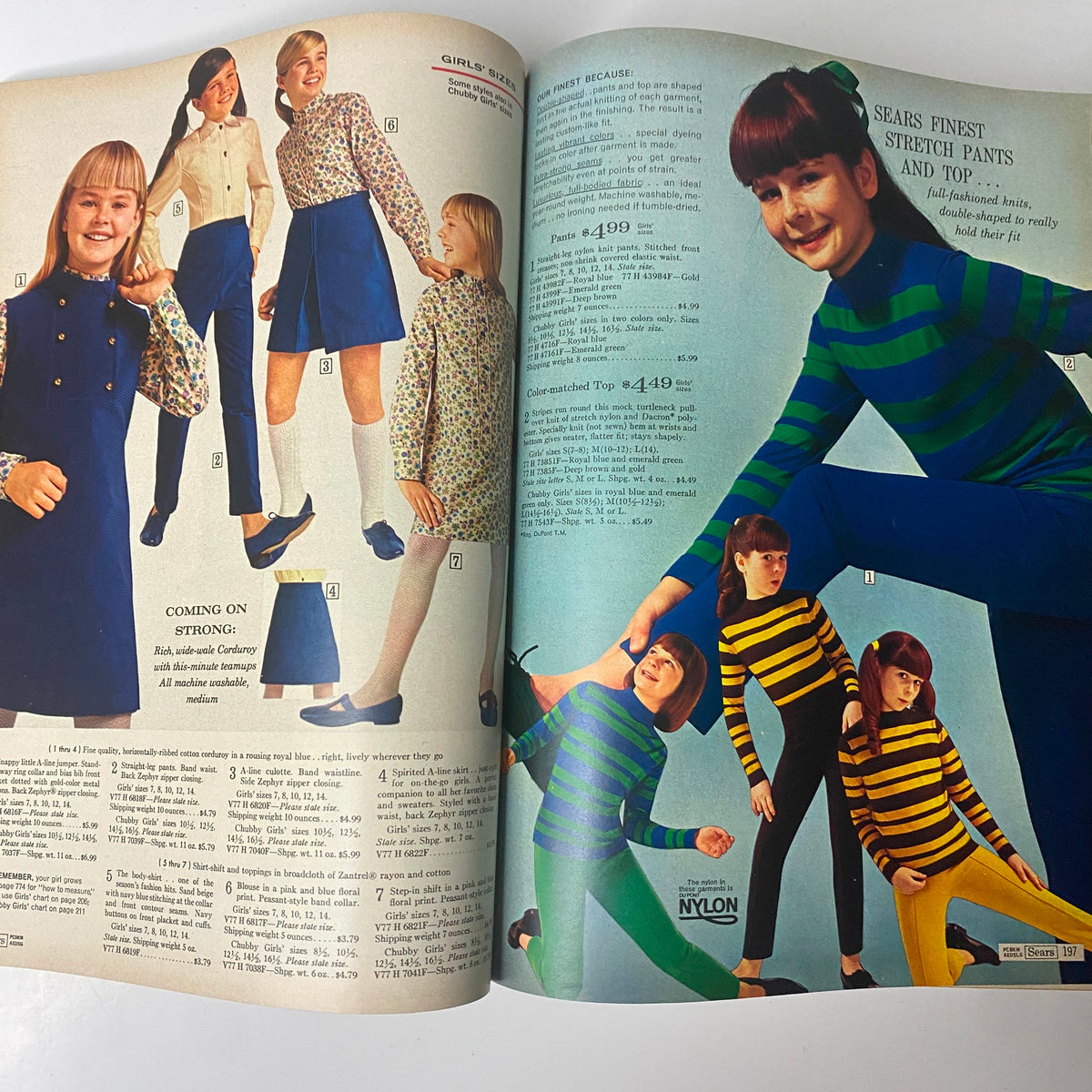
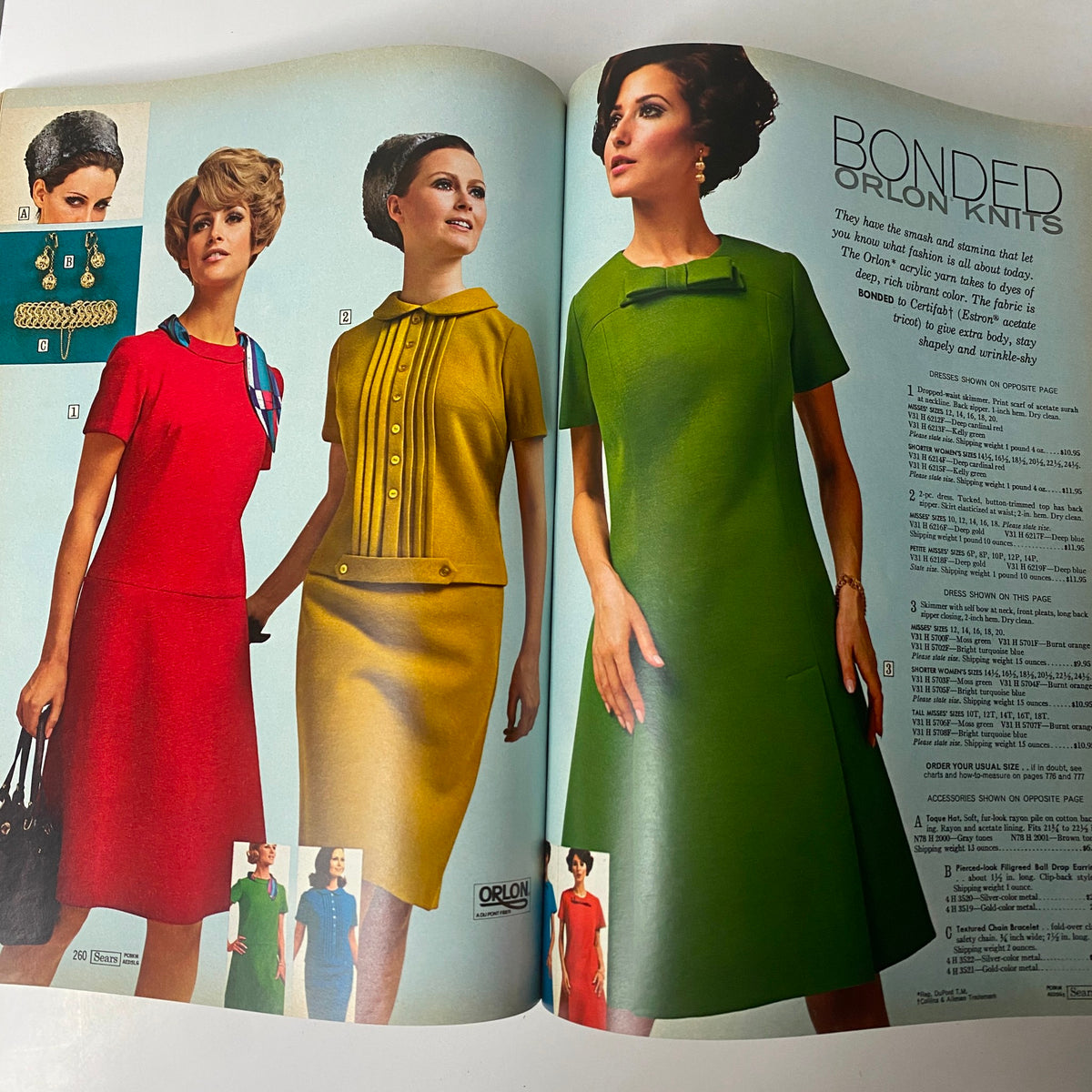
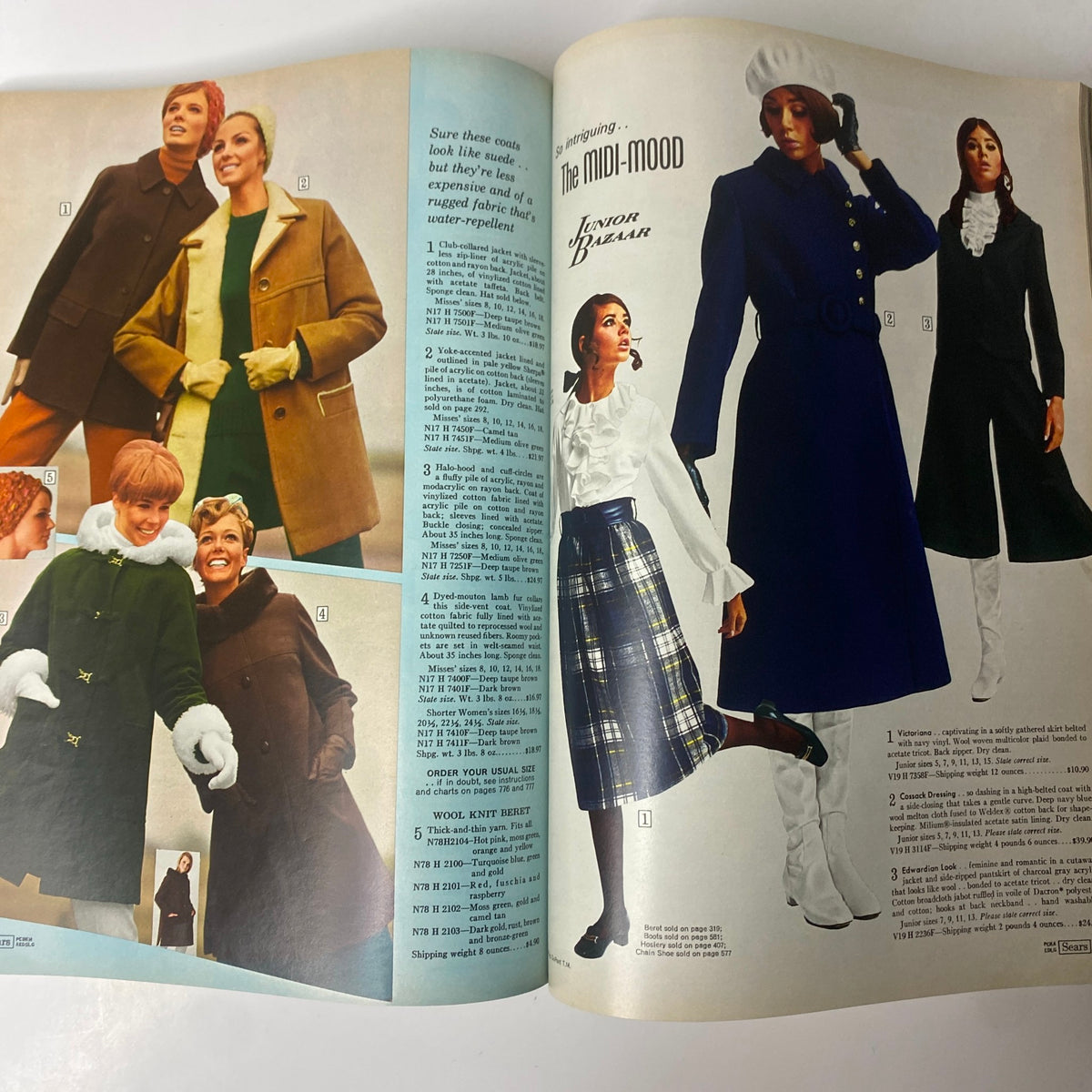
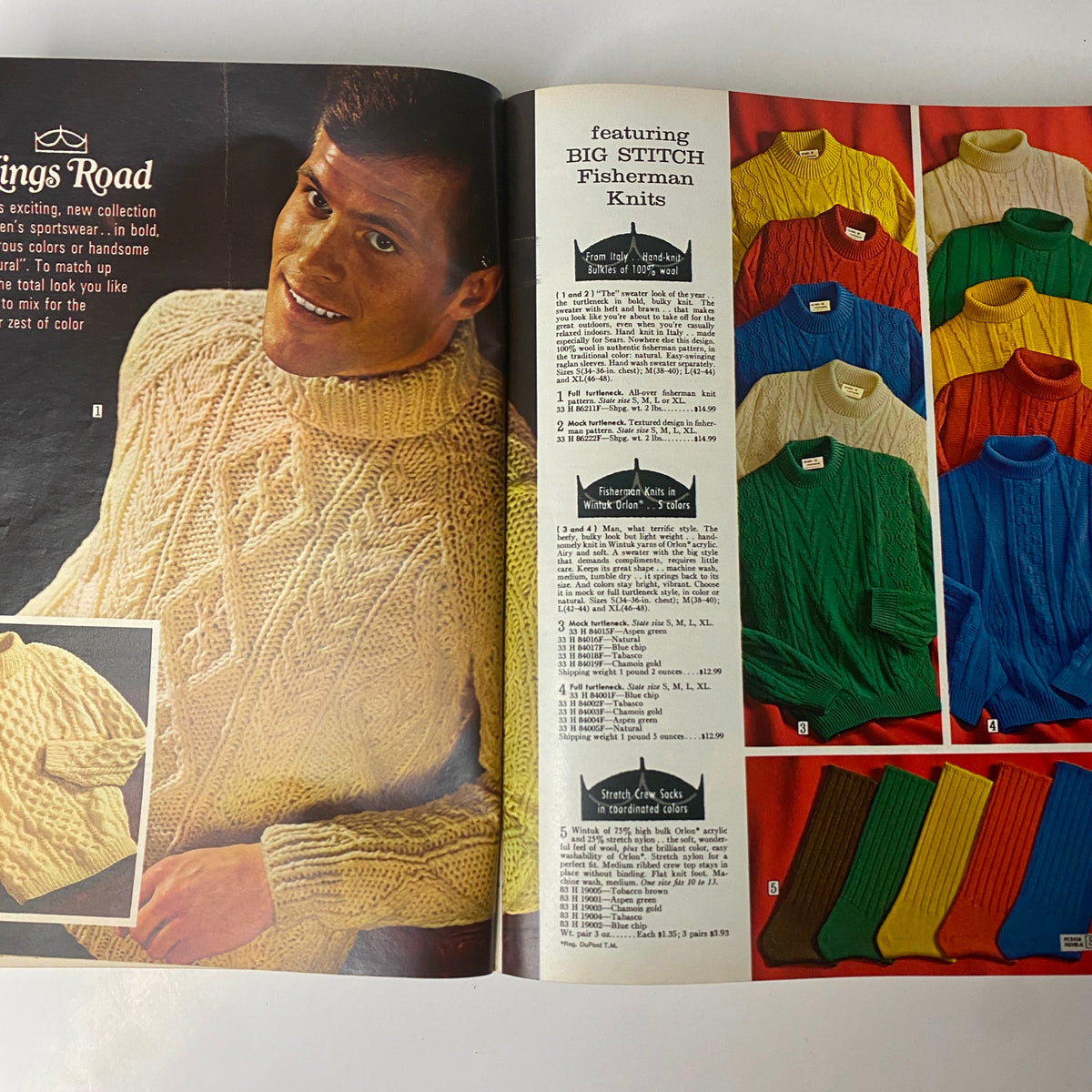
The 1968 Sears Roebuck and Co. Fall and Winter Catalog is a primary document of American consumer culture at one of the most historically turbulent and aesthetically consequential years of the twentieth century — and the confirmed fashion content of this specific edition makes it an unusually precise primary source for the specific state of the mod aesthetic's mainstream commercial expression at its absolute peak. The confirmed mini skirts and A-line coats in a fall-winter 1968 Sears catalog are primary commercial documentation of how far the aesthetic revolution of the decade had penetrated the American mass-market retail channel: styles that had originated in London boutiques in 1963-64 had by fall-winter 1968 become the dominant fashion language of the country's largest catalog retailer, offered in family holiday outfits alongside mid-century modern furniture and classic Sears appliances. The fall of 1968 was occurring in the immediate aftermath of one of the most historically charged years in American domestic history — the assassinations of Martin Luther King Jr. and Robert F. Kennedy, the Democratic National Convention's violent confrontations in Chicago, the escalation of Vietnam War protests, and the Nixon-Humphrey election that would determine the country's direction — and the specific consumer culture documented in this Sears catalog was the mainstream American household's commercial life continuing through all of it. That specific continuity — the family holiday shopping, the A-line coats, the mid-century modern furniture, the festive holiday outfits — is itself a historically interesting primary document of how the broadest tier of American consumer culture navigated one of the most turbulent years in its modern history. For collectors building a serious archive of Sears catalog history, the Sears catalog collection at OriginalMagazines.com provides essential depth across the company's full publishing history, with the late-1960s fall-winter editions representing the catalog at its most aesthetically distinctive and most historically charged.
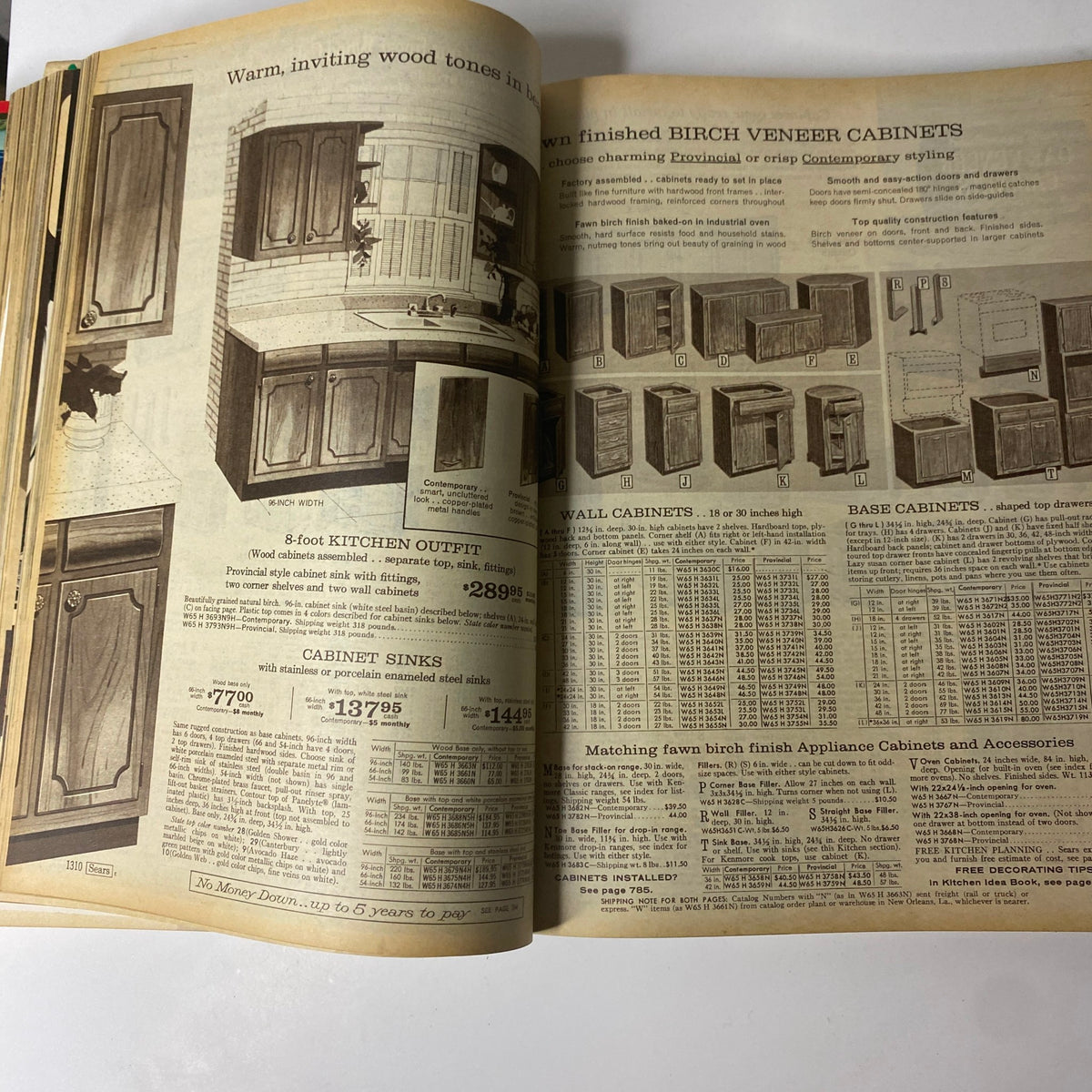
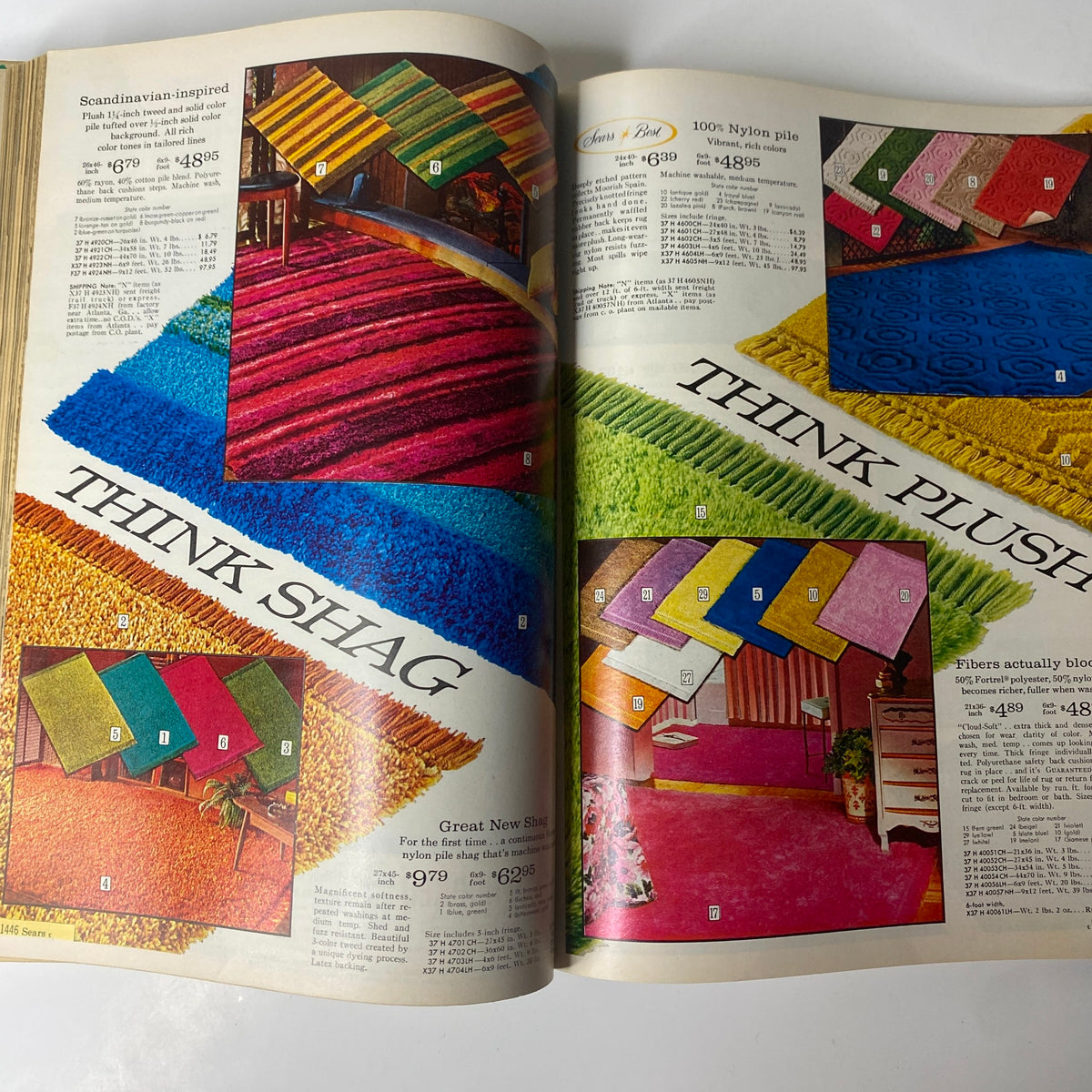
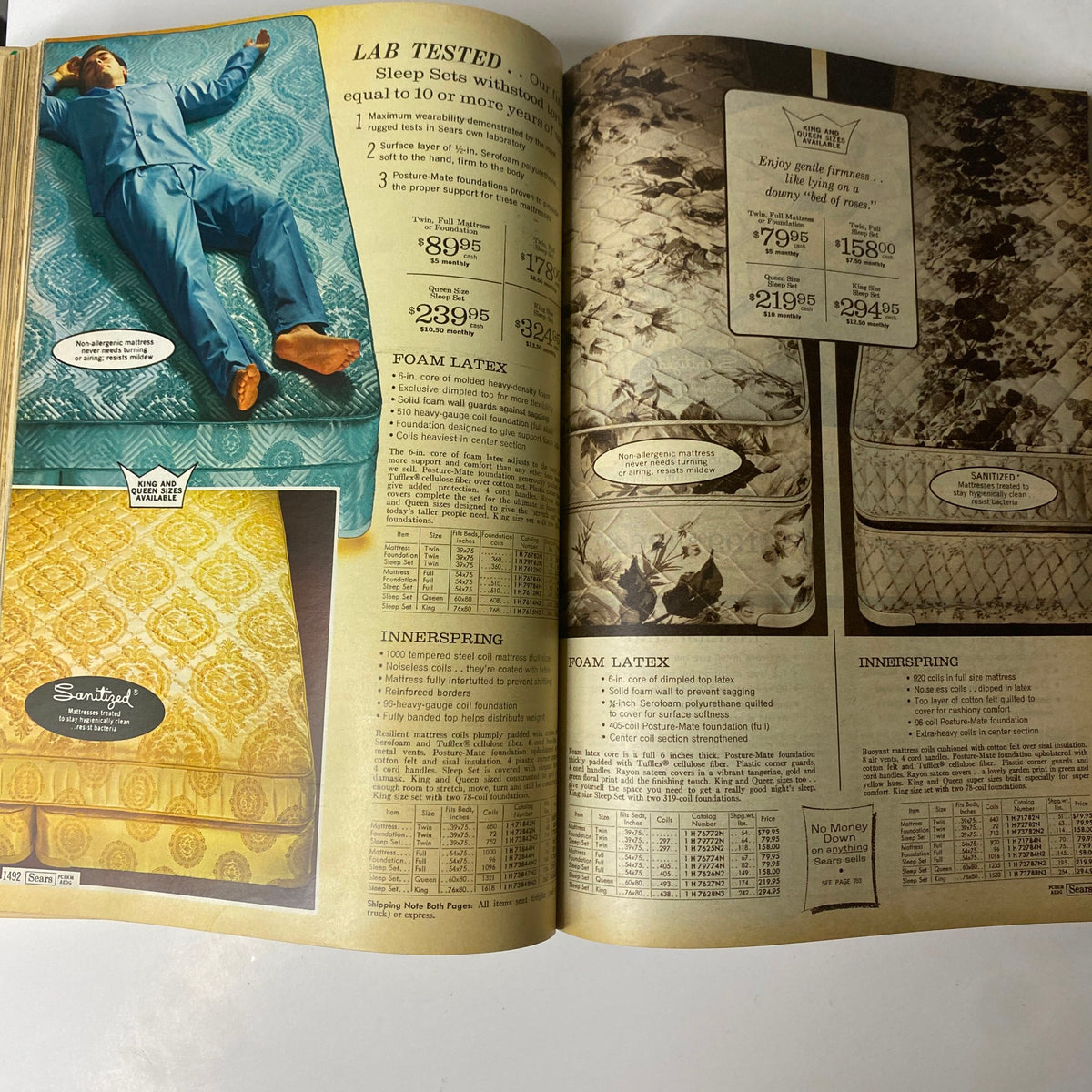
The specific confirmation of mid-century modern furniture in this fall-winter 1968 catalog adds a secondary layer of primary documentation that has its own collector and research community. Mid-century modern furniture design had by 1968 achieved the kind of mainstream retail penetration that made it available through catalog purchase, and the specific furniture vocabulary — the clean lines, the organic shapes, the specific wood tones and upholstery colors of the era — documented in a fall-winter 1968 Sears catalog preserves primary commercial evidence of what American domestic design looked like at the moment of its broadest popular accessibility. The Sears version of mid-century modern was not the museum-quality Eames and Knoll production that design history tends to focus on, but the commercially adapted, mass-market version that actually furnished American homes in 1968 — and that commercial translation is exactly what primary sources like this catalog document most usefully and most irreplaceably. The confirmed holiday outfits for the whole family add a third content category — the specific visual vocabulary of late-1960s American holiday dressing, documented in the specific form of a family catalog's coordinated gift-giving and occasion-dressing offering — that makes this fall-winter edition a particularly rich primary source for the full range of American domestic consumer life at the decade's most historically significant moment. The full range of 1968 magazines and publications from this year documents American life at one of its most turbulent and most historically consequential moments, and the Sears fall-winter catalog sits within that body of material as its single most comprehensive primary source for the specific material culture of American domestic life.
The 1968 Sears fall-winter catalog also occupies a specific historical position within the Sears publishing sequence that gives it particular collector relevance. It is one of the last fall-winter editions produced before the company's competitive position began its very gradual structural erosion in the face of the specialty retail expansion and the suburban mall growth of the early 1970s, and it appeared in the year before the comprehensive redesign and reorientation of American retail culture that the following decade would bring. As a document of Sears at or near the peak of its commercial authority — the most profitable and most widely used retailer in the United States, serving a customer base that stretched from rural Maine to suburban California — the 1968 fall-winter edition preserves the institution in the specific form of its maximum cultural reach and commercial confidence.
About the Publication
The Sears Roebuck and Co. Fall and Winter Catalog was the flagship annual publication of the country's largest retailer, distributed to millions of American households through the direct-mail program that had been central to Sears' dominance since its founding in 1886. The fall-winter edition was the most commercially important catalog the company produced each year, its pages carrying the full weight of the holiday-season fashion and merchandise offering to the broadest possible American consumer audience. By 1968, the catalog had been a fundamental institution in American domestic life for over eighty years, and its comprehensive scope — covering men's, women's, and children's clothing, home furnishings, appliances, holiday merchandise, and seasonal goods in a single publication — made it one of the most complete single-volume records of American consumer culture available for any given year. The 1968 edition's position at the aesthetic and cultural climax of the decade gives it a documentary significance that extends well beyond any typical seasonal catalog.
Key Highlights Inside
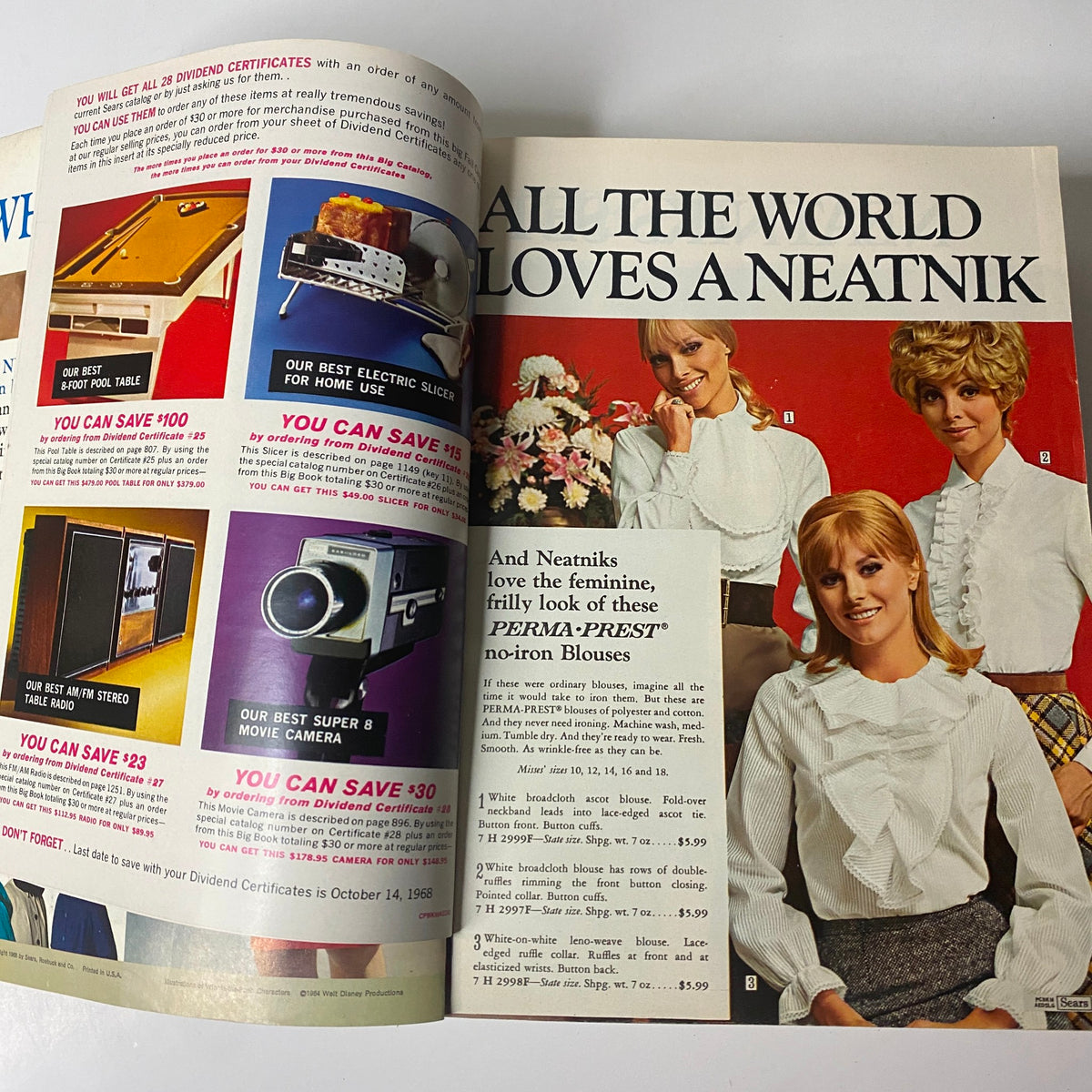
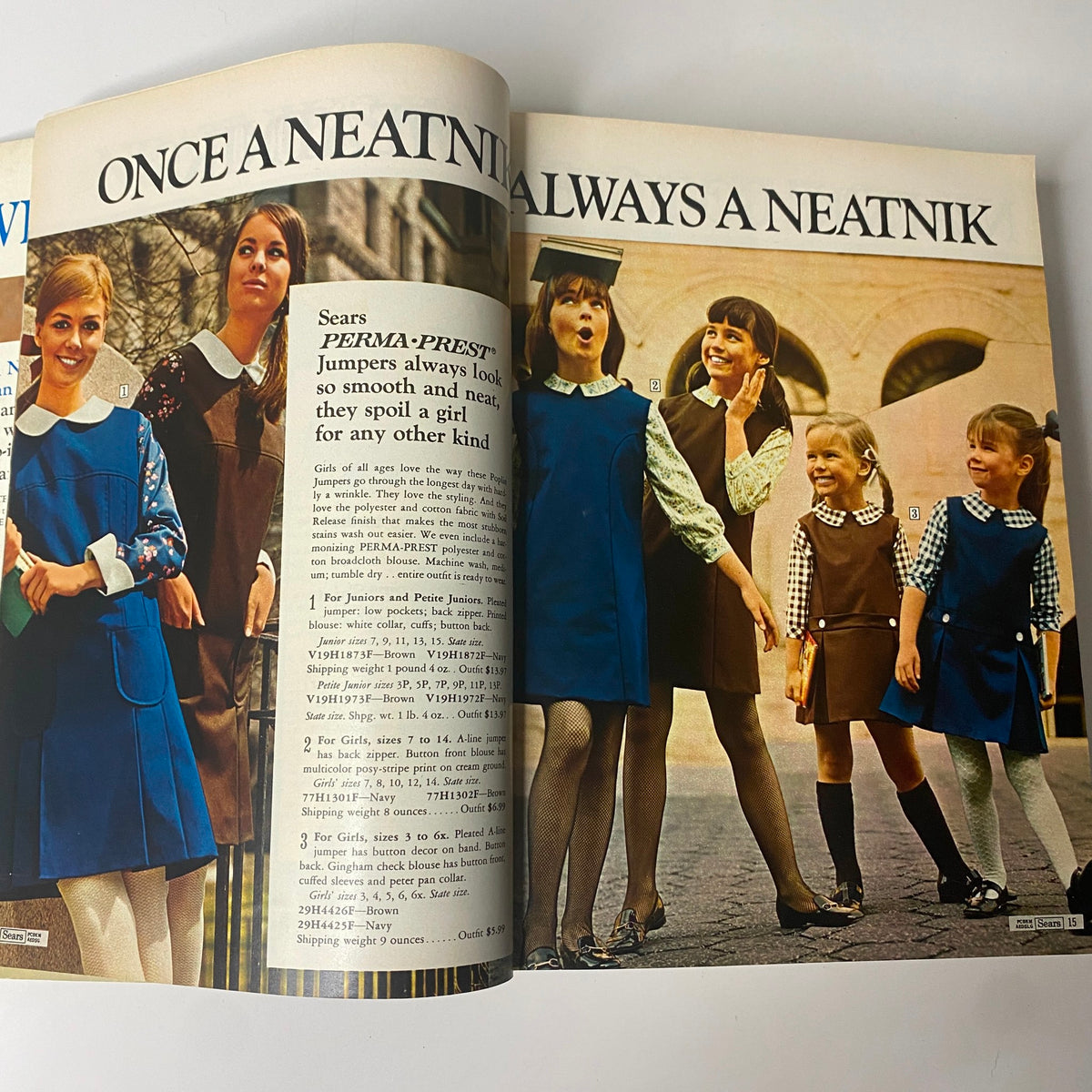
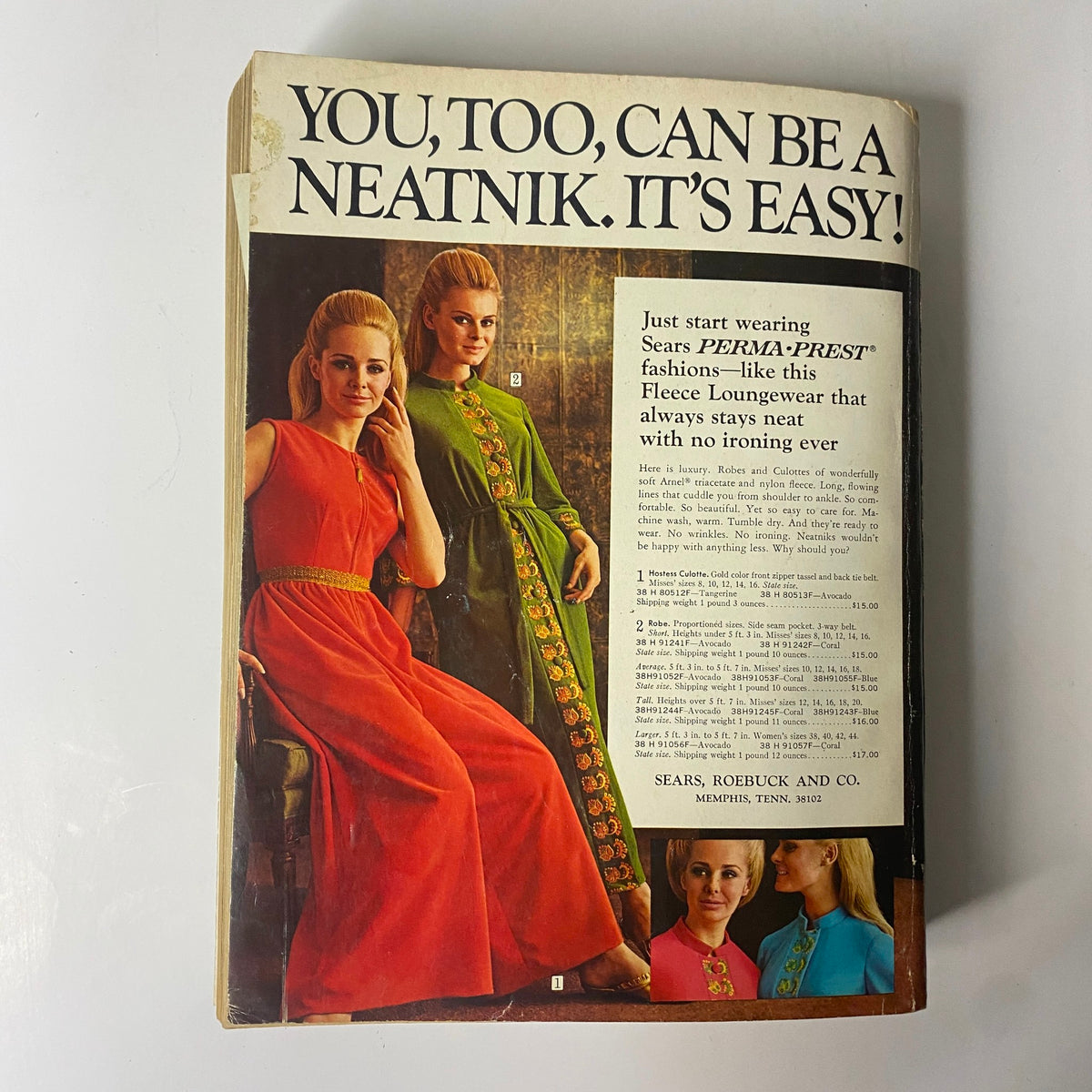
- Mini skirts and A-line coats — mod aesthetic at mass-market peak documented — The confirmed mini skirts and A-line coats in a fall-winter 1968 Sears catalog preserve primary commercial evidence of the decade's most dramatic aesthetic revolution at its broadest mainstream American retail penetration, documenting the specific silhouettes, lengths, and styling vocabulary of the mod era's fullest expression in the commercial terms of the country's largest catalog retailer.
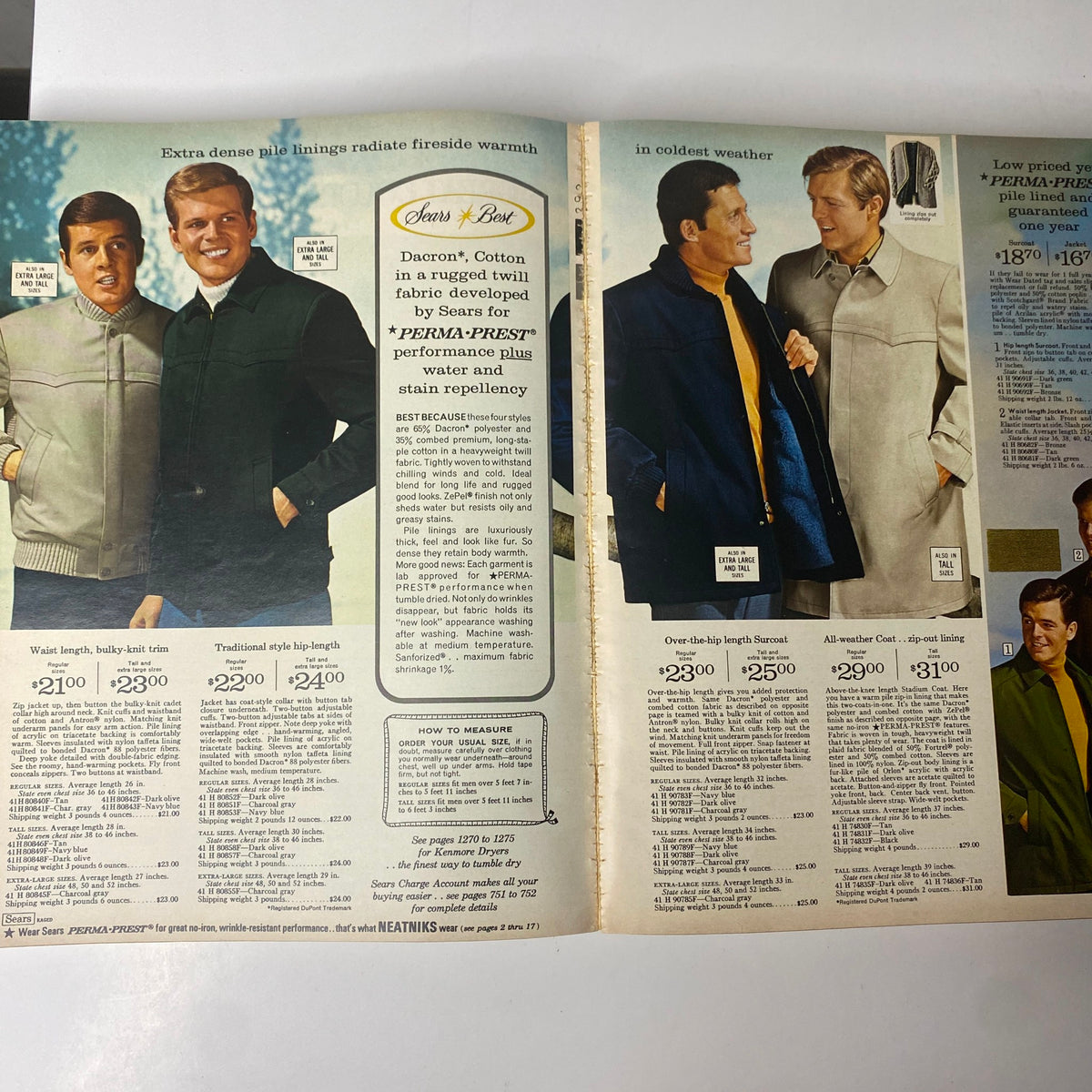
- Holiday outfits for the whole family — late-1960s occasion dressing documented — The confirmed family holiday outfit content preserves primary commercial evidence of the specific visual vocabulary of late-1960s American holiday occasion dressing, documenting the coordinated family gift-giving and festive clothing culture that the fall-winter catalog's most commercially significant season generated at the decade's most historically charged moment.
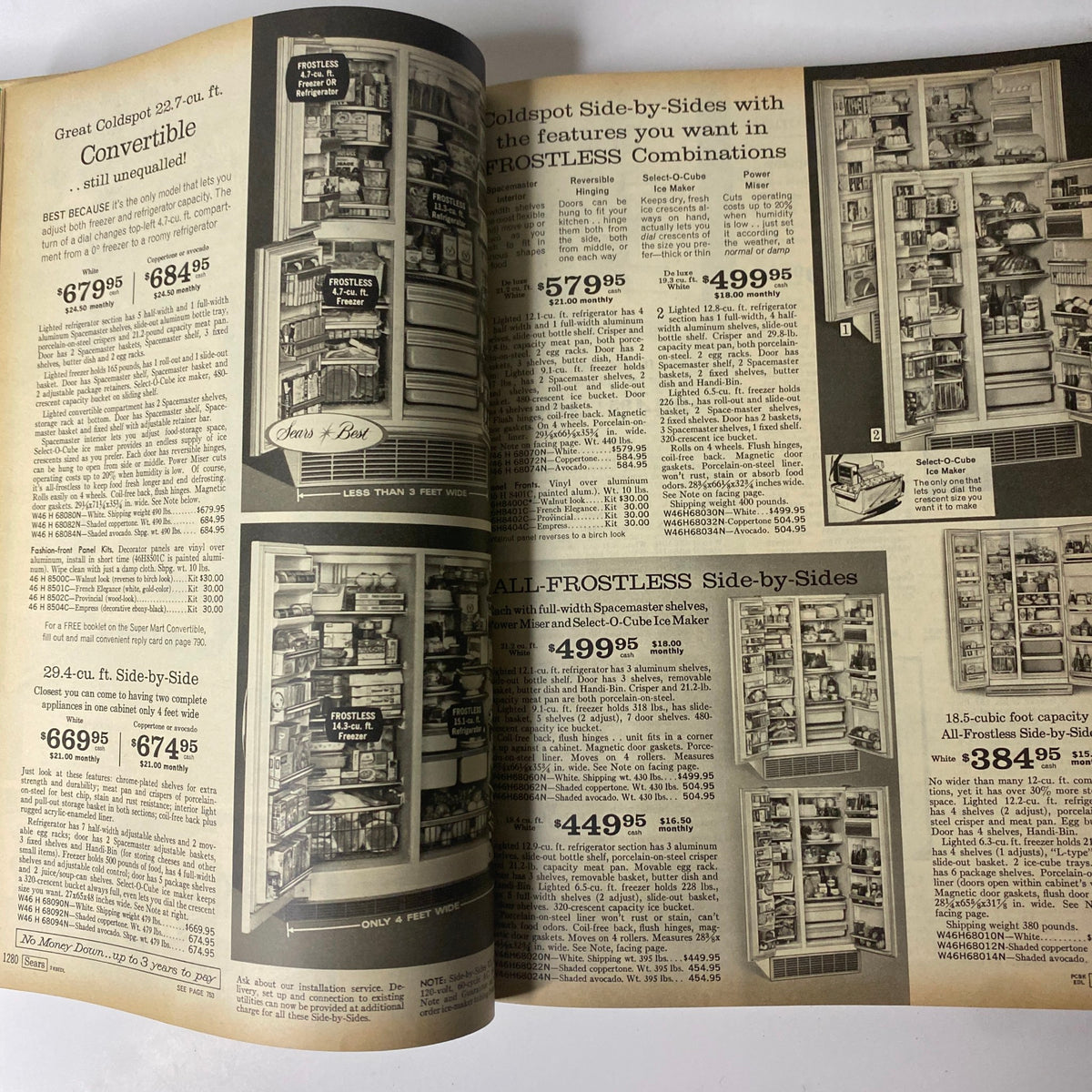
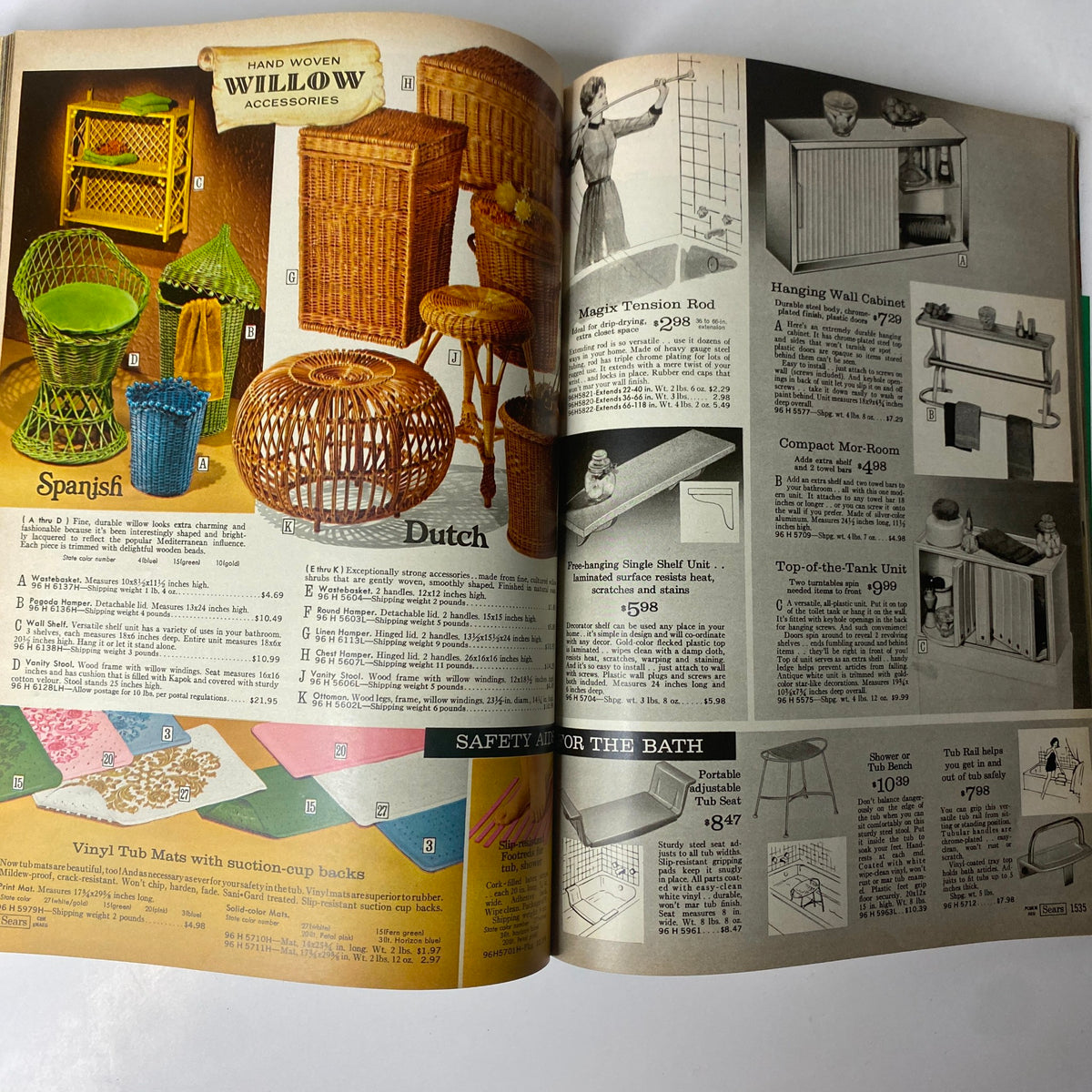
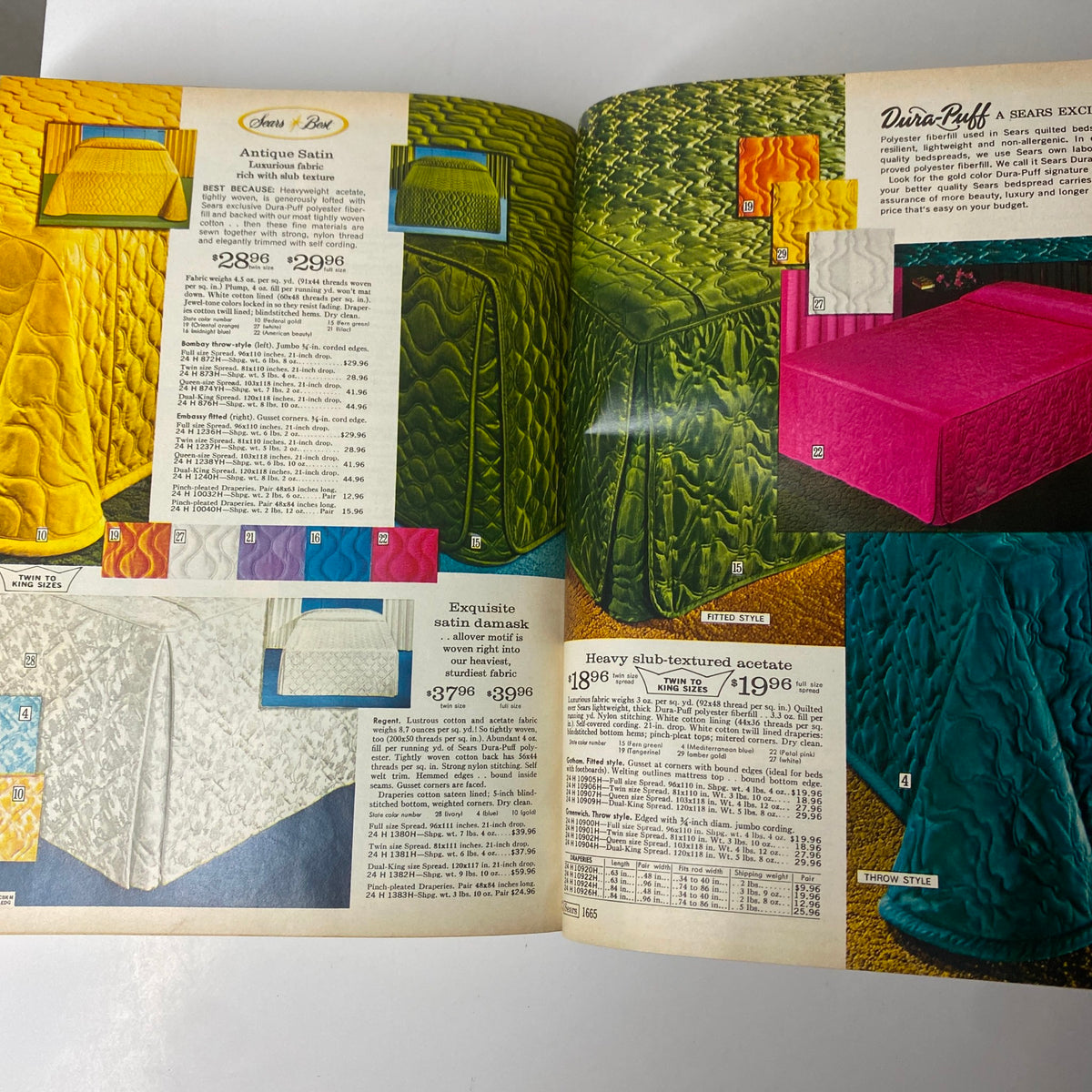
- Mid-century modern furniture — domestic design at mainstream retail peak documented — The confirmed mid-century modern furniture content preserves primary commercial documentation of the design vocabulary's most broadly accessible American retail expression, documenting what the mass-market Sears version of mid-century modern looked like, cost, and was marketed as in the fall and winter of 1968.
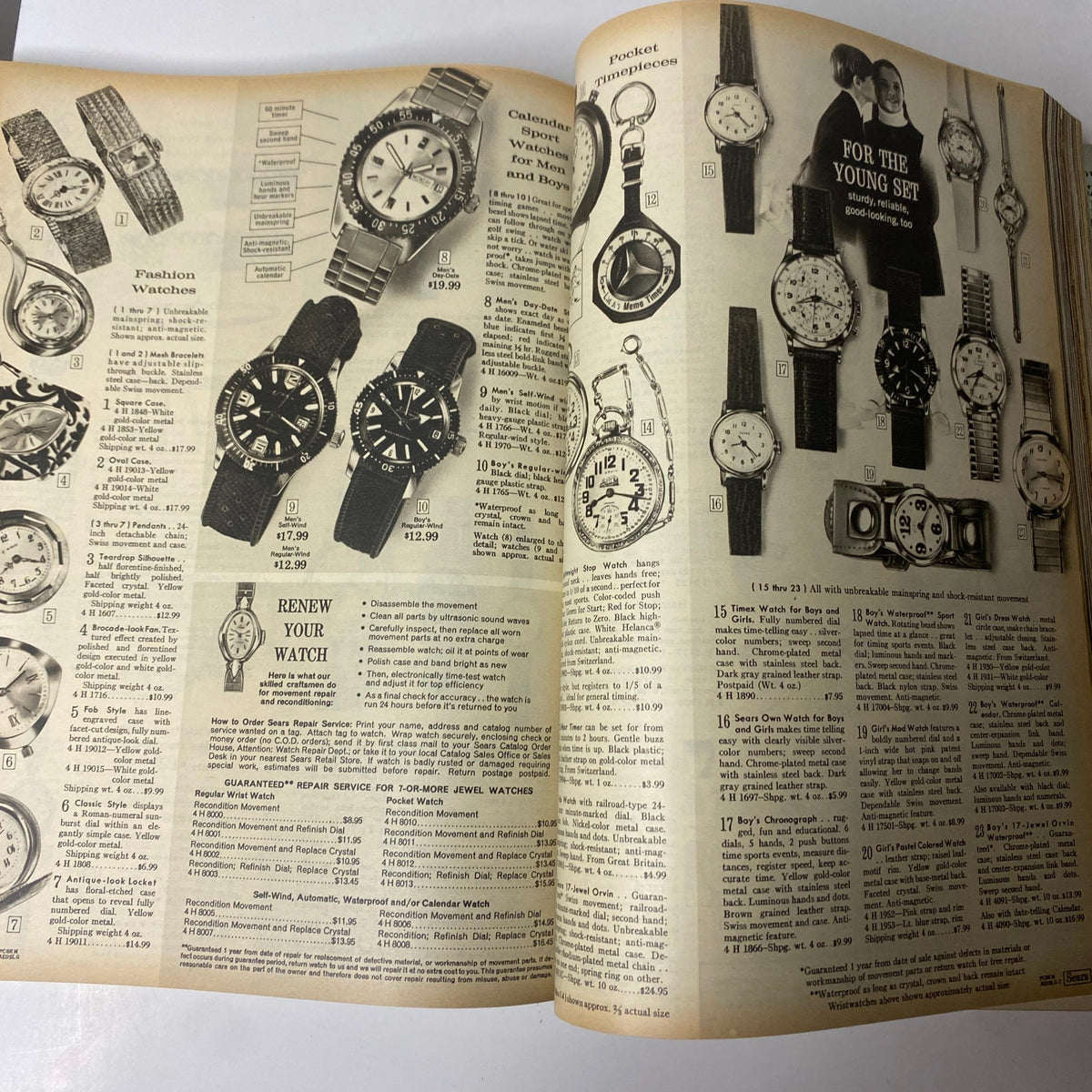
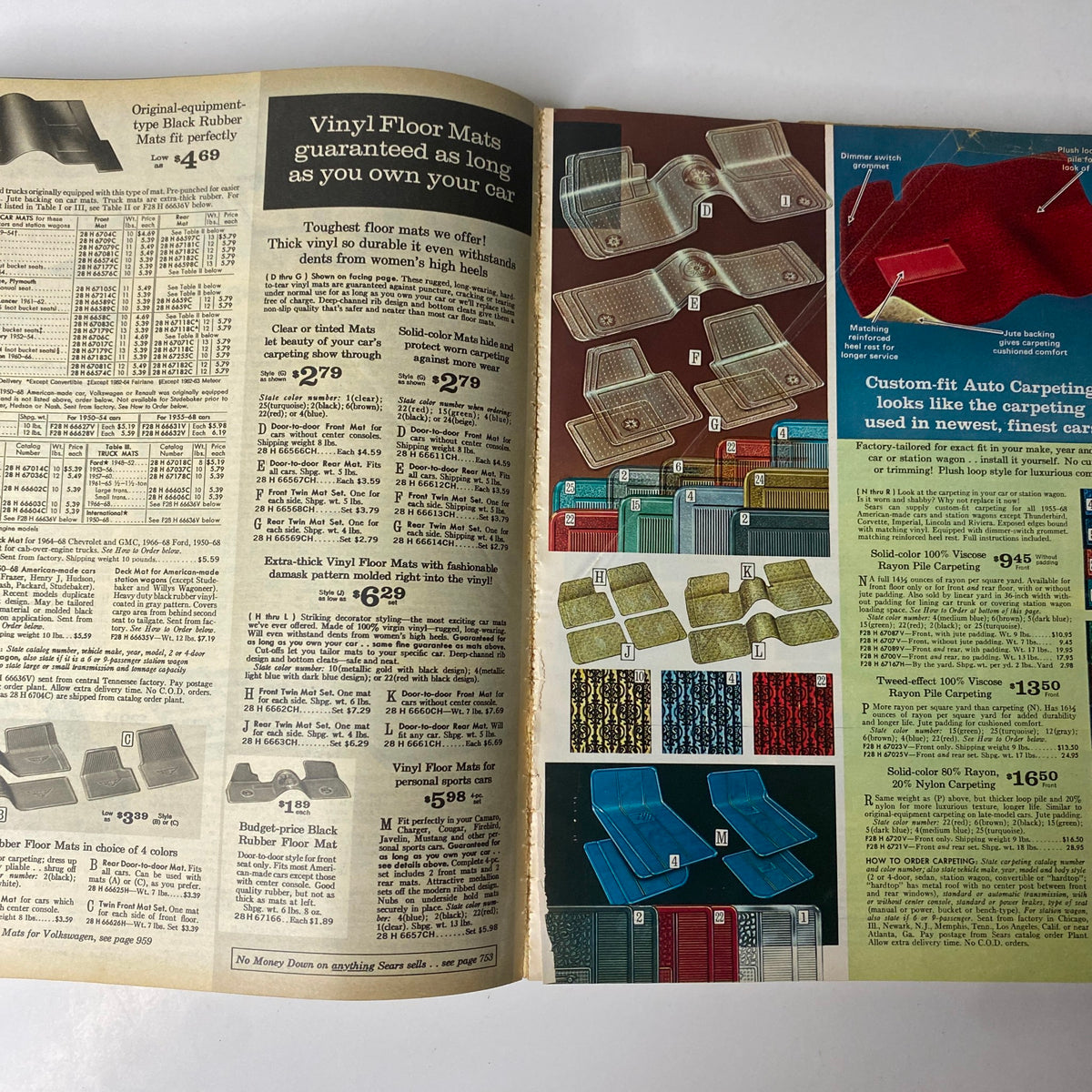
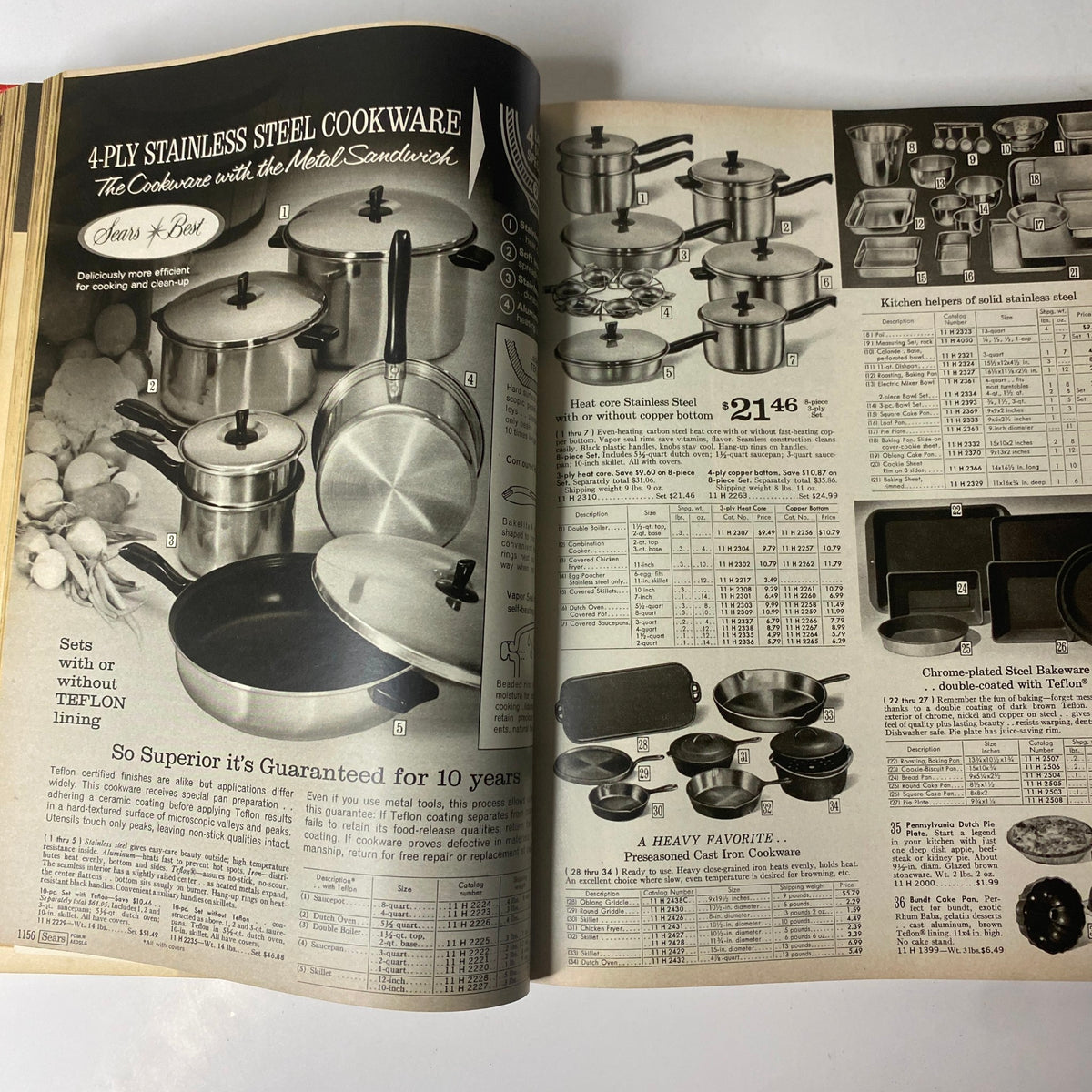
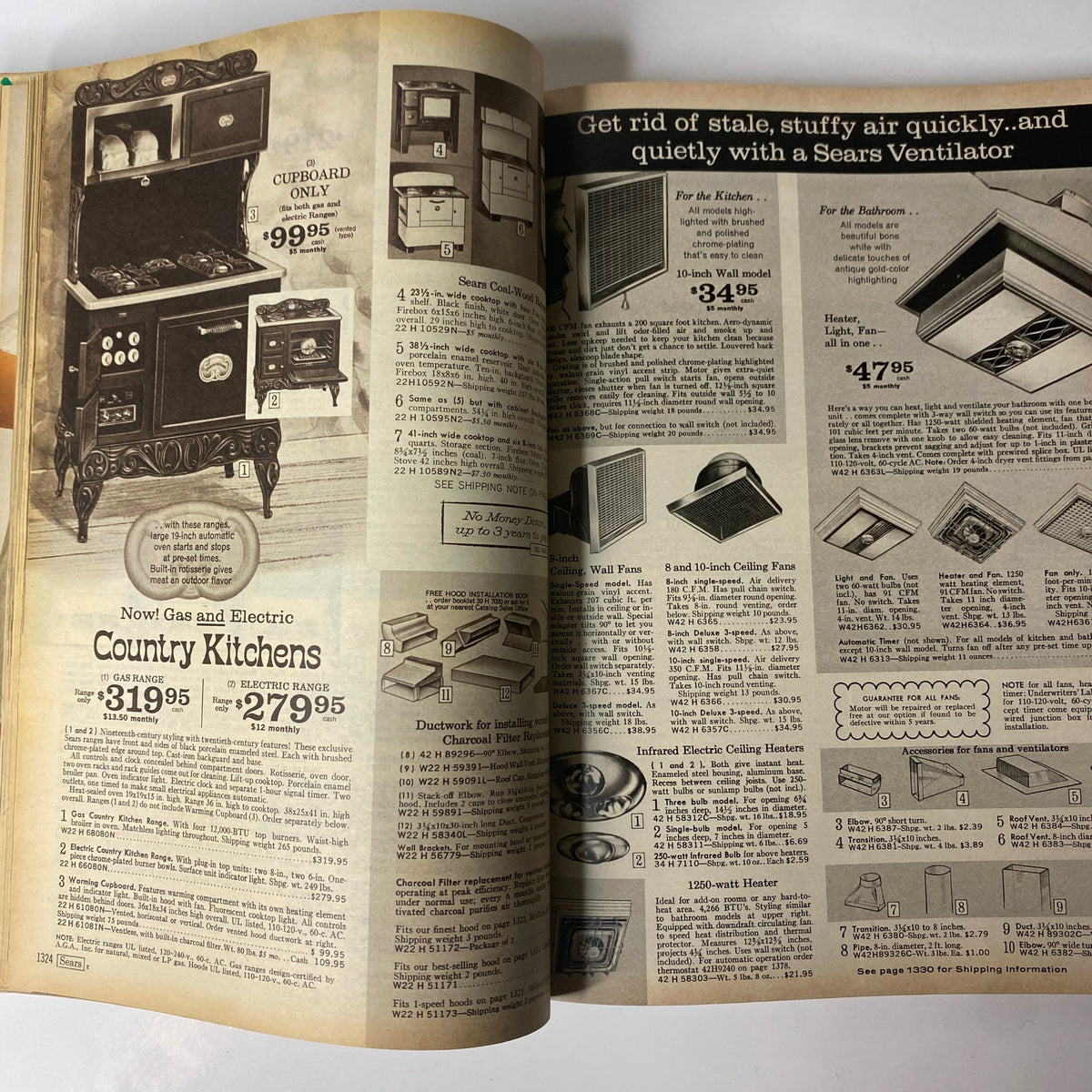
- Appliances and seasonal goods — 1968 American domestic technology documented — The confirmed appliance and seasonal product content preserves primary commercial documentation of the consumer technology and seasonal goods being offered to American households in the fall and winter of 1968, providing primary evidence for historians of consumer electronics, domestic appliance development, and the specific seasonal retail culture of the late-1960s American market.
- Note: Specific brand names, individual product models, pricing details, and the complete catalog contents beyond the confirmed fashion and furniture categories have not been independently verified beyond the listing description. The highlights above reflect what is documentable from the listing and the well-established historical context of Sears' 1968 fall-winter catalog format.
Condition & Rarity
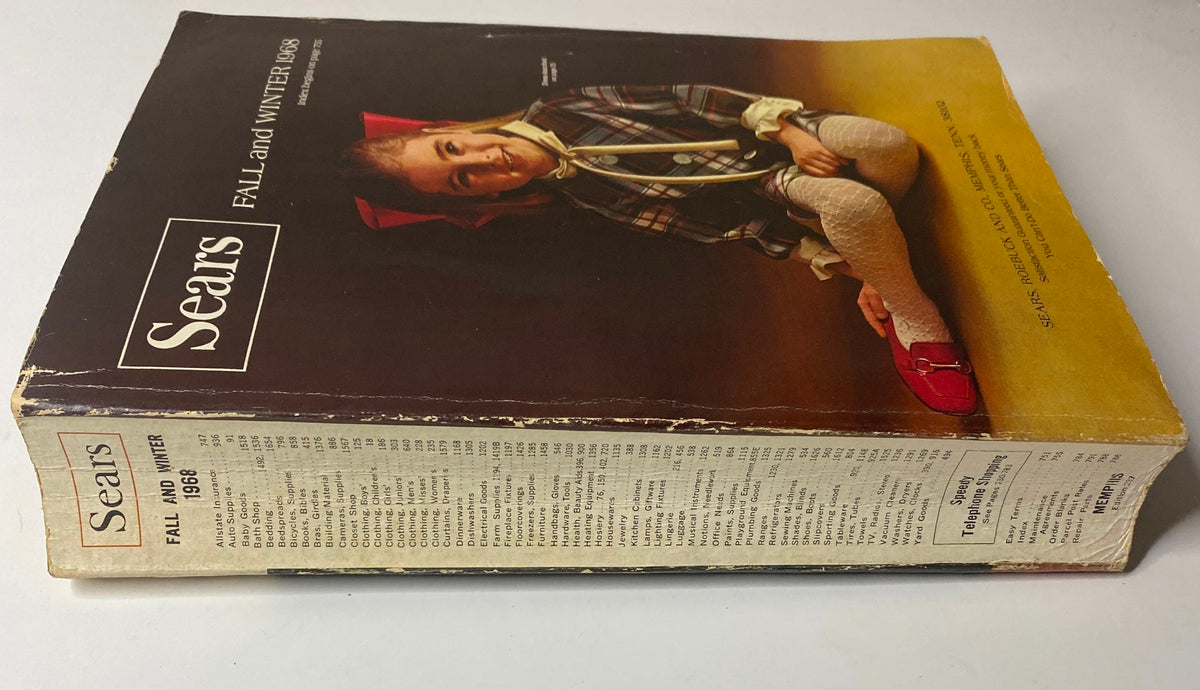
This catalog is described as being in good condition with minor wear consistent with its age, protected by a plastic covering, with the listing confirming that the photographed item is exactly what will be received — an honest and representative condition profile for a large-format fall-winter Sears catalog now approaching sixty years old. Good condition with minor wear indicates consistent storage care that has avoided the more severe deterioration affecting the lower end of the surviving pool for publications of this age and format. The plastic protective covering indicates deliberate preservation care. The listing does not specify whether an address label is present on the cover, which is worth verifying from the accompanying photographs — Sears distributed this catalog by direct mail to registered customer households, and labeled copies are the norm among survivors, with label-free examples presenting with cleaner cover surfaces. The 1968 fall-winter edition's confirmed bold mod fashion content — mini skirts, A-line coats — gives it a specific collector and display appeal within the broader Sears catalog archive, making the condition of the fashion photography pages particularly relevant for collectors whose interest is primarily visual and aesthetic.
Looking for More Issues Like This?
Sears fall-winter catalogs from 1968 — documenting the mod aesthetic at its mass-market commercial peak, mid-century modern furniture in its broadest popular accessibility, and the full range of American domestic consumer life during one of the most historically turbulent years of the twentieth century — are sought by fashion historians, design researchers, consumer culture scholars, and Sears catalog completionists who recognize these editions as among the most historically rich and most aesthetically distinctive in the company's publishing history. If this 1968 fall-winter edition is no longer available, the Sears catalog collection at OriginalMagazines.com is the most comprehensive resource for exploring what else has surfaced from this foundational American retail publishing tradition. For collectors building a broader documentary picture of American consumer life and popular culture during one of the most consequential and aesthetically extraordinary years of the twentieth century, the 1968 magazines collection brings together a wide range of primary source material from that extraordinary year.