
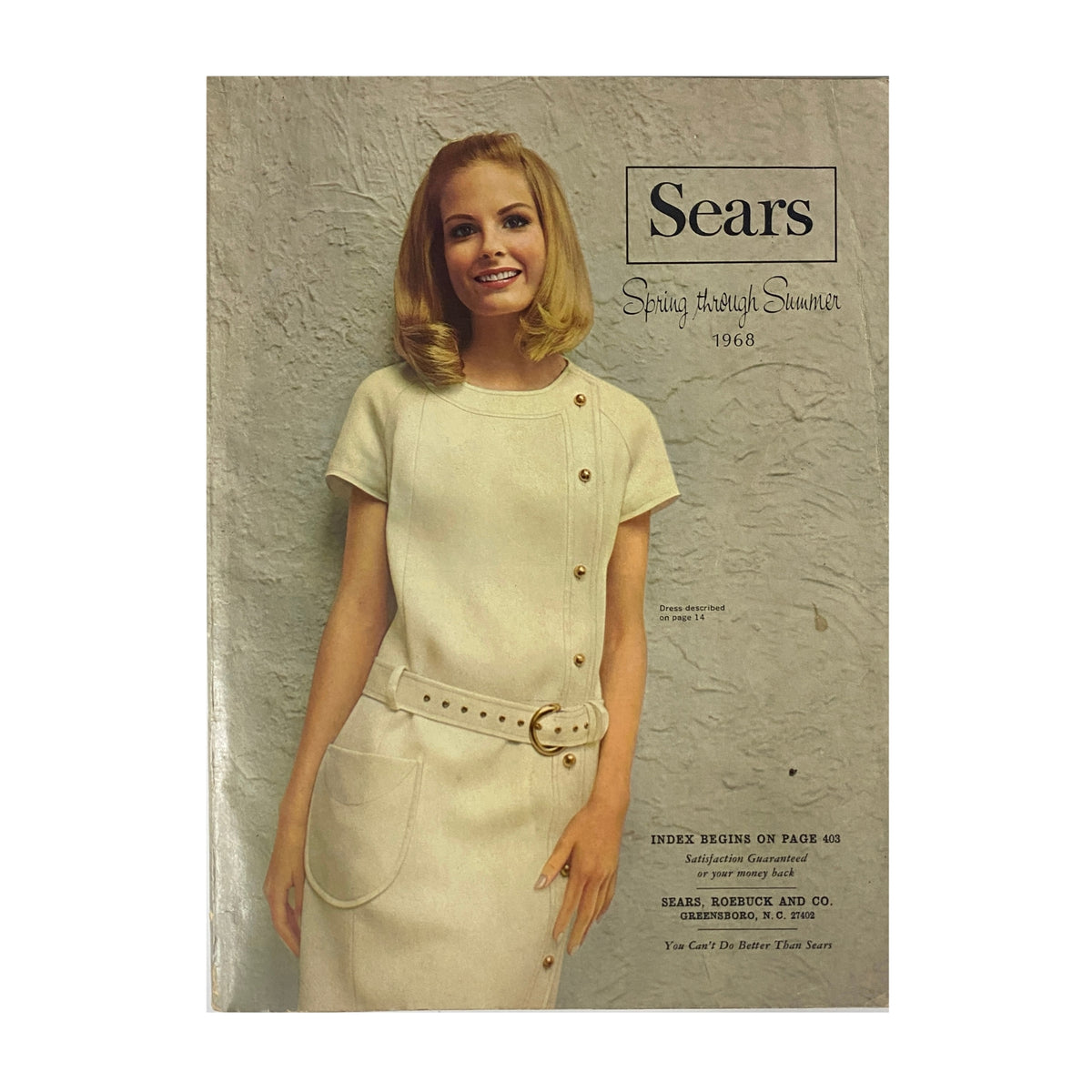
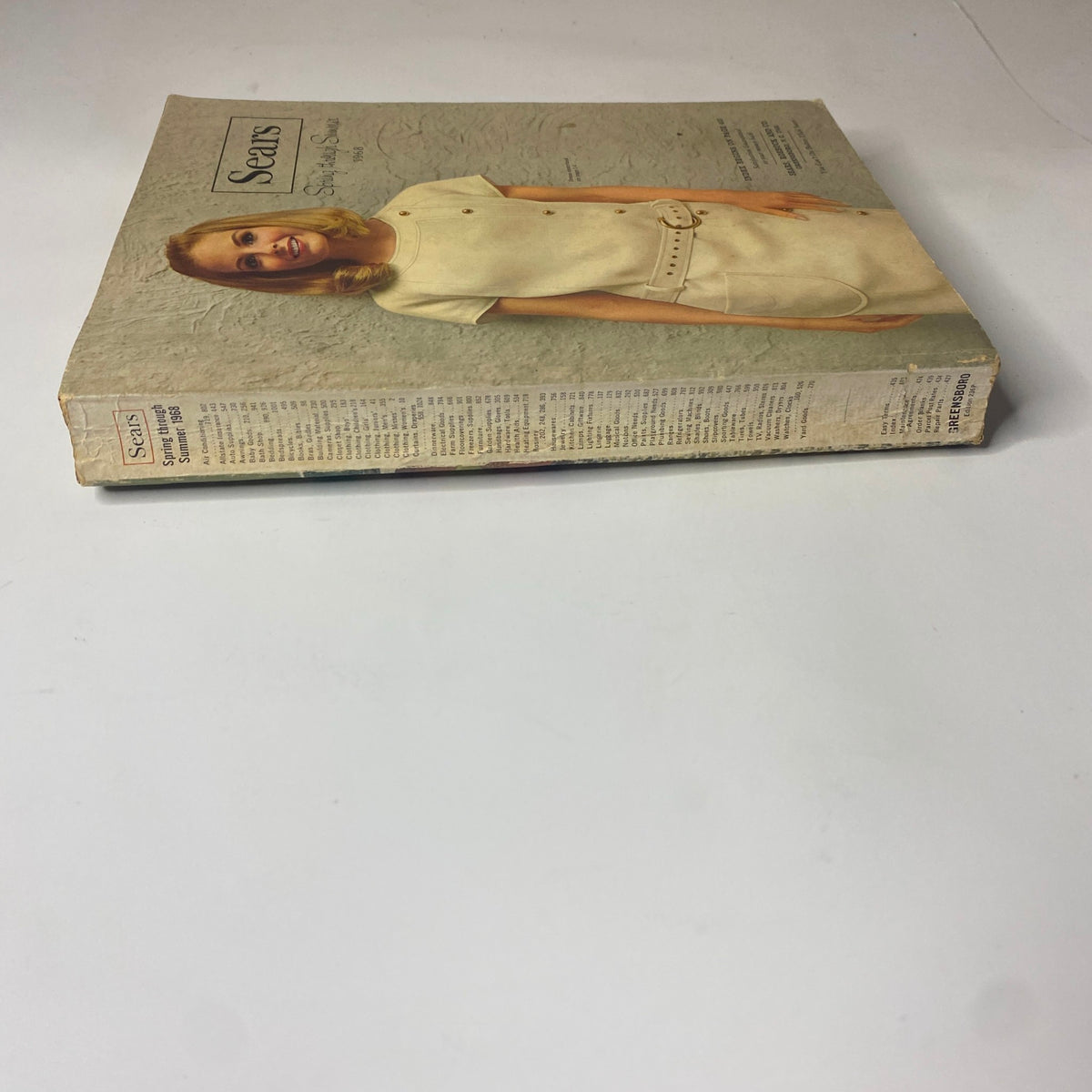


Description
Collector's Note – Why This Issue Matters
The 1968 Sears Spring Through Summer Catalog is a primary document of American consumer culture at one of the most turbulent and culturally consequential seasons in the nation's modern history. The spring and summer of 1968 compressed an extraordinary sequence of events into a few months: the Tet Offensive in January had shattered public confidence in the Vietnam War, Martin Luther King Jr. was assassinated on April 4, Robert F. Kennedy on June 5, and the Democratic National Convention in Chicago in August produced televised scenes of police confrontation with antiwar protesters that shocked the nation. A Sears Spring Through Summer catalog distributed into American households across these specific months is a primary document of the domestic consumer culture that existed in parallel with — and in some ways insulated ordinary American life against — that surrounding upheaval. The confirmed fashion and home goods content captures American consumer aspiration at the precise moment the decade's optimism was fracturing, making it a more historically layered document than the adjacent 1967 or 1969 editions. For collectors building archives of vintage Sears catalogs, the 1968 Spring Through Summer edition sits at the most historically charged single season in the entire mid-century catalog run.
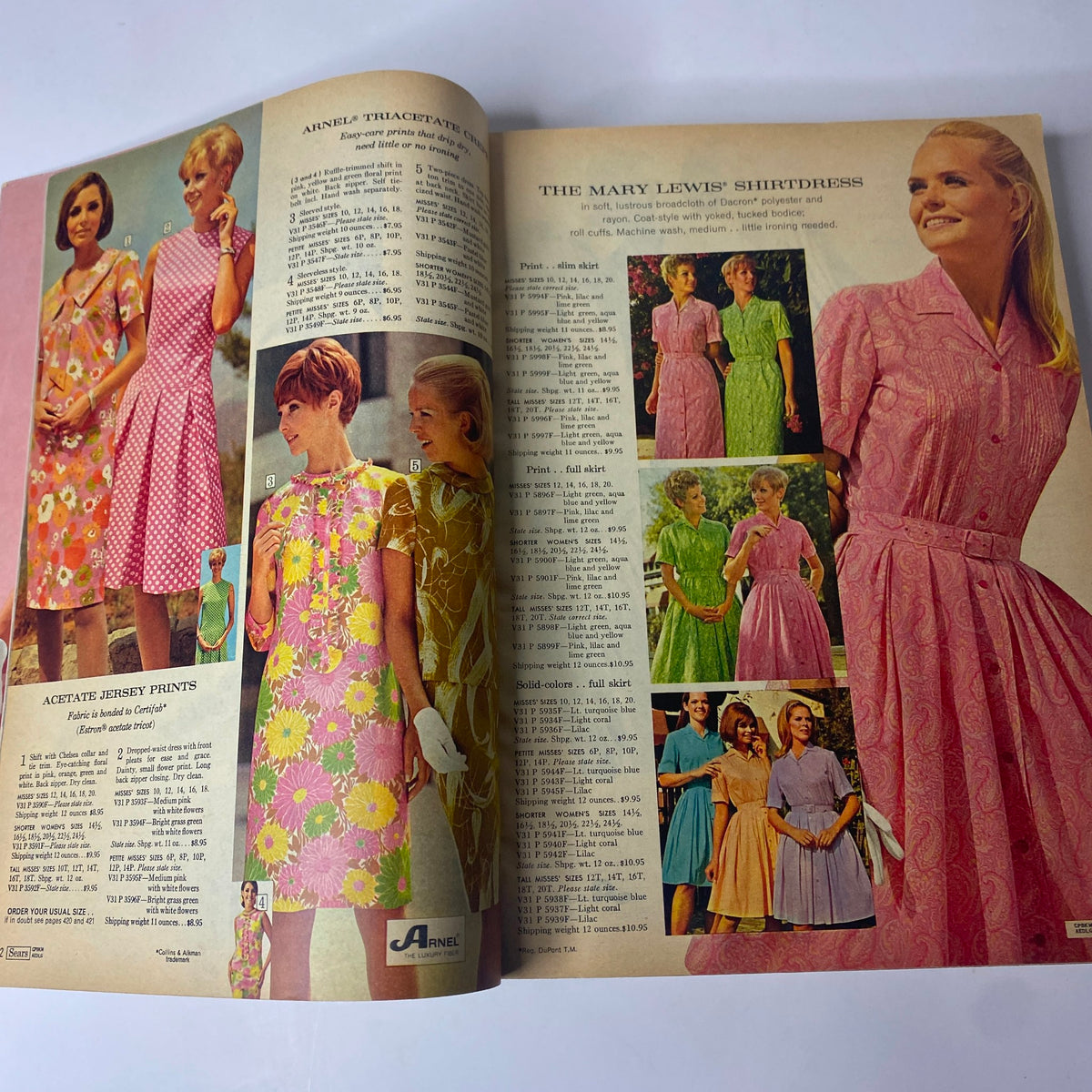
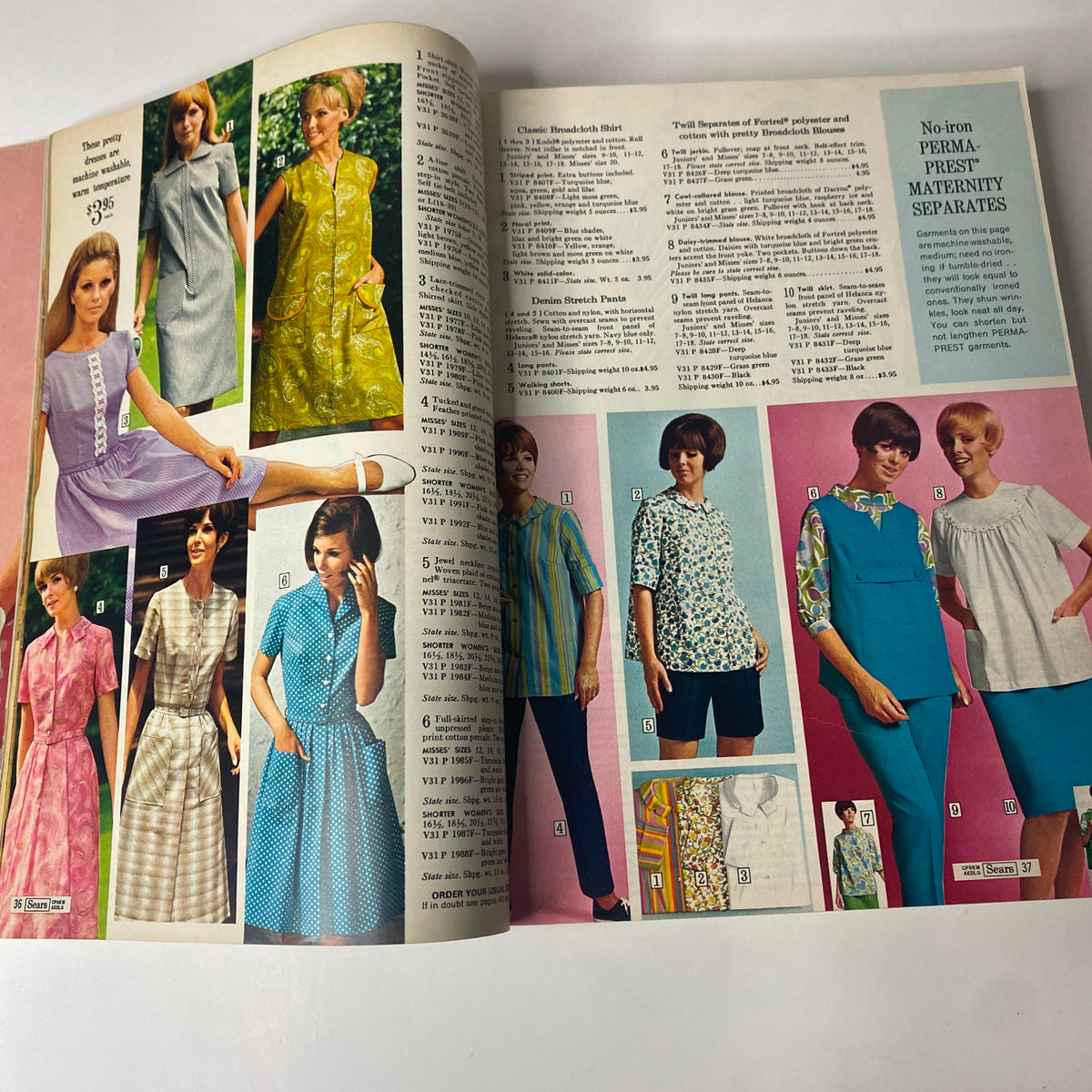
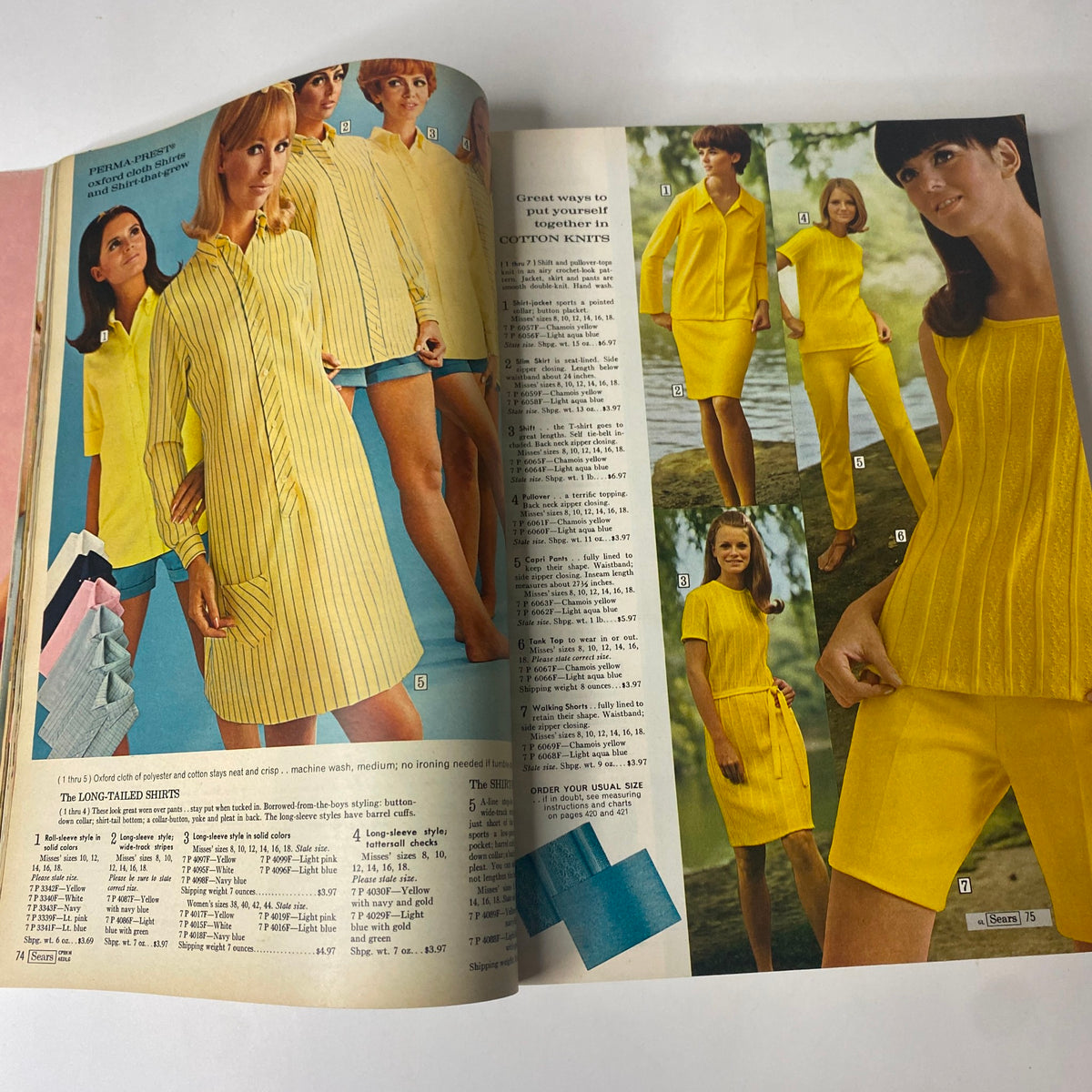
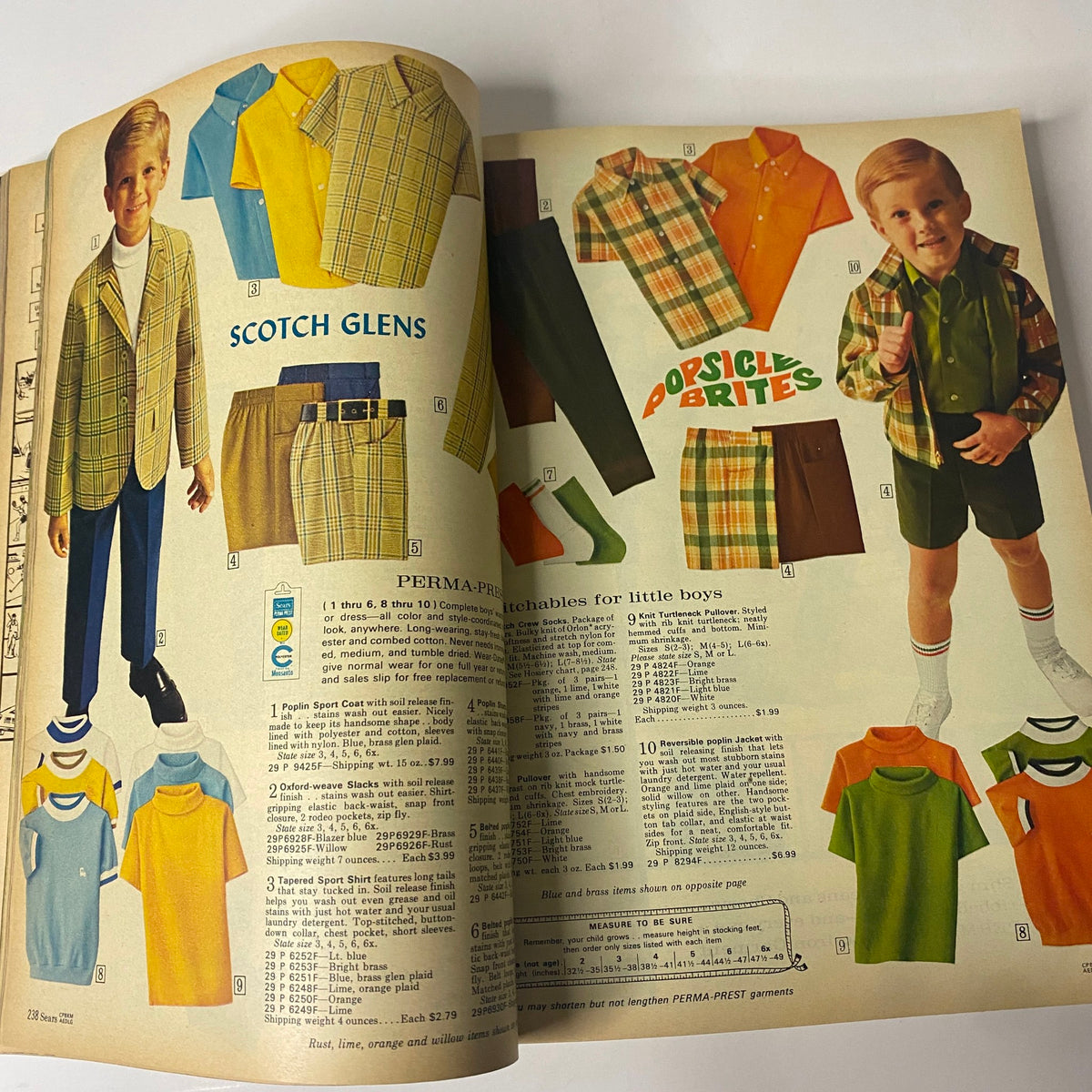
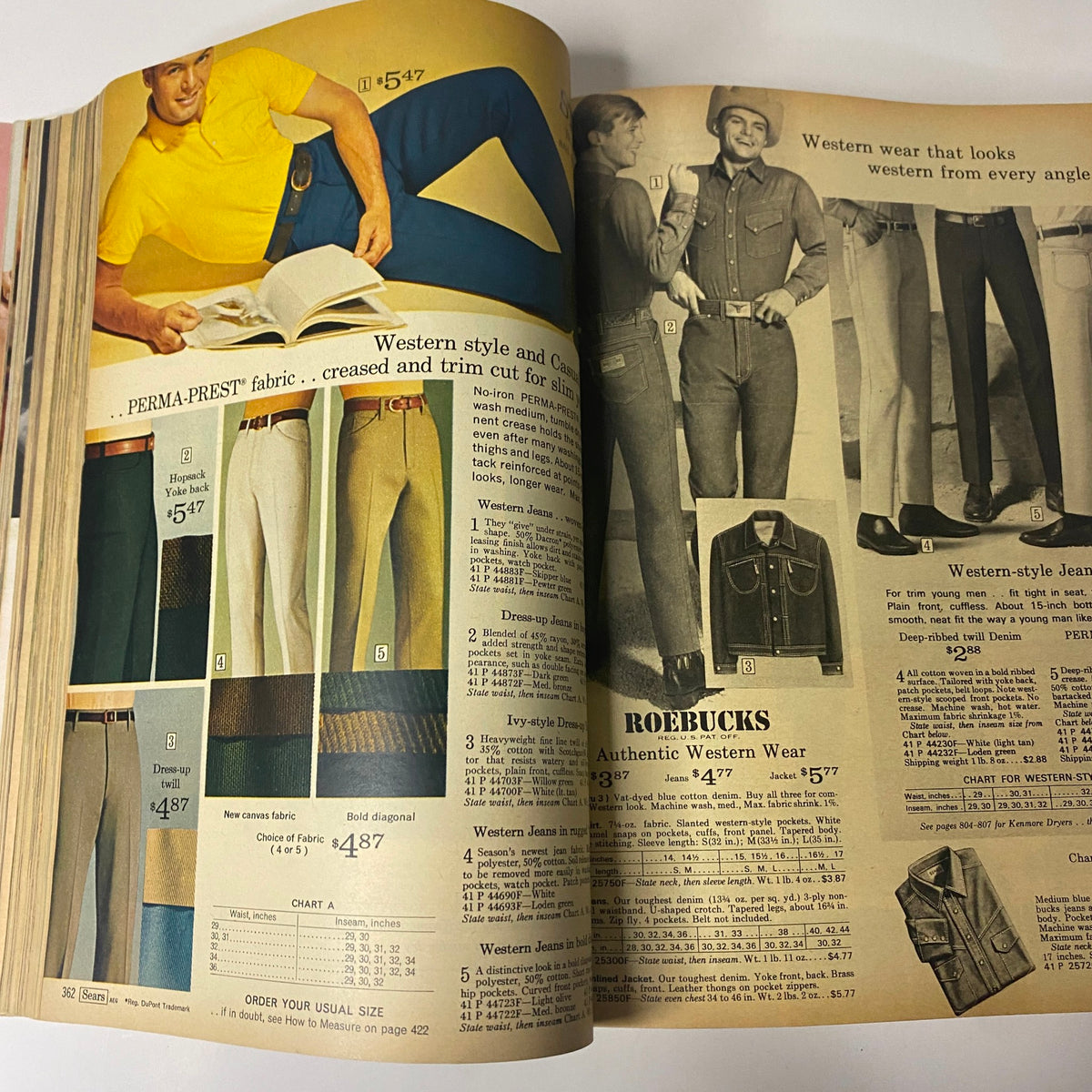
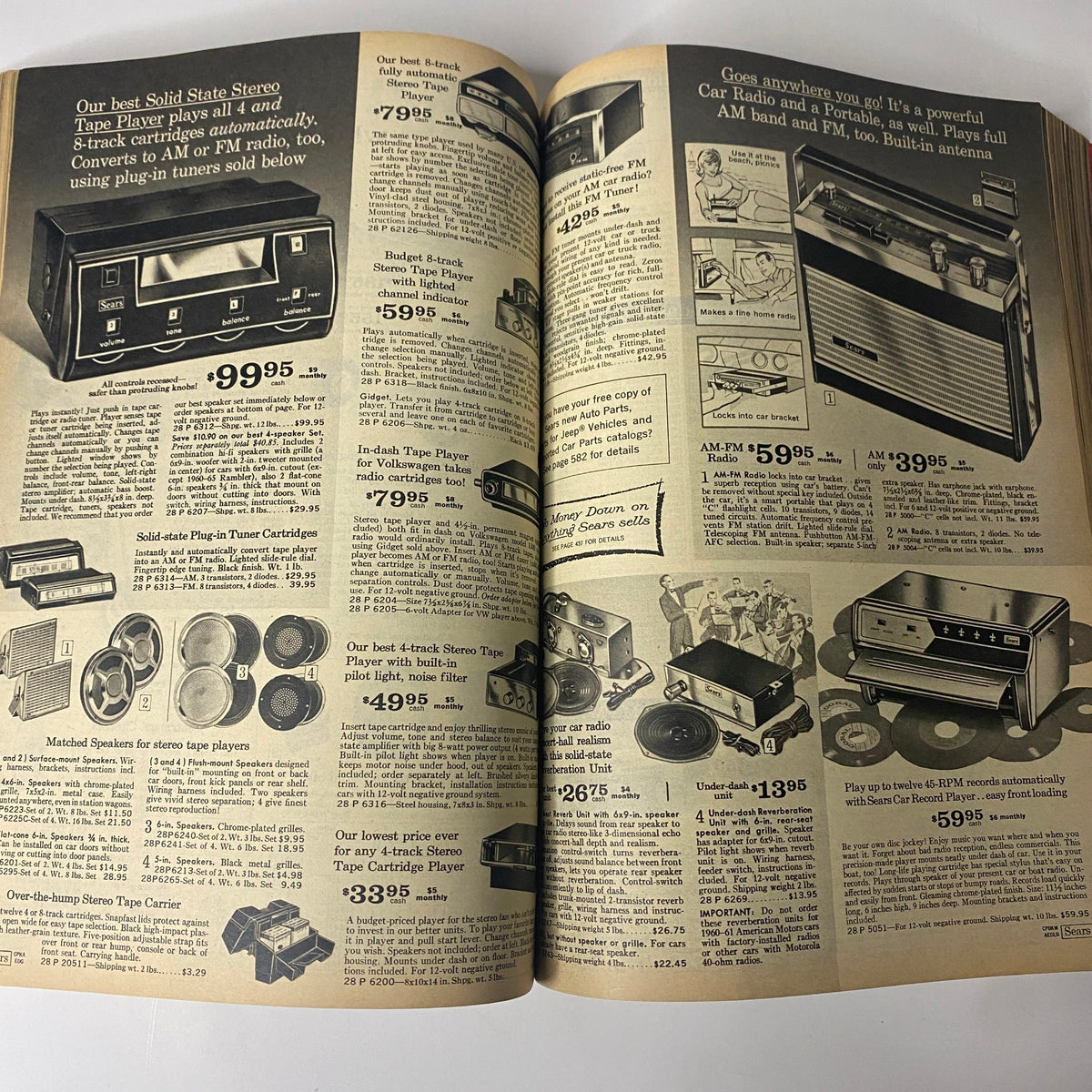
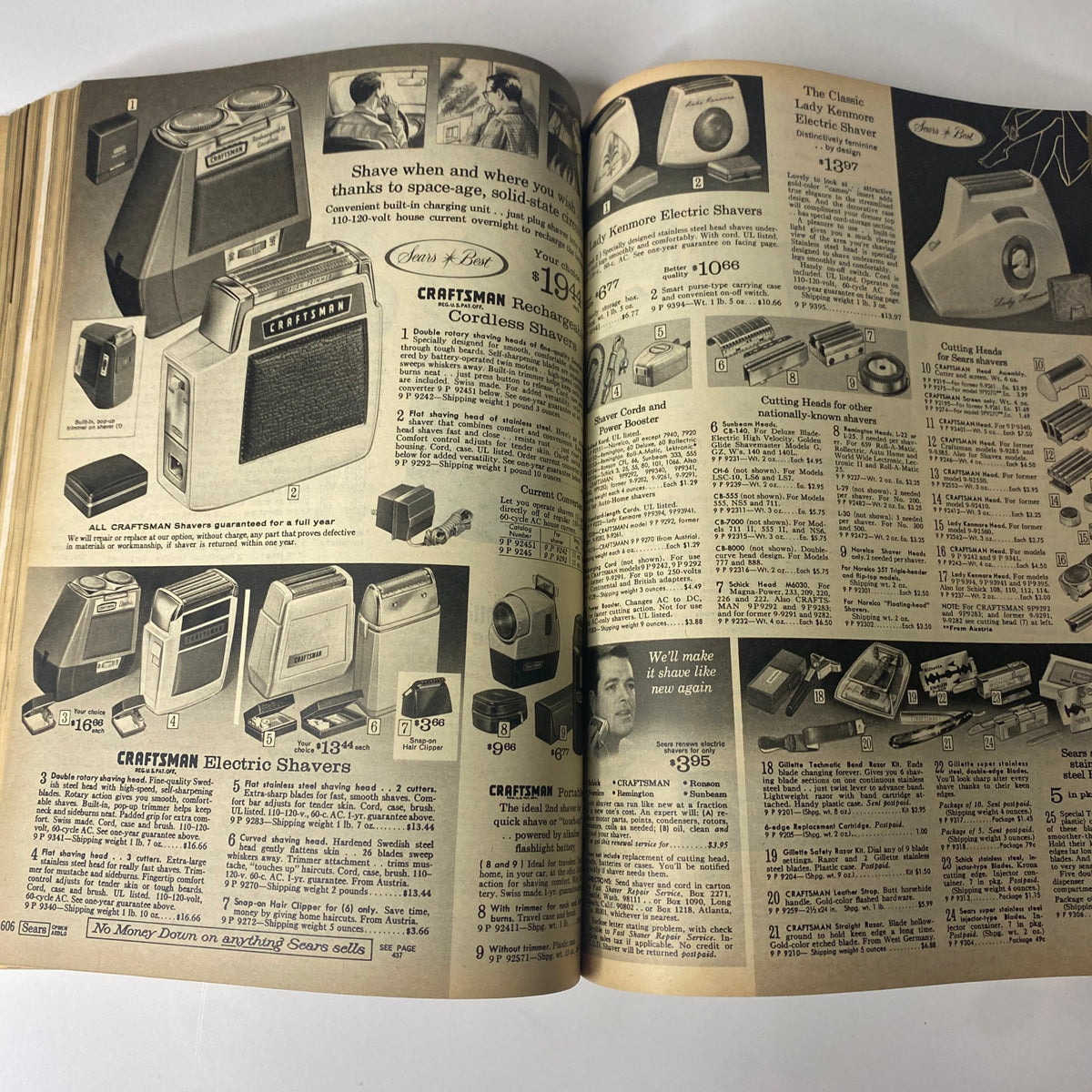
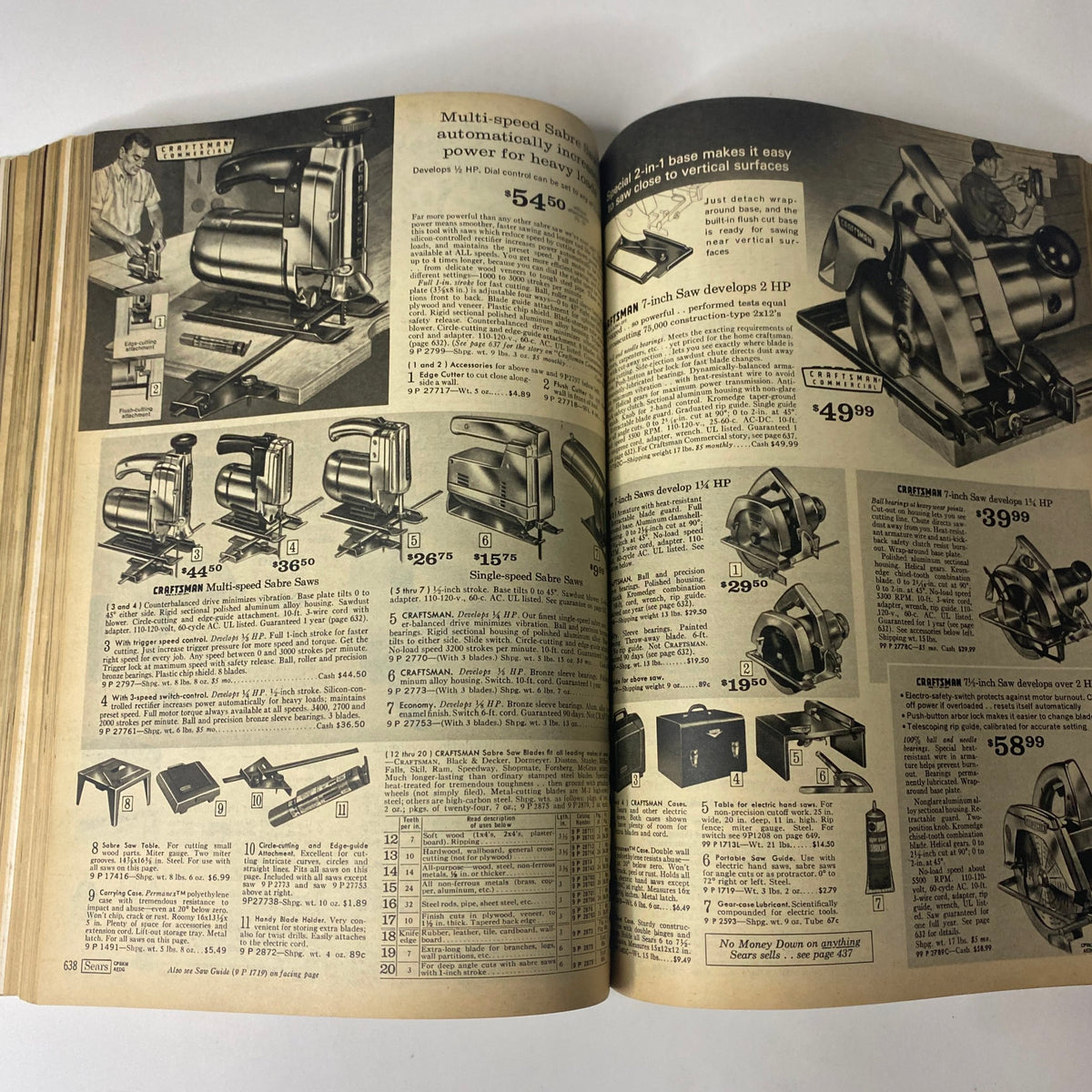
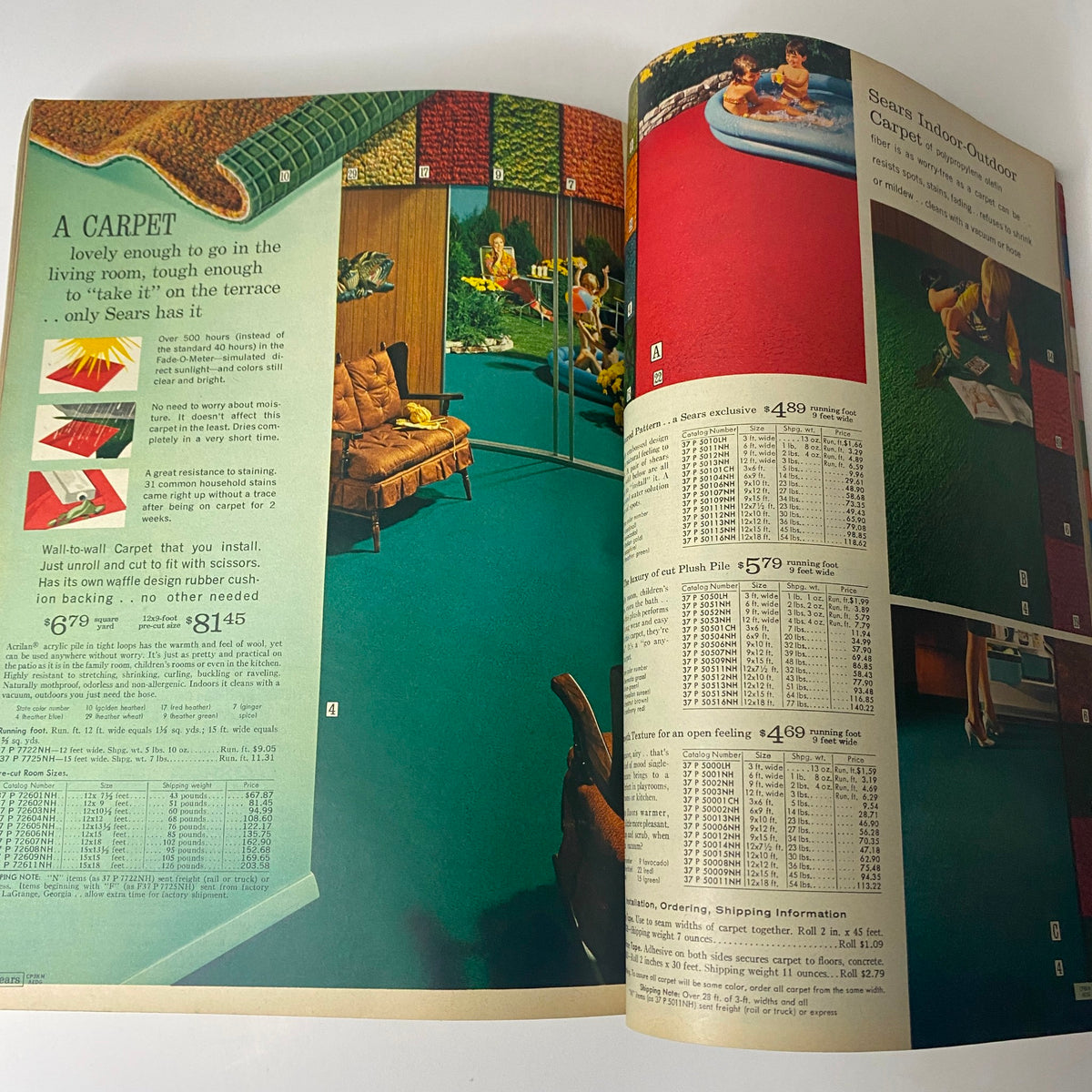
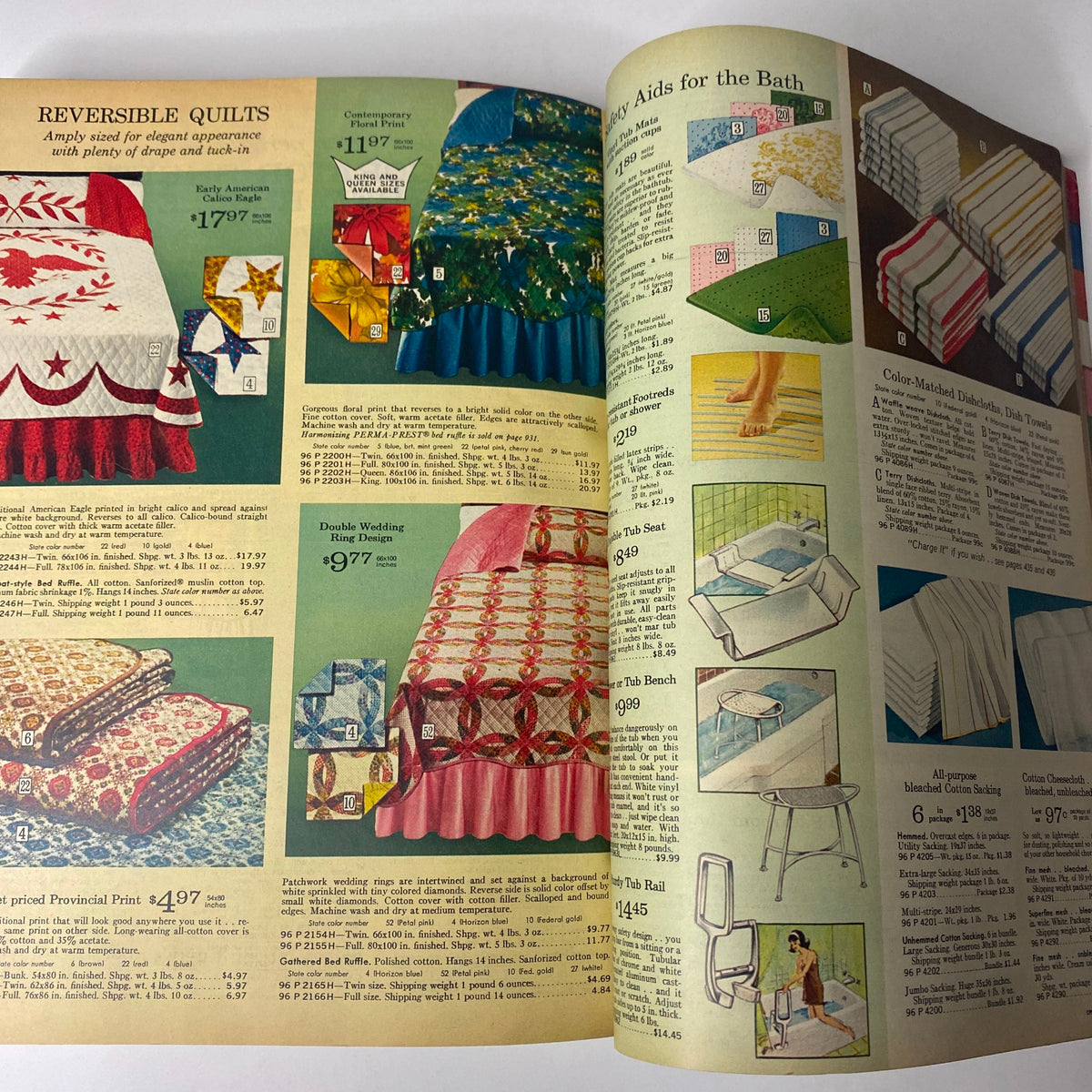
The confirmed fashion content reflects the specific and well-documented stylistic moment of spring 1968 American ready-to-wear with primary source precision. The confirmed women's mod mini dresses and bright floral prints document the peak commercial expression of the mod aesthetic in the American mass market — by 1968, the British-origin mod silhouette had been fully absorbed into the Sears customer base, representing not a trend introduction but a trend at saturation. The confirmed bell-bottoms and men's paisley shirts document the simultaneous emergence of the counterculture-influenced fashion vocabulary that would come to define the late 1960s and early 1970s aesthetic: bell-bottoms had crossed from counterculture into mainstream retail by 1968, and their confirmed presence in a Sears spring catalog is the definitive evidence of that transition. The confirmed mid-century modern furniture, Kenmore appliances, living room and bedroom sets with vibrant patterns, and outdoor summer categories — camping gear, patio sets, bicycles — give this catalog the comprehensive cross-section of American domestic consumer aspiration that makes it primary material beyond its fashion documentation alone. Collectors focused on 1968 publications as documents of American material and cultural history will find this catalog situating the consumer landscape of the year's most turbulent season with a specificity that no other single source provides.
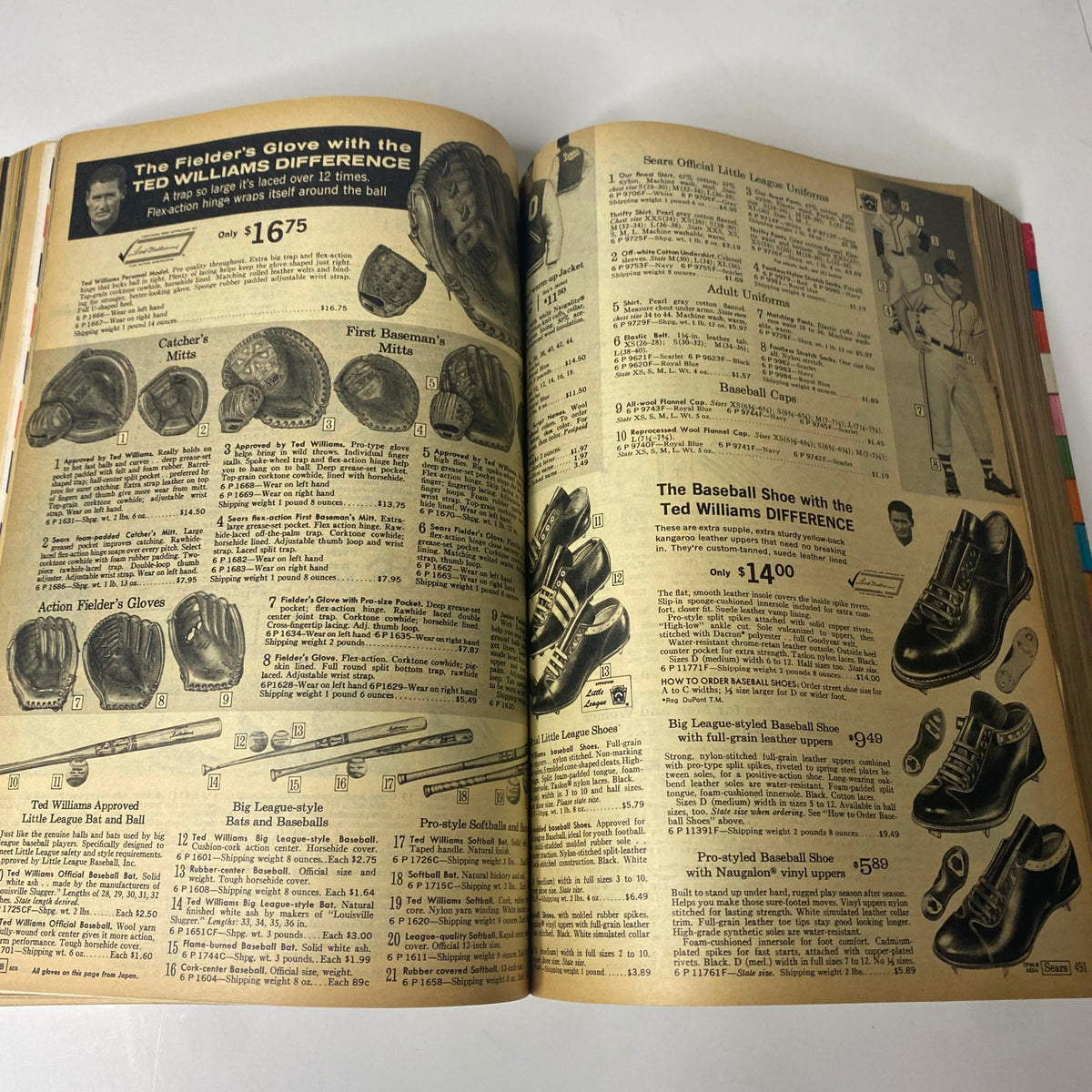
The camping and travel gear and outdoor essentials categories documented in this spring catalog carry a particular 1968 resonance. The confirmed tents, sleeping bags, and summer outdoor merchandise were being marketed to an American public that included a generation of young people for whom outdoor gathering — at festivals, demonstrations, and the informal communities that characterized late-1960s youth culture — had become a defining social form. The 1968 Sears outdoor essentials catalog pages document the mass-market consumer infrastructure of the summer that would culminate, one year later, in Woodstock.
About the Publication
Sears, Roebuck and Co. seasonal mail-order catalogs were large-format illustrated publications issued in Spring/Summer and Fall/Winter editions and distributed to tens of millions of American households, making them among the most widely circulated publications in the country throughout the mid-twentieth century. By 1968, Sears remained the largest American retailer, and its Spring Through Summer catalog addressed the Easter, graduation, and warm-weather consumer seasons in a comprehensive volume whose fashion, home goods, and outdoor merchandise categories together provided a complete cross-section of American consumer aspiration for the season. Its audience was the broad American household market, with particular authority in smaller cities and rural communities, and its catalog selections reflected both national fashion trends and the practical consumer priorities of a readership that used the catalog as a primary rather than supplemental retail resource.
Key Highlights Inside
- Women's mod mini dresses and bright floral prints — confirmed fashion content — Primary retail documentation of the mod aesthetic at its American mass-market saturation point in spring 1968, capturing the silhouette and print conventions of the decade's dominant youth fashion vocabulary at the moment of their fullest commercial penetration into the Sears customer base.
- Bell-bottoms and men's paisley shirts — confirmed fashion content — Documentation of the counterculture-influenced fashion vocabulary crossing into mainstream American retail in spring 1968, with bell-bottoms confirmed in a Sears catalog representing the definitive evidence of that transition from youth subculture to mass-market consumer category.
- Mid-century modern furniture and Kenmore appliances — confirmed home goods content — Late-peak documentation of the clean-lined domestic design aesthetic of the postwar decades, captured at the specific moment just before early-1970s design trends began displacing it with earth tones and natural materials.
- Living room and bedroom sets with vibrant patterns — confirmed content — Primary evidence of the bold color and pattern conventions of late-1960s American domestic design at the mass-market level, reflecting the decade's broader aesthetic embrace of visual intensity in the home environment.
- Camping and travel gear, outdoor essentials — confirmed content — Documentation of the mass-market outdoor consumer infrastructure in the specific season whose cultural trajectory led toward the outdoor gathering culture that would culminate in Woodstock one summer later.
- Spring Through Summer 1968 — most historically charged season in the mid-century catalog run — Distributed across the months of King's assassination, Kennedy's assassination, and the Chicago Democratic Convention, this catalog documents American domestic consumer aspiration in direct parallel with the most concentrated sequence of national trauma the decade produced.
Condition & Rarity
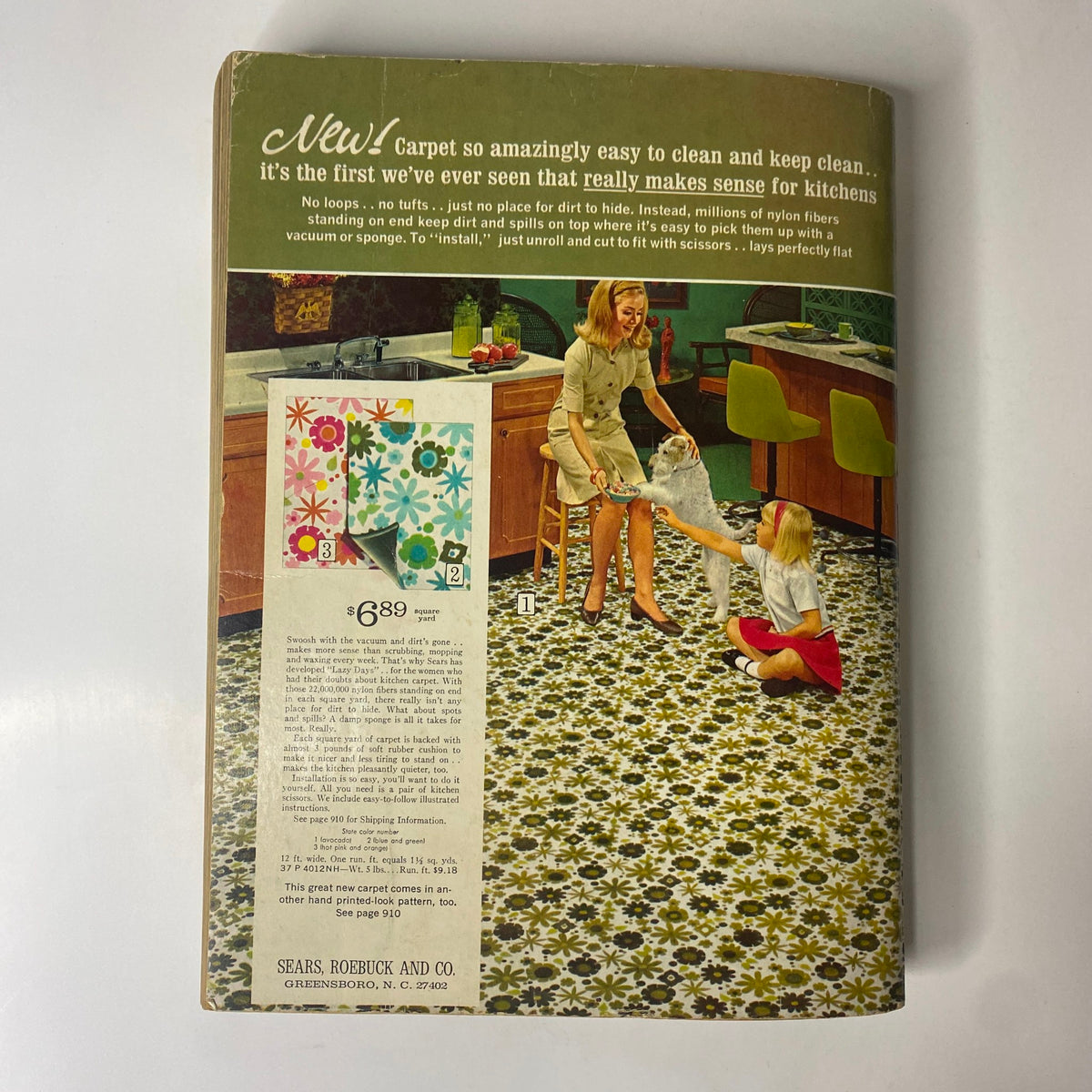
Good condition with minor wear typical for age and plastic protective covering represents a standard mid-grade assessment for a 57-year-old large-format retail catalog designed for sustained household consultation across an entire selling season. Minor wear throughout is the expected characteristic of a copy that has survived active use and storage across nearly six decades rather than archival preservation from the point of distribution. The plastic protective covering indicates deliberate preservation at some point in the catalog's post-use history. The listing does not specify label status; the photographs are the authoritative reference for whether the cover carries an original address label and whether it obstructs the cover imagery — a meaningful distinction for display-oriented collectors. Good condition in a 1968 Sears seasonal catalog implies cover color retention, spine integrity across a substantial page count, and interior page legibility and structural soundness throughout the fashion, home goods, and outdoor categories that define its documentary value.
Looking for More Issues Like This?
Late-1960s Sears Spring and Summer catalogs documenting the simultaneous presence of mod fashion, emerging counterculture aesthetics, and the full range of mid-century domestic consumer goods are among the most culturally layered editions in the entire Sears catalog archive, and the 1968 edition's position at the most historically concentrated single season of the decade gives it a documentary weight that the adjacent 1967 and 1969 editions — significant as they are — do not carry in the same way. The Sears catalog archive at OriginalMagazines.com is the most direct resource for collectors researching other seasonal editions from the 1960s decade and the full arc of mid-century American consumer fashion. For collectors building a broader picture of American material and cultural life in 1968 specifically, the complete 1968 publications collection covers magazines and periodicals from the most historically turbulent year of the postwar decade.