









Description
Collector's Note – Why This Issue Matters
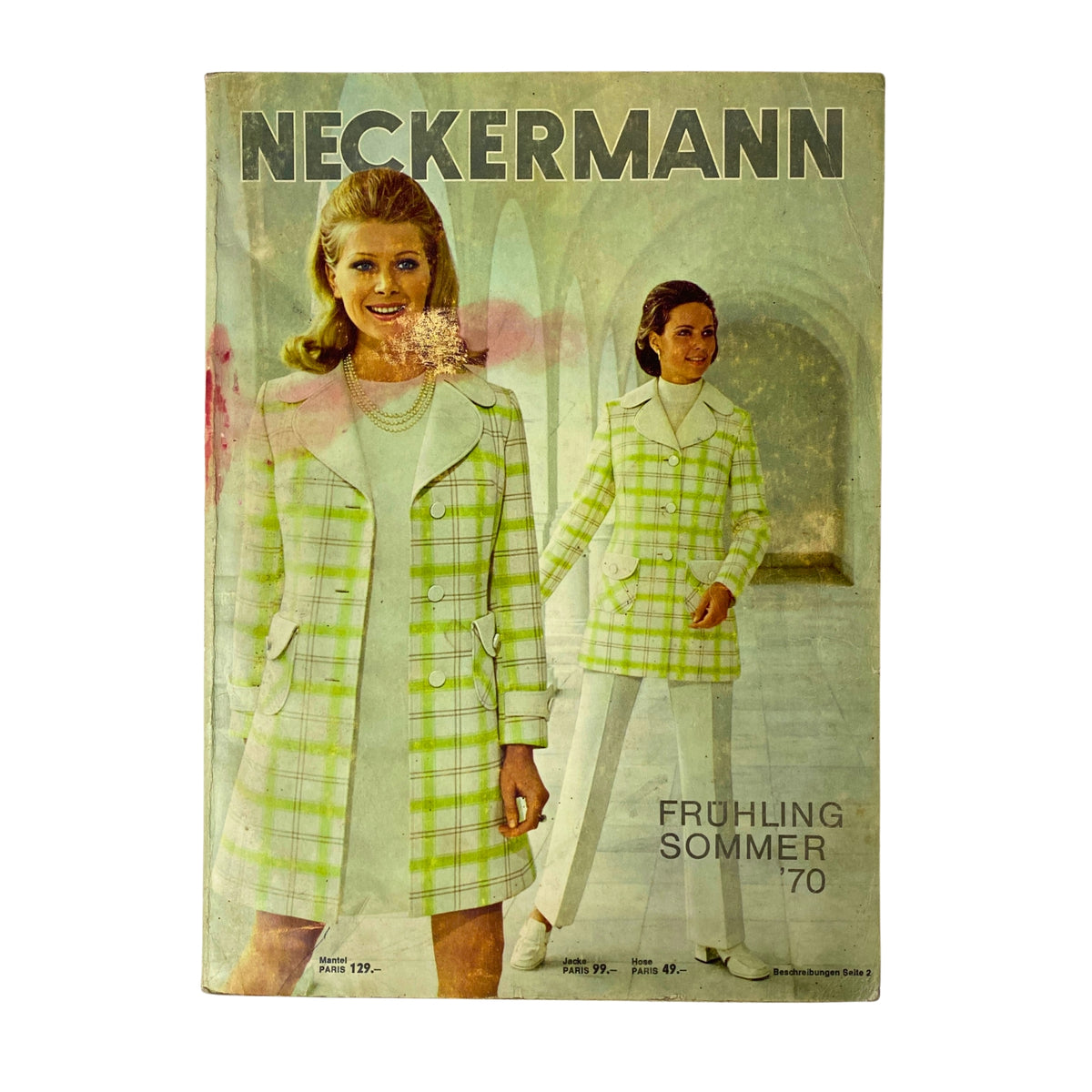
The 1970 Neckermann Sommer catalog is a primary document of West German consumer culture at the precise opening of a new decade — and the summer of 1970 was a genuinely transitional moment in European fashion and domestic life. The late-1960s aesthetic had reached its commercial peak and was beginning to give way to something different: the flowing silhouettes, earth tones, and relaxed sensibility that would define the early 1970s were emerging in fashion at every market level, and a summer catalog from 1970 captures that transition in the pages of West Germany's most widely distributed mail-order publication. Neckermann was one of Germany's dominant retail institutions, and its summer catalogs functioned as comprehensive consumer universes for millions of West German households — covering clothing, home goods, leisure products, and the full range of warm-weather domestic needs with the authority of a publication that most German families consulted as their primary retail reference. A 1970 summer edition documents the West German consumer aesthetic at the threshold of the new decade, before the 1970s style had fully consolidated, making it a particularly specific and useful primary source for researchers tracing the precise chronology of European fashion's early-1970s transition. Collectors researching postwar West German retail ephemera will find the Neckermann catalog archive an essential resource for understanding how mainstream German consumer taste evolved across the pivotal decades of the postwar era.
The summer of 1970 in West Germany was a culturally active moment: Willy Brandt's Ostpolitik was reshaping West Germany's relationship with its Eastern neighbors, the country was hosting the FIFA World Cup in June, and the consumer economy was operating with the confidence of two decades of sustained postwar growth. A Neckermann summer catalog from this year would have reflected the colorful, mod-influenced late-1960s aesthetic that was still dominant in West German mass-market retail in 1970, even as the new decade's softer and more relaxed sensibility was beginning to appear in higher-fashion contexts. The home goods and lifestyle products documented alongside the fashion pages illuminate how ordinary West German families were furnishing and equipping their domestic lives at this specific moment — the kind of ground-level material culture documentation that fashion magazines and news publications of the era do not provide. For collectors building a comparative record of European consumer culture across the Atlantic divide, this catalog sits at the opening of a decade whose aesthetic differences from its predecessor are particularly well documented in the Neckermann archive. The full range of 1970 publications provides essential context for understanding the broader cultural moment this catalog inhabited.
Early 1970s Neckermann summer catalogs are among the less commonly encountered entries in the Neckermann collecting category outside Germany, and a 1970 edition specifically — from the decade's opening year — represents a more historically specific find than mid-decade examples. The condition challenges noted in the listing are candid and important, and they should be weighed against the genuine rarity of this edition in the international market.
About the Publication
Neckermann Versand, founded in Frankfurt in 1950 by Josef Neckermann, grew into one of West Germany's largest and most recognized mail-order companies, issuing seasonal general merchandise catalogs that reached millions of German households at their peak. The company's summer and winter editions were its primary consumer touchpoints, covering fashion, household goods, sporting goods, and garden products in a comprehensive format designed to serve as a complete retail reference for subscribing households. By 1970 Neckermann's catalogs were full-color publications reflecting the era's evolving visual aesthetic, and they serve today as detailed primary sources for researchers of postwar German consumer culture, European fashion history, and the material culture of Cold War-era West German domestic life.
Key Highlights Inside
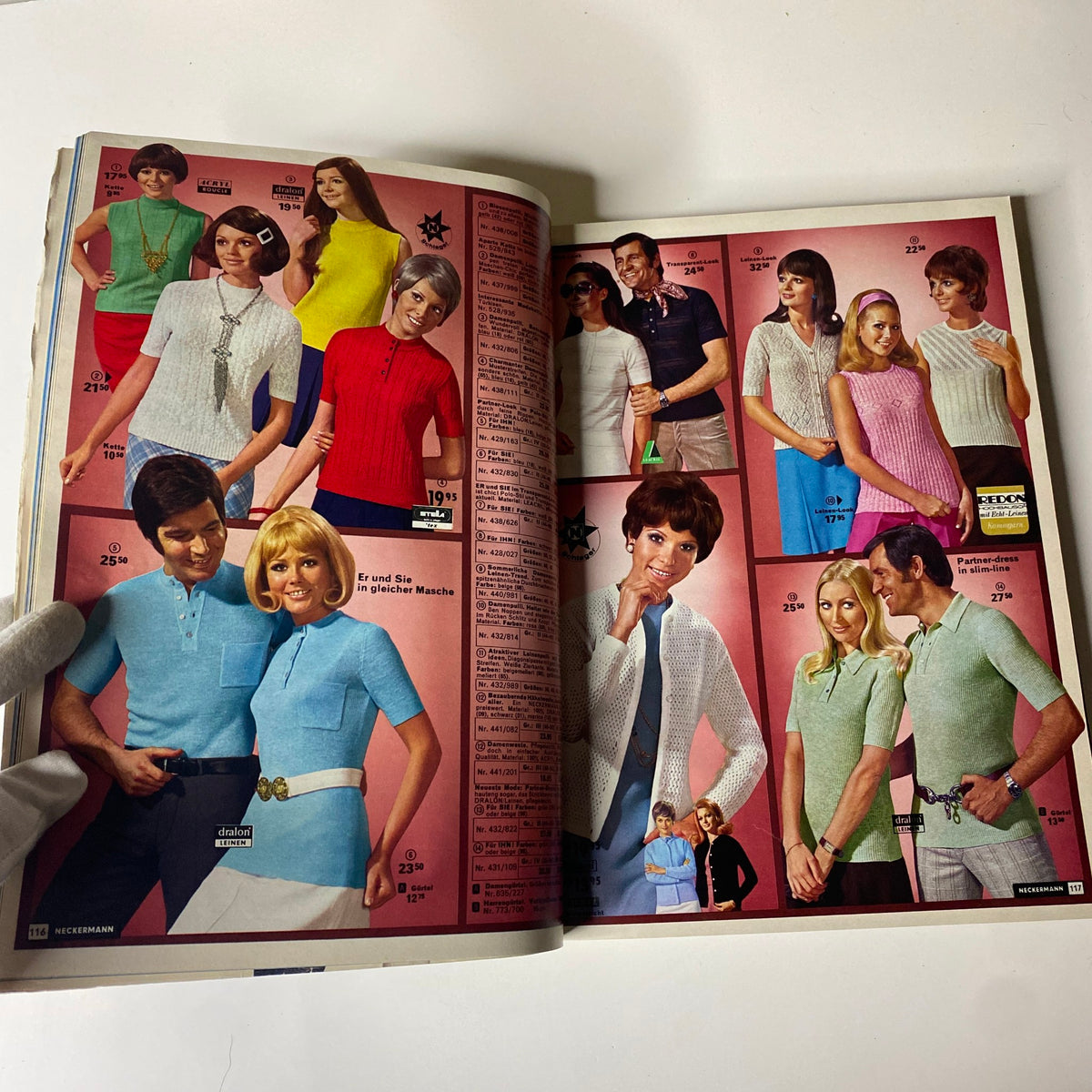
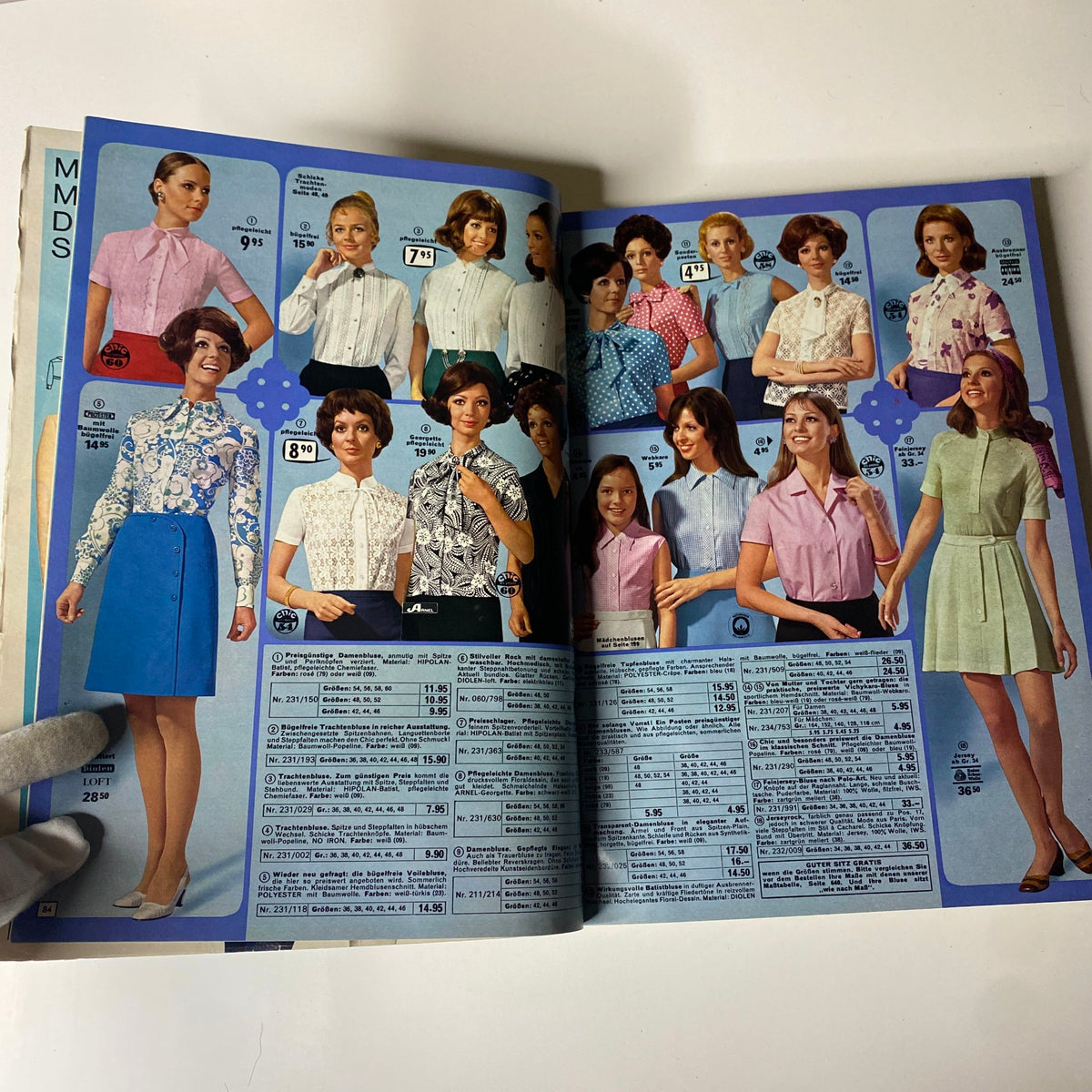
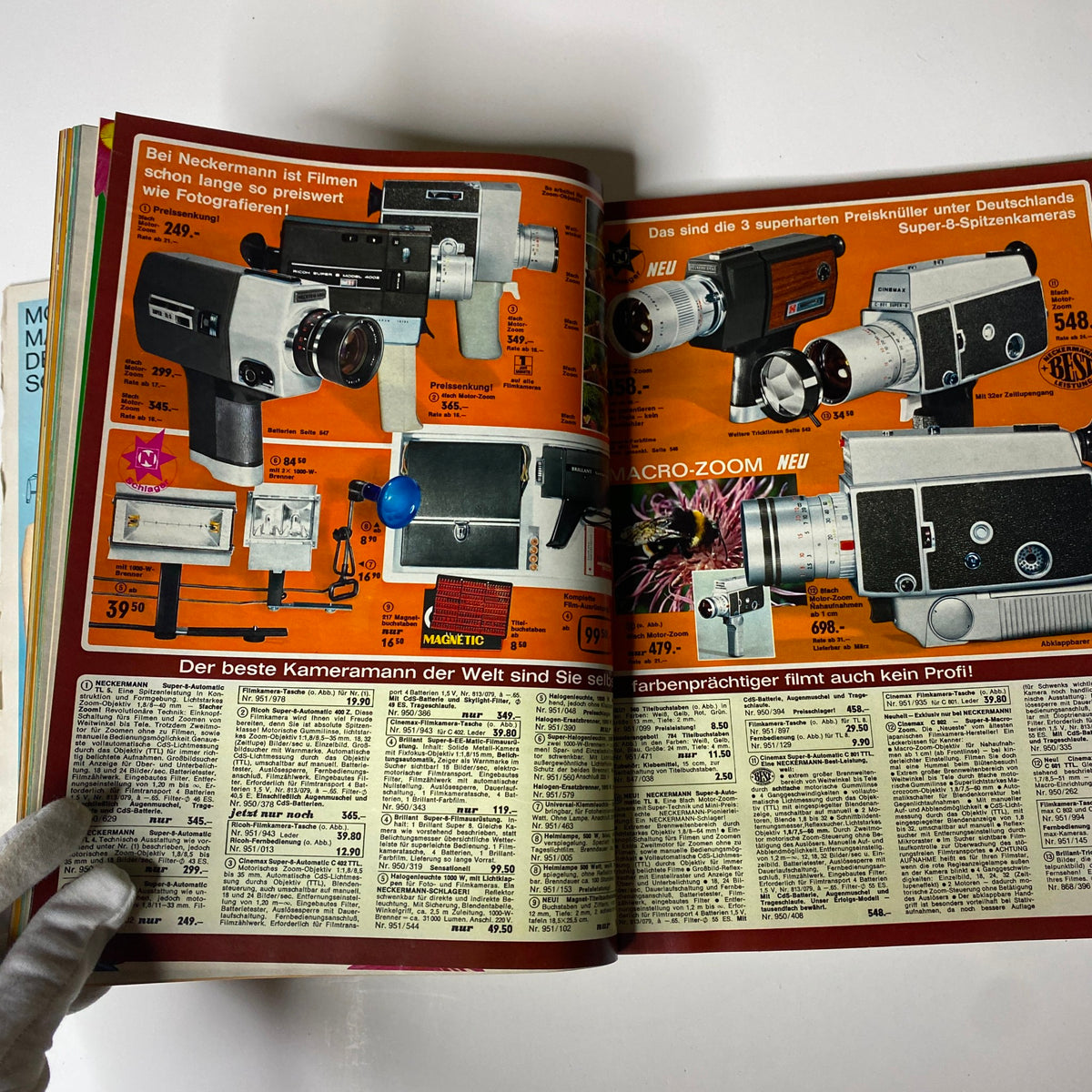
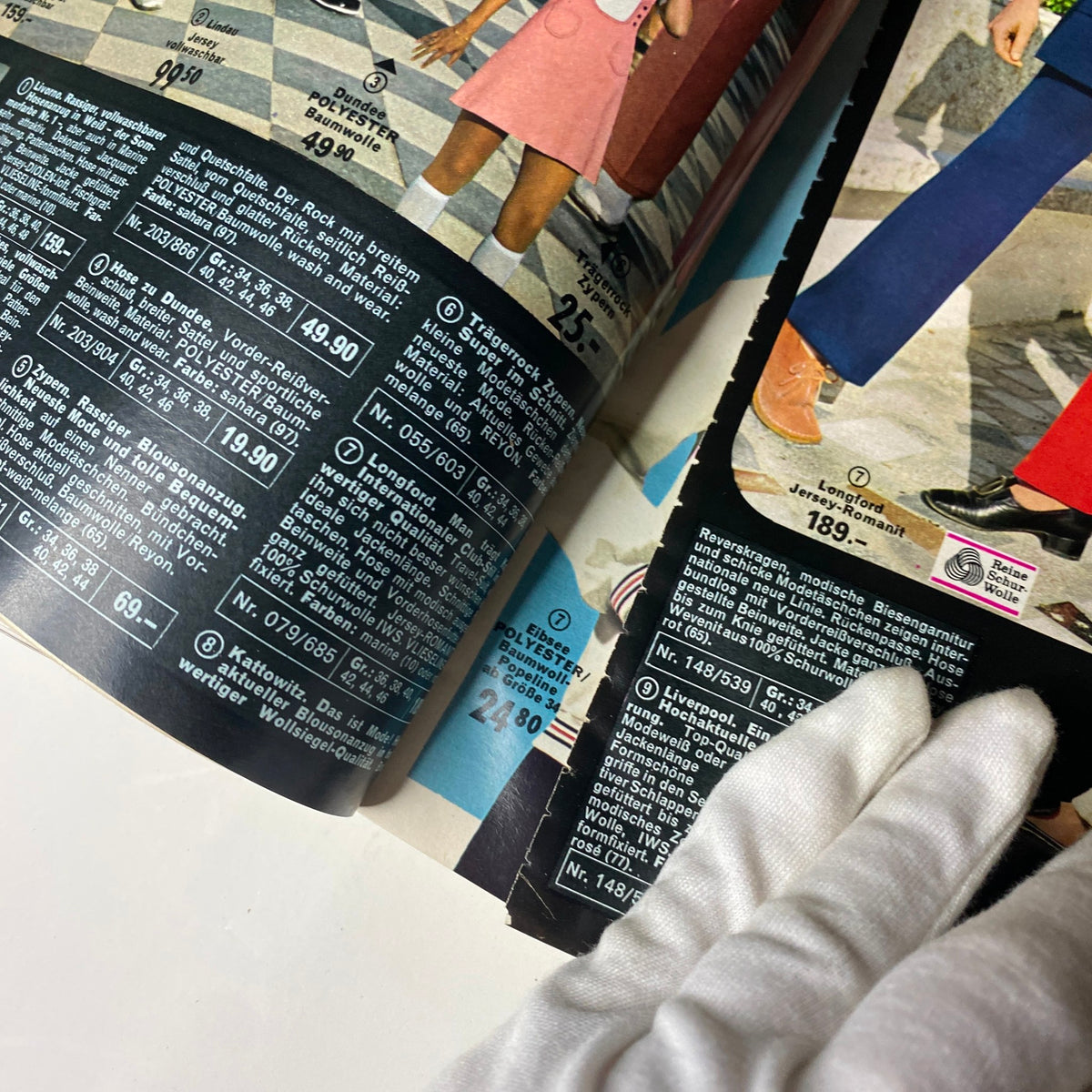
- Summer fashion for men, women, and likely children reflecting the transitional aesthetic of 1970 West German mass-market retail — the late-1960s mod-influenced visual language still dominant, with the early-1970s sensibility beginning to emerge at the margins of the season's pattern offerings.
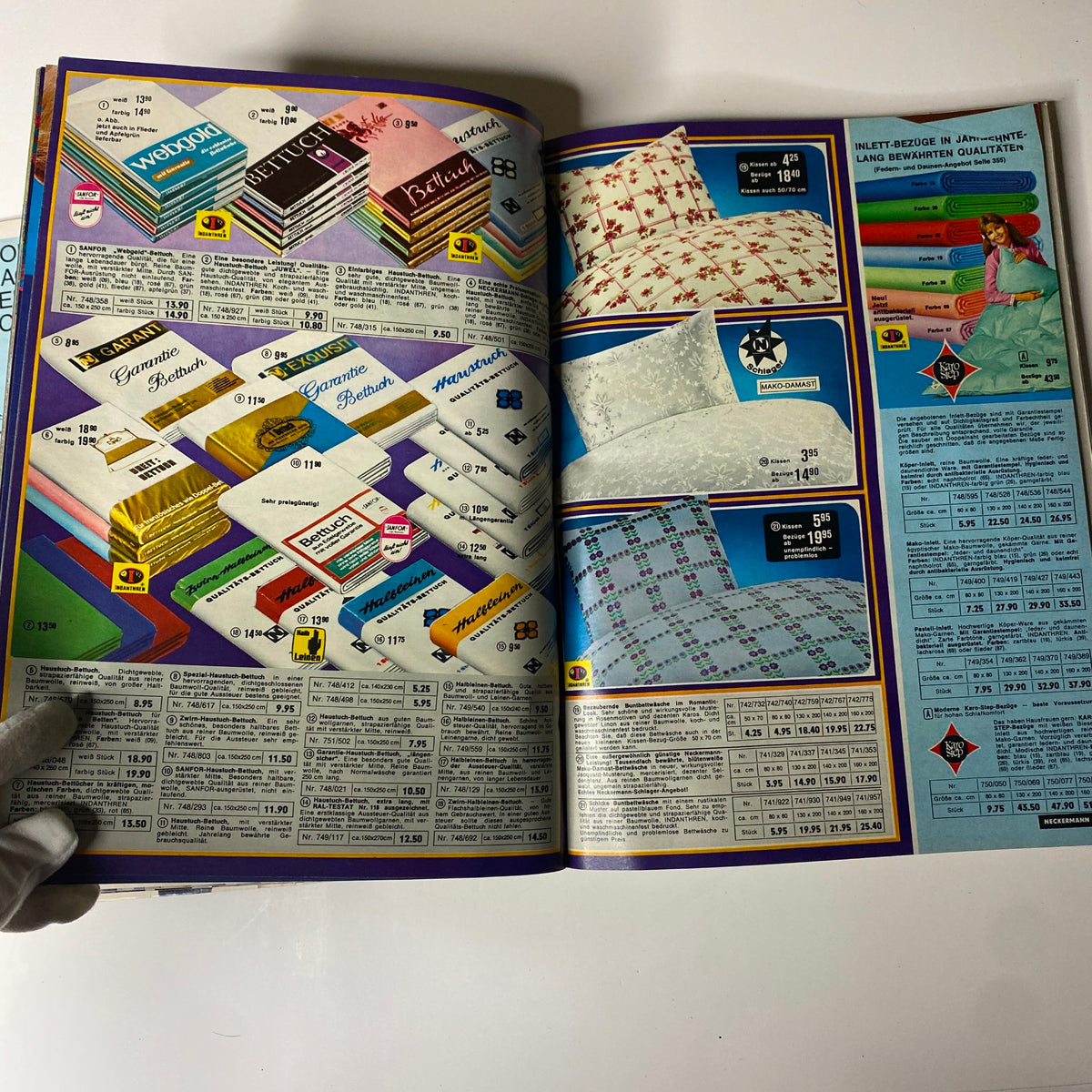
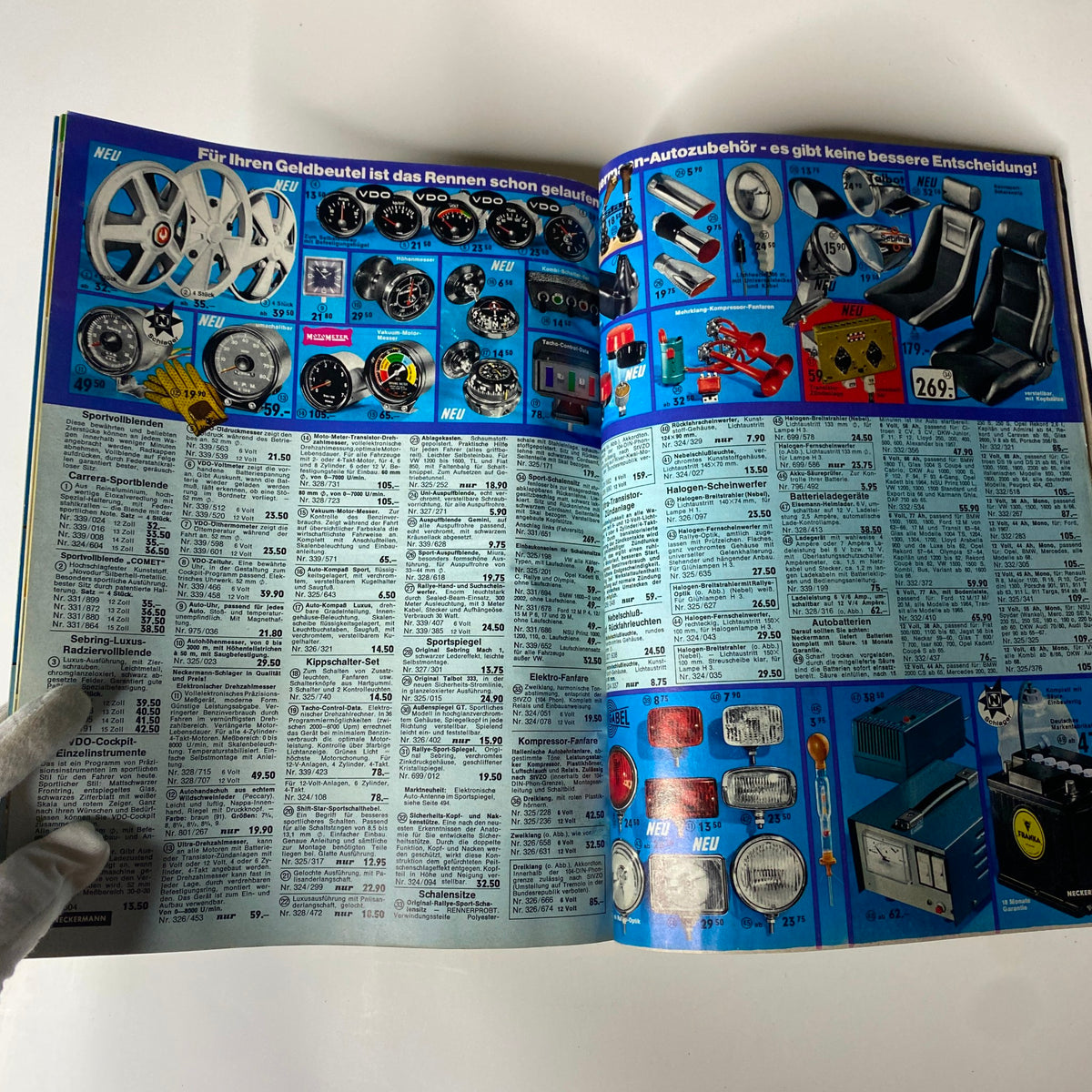
- Home goods and lifestyle products documenting the consumer priorities of West German families in the summer of 1970, from outdoor and leisure equipment to home textiles and everyday household items that illuminate ordinary domestic life at the opening of the new decade.
- The visual production language of early-1970s German catalog publishing — photography conventions and layout design characteristic of Neckermann's production standards at this transitional moment between the late-1960s and early-1970s aesthetic periods.
- Note: Specific section titles, page counts, and detailed interior content beyond what is documented in the listing have not been independently confirmed. The above reflects what is verifiable from the listing description and well-documented knowledge of Neckermann's catalog format and the consumer culture of this era.
Condition & Rarity
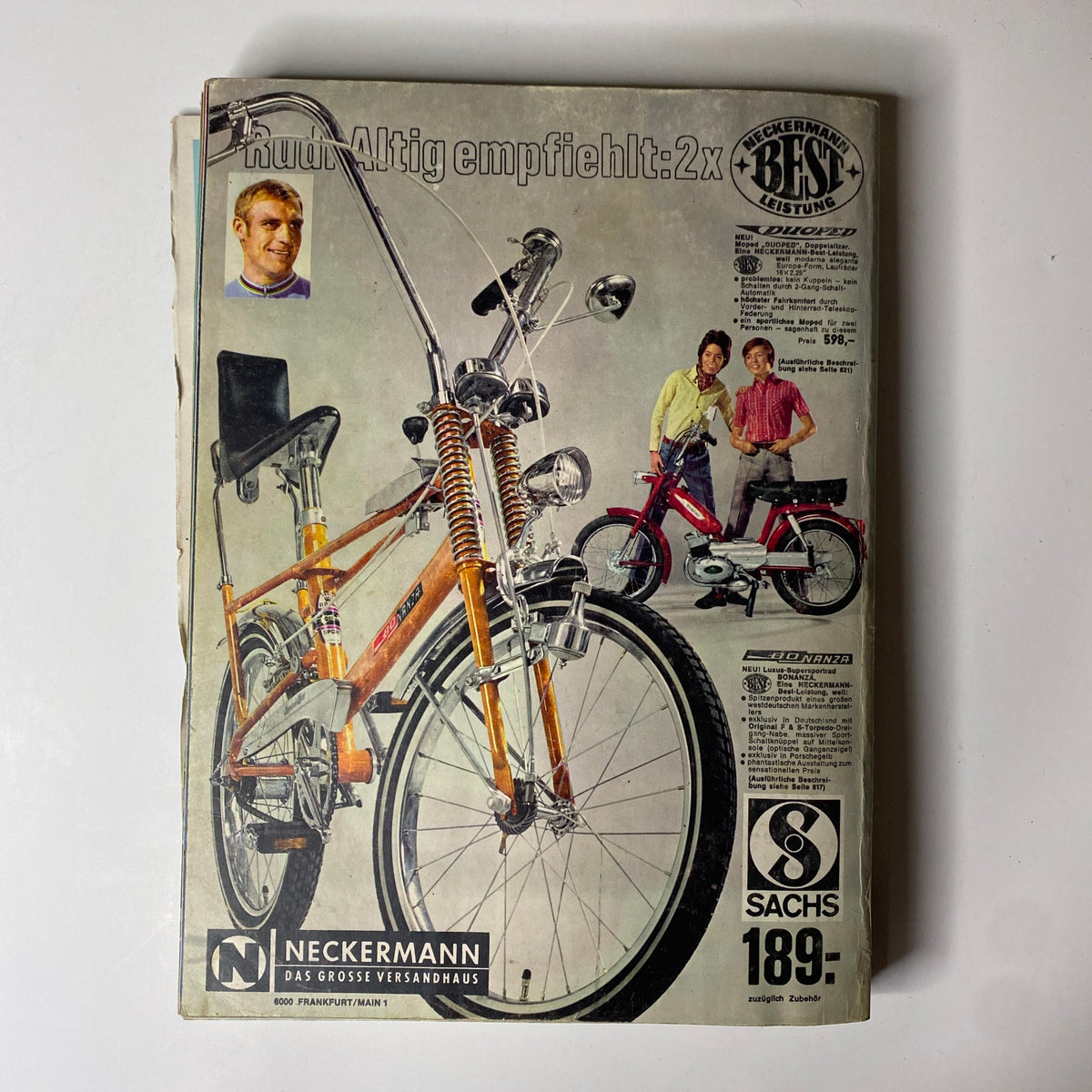
The 1970 Neckermann Sommer catalog is described as good condition overall with loose pages and water damage present — a candid disclosure that collectors should weigh carefully and honestly. In collector-grade terms, this profile places the catalog at a lower end of the usable spectrum: good overall suggests that the majority of the content remains accessible, but loose pages and water damage are significant physical defects that affect both the structural integrity of the artifact and potentially the legibility of some interior pages. Water damage in particular can manifest as tide-line staining, page warping, ink bleeding, and mold spotting depending on the severity and age of the exposure — collectors evaluating surviving copies of this catalog should examine the listing photographs with particular care for the specific character and extent of the water damage before making any assessment of research or display utility. Loose pages increase the risk of individual page loss over time and require careful handling. For researchers whose primary interest is the interior content rather than the physical presentation of the artifact, good overall condition with these noted defects can represent a usable working copy of a catalog that is rarely found in higher grades in the international market. The protective plastic sleeve limits ongoing surface exposure.
Looking for More Issues Like This?
Early-1970s Neckermann summer catalogs are a genuinely specialized find outside the German collector market, and the 1970 edition — from the decade's opening year, capturing the precise transition between two distinct aesthetic eras — is of particular interest to researchers of European fashion history and postwar West German consumer culture. The Neckermann catalog collection at OriginalMagazines.com is the most focused resource for locating other seasonal editions from this important West German mail-order institution. Collectors building around the broader cultural and consumer moment of 1970 will also want to explore the 1970 magazine collection, which brings together a range of period publications that document the style, politics, and everyday life of the decade's consequential opening year.