
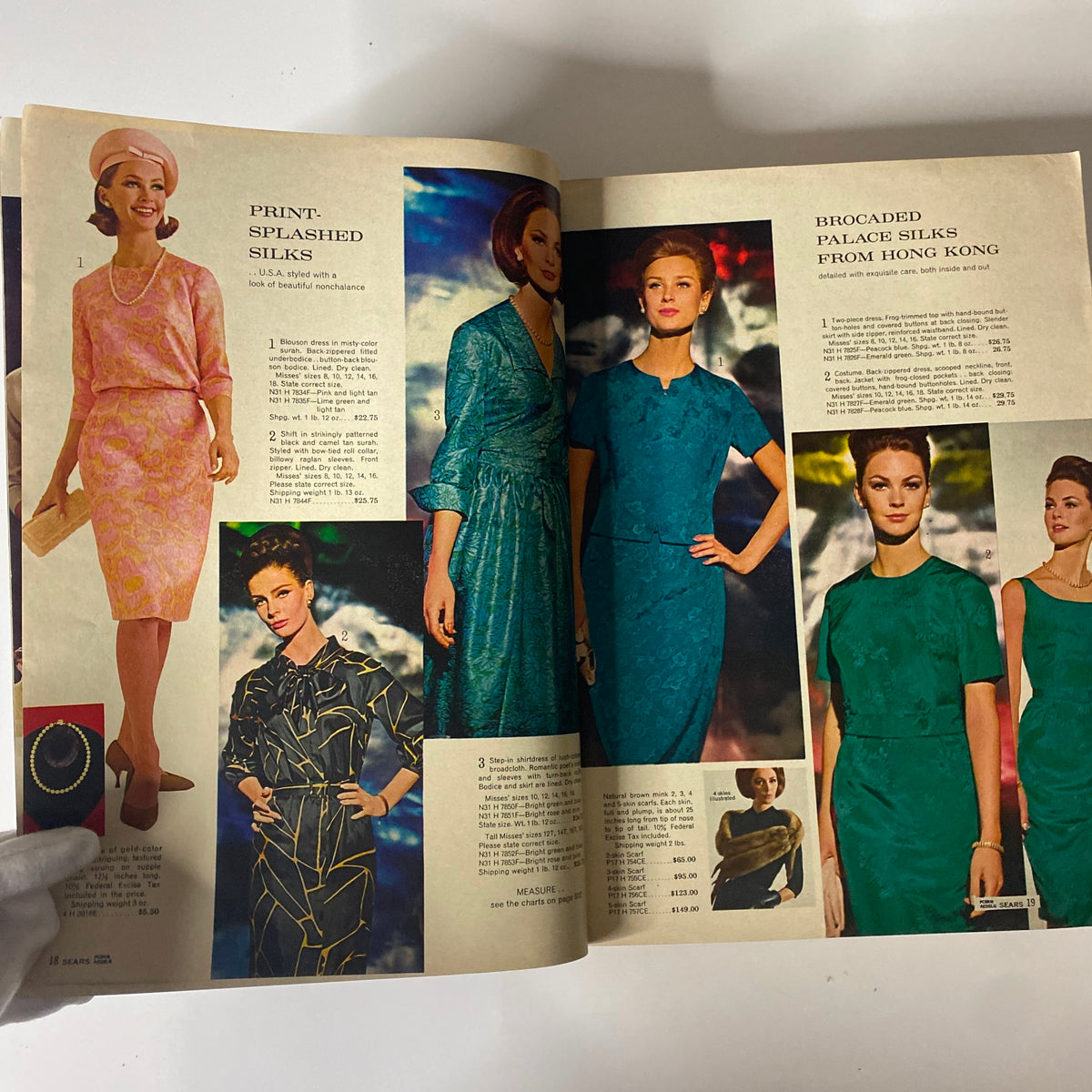
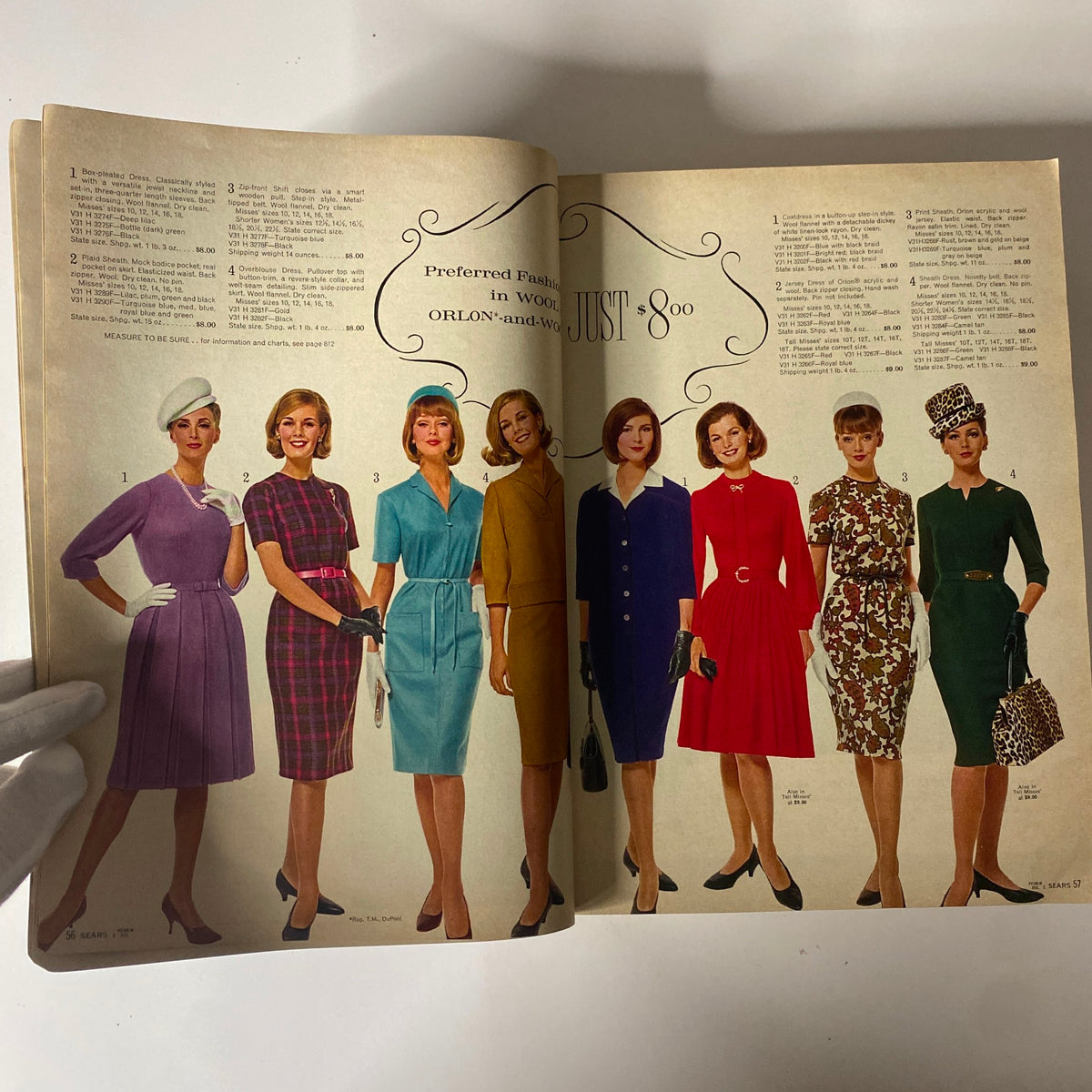
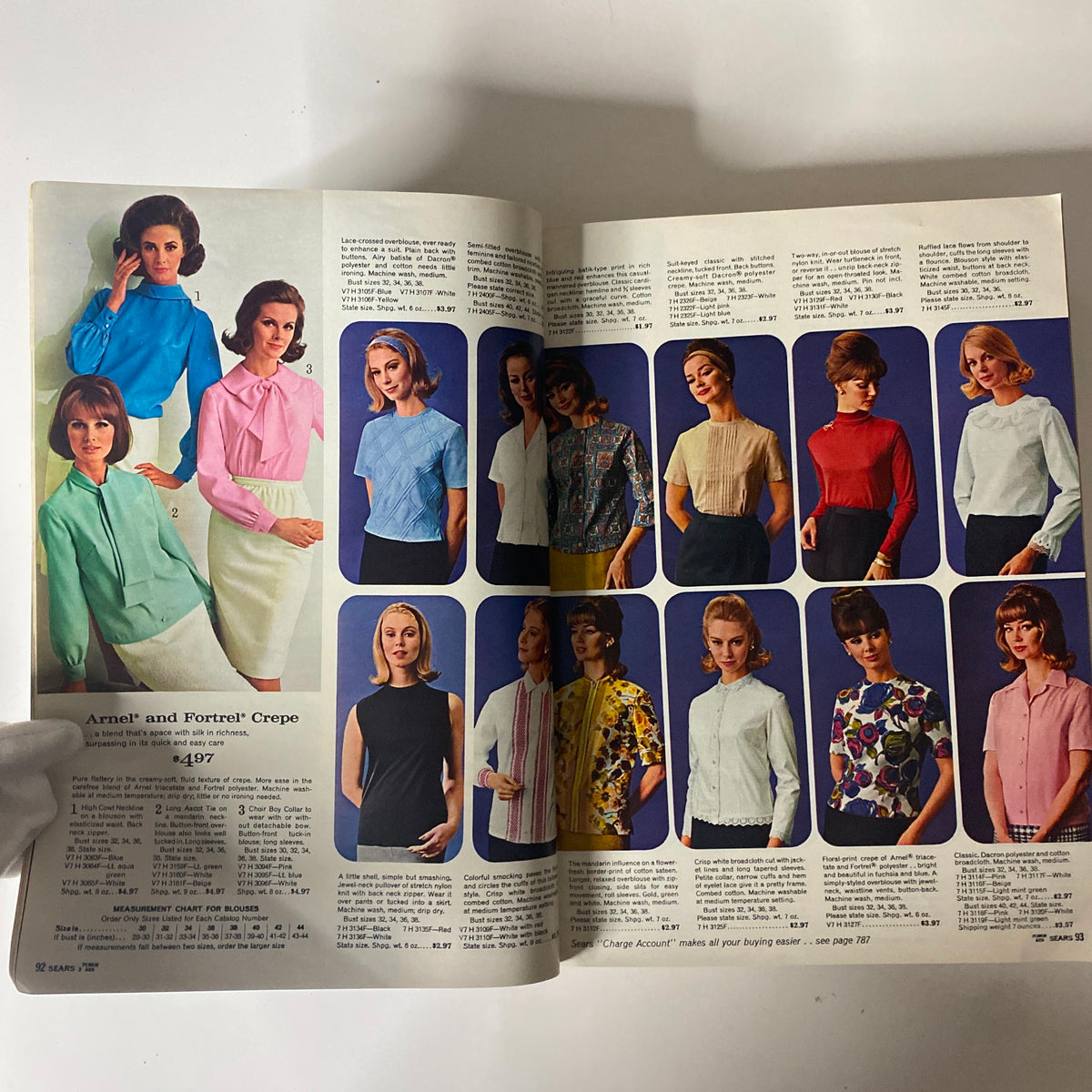
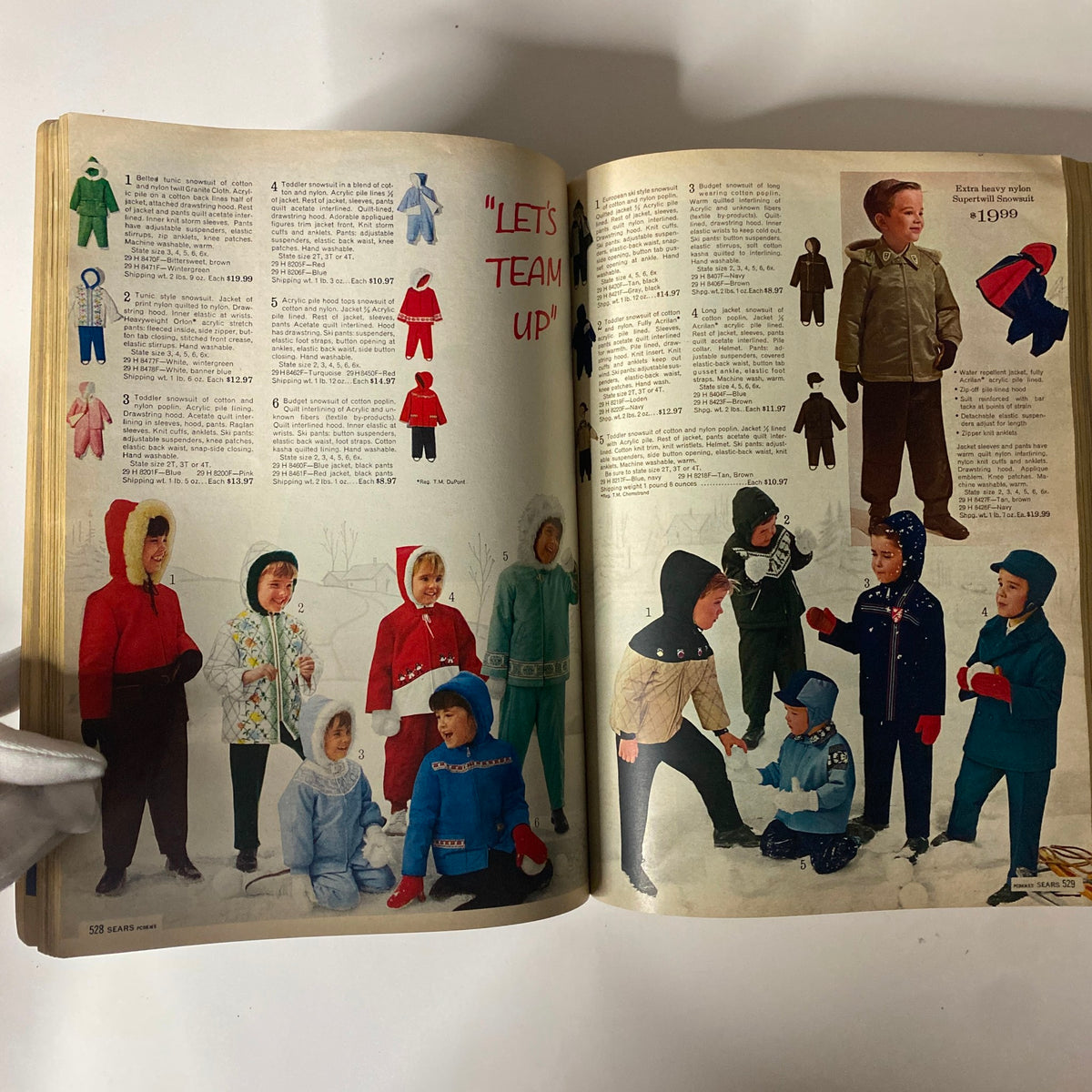
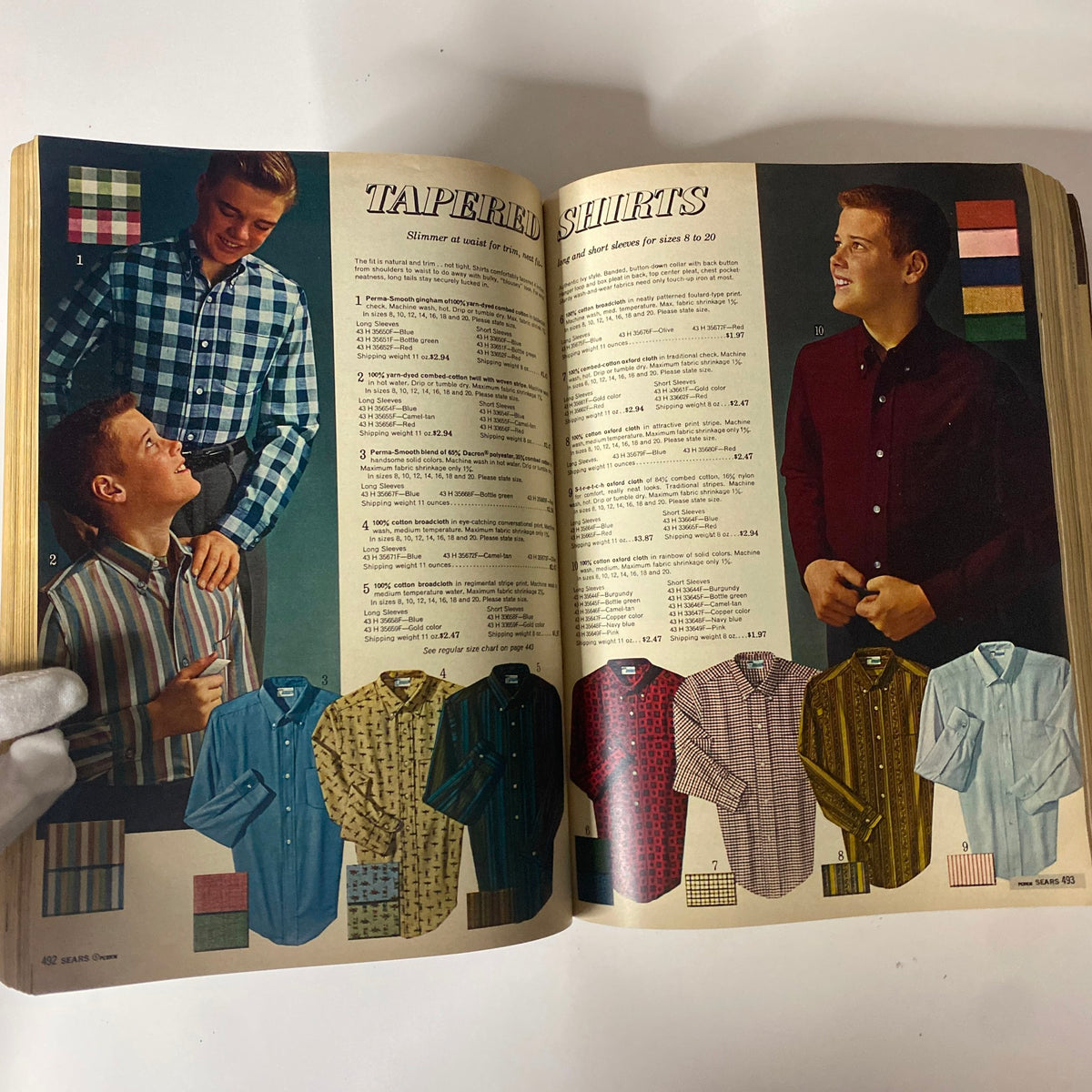
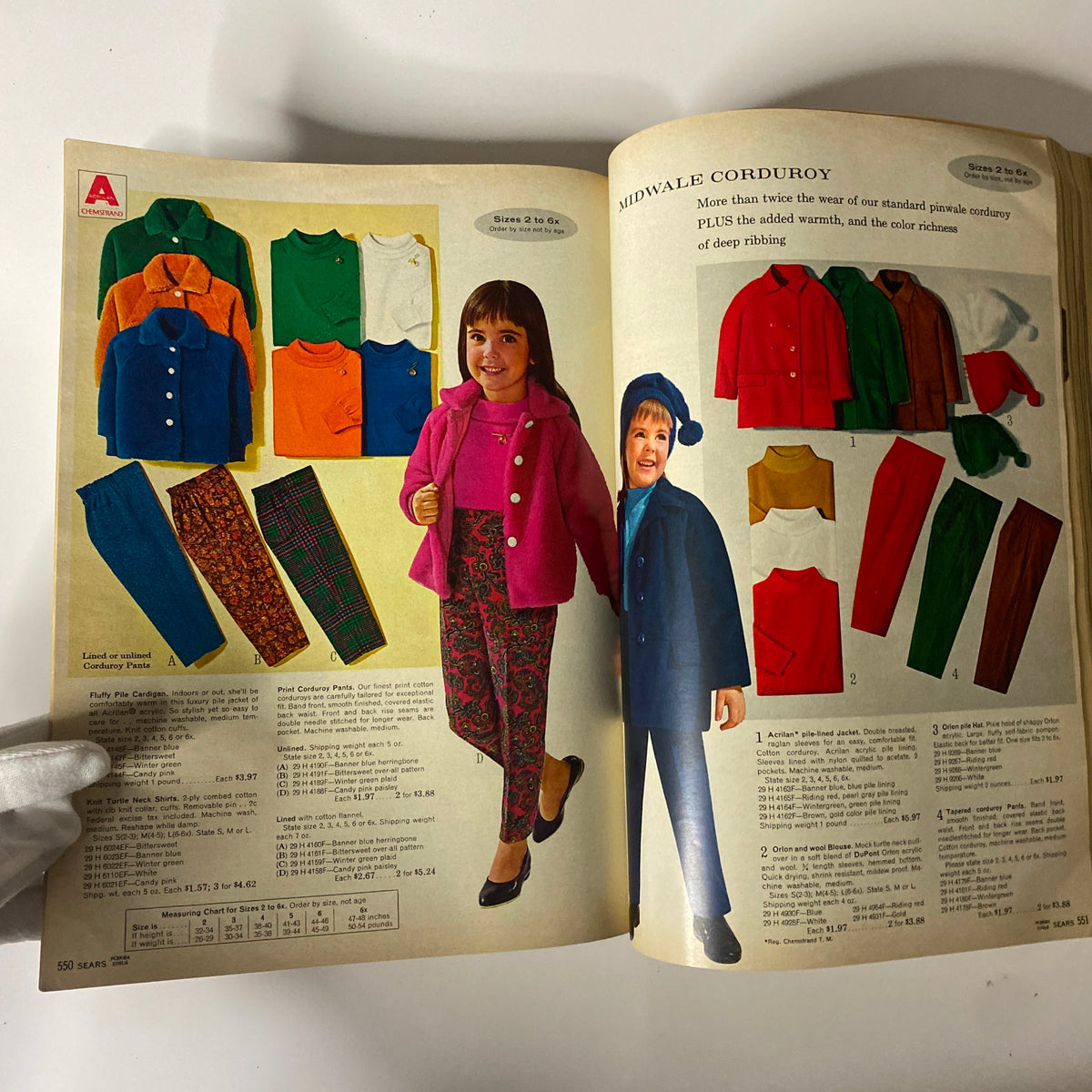
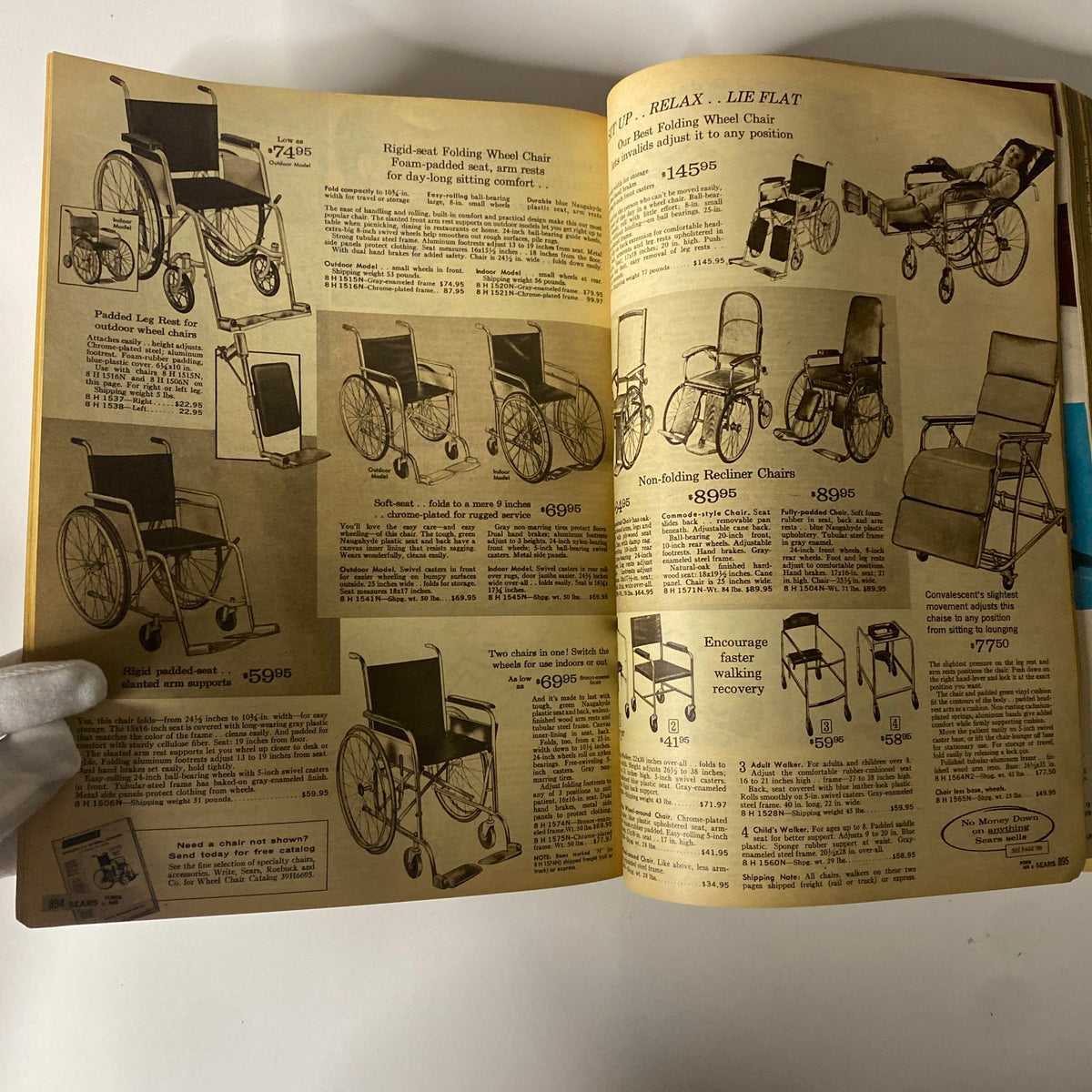
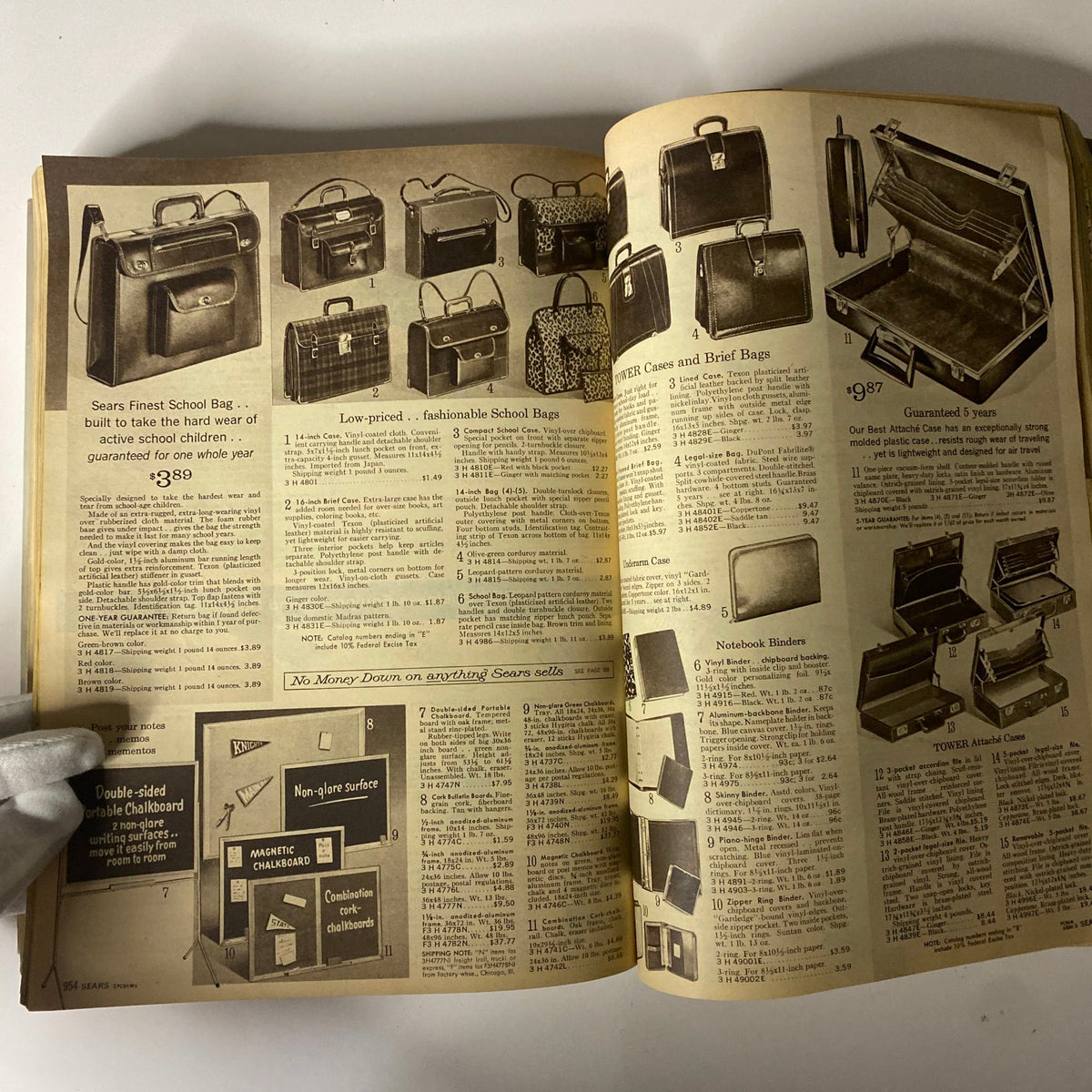
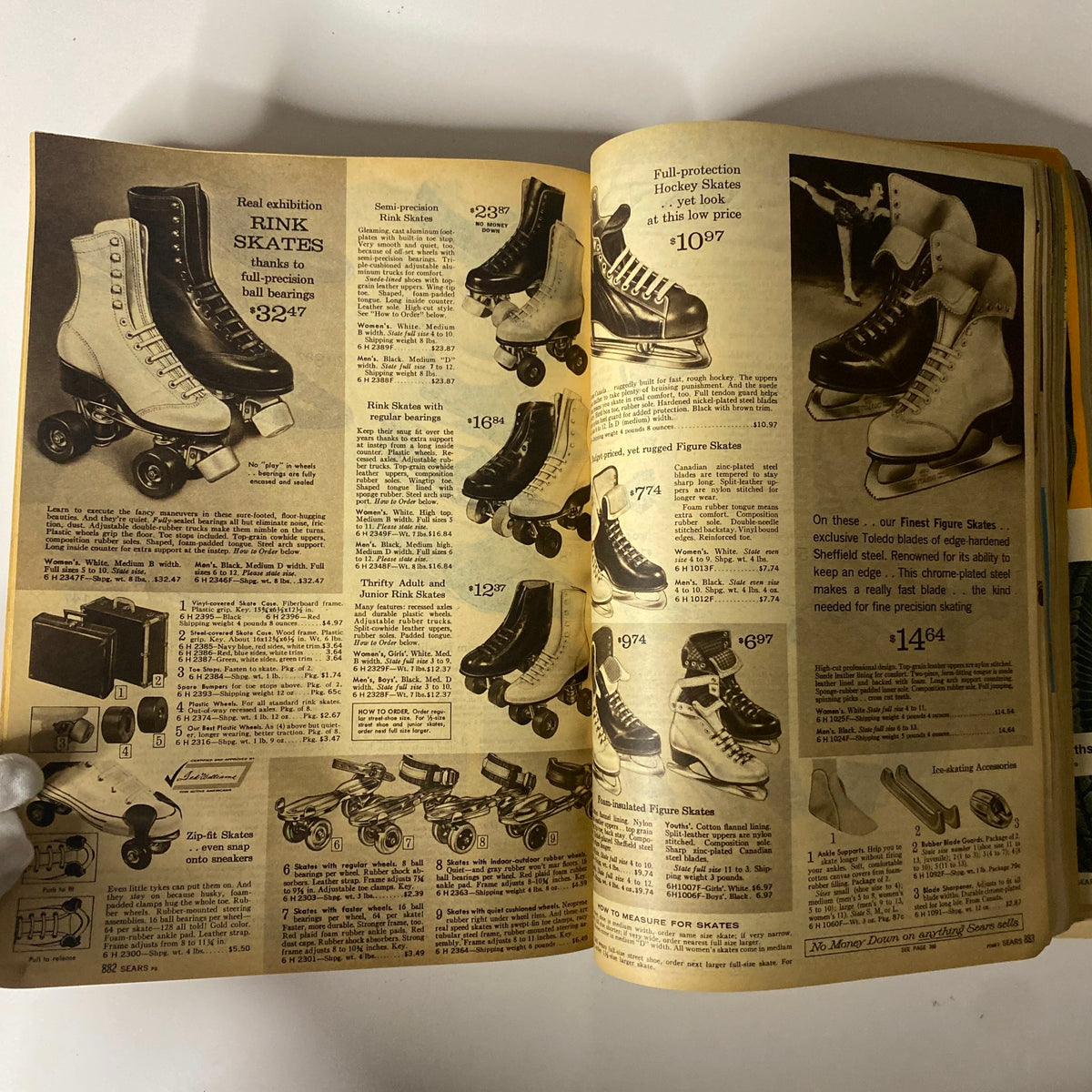
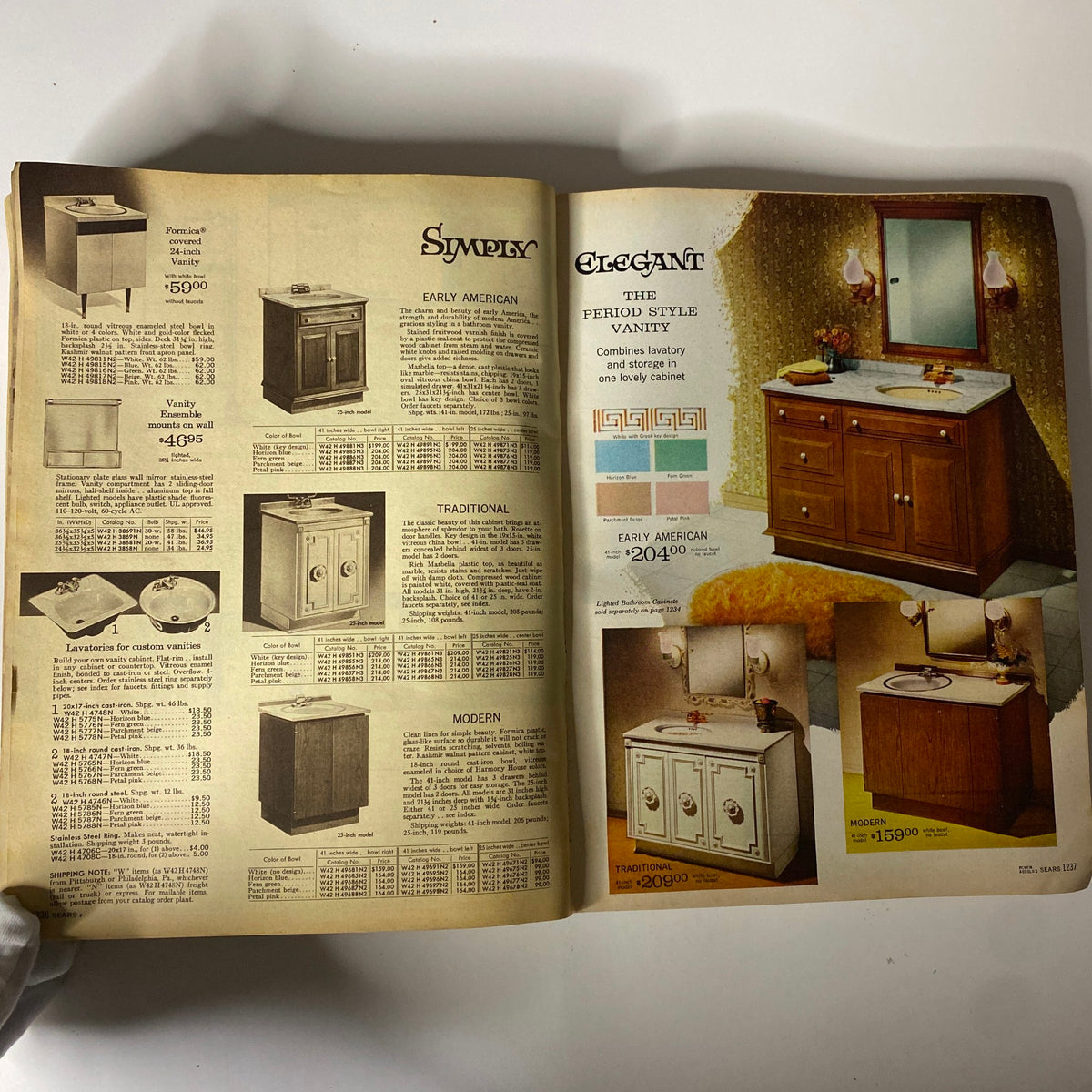
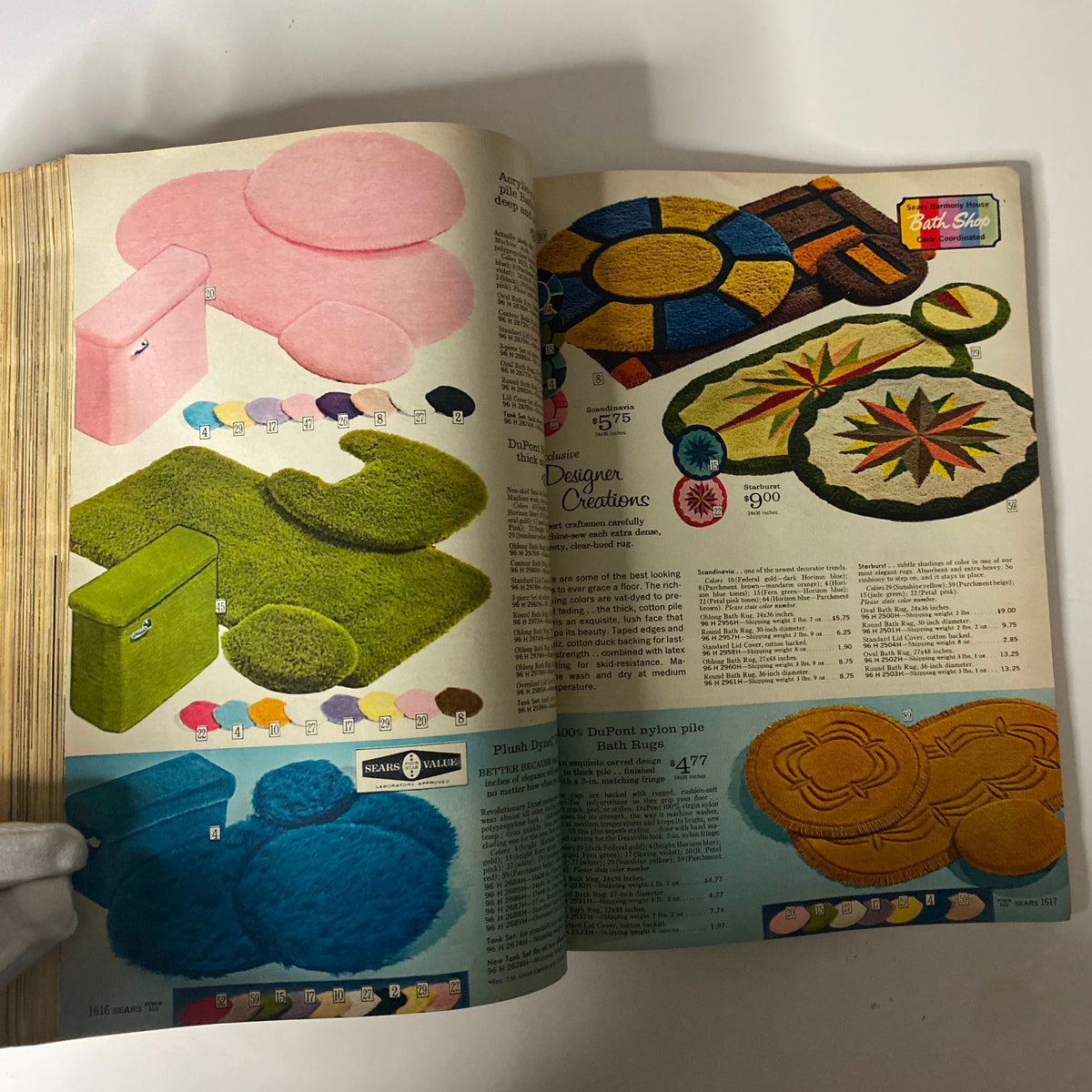
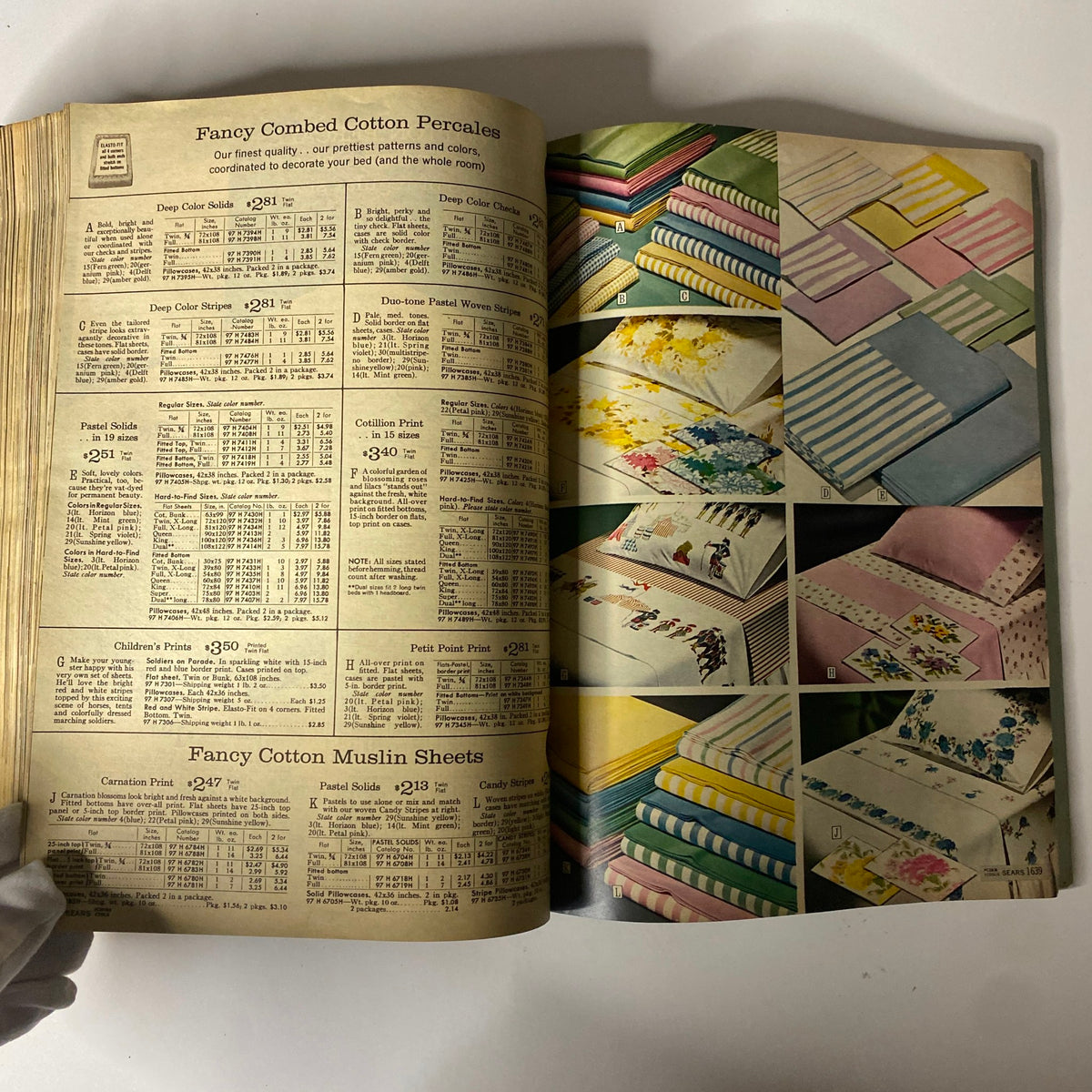
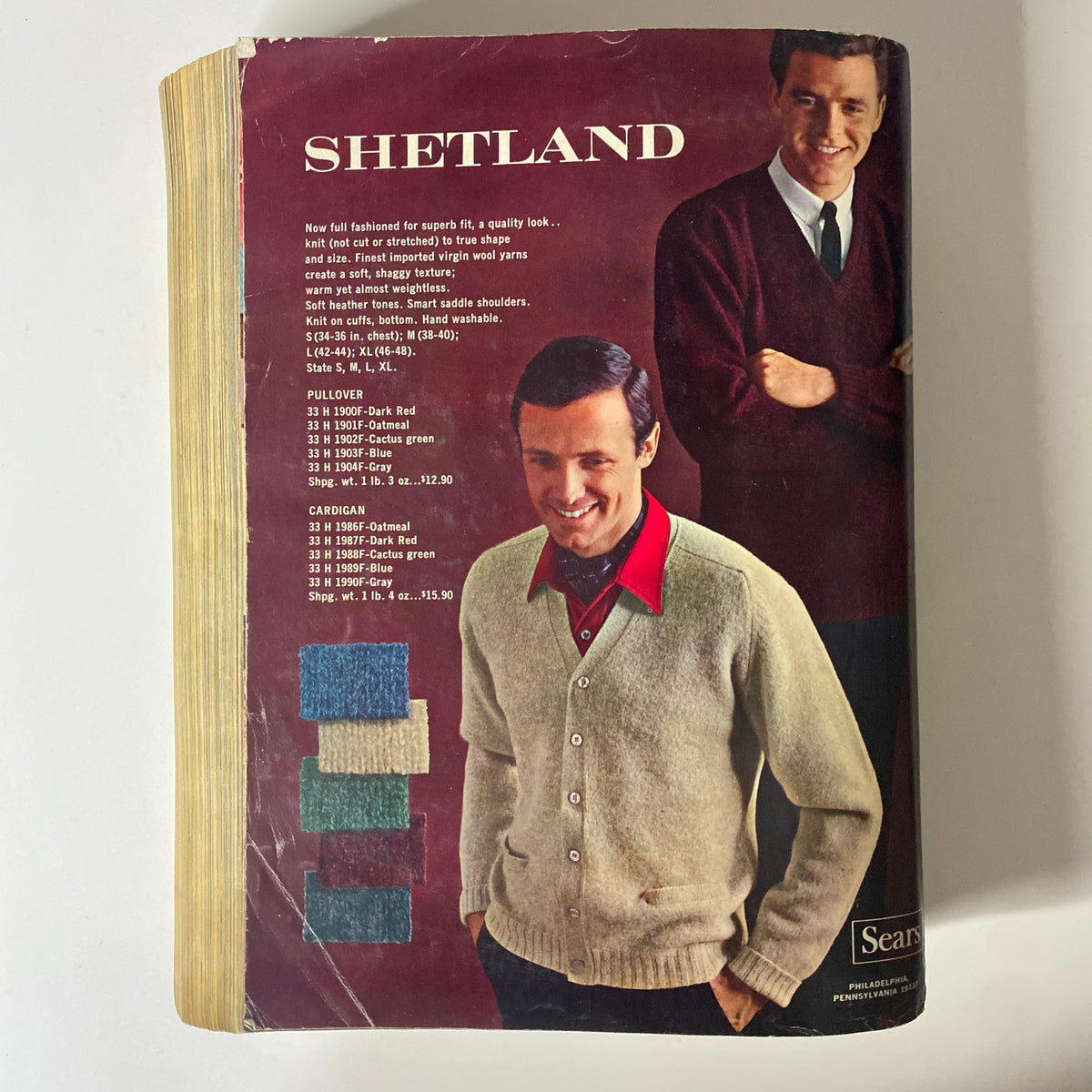


Description
Collector's Note – Why This Issue Matters
The 1970 Sears Roebuck and Co. Fall and Winter Catalog is a primary document of American consumer culture at the precise opening moment of the 1970s — a year whose specific cultural and aesthetic character is often lost between the dominant narratives of the 1960s and the mid-1970s, but which has its own historically distinctive and visually striking identity that a Sears fall-winter catalog documents with unusual comprehensiveness. The fall-winter season of 1970 was occurring in the immediate aftermath of some of the most turbulent months in American domestic history: the Kent State shootings of May 4, 1970 had transformed the atmosphere of American campus life; the Women's Liberation movement was achieving its most visible public breakthrough; and the specific cultural mood of a country beginning to absorb the social consequences of a decade of upheaval was producing a consumer aesthetic that was simultaneously more earthy, more personal, and more emotionally complicated than the bright optimism of the mid-1960s catalog aesthetic. The fashion content of a fall-winter 1970 Sears catalog documents this transition with the specificity that only primary commercial sources can provide: the exact silhouettes, color palettes, fabric choices, and styling decisions that the country's largest catalog retailer was offering to its broad American customer base at the opening of one of the most aesthetically distinctive and most culturally underappreciated decades in American consumer history. For collectors building a serious archive of Sears catalog history and early-1970s American consumer culture, the Sears catalog collection at OriginalMagazines.com provides essential depth across the company's full publishing history, with the early-1970s fall-winter editions representing a particularly interesting and relatively underrepresented tier within that body of material.
The 1970 Sears fall-winter catalog occupies a specific and historically interesting position within the sequence of Sears seasonal publishing. The late-1960s aesthetic — the bold colors, the polyester knits, the miniskirts and go-go prints that had defined the 1967-69 editions — was in active transition in fall-winter 1970, giving way to the earthier palette, the natural-material aspiration, and the slightly more relaxed silhouette that would characterize early-1970s mainstream American fashion. The maxiskirt was competing with the miniskirt for mainstream commercial attention; the earth-tone color vocabulary of brown, rust, olive, and gold was displacing the primary-color confidence of the late 1960s; and the polyester-dominated fabric offerings were beginning to incorporate the kind of faux-natural textures — ribbed knits, textured weaves, soft jersey — that bridged the synthetic decade with the natural-material aspiration of the decade ahead. A Sears fall-winter catalog from 1970 captures that specific aesthetic transition in its most commercially precise form, documenting the exact moment when the mainstream American clothing market was navigating between two aesthetic eras. The home furnishings, holiday décor, and cold-weather essentials documented in the same catalog add secondary layers of consumer culture documentation — the specific domestic design vocabulary of early-1970s American interior life, the specific gift and holiday product culture, and the cold-weather product market — that collectively make this catalog one of the most comprehensive single-volume primary sources available for American domestic consumer culture at the decade's opening moment. The full range of 1970 magazines and publications from this year documents American popular culture and consumer life at one of its most historically charged transitional moments, and the Sears fall-winter catalog sits within that body of material as its most comprehensive single-volume primary source.
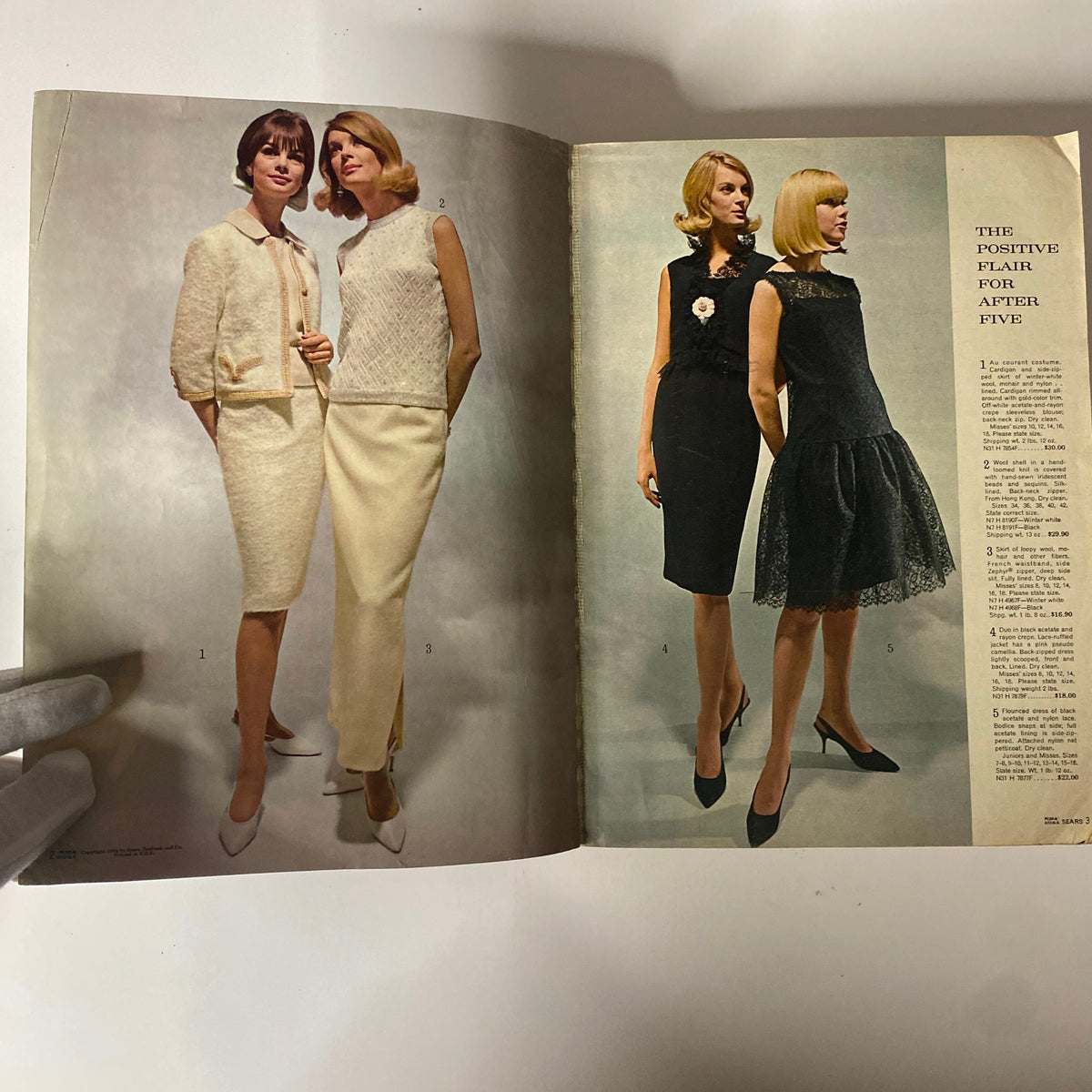
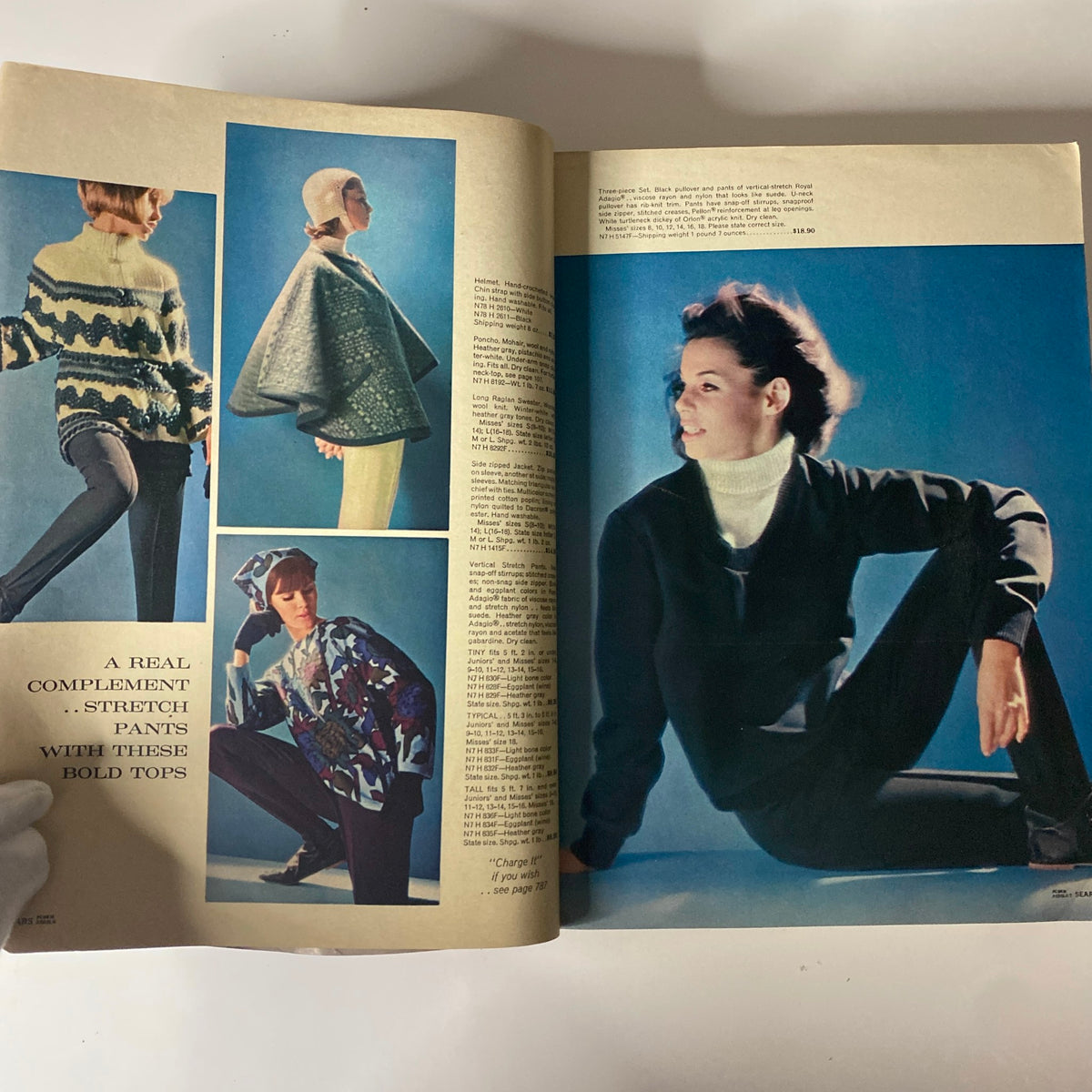
The Sears fall-winter catalog of 1970 also deserves attention as a primary document of American retail at a moment of significant institutional transition. Sears in 1970 was at or near the peak of its commercial dominance — the most profitable retailer in the United States, with a catalog distribution reaching tens of millions of American households and a market position that would not face serious structural challenge for another decade. The specific commercial decisions visible in the fall-winter 1970 catalog — which product categories were expanded, which fashions were featured, what price points were offered — reflect the commercial intelligence of a retail institution operating at its maximum market authority and its fullest awareness of the breadth of its customer base. The colorful photography, detailed descriptions, and period advertisements confirmed in the listing are primary visual documentation of that institutional authority in its commercial form: the specific photographic conventions, product description vocabulary, and advertising language through which Sears was presenting its most comprehensive seasonal offering to the broadest possible American consumer audience at the opening of the 1970s.
About the Publication
The Sears Roebuck and Co. Fall and Winter Catalog was the flagship annual publication of the country's largest retailer, distributed to millions of American households through the direct-mail program that had been central to Sears' dominance since its founding in 1886. The fall-winter edition was the most commercially important catalog the company produced each year, its pages carrying the full weight of the holiday-season fashion and merchandise offering to the broadest possible American consumer audience. By 1970, this catalog had been a fundamental institution in American domestic life for over eighty years, and its comprehensive scope — covering men's, women's, and children's clothing, home furnishings, appliances, holiday merchandise, and cold-weather goods in a single publication — made it one of the most complete single-volume records of American consumer culture available for any given year. The 1970 edition's position at the aesthetic and cultural transition between the 1960s and the 1970s gives it a documentary significance that extends well beyond any typical seasonal catalog.
Key Highlights Inside
- Fall and winter 1970 fashion — the late-1960s to early-1970s aesthetic transition documented — The confirmed men's, women's, and children's fall-winter apparel documents the specific visual vocabulary and commercial pricing of American mass-market fashion at the precise transitional moment between the late-1960s bold-color, short-hem aesthetic and the early-1970s earth-tone, relaxed-silhouette sensibility, preserving primary evidence of how the country's largest retailer was navigating that transition for its broad customer base.
- Home furnishings and holiday décor — early-1970s domestic design vocabulary preserved — The confirmed home furnishings and holiday décor content documents the specific domestic design vocabulary of 1970 American interior life in the commercial terms most directly connected to actual purchasing decisions, preserving primary evidence of what the mainstream American household was being offered and encouraged to aspire to at the opening of the decade.
- Cold-weather essentials and gift merchandise — seasonal consumer culture documented — The confirmed cold-weather and holiday gift content preserves primary evidence of the specific consumer culture surrounding the fall-winter season in 1970 America, from the practical cold-weather products to the holiday gift-giving market that made this the most commercially significant catalog of Sears' annual production cycle.
- Period advertising and colorful photography — early-1970s commercial visual language preserved — The confirmed colorful photography and period advertising content preserves the specific visual conventions, photographic styling, and advertising language through which Sears was communicating with its mass consumer audience in fall-winter 1970, providing primary visual documentation of the commercial aesthetic at the opening of the decade.
- Note: Specific fashion brand names, individual product descriptions, pricing details, and the complete catalog contents beyond the confirmed general merchandise categories have not been independently verified beyond the listing description. The highlights above reflect what is documentable from the listing and the well-established historical context of Sears' 1970 fall-winter catalog format.
Condition & Rarity
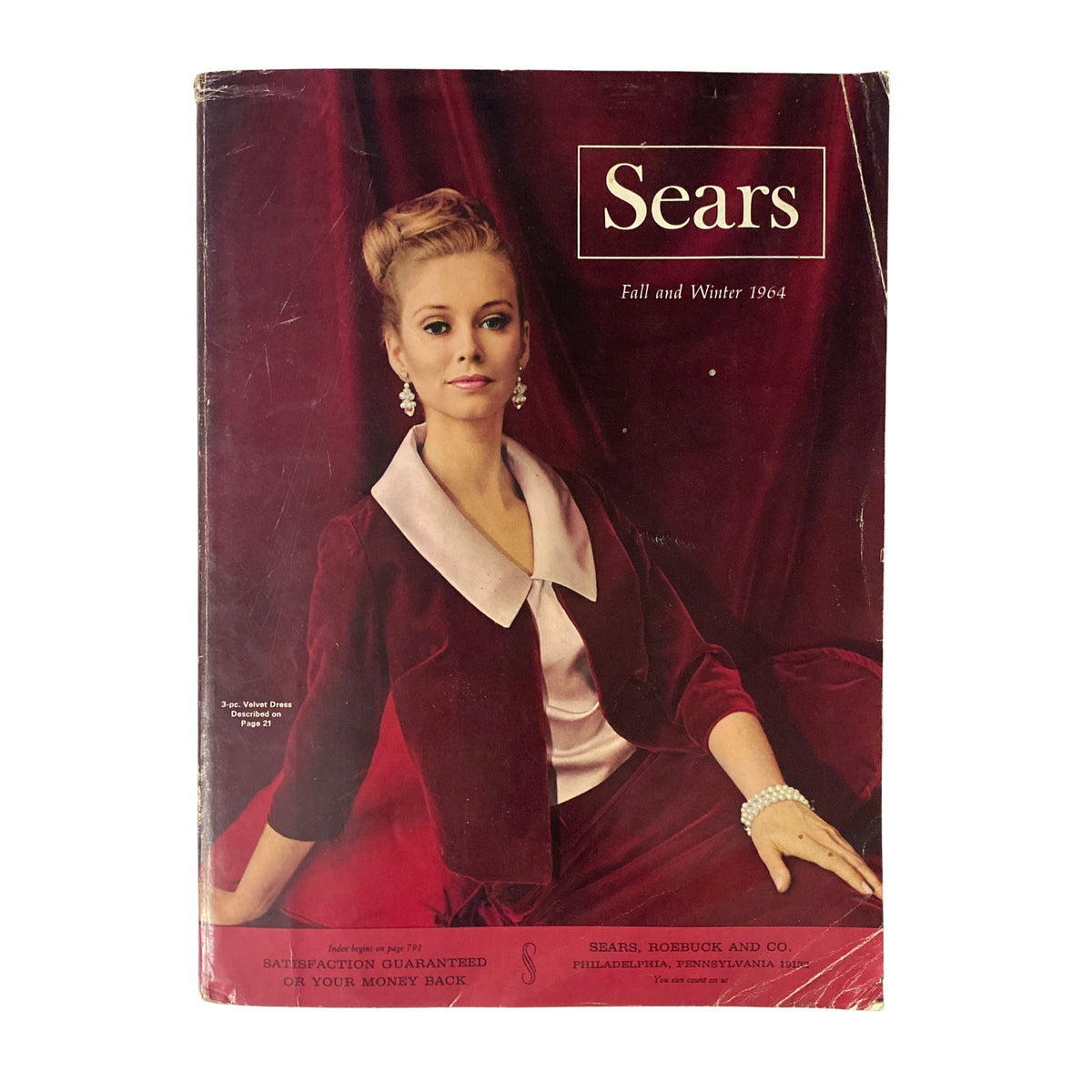
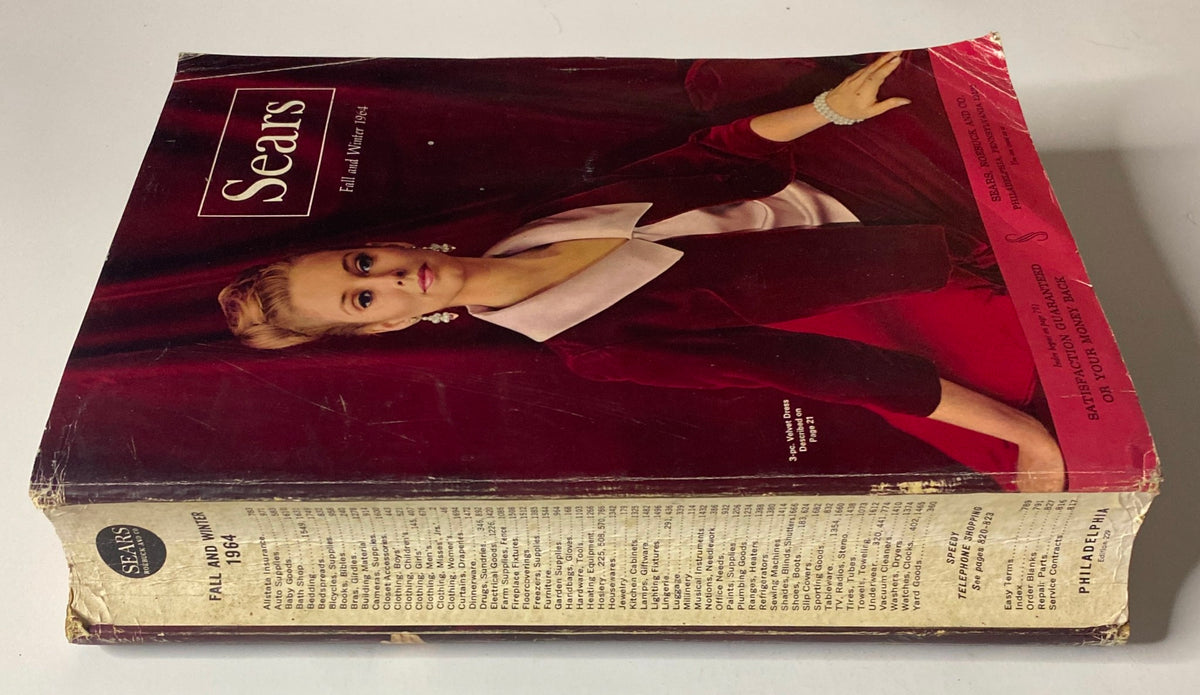
This catalog is described as being in good condition, protected by a plastic covering, with the listing confirming that the photographed item is exactly what will be received and directing detailed condition assessment to the accompanying photographs — the appropriate approach for a publication now over fifty years old where visual inspection provides the precision that verbal description cannot replicate. For a large-format fall-winter Sears catalog that was produced as a practical shopping reference rather than a collectible, good condition represents a well-maintained survivor of a publication category that most original recipients actively used throughout the fall and winter season and eventually discarded without preservation intent. The plastic protective covering indicates intentional preservation care, correlating with better overall physical stability than unprotected copies stored under comparable conditions over the same period. The listing does not specify whether a mailing address label is present on the cover, which is worth verifying from the accompanying photographs — Sears distributed this catalog by direct mail to registered customer households, and labeled copies are the norm among survivors, with label-free examples presenting with cleaner cover surfaces. The 1970 fall-winter Sears catalog is less systematically collected than the mid-1960s editions whose aesthetic has attracted more sustained collector and researcher attention, making well-preserved examples from the early-1970s transitional period a meaningful and underrepresented tier in the Sears catalog archive.
Looking for More Issues Like This?
Sears fall-winter catalogs from the opening of the 1970s — documenting the aesthetic and consumer culture transition between the late-1960s bold-color era and the early-1970s earth-tone sensibility — are sought by fashion historians, retail ephemera collectors, consumer culture researchers, and early-1970s Americana enthusiasts who recognize these publications as primary documents of an aesthetically distinctive and historically underappreciated moment in American domestic consumer life. If this 1970 fall-winter edition is no longer available, the Sears catalog collection at OriginalMagazines.com is the most comprehensive resource for exploring what else has surfaced from this foundational American retail publishing tradition across its full span of production years. For collectors building a broader documentary picture of American consumer life and popular culture at the decade's opening moment, the 1970 magazines collection brings together a wide range of primary source material from one of the most historically charged and culturally transitional years in twentieth-century American life.