







Description
Collector's Note – Why This Issue Matters
The 1978–1979 Neckermann Winter catalog is a primary document of West German consumer culture at the late-1970s moment when the decade's aesthetic was beginning its slow transition toward what would become the 1980s visual language — and the winter season bridging these two specific years carries its own historical weight. The winter of 1978–79 was one of the most severe in European memory, with extraordinary cold and snowfall across much of the continent, and it arrived in a West Germany whose political and social landscape had been shaken by the events of the previous autumn. The German Autumn of 1977 — the Red Army Faction's kidnapping of Hanns Martin Schleyer and the Lufthansa hijacking — had left West German society in a state of heightened anxiety, and the winter of 1978–79 was the first full cold season following that traumatic period. Against that backdrop, the Neckermann winter catalog reached millions of households presenting the ordinary consumer life of West German families — cold-weather clothing, household goods, Christmas merchandise, and the full domestic product range for the long northern winter — with the quiet authority of an institution that had served those households for nearly three decades. Neckermann's winter editions were the company's most comprehensive and heavily consulted annual publications, and the 1978–79 edition documents West German domestic consumer culture at the late-decade moment with the specificity that only a working retail document can provide. Collectors researching late-1970s European consumer history will find the Neckermann catalog archive the most comprehensive available record of West German retail evolution through the postwar decades.
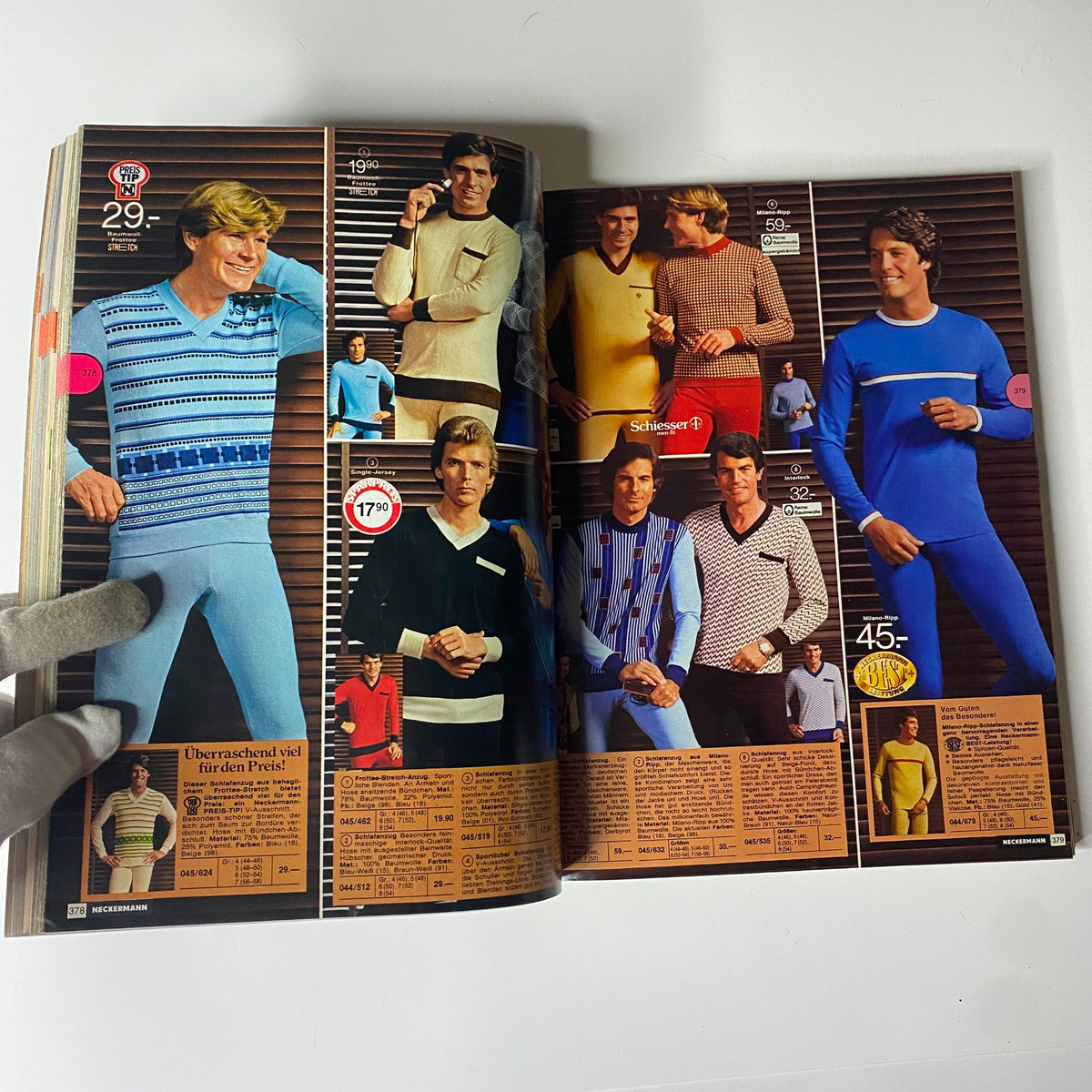
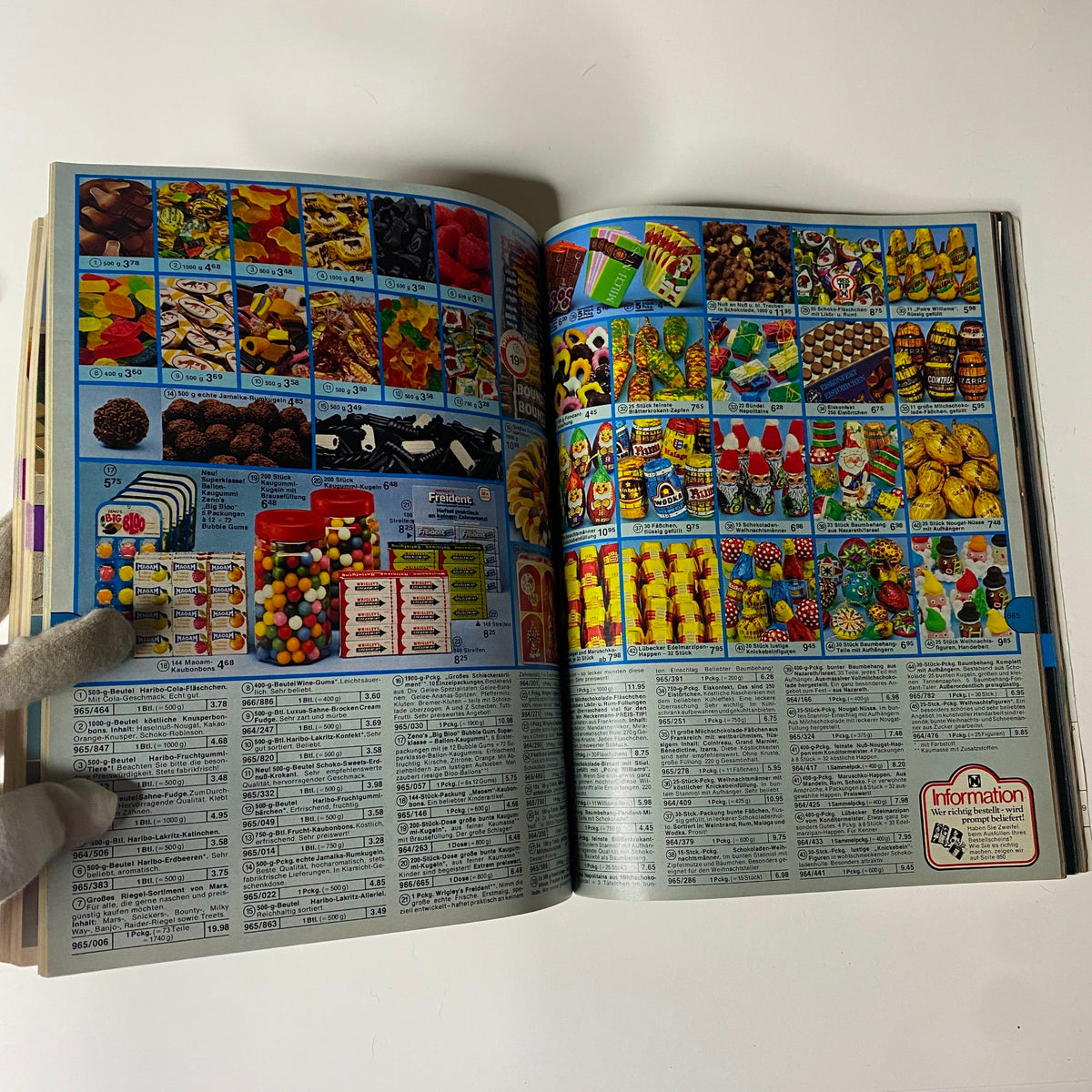
The late-1970s aesthetic captured in this winter catalog reflects the decade at its most fully developed and simultaneously most transitional phase. The bold, synthetic-fabric-confident visual language of the mid-decade peak was present alongside the earliest hints of what would become the structured, sharper aesthetic of the early 1980s — a tension that makes this particular vintage in the Neckermann series especially interesting for fashion historians studying the precise chronology of the decade's transition. Cold-weather outerwear, knitwear, and the home comfort goods categories that dominate a German winter catalog document the specific fabric technologies, silhouette preferences, and domestic priorities of West German consumers at this late-decade moment, providing a level of material detail that comparative fashion history rarely captures at the mass-market level. The Christmas merchandise category — one of the most commercially significant in the German retail calendar — would reflect the decorative and gift-giving conventions of late-1970s West German domestic culture with a cultural specificity that makes this catalog valuable to social historians as well as fashion researchers. The full range of 1978 publications provides essential context for the year that opened this catalog's seasonal span.
The dual-year designation of this catalog — 1978–1979 — reflects the standard European mail-order practice of issuing winter editions to cover the full cold-weather season spanning two calendar years. This dating convention is itself a useful collector's research detail: it places the catalog's production in the late summer or early autumn of 1978, its distribution in the autumn of 1978, and its household consultation period across the full winter through early spring of 1979. Each of those temporal layers adds a dimension to the catalog's historical positioning that single-year editions do not possess.
About the Publication
Neckermann Versand, founded in Frankfurt in 1950 by Josef Neckermann, grew into one of West Germany's largest and most recognized mail-order companies, issuing seasonal general merchandise catalogs that reached millions of German households at their peak. The winter edition was the company's most comprehensive annual publication, covering cold-weather fashion, household goods, Christmas merchandise, and the full range of domestic products that West German families needed across the long cold-weather season. By the late 1970s Neckermann's catalogs were sophisticated full-color publications at the late-decade peak of the company's commercial reach, and they serve today as detailed primary sources for researchers of postwar German consumer culture, European fashion history, and the material culture of Cold War-era West German domestic life.
Key Highlights Inside
- Winter fashion for men, women, and likely children reflecting the late-1970s West German mass-market aesthetic — the decade's fully developed visual language present alongside the earliest transitional hints of the approaching early-1980s sensibility.
- Cold-weather outerwear, knitwear, and seasonal clothing documenting the specific fabric technologies and silhouette preferences of West German consumers at the late-decade moment, at the peak of the synthetic and blended fabric culture that characterized 1970s European ready-to-wear.
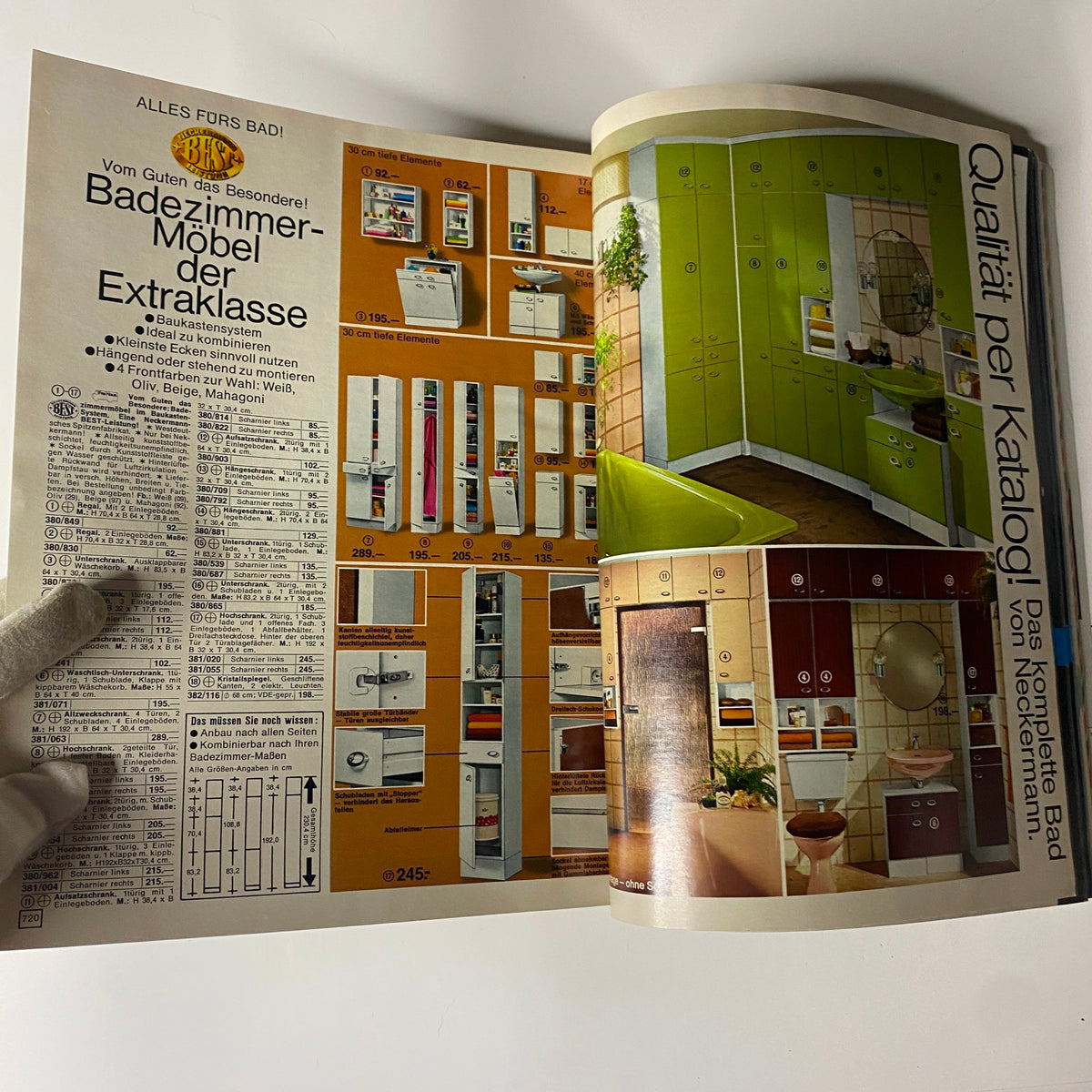
- Household goods and home comfort products capturing the domestic priorities of West German families in the winter of 1978–79 — the appliances, textiles, and everyday items that constitute the material record of late-decade West German domestic life.
- Christmas and holiday merchandise reflecting the gift-giving and decorating conventions of late-1970s West German domestic culture — one of the most commercially significant seasonal categories in the German retail calendar and a culturally specific primary source for social historians of the period.
- Note: Specific section titles, page counts, and detailed interior content beyond what is documented in the listing have not been independently confirmed. The above reflects what is verifiable from the listing description and well-documented knowledge of Neckermann's catalog format and the consumer culture of this era.
Condition & Rarity
Neckermann winter catalogs from the late 1970s were the company's most heavily used annual publications — consulted repeatedly over a five-to-six-month household season, used to fill out mail orders, and passed between family members in ways that accumulated significant handling wear. A surviving example from 1978–79 rated in good condition with a protective plastic sleeve represents a well-preserved artifact by realistic standards for a catalog that was subjected to this level of domestic use and is now approaching fifty years of age. When evaluating any surviving copy of this catalog, the primary condition factors are binding integrity and spine cohesion — winter editions sustained more mechanical stress from repeated opening than summer supplements — alongside cover brightness, the completeness of the full-color fashion and product pages, and the absence of significant moisture damage or household markings. Good condition on a winter catalog of this age indicates structural soundness and visual legibility sufficient for both research and display use, which is a meaningful standard for West German retail ephemera of this period.
Looking for More Issues Like This?
Late-1970s Neckermann winter catalogs are among the most historically resonant entries in the Neckermann collecting category, and the 1978–79 edition — spanning the precise late-decade moment between the German Autumn's aftermath and the approaching transition toward the 1980s aesthetic — draws consistent interest from collectors and researchers of West German consumer and fashion history. The Neckermann catalog collection at OriginalMagazines.com is the most focused resource for locating other seasonal editions from this important West German mail-order institution. Collectors building around the late-1970s cultural and consumer landscape will also want to explore the 1978 magazine collection, which brings together a range of period publications that document the style, politics, and everyday life of the year that opened this catalog's winter season.