

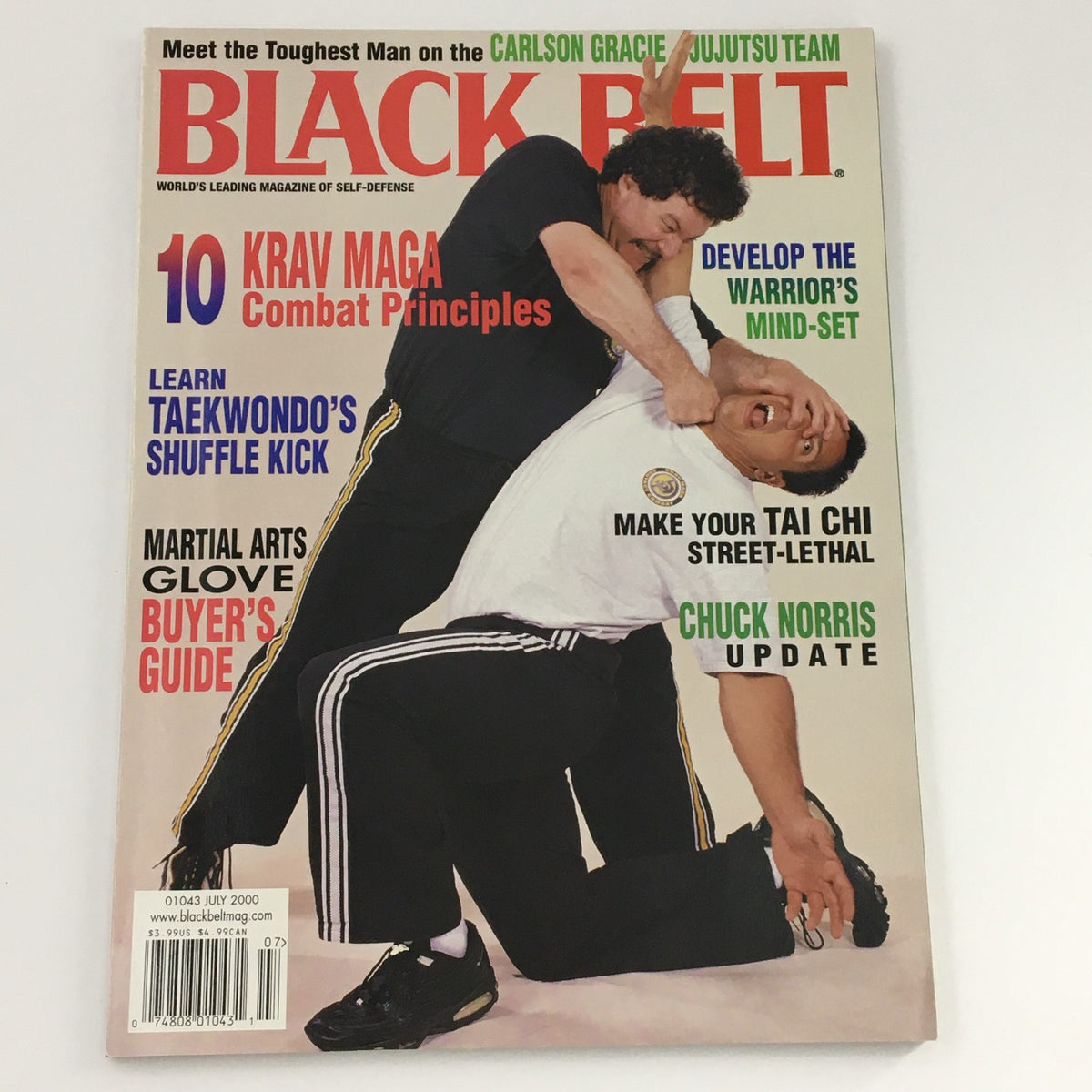


Description
Collector's Note – Why This Issue Matters
The July 2000 issue of Black Belt magazine reflects a period when traditional martial arts techniques were being refined, systematized, and presented to an increasingly global audience. Its focus on Lear Taekwondo’s shuffle kick highlights how specific movements and training methods were being analyzed in detail, emphasizing both technical precision and practical application. At the turn of the millennium, Taekwondo had already established itself as one of the most widely practiced martial arts worldwide, and instructional features like this illustrate how its techniques continued to evolve through coaching systems and competition influence.
During this era, martial arts publications frequently served as a bridge between instructors and practitioners, translating dojo-based instruction into accessible written and visual formats. Issues preserved within the Black Belt magazine collection often documented how techniques were taught, adapted, and standardized across different schools and regions. The emphasis on a specific kicking method reflects the importance of speed, timing, and efficiency that defined competitive Taekwondo in the late 1990s and early 2000s.
Within the broader context of magazines from 2000, this issue captures a moment when martial arts were fully integrated into global sports culture, supported by organized competition and widespread media coverage. For collectors and practitioners alike, it offers insight into how technical knowledge was shared and preserved at a time when martial arts training was becoming more structured and internationally connected.
About the Publication
Black Belt magazine was one of the most influential martial arts publications in the United States, catering to practitioners, instructors, and enthusiasts across a wide range of disciplines. Known for its combination of instructional features, interviews, and cultural coverage, it provided readers with both practical techniques and broader insights into the martial arts world. By 2000, it remained a central authority in documenting both traditional practices and modern competitive developments.
Key Highlights Inside
- Feature coverage of Lear Taekwondo’s shuffle kick and its application in training and competition. This reflects the importance of refined kicking techniques in modern Taekwondo practice.
- Instructional emphasis on speed, timing, and movement efficiency within martial arts techniques. The content highlights how practitioners were encouraged to develop both precision and adaptability.
- Editorial focus on martial arts culture at the turn of the millennium. This includes the growing influence of organized competition and standardized training methods.
- General features typical of martial arts publications, combining technique breakdowns with broader training insights. These elements illustrate how knowledge was shared among practitioners during this period.
Condition & Rarity
From a collector’s perspective, this issue is identified as a newsstand edition, indicated by the absence of a mailing label, which is often preferred for its clean cover presentation. The described very good condition, with no visible wear and strong page and cover quality, places it among well-preserved examples for a 2000 publication. The use of bagging and boarding, along with a protective plastic sleeve, provides excellent preservation, helping to maintain structural integrity and reduce environmental exposure. Evaluation typically considers cover vibrancy, spine condition, and the completeness and cleanliness of interior pages.
Looking for More Issues Like This?
Issues from this era offer a detailed look into how martial arts techniques were refined and taught at the start of the 21st century. The Black Belt magazine collection includes a wide range of issues covering different disciplines and training approaches. For a broader view of the period, the 2000 magazine collection provides additional context on how martial arts and global culture were documented at the time.