



Description
Collector's Note – Why This Issue Matters
This September 1956 issue of Charm arrives during the magazine's most historically significant run, published under the subtitle "The Magazine for Women Who Work," a positioning that made Charm the first American fashion magazine specifically created to serve women pursuing careers across diverse fields. Under editor-in-chief Helen Valentine, who led the magazine from 1950 through 1958 following her earlier success creating Seventeen, Charm deliberately set itself apart from contemporaries like Ladies' Home Journal by addressing an emerging demographic of working women directly, advocating for improved business and government practices around women's employment rather than simply assuming readers' primary identity was homemaker. This September 1956 fall fashion issue, promising practical guidance on "the new fall look," reflects exactly the kind of career-oriented service journalism Charm built its identity around, since the magazine's fashion content was consistently designed with office-appropriate wardrobes and a working woman's practical needs in mind, rather than purely aspirational or domestic styling. By 1956, Charm had been operating under this distinct editorial mission for six years, having already established itself through innovative promotional partnerships with department stores and local businesses across the country celebrating the purchasing power of employed women specifically.
Charm's visual identity during this period owed much to art director Cipe Pineles, a pioneering figure in American magazine design who had previously worked at Vogue, House & Garden, and Vanity Fair before becoming the first female art director of a major magazine at Glamour, then bringing her innovative layout sensibilities to Charm under Valentine. Pineles is widely credited with helping establish the modern magazine layout style, combining clean typography with on-location fashion photography in ways that distinguished Charm visually from its competitors throughout the 1950s. A fall fashion issue from this period would have showcased exactly this kind of sophisticated visual presentation, paired with editorial content that explicitly challenged the era's prevailing stereotypes about ambitious or independent working women. This combination of forward-thinking content and genuinely innovative design work makes Charm a particularly significant title for collectors and historians studying both the visual evolution of American magazine publishing and the broader cultural history of women's changing relationship to paid employment during the 1950s.
For collectors, this issue offers substantially more historical depth than a typical 1950s fashion magazine, since Charm's specific mission and design pedigree distinguish it within the broader landscape of mid-century women's publishing. That combination of pioneering career-women editorial content and significant design history gives this issue real value within the broader landscape of 1956 magazine collecting, where Charm issues remain comparatively underappreciated relative to their genuine historical significance.
About the Publication
Charm began publishing in the early 1940s under Street & Smith Publications, initially positioned toward what the magazine termed the "business girl," before being relaunched in 1950 under editor-in-chief Helen Valentine with the subtitle "The Magazine for Women Who Work." Valentine, who had previously founded and edited Seventeen magazine with the explicit goal of treating young women as capable adults, brought that same philosophy to Charm, building the magazine specifically around the needs and purchasing power of America's growing population of employed women. Charm's art direction under Cipe Pineles, a designer credited with helping establish the modern magazine layout style through clean fonts and location-based fashion photography, gave the magazine a visual sophistication that distinguished it from competitors throughout the decade. The magazine's editorial content consistently addressed practical concerns specific to working women, including office-appropriate fashion, career advice, and content that pushed back against the era's frequent negative stereotyping of ambitious professional women. Charm continued operating under this distinct editorial mission through 1958, occupying a genuinely unique position within mid-century American magazine publishing before eventually folding, leaving behind a body of work now recognized by historians as an important early chapter in American women's professional and consumer history.
Key Highlights Inside
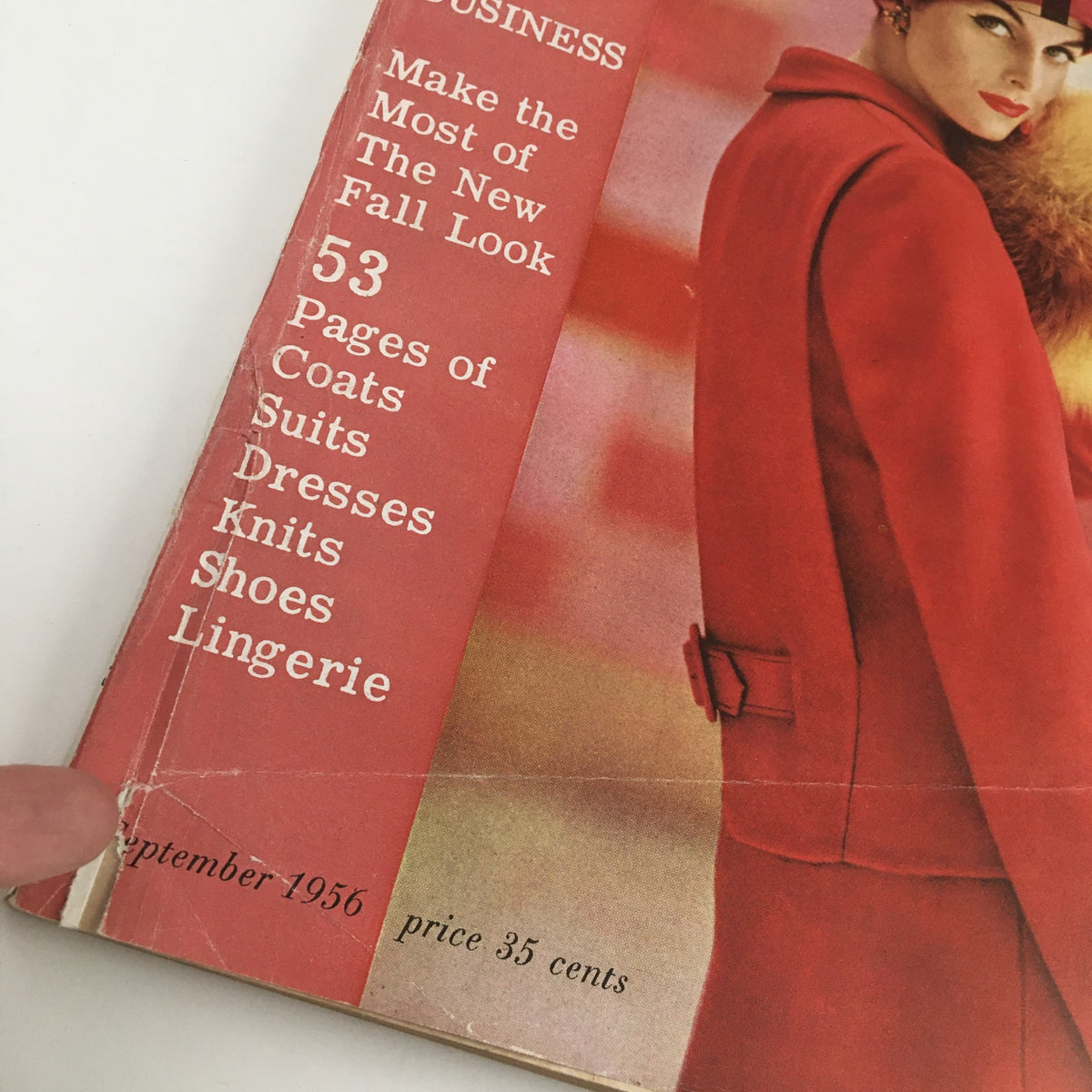
- A fall fashion feature titled "Make The Most of The New Fall Look," addressing seasonal style trends for 1956. Consistent with Charm's broader editorial mission, fashion content of this kind was typically presented with the practical needs of working women in mind. This distinguished the magazine's fashion coverage from competitors aimed primarily at homemakers or leisure-class readers.
- Visual design and layout work reflecting the influence of art director Cipe Pineles, a pioneering figure in American magazine design. Pineles is credited with helping establish modern magazine layout conventions through clean typography and on-location photography. Her work at Charm distinguished the title's visual presentation throughout the 1950s.
- Editorial content reflecting Charm's mission as "The Magazine for Women Who Work," addressing the practical and cultural concerns of career-oriented women readers. This positioning made Charm distinct from most competing women's magazines of the period, which generally assumed a primarily domestic readership. Specific additional articles for this issue beyond the fall fashion feature are not detailed in available listing information.
- Advertising content characteristic of mid-1950s American consumer culture, likely featuring fashion, beauty, and lifestyle products marketed specifically toward employed women with independent purchasing power. Charm was known for innovative promotional partnerships with department stores and retailers specifically targeting this demographic. This kind of period advertising offers valuable historical insight for researchers studying mid-century consumer culture and the working woman's market.
Condition & Rarity
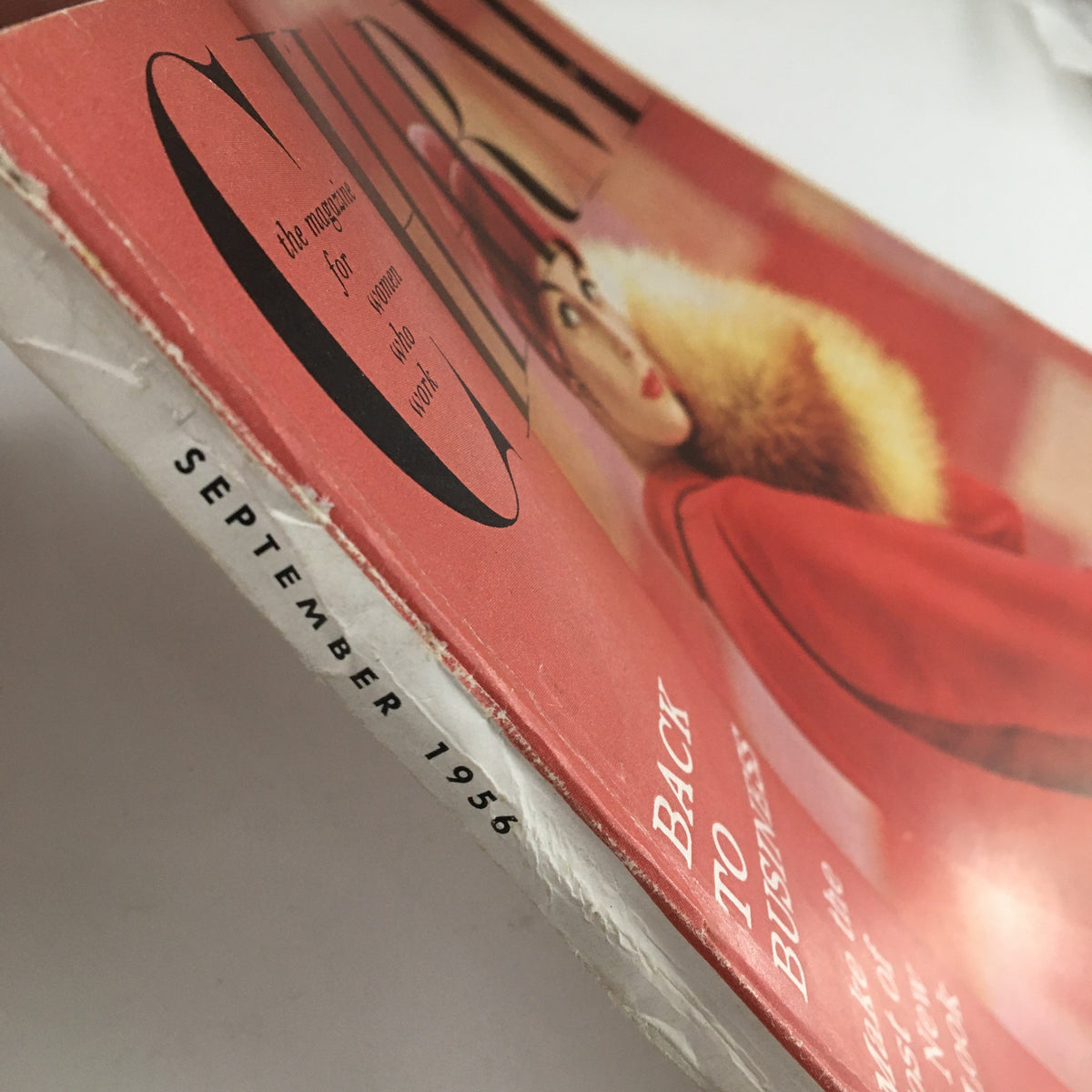
Surviving copies of this issue are generally evaluated using the same standards collectors apply across vintage fashion and lifestyle magazines: cover gloss and corner sharpness, spine integrity, absence of subscription labels or mailing stickers, and overall page condition free of tears, foxing, or moisture damage. A copy described as being in good condition, with minor wear and a few creases on the front cover, would be considered a reasonable survivor for a magazine now approaching seventy years old. The absence of a newsstand label reflects the issue's original point-of-sale distribution, a trait generally considered desirable among collectors of vintage fashion magazines from this period. A plastic protective sleeve is a standard and effective safeguard for an issue of this age, helping prevent further handling wear and environmental damage, though it has no bearing on the underlying grade of the magazine itself. Given Charm's relatively specialized editorial mission and shorter overall publishing run compared to mainstream women's magazines of the era, surviving copies are generally considered less common on today's collector market than issues from more widely circulated titles of the same period. Collectors focused specifically on mid-century design history or the cultural history of working women may weigh this issue's content and design pedigree particularly heavily relative to minor cosmetic wear. Pages free of brittleness, significant yellowing, or further tearing remain the broader benchmark for a well-preserved copy of any magazine from this era.
Looking for More Issues Like This?
A September 1956 issue of Charm, published during the magazine's historically significant run as the first American fashion magazine for career women, offers genuine substance for collectors interested in mid-century design history and the cultural evolution of women's professional life. If this particular issue isn't available, it's worth browsing the full range of 1956 magazines for other issues capturing the broader cultural and design landscape of that year. That year's magazines, taken together, offer a useful snapshot of how American publishing addressed the rapidly evolving role of women in the workplace and consumer culture during the mid-1950s. Browsing by year can also be a productive way to discover other issues from Charm's relatively short but historically significant run, or related publications addressing similar themes during this period. For collectors specifically focused on mid-century magazine design or the history of working women in America, this kind of year-based browsing tends to surface other relevant period material as well. Whichever angle appeals most, the 1956 collection is a solid starting point for going deeper into this distinctive and somewhat underappreciated corner of American magazine history.