





Description
Collector's Note – Why This Issue Matters
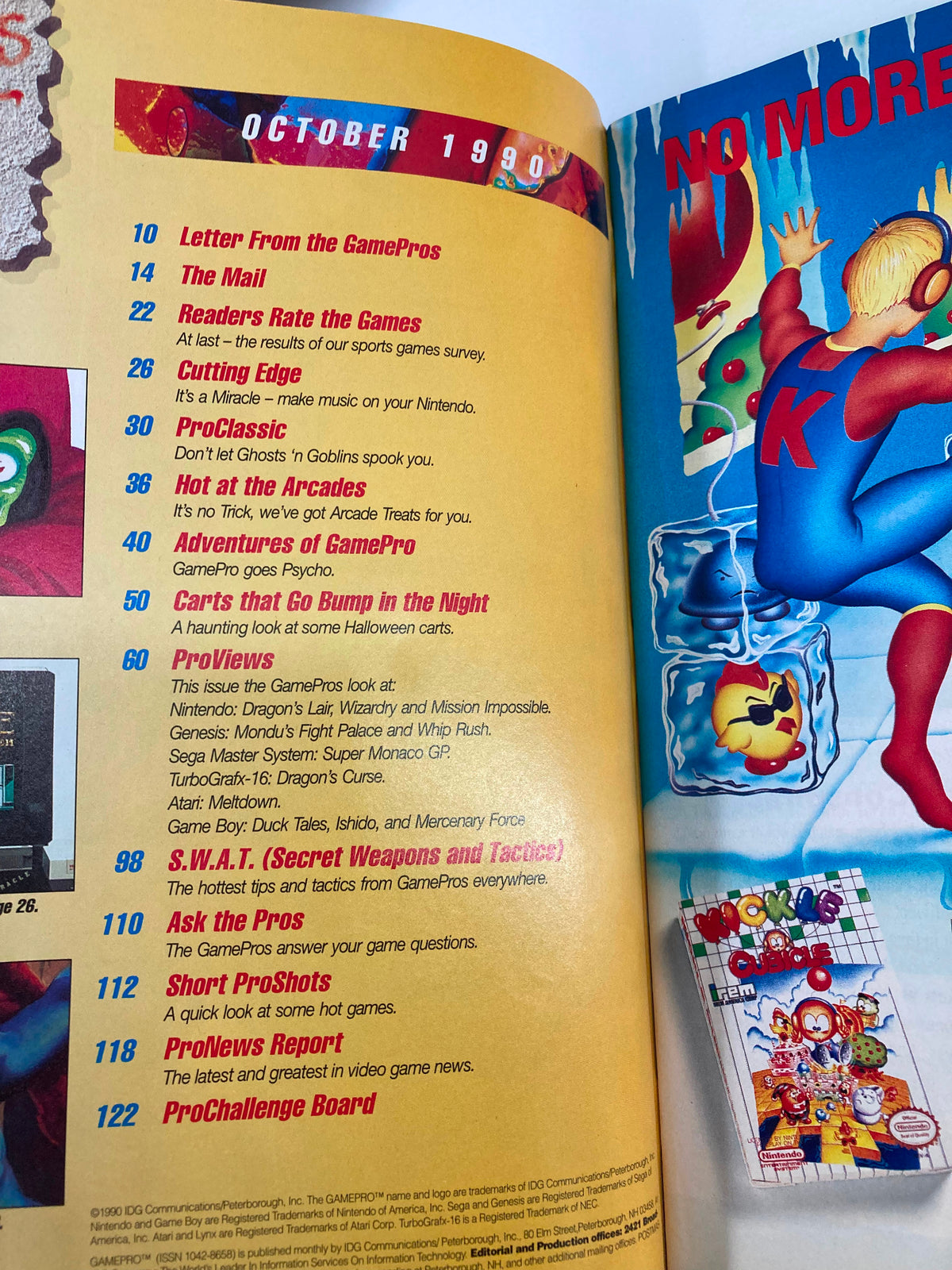
The October 1990 issue of GamePro magazine — featuring Castlevania III: Dracula's Curse and the Halloween-themed "Frankenstein Creeps" content — arrives at one of the most genuinely exciting and rapidly evolving moments in the history of video game journalism and the industry it covered. By the autumn of 1990, the Nintendo Entertainment System was at the height of its cultural dominance in American households, the Game Boy had launched only a year earlier and was already transforming portable gaming, and the 16-bit console war between the Sega Genesis and the forthcoming Super Nintendo was becoming the defining commercial and cultural story in the gaming world. GamePro had launched in May 1988 and was in the process of establishing itself as one of the essential monthly publications for the rapidly expanding community of young American gamers who wanted more than Nintendo's own official publication could offer — independent reviews, strategy content, and coverage that ranged across multiple platforms and publishers. For collectors who focus on vintage gaming magazines from the early 1990s, this issue represents a primary document of that formative moment in gaming culture, produced at the precise point when video games were transitioning from a niche hobby into a mainstream American entertainment phenomenon.
Castlevania III: Dracula's Curse is one of the most significant games featured in this issue's context. Released in North America in September 1990 — the month immediately preceding this issue's cover date — it was the direct prequel to the original Castlevania and represented Konami's most ambitious NES title to that point, introducing multiple playable characters, branching level paths, and a musical score that pushed the NES hardware to its limits. The game arrived with enormous anticipation from the franchise's dedicated fanbase and was immediately recognized as one of the NES's most technically impressive and atmospherically compelling releases. Coverage in the October 1990 issue of GamePro would have reached readers at the moment of peak interest in the title — the initial weeks of its North American availability — making this issue a contemporaneous document of one of the most celebrated games in the Castlevania series' long history at the moment of its introduction to American players. The Halloween timing of the "Frankenstein Creeps" feature reflects GamePro's consistent editorial instinct for themed seasonal content that made individual issues feel like distinct artifacts of their particular moment in the gaming calendar.
The broader significance of this issue lies in what it represents about gaming culture at the turn of the decade. October 1990 is a specific and identifiable moment: the NES generation was reaching its creative and commercial peak while the next hardware generation was visible on the horizon, gaming magazines were the primary source of information and community for players who had no internet and no other reliable way to learn about upcoming titles and strategies, and the cultural legitimacy of video games as a serious entertainment form was being established month by month through publications like GamePro that treated the medium with genuine enthusiasm and analytical attention. An issue from this precise period — particularly one covering a title as beloved and historically significant as Castlevania III — captures that moment of formation with unusual clarity, and its value as a collectible artifact of gaming history only increases as the distance from that era grows.
About the Publication
GamePro was launched in May 1988 by IDG and rapidly established itself as one of the leading independent multi-platform video game magazines in the United States — a publication that distinguished itself from the Nintendo-licensed Nintendo Power by covering games across all available systems, including the NES, Sega Genesis, Game Boy, and later the Super Nintendo and Sega CD, with a combination of reviews, strategy guides, previews, and industry news aimed at the dedicated young gamer audience that was driving the explosive growth of the home video game market in the late 1980s and early 1990s. Its editorial format mixed short capsule reviews with longer feature coverage, reader letters, and the kind of insider gaming culture content that its audience could not find in mainstream media. By 1990, GamePro had built a loyal readership among serious gamers who valued its multi-platform coverage and its willingness to engage critically with titles across the full spectrum of available games — making it one of the most important and widely read gaming publications of its era and one of the most actively collected by gaming historians and retro enthusiasts today.
Key Highlights Inside
- Coverage of Castlevania III: Dracula's Curse — Konami's landmark NES prequel that had just launched in North America in September 1990, featuring multiple playable characters, branching paths, and one of the most technically accomplished soundtracks in NES history, arriving in GamePro's pages at the moment of its initial American release and maximum reader interest.
- The "Frankenstein Creeps" feature — a Halloween-themed editorial segment reflecting GamePro's consistent practice of seasonal themed content that gave individual issues a distinctive identity within the magazine's annual publishing calendar and that has made October issues particularly sought-after by collectors of the publication's early run.
- Multi-platform game coverage consistent with GamePro's editorial format in late 1990 — an issue from this period would have included reviews, previews, and strategy content spanning the NES, Game Boy, and Sega Genesis, providing a comprehensive snapshot of the gaming landscape at a moment when the platform competition was intensifying and the library of available titles was expanding at remarkable speed.
- Reviews and strategy content reflecting the specific gaming culture of autumn 1990 — a period when the NES library was at its deepest and most creatively diverse, the Game Boy was establishing portable gaming as a permanent category, and the 16-bit era was beginning to make itself felt in ways that would define the next several years of gaming history.
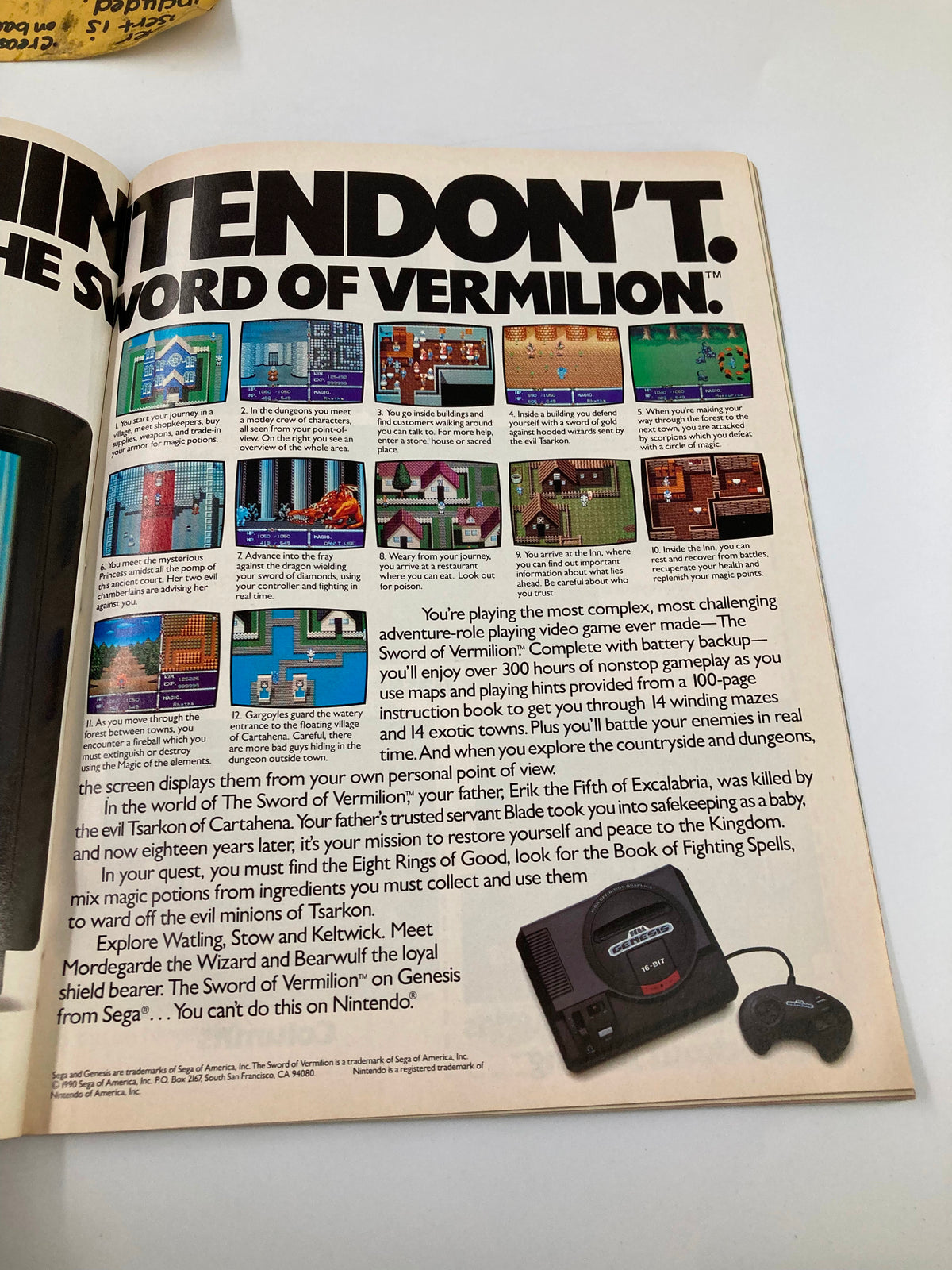
- Period advertising content from the major game publishers and hardware manufacturers of 1990 — the advertisements that appeared in an October GamePro from this year are themselves significant historical documents of the gaming industry's commercial aesthetics and marketing strategies at a pivotal moment in its development.
Condition & Rarity
This copy is rated very good condition and is identified as a no-label newsstand edition that has been expertly bagged and boarded — a preservation standard borrowed from the comic book collecting world that represents the most deliberate and protective storage approach available for magazine-format publications. The combination of bag and board provides structural support that prevents spine stress and page warping, and creates a sealed environment that significantly reduces exposure to humidity, dust, and light — the primary environmental factors that degrade paper stock over time. For a gaming magazine now more than thirty years old, bagged-and-boarded storage from an early point in the copy's life is a strongly positive condition indicator that distinguishes this example from the more commonly encountered loose or sleeve-only copies of the same issue. The no-label newsstand provenance means the cover is presented exactly as printed, without the address label adhesive damage or cover stock marking that subscription copies frequently carry. The very good grade indicates a copy that has been stored with consistent care and shows only the minimal wear consistent with its age and format — gaming magazines of this era were printed on paper stock that ages predictably well under proper storage conditions, and a very good bagged-and-boarded example represents the kind of preservation outcome that serious gaming magazine collectors actively seek.
Looking for More Issues Like This?
Early GamePro issues in bagged-and-boarded condition are among the more purposefully preserved examples collectors encounter, and a Castlevania III cover from October 1990 is a specific and historically significant find within the retro gaming magazine collecting community — if this issue has already found a home, it is worth checking back as comparable copies do surface from time to time. Collectors focused on the games, culture, and industry landscape of gaming's formative years will find it well worth exploring the full 1990 magazine archive at OriginalMagazines.com, which brings together gaming and general interest publications from one of the most consequential and actively collected years in the history of the medium — a year when the NES was at its peak, the 16-bit era was dawning, and the cultural foundations of modern gaming were being laid issue by issue.