





Description
Collector's Note – Why This Issue Matters
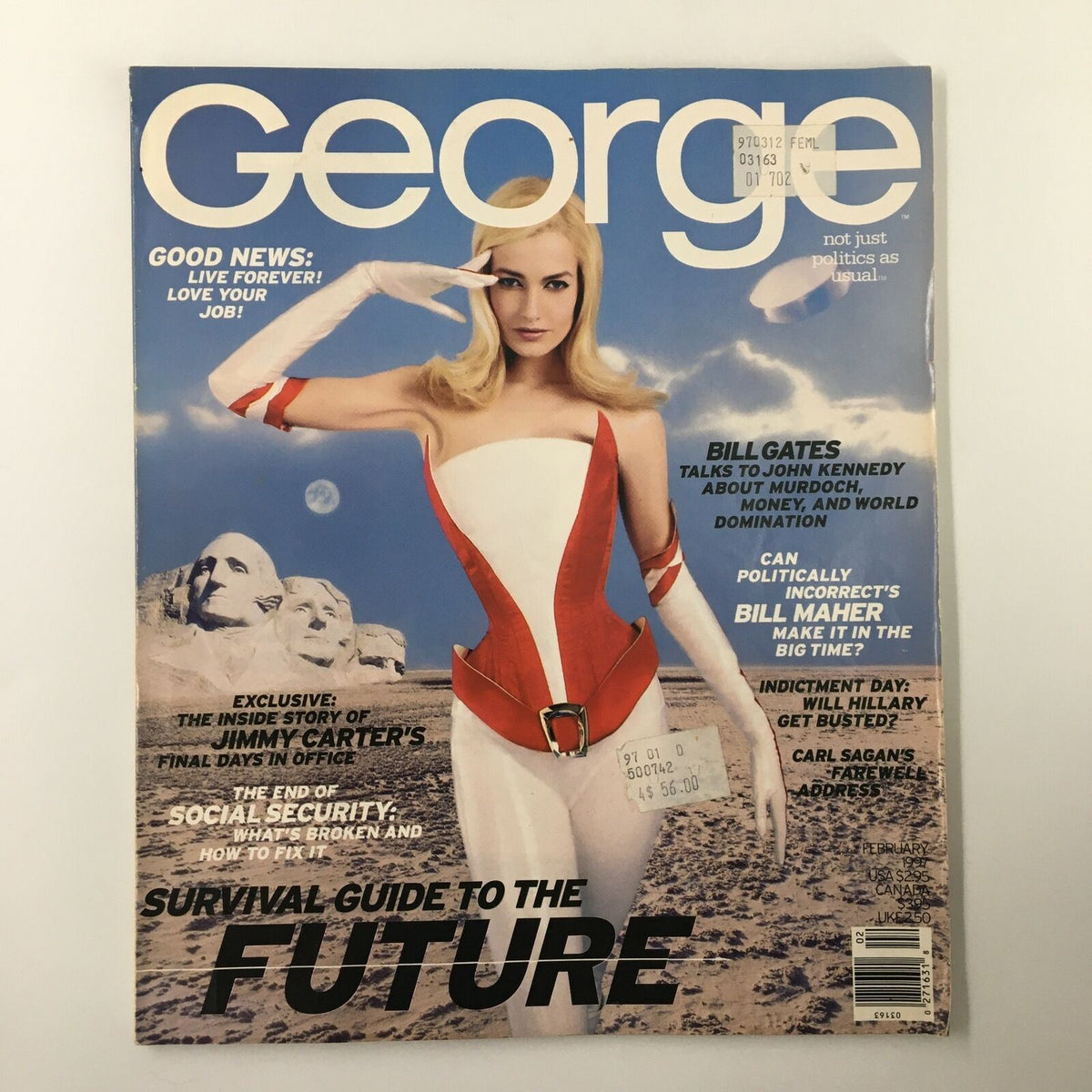
By February 1997, George Magazine had settled into the editorial rhythm that would define its legacy. Founded just eighteen months earlier by John F. Kennedy Jr. and Michael Berman, the magazine had already established its signature formula: glamorous cover subjects drawn from the worlds of fashion and entertainment, paired with substantive interior coverage of politics, power, and public life. The February 1997 issue executes that formula with particular clarity. Dutch supermodel Karen Mulder anchors the cover — a deliberate visual provocation, George's way of insisting that the conversation about governance belonged on the same newsstand as the conversation about style. Mulder was among the most recognized faces in international fashion at the time, a Victoria's Secret mainstay and runway fixture whose presence on a political monthly was the kind of calculated incongruity Kennedy had built his brand around.
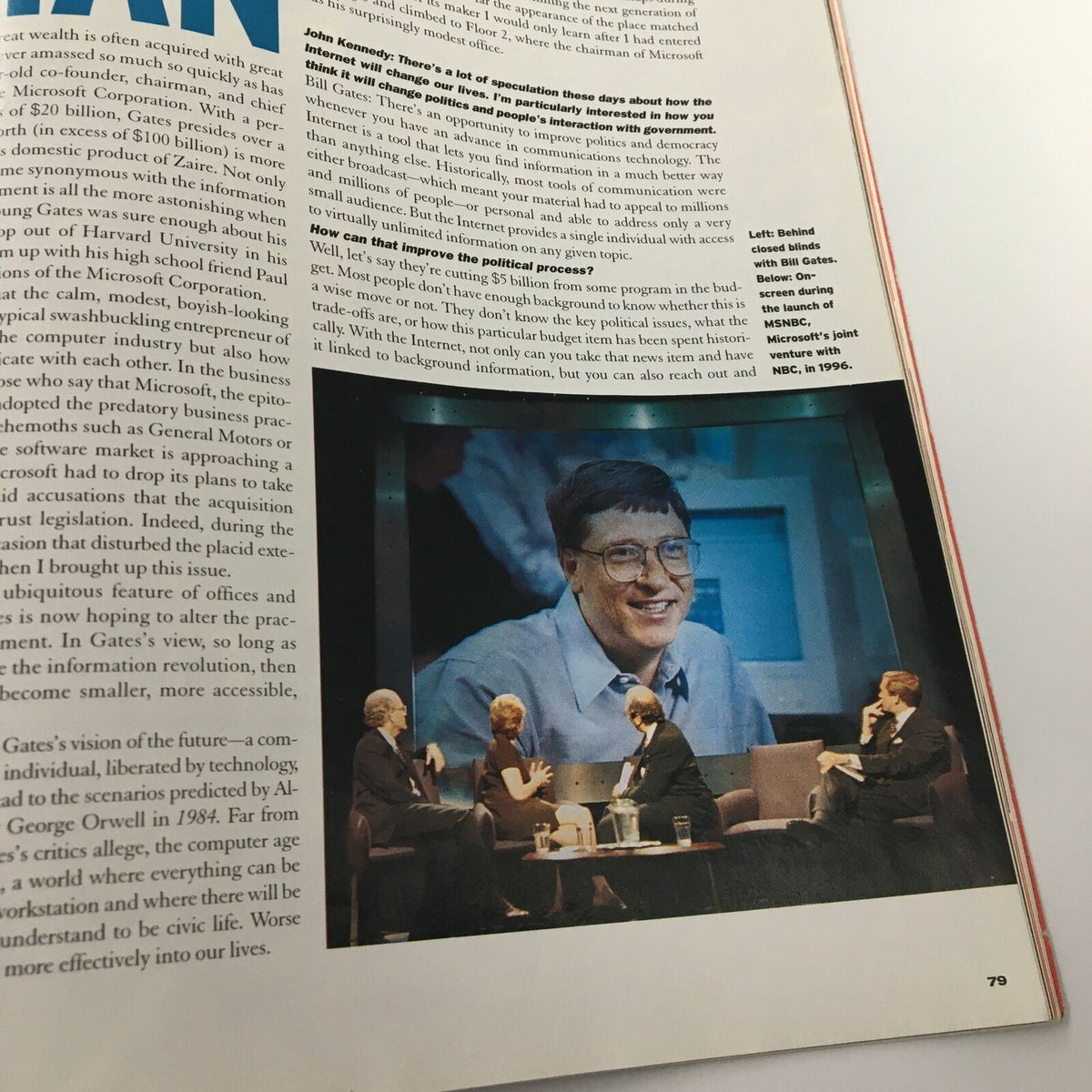
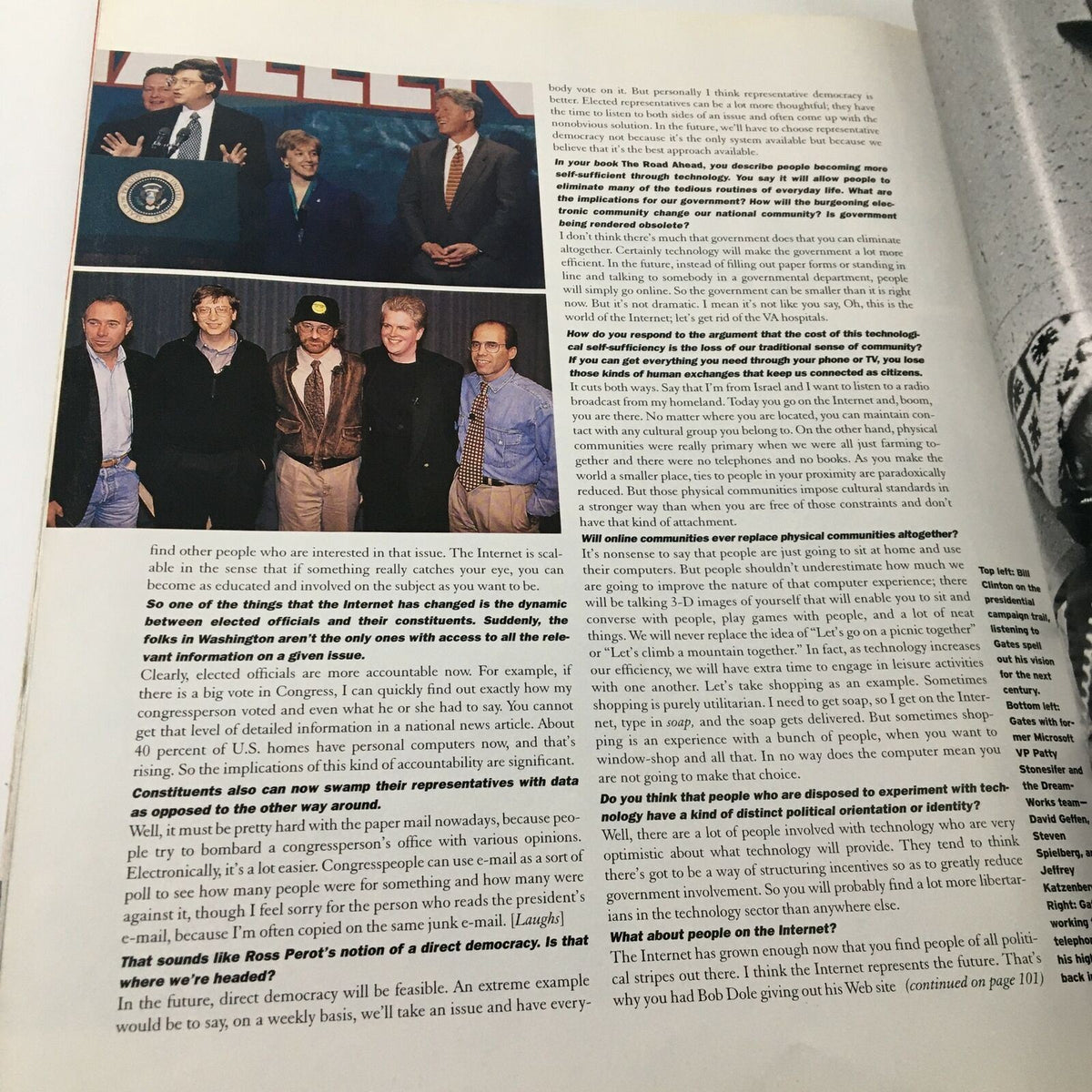
The interior reach of this issue is equally considered. Bill Gates in early 1997 occupied a strange double position in American public life: the most celebrated entrepreneur of the postwar era and, increasingly, a figure attracting serious regulatory scrutiny. The Department of Justice antitrust investigation that would define his public image through the end of the decade was already forming. Jimmy Carter, meanwhile, had by 1997 completed one of the more remarkable reputation rehabilitations in American political history. His post-presidential work through the Carter Center — election monitoring, international diplomacy, the Habitat for Humanity partnership — had transformed him from a figure associated with national malaise into a widely admired model of purposeful public service. That George chose to feature both men in the same issue reflects the magazine's appetite for pairing figures whose relationship to power was complicated and evolving. Collectors building a thorough archive of the George Magazine run will find this issue representative of the title at its most intentional.
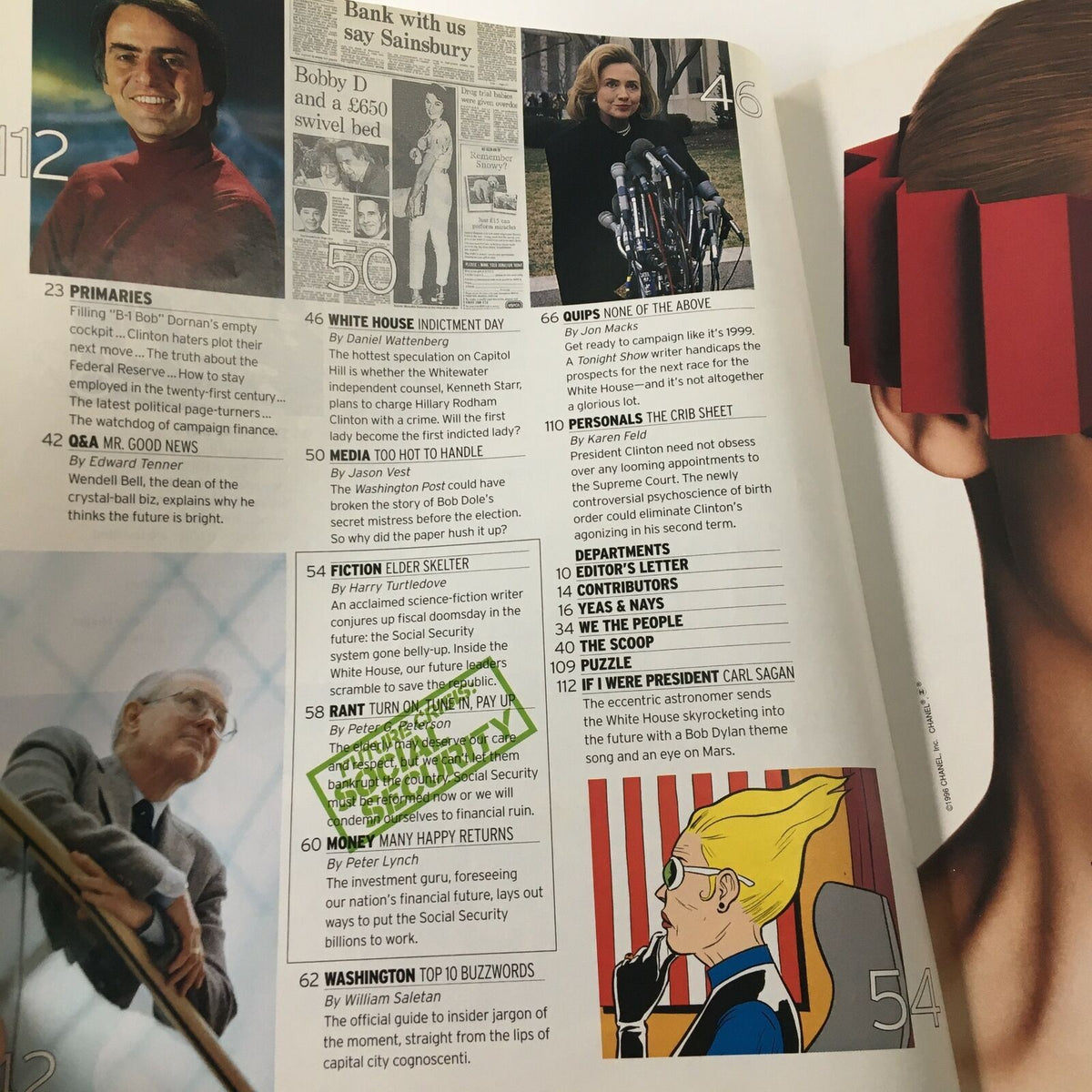
The February 1997 date also carries weight that isn't visible on the cover. Carl Sagan had died on December 20, 1996 — fewer than two months before this issue's publication — and the cultural moment was one of genuine stock-taking about science, technology, and the public intellectual. Whether or not Sagan appears in this issue's pages, the atmosphere it was published into was shaped by that loss. Gates and Carter together, in that climate, made for an editorial pairing that went beyond celebrity: it was an implicit argument about what kinds of influence mattered. For researchers tracking that argument across the decade, the full landscape of 1997 magazine publishing provides essential context.
About the Publication
George Magazine launched in September 1995, founded by John F. Kennedy Jr. and business partner Michael Berman and published by Hachette Filipacchi Media. It was the first major American monthly to position politics explicitly as a pop culture subject — treating elected officials, policy debates, and public figures with the same visual ambition and personality-driven framing that entertainment magazines applied to actors and musicians. The format paired glossy celebrity covers with substantive reported features, opinion writing, and interviews, targeting readers who were curious about governance but alienated by the dry register of traditional political journalism. At its peak, George reached a circulation of approximately 400,000. Kennedy's death in a plane crash in July 1999 destabilized the publication; it ceased print operations in January 2001. The complete run — roughly five and a half years of issues — now constitutes a coherent primary archive of how American popular culture processed politics during the Clinton era.
Key Highlights Inside
- Karen Mulder cover: Mulder's appearance on the front of a political monthly was a deliberate editorial choice, consistent with George's practice of casting fashion and entertainment figures as the visual gateway to serious interior content. Her styling and placement on this cover are part of the magazine's documented visual identity.
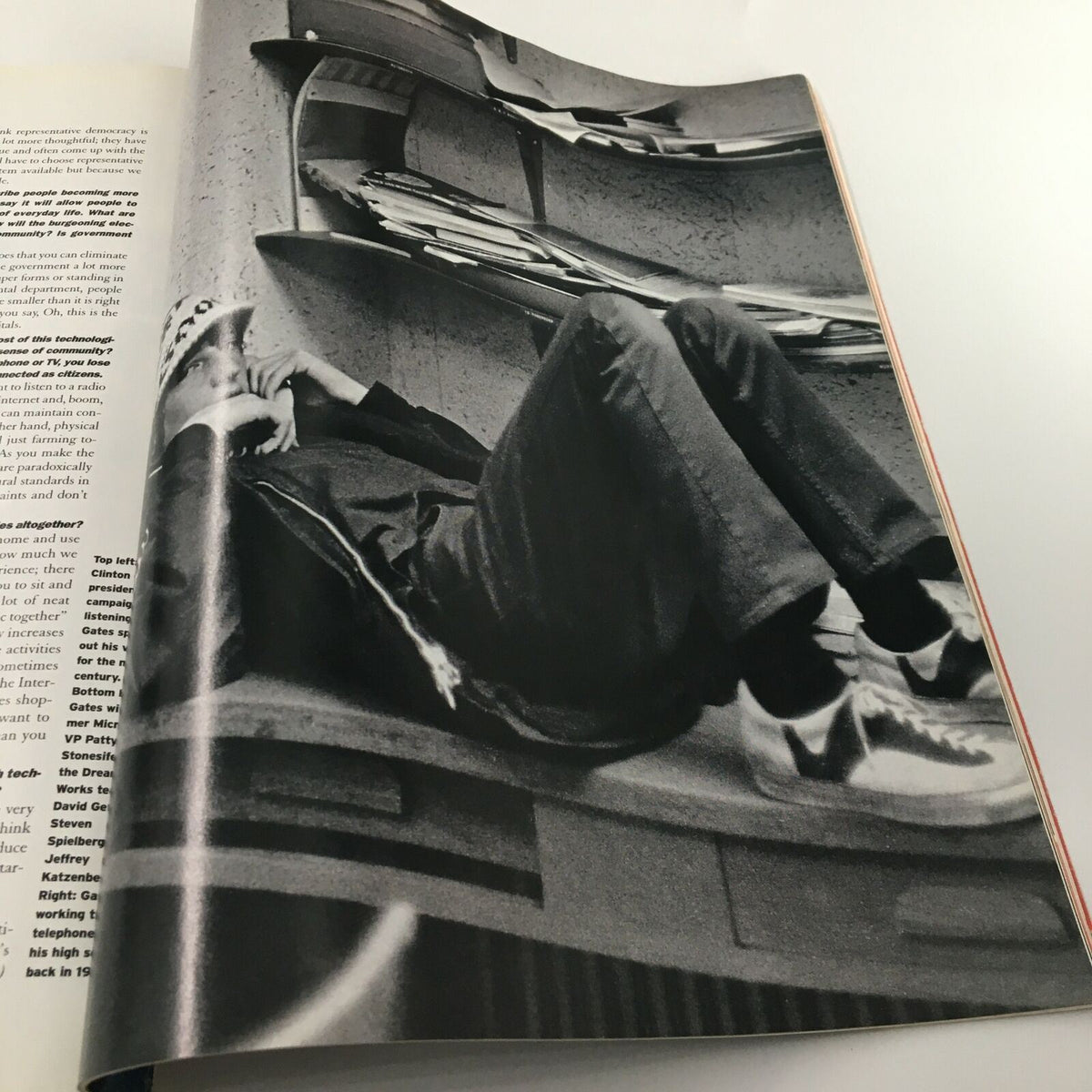
- Bill Gates feature: Gates at this moment was the wealthiest private individual in the world and a figure whose relationship with federal regulators was becoming the defining business story of the late 1990s. Any George treatment of him in February 1997 would have been engaging a subject at a genuine inflection point.
- Jimmy Carter profile: Carter's post-presidential career by 1997 had earned him a level of bipartisan respect that stood in sharp contrast to his single-term reputation. The Carter Center's work in international election observation and humanitarian diplomacy made him a substantive figure, not merely a nostalgic one.
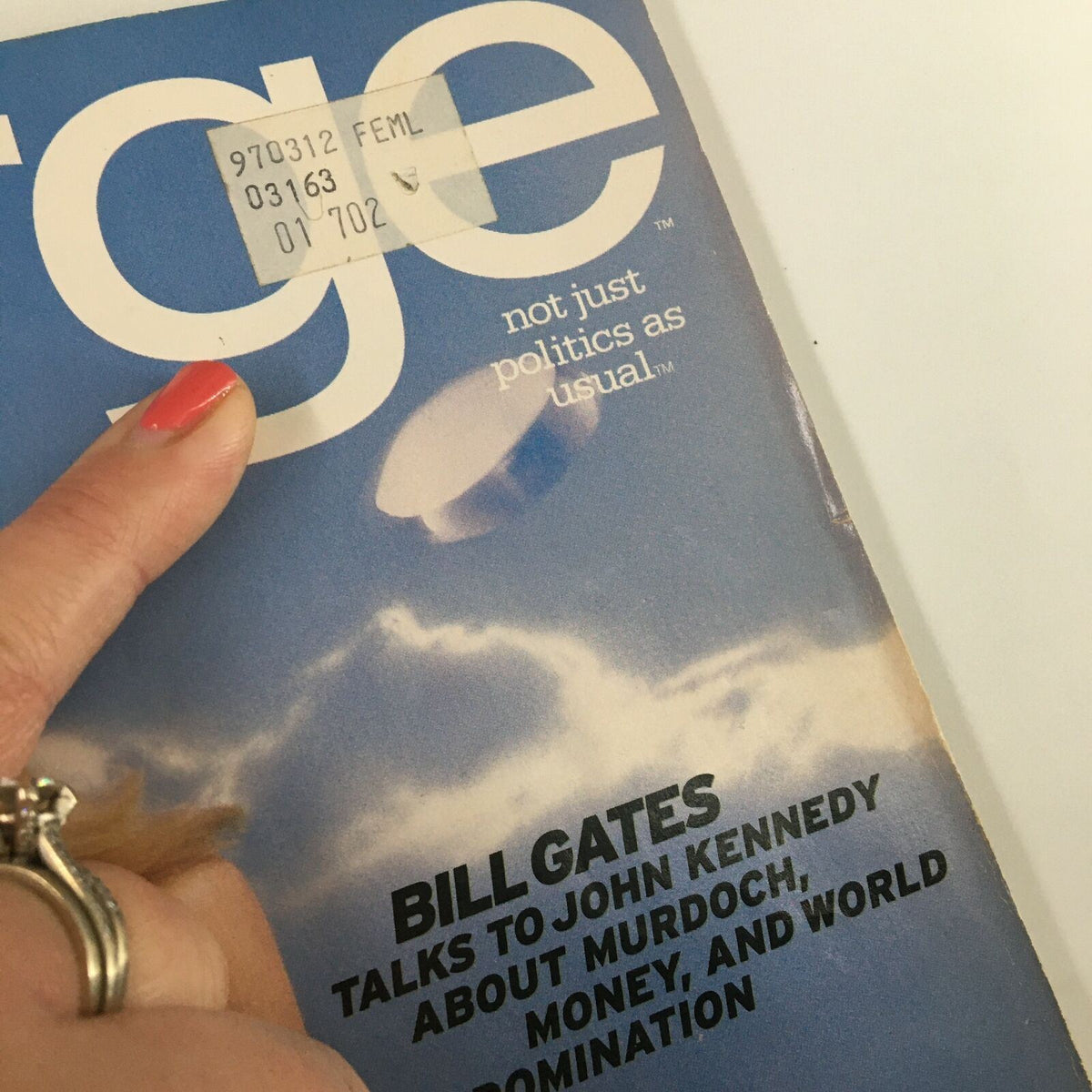
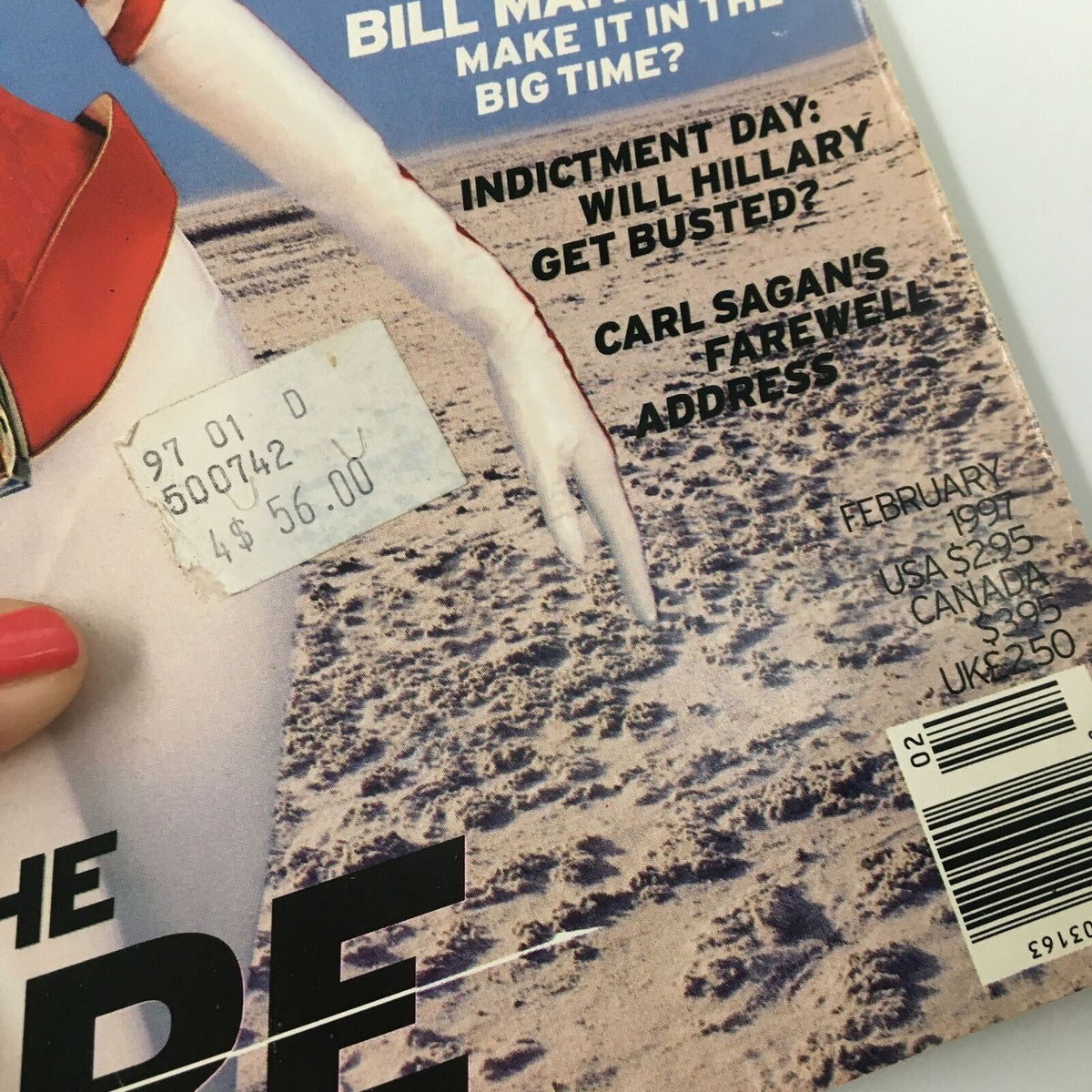
- Condition-specific details — price sticker and creases: This issue is documented as carrying a price sticker on the front cover and visible creases acquired through handling and age. Both are noted characteristics that distinguish this surviving copy from cleaner examples and are relevant to any collector-grade assessment.
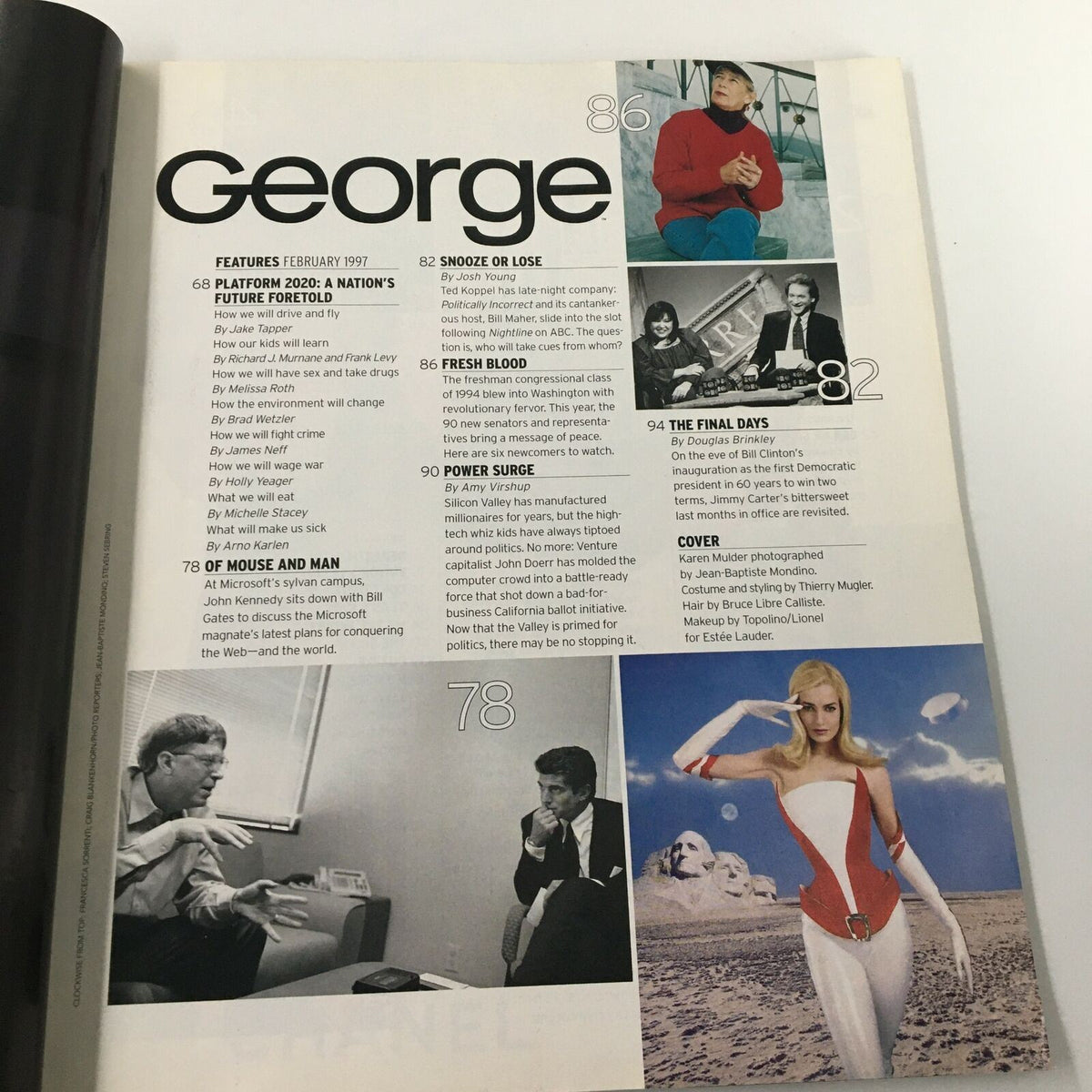
- Additional interior content: Specific article titles and features beyond the named cover figures have not been independently confirmed for this issue. The above reflects what is verifiable from the cover date, publication history, and listed subjects.
Condition & Rarity
This issue is described as good condition with minor wear consistent with nearly three decades of age, accompanied by a protective plastic covering — an indicator that it passed through the hands of someone who recognized its collectibility at some point before reaching the current market. Two specific condition attributes are worth evaluating carefully in any surviving copy of this issue: a price sticker affixed to the front cover, and creases visible on the exterior. In collector-grade periodical assessment, stickers on cover art represent a meaningful detractor regardless of their size — removal risks surface damage to the printed stock, and leaving them in place permanently obscures original cover art. Creases on a glossy magazine cover of this era similarly affect grade, as coated paper from the 1990s holds fold lines permanently and they are visible under raking light even when the magazine is otherwise intact. Neither attribute affects the readability or completeness of the interior pages, which is ultimately the more important variable for researchers using this issue as a reference document. Collectors prioritizing display condition should weigh these surface factors accordingly; those primarily interested in the editorial content will find good-condition page integrity the more relevant criterion.
Looking for More Issues Like This?
George Magazine from 1997 in clean, no-label condition is a more demanding find than its relatively recent publication date might suggest — the magazine's press run was modest by mass-market standards, and surviving copies vary considerably in condition. If this issue is currently unavailable, the Karen Mulder magazine collection at OriginalMagazines.com is a natural starting point for collectors drawn to her cover appearances, and the full George Magazine archive catalogs additional issues from across the Kennedy era of the publication. The broader 1997 magazine collection offers contemporaneous context across politics, technology, fashion, and culture for anyone building a comprehensive picture of the period.