




Description
Collector's Note – Why This Issue Matters
The July 1982 issue of Harper's Bazaar featuring Kelly Emberg on the cover captures a specific and historically interesting moment in both the modeling world and the broader fashion landscape of the early 1980s. Kelly Emberg was one of the top models working in the early-to-mid 1980s — a figure who appeared consistently in the major fashion magazines and advertising campaigns of the era and whose face became closely associated with the decade's particular aesthetic of bold glamour and athletic confidence. Her July 1982 Bazaar cover situates her within the specific context of the early Reagan years' fashion identity, when the softer romantic sensibility of the late 1970s was giving way to the more assertive, shoulder-padded, power-dressing aesthetic that would define the decade's mainstream fashion narrative. The listing's reference to "Energized Fashion" and "Big Time Evening Dressing" as cover story themes reflects exactly that transition — a fashion press actively constructing and naming a new aesthetic direction that responded to the cultural and economic confidence of the early 1980s. Collectors building a focused archive of Kelly Emberg's documented career in fashion will find the Kelly Emberg magazine collection the most focused resource for tracking her appearances across major publications throughout the years of her greatest commercial prominence.
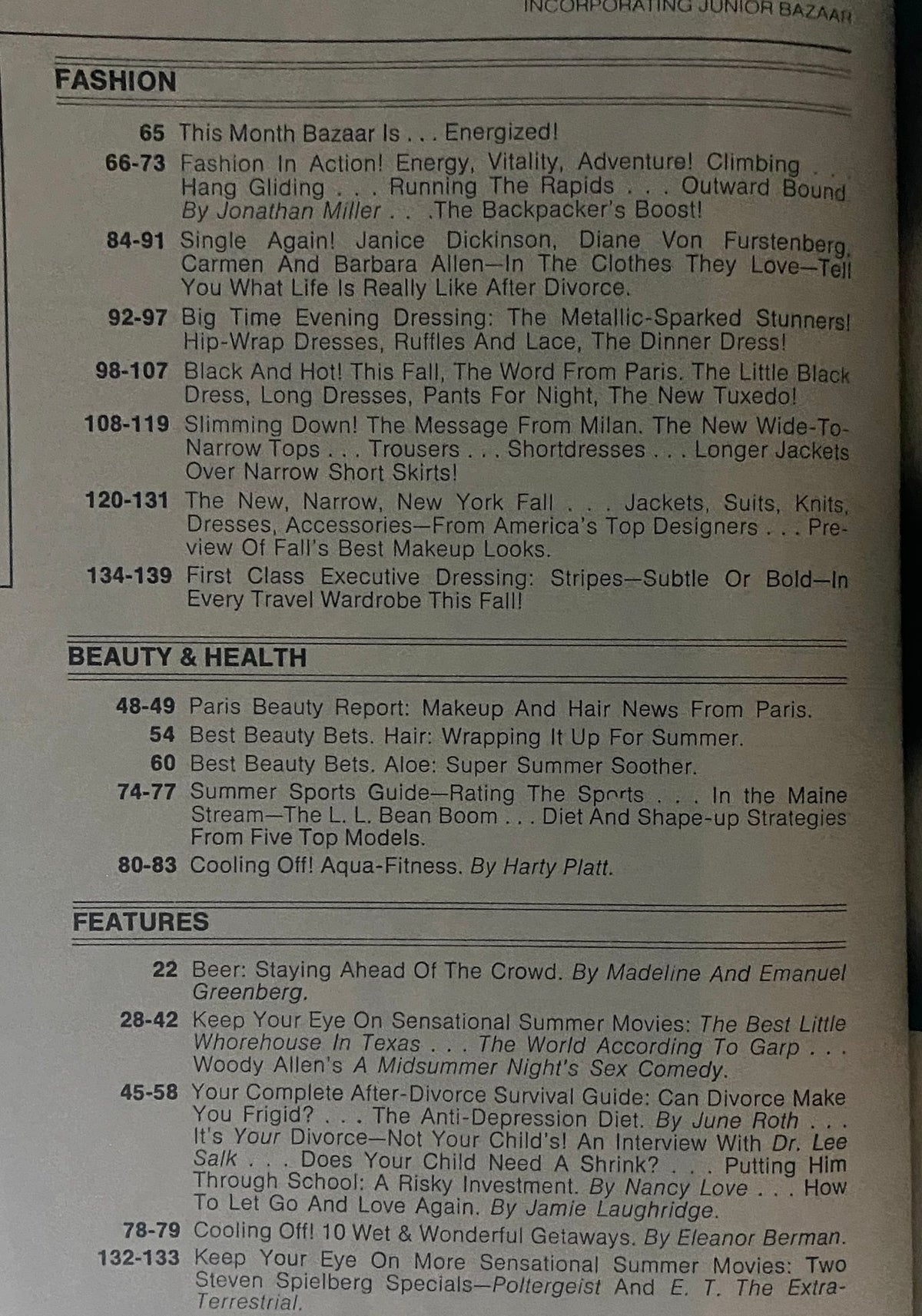
The editorial content documented in this issue's listing makes it a particularly rich primary source for the specific fashion journalism of July 1982. The combination of Janice Dickinson — at the time one of the most prominent and outspoken models in the industry, whose personality and career were redefining what a model's public persona could be — alongside Diane von Furstenberg, the designer whose wrap dress had defined a generation of working women's fashion in the 1970s and who was navigating the transition into the 1980s aesthetic, creates a specific snapshot of the industry's generational negotiation in this period. Paris and Milan international fashion coverage in a July 1982 Bazaar documents the specific aesthetic direction of the fall preview season — the collections whose influence would shape what American women wore through the winter of 1982 and into 1983. The Summer Sports Guide and Aqua-Fitness content reflects the early-1980s fitness culture's full penetration into the fashion press, when the aerobics boom and the wellness movement had become inseparable from how fashion magazines presented the ideal female body and lifestyle. Collectors focused on the fashion and cultural history of the early 1980s will find the Harper's Bazaar archive one of the most comprehensive resources for the publication's coverage of this transformative period in fashion's history.
July 1982 also sits at a specific point in Harper's Bazaar's institutional history. The publication was navigating the competitive pressure of the early 1980s women's magazine market, where Vogue under Grace Mirabella and a range of newer titles were competing for the fashion-engaged readership that Bazaar had served for over a century. The editorial choices documented in this issue — the combination of international collection coverage, celebrity model profiles, the fitness-fashion intersection, and the seasonal lifestyle content — reflect the specific editorial strategy that Bazaar was deploying to maintain its distinctive authority within an increasingly competitive landscape. That institutional context gives individual issues from this period a documentary value that extends beyond their immediate fashion content to encompass the broader story of how American fashion publishing was evolving at a particularly dynamic moment. Collectors building a comprehensive picture of early-1980s fashion will find that 1982 magazine issues across major fashion titles document the decade's defining aesthetic transition with unusual editorial richness.
About the Publication
Harper's Bazaar was founded in 1867 and had established itself across the following century as one of the two preeminent American fashion magazines alongside Vogue, distinguished by its editorial emphasis on artistic sophistication, European fashion authority, and the elevated aesthetic positioning that attracted designers, photographers, and editors of the highest caliber. Its audience was affluent, educated, and fashion-serious — readers who expected the magazine to function as a genuine authority on aesthetic direction and cultural taste rather than simply as a commercial vehicle. By 1982, Bazaar was operating in a more competitive environment than it had faced in earlier decades, with the magazine working to maintain its distinctive voice while addressing the specific aesthetic and lifestyle concerns of the early-1980s woman whose cultural expectations had been transformed by the feminist movement, the fitness boom, and the economic confidence of the Reagan years.
Key Highlights Inside
- Kelly Emberg cover — a primary document of one of the most prominent models working in the early 1980s fashion industry, her July 1982 Bazaar appearance reflecting the decade's emergent aesthetic of energized glamour and athletic confidence at the precise moment of its most visible mainstream construction.
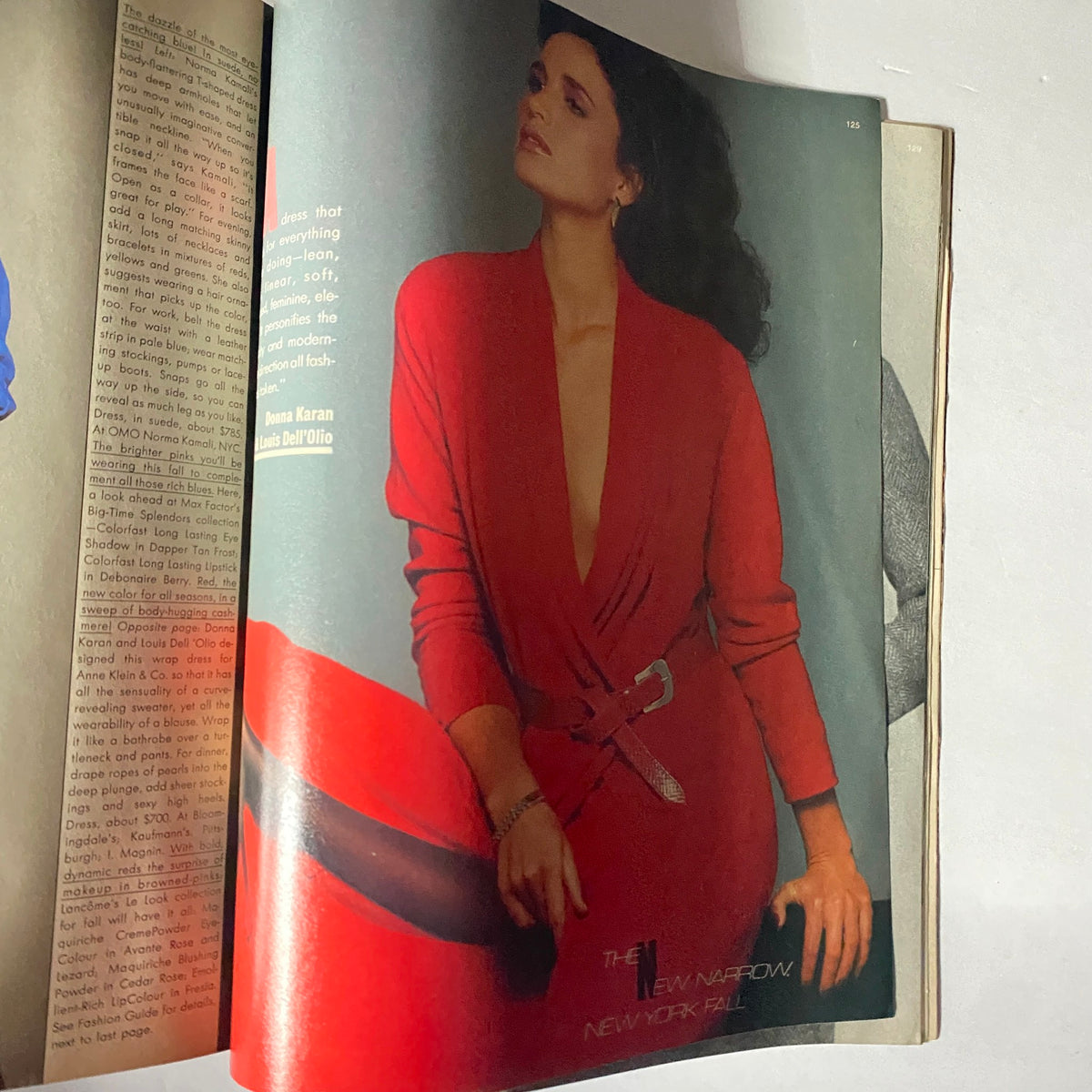
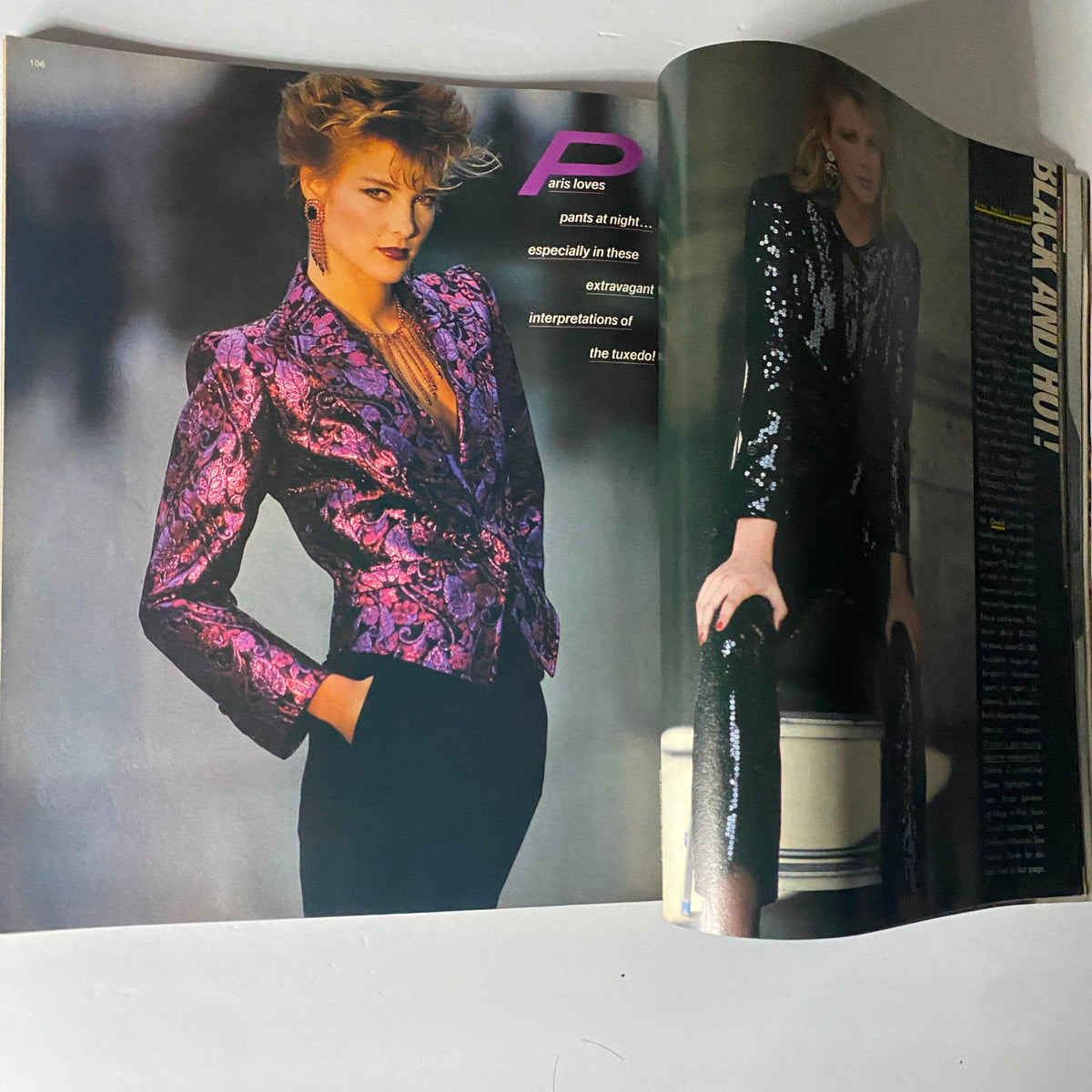
- "Energized Fashion" and "Big Time Evening Dressing" cover themes — editorial framing that names and constructs the specific early-1980s fashion identity that was replacing the late-1970s romantic aesthetic, providing primary documentation of how the fashion press was building the decade's signature style narrative.
- Janice Dickinson and Diane von Furstenberg coverage — two figures whose presence together reflects the generational negotiation of early-1980s fashion between the model personality revolution and the established designer establishment, providing rich primary documentation of the industry's specific cultural dynamics in this period.
- Paris and Milan international fashion coverage — seasonal collection journalism providing primary documentation of the fall 1982 aesthetic direction from the two most authoritative fashion capitals, reflecting Bazaar's consistent positioning as an international fashion authority for its American readership.
- Summer Sports Guide and Aqua-Fitness content — reflecting the early-1980s fitness culture's full integration into the fashion press, documenting how wellness, fitness, and lifestyle had become inseparable from fashion journalism's presentation of the ideal female body and aspirational lifestyle in this specific period.
Condition & Rarity
Very Good condition with minor wear typical for age and no mailing label is a strong and specific grade for a Harper's Bazaar from July 1982 now more than forty years old, and the particular combination of these attributes makes this a specifically well-preserved example within the surviving population of this issue. Very Good indicates a copy showing only the most minimal surface aging consistent with careful storage — essentially no handling wear, no spine stress from active reading, and overall presentation quality that reflects deliberate preservation rather than the active consulting use that fashion magazines typically received from their original readers. The absence of a mailing label is the most directly relevant positive condition attribute for collector evaluation: Bazaar's circulation in 1982 was substantially subscription-based, and the majority of surviving copies from this period carry labels applied directly to the cover stock. Label-free copies represent a specific newsstand-origin minority whose full cover visual integrity — including Kelly Emberg's cover photograph — is preserved without the adhesive damage or paper residue that subscription labels cause. A protective plastic covering applied to a copy in Very Good condition indicates ongoing deliberate preservation consistent with the overall grade.
Looking for More Issues Like This?
Label-free Very Good copies of Harper's Bazaar from July 1982 with documented editorial content featuring figures of Emberg, Dickinson, and Von Furstenberg's specific cultural prominence are among the more specifically preserved examples in the early-1980s Bazaar collector market — the combination of major model cover, rich documented editorial content, and honest Very Good condition creates a configuration that serious fashion history collectors pursue with genuine intention. For those tracking Kelly Emberg's career documentation across major fashion publications, the Kelly Emberg magazine collection is the most focused starting point. The broader Harper's Bazaar archive offers the most comprehensive resource for other significant issues from across the publication's history, and collectors building a complete picture of early-1980s fashion will find the complete 1982 magazine collection a valuable resource for contextualizing this issue within the larger fashion and cultural landscape of the year.