


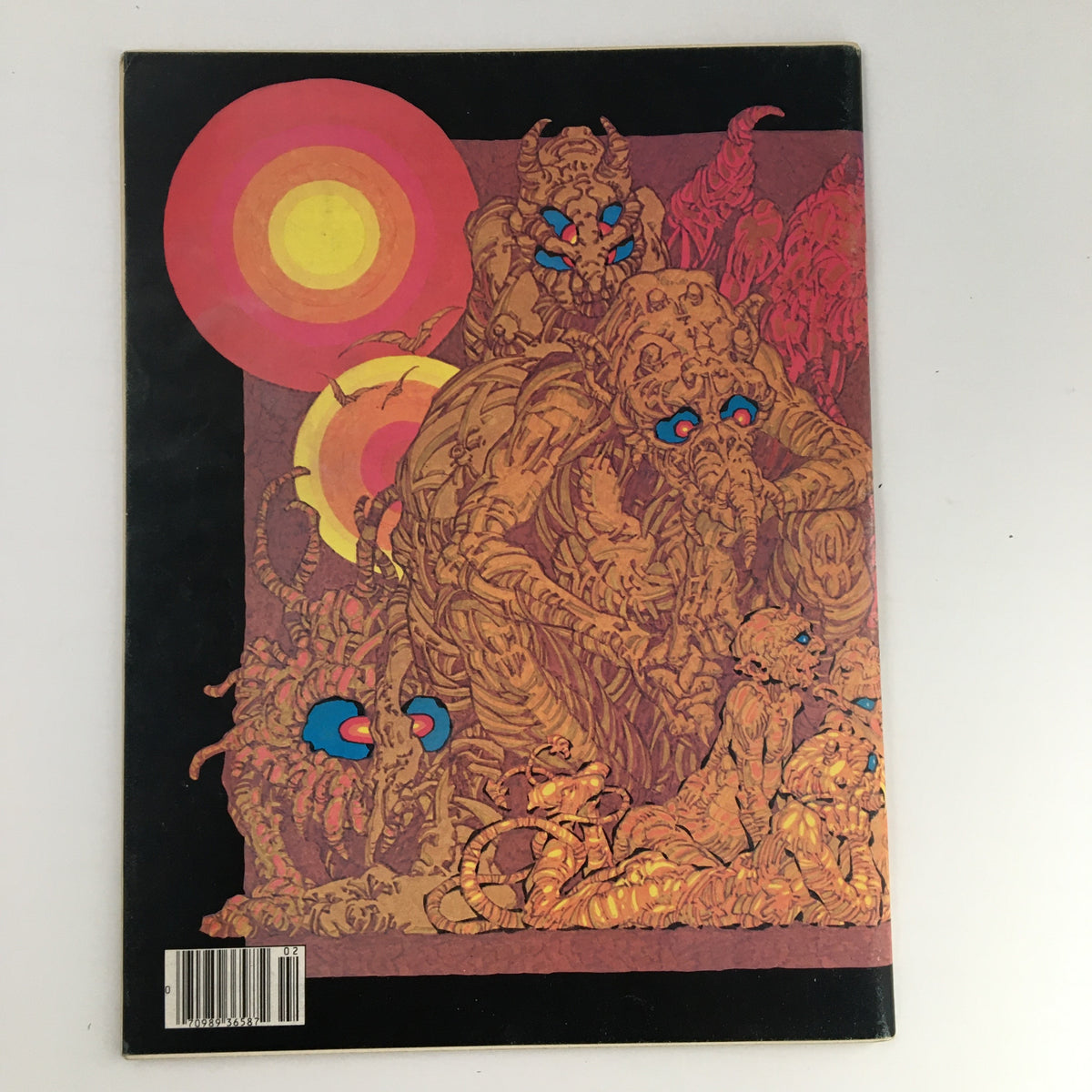


Description
Collector's Note – Why This Issue Matters
The February 1978 issue of Heavy Metal belongs to the magazine’s foundational period, when it was introducing English-language readers to a striking mix of European science-fiction and fantasy comics, surreal illustration, and more adult visual storytelling than most American newsstand readers were used to seeing. That alone makes the issue historically important. The specific reference in the listing to Moebius and “Marvels of the Universe” places it in the orbit of one of the key artists most closely associated with the magazine’s early identity and its wider influence on comics and speculative art. :contentReference[oaicite:0]{index=0}
The date matters because 1978 was still very early in Heavy Metal’s U.S. run, only about a year after the magazine’s launch in 1977. In that first phase, the publication became a major American gateway to artists connected with Métal Hurlant, including Jean Giraud, better known as Moebius. For readers exploring magazines from 1978, this issue represents the moment when experimental European comics aesthetics were beginning to reshape the visual expectations of American genre readers. :contentReference[oaicite:1]{index=1}
Moebius matters here not simply as a contributor, but as one of the defining visual imaginations of late-twentieth-century science fiction. His line work, spatial sense, and dreamlike worlds helped establish the magazine’s reputation for art that felt visionary rather than merely commercial. When an early Heavy Metal magazine issue foregrounds work by Moebius, it becomes a useful reference point for collectors interested in the magazine’s role as a bridge between French comics culture and the American comics and fantasy audience. :contentReference[oaicite:2]{index=2}
About the Publication
Heavy Metal was an American science-fiction and fantasy comics magazine first published in 1977, widely known for bringing European comics, fantasy art, and more mature graphic storytelling to U.S. readers outside the restrictions associated with mainstream comic books of the era. In its earliest years, it drew heavily from the French magazine Métal Hurlant and presented a magazine-style format built around serialized comics, standalone visual pieces, and highly stylized genre art aimed at an older teen and adult readership. :contentReference[oaicite:3]{index=3}
Key Highlights Inside
- February 1978 issue of Heavy Metal, as identified in the source listing.
- Includes “Marvels of the Universe” by Moebius, a one-page feature indexed for this issue. :contentReference[oaicite:4]{index=4}
- Part of the magazine’s early period, when it was introducing American readers to major European comics artists and visual storytelling traditions. :contentReference[oaicite:5]{index=5}
- Newsstand, no-label status is specifically noted in the listing.
- Additional interior contents beyond the Moebius reference are not confirmed from the provided listing and should not be assumed here.
Condition & Rarity
The source listing describes surviving examples of this issue in good condition, with minor overall wear, no mailing label, and later plastic protection for storage. In collector terms, the no-label newsstand origin is a meaningful attribute because cover presentation is central to the appeal of Heavy Metal, particularly in early issues where design and visual impact are part of the magazine’s historical significance. Collectors generally evaluate copies like this for spine stress, corner wear, page quality, staple security, and uninterrupted cover art; minor wear is typical for a late-1970s newsstand magazine, while the absence of a subscription label tends to improve display value.
Looking for More Issues Like This?
Readers interested in this issue usually get the clearest sense of its place by comparing it with other early Heavy Metal magazines from the same formative run. It also helps to place it alongside other notable magazines from 1978, which show how distinctive the publication looked within its own moment. Taken together, those surrounding issues give a fuller picture of the magazine’s early visual identity and its importance in comics history.