


Description
Collector's Note – Why This Issue Matters
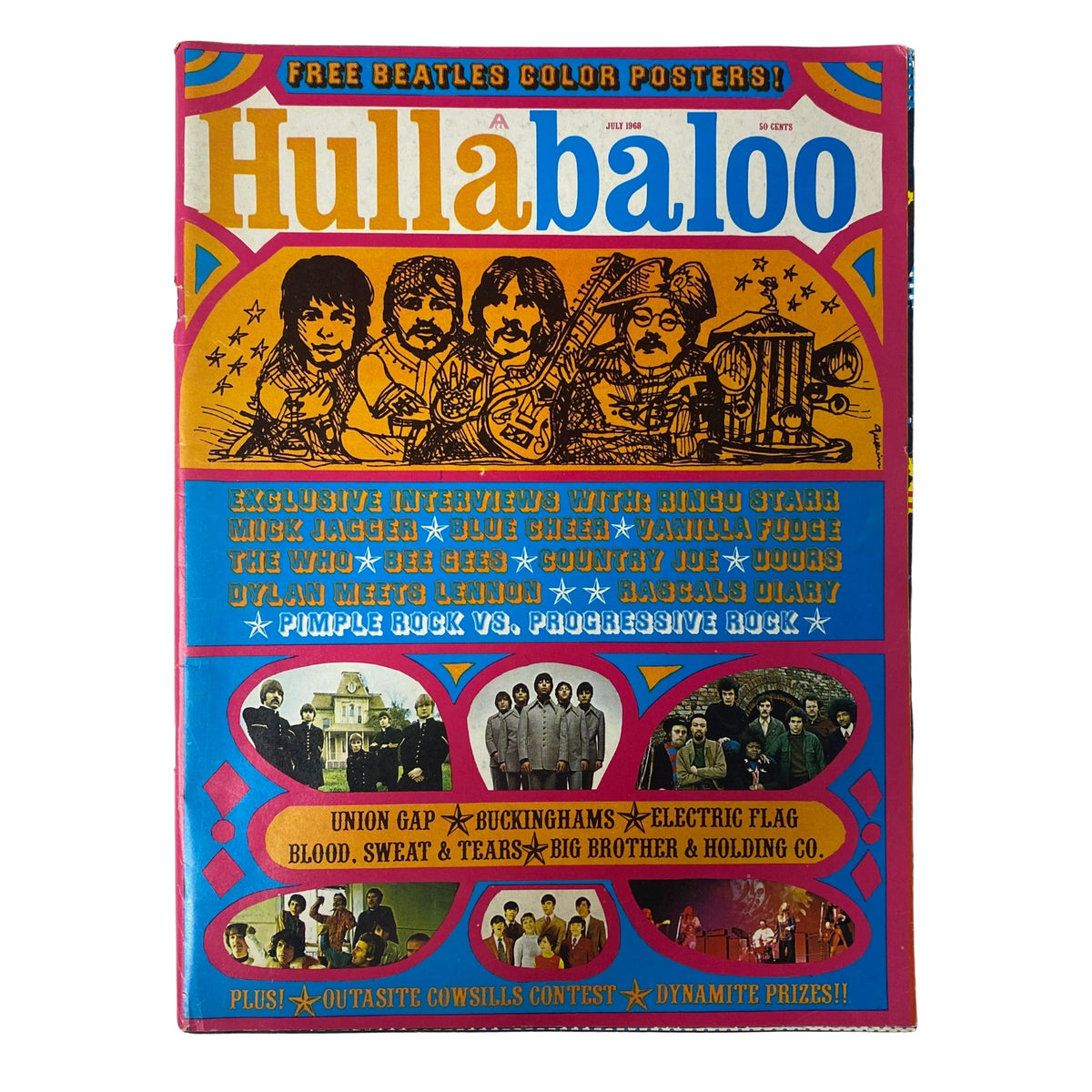
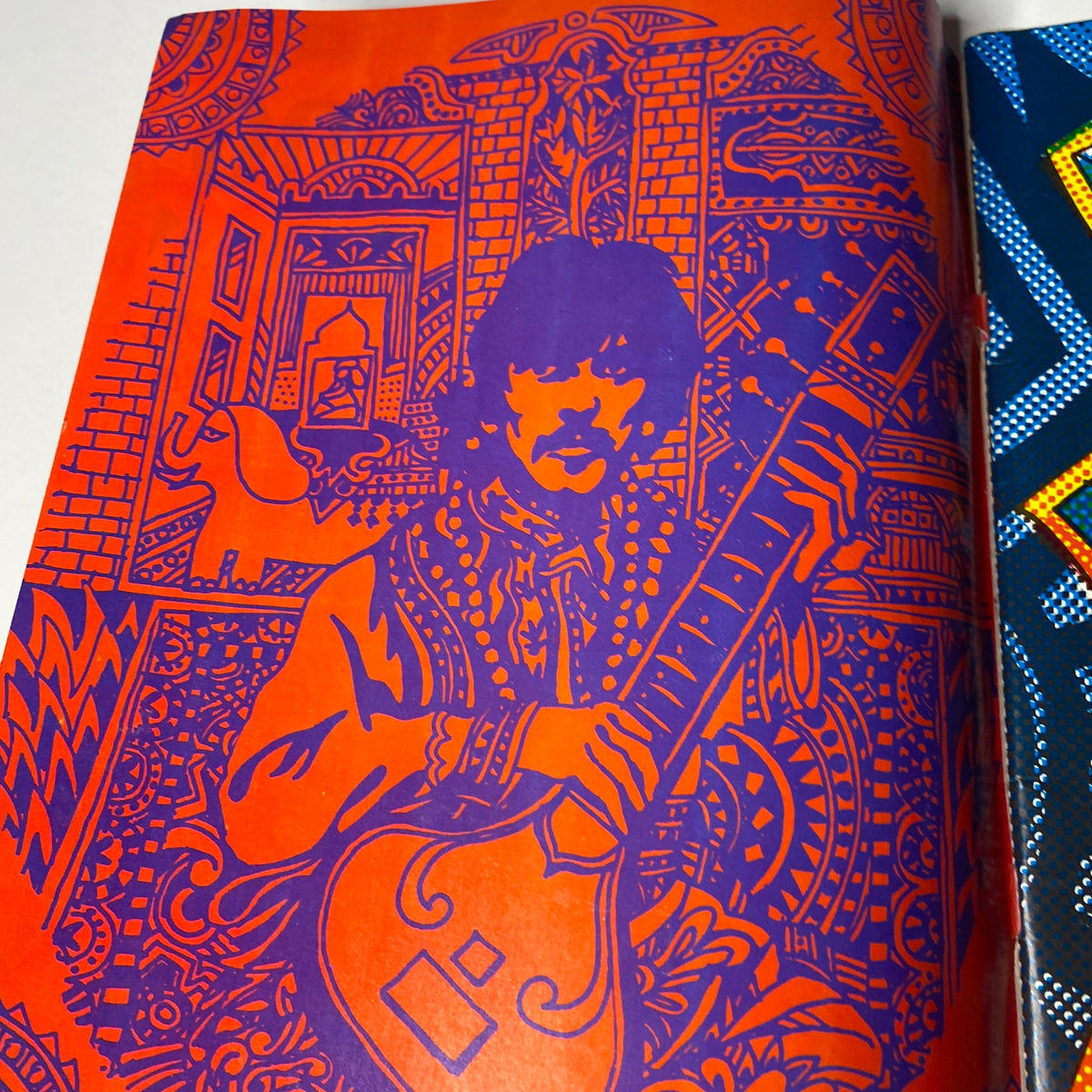
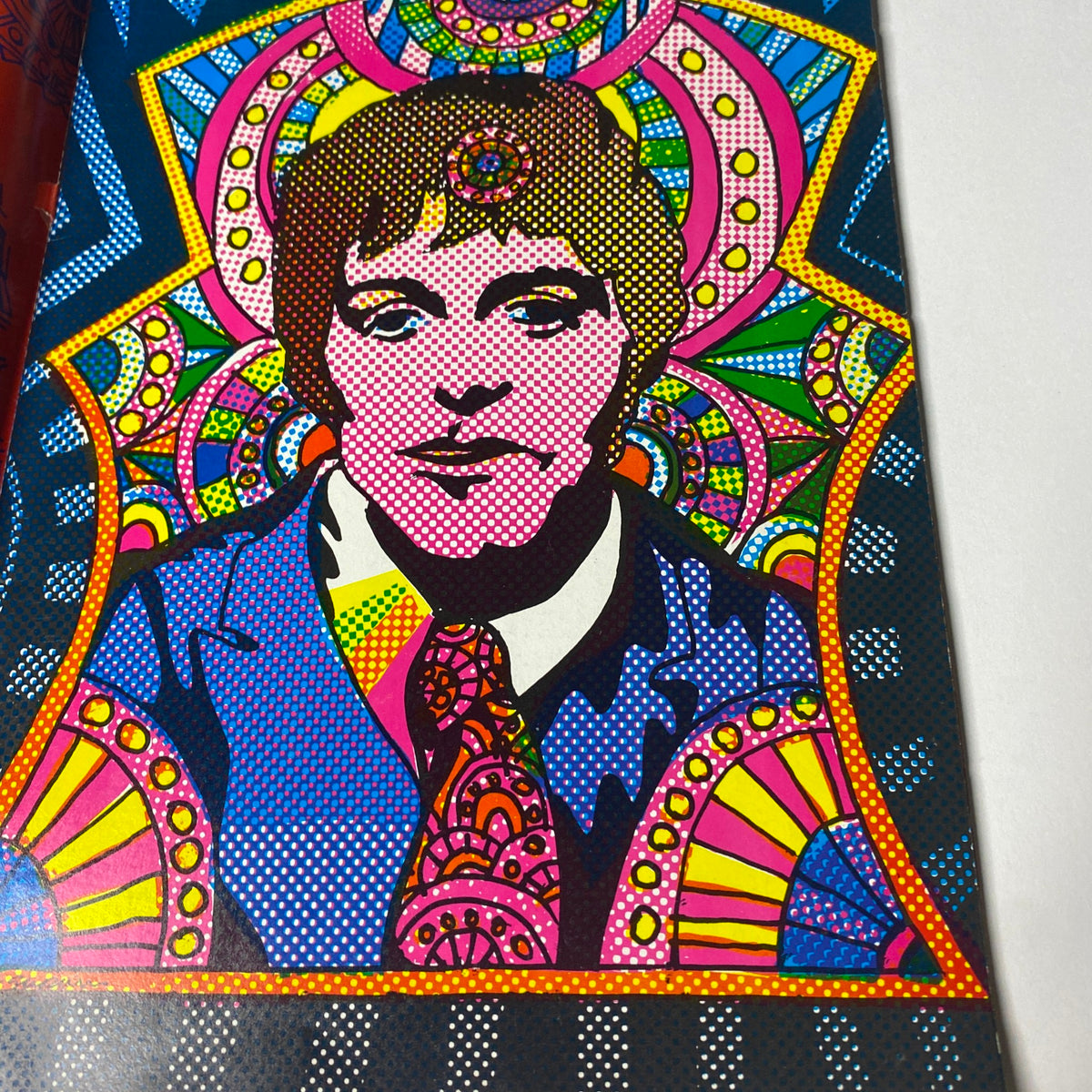
The July 1968 issue of Hullabaloo Magazine — Vol. 3, No. 5 — is one of the most content-rich Beatles-centered rock magazine issues of the entire decade, arriving at a moment of maximum creative intensity for virtually every act featured within its pages. July 1968 found The Beatles in the middle of recording what would become the White Album — their most sprawling and psychologically complex work — while simultaneously managing Apple Corps, the animated film Yellow Submarine, and the internal tensions that would eventually end the band. The confirmed individual color features on all four Beatles — George Harrison, Paul McCartney, John Lennon, and Ringo Starr — alongside an exclusive interview with Ringo on the set of Candy make this issue one of the few from this period to give each Beatle substantial individual coverage in the same number. For collectors pursuing Beatles magazine appearances from the psychedelic era, a July 1968 issue with confirmed individual features on all four members and attached posters represents a primary artifact of the band's most creatively turbulent year.
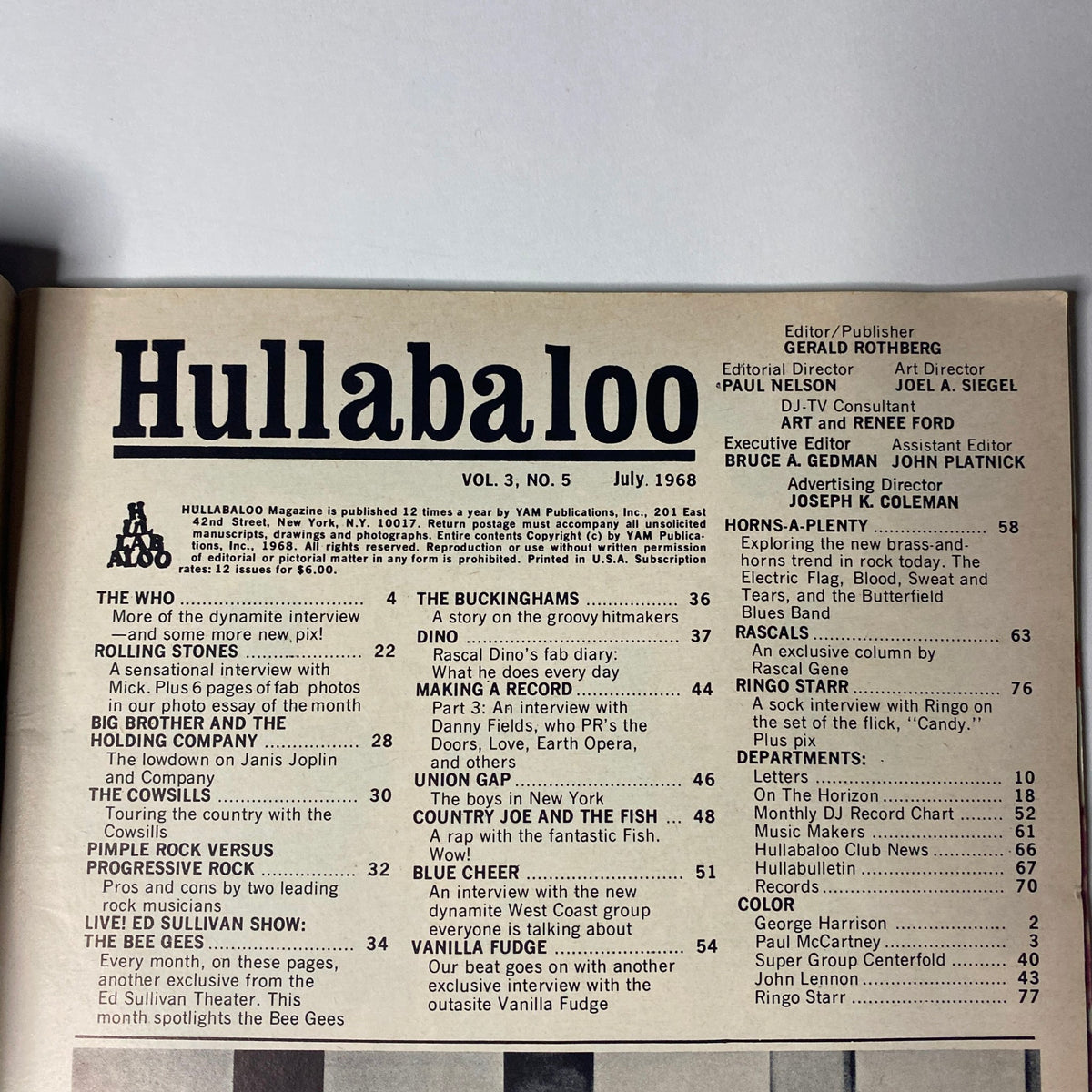
The confirmed Mick Jagger interview with a six-page photo essay represents a Rolling Stones document of comparable historical weight. July 1968 was the month Beggars Banquet was being completed — the album that would mark the Stones' return to a rawer, blues-rooted sound after their psychedelic period — and Jagger in interviews from this window was articulate and combative in ways that define how the band presented itself publicly during one of their most important creative transitions. The confirmed Janis Joplin and Big Brother and the Holding Company feature arrives two months after the release of Cheap Thrills's recording sessions and in the immediate pre-fame window before the album's August 1968 release would transform Joplin into a national phenomenon. A Hullabaloo feature on her from July 1968 is a primary press document of Joplin at the last moment before everything changed. The Danny Fields interview — covering his PR work for The Doors, Love, and other acts — is a confirmed piece of music industry journalism from one of the era's most important behind-the-scenes figures, whose subsequent career would include managing the MC5, the Stooges, and the Ramones. For collectors building a documentary record of rock and counterculture publishing from 1968, this table of contents is exceptional in its density and historical specificity.
The confirmed Blue Cheer interview deserves particular notice from a rock history perspective. Blue Cheer's debut album Vincebus Eruptum had been released in January 1968, and the band is now recognized as a foundational influence on heavy metal and punk — a July 1968 Hullabaloo interview with them as a "new West Coast powerhouse" is an early mainstream press document of a band whose historical significance would only be recognized fully in retrospect. The "Horns-a-Plenty" feature spotlighting Electric Flag, Blood Sweat & Tears, and the Butterfield Blues Band documents the brass-and-horns movement in rock at its precise moment of commercial breakthrough. Together these features make this issue a document not just of rock's established names but of the directions the music was moving in the summer of 1968. Collectors who follow the Hullabaloo archive will recognize that issues from the 1967–1969 window with confirmed intact posters are the publication's most prized collecting tier — and a Beatles poster issue from July 1968 represents that tier at its most desirable.
About the Publication
Hullabaloo Magazine was one of the most significant American rock music publications of the late 1960s, occupying a distinct editorial position between the teen-oriented fan magazines of the early British Invasion era and the more critically serious rock journalism that Rolling Stone was beginning to define from November 1967 onward. It combined pin-ups, posters, and fan magazine elements with substantive interviews and music industry coverage that took its subjects seriously, and its contributors in this period — including serious music journalists whose work gave individual issues genuine depth — made it more than a purely visual publication. Its audience was the teenage and young adult rock readership of the late 1960s counterculture, and its combination of color visual content, individual artist coverage, and substantive reporting made it one of the more ambitious publications serving that readership during the psychedelic era's peak.
Key Highlights Inside
- Individual color features on all four Beatles — George Harrison, Paul McCartney, John Lennon, Ringo Starr: Confirmed separate color features on each Beatle, making this one of the few issues from this period to give all four members individual coverage simultaneously — published during the White Album recording sessions.
- Ringo Starr exclusive interview on the set of Candy: A confirmed interview and photo feature documenting Ringo during the filming of the 1968 film Candy — a primary press record of his first significant solo screen work outside the band.
- Mick Jagger interview with six-page photo essay: A confirmed substantial Rolling Stones feature from the month Beggars Banquet was being completed — documenting Jagger at a creative transition point that would define the band's direction for the next decade.
- Janis Joplin and Big Brother and the Holding Company feature: A confirmed feature published two months before Cheap Thrills's August 1968 release — a primary press document of Joplin at the last moment before mass fame.
- Danny Fields interview — PR for The Doors, Love, Earth Opera: A confirmed music industry journalism piece with one of the era's most historically significant behind-the-scenes figures, whose subsequent career would include managing the MC5, Stooges, and Ramones.
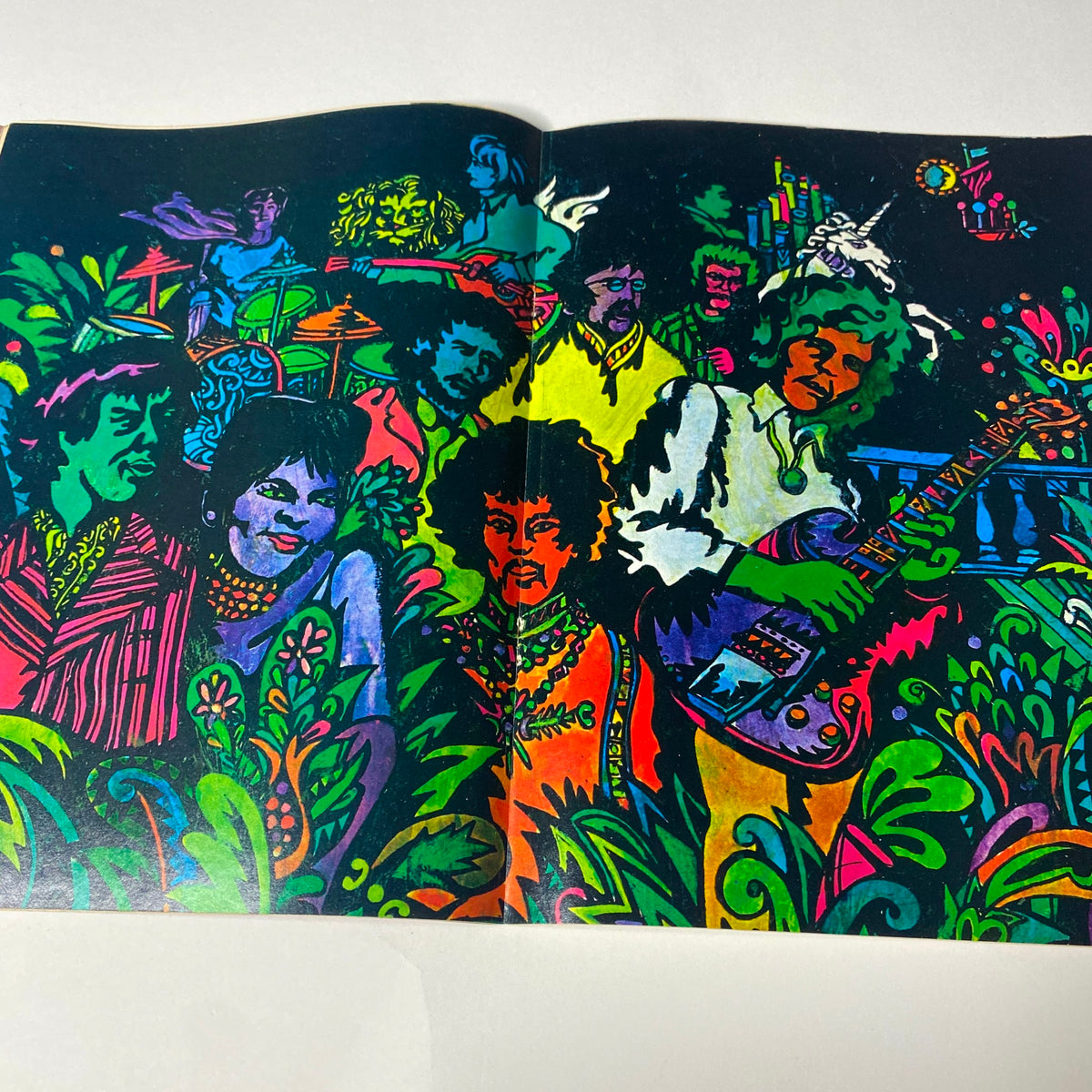
- Beatles color posters and pin-ups — confirmed included: The confirmed presence of Beatles color posters and pin-ups is the single most critical condition variable for this issue — intact poster content in a Very Good copy represents the optimal collecting configuration.
Condition & Rarity
The listing grades this issue as Very Good condition with minor wear on edges — a strong assessment for a magazine now over fifty years old. The absence of a newsstand mailing label preserves the complete visual integrity of the cover, which is the expected condition for a newsstand copy of a publication more commonly purchased at retail than by subscription. Very Good condition with only edge wear indicates careful storage rather than heavy circulation. The most critical condition variable for this issue is the status of the Beatles color posters and pin-ups — poster and pin-up content in late-1960s rock magazines was the most frequently removed element, and confirmed intact poster presence in a Very Good copy is a meaningfully more desirable configuration than a copy where the visual material has been detached or is missing. When evaluating any surviving copy of this issue, poster completeness, cover condition, and the integrity of the Ringo interview and Jagger feature pages are the primary assessment criteria.
Looking for More Issues Like This?
A Very Good, label-free July 1968 Hullabaloo with confirmed individual Beatles color features on all four members, Beatles posters intact, a Mick Jagger interview, a pre-fame Janis Joplin feature, and a Danny Fields industry piece is among the most substantive single specimens in the late-1960s rock magazine collecting category. If this issue is no longer available, the dedicated Beatles magazine collection at OriginalMagazines.com is the most focused place to continue searching for primary Beatles press documentation from 1968. The full Hullabaloo archive and the broader 1968 magazine collection are both worth exploring for collectors building a comprehensive primary-source record of the most musically extraordinary year of the decade.