
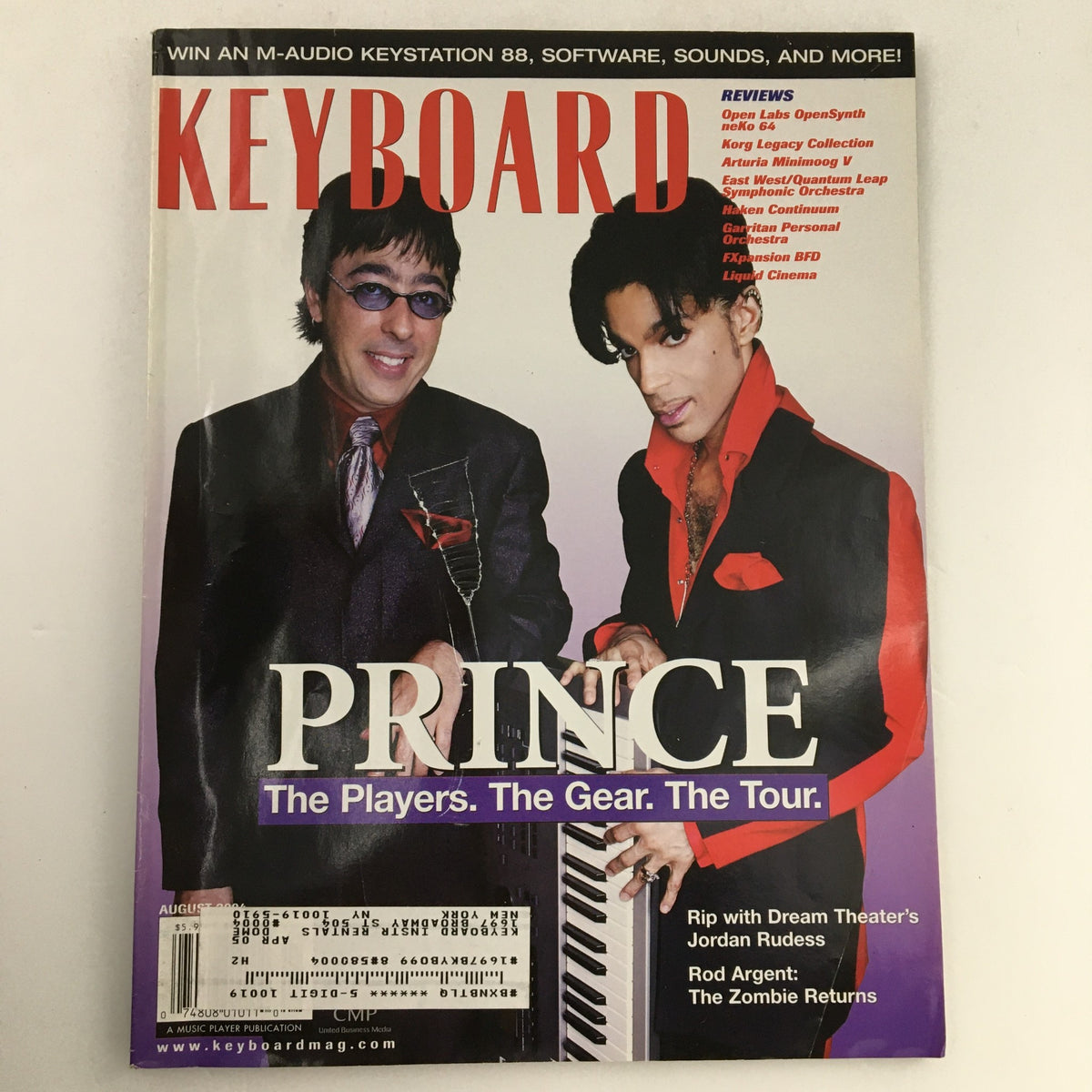


Description
Collector's Note – Why This Issue Matters
Keyboard Magazine August 2004 is a music-technology and performance issue identified in the listing with three major names: Prince, Jordan Rudess, and Rod Argent. That combination gives the issue unusual range. Prince represents one of the most influential multi-instrumentalist performers in modern popular music, an artist whose work crossed funk, rock, R&B, pop, soul, and electronic textures. Jordan Rudess, best known to many readers for his work with Dream Theater, represents the virtuoso progressive keyboard tradition, where technique, synthesis, and advanced performance technology are central. Rod Argent brings another historical layer, connecting the issue to the British rock and keyboard lineage through his work with the Zombies and Argent. Together, the three names make the issue valuable as a cross-generational document of keyboard-centered musicianship.
The August 2004 date places the magazine in an era when keyboard players were navigating a rapidly changing musical landscape. Digital workstations, software instruments, MIDI sequencing, stage rigs, and studio production tools were reshaping how keyboardists composed, performed, and recorded. A Keyboard Magazine issue featuring Prince, Jordan Rudess, and Rod Argent captures several generations of keyboard culture at once: classic rock organ and piano traditions, progressive technical mastery, and genre-crossing popular music innovation. That breadth is part of what makes the issue useful to collectors. It does not represent one narrow school of playing, but several different ways keyboard instruments shaped modern music.
For collectors researching Prince magazine appearances, this issue is especially interesting because it places him within a musician-focused publication rather than a general celebrity or entertainment magazine. That context matters. Keyboard readers were not only interested in fame or image; they were interested in instruments, arrangements, technique, studio practice, and creative process. Within the wider field of 2004 magazine collecting, the issue preserves a moment when print music journalism still served as a serious reference source for working musicians, gear enthusiasts, and dedicated fans. It reflects how artists were studied not just as performers, but as builders of sound.
About the Publication
Keyboard Magazine was a specialist music publication serving keyboard players, synthesizer users, pianists, organists, producers, composers, and gear-focused musicians. Its editorial format traditionally combined artist interviews, equipment coverage, performance advice, recording technology, synthesizer discussion, software and hardware reviews, and technique-oriented features. Unlike general music magazines, Keyboard approached artists through the lens of musicianship and tools: how sounds were built, how performances were shaped, and how technology affected creative choices. An August 2004 issue naming Prince, Jordan Rudess, and Rod Argent fits that identity closely because all three figures connect to keyboard performance, arrangement, recording, and the evolution of modern popular music from different historical angles. For collectors, the magazine is important because it preserved a practical, musician-level view of popular music, documenting not only who mattered, but how their sounds were made, performed, and understood by other players.
Key Highlights Inside
- August 2004 issue of Keyboard Magazine, a specialist publication for keyboard players, composers, producers, and music-technology readers.
- Features Prince, one of the most influential multi-instrumentalist artists in popular music and a major figure for collectors of music magazines.
- Features Jordan Rudess, a keyboard virtuoso associated with progressive rock, advanced performance technique, and modern keyboard technology.
- Features Rod Argent, a major keyboard figure connected to classic British rock through the Zombies and Argent.
- Reflects early-2000s keyboard culture, when digital instruments, software tools, studio technology, and stage rigs were central to musician-focused publishing.
- Connects three different generations of keyboard-centered music: 1960s rock, progressive technical performance, and genre-crossing pop, funk, and rock innovation.
- The listing references interviews and creative-process insights, but specific article titles, author names, page counts, and full interior contents are not confirmed.
Condition & Rarity
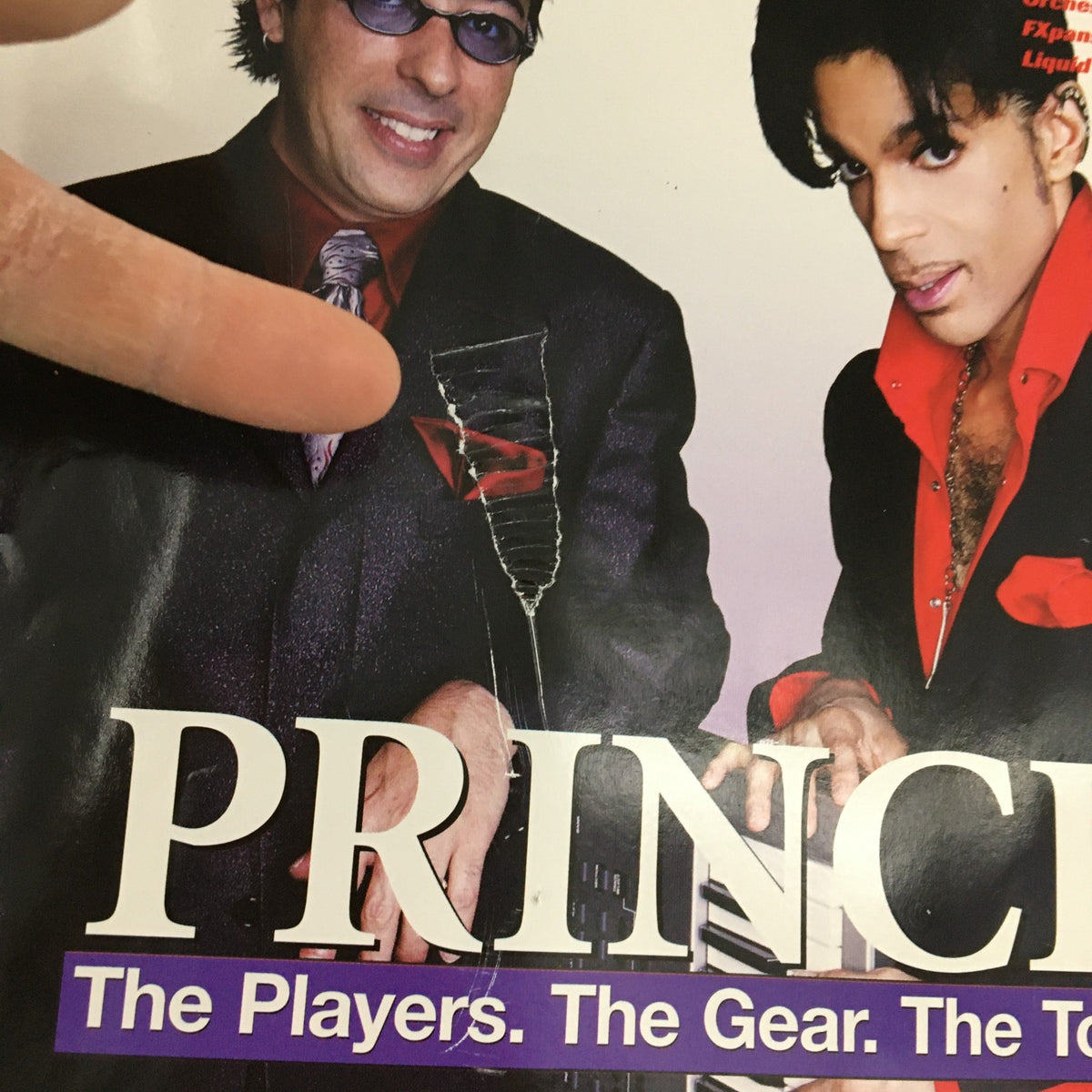
The listing describes the issue as collectible with light wear typical for its age, an address label on the front, possible minor rips, marks, or creases, protective plastic covering, and tape on the front. In collector-grade terms, that suggests a complete and displayable reference copy with visible handling and cover imperfections rather than a high-grade untouched example. The address label is a common detail for subscription-distributed music magazines and may affect cover presentation, especially for collectors focused on Prince or musician-cover display. Tape on the front is also important to note because it may indicate a past repair or stabilization and can influence grading depending on placement and visibility. Protective plastic covering helps reduce additional handling wear, dust exposure, and surface rubbing. For a musician-focused magazine, interior completeness and readability are especially important because interviews, gear references, photographs, and technical discussion often carry as much research value as the cover. When evaluating surviving copies of this August 2004 issue, collectors would typically look for complete pages, intact binding, readable artist features, clean interior photographs, degree of cover wear, and whether the label or tape affects the presentation of Prince, Jordan Rudess, or Rod Argent.
Looking for More Issues Like This?
Music magazines featuring Prince can be especially rewarding to research because they show how different publications framed his work: as celebrity, performer, bandleader, songwriter, producer, instrumentalist, and sound architect. A Keyboard Magazine appearance is especially relevant for readers who want musician-centered context rather than general entertainment coverage. For related musician-focused appearances, the collection of Prince magazines is the most focused place to continue browsing.
Collectors interested in keyboard performance, synthesizer culture, and music-technology history can also explore the broader Keyboard Magazine collection. For year-based context, other 2004 magazines help place this issue within the wider early-2000s print landscape of music, technology, entertainment, and popular culture. Together, those collections make it easier to understand how musician-focused magazines documented the tools, artists, and creative methods of the period.