

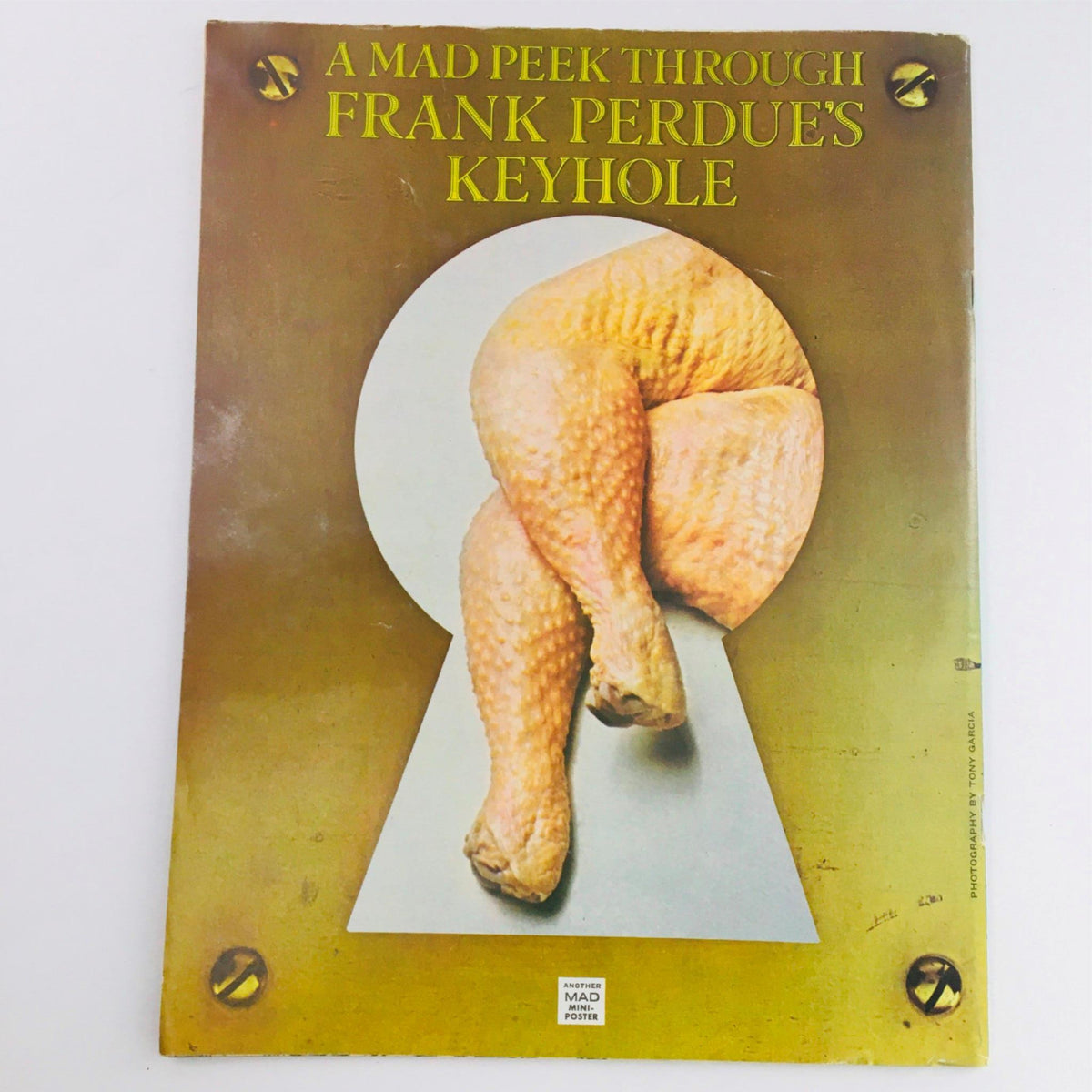


Description
Collector's Note – Why This Issue Matters
Mad Magazine Issue No. 180, dated January 1976 and featuring a parody of Jaws, is a primary document of the publication's satirical engagement with one of the most culturally consequential films in American cinema history at a specific and historically interesting moment in that film's cultural life. Steven Spielberg's Jaws had been released in June 1975 and had become not merely a commercial phenomenon but a structural event in American popular culture — it is widely credited as the film that invented the summer blockbuster model, permanently altering how Hollywood studios thought about wide release timing, marketing saturation, and the commercial potential of genre entertainment pitched at the broadest possible audience. By January 1976, when this Mad issue was published, Jaws had concluded its initial theatrical run as the highest-grossing film in American history at that point and was still dominating the cultural conversation — the film's images, catchphrases, and the specific public anxieties it had generated about ocean swimming were still immediately recognizable reference points for virtually every American. Mad Magazine's decision to parody Jaws in January 1976 was therefore not a rapid response to a passing phenomenon but an engagement with a cultural institution that had already achieved the kind of settled recognition that Mad's parodies worked best against. For collectors building archives around Mad Magazine's complete publishing history, Issue No. 180 is a primary document of the publication's satirical response to the birth of the blockbuster era at its most immediate historical moment.
The cultural significance of Mad Magazine's Jaws parody extends beyond the specific film being satirized. Mad had been parodying American popular culture since its founding by Harvey Kurtzman in 1952, and its film parodies — which appeared in virtually every issue and which were among the publication's most reliably popular features — had developed a specific aesthetic and rhetorical vocabulary for engaging with Hollywood product that was immediately recognizable to its readership. A Mad parody of Jaws in January 1976 is therefore not merely a satirical take on a specific film but a deployment of a mature and culturally established satirical form against one of American cinema's most significant cultural events, producing a document that operates simultaneously as comedy, cultural criticism, and historical record. The January 1976 publication date also places this issue within the specific cultural atmosphere of the bicentennial year's opening month — the United States was in the early stages of a year-long national celebration that would generate its own cultural commentary, and Mad's engagement with the previous year's dominant film culture in this context is a useful primary artifact of the publication at a specific and historically situated moment. Collectors researching American humor and popular culture publishing from 1976 will find this issue a well-situated primary document of Mad's satirical practice at its mid-decade maturity.
About the Publication
Mad Magazine was founded by Harvey Kurtzman and published by EC Comics beginning in 1952, transitioning to a magazine format in 1955 and developing over the following decades into the most widely read humor publication in American history, at its peak reaching several million readers monthly. The magazine's satirical formula — film and television parodies, advertising spoofs, social commentary, and the recurring cast of characters and features that became cultural touchstones for multiple generations of American readers — was refined across the 1950s and 1960s into one of the most consistently recognizable editorial identities in American publishing. By January 1976 and Issue No. 180, Mad was operating in its mature commercial period, with a readership that had grown up with the publication and that recognized its satirical vocabulary as a shared cultural language. Its film parody features, which appeared in virtually every issue, had by 1976 documented more than two decades of American cinema through the specific lens of Mad's irreverent and commercially independent satirical perspective.
Key Highlights Inside
- The confirmed Jaws parody is the primary feature of this issue — Mad's satirical engagement with the film that invented the summer blockbuster model, published seven months after the film's June 1975 release at the moment of its cultural consolidation as one of the most discussed and recognized films in American cinema history, making this a primary document of how American humor publishing processed the blockbuster era's birth.
- Issue No. 180 places this publication within Mad's mature mid-1970s period — the publication had been producing its satirical formula for more than two decades, and the specific aesthetic vocabulary it deployed against Jaws in January 1976 represents that formula at its established, culturally recognized form rather than in its experimental early years.
- The January 1976 publication date opens the bicentennial year — the United States' two-hundredth anniversary celebration that would generate its own cultural commentary throughout 1976, placing this Jaws parody issue at the opening of one of the more culturally self-conscious years in recent American history.
- Note: Specific parody title, named artists and writers, additional features, and detailed interior content beyond the confirmed Jaws parody focus are unconfirmed for this issue. Mad issues of this period typically contained multiple features, recurring columns, and advertising parodies alongside the primary film parody. The highlights above are drawn from listing details and well-documented public knowledge about Mad Magazine and the cultural significance of Jaws in January 1976.
Condition & Rarity
Surviving copies of this issue are graded at the Fine/FN 6.0 level — a specific comic book and magazine collecting grade that indicates a copy showing modest but visible signs of use while retaining its structural integrity and most of its original visual appeal. In the standardized grading scale used by serious collectors of Mad and similar publications, Fine/FN 6.0 represents a copy that may show light creasing, minor wear along the spine and edges, and slight tanning of the paper, but that retains cover gloss, complete staples, and interior pages without significant damage. For a Mad Magazine from January 1976, Fine/FN 6.0 is a meaningful collector grade — the publication was produced on paper stock that ages consistently over fifty years, and copies that survive in Fine condition represent careful preservation through multiple decades of potential handling and storage attrition. The specific numeric grade of 6.0 is precise in the comic and magazine collecting lexicon, distinguishing this issue from lower-grade Very Good or higher-grade Very Fine examples and allowing collectors to make accurate comparisons across the surviving population of this specific issue. The plastic protective covering provides appropriate stabilization for a graded publication of this age, helping to maintain the condition grade's integrity during handling and storage.
Looking for More Issues Like This?
Mad Magazine issues from the mid-1970s featuring parodies of landmark American films are among the most culturally specific and consistently collected entries in the publication's long archive, and the January 1976 Jaws issue is a particularly historically weighted example — a document of Mad's satirical response to the film that permanently altered American cinema at the precise moment of its cultural consolidation. The Mad Magazine collection at OriginalMagazines.com is the most comprehensive place to browse available issues across the publication's decades of American cultural satire. For collectors building a broader picture of American humor and popular culture publishing in 1976, the 1976 magazines collection offers a wide cross-section of titles that together capture the full range of that bicentennial year's American print and popular culture.