




Description
Collector's Note – Why This Issue Matters
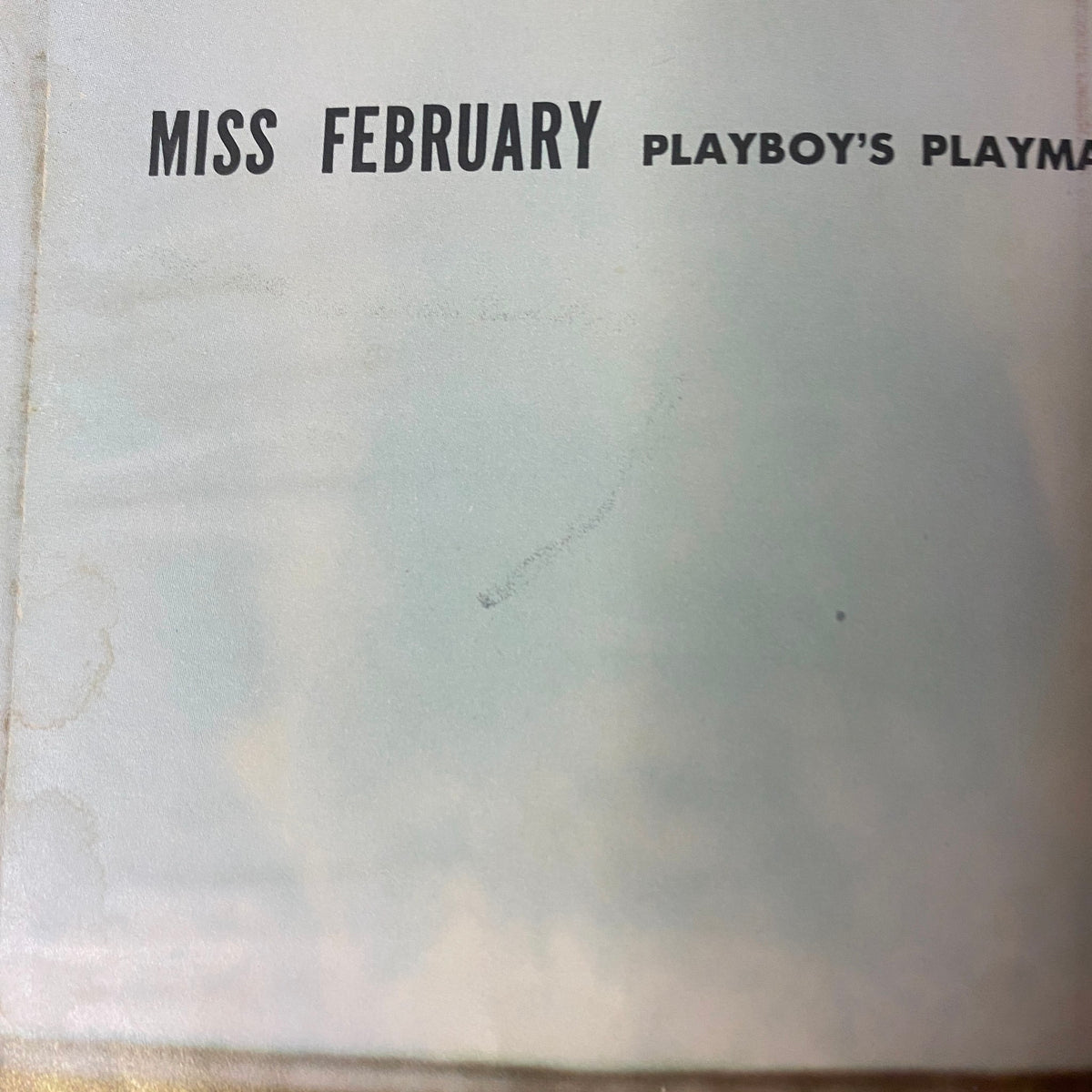
The February 1958 issue of Playboy, featuring Cheryl Kubert as Playmate of the Month with the original centerfold intact, is a primary document of the magazine in its fourth year of publication — a period during which Hugh Hefner was still actively defining what the magazine was and what it stood for in American culture. By February 1958, Playboy had grown from its December 1953 founding issue into one of the most commercially successful and culturally controversial magazines in American publishing, with a monthly circulation approaching one million copies and an editorial voice that was simultaneously aspirational, hedonistic, and genuinely engaged with the intellectual and artistic currents of its moment. The magazine's combination of centerfold photography with serious journalism, literary fiction, and cultural commentary was not a cynical packaging strategy but a genuine editorial conviction — Hefner's belief that sophisticated American men could appreciate both the female form and the life of the mind, and that a magazine that respected both simultaneously would find a large and underserved audience. February 1958 falls in the specific cultural moment when that conviction was being most fully tested and most broadly validated. Collectors building a focused archive of the magazine's founding decade will find the Playboy magazine collection at OriginalMagazines.com the most comprehensive resource for tracking down specific issues from this formative period.
The article "The Beat Mystique" mentioned in the listing is a specific and historically significant piece of content that elevates this issue considerably above its status as a centerfold collectible. The Beat Generation — Kerouac, Ginsberg, Burroughs, and their circle — was in February 1958 at the absolute peak of its mainstream cultural visibility: On the Road had been published in September 1957, generating the single most discussed literary debut of the decade, and the word "beatnik" (coined by San Francisco columnist Herb Caen in April 1958) was still just weeks away from entering the national vocabulary. A Playboy article on "The Beat Mystique" in February 1958 is therefore a primary document of the mainstream press's first serious engagement with a literary and cultural movement that was reshaping American intellectual and artistic life — published at the precise moment of the Beat movement's maximum cultural impact and before the backlash that would begin to define public understanding of it. That Playboy was engaging with the Beats in this way in February 1958 is also significant as a document of the magazine's editorial ambitions: it positioned itself as a publication that took cultural movements seriously enough to analyze them rather than merely report on them, and the "Beat Mystique" article is one of the pieces that established the magazine's credibility as a venue for genuine cultural commentary alongside its more famous visual content. The 1958 magazines collection at OriginalMagazines.com gathers publications from a year whose cultural richness — the Beat movement, early rock and roll, the late Eisenhower social consensus beginning to show its cracks — makes it one of the more fertile collecting years of the decade.
The combination of Cheryl Kubert's centerfold intact with the "Beat Mystique" cultural commentary in a single February 1958 issue captures precisely the editorial paradox that made Playboy such a distinctive and consequential publication: it was simultaneously the magazine most associated with the male gaze in American publishing and the one that most consistently brought serious intellectual and artistic content to an audience that might not otherwise have encountered it. Jazz coverage, serious fiction by major American writers, political commentary, design criticism — all of these were regular features of the magazine's editorial mix in this period, and the February 1958 issue, with its Beat Generation article alongside the Kubert centerfold, is a particularly clear expression of that dual identity. For collectors who understand the magazine as a cultural document as well as a visual artifact, this issue is among the more instructive examples of what made the early Playboy genuinely significant beyond its more obvious commercial and prurient appeal.
About the Publication
Playboy was founded in Chicago in December 1953 by Hugh Hefner, who had previously worked as a copywriter at Esquire, with an initial investment of approximately $8,000 and a conviction that a magazine combining sophisticated men's lifestyle content with centerfold photography would find a substantial American audience. By February 1958, in its fifth year of publication, the magazine had grown into one of the most commercially successful and editorially ambitious publications in American journalism, with a format that combined the Playmate centerfold and supporting photography with fiction by major American and international writers, cultural commentary, jazz coverage, design and lifestyle features, and the kind of political and social commentary that established the magazine's intellectual credentials alongside its more famous visual content. Its audience was the postwar American man of aspirational middle-class sophistication — educated, urban or suburban, interested in the good life as a cultural and aesthetic proposition rather than merely a material one — and its editorial voice addressed that audience with a combination of respect, provocation, and genuine intellectual engagement that no comparable publication of the period attempted.
Key Highlights Inside
- Cheryl Kubert — Playmate of the Month with original centerfold intact — the primary visual collectible of any given Playboy issue from this era, with the particular significance that the original centerfold remains attached — a condition that is the single most important structural attribute for the collector market, since detached or missing centerfolds are the most common condition deficiency in surviving early Playboy issues.
- "The Beat Mystique" — Beat Generation cultural analysis — a primary document of the mainstream press's engagement with the Beat literary and cultural movement, published in February 1958 at the precise moment of maximum cultural impact following the September 1957 publication of On the Road, and representing the kind of serious cultural commentary that distinguished the early Playboy's editorial ambitions from a purely pictorial magazine's.
- Jazz culture coverage — the listing's reference to jazz culture reflects the magazine's consistent and substantive engagement with jazz as the defining American art form of the period, a coverage priority that connected the magazine to the specific cultural world that the Beat movement also inhabited and that gave the February 1958 issue a coherent cultural atmosphere extending beyond its individual articles.
- Fourth year of publication — early Hefner editorial era — this issue belongs to the founding creative period when Hefner was most actively defining the magazine's identity and editorial voice, before the institutionalization of a successful formula had replaced the more improvisational and genuinely exploratory quality of the early years.
- No mailing label — newsstand presentation confirmed — the absence of a mailing label preserves the cover in its undisturbed state and places this issue in the more desirable newsstand subset of surviving copies from a magazine whose subscription model means labeled copies represent the majority of what survives from any given early issue.
- Water damage noted — condition qualification — the water damage disclosed in the listing is a meaningful condition attribute that should be assessed against the accompanying photographs for its extent and location, particularly in relation to the centerfold's physical integrity, which is the primary structural condition concern for collectors of early Playboy issues.
Condition & Rarity
Condition assessment for early Playboy issues requires a framework that weighs two distinct but equally important criteria: the structural integrity of the centerfold attachment and the physical condition of the cover and interior content. The centerfold intact is specifically noted in this listing and is the single most significant condition attribute — the majority of surviving early Playboy issues have missing or detached centerfolds, making intact examples a meaningful subset of what the collector market offers. The noted water damage is the primary condition concern and must be assessed carefully against the photographs for its location and extent: water damage that affects the cover image or centerfold photography reduces both display and collector value more significantly than equivalent damage confined to text pages or the interior margins. The absence of a mailing label is a positive condition attribute. Good condition with the centerfold intact, despite water damage, represents a meaningful finding for a sixty-eight-year-old early Playboy issue, and the specific content value of the "Beat Mystique" article gives this number's historical significance a dimension beyond the physical condition of any individual surviving example.
Looking for More Issues Like This?
Early Playboy issues from the founding decade — particularly those with intact centerfolds and documented cultural content like the "Beat Mystique" article — are among the most consistently sought in the magazine's long publishing history, collected for both their visual content and their genuine significance as documents of postwar American cultural life. If you're building a collection of the magazine's most historically instructive early issues, the Playboy magazine collection at OriginalMagazines.com is the most comprehensive place to explore what's currently available across the full run. For collectors interested in the broader cultural landscape of 1958 — the Beat movement at its peak, early rock and roll, and the specific texture of late Eisenhower America — the 1958 magazines collection offers a wide range of titles from one of the more culturally fertile years of the postwar decade.