





Description
Collector's Note – Why This Issue Matters
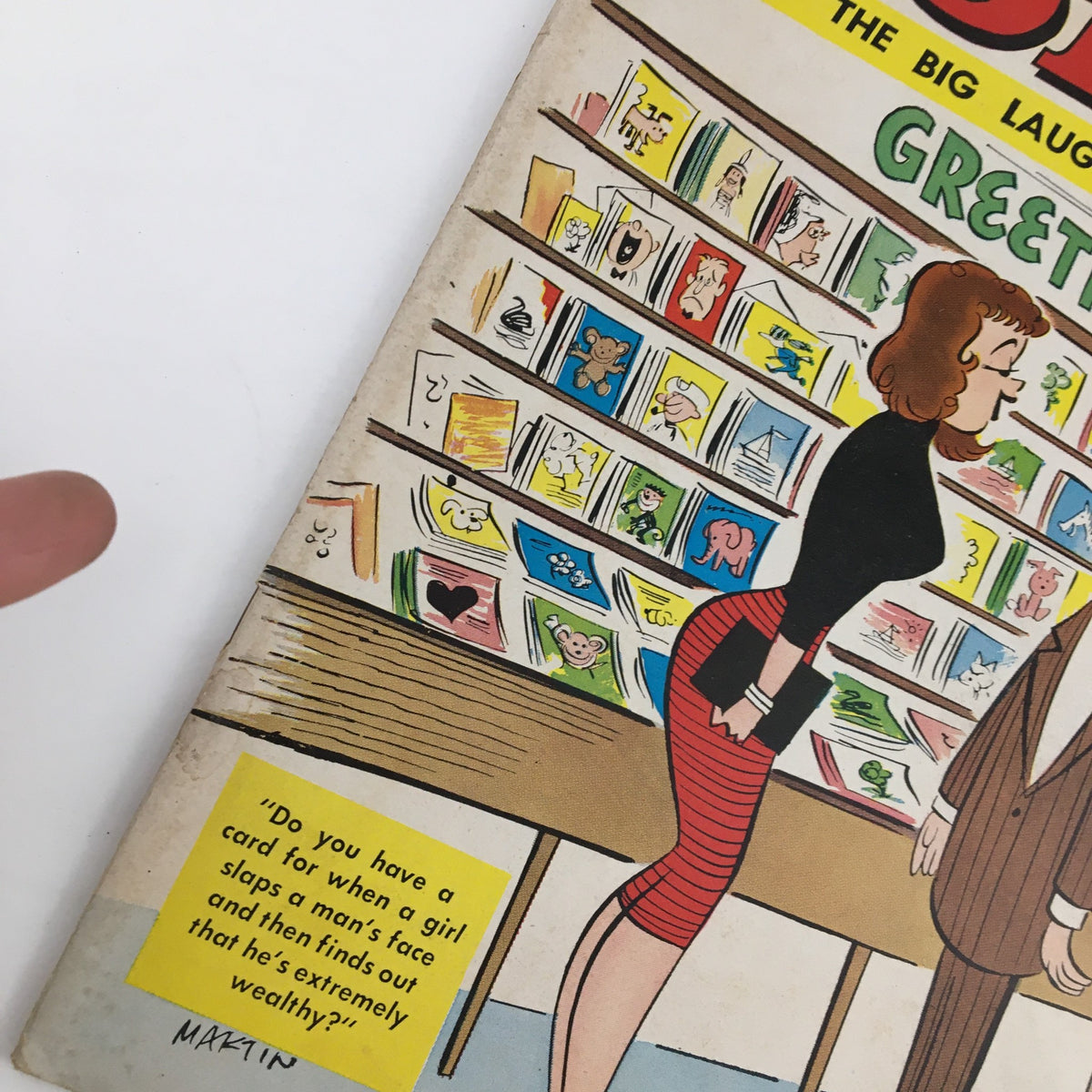
The May 1963 issue of Popular Jokes Laugh Magazine, with its Medical Association Convention theme, is a specific and historically interesting artifact of the American joke magazine genre at a precise moment in both comedy history and American cultural life. The joke magazine category — publications built primarily around short jokes, humorous one-liners, cartoons, and comic anecdotes organized around themes — occupied a specific niche in the American newsstand humor landscape of the 1950s and 1960s that existed alongside and in dialogue with the more sophisticated satirical press represented by Mad Magazine and the older tradition of general humor weeklies. These publications served a broad audience of readers who wanted accessible, participatory humor — the kind of joke collection that could be read in waiting rooms, shared at social gatherings, or consumed during lunch breaks — and their thematic organization around subjects like professional conventions, occupational humor, and social situations gave each issue a specific cultural snapshot quality that makes them more documentarily interesting than they might initially appear. A May 1963 issue organized around medical association convention humor reflects a specific comic tradition that was deeply embedded in mid-century American social life: the professional convention, the occupational in-joke, the humor of institutional life that was a staple of American popular comedy in the early television era. Collectors building a comprehensive picture of early-1960s American popular humor and newsstand culture will find that 1963 magazine issues across the humor genre document the full spectrum of how Americans were consuming comedy in the final year before the British Invasion and the counterculture would begin reshaping what American humor could be.
The medical association convention as a comic subject in 1963 reflects the specific social landscape of the period in ways that give this issue historical texture beyond its immediate content. Doctors in 1963 occupied a position of extraordinary social authority and cultural prestige — the postwar expansion of the medical profession, the development of the hospital system, and the cultural mythology of the physician as the most trusted figure in American life had combined to make doctors a kind of secular priesthood in mid-century American culture. Convention humor about doctors and medical associations therefore operated in a specific register: it was the humor of deflation, the comedy of bringing down the most elevated social figures through the basic comedy of professional pretension and human limitation. That kind of occupational satire — the joke that cuts the professional down to human size — was a fundamental staple of American popular comedy across the 1950s and 1960s, and the medical profession was among its most consistently productive subjects. A Popular Jokes issue organized around this theme documents the specific social anxieties and comic pleasures of an era when professional authority and its limits were a primary source of American humor for the broad middle-class audience that these publications served.
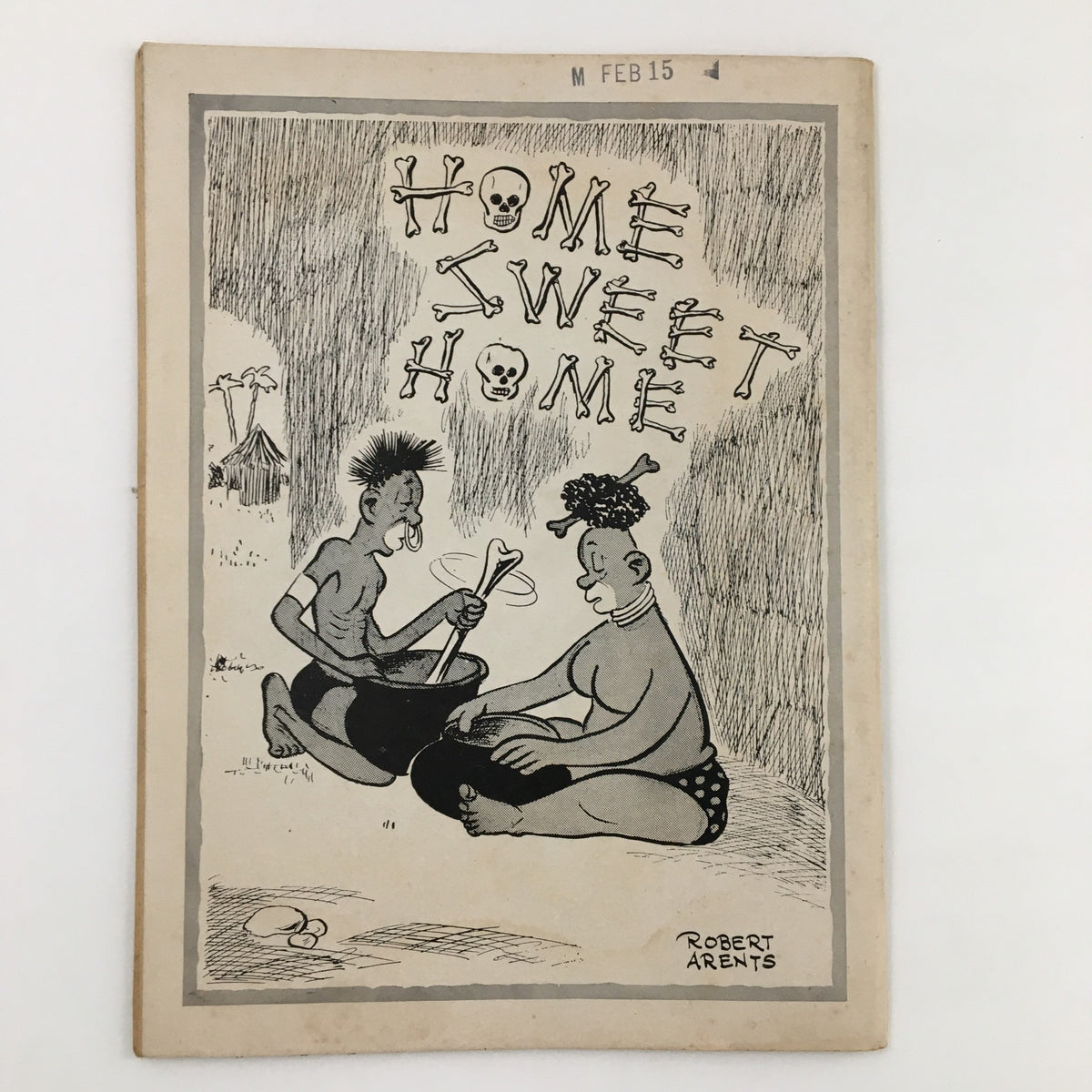
The stamped mark on the back of surviving copies of this issue is a condition detail that deserves specific contextual understanding. Stamps on the backs of newsstand publications from this era typically indicate either a distributor's return stamp — applied when unsold copies were returned from newsstand locations after their sales window — or a library deaccession stamp from an institutional collection. Either origin adds a layer of documented circulation or preservation history that distinguishes the copy from one without such marks, and neither fundamentally compromises the publication's value as a primary document of its era's humor culture. The newsstand-without-label status noted in the listing is the more directly positive provenance attribute, confirming the magazine entered circulation through retail channels rather than subscription delivery.
About the Publication
Popular Jokes Laugh Magazine was an American humor publication operating in the joke magazine category that was a significant part of the American newsstand humor landscape across the 1950s and 1960s. Publications of this type combined short jokes, humorous anecdotes, comic one-liners, and occasional cartoon content organized around thematic frameworks — occupational humor, social situations, regional comedy — and were distributed through standard newsstand channels to the broad middle-class American readership that was the primary audience for accessible, participatory popular humor in this period. They occupied a specific market niche between the more sophisticated satirical press and the general entertainment magazines, serving readers who wanted humor that was immediate, shareable, and organized around the familiar social situations of American middle-class life. Individual issues from this category are increasingly recognized as primary documents of popular American comedy culture in the pre-counterculture era, capturing the specific comic sensibilities, social anxieties, and humor conventions of mid-century American life with a directness and authenticity that more literary or institutionally prominent humor publications did not always reflect.
Key Highlights Inside
- Medical Association Convention themed content — organized around the occupational humor tradition of professional convention comedy, reflecting the specific social comedy of medical professionals and institutional life that was a staple of mid-century American popular humor directed at the broad middle-class readership that these publications served.
- May 1963 publication date — placing this issue in the final year before the cultural transformations of 1964 would begin reshaping American popular humor, making it a primary document of the joke magazine tradition at the last moment of its pre-counterculture cultural dominance.
- Newsstand origin confirmed by the absence of a mailing label — a meaningful collector attribute for a humor publication from this period, preserving the full integrity of the cover without label adhesive damage and documenting the retail circulation pathway through which this category's readership was primarily reached.
- Stamped mark on the back — a condition detail that documents an additional element of the magazine's circulation or institutional history, reflecting either distributor return processing or library collection provenance that adds a specific archival context to this surviving copy's history.
- Note: Specific joke content, individual contributors, and other editorial details beyond what is indicated by the thematic focus and listing description are unconfirmed for this issue. The above reflects what is verifiable from the publication title, thematic focus, date, and the documented cultural context of popular American joke magazines in the early 1960s.
Condition & Rarity
Good condition with minor wear throughout, some minor marks, and a stamped mark on the back is an honest and appropriate assessment for a Popular Jokes Laugh Magazine from May 1963 now more than sixty years old. Good condition accurately describes a publication that retains its structural integrity, readable content, and overall character as a collectible artifact of early-1960s popular humor culture despite the expected physical aging of paper across six decades of storage and handling. The minor wear and marks are the standard physical record of a newsstand humor publication that circulated actively through its original distribution lifecycle and has been stored across the subsequent decades. The stamped mark on the back is a specific and localized condition issue whose visual impact on display is confined to the back cover and does not typically affect the front cover presentation or interior editorial content that are most relevant for collector and research evaluation. The newsstand origin confirmed by the absence of a front label preserves the full surface integrity of the cover without adhesive damage. A protective plastic covering applied to a surviving copy indicates deliberate preservation intent appropriate for a copy being maintained as a collectible artifact of American popular humor history.
Looking for More Issues Like This?
American joke magazine issues from the early 1960s with specific thematic content that documents the social comedy and occupational humor traditions of the pre-counterculture era are among the more atmospherically specific artifacts for collectors working to document the full spectrum of popular American humor culture in this period — a category that the more institutionally prominent satirical and general humor press doesn't always fully represent. Collectors building a comprehensive picture of 1963 across American popular culture, humor, and the full range of newsstand publications will find the complete 1963 magazine collection a valuable resource for locating other titles and issues that document this particular year's rich and varied popular media landscape from the multiple perspectives that serious archival collecting rewards.