





Description
Collector's Note – Why This Issue Matters
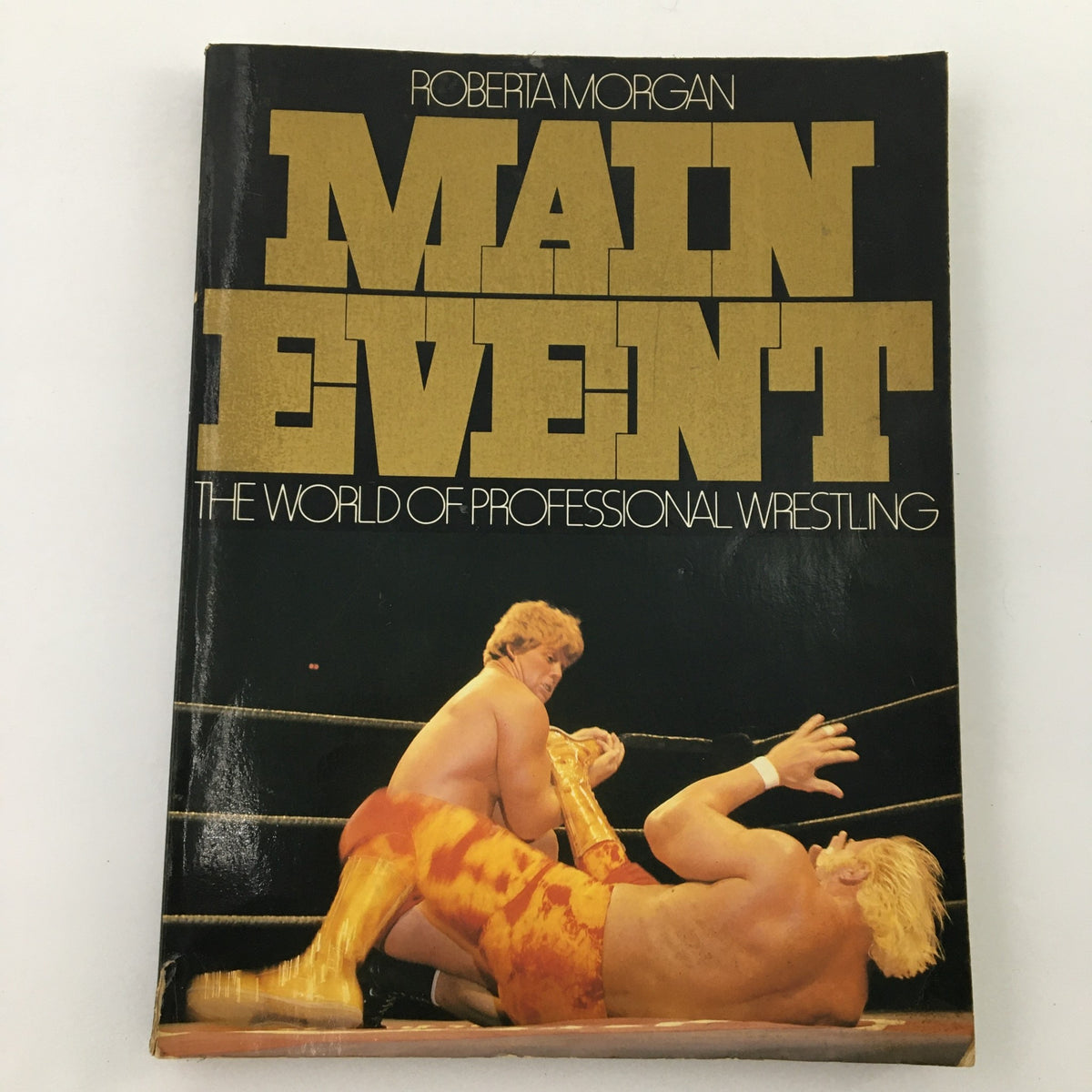
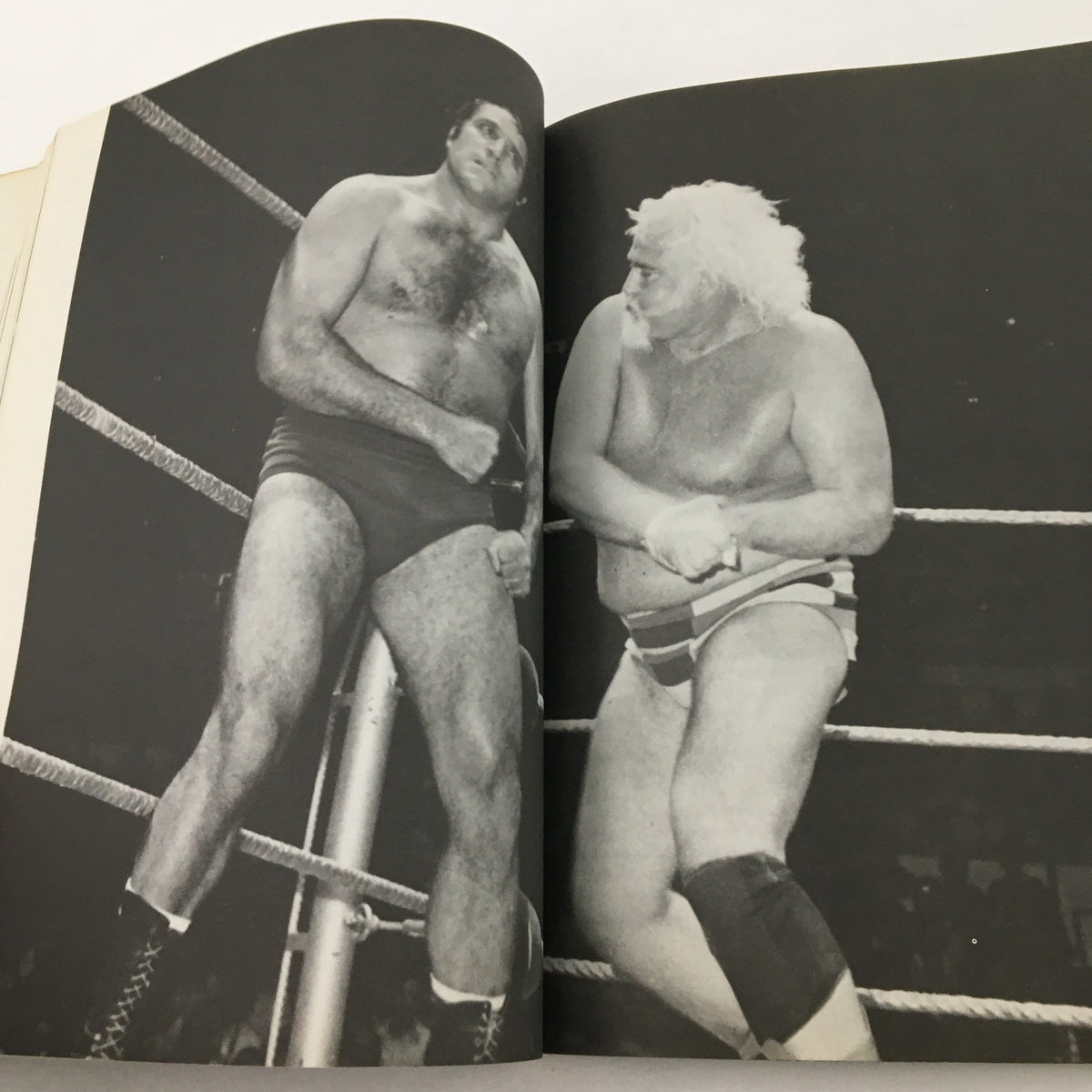
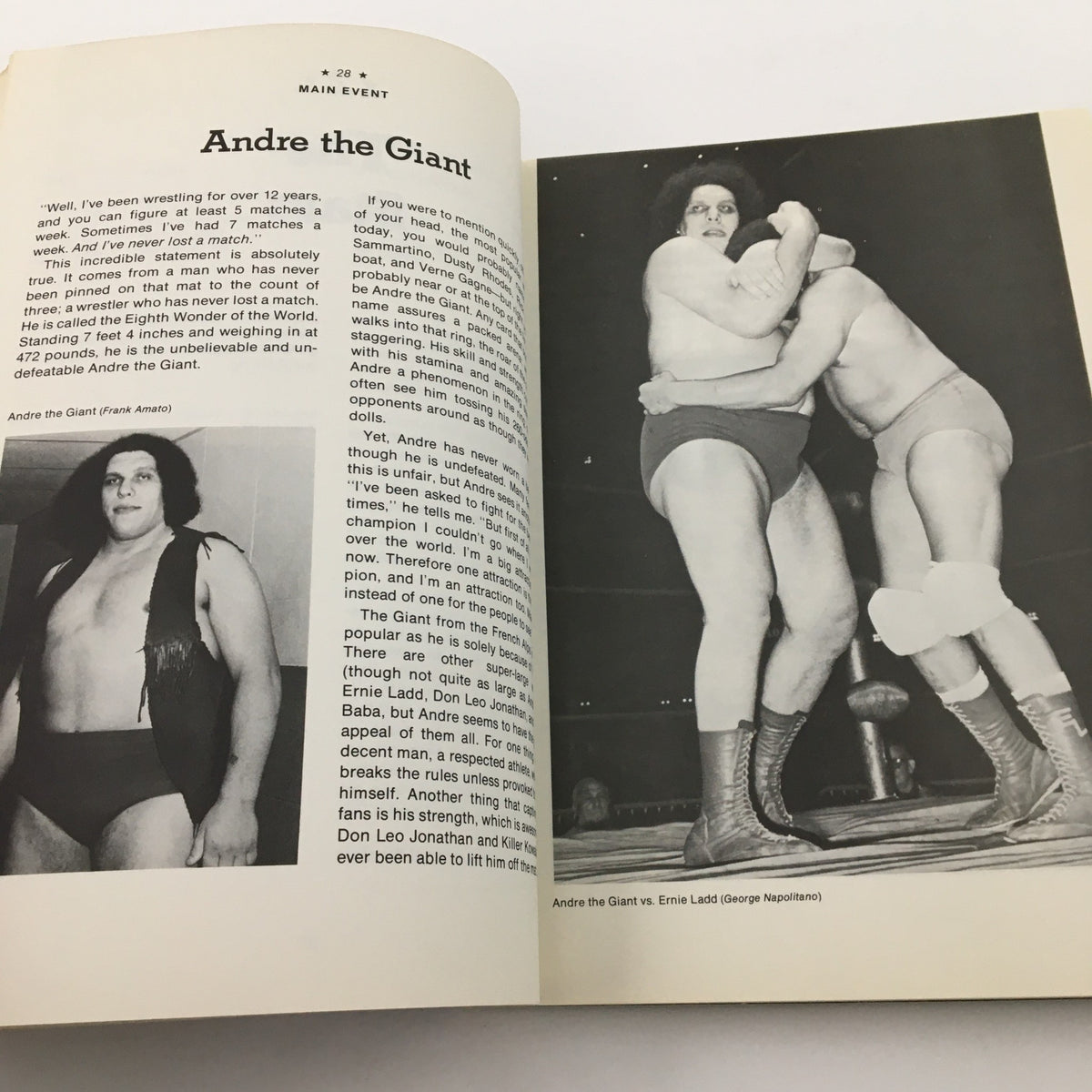
This 1979 edition of "Main Event: World of Professional Wrestling" by Roberta Morgan arrives from a pivotal stretch in professional wrestling's pre-national-expansion era, a period when the sport was still organized primarily through regional territories rather than the single dominant national promotion that would emerge later in the 1980s. Andre the Giant stands as the publication's central draw, and his prominence here reflects his status at the time as professional wrestling's most singular attraction. Standing well over seven feet tall, Andre had by 1979 already built a reputation that transcended individual wrestling territories, appearing across multiple regional promotions in North America, Japan, and elsewhere, a touring pattern that made him one of the rare wrestlers of his era recognized broadly rather than only within a single region's fanbase.
The late 1970s represented a particular moment in wrestling's cultural visibility, with the sport still largely covered through dedicated wrestling magazines and books rather than mainstream sports media, since most territories operated independently with their own television deals, storylines, and house talent. A publication like this one, framed as a broader overview of the professional wrestling world rather than a single promotion's house magazine, suggests an attempt to introduce or explain the sport's landscape to a general readership at a moment when wrestling's audience was beginning to expand beyond its traditional regional bases. Andre's inclusion as a central figure in such a publication underscores how thoroughly his fame had already outgrown any single territory by this point in his career.
For collectors specifically tracking material from 1979, this title offers a useful snapshot of how wrestling was being packaged and presented to readers just before the sport's landscape shifted dramatically in the years that followed. Material from this exact window, sitting between wrestling's territorial era and its coming national consolidation, tends to carry particular interest for collectors studying how the sport's public image evolved over time. Andre the Giant's continued presence as a unifying figure across so much of this material is part of what makes him one of the most consistently collected names from the era.
About the Publication
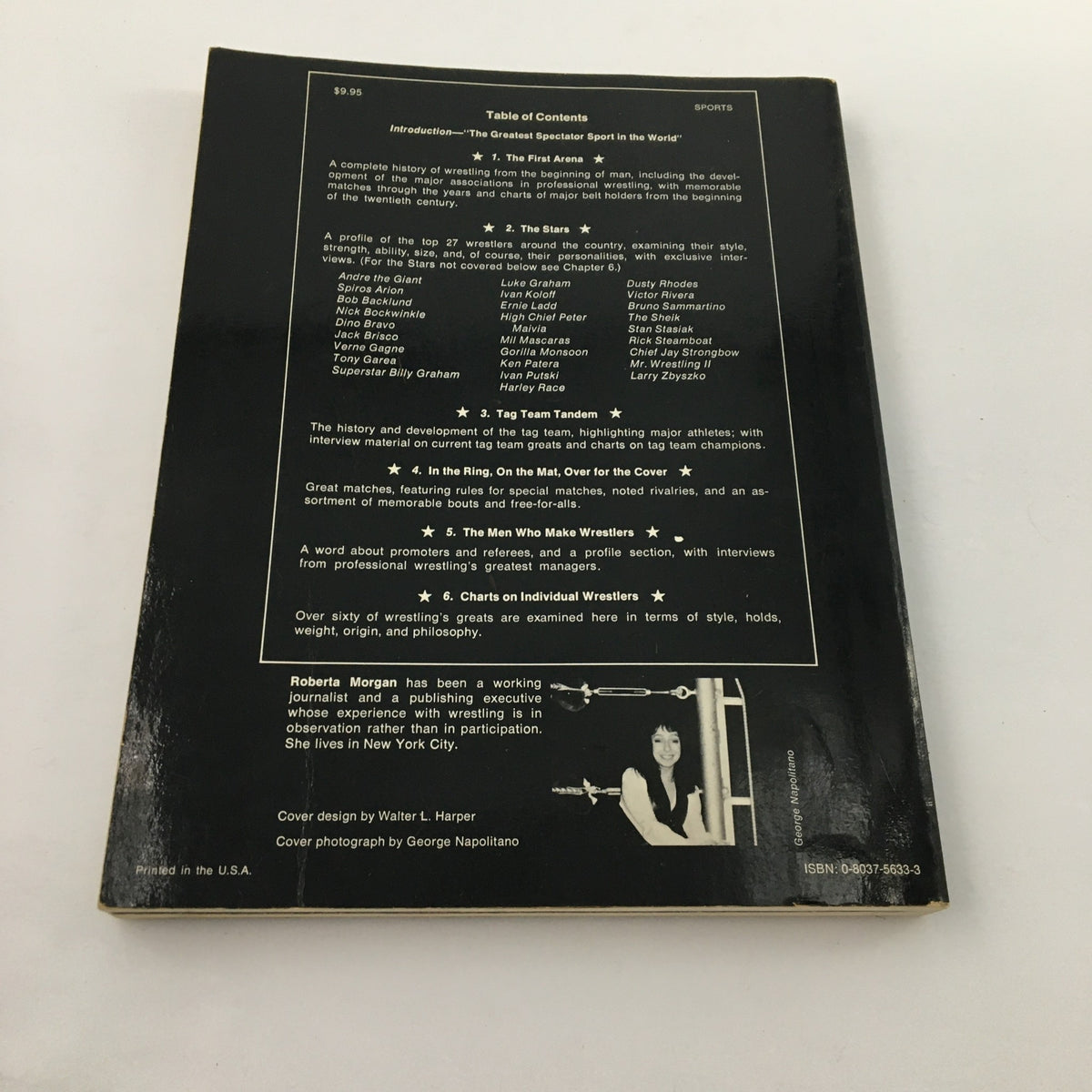
"Main Event: World of Professional Wrestling" was authored by Roberta Morgan and published in 1979, positioned as a book-format overview of professional wrestling rather than a recurring periodical magazine. Publications of this kind were typically aimed at a general readership curious about wrestling's personalities and history, offering profiles and context for a sport that, at the time, lacked the kind of unified national media coverage that mainstream sports received. Given the era's fragmented, territory-based wrestling landscape, a single-volume overview covering the sport's major figures would have served as an accessible entry point for readers without deep prior knowledge of any one regional promotion.
Key Highlights Inside
- This 1979 edition centers significantly on Andre the Giant, whose unprecedented size and cross-territory fame made him one of the most recognizable figures in professional wrestling at the time. His inclusion as a focal point reflects how far his reputation had already spread beyond any single regional promotion.
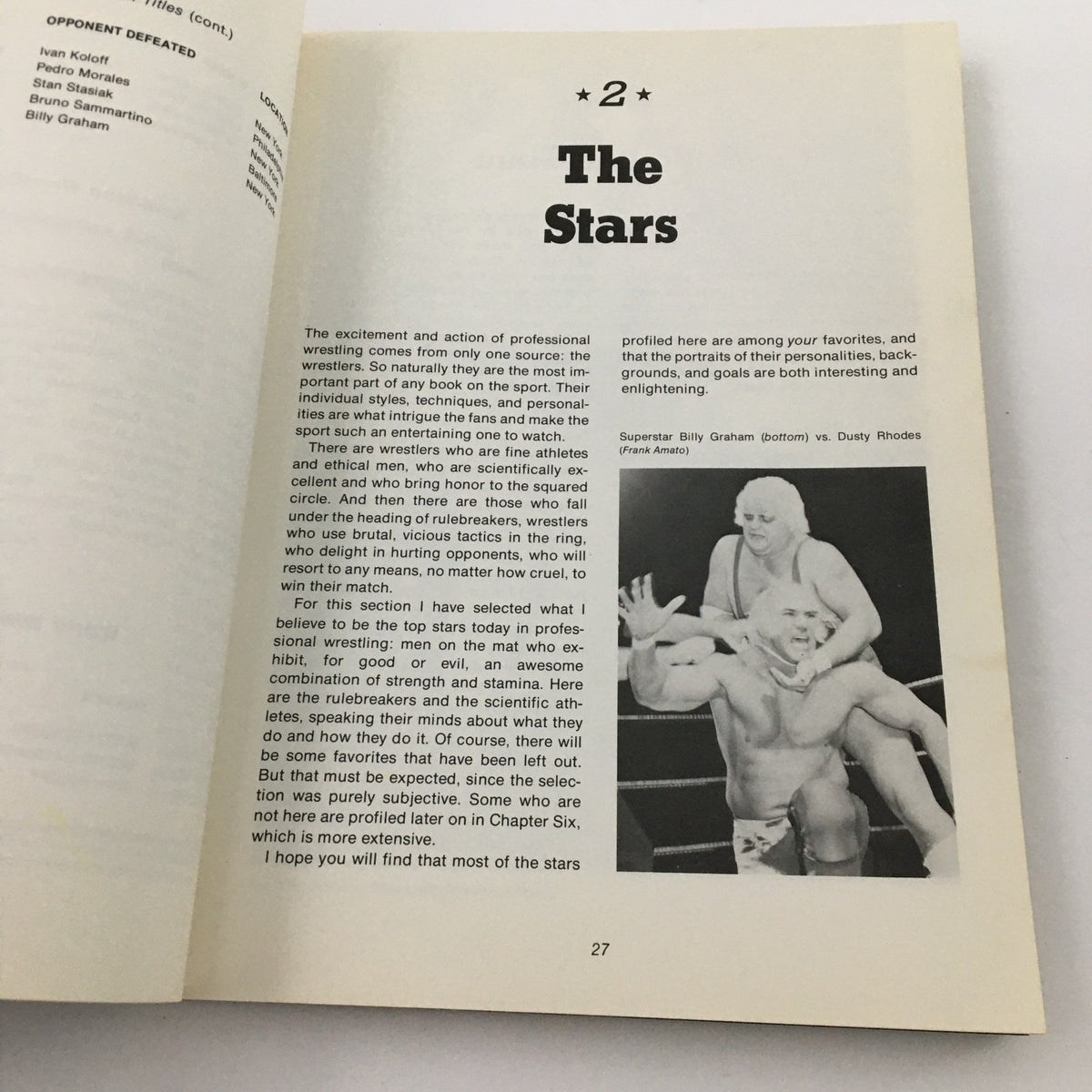
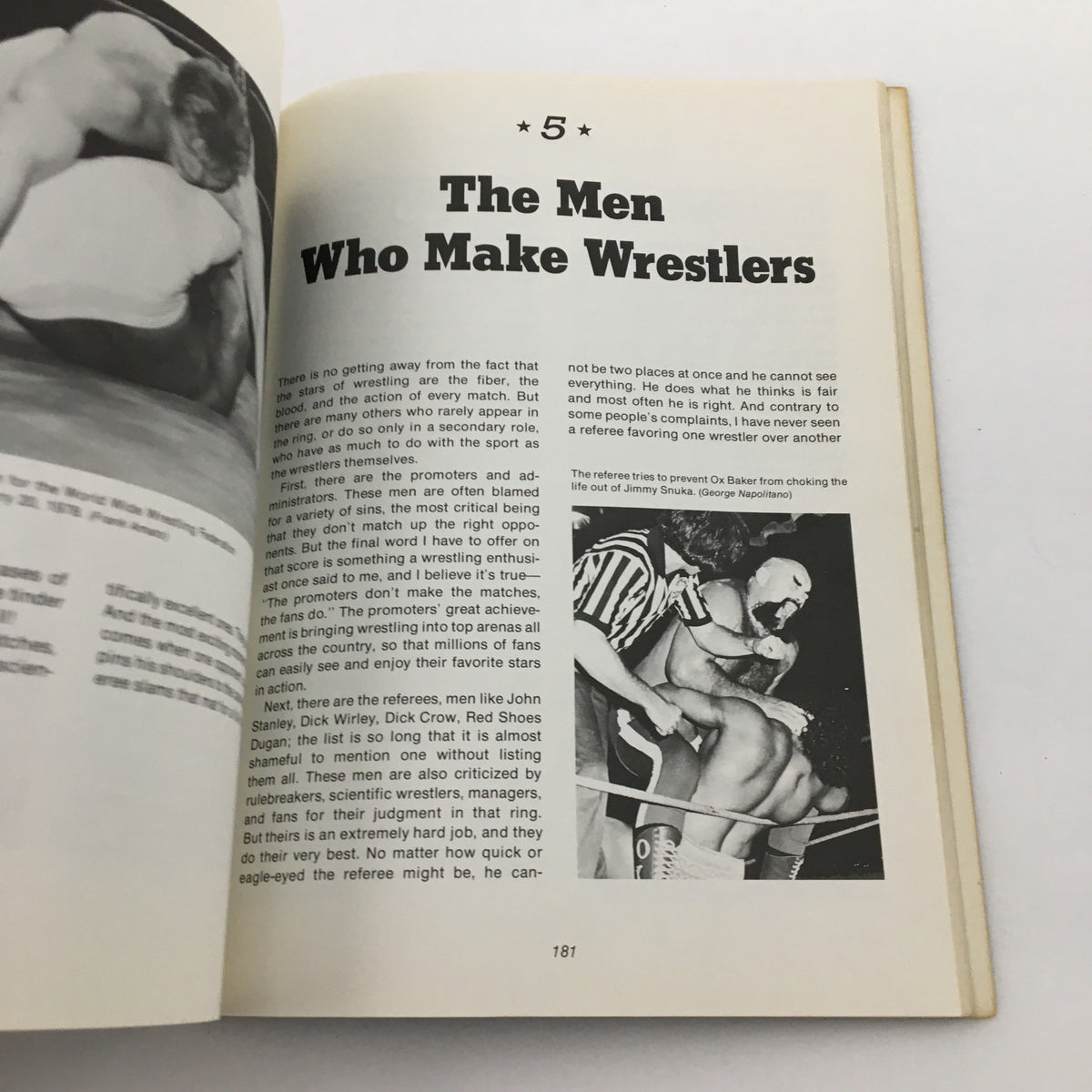
- The book is framed as a broader survey of the professional wrestling world during this period, rather than a single-promotion publication. This format suggests an effort to contextualize the sport's many territories and personalities for readers approaching wrestling without specialized prior knowledge.
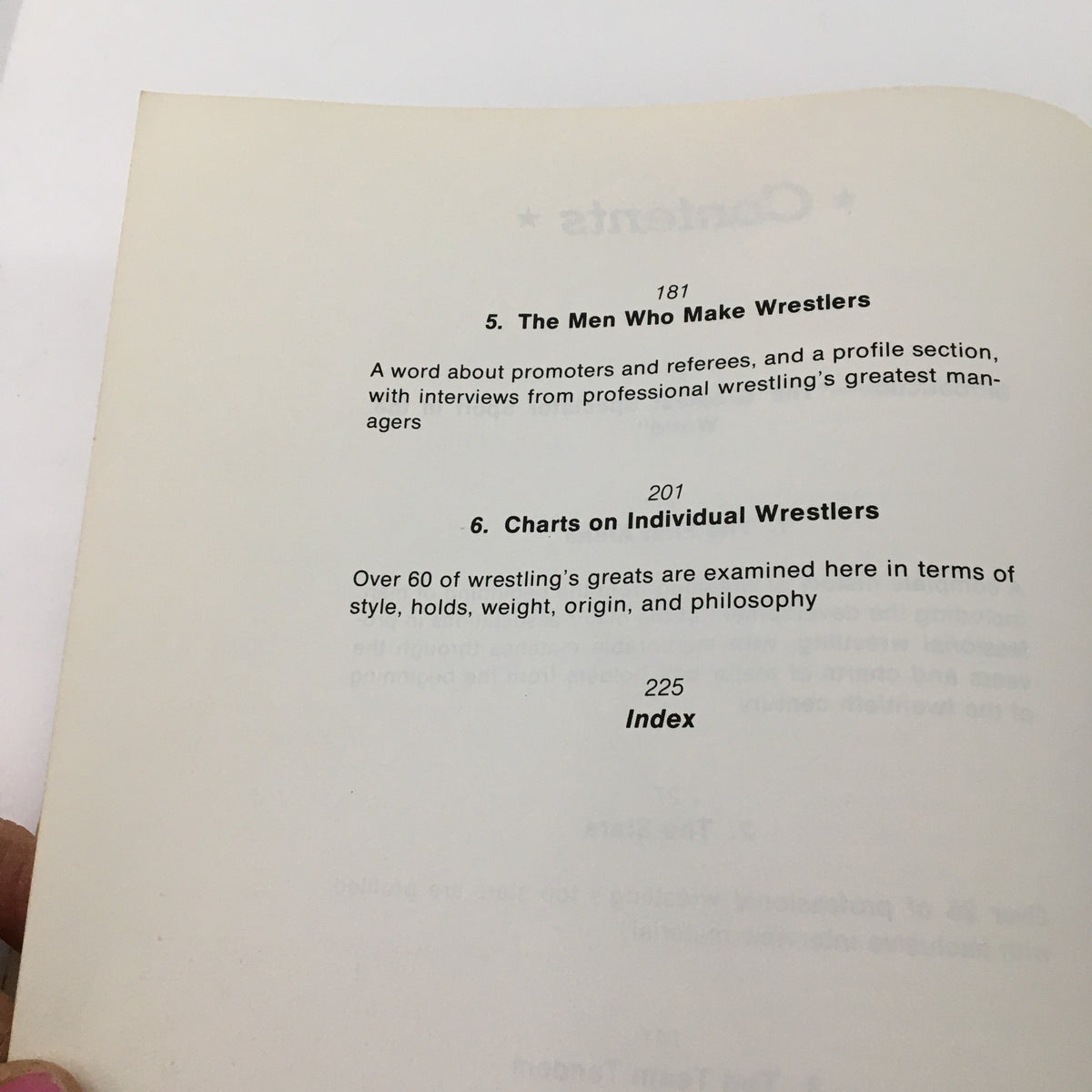
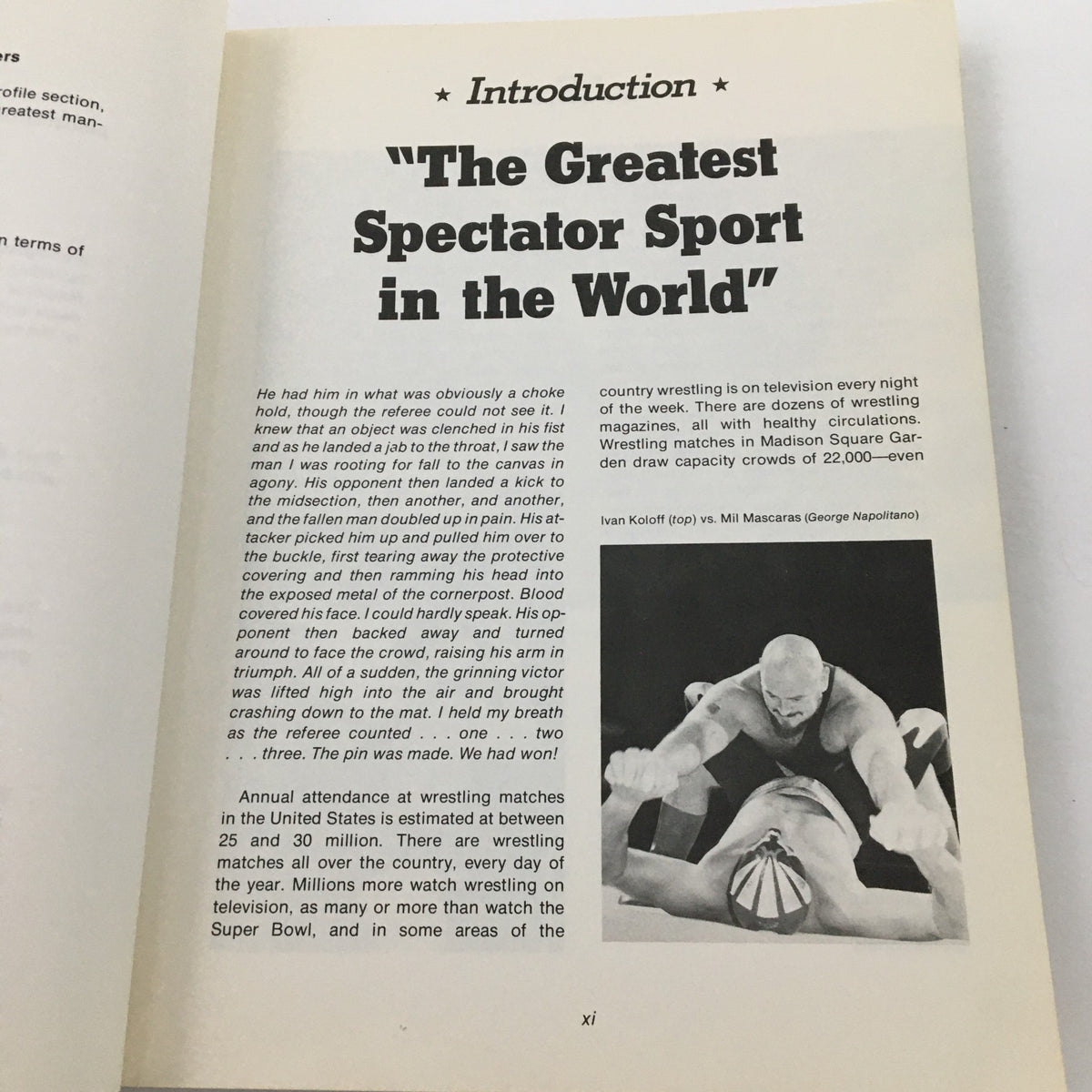
- Specific interior chapters, additional featured wrestlers, and exact photographic content are unconfirmed for this listing. Collectors interested in precise interior details should treat this as a general period publication centered on Andre the Giant rather than assume specific additional content.
Condition & Rarity
Collectors evaluating a publication of this age and type typically focus on several core indicators: cover and spine integrity, page completeness, and the presence of wear consistent with normal handling over more than four decades. A copy described as being in good condition with minor wear generally indicates a readable, structurally sound piece showing some natural signs of age, such as soft corners, light creasing, or faint surface wear, without major loss of content or structural damage to the binding. For a book-format publication from this era, spine integrity is often a more significant condition factor than it would be for a stapled magazine, since a compromised spine can affect how securely interior pages remain attached over time. Inclusion of a protective plastic covering is a meaningful preservation indicator, since it shields the cover and pages from further handling wear, moisture, and environmental exposure going forward. Given the publication's age and its niche subject matter within wrestling memorabilia specifically, surviving copies in good, intact condition are reasonably scarce compared to more mainstream publications from the same year, since print runs for specialized sports books of this kind were typically smaller than those for general-interest magazines. Taken together, a copy in this stated condition represents a solid, presentable example for collectors focused on this specific corner of late-1970s wrestling publishing.
Looking for More Issues Like This?
Material featuring Andre the Giant from this specific stretch of the late 1970s is genuinely hard to come by, given both his relative scarcity in dedicated print coverage at the time and the smaller print runs typical of specialized wrestling publications. If Andre the Giant is a focus of your collecting, our Andre the Giant collection is a strong place to keep browsing for related material spanning his long career. For a broader view of wrestling publications from this era, our general wrestling collection covers titles across many promotions and years, while our 1979 magazines collection rounds out the picture with other publications from this exact year across every category we carry. Each collection offers a slightly different angle on this period, and together they're a solid foundation for anyone building out a focused archive of late-1970s wrestling history. Checking back periodically is worthwhile too, since inventory in these specific categories tends to shift as new pieces become available.