



Description
Collector's Note – Why This Issue Matters
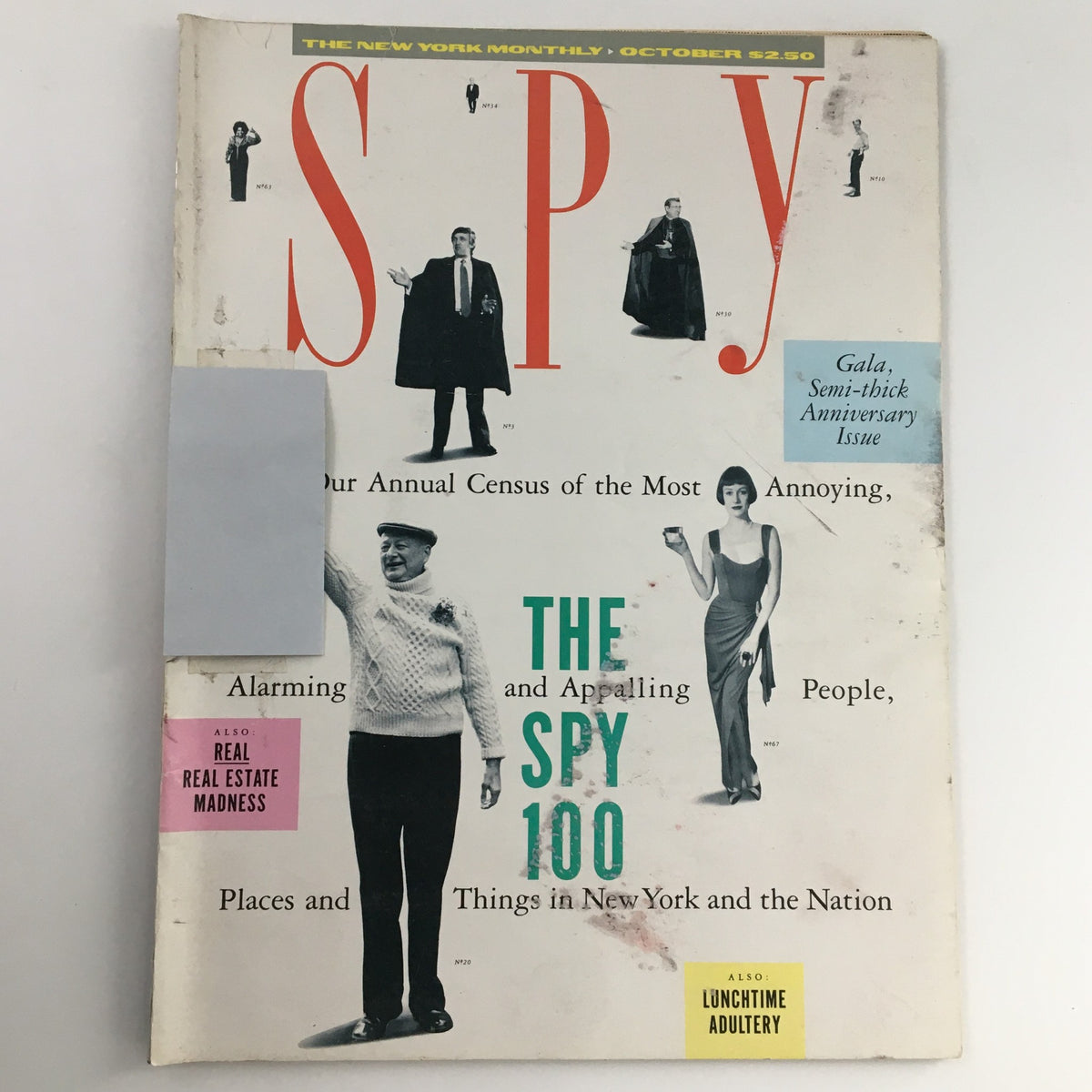
Spy Magazine's October 1987 issue — featuring John Gotti on the cover alongside the Spy 100 list and a real estate madness feature — is a document of the publication operating in its most historically charged first year at the intersection of three of the defining stories of 1980s New York. Gotti had become the boss of the Gambino crime family in December 1985 following the assassination of Paul Castellano, and by October 1987 he was the most famous organized crime figure in America — acquitted earlier that year in a federal racketeering case that had been expected to convict him, a result that earned him the nickname "The Teflon Don" and elevated his celebrity to a level that blurred the line between criminal boss and tabloid star. Spy's decision to put Gotti on its October 1987 cover reflects the magazine's characteristic instinct for subjects who existed at the intersection of power, celebrity, and notoriety — exactly the territory the publication had been established to examine. For collectors building a complete run of vintage Spy Magazine issues, the October 1987 issue is one of the most historically concentrated entries in the publication's founding year.
The Spy 100 list adds a second dimension of significant collector interest. Spy's annual or semi-annual rankings of New York's most powerful, most irritating, or most culturally significant figures were a signature feature of the publication's satirical approach — applying the same ranking logic to the city's elite that business publications applied to corporations, with the explicit intent of puncturing the self-seriousness of those being ranked. A Spy 100 from October 1987 would have appeared in the final weeks before Black Monday — the October 19, 1987 stock market crash — making it a primary document of New York's pre-crash confidence captured at its peak. The real estate madness feature reinforces that timing with precision: 1987 Manhattan real estate speculation was at its most feverish, and Spy's treatment of it would have combined the journalistic and satirical registers that defined the magazine's approach to power and money. For collectors assembling a 1987 magazine archive, this Spy issue captures the city and the decade at their most recognizable and most historically freighted moment.
About the Publication
Spy Magazine was founded in New York City in 1986 by Kurt Andersen and Graydon Carter, with design direction from Alexander Isley, and quickly established itself as the most influential satirical and investigative magazine in American publishing. Its editorial format combined long-form investigative journalism, celebrity profiling, cultural criticism, and visual satire in a distinctive large-format package that was itself a commentary on the media culture it covered. October 1987 falls within the magazine's first full year of publication — one of its most creatively vital and historically significant periods, when its editorial identity was being established and its cultural authority was being built. Spy published until 1998, but its late 1980s run is widely regarded as its foundational era.
Key Highlights Inside
- John Gotti cover — published in October 1987, the same year as his landmark acquittal in a federal racketeering case that earned him the "Teflon Don" nickname and elevated his celebrity to an extraordinary degree, making him the perfect subject for Spy's examination of the intersection of power and public persona.
- The Spy 100 — the publication's characteristic ranking feature applied to New York's most significant figures, published weeks before the October 19, 1987 Black Monday stock market crash that would puncture the decade's financial optimism.
- Real estate madness feature — examining the peak of 1987 Manhattan real estate speculation at the exact moment the market was at its most overheated, a story Spy was uniquely positioned to cover with both journalistic rigor and satirical awareness.
- Published in Spy's founding year, during the period when the magazine's editorial identity was being established and its reputation as the most culturally sharp publication in New York was being built.
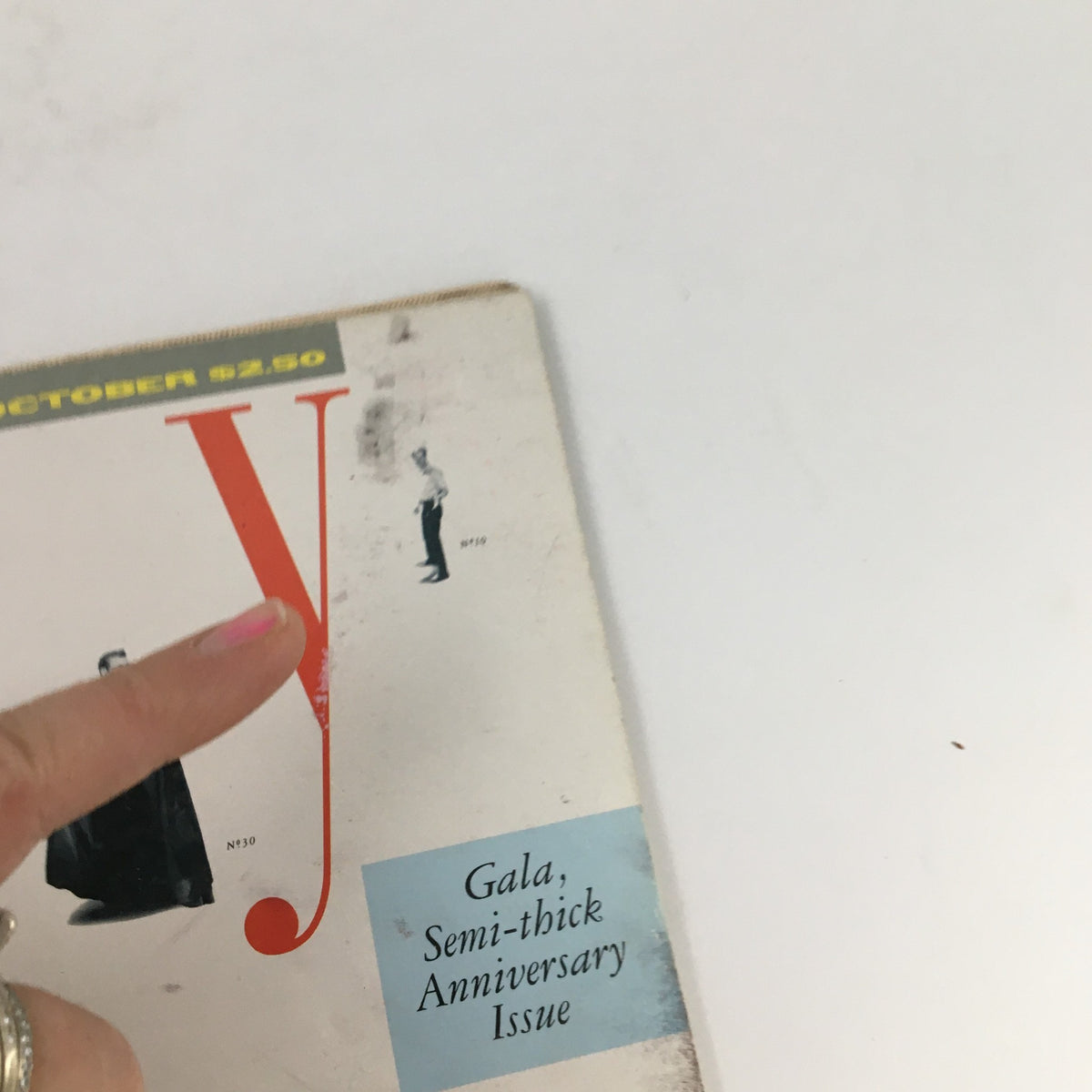
- Address label present on the front cover and bagged and boarded for protection — condition details worth assessing from photographs for display-focused collectors.
Condition & Rarity
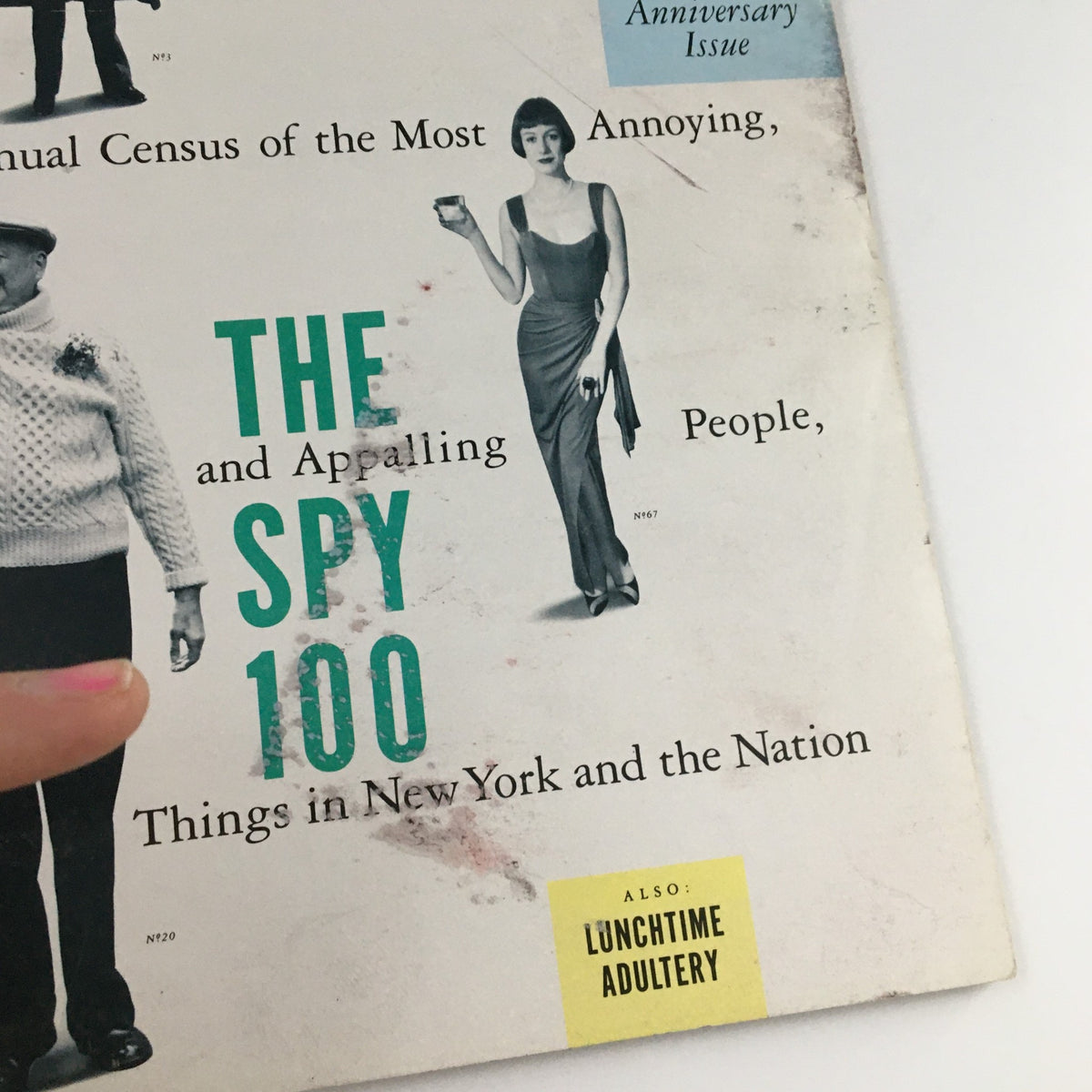
This issue presents in Good condition, bagged and boarded — a protective format that goes beyond the standard plastic sleeve and is the preferred storage method for magazine collectors seeking to minimize further wear. A small address label on the front cover and some minor marks are noted. At Good grade with these condition notes, the cover image and interior content should be fully readable and structurally intact. The bagged and boarded treatment is a positive preservation indicator suggesting the issue entered a collection environment at some point in its life. Spy's October 1987 issue — with Gotti, the Spy 100, and real estate coverage simultaneously — is one of the more historically specific and multi-layered entries in the magazine's founding year, giving it collector appeal across organized crime history researchers, 1980s New York cultural history enthusiasts, and Spy archive builders simultaneously.
Looking for More Issues Like This?
Spy's 1987 founding-year issues are among the most historically significant in the magazine's archive — the publication was establishing its voice and its enemies list simultaneously, and each issue from this period carries the energy of something being created rather than maintained. The broader Spy Magazine archive at OriginalMagazines.com is the right place to explore what's available across the full run of this essential satirical publication. The 1987 magazine collection provides wider context for collectors interested in the full New York cultural and financial landscape of the year this historically dense issue appeared.