



Description
Collector's Note – Why This Issue Matters
The October 1989 issue of Spy Magazine featuring President George H.W. Bush arrives at a precise and historically interesting moment in both American politics and American media satire. Bush had been inaugurated in January 1989, and by October of that year his administration was navigating a world in rapid transformation — the Berlin Wall would fall just one month later, on November 9, 1989, and the Cold War order that had defined American foreign policy for four decades was visibly unraveling. Spy's satirical engagement with Bush in this context is particularly resonant: the magazine had been defining and redefining the limits of American political satire since its 1986 founding, and its treatment of the new president in his first year in office is a primary document of how the sharpest journalistic voices of the era were processing the Bush White House.
Spy had a specific and well-documented relationship with George H.W. Bush that makes any Bush-focused issue historically meaningful. The magazine had coined the phrase "wimp factor" in relation to Bush during the 1988 campaign and had been a consistent and pointed critic of his public persona, his social world, and his political positioning. By October 1989, with Bush nine months into his presidency, Spy's satirical toolkit was fully engaged with the administration, and the magazine's combination of rigorous research, sharp writing, and elaborate graphic design made its political coverage genuinely influential in the media landscape of the late 1980s. For collectors focused on George H.W. Bush's documented presence in American media, a Spy cover feature represents a distinct and editorially significant category of coverage that differs substantially from straight news journalism.
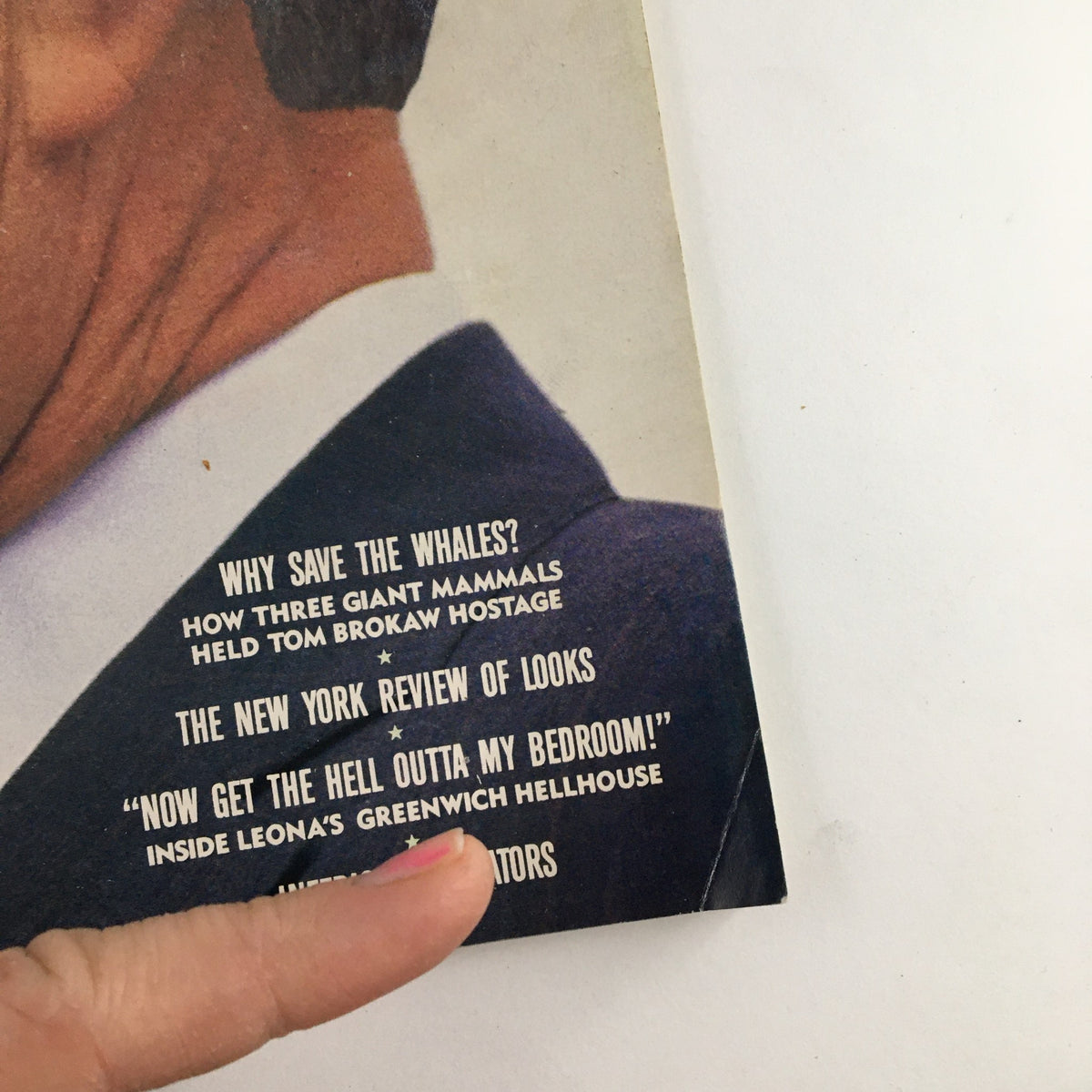
Tom Brokaw's contribution to this issue places it within a broader media conversation that Spy was consistently interested in — the relationship between serious journalism, celebrity, and political power. Brokaw in 1989 was at the height of his influence as anchor of NBC Nightly News, and his presence in a Spy issue alongside Bush-related political coverage reflects the magazine's characteristic move of bringing the media establishment into its satirical frame alongside the political subjects it was covering. Collectors building archives of Spy Magazine's complete publishing history regard Bush-era issues as some of the publication's most historically grounded work, and the 1989 magazine archive at OriginalMagazines.com provides context for this extraordinary year in American and world history.
About the Publication
Spy Magazine was founded in New York in 1986 by Kurt Andersen and Graydon Carter and quickly established itself as the most sophisticated and consequential satirical publication in America, combining meticulous journalism with sharp wit, elaborate graphic design, and a willingness to pursue its targets — particularly powerful figures in New York business, politics, and media — with a rigor that more conventional publications avoided. Its readership was educated, urban, and politically engaged, and its influence on American media culture extended well beyond its circulation figures. The magazine ran until 1998, and its late 1980s and early 1990s issues — produced during the peak of its editorial ambition — are now collected as primary documents of that specific moment in American satirical journalism.
Key Highlights Inside
- Cover feature on President George H.W. Bush — published nine months into his presidency, at the precise moment before the fall of the Berlin Wall transformed the geopolitical landscape he had inherited.
- Articles by Michael Walker and Tom Rose — contributors working within Spy's characteristic mode of rigorous research combined with satirical framing, applied to the Bush administration and its political context.
- Commentary by Tom Brokaw — the NBC Nightly News anchor at the height of his influence, appearing in Spy's editorial frame alongside political coverage in a reflection of the magazine's consistent interest in the media establishment as a subject.
- Broader satirical and journalistic content typical of a late 1989 Spy issue — the full complement of the magazine's departments and features during one of its most creatively productive periods.
Note: Specific interior articles beyond the cover story and named contributors are unconfirmed for this issue. The above reflects what is verifiable from the listing description, publication format, and the well-documented historical context of October 1989.
Condition & Rarity
Graded Good, with minor wear including small rips, edge wear, creases, and marks — an honest condition profile for a monthly magazine now more than thirty-five years old. The no-label newsstand designation preserves the cover as originally presented without subscriber label defacement, which is the preferred form for display-oriented collectors. The noted wear is characteristic of a publication of this age that has been stored without archival care and does not affect the readability of the interior content. A protective plastic sleeve provides appropriate ongoing preservation. Spy Magazine issues from the Bush years attract collectors across political satire history, late 1980s American media culture, and Spy archive collecting simultaneously — a combination of interests that sustains consistent demand for well-identified surviving copies.
Looking for More Issues Like This?
Spy Magazine issues featuring George H.W. Bush are among the most historically pointed numbers in the publication's politically engaged run, and October 1989 — one month before the Berlin Wall fell — is a particularly resonant date within that record. The George H.W. Bush magazine collection at OriginalMagazines.com is the best starting point for other significant Bush print appearances. The full Spy Magazine archive and the complete 1989 magazine collection are both worth exploring for collectors building a documentary record of this extraordinary year in American and world history.