


Description
Collector's Note – Why This Issue Matters
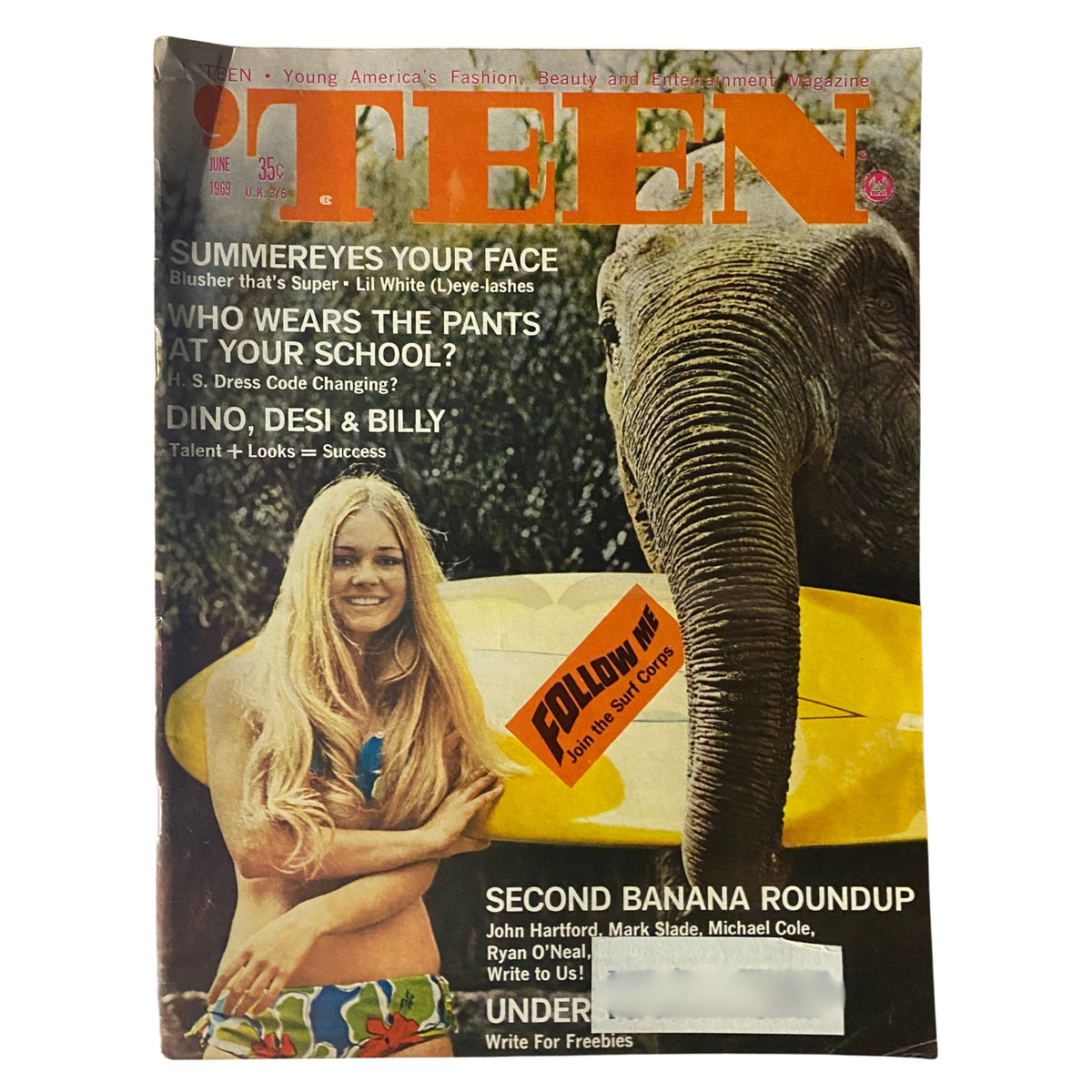
The June 1969 issue of Teen magazine featuring Dino, Desi & Billy documents one of the more distinctive celebrity phenomena of the mid-to-late 1960s teen pop landscape — a group whose appeal was inseparable from the glamour of their famous fathers. Dino Martin (son of Dean Martin), Desi Arnaz Jr. (son of Desi Arnaz and Lucille Ball), and Billy Hinsche (whose family background was less famous but whose musical contributions were equal) had formed their group in 1964 and by the mid-1960s were one of the most visible teen pop acts in America, appearing regularly on television programs, recording for Reprise Records, and generating the kind of fan magazine coverage that this June 1969 Teen issue exemplifies. Their appeal operated on multiple levels simultaneously: they were genuinely accomplished young musicians, but their access to Hollywood royalty — the Rat Pack's most beloved performer, and television's most beloved couple — gave them a visibility and a parasocial intimacy with their fans that most teen acts could not match. A Teen magazine feature on them in June 1969 was the publication doing exactly what it existed to do: connecting its teenage readership to the celebrities who defined the cultural landscape of adolescent aspiration in the final months of the 1960s. For collectors building a focused archive through the Teen magazine run of the late 1960s, a June 1969 Dino, Desi & Billy feature is a historically specific document of teen celebrity culture at a very particular moment.
The June 1969 date places this issue at a historically specific moment in both the group's trajectory and the broader teen pop landscape. The late 1960s were a transitional period for teen magazine culture: the British Invasion acts that had dominated the mid-1960s fan press were giving way to a new generation of American teen idols, and the Monkees — who had defined the made-for-television teen pop model — were in their final phase as a marketed group. Dino, Desi & Billy occupied a specific niche within this landscape, appealing to the teenage girls whose older siblings might have screamed for the Beatles but who were finding their own generational celebrities in acts that blended Hollywood family glamour with genuine musical performance. June 1969 was also the summer before Woodstock and the cultural rupture it represented — one of the last moments when the teen pop and Hollywood celebrity world that fan magazines like Teen documented was still operating largely within its established mid-decade conventions. For anyone researching American teen culture and the celebrity landscape in the final year of the 1960s, this issue is a primary document of the mainstream teen entertainment world just before the decade's countercultural forces fully reshaped it.
About the Publication
Teen magazine, founded in 1954 and by June 1969 one of the dominant American publications aimed at teenage girls, combined celebrity coverage, fashion and beauty advice, fiction, and cultural commentary aimed at a readership navigating adolescence in the most culturally turbulent decade of the postwar era. Its format balanced the aspirational celebrity coverage that drove its newsstand sales with practical advice content that made it a companion publication for its readers' daily lives. Its late-1960s issues reflect the specific celebrity landscape of Hollywood and pop music as filtered through a mainstream teen sensibility that was simultaneously aware of the decade's cultural upheavals and still invested in the familiar structures of celebrity fandom.
Key Highlights Inside
- Dino, Desi & Billy "Success" feature — coverage of the Hollywood-pedigreed teen pop trio at a moment when their combination of celebrity family glamour and genuine musical performance made them among the most discussed acts in the teen fan press.
- June 1969 teen cultural landscape — a document of mainstream American teen celebrity culture in the final summer before Woodstock, capturing the fan magazine world in one of its last fully pre-counterculture iterations.
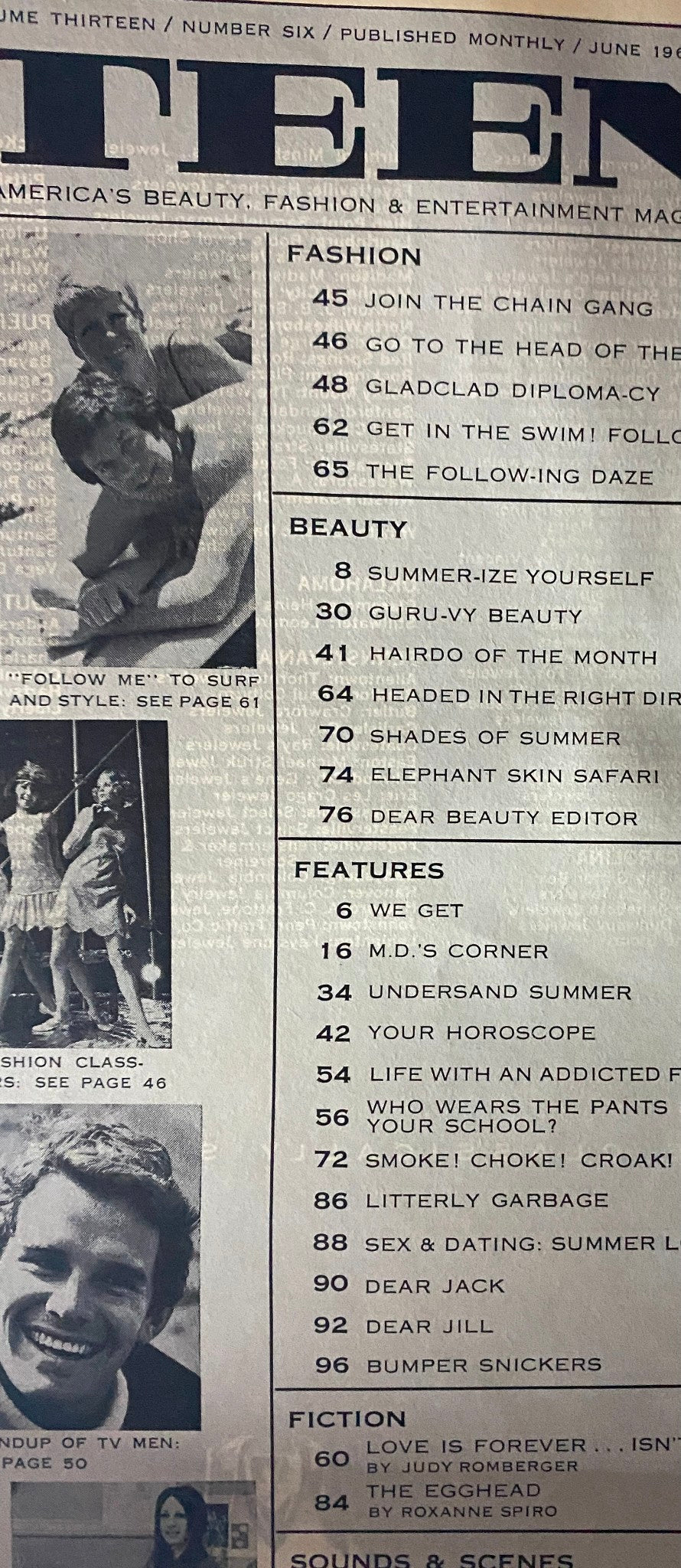
- Fashion, beauty, and teen lifestyle content consistent with Teen's June 1969 editorial identity — the late-1960s styles and cultural conversations that defined the magazine's appeal to its teenage readership.
- Note: Specific additional article titles, additional celebrity features, fiction, and other editorial content beyond the confirmed Dino, Desi & Billy cover story have not been independently verified from the listing. Interior details should be confirmed against a physical copy for comprehensive research purposes.
Condition & Rarity
Surviving copies of this issue in excellent condition with light wear represent an exceptional example of preservation for a fifty-six-year-old monthly teen magazine. Excellent condition for a publication of this vintage indicates that the cover retains full color and visual integrity, the spine shows no significant cracking, and the interior pages remain structurally sound — well above the good condition that most surviving copies of this age display. A plastic protective sleeve confirms deliberate preservation effort. Late-1960s Teen magazine issues with Dino, Desi & Billy cover features are sought by Hollywood celebrity family history collectors, 1960s teen pop music researchers, and Teen magazine completists simultaneously — a convergence that gives this June 1969 issue consistent collector interest among enthusiasts of the era's specific celebrity culture.
Looking for More Issues Like This?
Late-1960s Teen magazine issues with Hollywood celebrity family cover features are a specific and historically grounded category in vintage fan magazine collecting, and a June 1969 Dino, Desi & Billy edition in excellent condition is a particularly well-preserved find from the final summer of the decade's most characteristic teen pop landscape. If this issue has already found a collector, the full Teen magazine collection at OriginalMagazines.com spans the publication's coverage of American teen celebrity culture across its long run. The complete 1969 magazines collection offers broader context for American teen and popular culture from the year the decade's countercultural transformation reached its most dramatic expression.