




Description
Collector's Note – Why This Issue Matters
The Best of the Wrestler Magazine, Fall 1982, captures professional wrestling during a period when regional territories, magazine coverage, and larger-than-life personalities shaped how fans understood the sport. The listing identifies the cover focus as Bob Backlund vs. Nick Bockwinkel, a pairing that immediately places the issue in the serious championship conversation of the early 1980s. For collectors of vintage wrestling magazines, this issue is notable because it brings together two major title-era figures whose reputations were built on technical credibility, character contrast, and the prestige of their respective wrestling worlds. The cover concept also reflects the way wrestling magazines of the period could stage symbolic confrontations that fans might not easily see on television.
Bob Backlund was closely associated with the World Wide Wrestling Federation and World Wrestling Federation championship lineage, representing a clean-cut, athletic, endurance-based style that defined much of his first major title run. Nick Bockwinkel, long identified with the American Wrestling Association, brought a different kind of authority: polished, articulate, strategic, and deeply respected as one of the great thinking wrestlers of his era. A Fall 1982 magazine built around Backlund vs. Bockwinkel therefore reflects more than a simple cover matchup. It evokes the dream-match logic that wrestling magazines often used to compare champions, territories, styles, and fan loyalties before national cable television fully transformed the industry. For readers of the time, these kinds of covers helped create a broader wrestling universe beyond the limits of local broadcast schedules.
As part of the broader archive of 1982 magazines, this issue belongs to the final years before the national wrestling expansion of the mid-1980s changed the magazine landscape. Wrestling periodicals were essential reading for fans who wanted rankings, interviews, photographs, feud coverage, and cross-territory context that local television could not always provide. The Best of the Wrestler preserved that pre-internet, pre-streaming culture, when magazines helped turn regional performers into nationally recognized names for readers following the sport from newsstands. This makes the issue valuable not simply as wrestling memorabilia, but as a document of how fans learned to compare champions, interpret rivalries, and imagine matches across promotional boundaries.
About the Publication
The Best of the Wrestler was part of the wrestling magazine tradition that served fans hungry for coverage beyond weekly television broadcasts and arena programs. Publications of this kind typically mixed cover features, interviews, wrestler profiles, action photography, rankings, feud summaries, commentary, and dramatic storytelling designed for readers who followed multiple territories. Its audience included devoted wrestling fans, young collectors, territory loyalists, and readers who treated magazines as a bridge between regional promotions. In the early 1980s, wrestling magazines were especially important because they helped create a shared national conversation around wrestlers who might otherwise have been seen mainly in local or syndicated markets. Today, issues like this are valued as primary-source artifacts of how professional wrestling was marketed, mythologized, and debated before the industry’s later national consolidation. The format also reveals how wrestling journalism blended sport, theater, personality, and fan speculation into a distinctive kind of popular entertainment writing.
Key Highlights Inside
- Fall 1982 issue of The Best of the Wrestler Magazine.
- Cover focus identified in the listing as Bob Backlund vs. Nick Bockwinkel.
- Represents an early-1980s wrestling landscape shaped by territory-era champions, fan debates, and magazine-driven dream match coverage.
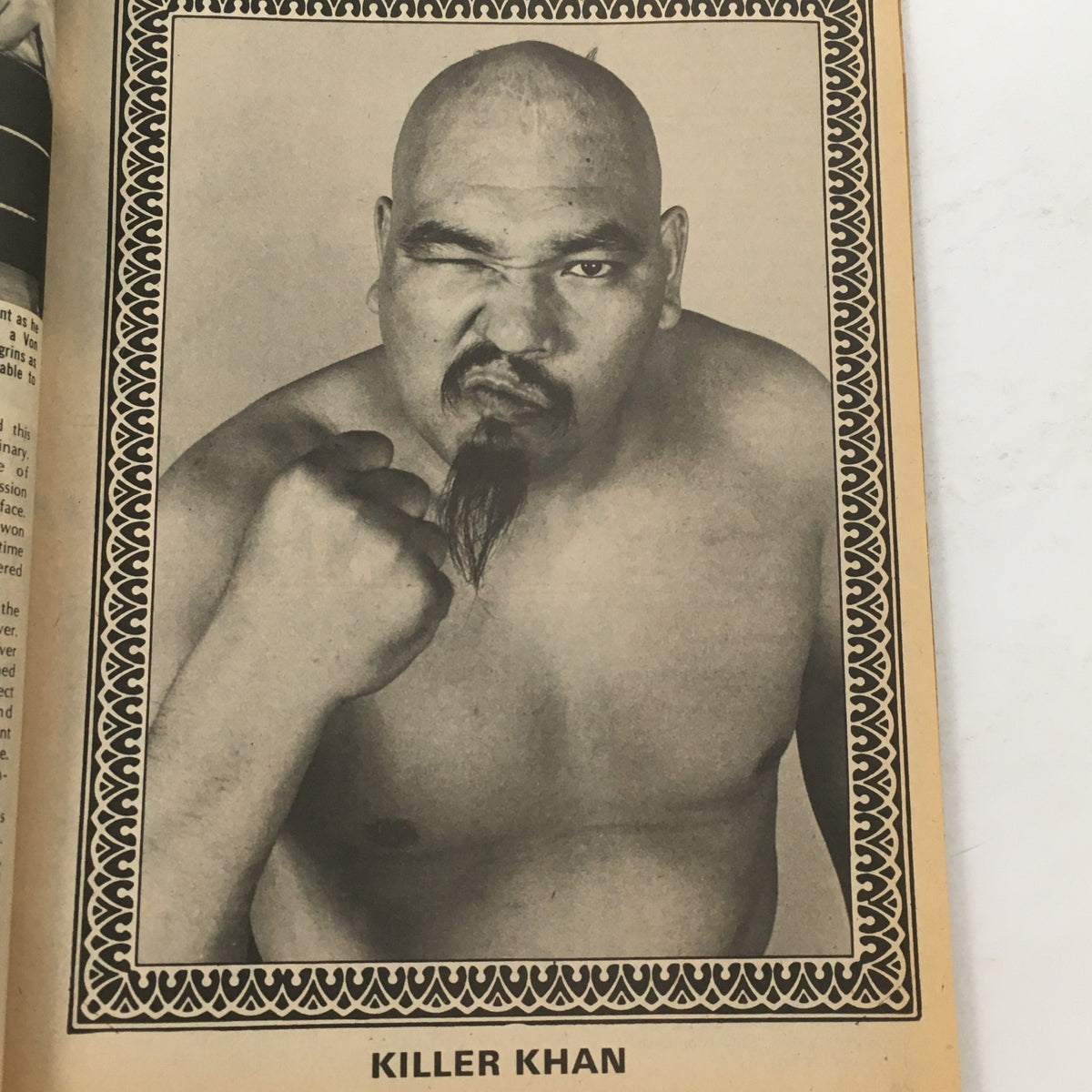
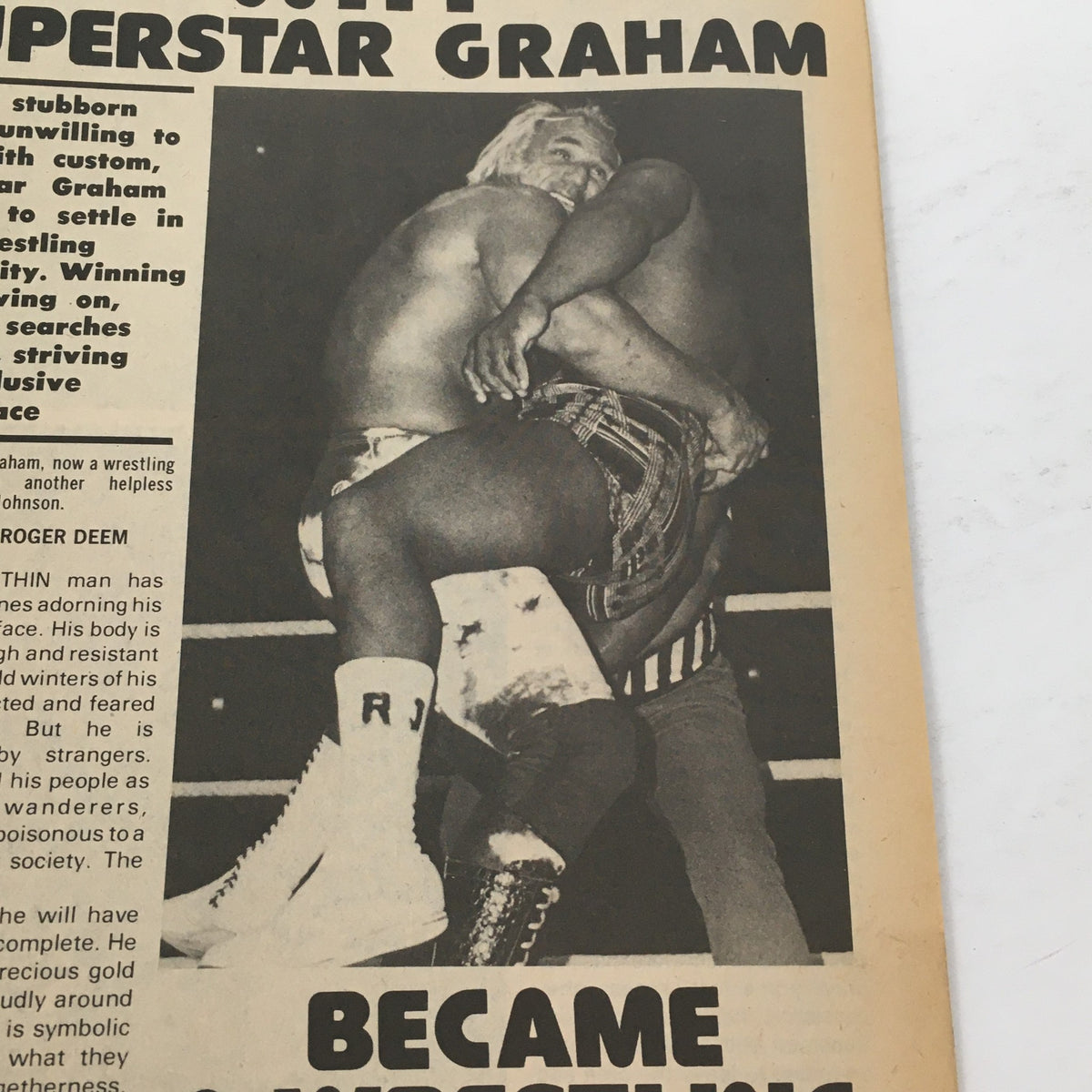
- The listing notes articles, interviews, and photographs connected to the wrestling scene, though specific interior article titles are not confirmed.
- Relevant to collectors interested in Bob Backlund, Nick Bockwinkel, championship-era wrestling coverage, and pre-national-expansion wrestling media.
- Newsstand copy with no mailing label noted in the listing, an attribute often valued by collectors who prefer clean cover presentation.
Condition & Rarity
The listing describes the Fall 1982 issue as being in good shape, with minor wear typical for its age, including possible slight rips, edge wear, and creases. It is also described as a newsstand copy with no label, which is significant for collectors because label-free covers generally preserve the original cover design more cleanly than mailed subscription copies. The included plastic protective covering is useful for storage and handling, though condition assessment should still focus on the magazine itself: cover gloss, spine stress, page completeness, corner wear, surface marks, tears, creasing, and any signs of moisture or brittleness. Wrestling magazines from the early 1980s were often heavily read, traded, stored in stacks, or carried by fans, so light to moderate handling wear is common. A complete, readable example with strong cover appeal remains important because the Backlund-Bockwinkel cover subject is central to the issue’s collector identity. Small rips and edge wear should be evaluated in relation to the overall structure of the magazine, especially whether the cover remains attached and the interior pages remain complete.
Looking for More Issues Like This?
Wrestling magazines from the territory era can be especially rewarding to research because they document the sport before national television reshaped how fans discovered wrestlers and promotions. Readers interested in similar championship-era coverage may want to browse the broader vintage wrestling magazine collection for more issues featuring major stars, rivalries, and territory-era storytelling.
For broader context around the same publishing year, the 1982 magazines collection can help place this issue alongside other period publications from the early 1980s. Comparing magazines from the same year is useful for understanding how sports, entertainment, and fan culture were being documented just before wrestling’s national boom. It also helps collectors see how wrestling magazines fit into the wider newsstand culture of the period, where athletes, entertainers, and larger-than-life personalities competed for attention in print.