


Description
Collector's Note – Why This Issue Matters
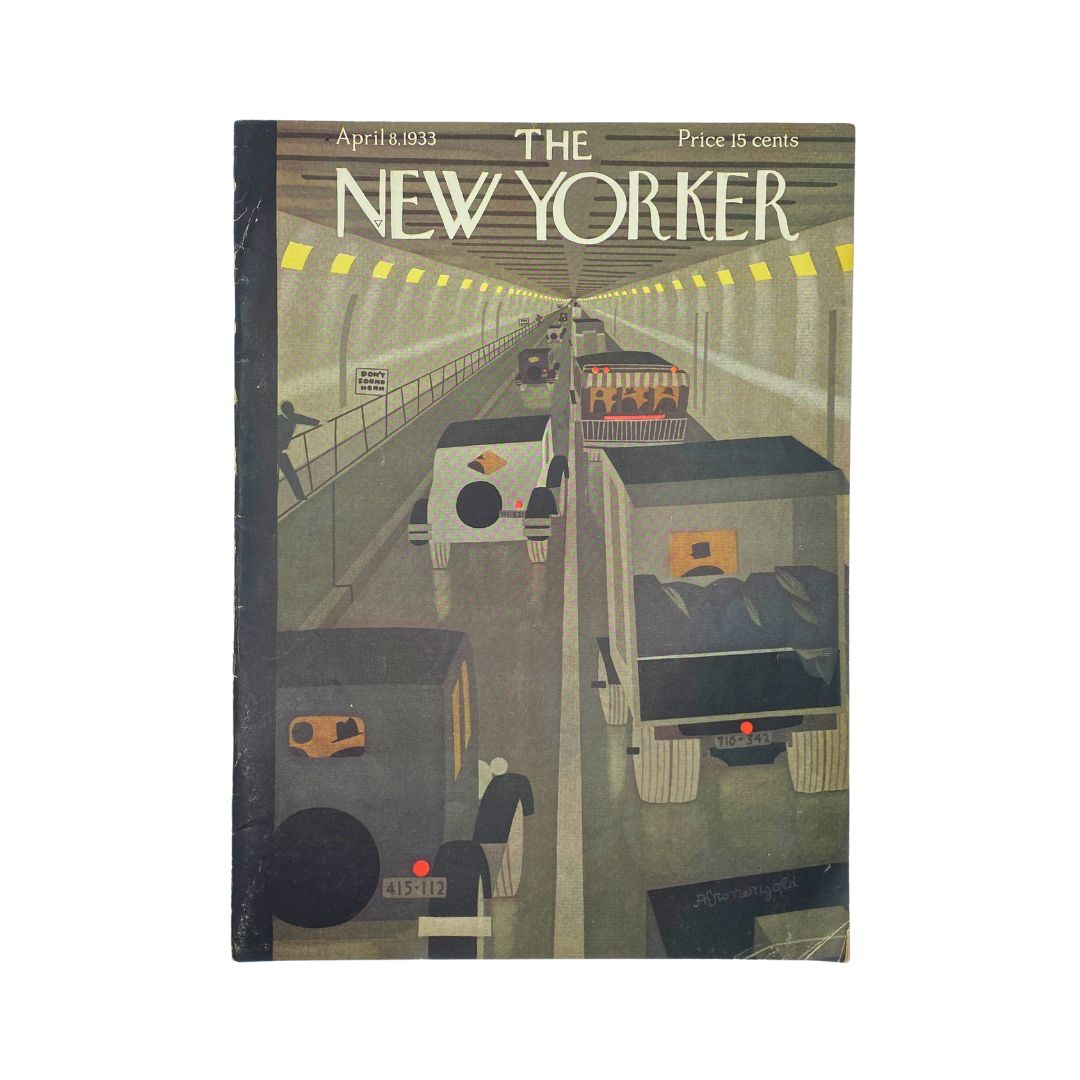
The April 8, 1933 issue of The New Yorker featuring a cover by Adolph Kronengold is a primary artifact from one of the most historically charged springs in American history. April 1933 was Roosevelt's second month in office, and the New Deal's most intensive legislative phase was underway: the Emergency Banking Act had just stabilized the banking system, the Civilian Conservation Corps was being established, and the country was absorbing the reality of a new administration attempting to rebuild an economy that had collapsed over the preceding three years. The Great Depression was at or near its most severe point — unemployment was approaching twenty-five percent, industrial production had fallen dramatically, and the psychological exhaustion of prolonged economic crisis was a defining condition of American life. Against this backdrop, The New Yorker was maintaining its commitment to the particular combination of wit, elegance, and social observation that had defined it since its 1925 founding — a cultural continuity that was itself a form of assertion about the persistence of civilized life under difficult conditions. An Adolph Kronengold spring cover from April 8, 1933 captures the magazine's visual identity at this specific historical moment, deploying the light-hearted urban illustration that was Kronengold's signature in the service of a publication that understood the value of pleasure and wit in hard times. For collectors of early Depression-era New Yorker issues and American cultural artifacts from this period, the complete New Yorker archive is the most comprehensive resource for the publication's nearly century-long history.
Adolph Kronengold was a contributor to The New Yorker's cover program in the magazine's early decades, and his work exemplified the social-observational urban illustration that Harold Ross cultivated as the magazine's visual identity. His covers depicted the particular world of New York social and leisure life — the people, the occasions, the seasonal rituals — with the whimsical elegance that the listing description accurately characterizes. An April cover would have reflected the spring seasonal transition: the return of warmth, the reopening of outdoor social life, the particular quality of New York as the city moved from winter constriction to spring expansion. The April 8, 1933 issue is one of three New Yorker issues from the spring and early summer of 1933 — alongside the May 27 Constantin Alajalov and June 17 Perry Barlow covers — that document the magazine's visual program during this extraordinary Depression and New Deal period. Each represents a different moment in the calendar of 1933, and together they constitute a remarkable record of the publication's visual identity during one of American history's most consequential years. The full range of 1933 publications provides essential context for the Depression-era and New Deal moment this issue documented.
About the Publication
The New Yorker, founded by Harold Ross in 1925 and in its eighth year of publication in April 1933, had established itself as the primary magazine of literate, sophisticated New York cultural life — a weekly publication combining short fiction, poetry, journalism, humor, criticism, and the commissioned cover art that was developing into one of the most celebrated bodies of illustration in American publishing. In April 1933 the magazine was building under Ross's editorial direction the roster of contributors whose work would define it for subsequent decades. Adolph Kronengold was among its cover contributors during this formative early period.
Key Highlights Inside
- Cover by Adolph Kronengold — A spring seasonal cover from a New Yorker cover contributor of the early Depression era, published on April 8, 1933, in the second month of Roosevelt's presidency and the opening phase of the New Deal's most intensive legislative period.
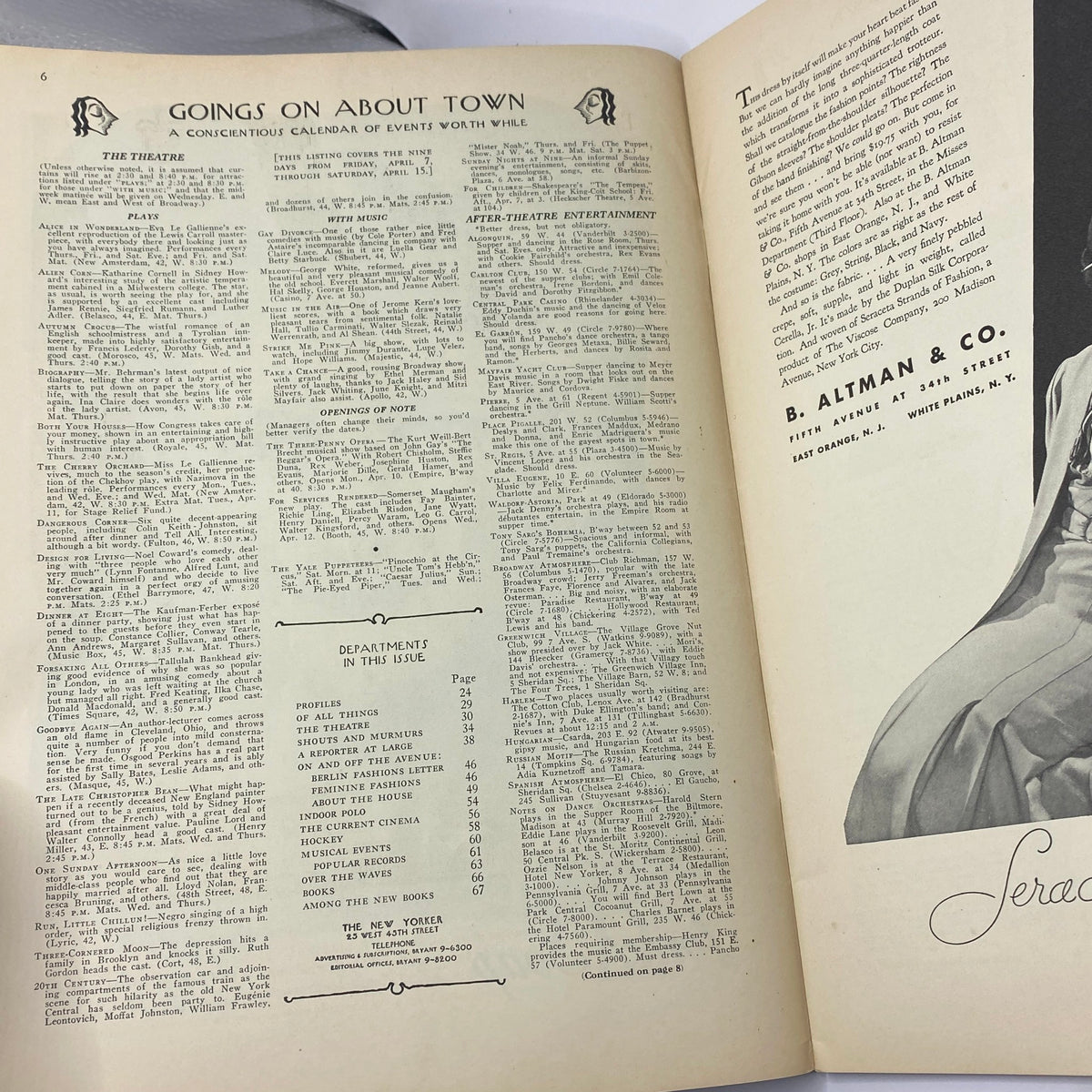
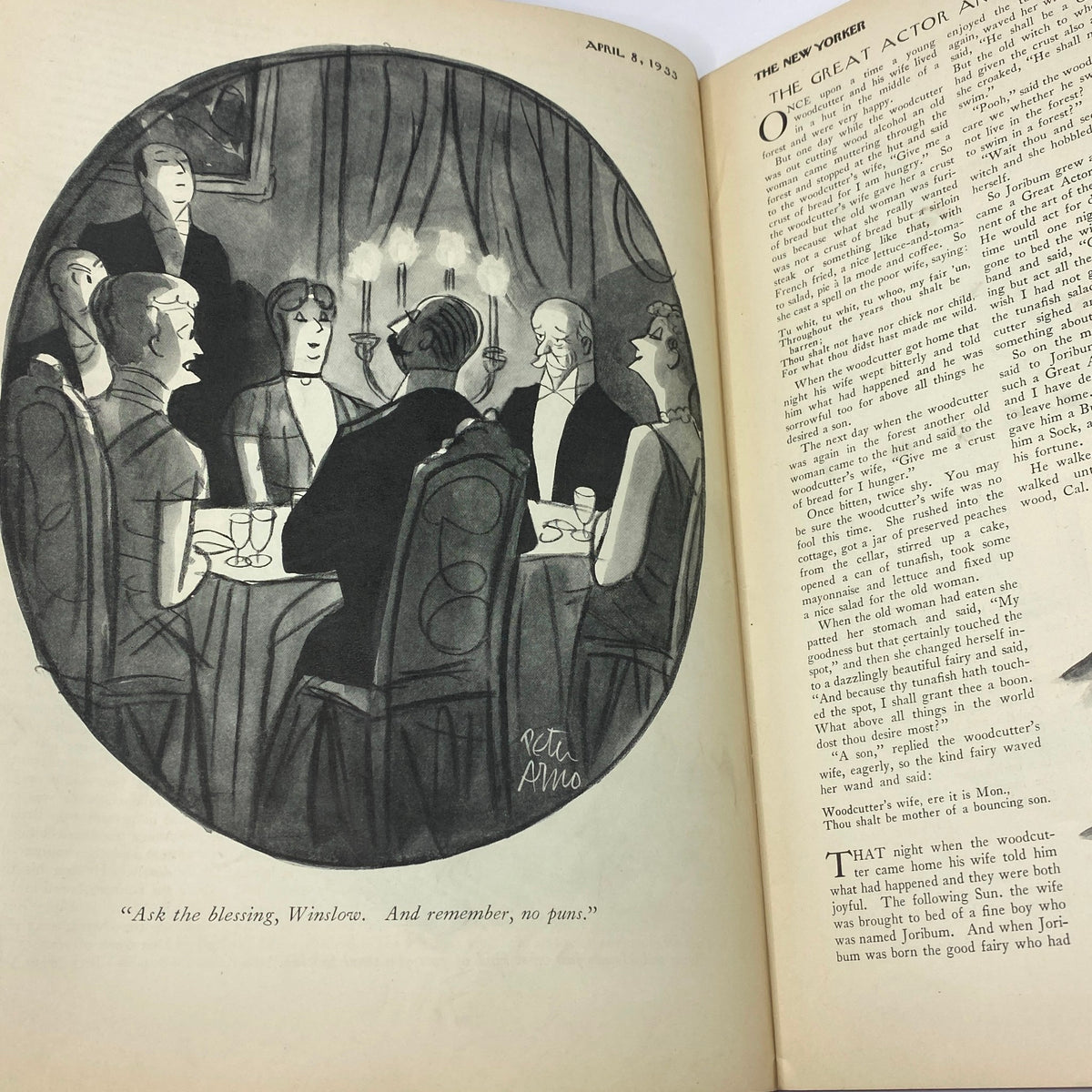
- Editorial content consistent with The New Yorker's April 1933 format — fiction, humor, criticism, Talk of the Town, and the cartoons and commentary that maintained the magazine's characteristic wit during one of the most consequential springs in American political and economic history.
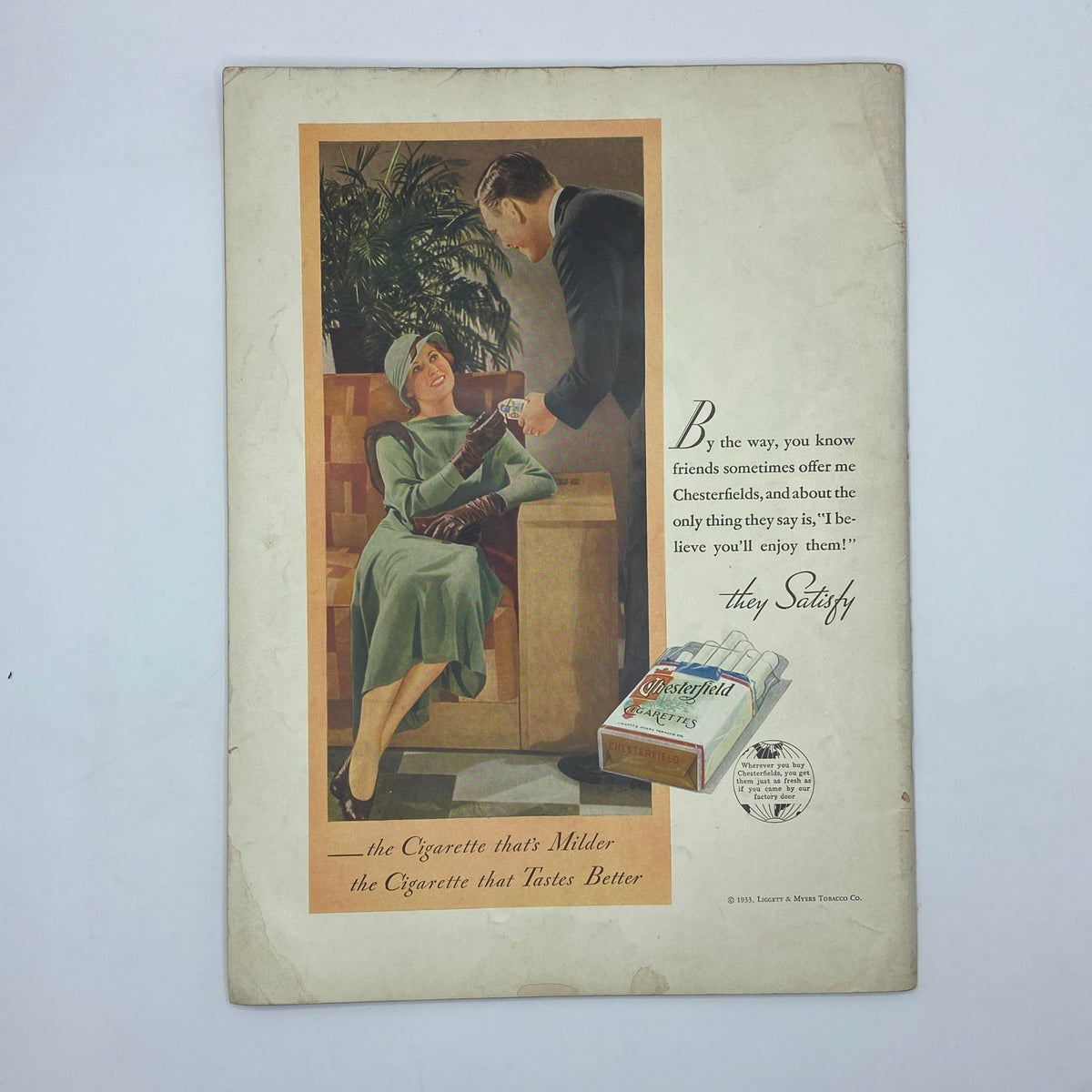
- Period advertising documenting the commercial culture of Depression-era New York in the spring of 1933 — a primary record of American business and consumer life during the early New Deal period.
- Note: Specific article titles, fiction content, cartoon credits, and confirmed interior page details beyond the cover illustration have not been independently verified from the available listing. The above reflects what is verifiable from the listing description and well-documented knowledge of Kronengold's career and the publication's format and historical context.
Condition & Rarity
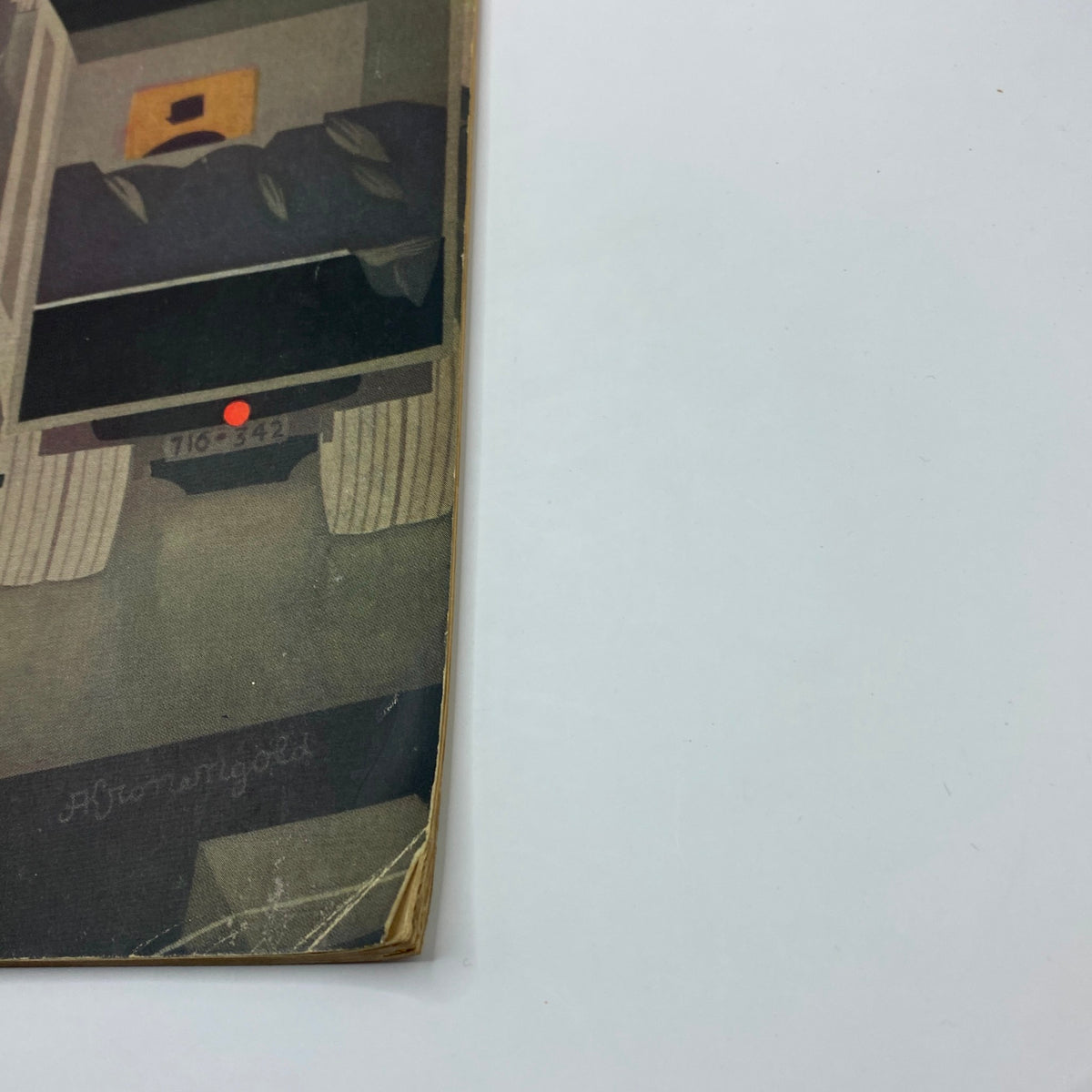
An April 1933 issue of The New Yorker in good condition for its age is a meaningful survivor for a thin-stock weekly magazine now more than ninety years old. Good condition on a publication of this vintage implies that the Kronengold cover retains sufficient visual clarity for display and research purposes, the interior pages remain structurally intact, and the stapled binding — the construction standard for New Yorker issues of this era — has not catastrophically deteriorated. The qualifier "for its age" is honest and appropriate: ninety-year-old weekly periodicals printed on acidic newsprint-era paper have survived decades of potential environmental exposure, and the expected aging — some tanning of the paper, minor brittleness at the edges, possible slight darkening at the margins — does not diminish the historical significance of the artifact. When evaluating any surviving copy of this issue, the primary condition factors are the visual clarity of the Kronengold cover illustration, the integrity of the stapled spine, and the completeness and overall readability of the interior pages. Early Depression-era New Yorker issues are among the more genuinely rare entries in the magazine's collecting category given the fragility of the paper and the absence of any preservation expectation at the time of publication.
Looking for More Issues Like This?
Adolph Kronengold covers from the early 1930s are historically specific entries in the New Yorker illustration collecting category, and the April 8, 1933 issue is a particularly charged artifact from the Depression's most intense phase and Roosevelt's first weeks in office. The New Yorker collection at OriginalMagazines.com is the most comprehensive resource for finding other covers and issues spanning the magazine's nearly century-long publishing history. Collectors building a documentary record of Depression-era American culture will also want to explore the 1933 magazine collection, which brings together a wide range of period publications documenting one of the most consequential and historically dense years of the twentieth century.