



Description
Collector's Note – Why This Issue Matters
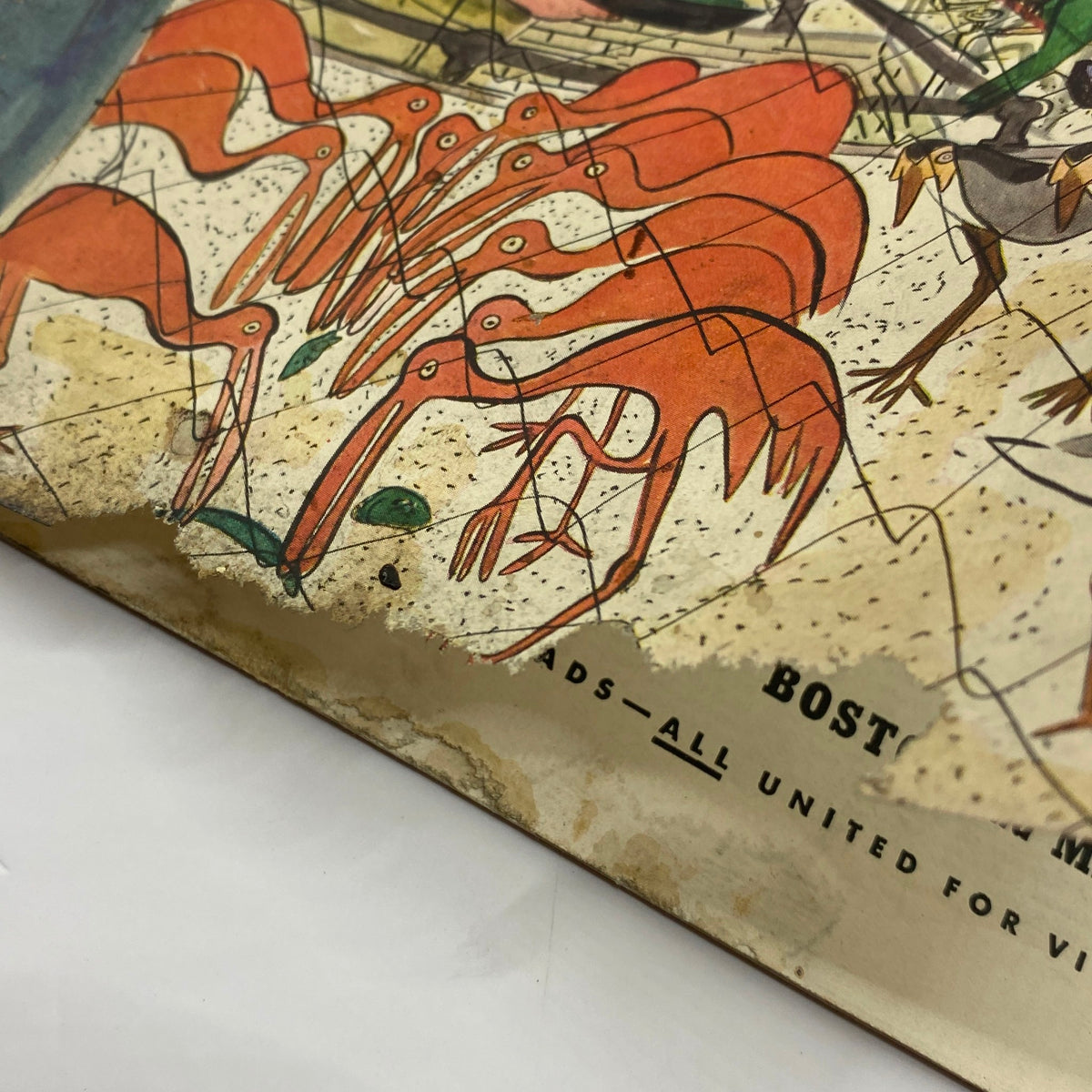
The June 12, 1943 issue of The New Yorker, featuring a cover by Ludwig Bemelmans, is a primary document of a creative relationship between a major artist and a major publication that produced some of the most distinctive cover art in the magazine's wartime history. Bemelmans was an Austrian-born writer and illustrator whose cultural formation combined the elegance of Vienna, the cosmopolitan energy of New York, and a melancholy wit that gave his work a quality unlike any other contributor to The New Yorker's visual program. By 1943 he had published the first Madeline book (1939) and was an established figure in both children's literature and the adult illustrated world, contributing covers and other work to The New Yorker that demonstrated a visual range and sophistication that his children's book reputation sometimes overshadows. His New Yorker covers from the 1940s are among the most specifically sought by collectors who know his work across its full dimensions — they show an artist operating in a more ironic, more cosmopolitan, and more ambiguous emotional register than the beloved children's books, and they represent a chapter of his output that is genuinely underappreciated relative to its quality. Collectors building a focused archive of wartime New Yorker cover art will find the New Yorker magazine collection the most comprehensive resource for identifying Bemelmans covers and other significant issues across the publication's most historically rich decades.
June 12, 1943 places this issue at a specific and historically important moment in World War II. The North African campaign had concluded with the Allied victory in Tunisia just the previous month, in May 1943, and the Allied planning for the invasion of Sicily — which would launch on July 9 — was underway. American civilian life in June 1943 was simultaneously defined by the distant war and by the specific texture of a second wartime summer: rationing, war work, military service, and the particular social and emotional landscape of a country in which millions of families were separated by the conflict. A June cover by Bemelmans — whose aesthetic sensibility was deeply shaped by the European cultural world that the war was destroying — carries a specific historical resonance that wartime covers by American-born artists do not quite replicate. His covers from this period are in some sense documents of a European artistic tradition maintaining its presence in the pages of an American magazine even as the war ravaged the continent that had produced it. The complete magazine format preserved here — as noted in the listing's separate attention to cover and interior condition — means the full editorial program of this June 12 issue is intact, providing a complete primary document of The New Yorker's wartime program on this specific date. Collectors focused on the wartime period will find that 1943 magazine issues document one of the most historically charged years in American life with a specificity that no retrospective account can replicate.
The listing's specific attention to the interior condition — noting the pages are in remarkably good shape with clear, legible print and minimal signs of aging — is a meaningful distinction from the cover, which shows the more visible signs of age typical for the outermost surface of an eighty-plus-year-old publication. This condition differential is common in surviving New Yorker issues from the wartime period: the interior pages, protected from light and handling by the cover, often preserve considerably better than the covers themselves, which bore the full brunt of whatever environmental exposure the magazine experienced across decades of storage. For researchers and collectors whose primary interest is in the editorial content of a complete wartime New Yorker, a well-preserved interior in combination with an age-worn cover is actually a specific and honest condition profile rather than a compromise.
About the Publication
The New Yorker was founded in 1925 by Harold Ross and had established itself by 1943 as one of the most culturally significant weekly magazines in the world, combining long-form journalism, fiction, poetry, criticism, and the distinctive visual identity — cartoons, covers, and illustrations — that had made it immediately recognizable to its educated, urban readership and that had given it a particular place in American cultural life for nearly two decades. During the World War II years under Harold Ross's editorship, the magazine produced some of the most enduring American journalism of the century while maintaining the wit, sophistication, and commitment to quality that had defined it from its founding. Ludwig Bemelmans's cover contributions during the wartime period were part of the visual program that distinguished The New Yorker from every other American publication of the era — covers that were taken seriously as art, produced by artists whose relationship with the magazine reflected genuine creative partnership rather than simple commercial transaction.
Key Highlights Inside
- Cover painting by Ludwig Bemelmans — a primary artifact of this Austrian-born artist's wartime New Yorker cover work, representing the adult visual register of a figure whose Madeline books had already established him as a major American illustrator, and whose New Yorker covers demonstrate a cosmopolitan sophistication and emotional complexity that his children's book reputation does not fully capture.
- June 12, 1943 publication date — following the May 1943 Allied victory in North Africa and preceding the July 1943 invasion of Sicily, placing this issue at a specific and historically significant transitional moment in the Allied war effort and in the texture of American civilian wartime life.
- Well-preserved interior with clear, legible print and minimal aging — a specific and positive condition attribute for a complete issue now more than eighty years old, indicating that the editorial contents of this wartime New Yorker are fully accessible for research and reading despite the cover's more visible age wear.
- Complete magazine format — preserving the full editorial program of this specific issue, including whatever journalism, fiction, poetry, criticism, and cartoons The New Yorker assembled for the week of June 12, 1943, providing a complete primary document of the magazine's wartime editorial voice on this specific date.
- Note: Specific interior article titles, fiction contributors, poetry, criticism, and additional editorial content from this issue are unconfirmed beyond what is indicated by the cover artist, date, and condition description. The above reflects what is verifiable from these attributes and the thoroughly documented history of Ludwig Bemelmans's New Yorker career and the wartime editorial context of June 1943.
Condition & Rarity
The differentiated condition description provided for this issue — a cover showing age and wear typical for the era alongside an interior in remarkably good shape with clear, legible print and minimal aging — is a specific and honest profile that warrants careful interpretation for collector purposes. This condition differential is characteristic of well-stored wartime New Yorker issues: the interior pages, shielded from direct light and environmental exposure by the cover, preserve considerably better than the covers themselves across eighty-plus years of storage. The cover wear described is the standard surface record of a publication that has been stored and occasionally handled over eight decades rather than kept in sealed archival conditions, and it does not indicate structural failure, significant damage, or loss of the Bemelmans cover image's basic legibility and recognizability. The well-preserved interior is the more significant condition attribute for researchers and collectors whose primary interest is in the complete editorial contents of the issue — the journalism, fiction, and cartoons that make a complete wartime New Yorker a primary document rather than simply a cover artifact. Collectors should examine the provided photographs to assess the specific nature of the cover wear relative to their display and research requirements.
Looking for More Issues Like This?
Complete New Yorker issues from the World War II summer of 1943 featuring Ludwig Bemelmans cover work — with well-preserved interiors that make the full editorial program accessible for research — are among the more specifically valuable items in the wartime New Yorker collector market for anyone interested in the full dimensions of Bemelmans's artistic career or in the magazine's wartime editorial program. The broader New Yorker magazine collection is the most reliable starting point for finding other significant complete issues and covers from across the publication's history, including other wartime issues from the early 1940s and other Bemelmans covers from his New Yorker work across the decade. Collectors building a focused archive of 1943 across American cultural and journalistic publications will find the complete 1943 magazine collection an invaluable resource for locating other titles and issues that document this extraordinary wartime year from the multiple perspectives that serious archival research requires.