




Description
Collector's Note – Why This Issue Matters
The June 2, 1934 issue of The New Yorker, featuring a cover by Harry Brown, arrives from the mid-Depression years and the opening weeks of the summer season — a combination that places it in a specific and historically layered moment in both American life and the magazine's own development. By June 1934, Franklin Roosevelt's New Deal was in full legislative operation, the country was eighteen months into his first term, and a cautious sense of institutional momentum was competing with the ongoing realities of unemployment and economic hardship that were still reshaping American social life in fundamental ways. The New Yorker of 1934 was a publication in its ninth year, and by this point the magazine had assembled the contributor roster — of writers, critics, cartoonists, and cover artists — that would define what is widely regarded as its first golden age. The early summer issues of this year capture the magazine at a moment of genuine creative vitality, operating against a backdrop of national crisis that its characteristic wit addressed obliquely but unmistakably. Collectors building archives of the magazine's Depression-era output will find the New Yorker magazine archive at OriginalMagazines.com an invaluable resource for tracing this period across the full run of the publication's 1930s issues.
The cover artist Harry Brown contributed to The New Yorker during the 1930s as part of the rotating stable of illustrators that art editor Rea Irvin assembled to give the magazine its visual identity. Brown's work is associated with the humorous, expressively drawn style that was central to The New Yorker's graphic personality — illustration that communicated wit and social observation through character and composition rather than through caption alone. A June cover has its own seasonal character: the opening of summer in New York in 1934 was a social and cultural moment that The New Yorker covered with particular attentiveness, and Brown's cover for this issue would have been composed with that seasonal context in mind. For collectors interested in the broader landscape of American print culture during the mid-1930s, the 1934 magazine archive at OriginalMagazines.com offers a wide range of primary sources from across the publishing landscape of this historically consequential year.
About the Publication
The New Yorker was founded in New York City in February 1925 by editor Harold Ross, with financial backing from Raoul Fleischmann, and by June 1934 had been publishing for nine years as the defining weekly journal of American urban literary and cultural life. Its format — Talk of the Town, fiction, poetry, criticism, cartoons, and commissioned cover art — was fully mature and editorially confident by this point, and the mid-1930s are widely recognized as a period of exceptional creative output for the publication across both its literary and visual content. Rea Irvin's art direction continued to set high standards for the magazine's cover and cartoon illustration, and the mid-decade issues document that visual tradition at full expression against the social and economic landscape of Depression-era America.
Key Highlights Inside
- Cover art by Harry Brown — a contributing illustrator to The New Yorker during the 1930s, working in the humorous and expressively drawn style associated with the magazine's visual identity under art editor Rea Irvin, composed for the early summer publishing season of 1934.
- Editorial content consistent with The New Yorker's June 1934 format, including Talk of the Town, fiction, poetry, criticism, and cartoon content produced by the magazine's Depression-era contributor roster at a moment of genuine creative vitality.
- Interior cartoons and illustrations by the broader stable of mid-1930s artists whose collective work in issues from this year represents one of the richest periods in the history of American magazine cartooning and illustration.
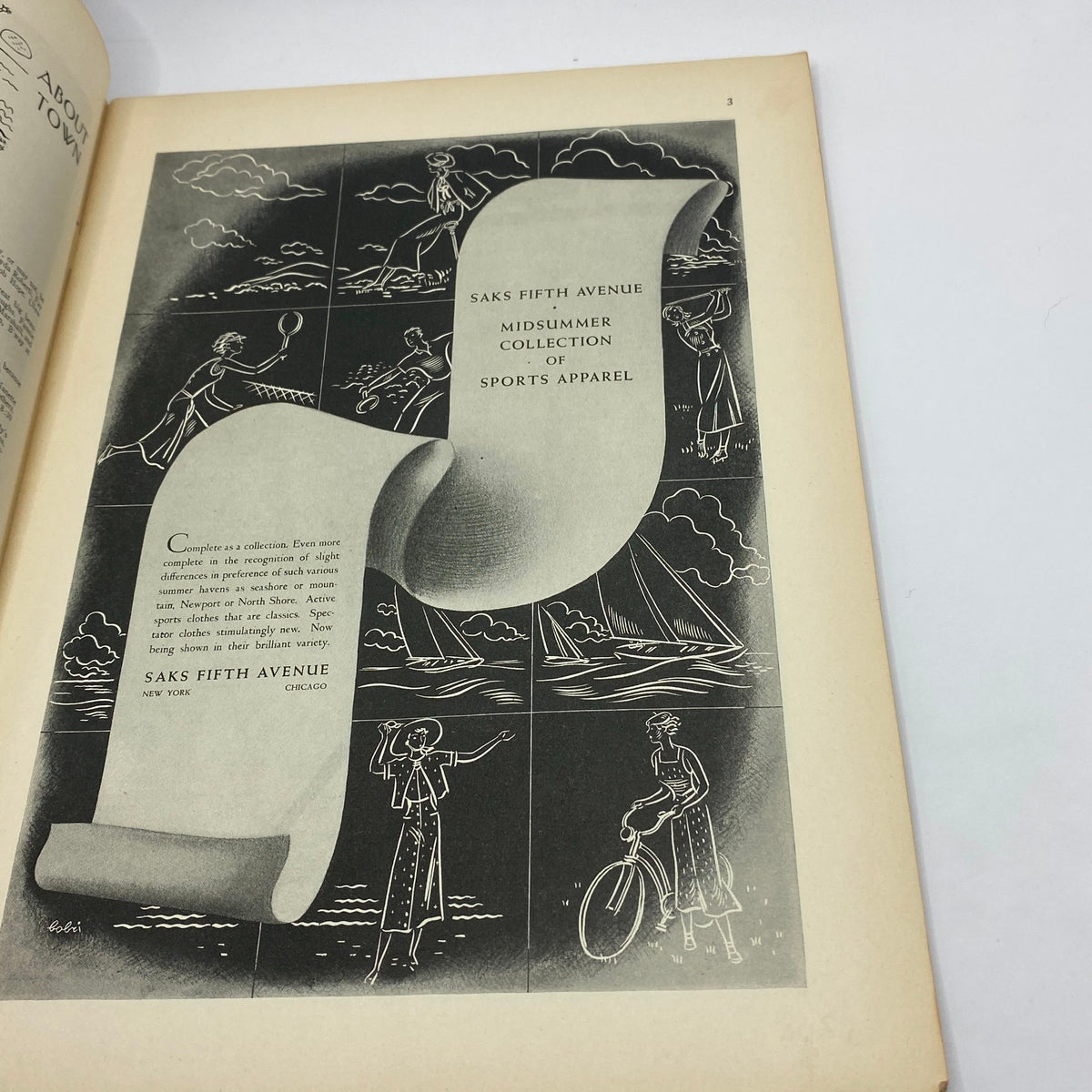
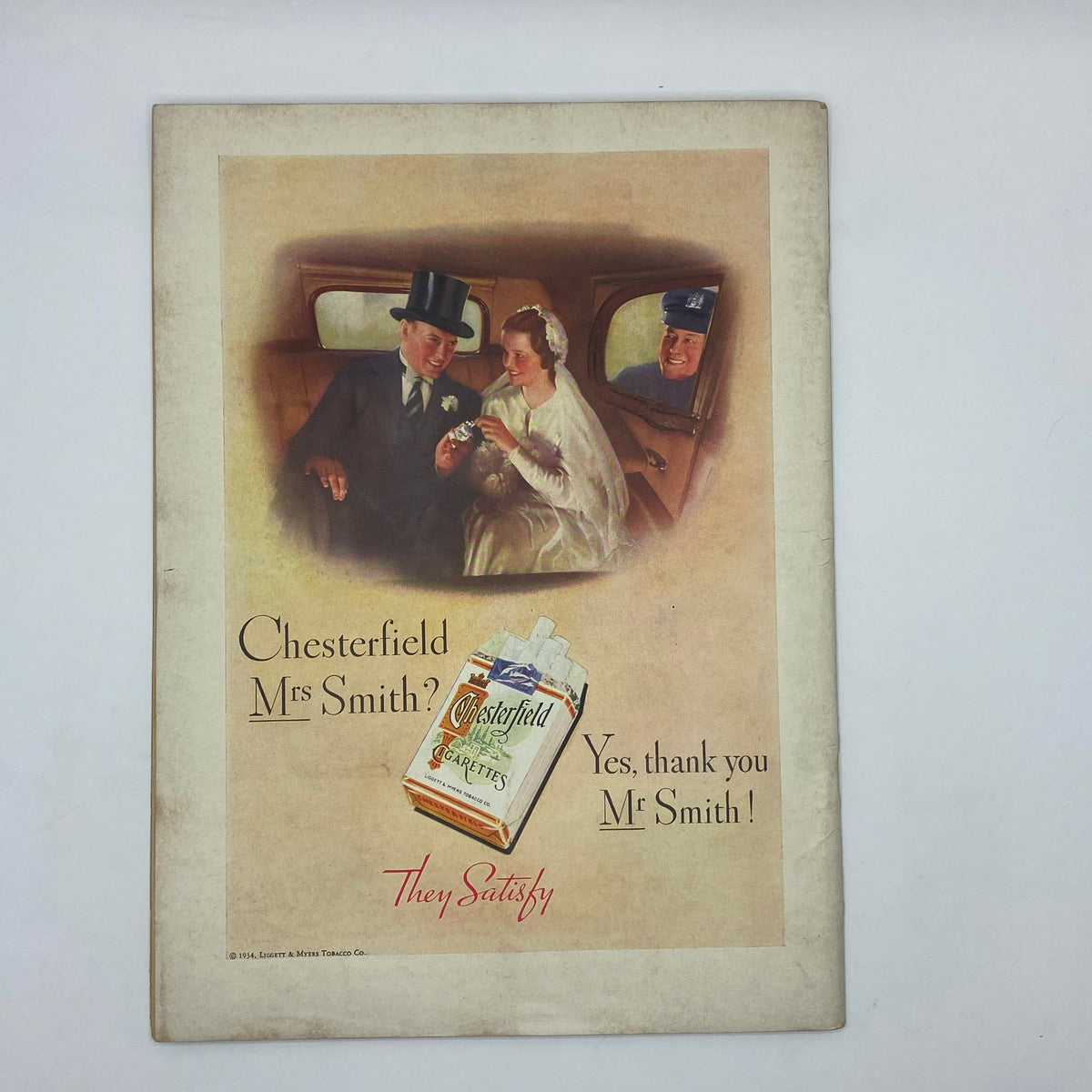
- Period advertising pages reflecting the commercial culture of New York in June 1934 — a primary-source document of the consumer economy at the midpoint of the Depression, capturing the texture of summer commerce and leisure as the country navigated the New Deal's early years.
- Note: Specific article titles, fiction contributors, and additional interior features beyond what is documented above are not confirmed in available listing details. The above reflects what is verifiable from the cover, artist attribution, publication date, and the well-documented editorial format of the period.
Condition & Rarity
Very good condition with only minor edge wear is a strong and honestly assessed grade for a New Yorker issue from June 1934 — a publication now approaching its ninety-second year of existence. For a weekly magazine of this vintage, very good condition implies intact covers with retained color and surface quality in Brown's cover illustration, a complete interior page block in sound structural condition, and a spine that has not been compromised by rolling, moisture, or significant handling over nine decades. Minor edge wear is the expected and accepted physical signature of genuine age on an unrestored copy of this era, and its presence alongside an otherwise well-preserved issue represents careful survival rather than meaningful damage. The listing does not specify label status, which collectors should confirm directly — label-free newsstand copies are the preferred state in serious collector grading for issues of this period. Complete, well-preserved New Yorker issues from the mid-1930s are meaningful survivors in the vintage magazine collector market, and issues with documented cover artist attribution carry additional interest for collectors of Depression-era American graphic art and illustration history.
Looking for More Issues Like This?
A very good condition Harry Brown cover issue of The New Yorker from June 1934 is a rewarding find for collectors who appreciate the magazine's mid-Depression creative period — these issues don't surface in this grade with any regularity, and the combination of a documented artist attribution and the historical significance of the year makes this one worth noting. If it's no longer available, the New Yorker archive at OriginalMagazines.com is the deepest available source for the magazine across its full publishing history, with strong representation in issues from the Depression decade. The 1934 magazine archive is equally worth exploring for collectors drawn to the full cultural and historical richness of this pivotal mid-Depression year in American life.