




Description
Collector's Note – Why This Issue Matters
March 26, 1938 was not an ordinary week. Europe was reeling from Adolf Hitler's annexation of Austria — the Anschluss — which had occurred just two weeks earlier on March 12th. The world was watching the continent with a mixture of alarm and denial, and American cultural publications like The New Yorker occupied a peculiar and important position: maintaining their signature wit and sophistication while the backdrop of global events grew increasingly dark. An issue from this precise date is, whether explicitly or implicitly, a document of that tension — the last years of an era in which American intellectual life still carried the lightness of the interwar period, even as that lightness was becoming harder to sustain.
The cover was illustrated by Adolph Kronengold, an artist whose work appeared regularly in The New Yorker during the 1930s and whose style embodied the magazine's particular brand of urbane, gently comic observation. Kronengold was part of a generation of commercial illustrators who defined the visual language of the American magazine in its golden age — artists whose names are less universally recognized today than their work deserves, but who are well known to serious students of the period. His covers reward close attention: the details tend to carry the joke, and the palette and draftsmanship reflect a standard of craft that mass-market publishing rarely achieves. For collectors building a focused run of New Yorker issues from the magazine's classic era, a Kronengold cover from this charged historical moment carries particular weight.
The late 1930s represent one of the most historically resonant — and most difficult to locate — periods in the entire New Yorker archive. Issues from this window are increasingly scarce in collectible condition, and those that survive intact offer something no reprint or digital archive can replicate: the physical experience of the magazine as its original readers encountered it, advertisements and all. Anyone assembling a collection around American print culture from 1938 will find this issue sits at a meaningful crossroads of art, journalism, and history.
About the Publication
The New Yorker, founded in 1925 by Harold Ross, had by 1938 firmly established itself as the defining magazine of American literary and intellectual life. Its audience was urban, educated, and culturally engaged — readers who expected the magazine to deliver original fiction, sharp criticism, long-form reporting, and humor that assumed intelligence rather than pandering to the lowest common denominator. The magazine's format combined original cover art commissioned from leading illustrators with a distinctive mix of "Talk of the Town" commentary, cartoons, fiction, poetry, and essays. By the late 1930s, contributors including E.B. White, James Thurber, and Dorothy Parker had made the publication synonymous with a particular strain of American wit — dry, precise, and deceptively effortless. Each issue was a self-contained artifact of that sensibility, and the covers, produced to the highest standards of commercial printing of the day, remain among the most collectible examples of American illustration art from the twentieth century.
Key Highlights Inside
- Cover illustration by Adolph Kronengold, an artist who contributed regularly to The New Yorker throughout the 1930s and whose work exemplifies the magazine's sophisticated visual humor.
- Published during one of the most historically significant weeks of the late interwar period, just two weeks after Germany's annexation of Austria on March 12, 1938.
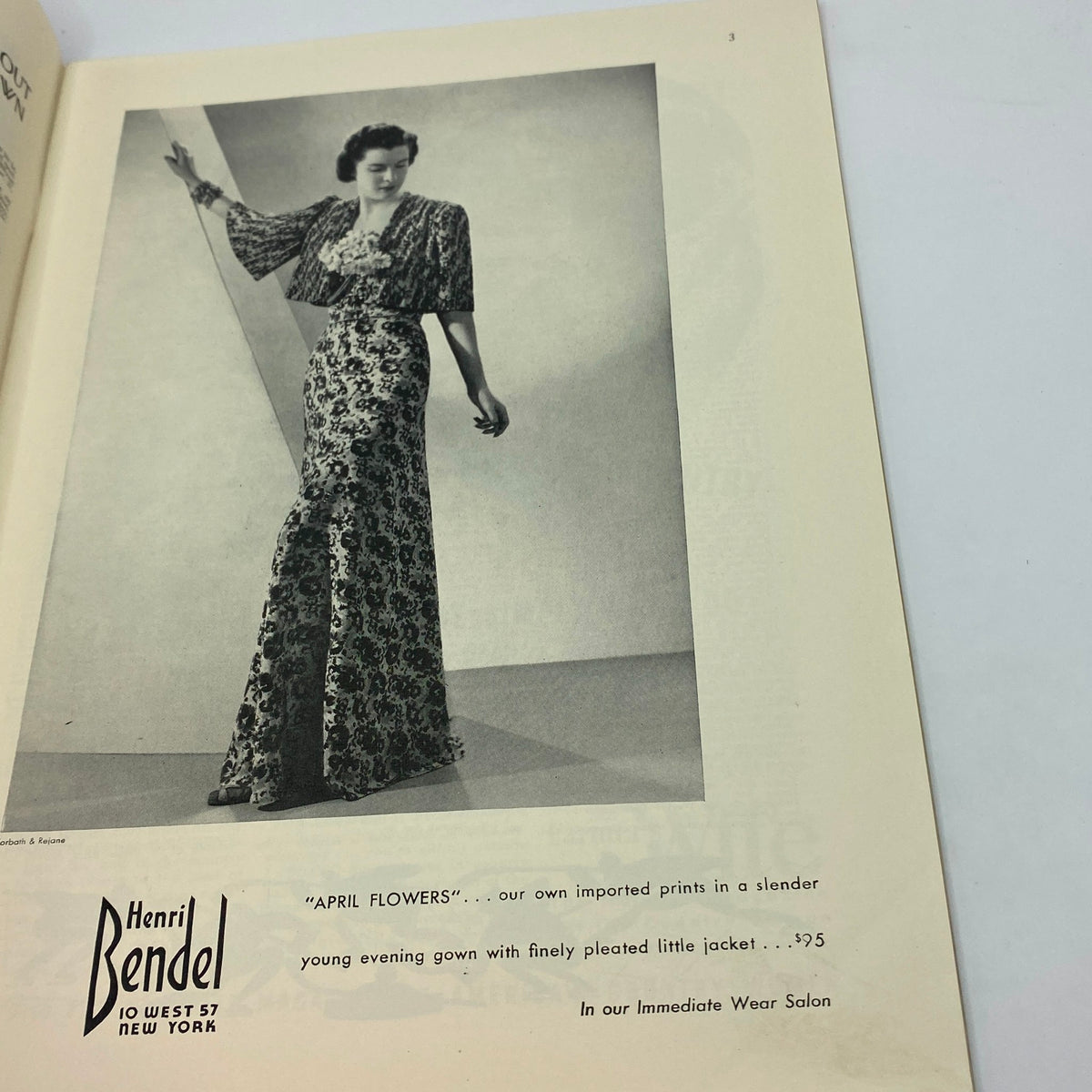
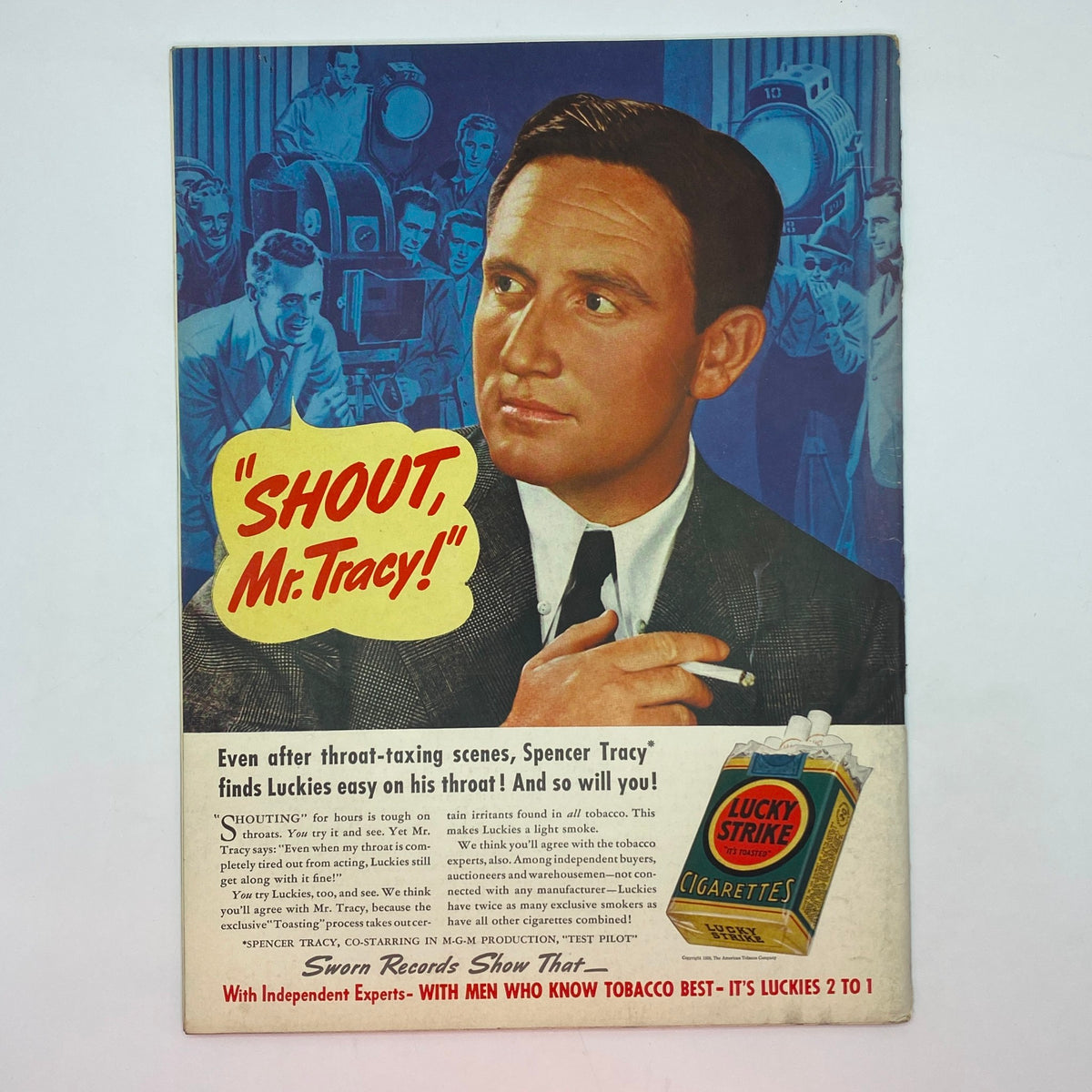
- As a complete issue, it includes the full interior editorial content — articles, cartoons, fiction, criticism, and advertising — that defined the magazine's format in this era.
- The issue reflects the cultural atmosphere of late-1930s New York: a city still largely operating within the rhythms of peacetime urban life, even as European events accelerated toward crisis.
- Note: Specific interior articles, fiction, and features for this issue have not been confirmed from available listing details. The complete interior contents would require direct examination of a surviving copy.
Condition & Rarity
Surviving copies of this issue are graded Very Good — a meaningful designation for a publication now approaching ninety years of age. Minor edge wear is noted, which is entirely consistent with a magazine of this vintage that has been stored and handled over the course of decades; in collector grading for periodicals from the 1930s, edge wear alone does not compromise the Very Good designation provided the cover art, spine, and interior pages remain intact and legible. What elevates any surviving copy of a 1938 New Yorker in condition terms is precisely the completeness of the issue — covers present, pages unclipped, no address labels obscuring the cover art, and no significant brittleness or browning to the paper stock. Wood-pulp newsprint from this era is inherently acidic and prone to deterioration, which makes well-preserved copies genuinely uncommon. A complete issue in Very Good condition represents the upper range of what typically survives from this period of the magazine's run.
Looking for More Issues Like This?
Complete New Yorker issues from the 1930s in collectible condition are among the harder finds in American magazine collecting, and a Kronengold cover from a week of this historical significance doesn't come around often. The broader New Yorker archive at OriginalMagazines.com runs deep and is one of the strongest single-title collections available anywhere — well worth exploring for anyone building a serious run of the magazine's classic era. For collectors working across publications from the same period, the 1938 magazine collection brings together a wide range of titles from this pivotal year and regularly surfaces pieces that serious collectors find nowhere else.