




Description
Collector's Note – Why This Issue Matters
The November 22, 1941 issue of The New Yorker carries a date that resonates with unusual force for anyone who knows American history. It appeared on newsstands fifteen days before the Japanese attack on Pearl Harbor on December 7, 1941 — making it one of the last issues of the magazine published in the final weeks of American peacetime. Readers who picked up this issue from a newsstand in late November 1941 had no way of knowing that within a fortnight the United States would be at war, that the editorial world of the magazine would be transformed by that fact, and that the America being observed with such characteristic wit and detachment in these pages was about to change permanently. That historical position — the last weeks before everything shifted — gives this issue a retrospective weight that no amount of editorial brilliance alone could manufacture. For collectors who study The New Yorker's response to the Second World War, pre-Pearl Harbor issues from late 1941 are essential primary documents, capturing the magazine's voice in its last fully peacetime expression. The New Yorker magazine archive at OriginalMagazines.com spans the publication's full history, and issues from this precise transitional window are among the most historically charged in the entire run.
The cover is the work of Rea Irvin — and within the history of The New Yorker, that name carries singular importance. Irvin was not simply a contributing artist; he was the magazine's founding art editor, the person Harold Ross hired in 1925 to establish the visual identity of a publication that did not yet exist. It was Irvin who designed the typeface that became the magazine's logo, Irvin who created Eustace Tilley — the monocled dandy who has graced the cover every anniversary issue since the magazine's founding — and Irvin who set the graphic tone that defined The New Yorker's aesthetic for its first two decades. His covers are collected both as standalone works of American illustration and as components of complete issues, and a November 1941 Irvin cover represents one of the later entries in his career-long contribution to the magazine's visual identity before the war years reshaped the publication's priorities. Those interested in the full cultural landscape of 1941 — one of the most historically consequential years of the twentieth century — will find the 1941 magazine archive at OriginalMagazines.com rich with primary sources from across the American publishing landscape during this pivotal year.
About the Publication
The New Yorker was founded in New York City in February 1925 by editor Harold Ross, with financial backing from Raoul Fleischmann, and by November 1941 had been publishing for nearly seventeen years as the definitive weekly journal of American urban literary and cultural life. Rea Irvin's role as founding art editor had shaped the magazine's visual identity from its first issue, and his ongoing cover contributions in 1941 represented a continuity with that founding vision even as the magazine's editorial content had grown considerably more sophisticated and wide-ranging over the intervening years. The magazine's format — Talk of the Town, fiction, poetry, criticism, cartoons, and commissioned cover art — was fully mature by this point, and its contributor roster in 1941 included many of the writers and artists who would go on to produce some of the most significant American literary and journalistic work of the war years and beyond.
Key Highlights Inside
- Cover art by Rea Irvin — the founding art editor of The New Yorker, creator of Eustace Tilley, and the single most important figure in establishing the magazine's visual identity, contributing one of his later covers to a November 1941 issue published in the final weeks of American peacetime.
- Editorial content consistent with The New Yorker's late November 1941 format, reflecting the magazine's voice in the last weeks before Pearl Harbor transformed the editorial priorities and emotional register of American publishing.
- Interior cartoons and illustrations by the broader contributor roster of the period, whose work in late-1941 issues captures the magazine's humor and social observation at a moment of acute historical tension.
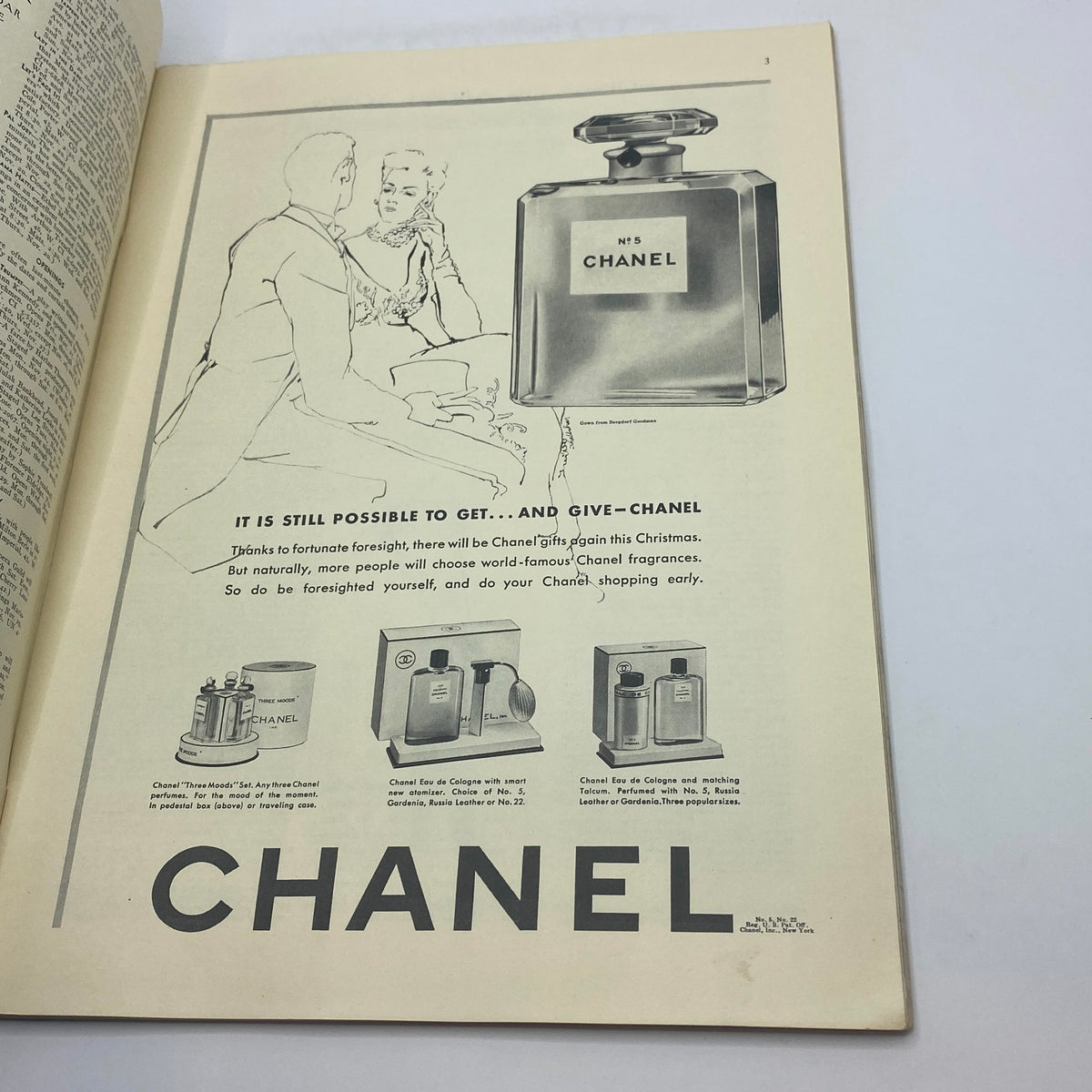
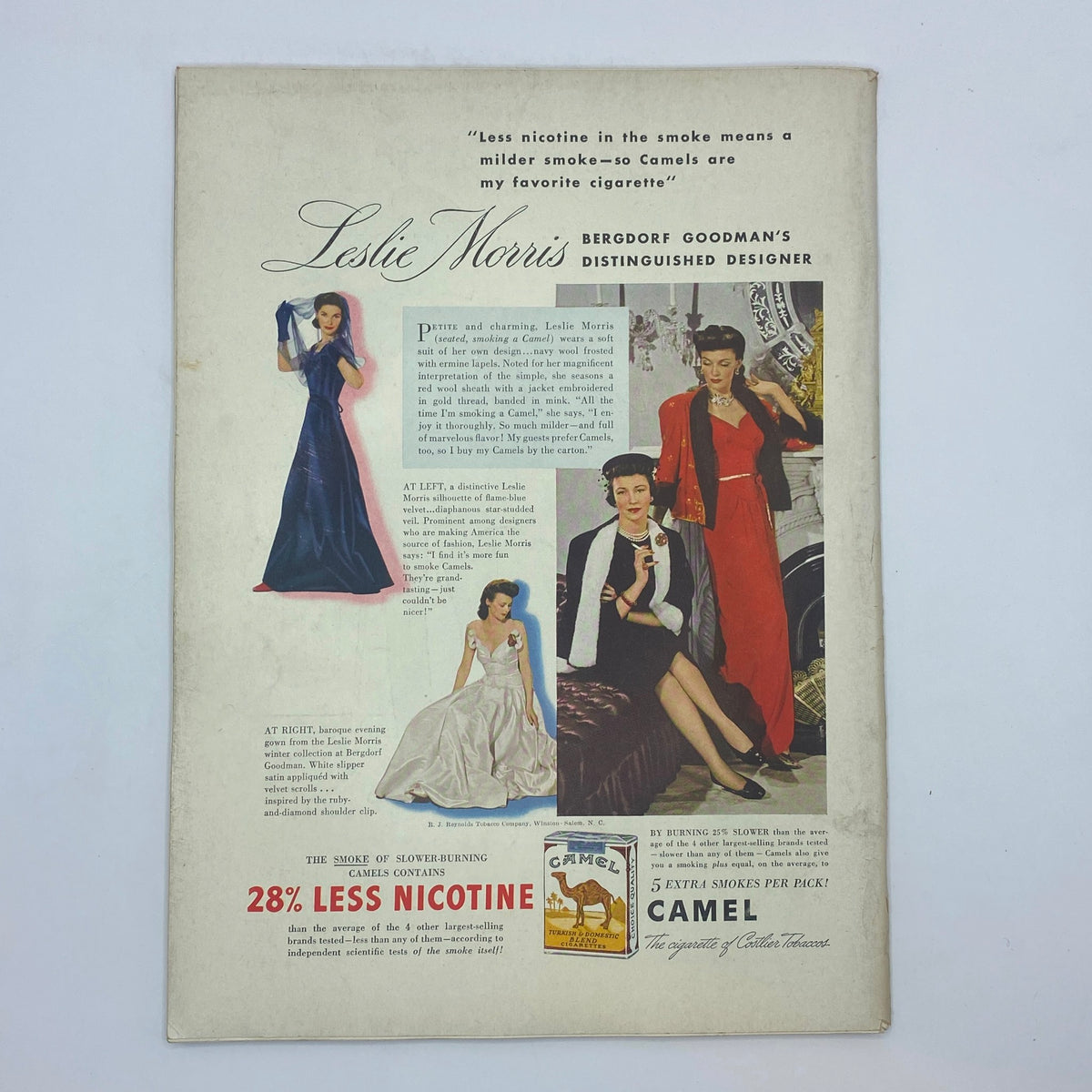
- Period advertising pages reflecting the commercial culture of New York in late November 1941 — a primary-source document of American consumer life in the final weeks before the country entered the Second World War.
- Note: Specific article titles, fiction contributors, and additional interior features beyond what is documented above are not confirmed in available listing details. The above reflects what is verifiable from the cover, artist attribution, publication date, and the well-documented editorial format and historical context of the period.
Condition & Rarity
Very good condition with only minor edge wear is an excellent grade for a New Yorker issue from November 1941 — a publication now more than eighty years old. For a weekly magazine of this vintage, very good condition implies intact covers with retained color and surface quality, a complete and structurally sound interior page block, and a spine that has not been compromised by rolling or significant moisture exposure. Minor edge wear is the honest and expected physical signature of genuine age on an unrestored copy, and its presence alongside an otherwise well-preserved issue is precisely what collectors mean by an honestly graded magazine of this era. The listing does not specify label status; collectors should confirm directly whether a subscriber label is present, as label-free newsstand copies are the preferred state in serious collector grading for issues of this period. Complete, well-preserved New Yorker issues from the weeks immediately preceding Pearl Harbor occupy a specific and historically significant position in the magazine's archive, and Rea Irvin cover issues carry additional collector interest as works of documented art historical importance.
Looking for More Issues Like This?
A very good condition Rea Irvin cover issue of The New Yorker from the weeks before Pearl Harbor is the kind of find that serious collectors of both American graphic art and wartime publishing history recognize immediately as significant — and finding one in this condition takes genuine patience. If this issue is no longer available, the New Yorker archive at OriginalMagazines.com is the deepest available source for the magazine across its full publishing history, with strong representation in issues from the pre-war and wartime years. Collectors drawn to the full historical richness of 1941 — one of the most consequential years of the twentieth century — will also find the 1941 magazine archive invaluable for primary sources from across the American publishing landscape during this pivotal year.