




Description
Collector's Note – Why This Issue Matters
The October 24, 1931 issue of The New Yorker is a document of the magazine during one of the most creatively fertile and culturally complicated periods of its early history. By late 1931 The New Yorker had completed its transformation from Harold Ross's uncertain founding experiment into an established institution — the publication that had defined a new register of American urban sophistication and was now navigating the Depression's increasingly visible impact on the class of readers it had been created to serve. The cover illustration for this issue is attributed in the listing to "Rose Silver," though the specific artist behind this cover would be confirmed through the magazine's own records; The New Yorker's cover program in this period drew on a rotating roster of illustrators whose work defined the visual language of interwar American humor and graphic art. The magazine's covers of the early 1930s are among the most collectible in its entire history precisely because they were produced by artists working at the intersection of Art Deco visual culture and the particular wit that New Yorker art direction under Rea Irvin had cultivated from the founding. For collectors building an archive around vintage New Yorker issues from the Depression era, this October 1931 issue represents the magazine at full editorial maturity within its most historically charged early decade.
October 1931 places this issue within a specific and sobering moment in Depression-era American life. The economic crisis that had begun with the Wall Street Crash of October 1929 was by late 1931 reaching its most severe phase — unemployment was climbing toward its eventual peak, bank failures were accelerating, and the Hoover administration's response was widely considered inadequate. The New Yorker's readership — educated, urban, upper-middle-class — was experiencing the Depression differently from the breadline queues that would become its iconic images, but the anxiety and uncertainty of the period permeated the magazine's humor, fiction, and social commentary in ways that make early-1930s issues unusually textured primary documents of how American cultural life processed economic catastrophe. The contributors working for the magazine in this period included James Thurber, E.B. White, Dorothy Parker, Alexander Woollcott, and others whose combined output defined American literary humor and criticism for a generation. Anyone building a collection around magazines from 1931 as documents of Depression-era American culture will find this October issue captures the year at its darkest economic phase while the magazine itself maintained its characteristic refusal to surrender elegance or wit to circumstance.
About the Publication
The New Yorker, founded by Harold Ross in February 1925, had by October 1931 completed six and a half years of publication and established itself as the most distinctive weekly in American magazine publishing — a combination of fiction, poetry, humor, criticism, and signature single-panel cartoons whose visual and editorial identity had been shaped primarily by founding art editor Rea Irvin. Its audience was educated, urban, and cosmopolitan, centered on New York but with national reach among readers who identified with its particular brand of sophisticated cultural engagement. The magazine's covers in this period were entirely illustrated, produced by a roster of artists whose work across the late 1920s and early 1930s represents the high-water mark of American magazine cover illustration as an art form.
Key Highlights Inside
- Cover illustration described in the listing as "Rose Silver" — an early-1930s New Yorker cover from the period when the magazine's illustrated cover program was defining the visual language of American urban sophistication, produced during the Depression's most acute phase.
- Issue dated October 24, 1931 — placing it at the height of the Great Depression's most severe economic phase, within the cultural moment that shaped the humor, fiction, and social commentary of The New Yorker's most celebrated early contributors.
- Complete magazine — the listing confirms this is a full issue, the baseline structural criterion for collector-grade New Yorker copies from any era, ensuring the interior cartoons, fiction, and editorial content that define the publication's historical value are present.
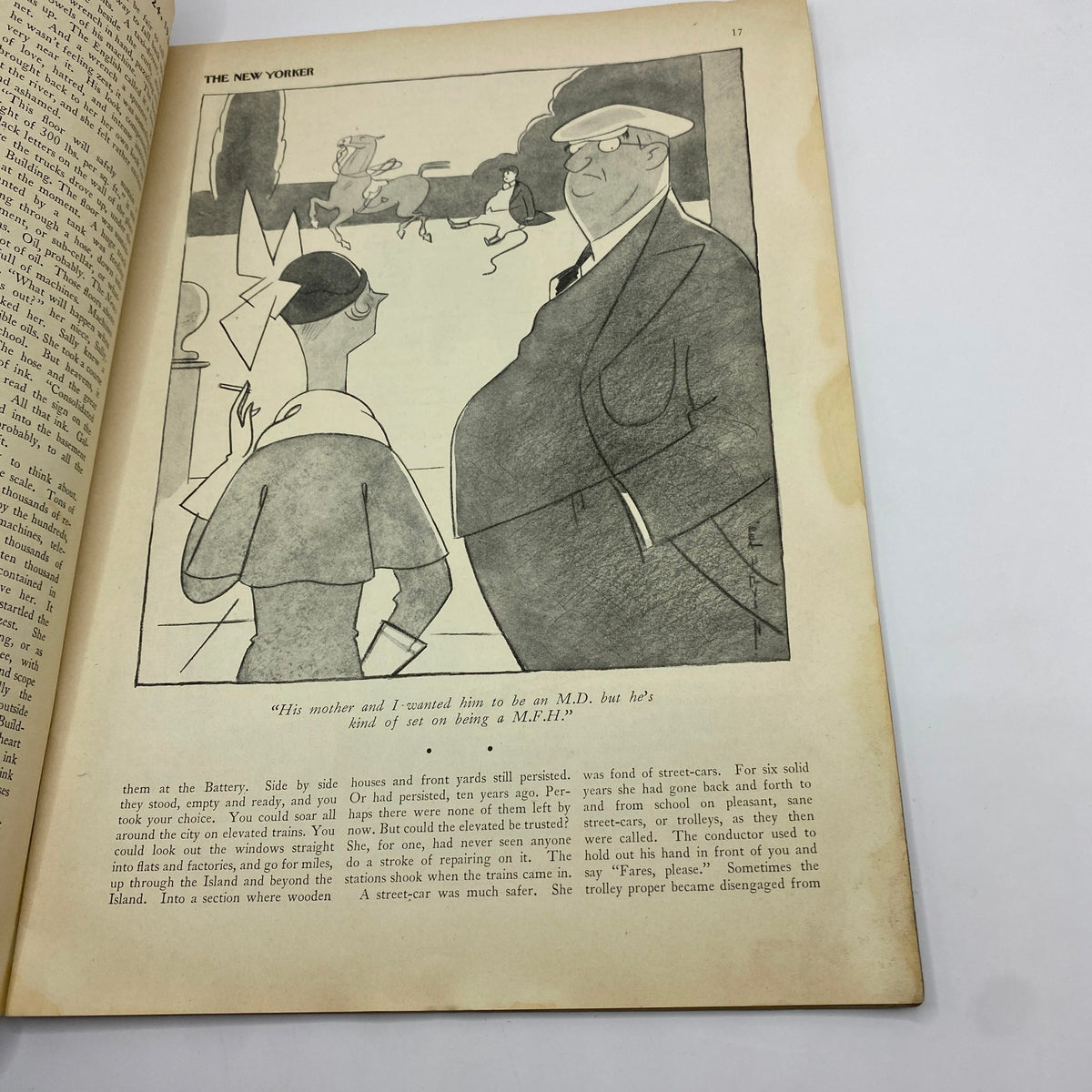
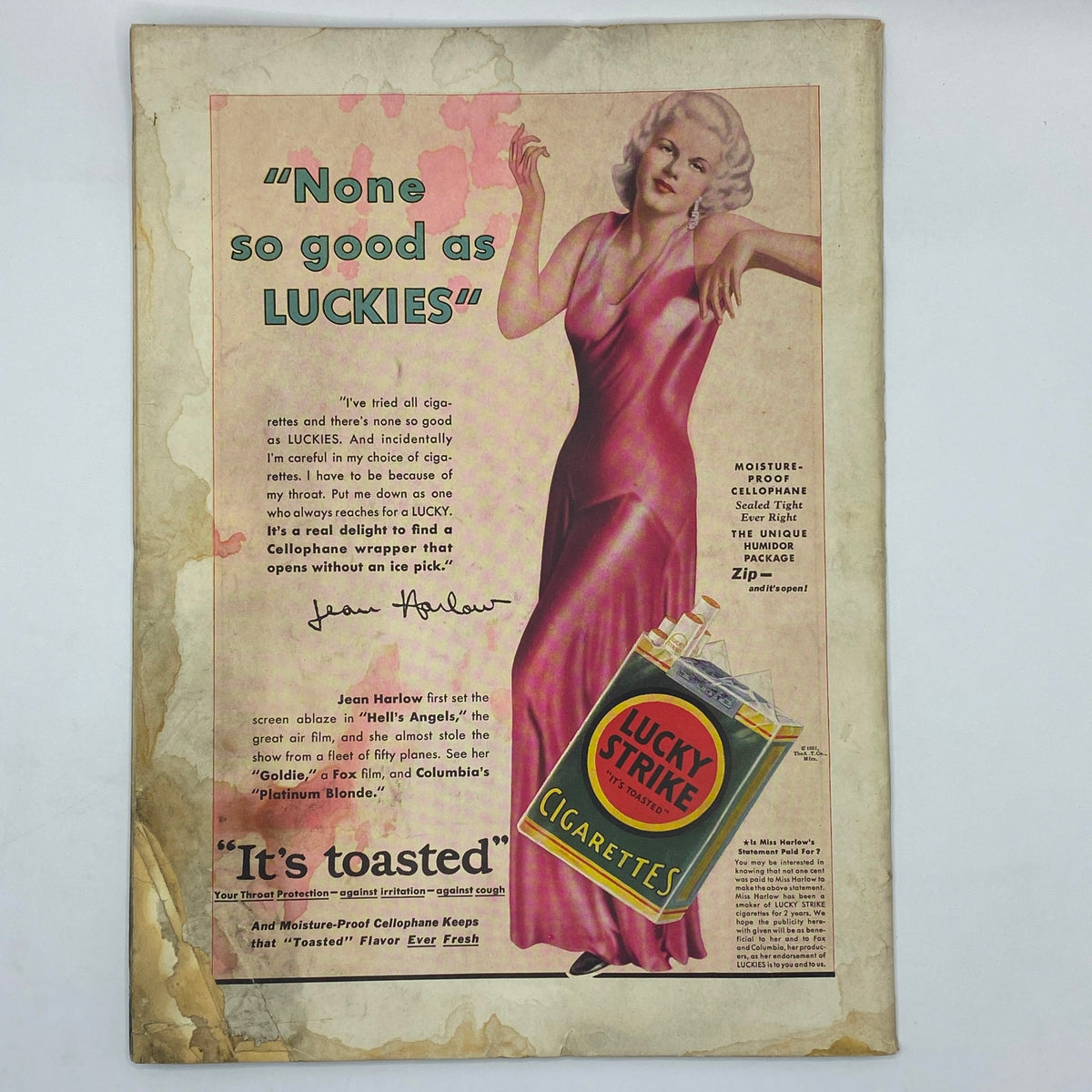
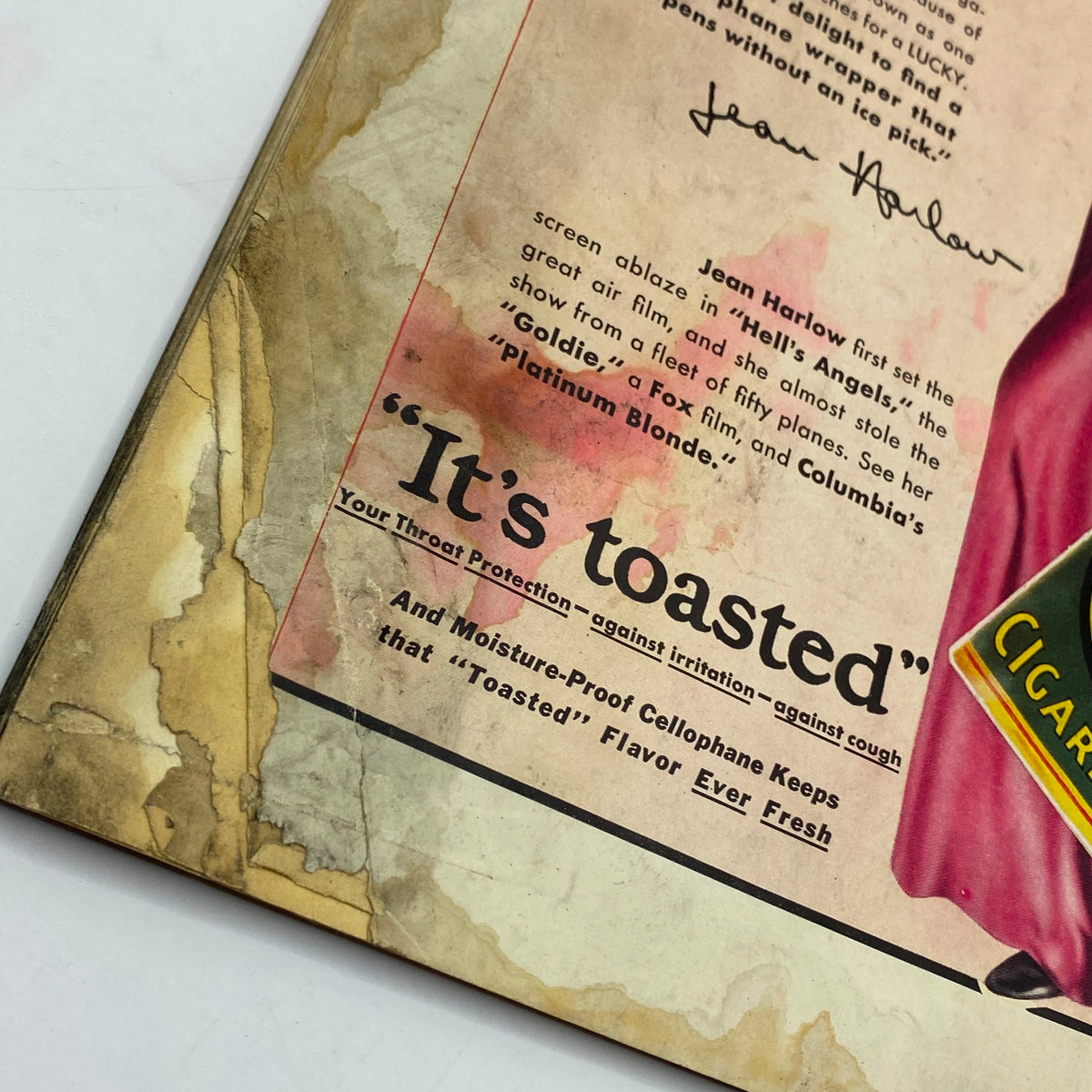
- Important condition note: The listing documents marks, rips, and water damage inside the magazine — significant interior condition factors that collectors should evaluate carefully against the accompanying photographs before assessing suitability for display or research purposes.
- Note: Specific interior article titles, contributors, and features beyond the cover description are unconfirmed for this issue. The above reflects what is verifiable from the cover date, publication, and the magazine's documented editorial format and contributor roster for this period.
Condition & Rarity
Honest condition assessment is essential for this issue. The listing documents marks, rips, and water damage inside the magazine — meaningful interior condition factors that place this copy in the acceptable range and that collectors must weigh carefully against the accompanying photographs before acquisition. Acceptable condition for a publication now approaching one hundred years of age acknowledges the substantial physical challenges of survival across that timeframe: the paper stock of early-1930s New Yorker issues was not manufactured for archival longevity, and water damage in particular can compromise page integrity, legibility, and structural cohesion in ways that photographs may not fully convey. For collectors whose primary interest is the cover illustration's documentary and artistic value, the exterior condition relative to interior damage is the key variable to assess. For research-focused collectors, legibility of the interior text and cartoon content is the primary criterion. Complete issues of The New Yorker from 1931 in any condition are uncommon simply by virtue of the natural attrition of nine decades, and the acceptable-condition designation is an honest acknowledgment of that history rather than a dismissal of the issue's significance.
Looking for More Issues Like This?
Early-1930s New Yorker issues — particularly complete copies from the Depression years when the magazine's cover illustration program was at its most artistically distinctive — are among the rarer finds in vintage American magazine collecting, and complete copies in any honest condition from 1931 surface infrequently. If this issue is no longer available, the broader vintage New Yorker archive at OriginalMagazines.com spans the full run of the magazine's history from its founding decade through the modern era and is the most reliable place to continue searching for issues from this period. The complete 1931 magazine collection is also worth exploring for collectors documenting the full cultural and economic landscape of that pivotal Depression year across multiple publications.