




Description
Collector's Note – Why This Issue Matters
The September 29, 1934 issue of The New Yorker with a cover by Arnold Hall documents the magazine during one of the most creatively assured periods of its first decade. By the autumn of 1934, The New Yorker had navigated the worst years of the Great Depression and emerged not merely intact but genuinely thriving, its editorial identity fully consolidated and its roster of contributors — E. B. White, James Thurber, Dorothy Parker, S. J. Perelman, and others — producing work that was setting the standard for American literary humor and journalism. The mid-1930s represent the period in which the magazine's founding experiment had definitively succeeded, and an autumn issue from September 1934 captures that confidence. The fall season carried specific editorial weight at The New Yorker — the return from summer, the resumption of the city's cultural calendar, the theatrical and social season beginning — and the magazine's September issues during this period typically reflected a renewed energy and ambition. For collectors who trace the magazine's development from its uncertain beginnings through its Depression-era consolidation, the New Yorker collection at OriginalMagazines.com documents that full arc across hundreds of issues.
Arnold Hall was among the contributors who provided cover illustrations to The New Yorker during the 1930s, working within the visual tradition that founding art editor Rea Irvin had established. The magazine's cover art during this period was characterized by warmth, wit, and a consistent focus on the textures of urban social life — the same qualities that defined its editorial voice. A September 1934 Hall cover would have reflected the specific visual vocabulary of that autumn moment: the return to the city, the season's social rituals, the particular light and energy of New York in early fall. The broader cultural and economic context surrounding this issue is documented in the 1934 magazines collection, which captures a country in its fifth year of the Depression — still economically stressed, but beginning to feel the first effects of Roosevelt's New Deal programs and the cautious return of cultural confidence that characterized the mid-1930s.
About the Publication
The New Yorker was founded in New York in 1925 by Harold Ross with the explicit intention of creating a magazine of sophisticated urban wit and literary quality aimed at a cosmopolitan readership rather than the rural mainstream. By September 1934, the magazine had been publishing for nine years and had survived the Depression to emerge as the most prestigious literary and cultural weekly in the United States. Its format combined long-form journalism, short fiction, poetry, and cultural criticism with the "Talk of the Town" section, cartoons, and the weekly cover — which functioned as a standalone artwork conceived independently of the issue's editorial content. The visual standards established by founding art editor Rea Irvin governed every illustration and cover the magazine published, and contributors like Arnold Hall worked within that carefully maintained aesthetic program.
Key Highlights Inside
- Arnold Hall autumn cover — A cover illustration reflecting the magazine's visual program during its ninth year of publication, produced within the aesthetic framework established by founding art editor Rea Irvin and capturing the particular energy of New York's return from summer in September 1934.
- Mid-Depression era cultural confidence — Published in the autumn of 1934, the issue documents The New Yorker at a moment of consolidated editorial identity and growing cultural authority, five years into the Depression but with the magazine's creative program operating at full strength.
- Fall 1934 literary and editorial content — Consistent with the magazine's well-documented format of this period, the issue would have included short fiction, poetry, cultural criticism, Talk of the Town observations, and cartoons from the roster of contributors who defined the magazine's mid-decade golden period.
- Note: Specific interior article titles, fiction contributors, and additional content have not been independently confirmed for this issue. The highlights above reflect the well-documented editorial format of The New Yorker during this period and the verifiable identity of the cover artist and seasonal context.
Condition & Rarity
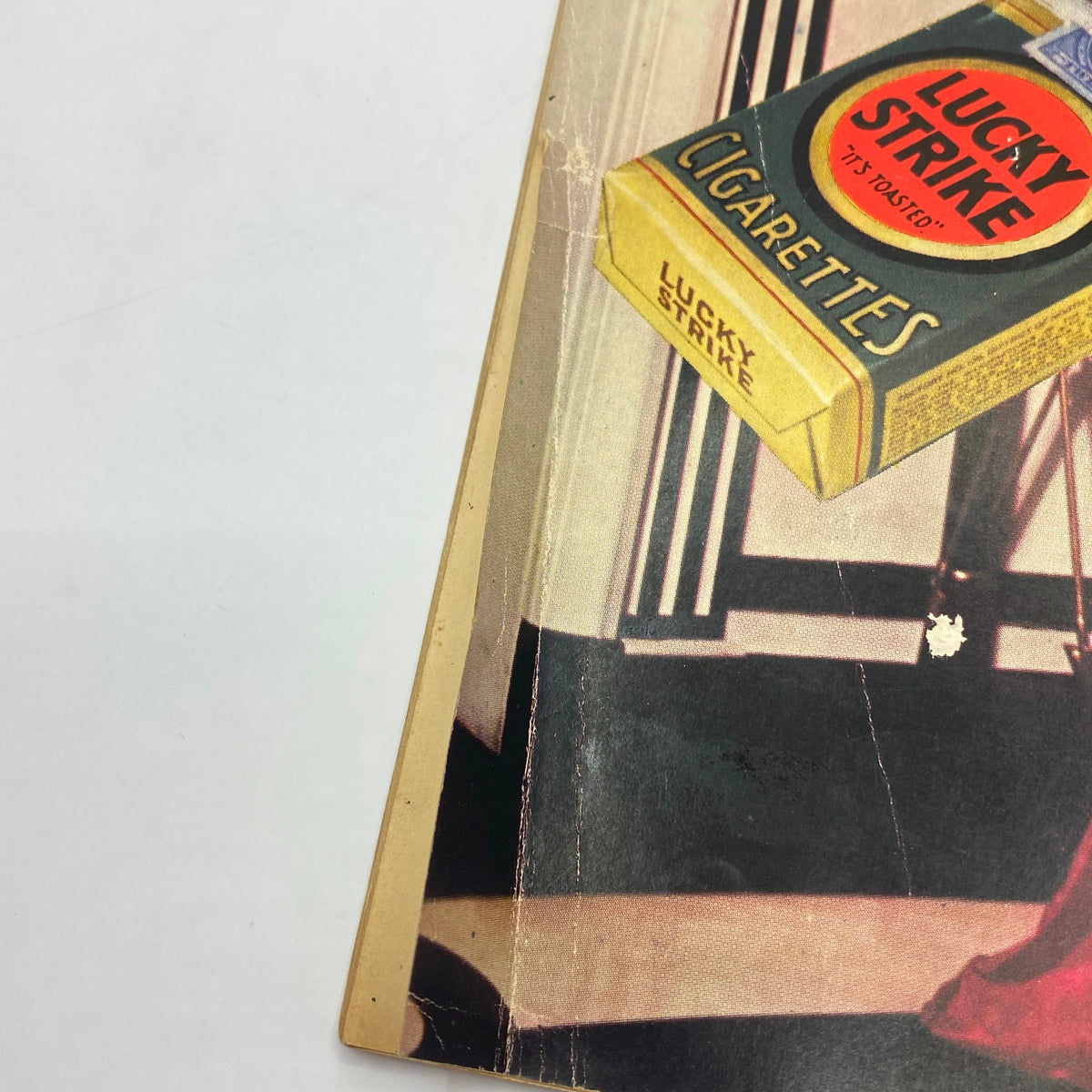
Issues of The New Yorker from September 1934 are ninety-one years old, and the paper stock used in the magazine's weekly production during the Depression era was not manufactured with archival longevity in mind. When evaluating any surviving copy of this issue, the attributes that matter most to serious collectors are the condition of the Arnold Hall cover art — its color integrity, surface cleanliness, and freedom from significant staining, tearing, or fading — the structural integrity of the spine and staple binding, and the completeness of interior pages. The good condition noted for a publication of this age indicates a survivor in the better range of what typically circulates for early-1930s New Yorker issues, which are among the more challenging to find in any collectible condition given the paper quality constraints of Depression-era production and nine decades of subsequent existence. Any edge wear, tanning, or minor foxing consistent with authentic age is an expected characteristic of a publication nearly a century old and does not meaningfully diminish the issue's collectible or historical value.
Looking for More Issues Like This?
Mid-1930s issues of The New Yorker from the magazine's Depression-era golden period are genuinely uncommon finds in collectible condition, and the September 29, 1934 Arnold Hall cover is a fine example of the publication at full creative stride. If it is currently unavailable, the New Yorker collection at OriginalMagazines.com is the best place to browse what has recently surfaced from across the magazine's long publishing history. Collectors with a broader interest in the print culture of this extraordinary decade should also explore the 1934 magazines collection for a wider view of American media during one of the country's most creatively productive and economically challenging years.