



Description
Collector's Note – Why This Issue Matters
The February 9 & 16, 2009 issue of The New Yorker is notable for its full magazine theme cover credited in the listing to Rea Irvin, one of the foundational figures in the magazine’s visual history. Irvin was The New Yorker’s first art editor and is best remembered for creating the magazine’s original dandy figure, later known as Eustace Tilley, who became one of the publication’s most enduring visual symbols. For collectors of vintage and modern The New Yorker magazines, an issue connected to Irvin’s cover tradition carries special significance because it links a twenty-first-century magazine object back to the title’s earliest visual identity. It also reflects how deeply the magazine’s visual history remains embedded in its modern publishing identity, even decades after its founding.
The February 9 & 16 date is also meaningful because The New Yorker often treats its winter anniversary-period issues as moments for reflection on its own history, cover language, and editorial personality. The listing identifies this as a full magazine, which matters because complete issues preserve the original relationship between the cover, articles, cartoons, advertisements, reviews, and editorial pacing. A cover image alone may hold artistic interest, but a full issue preserves how the magazine presented itself to readers in 2009. That full context is especially important for a publication whose identity depends on the interplay between illustration, reporting, humor, criticism, fiction, and design. In a collector’s archive, a complete issue also allows the Irvin-related cover tradition to be studied alongside the magazine’s contemporary editorial voice.
By 2009, The New Yorker remained one of the strongest American magazines for literary journalism and cultural commentary, even as print media was adapting to a rapidly changing digital environment. An issue invoking Rea Irvin’s visual legacy shows how the magazine continued to draw authority from its own archive while still operating as a contemporary weekly publication. Within the broader landscape of original magazines from 2009, this issue is useful for studying how an established print institution maintained continuity with its past while documenting the culture, politics, humor, and literary life of the late 2000s. It stands as a reminder that magazine collecting is often about continuity as much as novelty: the survival of recurring symbols, formats, and editorial rituals across changing media eras.
About the Publication
The New Yorker is a weekly American magazine founded in 1925 and known for literary journalism, essays, fiction, poetry, criticism, reviews, cartoons, humor, and distinctive cover art. Its readership has traditionally included people interested in politics, literature, art, theater, film, books, urban life, and long-form cultural analysis. The magazine’s covers are central to its identity, often functioning as visual essays on public mood, city life, seasonal change, private behavior, or the quiet absurdities of modern culture. By 2009, The New Yorker had nearly a century of visual and literary tradition behind it, yet it remained active in contemporary journalism and criticism. Complete issues from this period preserve not only the writing and artwork, but also the advertising, typography, cartoons, design choices, and editorial rhythm of early twenty-first-century magazine culture. For collectors, that whole-issue context is especially important because The New Yorker is not simply a container for articles; it is a carefully sequenced editorial object whose tone emerges from the relationship between words, images, humor, and layout.
Key Highlights Inside
- February 9 & 16, 2009 issue of The New Yorker, representing the magazine’s early twenty-first-century editorial and visual style.
- Identified in the listing as a full magazine rather than a detached cover or partial issue, preserving the original weekly format and editorial context.
- Features a full magazine theme cover credited in the listing to Rea Irvin, a foundational figure in The New Yorker’s visual identity.
- Relevant to collectors interested in The New Yorker cover art, Rea Irvin, Eustace Tilley-related visual history, literary magazines, cartoons, and cultural commentary.
- The listing describes the issue as containing the magazine’s blend of humor, storytelling, and sharp commentary, though no specific article titles, authors, or interior features are confirmed.
- The issue includes an address label on the front, an important physical detail for collectors evaluating cover presentation and circulation history.
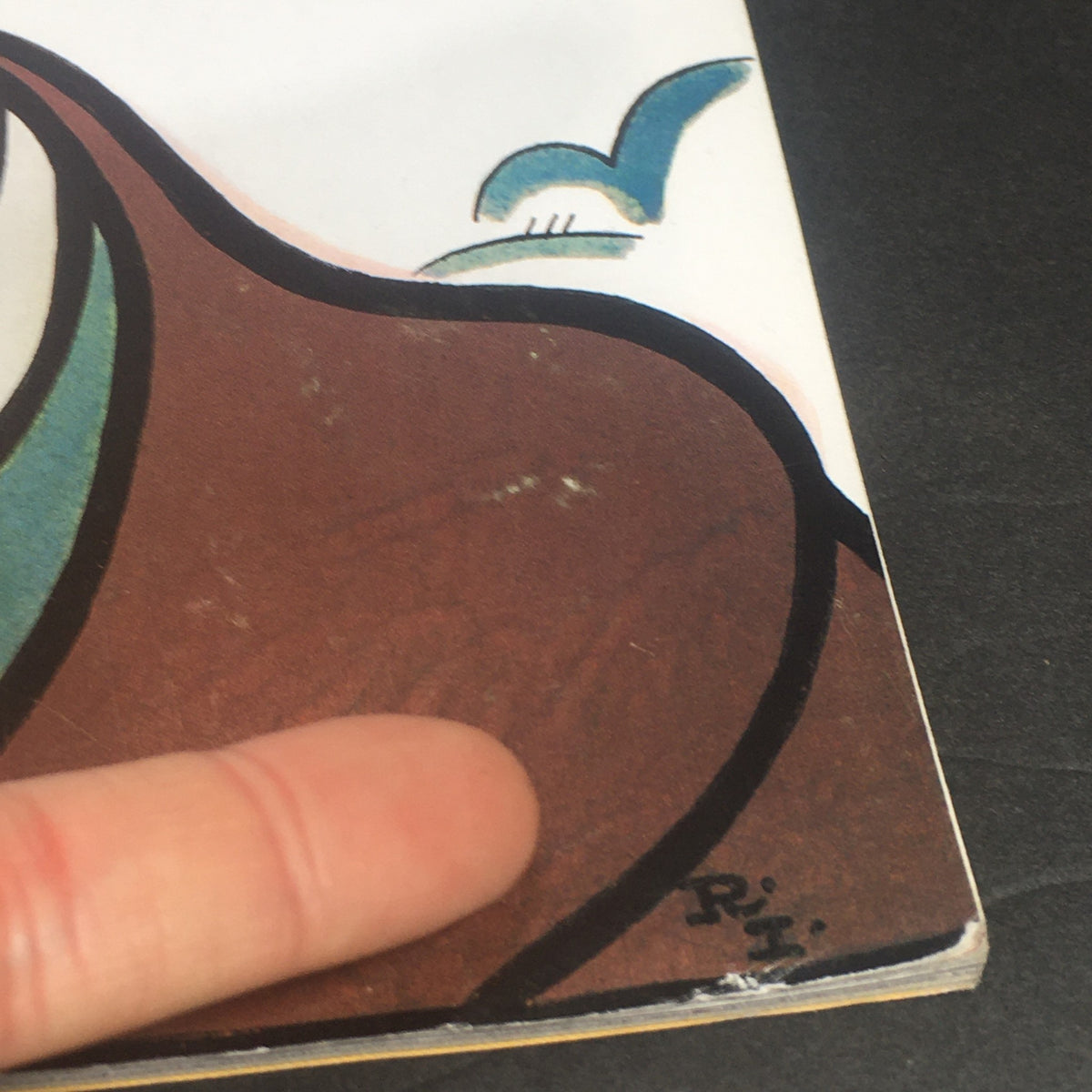
- The listing notes good used condition, very minor edge wear, possible minor marks and/or rips, and a plastic protective covering.
- Interior contents beyond the stated Rea Irvin theme cover and general The New Yorker format are not verified from the listing, so no additional specific features are attributed here.
Condition & Rarity
Surviving examples of the February 9 & 16, 2009 The New Yorker should be evaluated by cover presentation, page completeness, spine condition, edge wear, surface marks, small rips, and the presence of an address label. The listing describes the magazine as good and used, with very minor edge wear and possible minor marks and/or rips, while remaining in good overall shape. It also notes an address label on the front, which is a significant collector detail because it affects the uninterrupted visual presentation of the cover while also documenting the magazine’s original circulation as a mailed copy. A plastic protective covering is included, which can help with storage and handling, though it should be understood as preservation packaging rather than a formal condition grade. For a cover-driven issue connected to The New Yorker’s visual heritage, collectors generally focus on whether the cover remains clear, the pages are complete, and any handling flaws are minor enough that they do not interfere with the issue’s value as a reference object. Even modern weekly magazines can show wear when read, stacked, mailed, or stored casually, so a complete issue in good shape remains useful for collectors interested in the magazine’s physical and editorial history. The address label should be documented honestly, but it also forms part of the issue’s circulation history and can distinguish a mailed subscriber copy from a cleaner newsstand-style example.
Looking for More Issues Like This?
This February 9 & 16, 2009 Rea Irvin-themed issue may be sold out, and The New Yorker issues connected to the magazine’s own cover history can be especially appealing to collectors. Readers looking for related examples can browse more collectible issues of The New Yorker to compare cover artists, cartoons, essays, fiction, criticism, and visual traditions across different decades. Studying multiple issues can also show how the magazine repeatedly returns to its own symbols while adapting them to new cultural moments.
For broader context around the same year, the collection of 2009 magazines offers a useful way to study the print culture, design, journalism, advertising, humor, and public conversation of the late 2000s. Together, these issues help place the February 9 & 16, 2009 New Yorker within the wider magazine record of its year, giving collectors a fuller sense of the media environment surrounding this Irvin-linked cover tradition.