


Description
Collector's Note – Why This Issue Matters
The February 11, 1980 issue of The New Yorker magazine belongs to a period when the publication had already become one of America’s most closely watched forums for literary writing, criticism, cartoons, cultural commentary, and long-form journalism. By 1980, the magazine was no longer simply a Manhattan-centered humor weekly; it had developed into a national cultural institution with a distinctive editorial voice and a recognizable visual identity. Each dated issue from this era offers collectors a fixed point in the magazine’s long chronology, preserving the tone, design language, and editorial atmosphere of a specific week in American cultural life. For researchers and collectors, that exact date is often part of the appeal, because The New Yorker issues are commonly collected by cover artist, year, subject, or publication run.
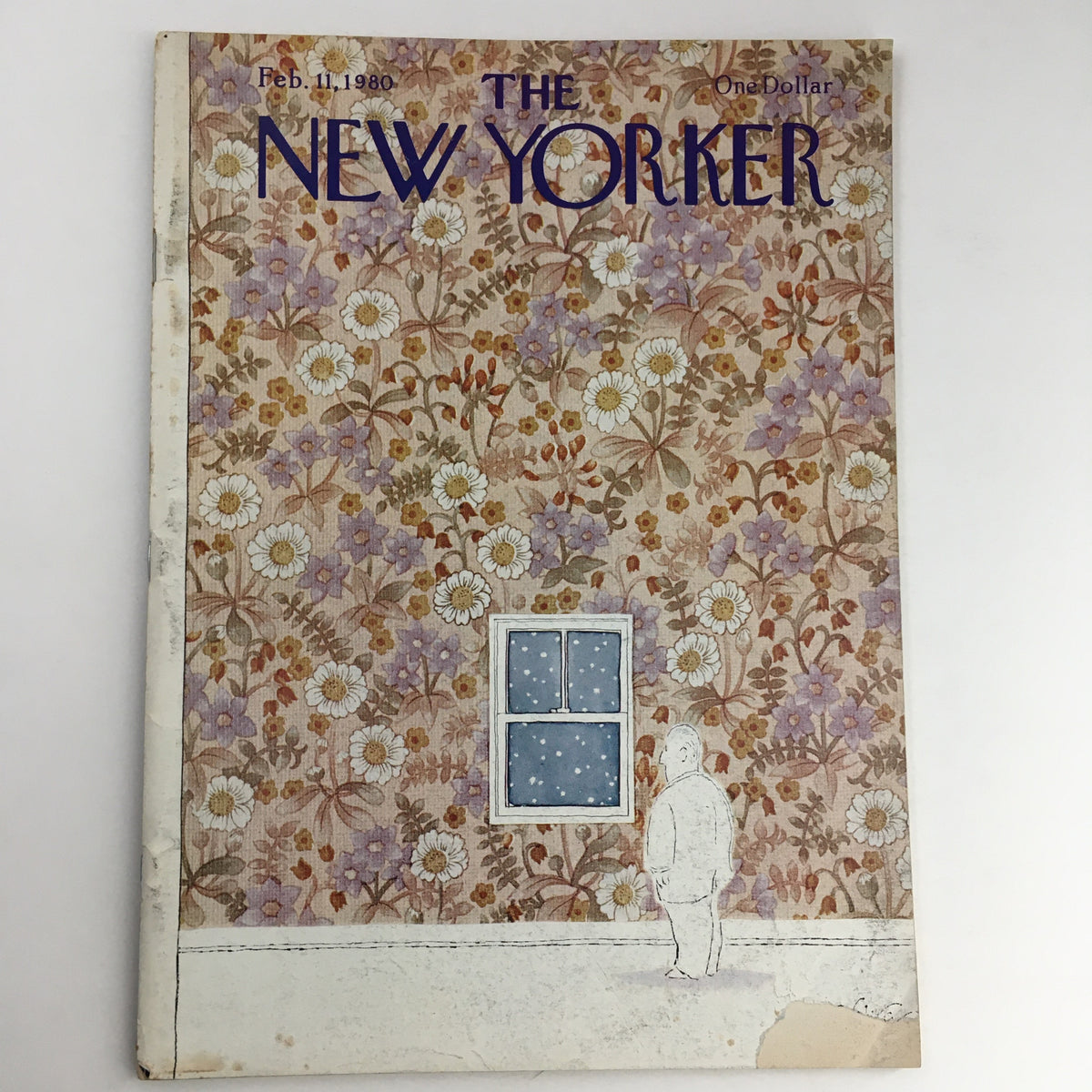
The cover is the central confirmed feature of this issue: a theme art cover by Michael Witte. For collectors of illustrated magazine covers, that detail matters. The New Yorker has long treated its covers as independent works of editorial art, often capturing a mood, season, social observation, or visual joke without relying on conventional headline-driven design. Witte’s contribution places this issue within the magazine’s broader tradition of cover illustration as cultural record. A strong cover can define the collecting identity of an issue even when the interior article contents are not fully documented, because the magazine’s front artwork has always been one of its most studied and recognizable features.
As a February 1980 issue, it also sits at the opening of a new decade in American print culture. Issues from this period are often studied not only for their individual artwork but also for how magazines documented late twentieth-century taste, language, urban life, and public conversation. Collectors researching vintage magazines from 1980 will recognize this issue as part of that transitional moment between the literary magazine culture of the postwar decades and the changing media landscape of the 1980s. In that sense, the issue is useful not only as a collectible object but also as a period document, reflecting the physical form, visual restraint, and editorial confidence of a major American magazine at the start of the decade.
About the Publication
The New Yorker is an American weekly magazine founded in 1925 and known for its blend of reporting, essays, fiction, criticism, poetry, humor, cartoons, and illustrated covers. Its readership has traditionally included culturally engaged readers interested in literature, politics, city life, the arts, and social observation. The magazine’s format made the cover especially important: rather than functioning only as packaging, the front image often stood as an editorial statement in itself. Unlike many newsstand magazines that relied heavily on cover lines and celebrity photography, The New Yorker maintained a more restrained visual tradition, allowing illustration, wit, and atmosphere to carry much of the cover’s meaning. This made the publication especially attractive to readers and collectors who value magazine art as much as written content.
Key Highlights Inside
- February 11, 1980 issue of The New Yorker, placing it within the magazine’s early-1980 publication run.
- Features a confirmed theme art cover by Michael Witte, making the cover artwork the primary documented point of collector interest.
- No mailing label is noted, an important visual attribute for collectors who prefer uninterrupted cover art and cleaner display presentation.
- Represents The New Yorker during a mature period in the magazine’s long-running literary and cultural history.
- The issue reflects the publication’s established weekly format, combining visual cover art with the magazine’s traditional mix of cultural and literary material.
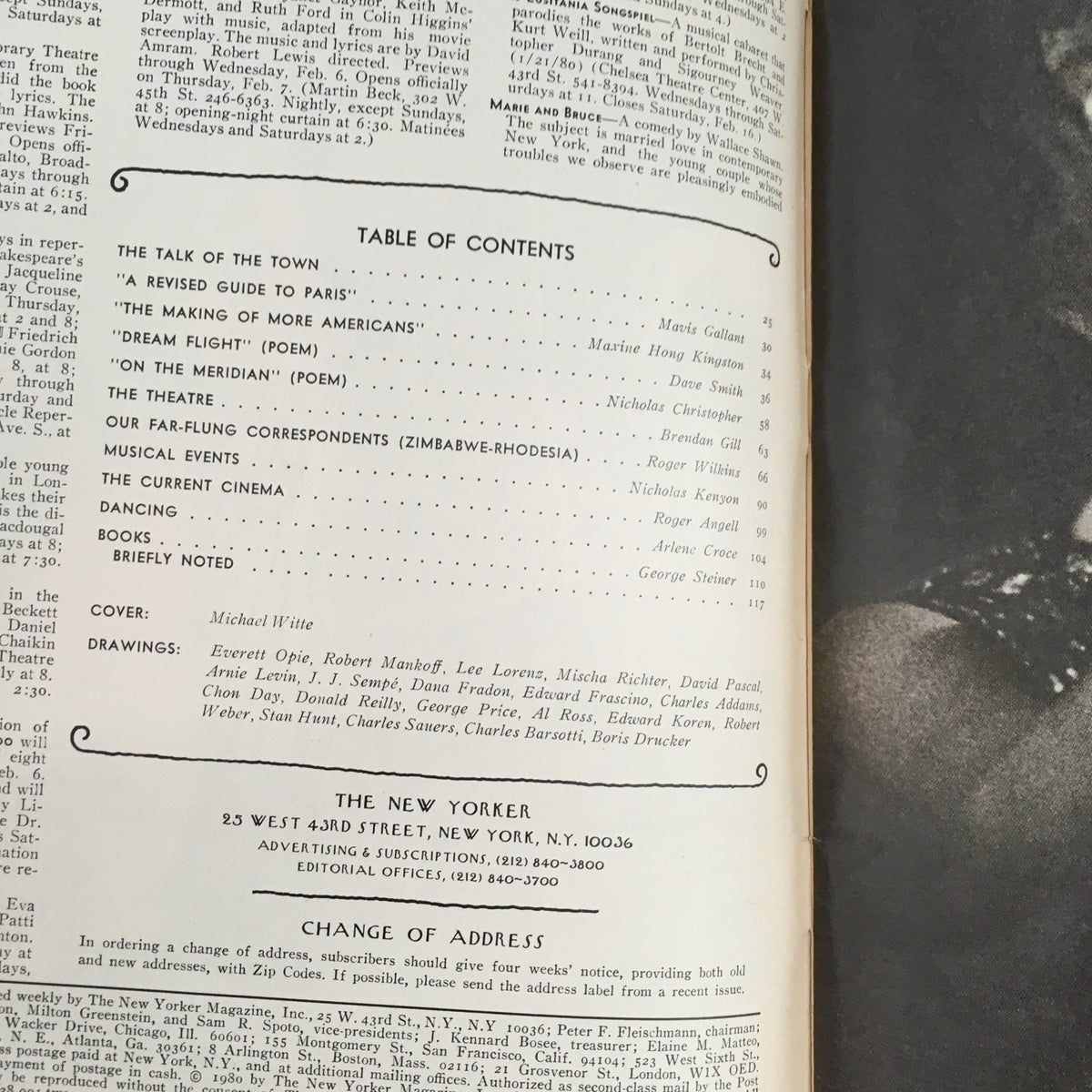
- Interior article details are not fully confirmed from the provided listing, so no specific inside features are asserted here beyond the issue date, publication, and cover information.
Condition & Rarity
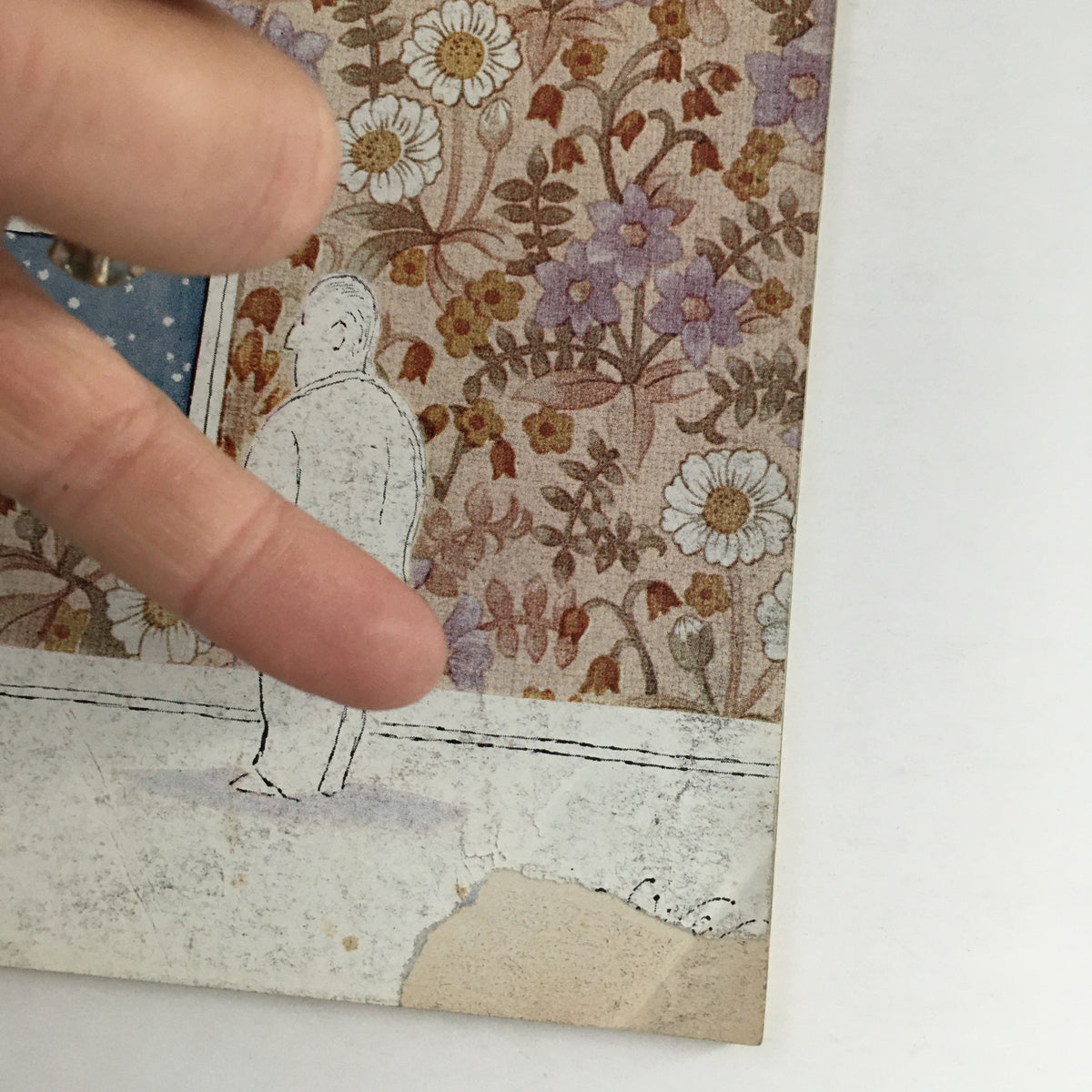
The listing describes the issue as Good, with minor wear throughout and rips present. For collectors, these are important condition notes because vintage weekly magazines were usually read, handled, mailed, stored, and discarded rather than preserved as archival objects. A no-label cover is especially relevant for The New Yorker, where the cover illustration is a major collecting focus. The absence of a mailing label can make the artwork appear more complete and can be a meaningful distinction when comparing surviving examples of the same issue. Plastic covering can help protect surviving examples from further handling wear, but the existing rips and age-related wear should be evaluated as part of the magazine’s overall preservation state, along with page integrity, cover presentation, and completeness. In collector terms, condition should be understood as a balance between visual appeal, structural soundness, and the expected aging of a weekly periodical from 1980.
Looking for More Issues Like This?
Specific dated issues of The New Yorker with clean, label-free illustrated covers can be difficult to track down, especially when collectors are searching by exact date or cover artist. For related material, the broader New Yorker magazine collection is the best place to browse comparable issues from the same publication. It is also useful for collectors who follow particular cover artists, build year-by-year magazine runs, or study the evolution of American magazine illustration.
Collectors studying the broader period can also explore original magazines from 1980, which helps place this February 11 issue alongside other publications from the same year in American magazine history. Browsing by year can reveal how different titles documented the same cultural moment through distinct editorial voices, cover styles, and collecting categories.