




Description
Collector's Note – Why This Issue Matters
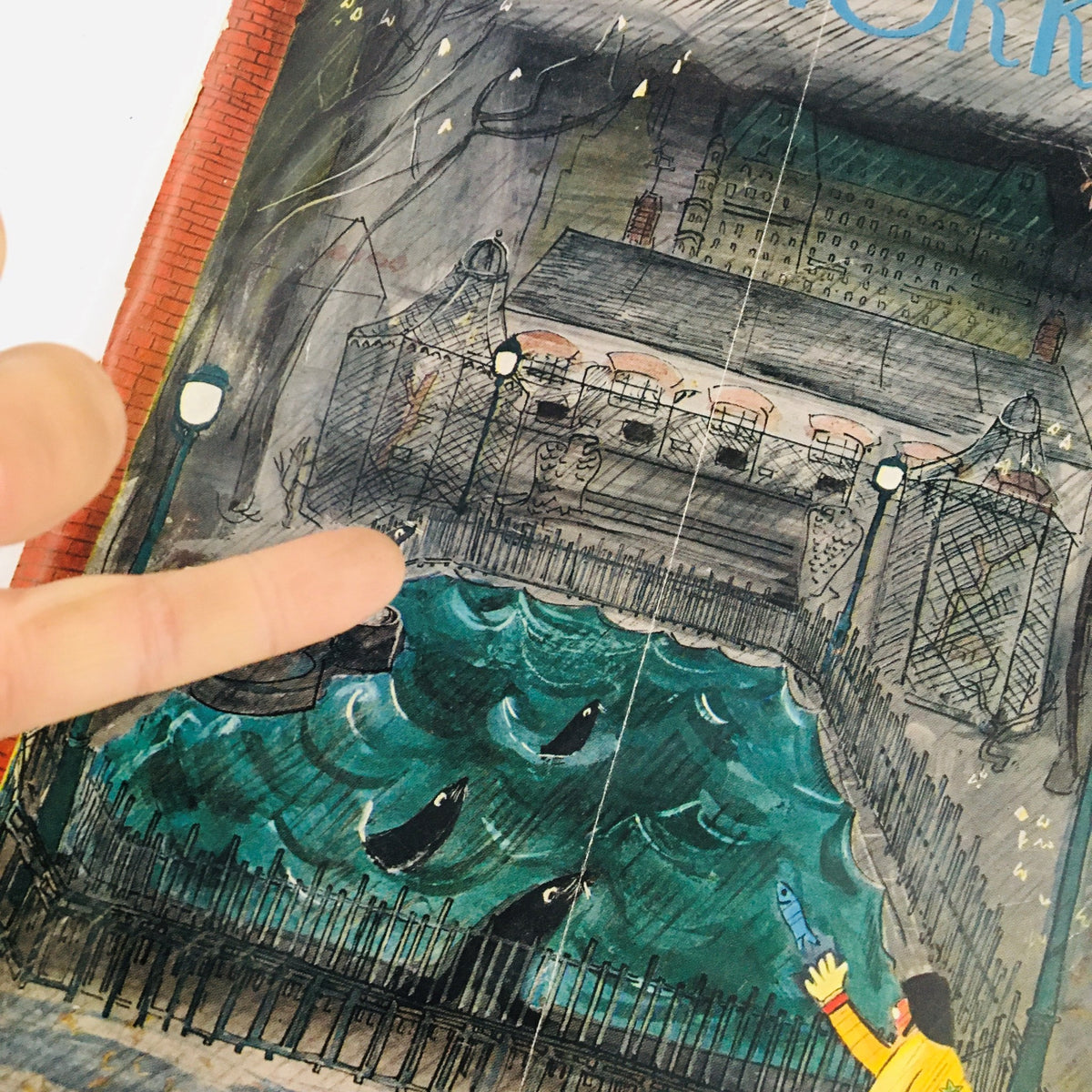
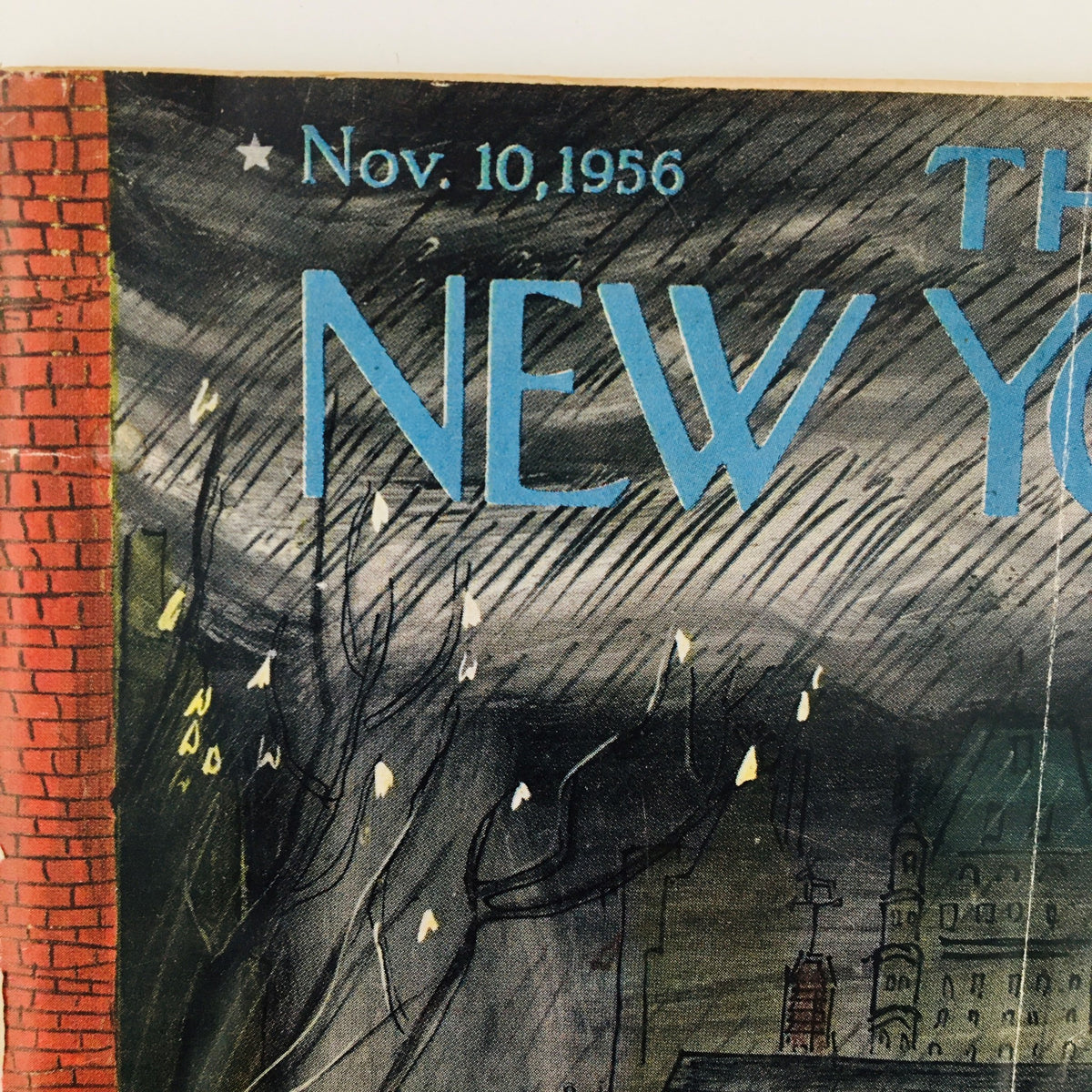
The November 10, 1956 issue of The New Yorker featuring a cover by Ludwig Bemelmans is a primary document of the publication at its mid-decade Shawn-era cultural peak — and a particularly historically resonant entry because of who Bemelmans was and what November 1956 meant in American and world history. Ludwig Bemelmans brought to his New Yorker covers a specific and entirely personal visual sensibility: the warmth and European sophistication of an Austrian-born artist who had made New York's restaurant and hotel culture his imaginative home, the specific combination of wit, elegance, and affection for human character that had defined both his decades of contribution to the magazine and his celebrated Madeline children's book series. Madeline's Rescue had won the Caldecott Medal in 1954, the year before this issue, and Bemelmans was in November 1956 one of the most publicly recognized and most warmly regarded illustrators in America, his children's books having established him as a genuinely beloved cultural figure beyond the sophisticated readership that the magazine itself had always commanded. A November 10, 1956 Bemelmans cover is therefore primary documentation of the founding visual artist's specific aesthetic contribution to the publication at the specific moment of his greatest public recognition and his most active creative engagement. For collectors building a serious archive of New Yorker cover art, the New Yorker collection at OriginalMagazines.com provides essential depth across the publication's full run, with Bemelmans covers representing some of the most artistically significant and most actively sought entries in that body of material.
The November 10, 1956 date carries extraordinary historical weight that gives this specific Bemelmans cover an additional layer of documentary significance beyond its artistic character. The week of November 10, 1956 was one of the most historically charged in the entire postwar decade: the Hungarian Revolution had been violently suppressed by Soviet forces on November 4, just six days before this issue's publication, with Soviet tanks crushing the Budapest uprising in one of the Cold War's most dramatic and most widely covered events. Simultaneously, the Suez Crisis was reaching its diplomatic resolution, with Britain and France withdrawing from Egypt under American and Soviet pressure in the same days. The November 10, 1956 New Yorker was arriving in American households in the immediate aftermath of these extraordinary events — the Budapest tanks, the Suez withdrawal — at one of the most internationally consequential weeks of the entire 1950s. Ludwig Bemelmans's warm, whimsical cover was the visual face of the publication as it delivered its editorial response to these events to its readership, and the specific cultural function of the publication's aesthetic register — civilized, intelligent, humanly warm — was operating against one of the most historically sobering international backdrops of the decade. The no-label newsstand condition preserves the Bemelmans cover in complete visual presentation. The full range of 1956 magazines and publications from this extraordinary year provides essential context for understanding the moment this issue documents.
The specific condition attributes of this issue — the confirmed creases running down the middle of the front cover and on the back, with additional front cover creases — are worth addressing directly for collectors whose primary interest is in Bemelmans's cover art as a display object. Center creases on New Yorker covers from this era most commonly result from folding during postal delivery or newsstand handling, and their placement across the center of the Bemelmans illustration is the primary condition variable determining the cover's display-grade quality. The listing's direction to the accompanying photographs is appropriate for this assessment, and collectors for whom display is a primary consideration should evaluate the crease pattern's visual impact on the Bemelmans artwork from those images before acquisition decisions are made.
About the Publication
The New Yorker was founded in 1925 and had established itself by 1956 under William Shawn's editorial direction as the most culturally authoritative weekly magazine in the United States, its editorial voice combining literary fiction, long-form journalism, cultural criticism, and the specific visual wit of its cover art and cartoons into a publication that set the standard for American cultural journalism. Ludwig Bemelmans had been one of its most beloved and most artistically distinctive contributors since the early years, and his November 1956 cover represents the specific visual warmth and European-American aesthetic that defined his decades-long engagement with the publication — a contribution that was simultaneously a product of the publication's specific artistic tradition and one of the most distinctively personal visual voices in its history.
Key Highlights Inside
- Ludwig Bemelmans cover — Caldecott Medal era documentation at Hungarian Revolution week — The confirmed Bemelmans cover is primary visual documentation of one of mid-century America's most beloved illustrators contributing a New Yorker cover in the immediate aftermath of the Soviet suppression of the Hungarian Revolution — one of the most historically consequential international events of the decade — preserving primary evidence of the publication's specific aesthetic register operating at one of the most sobering historical moments in its Shawn-era publication history.
- No-label newsstand edition — full Bemelmans cover preserved in complete presentation — The confirmed no-label newsstand condition preserves the Bemelmans cover without subscription label disruption, representing a meaningful positive for a publication whose cover art is the primary object of collector interest, though the confirmed creases require assessment from the accompanying photographs for display-grade evaluation.
- November 10, 1956 — Budapest suppression aftermath, Suez withdrawal week editorial content documented — The confirmed November 10, 1956 date places this issue in the specific week immediately following the Soviet suppression of the Hungarian Revolution (November 4) and the Suez Crisis's diplomatic resolution, making the editorial content of this issue primary documentation of the publication's response to one of the most historically consequential international weeks of the entire postwar decade.
- Mid-1950s Shawn-era New Yorker — Bemelmans at peak recognition in Cold War crisis week — A November 1956 Bemelmans New Yorker preserves primary documentation of the publication's most warmly regarded visual contributor at the moment of his greatest public recognition — the Caldecott Medal year — in the specific historical context of the Cold War's most dramatically visible domestic crisis.
- Note: The specific fiction, journalism, and cultural criticism contents of this issue beyond the confirmed Ludwig Bemelmans cover have not been independently verified beyond the listing description. The condition description confirms a center fold crease on the front cover, back cover crease, and additional front cover creases that should be assessed from the accompanying photographs for display-grade evaluation. The highlights above reflect what is documentable from the listing and the well-established historical context of The New Yorker's November 1956 publication and Ludwig Bemelmans's role in its cover art tradition.
Condition & Rarity
This issue is described as being in good condition with minor page wear, no label, a center fold crease running down the front cover, a crease on the back cover, additional creases on the front cover, and a plastic protective covering. The creases are the most significant condition attribute for display-grade assessment and constitute the primary variable distinguishing this issue from higher-grade surviving examples: the center fold crease in particular should be evaluated from the accompanying photographs relative to its placement across the Bemelmans illustration's primary visual area to determine its impact on the cover art's presentation quality. The no-label newsstand status preserves the cover in complete visual presentation outside the crease patterns. The plastic protective covering indicates deliberate preservation care applied to stabilize the issue against further deterioration. Minor page wear is honest and expected for a publication nearly seventy years old. New Yorker issues from the mid-1950s featuring Ludwig Bemelmans covers remain actively sought by New Yorker cover art collectors, Bemelmans illustration specialists, and Cold War cultural history researchers regardless of specific condition attributes, given the rarity of any Bemelmans cover and the extraordinary historical significance of the November 10, 1956 date.
Looking for More Issues Like This?
New Yorker issues featuring Ludwig Bemelmans covers are among the most actively sought and most historically significant entries in the publication's full cover art archive — and this November 10, 1956 edition carries the additional weight of the most historically consequential international week of the decade. If this November 1956 Bemelmans issue is no longer available, the New Yorker collection at OriginalMagazines.com is the most comprehensive resource for exploring what else has surfaced from this publication's extraordinary visual archive. For collectors building a broader documentary record of American cultural journalism and Cold War-era popular life during one of the most internationally charged years of the decade, the 1956 magazines collection brings together a wide range of primary source material from that pivotal year.