



Description
Collector's Note – Why This Issue Matters
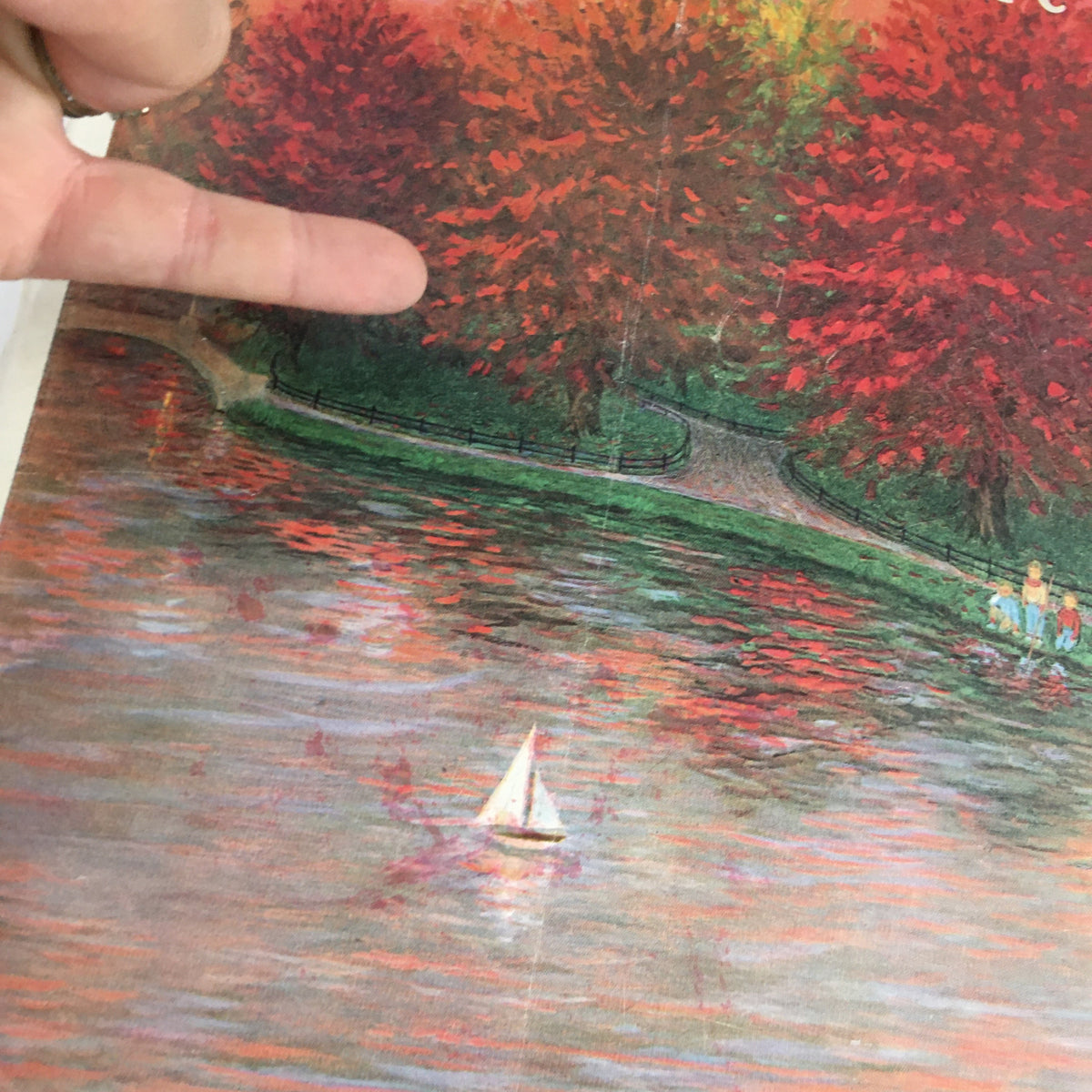
The October 20, 1956 issue of The New Yorker featuring a cover by Edna Eicke is a primary document of the publication at one of the most historically charged weeks of the entire postwar decade — and the late-October autumn seasonal context of the Eicke cover carries a particular resonance against one of the most consequential international news backdrops of the 1950s. Edna Eicke was one of The New Yorker's regular cover contributors of the early-to-mid 1950s, and her work reflected the specific visual sensibility that the Shawn-era publication maintained from the Ross tradition: the combination of seasonal warmth, social observation, and the specific wit that the publication had developed as its most characteristic visual register. An October 1956 Eicke cover brings her specific visual intelligence to the specific autumn seasonal moment that was one of the most artistically rich in the publication's annual calendar — the specific warmth and color of late October American life, with its harvest associations, its changing light, and the particular social and domestic registers that the season evoked for the publication's readership. For collectors building a serious archive of New Yorker cover art history, the New Yorker collection at OriginalMagazines.com provides essential depth across the publication's full run, with the mid-1950s Shawn-era autumn covers representing a particularly aesthetically coherent and most artistically characteristic tier within that body of material.
The October 20, 1956 date carries extraordinary historical weight that makes this specific Eicke autumn cover an issue of primary source significance well beyond its artistic character. The week of October 20, 1956 was one of the most historically consequential in the entire postwar decade: the Hungarian Revolution had begun on October 23, 1956 — just three days after this issue's publication date — and the Suez Crisis was reaching its most dramatic phase simultaneously. The October 20, 1956 New Yorker was therefore appearing at the precise threshold of one of the most historically extraordinary weeks of the Cold War era, three days before Soviet tanks would enter Budapest and in the same days as the Suez military planning was reaching its operational phase. Edna Eicke's autumn cover was the visual face of the publication at this specific threshold moment — the publication's specific aesthetic register of intelligent, warm, civilly humorous engagement with ordinary life arriving in its readership's hands on the last quiet day before one of the most turbulent international weeks of the decade. The no-label newsstand condition confirmed in the listing preserves the Eicke cover in complete visual presentation without subscription label disruption — a meaningful positive for a publication whose cover art is the primary object of collector interest. The full range of 1956 magazines and publications from this year documents American culture during one of the Cold War's most dramatically charged years, and this October 20 Eicke New Yorker sits within that body of material at its most historically precise threshold moment.
The fold crease on the front middle confirmed in the listing's condition description is worth addressing directly for collectors whose primary interest is in Eicke's cover art as a display object. A center fold crease on a New Yorker cover from this era most commonly results from folding during postal delivery or newsstand handling, and its placement across the center of the Eicke illustration is the primary condition variable determining the cover's display-grade quality. The listing directs condition assessment to the accompanying photographs, and collectors for whom display is a primary consideration should evaluate the crease's visual impact on the Eicke cover art from those images before making acquisition decisions.
About the Publication
The New Yorker was founded in 1925 and had established itself by 1956 under William Shawn's editorial direction as the most culturally authoritative weekly magazine in the United States, its editorial voice combining literary fiction, long-form journalism, cultural criticism, and the specific visual wit of its cover art and cartoons into a publication that set the standard for American cultural journalism. Edna Eicke had been a regular cover contributor to the publication in the early-to-mid 1950s, and her work reflected the specific seasonal observation and the warm visual humor that the publication had developed as its most characteristic visual register — a contribution that placed her in the mid-century tradition of New Yorker cover artists whose seasonal intelligence and human warmth made their covers among the most immediately recognizable and most culturally resonant in American magazine publishing.
Key Highlights Inside
- Edna Eicke autumn cover — October 20, 1956 documented three days before Hungarian Revolution — The confirmed Eicke cover is primary visual documentation of the publication's specific seasonal aesthetic register arriving in its readership's hands on October 20, 1956 — the specific threshold date three days before the Hungarian Revolution's October 23 beginning, placing this autumn cover at the precise last quiet moment before one of the most historically charged weeks of the Cold War era.
- No-label newsstand edition — full autumn 1956 Eicke cover preserved in complete presentation — The confirmed no-label newsstand condition preserves the Eicke cover in complete visual presentation without subscription label disruption, representing a meaningful positive for a publication primarily distributed by subscription in which label-free examples are considerably less common than the labeled majority of surviving copies from this era.
- October 20, 1956 — Suez Crisis and pre-Hungarian Revolution threshold week documented — The confirmed October 20, 1956 date places this issue at the precise threshold of the most historically consequential international week of the mid-1950s, when the Suez Crisis was at its operational planning phase and the Hungarian Revolution was three days away, preserving primary documentation of the publication's editorial content and visual culture at its most historically pressured postwar moment to that date.
- Mid-1950s Shawn-era New Yorker autumn issue — October seasonal visual tradition documented — An October 1956 Eicke New Yorker preserves primary documentation of the publication's specific autumn seasonal visual tradition at the mid-decade height of the Shawn era's postwar cultural authority, capturing the publication's characteristic warmth and wit in one of the most historically interesting weeks of its mid-century publishing history.
- Note: The specific fiction, journalism, and cultural criticism contents of this issue beyond the confirmed Edna Eicke cover have not been independently verified beyond the listing description. The condition description notes a fold crease on the front middle that should be assessed from the accompanying photographs for display-grade evaluation. The highlights above reflect what is documentable from the listing and the well-established historical context of The New Yorker's October 1956 publication and Edna Eicke's role in its cover art tradition.
Condition & Rarity
This issue is described as being in good condition with minor wear throughout, a fold crease on the front middle, no label, and a plastic protective covering — a condition profile that requires honest assessment for collectors evaluating specific purposes. The fold crease on the front middle is the most consequential condition attribute for display-grade evaluation, and its visual impact on the Eicke autumn cover illustration should be assessed from the accompanying photographs to determine the cover's suitability for framing or prominent display. The no-label status is the most significant positive condition attribute, preserving the cover in complete presentation outside the crease itself. The plastic protective covering indicates deliberate preservation care applied to stabilize the issue against further deterioration. Minor wear throughout is honest and expected for a publication nearly seventy years old. New Yorker issues from the mid-1950s featuring Edna Eicke covers in no-label condition are sought by New Yorker cover art collectors, Eicke illustration specialists, Cold War cultural history researchers, and Hungarian Revolution anniversary documentation enthusiasts who recognize October 20, 1956 as one of the most historically precise threshold dates in the publication's Cold War-era archive.
Looking for More Issues Like This?
New Yorker issues from October 1956 — and particularly this October 20 Edna Eicke edition that captures the publication at the precise threshold of the most historically charged international week of the mid-1950s, three days before the Hungarian Revolution began — are sought by New Yorker cover art collectors, Cold War cultural history researchers, and Eicke illustration specialists who recognize these publications as primary artifacts of the publication's most historically resonant mid-decade moments. If this October 20, 1956 issue is no longer available, the New Yorker collection at OriginalMagazines.com is the most comprehensive resource for exploring what else has surfaced from this publication's extraordinary archive. For collectors building a broader documentary record of American cultural journalism and Cold War-era political life during one of its most consequential years, the 1956 magazines collection brings together a wide range of primary source material from that pivotal year.