

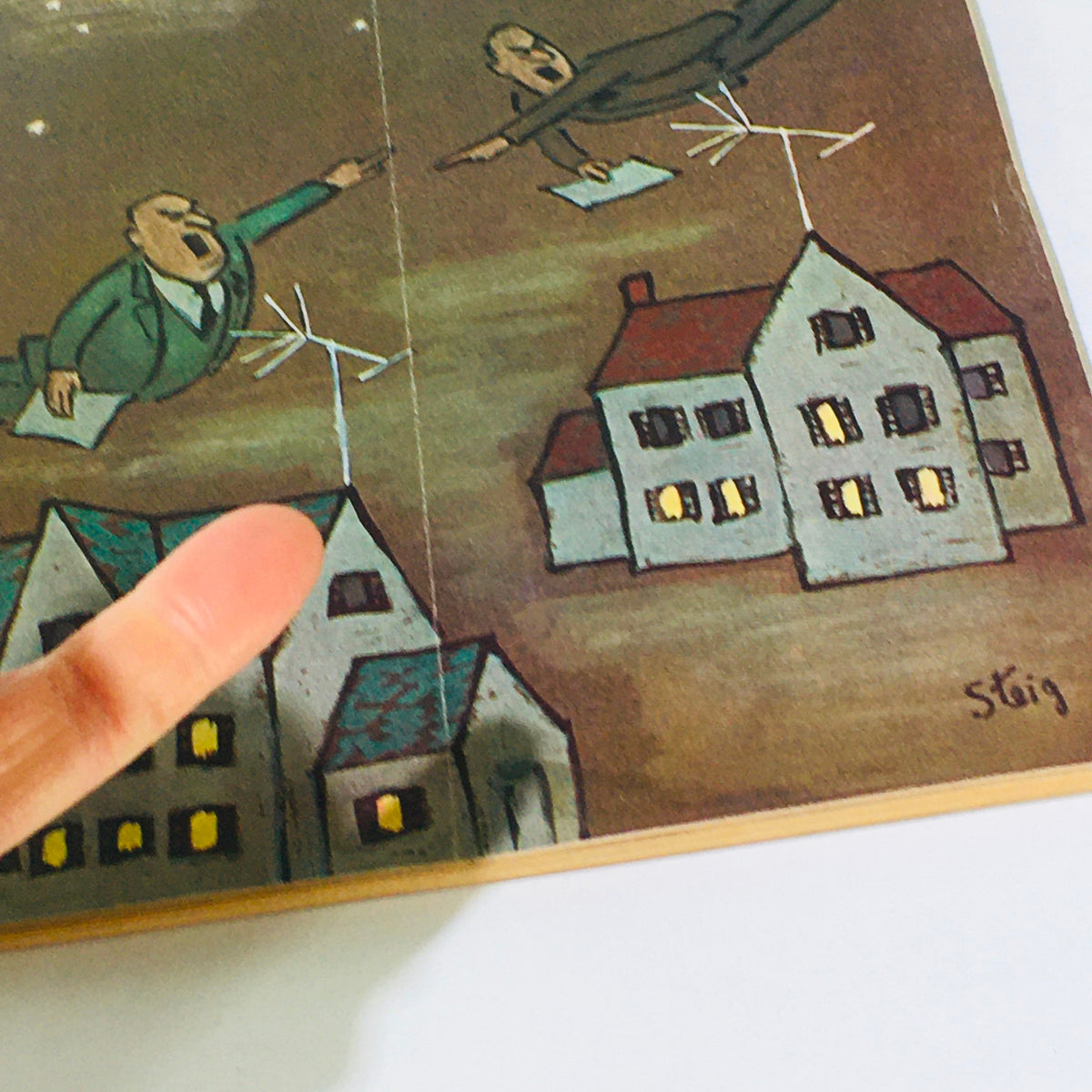


Description
Collector's Note – Why This Issue Matters
October 22, 1960 placed this issue of The New Yorker at one of the most electrically charged moments in postwar American political life. The fourth and final Kennedy-Nixon television debate had taken place just two days earlier, on October 21, and the country was in the final two weeks of a presidential campaign that would end in one of the closest popular vote results in American history. The New Yorker of this period was navigating its own particular relationship to that political moment — editorially liberal, temperamentally skeptical of political spectacle, yet deeply engaged with the questions of American identity and purpose that the 1960 election was raising. William Shawn's magazine in the autumn of 1960 was also, simultaneously, one of the primary venues in the English language for serious fiction, poetry, and cultural criticism, operating at a remove from the week's political noise while remaining entirely attentive to its implications. The New Yorker's archive across the early 1960s documents a remarkable period of transition in American intellectual and cultural life, and the October 1960 issues sit right at its threshold.
William Steig's cover gives this issue a distinct identity within that larger context. Steig was one of the most significant artists in The New Yorker's history — a contributor whose relationship with the magazine spanned six decades, from his first cartoon in 1930 through work that continued into the 1990s. By 1960 he was at the height of his powers as a cartoonist and illustrator, having developed a visual language that combined psychological depth with deceptive simplicity. His full-theme covers are among the most collected in the New Yorker canon, and an October 1960 example captures the particular warmth and wit of his mature period. Collectors of New Yorker cover art who track Steig's work specifically find the early-1960s issues especially rewarding — he was producing some of his most assured and inventive cover compositions during this period. The broader magazine landscape of 1960 documents a country at a genuine cultural and political inflection point, and this Steig cover adds a layer of artistic significance that gives the issue value independent of its editorial content.
About the Publication
The New Yorker, founded by Harold Ross in 1925 and edited by William Shawn from 1952 until 1987, was by October 1960 the most prestigious literary and journalistic weekly in the United States. Its format — fiction, poetry, long-form reportage, criticism, humor, and cartoons, packaged with typographical restraint and an implicit assumption of reader sophistication — had become a template for serious magazine journalism that influenced publications around the world. The magazine's covers, commissioned from a consistent and carefully curated roster of illustrators, constituted their own body of visual art, distinct from and complementary to the editorial content within. In 1960 its readership was concentrated among educated urban and suburban professionals, but its cultural reach and archival significance extended well beyond its subscription numbers.
Key Highlights Inside
Specific interior editorial content for this issue has not been confirmed from the available listing information. What can be said with confidence is that an October 22, 1960 New Yorker would have carried the full weekly complement of the magazine's format: fiction, poetry, at least one substantial piece of long-form journalism or criticism, the Talk of the Town section — which in October 1960 was almost certainly engaging with the final days of the presidential campaign — cartoons, and advertising that reflects the consumer culture of the early Kennedy era. Issues from this period of Shawn's editorship routinely contained work by contributors who have since become canonical, and the autumn 1960 issues were published at a moment of unusual cultural and political intensity. Collectors seeking the precise table of contents for this issue should consult The New Yorker's digital archive, which indexes issues from this period in full.
Condition & Rarity
The listing for this issue provides a notably detailed condition disclosure that collectors should read carefully. The magazine is described as used and in good shape overall, with a label-free cover — a positive attribute, since the majority of New Yorker copies from this era carry subscription label marks. However, the listing also notes edge wear with possible small rips, a folded crease in the front middle of the cover, marks on the front, and the absence of a protective plastic covering. For a sixty-five-year-old weekly magazine printed on uncoated stock, edge wear and light marks are expected and do not compromise the issue's historical or research value. The folded crease on the front cover is a more significant condition note for collectors whose primary interest is display — it affects the visual presentation of the Steig cover art, which is the issue's primary aesthetic asset. The absence of plastic covering means the magazine has been stored without that layer of protection, which increases the importance of careful handling going forward. For collectors prioritizing completeness and legibility of content over display-grade cover condition, the good overall shape and label-free cover remain meaningful positives.
Looking for More Issues Like This?
An October 1960 New Yorker with a William Steig theme cover is a specific and historically resonant find for collectors of mid-century American illustration and print culture. The New Yorker collection at OriginalMagazines.com is the most comprehensive place to browse for other issues across the magazine's long run, including additional early-1960s examples and other Steig-illustrated covers from across his remarkable tenure. For collectors building a picture of the specific cultural and political moment this issue inhabits, the 1960 magazine collection covers the full range of publications from one of the most consequential election years in American history.