


Description
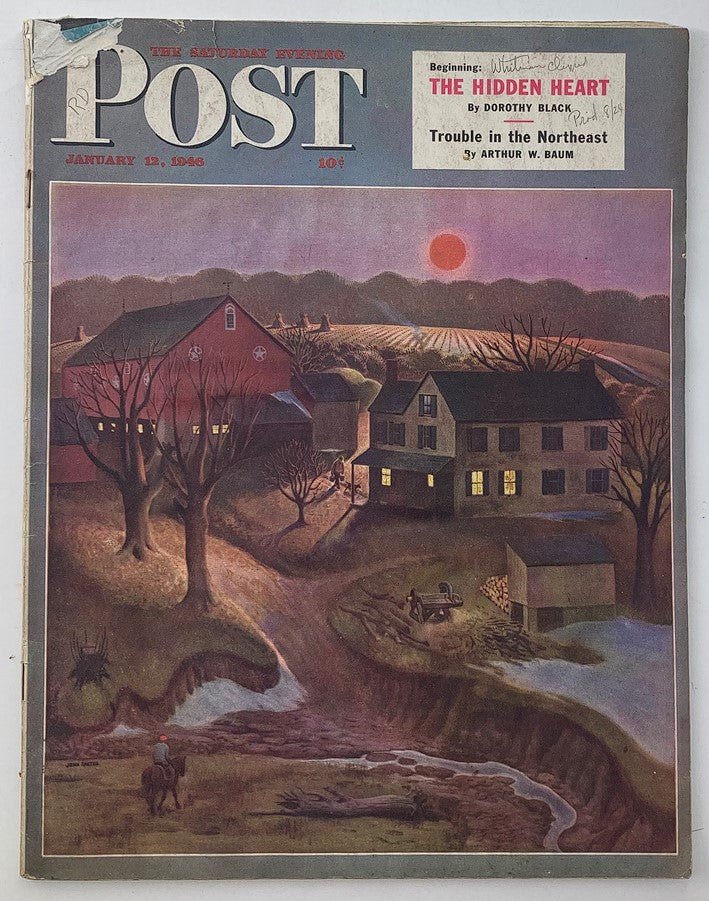
Step back in time to January 12, 1946, with this captivating edition of The Saturday Evening Post, featuring an intriguing story titled The Hidden Heart by Dorothy Black. This vintage magazine offers a delightful glimpse into post-war American life and literature, featuring rich narratives and stunning illustrations that defined an era.
This particular issue is a must-have for collectors, history enthusiasts, or anyone with a soft spot for nostalgia. As you turn the pages, you'll encounter not only the tale of The Hidden Heart but also a variety of advertisements, articles, and artwork that reflect the cultural fabric of the time. This unique piece captures the essence of mid-20th century America, making it a fantastic conversation starter in any collection.
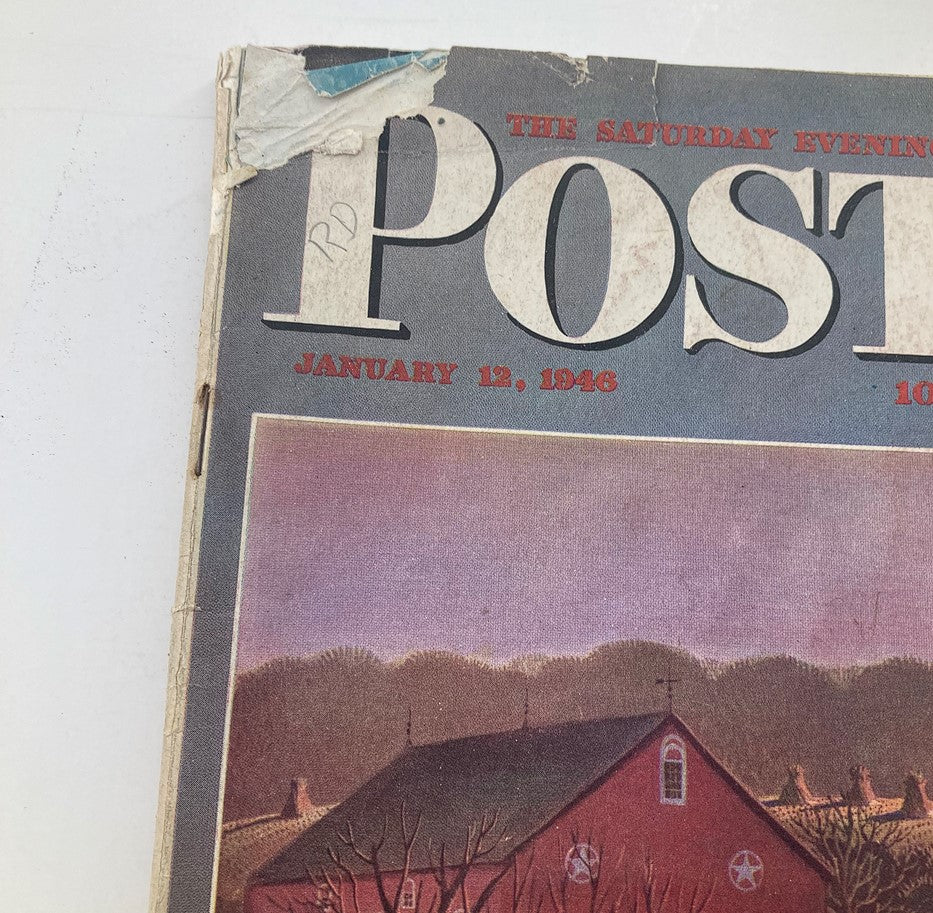
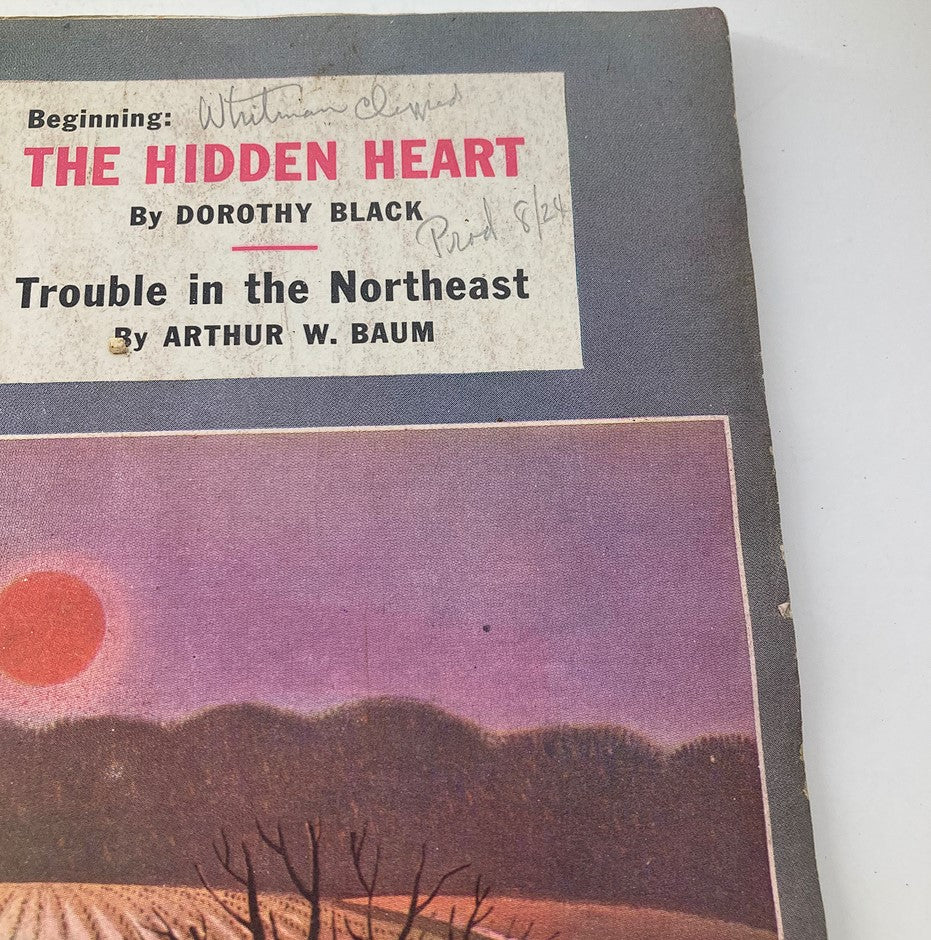
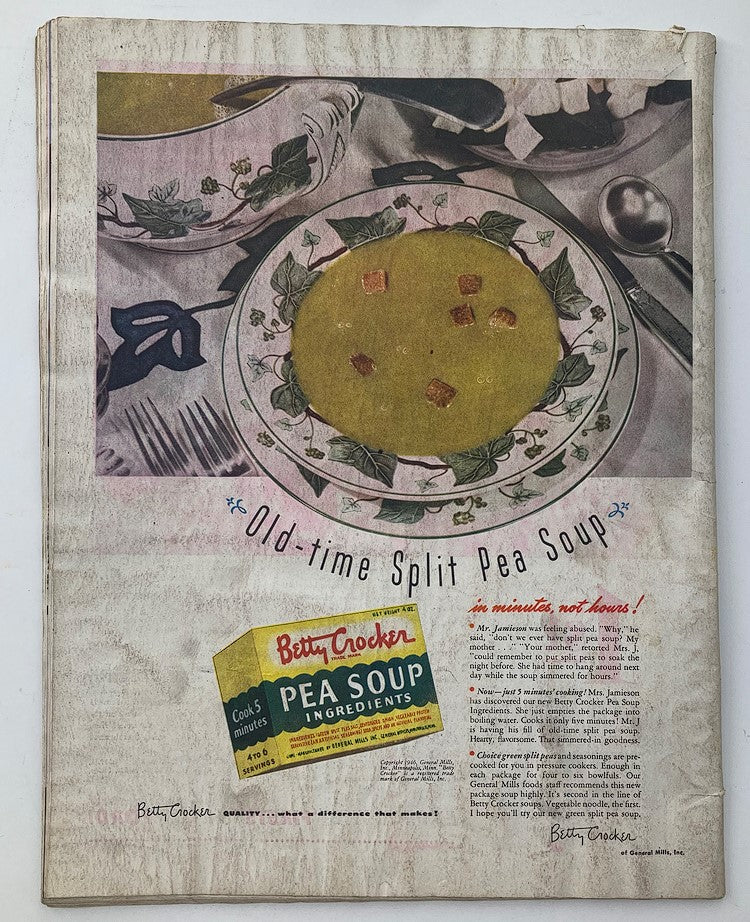
The magazine does show signs of its age, as noted with visible creases and potential marks on the front and within. These imperfections only add character to this collectible item and remind us of the stories that have been shared through its pages. We encourage you to review the pictures closely to appreciate its condition fully:
Key features of this vintage magazine include:
- Historical Significance: A snapshot of American culture immediately following World War II.
- Protective Packaging: Each item comes with a plastic protective covering to preserve its condition.
We take pride in offering combined shipping on multiple items, so don’t hesitate to ask if you're interested in purchasing more than one magazine. Remember, every piece in our collection is carefully curated, ensuring authenticity and quality.
As you navigate through this magazine's pages, savor the stories and images that shaped a generation. Own a piece of history and add The Saturday Evening Post from January 12, 1946, to your collection today!
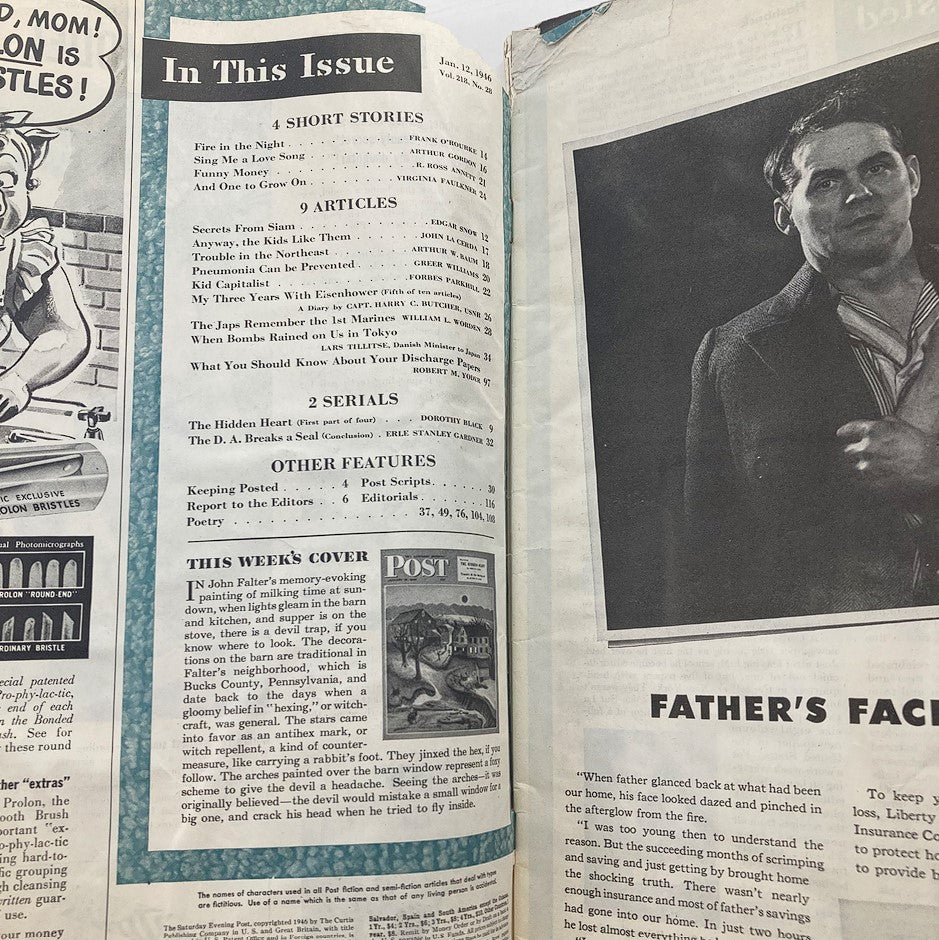
Note: The content list below is digitally transcribed for searchability. Please refer to the photos for the exact Table of Contents.
Inside This Issue (Full Table of Contents):-
4 SHORT STORIES
- Fire in the Night • Frank O’Rourke
- Sing Me a Love Song • Arthur Gordon
- Funny Money • R. Rose Amwell
- And One to Grow On • Virginia Faulkner
-
9 ARTICLES
- Secrets From Stalin • Edgar Snow
- Anyway, the Kids Like Them • John L. Clymer
- Trouble in the Northeast • Arthur M. Schlesinger, Jr.
- Pneumonia Can Be Prevented • C. Everett Koop, M.D.
- Kid Capitalist • Forbes Parkman
- My Three Years With Eisenhower (Fifth of ten articles) • A Diary by Capt. Harry C. Butcher, USNR
- The Japanese Remember the 1st Marines • William L. Worden
- When Bombs Rained on Us in Tokyo • Lars Tuthill, Danish Minister to Japan
- What You Should Know About Your Discharge Papers • Robert W. Young
-
2 SERIALS
- The Hidden Heart (First part of seven) • Dorothy Black
- The D. A. Breaks a Seal (Conclusion) • Erle Stanley Gardner
-
OTHER FEATURES
- Keeping Posted
- Report to the Editors
- Poetry
- Post Scripts
- Editorials
-
THIS WEEK’S COVER
- In John Falter’s memory-evoking painting of milking time at sundown, when lights gleam in the barn and kitchen, and supper is on the stove, there is a devil trap, if you know where to look. The decoration itself is traditional in Falter’s neighborhood, which is Bucks County, Pennsylvania, and dates back to the days when a gloomy belief in “hexing,” or witchcraft, was general. The stars came into favor as an antihex mark, or witch repellent, a kind of countermeasure, like carrying a rabbit’s foot. They jinxed the hex; if you followed the archway where the barn window represented a devil’s head and the scheme to give the devil a headache. Seeing the arches originally believed—the devil would mistake a small window for a big one, and crack his head when he tried to fly inside.