


Description
Collector's Note – Why This Issue Matters
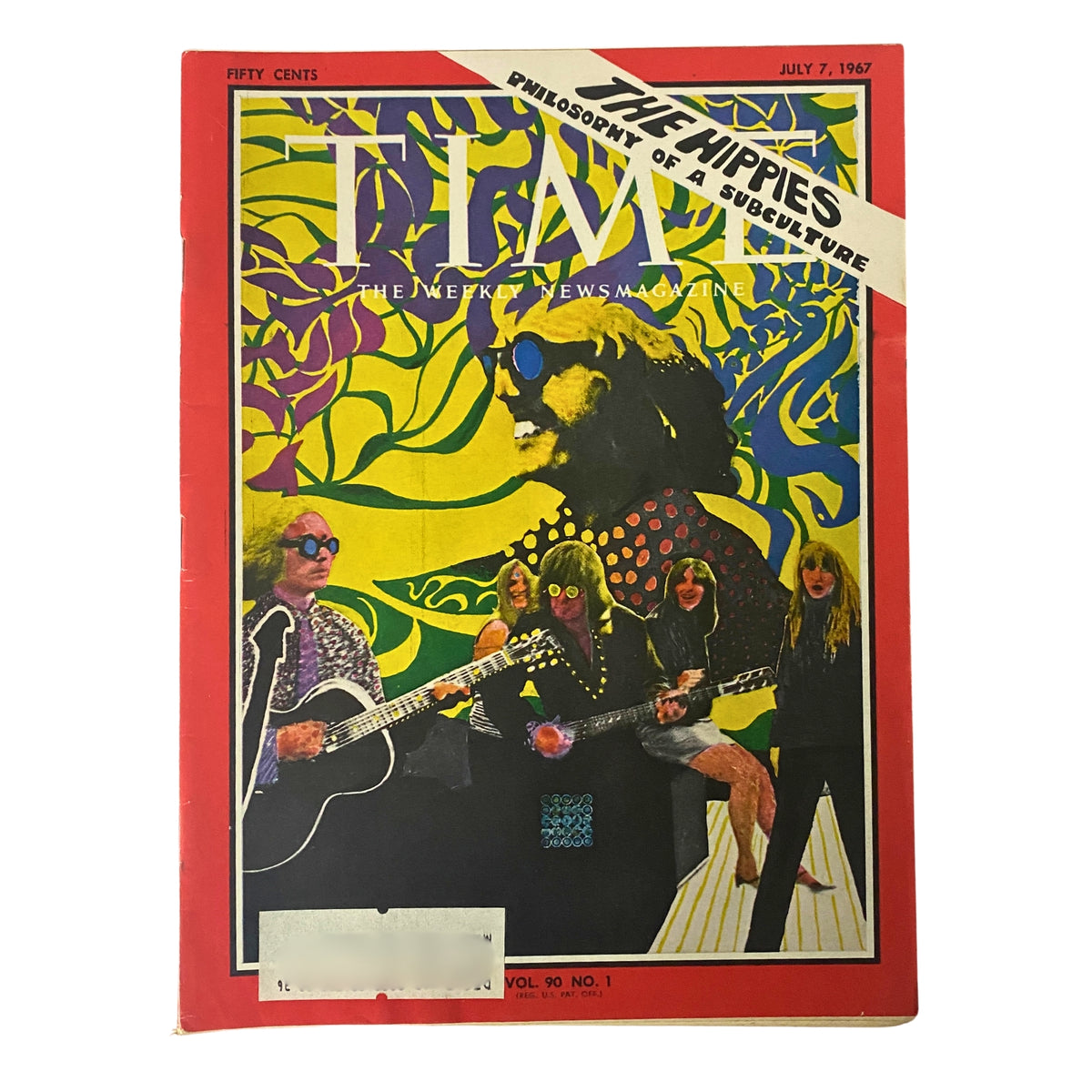
July 7, 1967 is one of the most historically significant publication dates in the history of American newsmagazine coverage of the counterculture, and "The Hippies: Philosophy of a Subculture" is now recognized as one of the landmark cover stories in Time Magazine's entire run. The Summer of Love was at its precise peak when this issue appeared on newsstands — the Haight-Ashbury district of San Francisco had been building toward the cultural convergence that summer since the Human Be-In of January 1967, and by July the specific combination of psychedelic culture, communal living, anti-war politics, and youth rebellion that the counterculture represented had achieved the kind of mainstream media visibility that a Time cover story both reflected and amplified. Time's cover treatment of the hippie movement in July 1967 was a specific editorial act of cultural consecration — the most authoritative American newsweekly formally designating the counterculture as the week's most historically significant development, engaging its philosophy and lifestyle with the analytical seriousness that its cover system demanded. The specific framing — "Philosophy of a Subculture" rather than a more dismissive treatment — reflected a genuine editorial attempt to understand the movement's intellectual and cultural claims rather than simply to deplore or celebrate them. For collectors building an archive of Time Magazine covers from the sixties, this July 7, 1967 edition is among the most historically consequential and most actively collected entries in the decade's run — a primary document of the Summer of Love as recognized and engaged by the mainstream American press at the precise moment of its maximum cultural intensity.
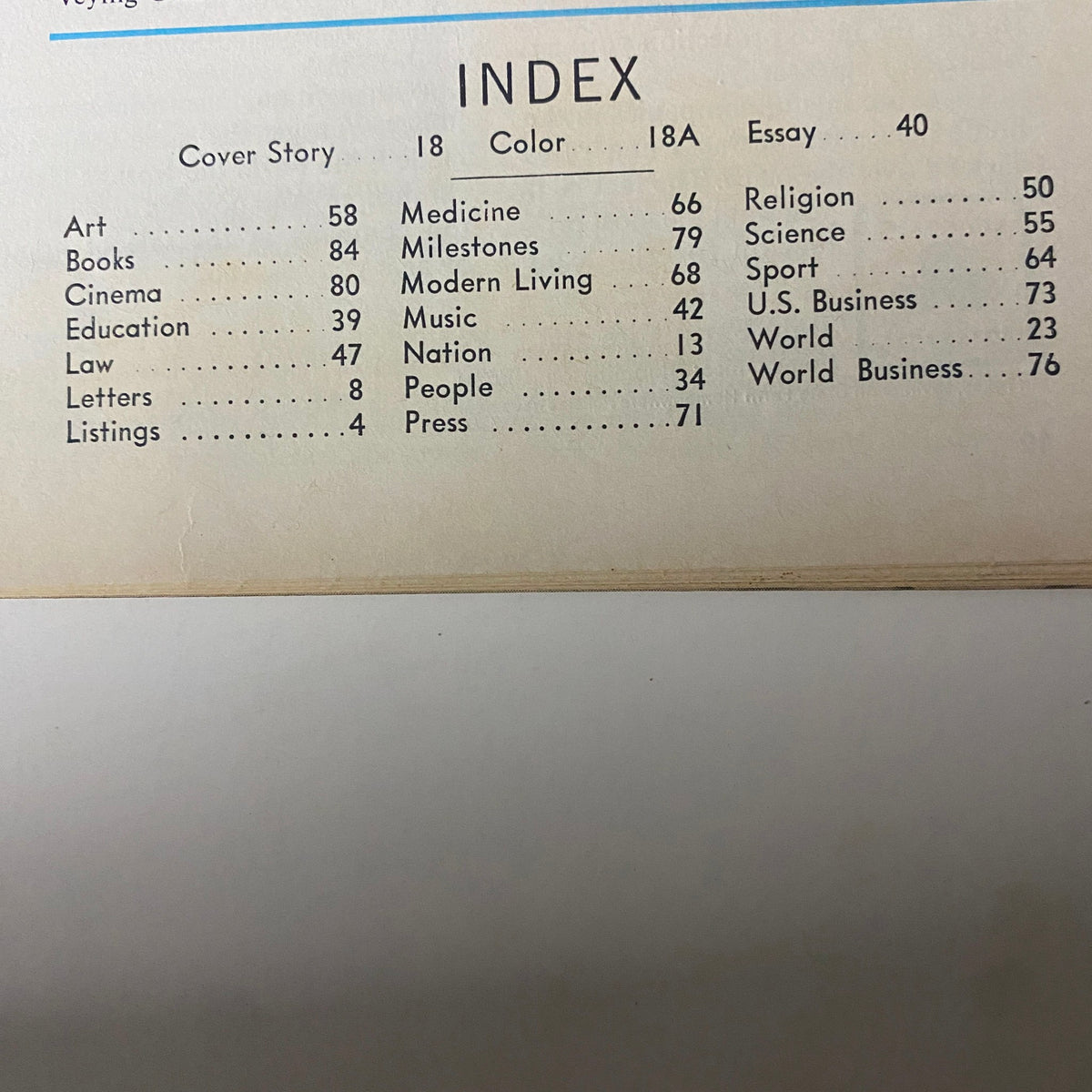
The specific historical context of July 7, 1967 in American and world affairs gives this issue additional documentary dimensions beyond its landmark cover story. The Six-Day War had ended in June 1967, just weeks before this issue's publication, reshaping the political geography of the Middle East in ways that would define the region for the following half-century. The anti-Vietnam War movement was at one of its most active phases, directly connected to the counterculture that the cover story engaged — the hippie movement and the anti-war movement were overlapping if not identical communities, and the specific ideological connections between psychedelic culture and anti-war politics were one of the most actively discussed questions in American cultural journalism in the summer of 1967. The Glide Memorial Church in San Francisco and other religious institutions were engaging the counterculture's spiritual dimensions in ways reflected in the Religion department on page 50, and the music coverage on page 42 would have engaged the specific summer 1967 soundtrack — the Doors, Jefferson Airplane, the Grateful Dead, and the Beatles' Sgt. Pepper's, released in June 1967 — that gave the Summer of Love its cultural identity. The fully documented departmental index, with its complete page-level coverage across Nation, World, Law, Education, Science, Cinema, Music, and Religion, makes this listing one of the more specifically research-accessible July 1967 Time entries in the collector market. Collectors researching American cultural and political magazines from 1967 will find this Time issue the single most historically significant magazine cover of the Summer of Love.
The essay on page 40 and the color section beginning on page 18A — documented in the index — reflect the specific editorial ambition of Time's Summer of Love cover story. Essay sections in Time were reserved for the publication's most analytically ambitious editorial content, and an essay accompanying the hippie cover story reflects the publication's judgment that the subject required not merely reporting but genuine analytical engagement with its philosophical and cultural claims. The color section extending the cover story is a primary document of the specific visual aesthetic of the hippie movement as Time chose to represent it — the psychedelic visual language, the specific material culture of Haight-Ashbury in July 1967, the particular faces and spaces that constituted the physical reality of the counterculture at its Summer of Love peak — preserved in the original newsmagazine context that gives primary source photography its irreplaceable documentary value over all subsequent retrospective representation.
About the Publication
Time Magazine was founded in 1923 by Henry Luce and Briton Hadden as the first weekly news magazine in the United States, and by July 1967 had sustained forty-four years as one of the most widely read and institutionally authoritative publications in American journalism. Its editorial format organized the week's most significant events across a consistent set of departments into a single authoritative weekly digest, with the cover story designating the single figure or development the editors considered most historically significant in any given week. The July 7, 1967 decision to put the hippie counterculture on the cover — with a philosophical engagement rather than a dismissive one — represents Time's editorial intelligence at one of its most culturally self-aware moments, the publication formally recognizing that the Summer of Love's specific cultural phenomenon warranted its most serious analytical attention at the precise moment of its maximum cultural intensity.
Key Highlights Inside
- "The Hippies: Philosophy of a Subculture" cover story on page 18 with color section on page 18A and essay on page 40 — a primary document of Time's analytical engagement with the Summer of Love counterculture at its July 1967 peak, constituting one of the most historically significant single cover stories in the publication's entire sixties run and a primary source record of how the American mainstream press understood and engaged the counterculture's philosophical and cultural claims at the moment of their maximum cultural intensity.
- Music department on page 42 — a primary source document of the specific July 1967 American music landscape, produced in the weeks following Sgt. Pepper's June 1967 release and during the Summer of Love's most active musical convergence, engaging the specific soundtrack that gave the counterculture its most publicly visible cultural identity.
- Religion department on page 50 — a primary source document of the specific spiritual and theological dimensions of the Summer of Love counterculture, reflecting the active engagement of American religious institutions with the hippie movement's spiritual searching and the specific connections between the counterculture's psychedelic experiences and its religious and philosophical claims.
- Nation on page 13 and World on page 23 — primary source coverage of American domestic and international affairs in the first week of July 1967, in the immediate aftermath of the Six-Day War and during the most active phase of anti-Vietnam War political mobilization, providing the full political context within which the counterculture cover story had its complete meaning.
- Law on page 47, Education on page 39, Cinema on page 80, and Science on page 55 — the full departmental survey of American institutional and cultural life in the first week of July 1967, collectively constituting a comprehensive primary source record of the specific historical week when the Summer of Love was at its most culturally concentrated and the counterculture's relationship to every major American institution was being actively negotiated.
- Note: Specific article titles, individual bylines, and confirmed editorial details within departments have not been individually verified beyond the documented index entries. The highlights above reflect Time's well-documented editorial format, the verified cover story and full departmental index, and the thoroughly documented historical context of July 7, 1967.
Condition & Rarity
Time Magazine issues from July 1967 are approaching their fifty-ninth year of existence, and the condition landscape for surviving copies of this specific issue reflects both the general attrition of that age and the specific and sustained collecting pressure that the Summer of Love hippie cover generates across multiple overlapping communities — sixties cultural history collectors, counterculture memorabilia enthusiasts, and Time Magazine completists all seek this issue with consistent intensity. Good condition with minor edge wear is an honest and appropriate assessment for a fifty-eight-year-old weekly newsmagazine — it describes a copy that retains structural integrity and readable content while carrying the authentic physical evidence of nearly six decades of existence. The listing indicates the exact item pictured is the one received — the standard condition transparency practice for a publication of this age. The plastic protective sleeve provides ongoing archival protection for a publication whose paper chemistry benefits from continued careful storage. Collectors evaluating surviving examples of this issue should prioritize the hippie cover image integrity and completeness, the color section and essay pages, and overall structural soundness as primary condition criteria for one of the most actively collected Time covers of the entire decade.
Looking for More Issues Like This?
A Good-condition copy of the July 7, 1967 Time Magazine with the "Hippies: Philosophy of a Subculture" cover story, color section, and essay, alongside the full documented departmental index from the Summer of Love's most culturally concentrated week, is one of the most historically consequential and most actively collected entries in Time's sixties archive — surviving copies in any readable condition attract sustained interest from cultural historians, sixties memorabilia collectors, and serious Time completists across multiple communities simultaneously. If this issue is no longer available, the full Time Magazine collection at OriginalMagazines.com is the most comprehensive place to browse surviving issues from across the publication's history and locate other counterculture-era covers, Summer of Love-period journalism, or significant issues from Time's most historically engaged decade. The 1967 magazine collection brings together surviving issues from across that year's major publications for collectors working to document the full breadth of American print culture during the most historically concentrated single year of the decade.