



Description
Collector's Note – Why This Issue Matters
The November 22, 1948 issue of Time magazine, identified in the listing as Volume 52, Number 21, features American actress Tallulah Bankhead on the cover. Bankhead was one of the most distinctive entertainment figures of the twentieth century, known for her stage presence, husky voice, wit, theatrical glamour, and forceful public personality. Her appearance on a Time cover places this issue within the postwar moment when theater, Hollywood, radio, and celebrity culture were all central to American public life. For collectors, the cover is important because it shows Bankhead not as a later nostalgic figure, but as a contemporary personality considered newsworthy by one of the country’s most influential weekly magazines.
The issue’s date gives it added historical value. In late 1948, the United States was in the early Cold War period, postwar culture was reshaping entertainment and public taste, and national magazines were still one of the primary ways readers encountered major personalities from politics, arts, business, and world affairs. A Time issue centered on Tallulah Bankhead reflects the magazine’s practice of treating performers as serious public figures whose influence extended beyond a single stage role or film appearance. It also captures the way celebrity, theater, and journalism overlapped in the years before television became the dominant national entertainment medium.
Within the broader field of 1948 magazines, this issue offers a useful intersection of entertainment history and weekly news journalism. The listing refers generally to national and international stories inside, but specific article titles and contents are not confirmed, so the issue is best understood through its verified identifiers: date, volume and issue number, Time publication identity, Tallulah Bankhead cover, address label on the back, stamped front mark, and condition details. For collectors of postwar celebrity covers, theater history, and American newsweeklies, those confirmed details give the issue clear reference value. It also serves as a compact record of how a major news magazine framed a theatrical celebrity within the broader public conversation of the late 1940s.
About the Publication
Time magazine was one of the most influential American weekly news magazines of the twentieth century, recognized for its concise reporting style, cover portraits, and broad coverage of politics, world affairs, business, science, culture, and entertainment. Its audience included general readers seeking an organized summary of the week’s major events and personalities. By 1948, Time had become a major force in American news publishing, using its covers to identify figures considered important to public conversation. For collectors, individual Time issues are valuable because they preserve not only the cover subject, but also the editorial language, advertisements, design, and cultural priorities of the exact week in which the issue appeared. The magazine’s cover-driven format makes each dated issue especially useful for studying which people and topics were elevated into national visibility at a specific moment.
Key Highlights Inside
- November 22, 1948 issue of Time magazine, identified in the listing as Volume 52, Number 21, making it useful for collectors who catalog issues by date and number.
- Cover features American actress Tallulah Bankhead, connecting the issue to postwar entertainment, theater, Hollywood, radio-era celebrity, and mid-century performance culture.
- Described in the listing as containing national and international stories from the period, consistent with Time’s weekly news format and broad editorial scope.
- Good condition with minor wear across the magazine, an important factor for evaluating a 1940s newsweekly that may have been read, mailed, and stored for decades.
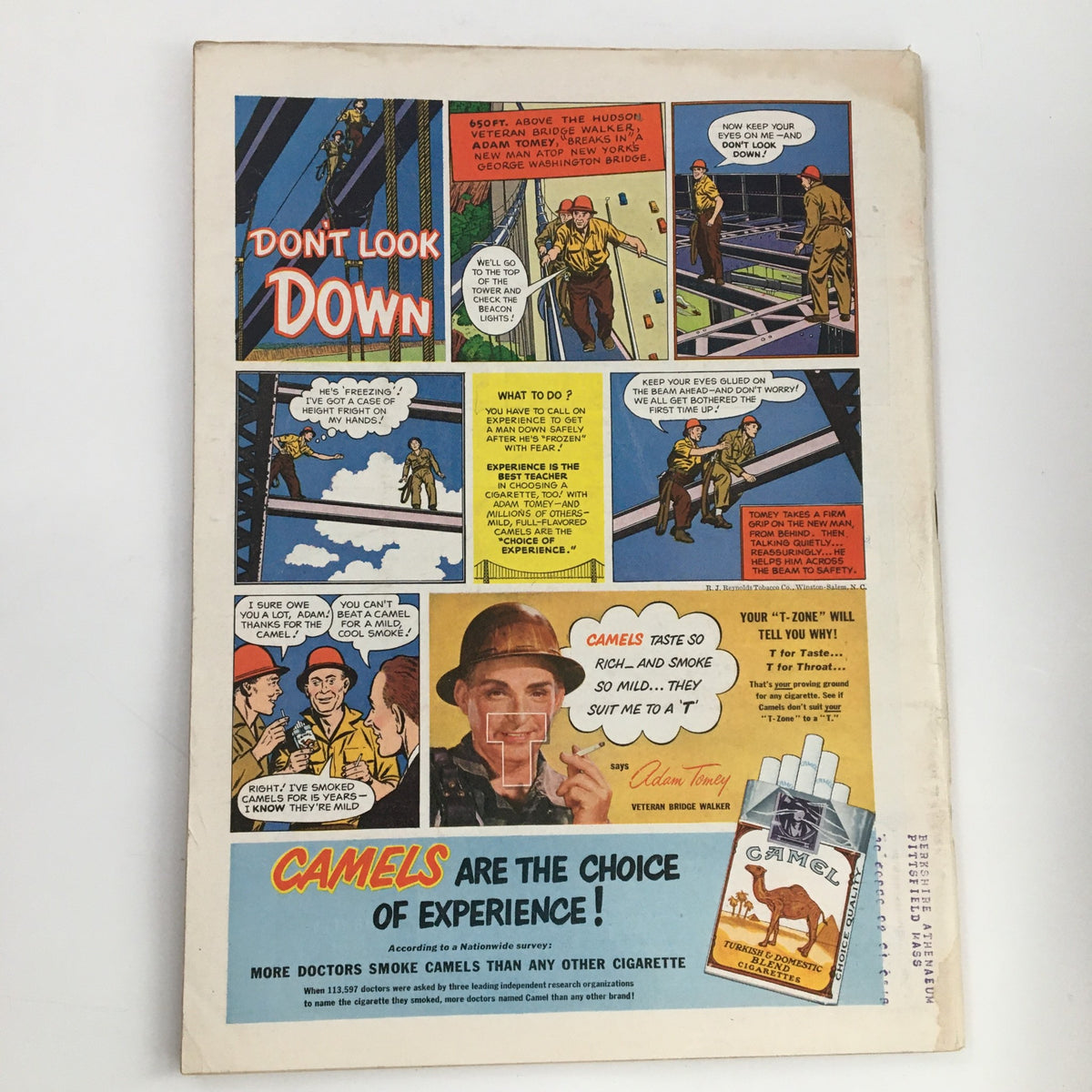
- Address label glued to the back and a stamped mark on the front cover, both relevant condition and provenance details for collectors evaluating presentation and originality.
- Specific article titles, writers, photographs, page numbers, and full interior contents are not confirmed from the listing, so no additional inside features are assumed here.
Condition & Rarity
The listing describes the magazine as being in good condition, with minor wear across the entire magazine, an address label glued to the back, a stamped mark on the front cover, and a plastic protective covering. In collector terms, the back address label is a circulation detail that may affect condition grading, though it is less visually disruptive than a front-cover mailing label. The stamped front mark should be noted because Time covers are often collected for their portrait presentation, and any front-cover marking can influence display preference. Minor overall wear is common for a 1948 weekly magazine that was read, mailed, stored, and handled over decades. The plastic covering is a later preservation measure rather than an original publishing feature, but it helps reduce additional dust exposure, surface rubbing, corner wear, and handling damage. When evaluating surviving examples of this issue, collectors would typically examine cover clarity, spine stability, page completeness, interior cleanliness, edge wear, label placement, stamp visibility, and whether the Tallulah Bankhead cover portrait remains visually strong. Because this is a postwar issue with a notable entertainment figure on the cover, both historical completeness and visual presentation are important to its collector appeal.
Looking for More Issues Like This?
Time issues from the late 1940s can be rewarding finds because they preserve public figures at the moment they were being interpreted by a major American newsweekly. Readers interested in related covers and historical news artifacts may want to browse the broader Time magazine collection for other dated issues from the publication’s long run. Comparing issues across the same period can help collectors see how Time balanced politics, world affairs, culture, entertainment, and celebrity in its weekly cover choices.
For collectors studying the wider print culture of the same year, the 1948 magazines collection offers a useful way to compare this Tallulah Bankhead issue with other publications from the postwar period. Looking across 1948 helps place the issue within a broader world of news, entertainment, theater, film, politics, advertising, and American cultural change. It also provides context for how different magazines documented the same era through cover portraits, photography, reporting, reviews, and popular-culture framing.