




Description
Collector's Note – Why This Issue Matters
The September 28, 1931 issue of Time magazine featuring Pierre Laval and Aristide Briand on the cover documents two of the most significant figures in interwar European diplomacy at a historically precise and consequential moment. By September 1931, Aristide Briand — the eleven-time Prime Minister of France and Nobel Peace Prize laureate who had dedicated the final phase of his career to the project of European reconciliation — was in the closing months of his life and his political career. His co-authorship of the Kellogg-Briand Pact of 1928, which had sought to outlaw war as an instrument of national policy, had made him one of the most celebrated diplomats in the world, and his long collaboration with German Foreign Minister Gustav Stresemann in building Franco-German rapprochement had been the most consequential diplomatic achievement of the interwar decade. Pierre Laval, by contrast, was at the beginning of his most powerful period as French Prime Minister — his first ministry having begun in January 1931 — and his political trajectory would take him in directions that would end in collaboration with Nazi Germany and his execution for treason in 1945. A Time cover pairing these two French statesmen in September 1931 documents a specific diplomatic moment and a specific French political configuration whose subsequent history makes it extraordinarily rich for retrospective analysis. The full scope of Time's coverage of interwar European politics across this period is traceable through the Time magazine collection.
September 1931 was itself one of the most economically and politically turbulent months of the entire interwar period. The Great Depression was in its second devastating year and was producing political crises across Europe and the Americas simultaneously. Britain had abandoned the gold standard on September 21, 1931 — just one week before this issue's publication date — in one of the most consequential monetary policy decisions of the twentieth century. The Japanese Kwantung Army had launched the Mukden Incident on September 18, beginning Japan's occupation of Manchuria and inaugurating the sequence of events that would lead to the Second World War in Asia. The specific diplomatic figures on this Time cover — Laval representing the French government's response to the economic and political crises, Briand representing the older tradition of international reconciliation that was under severe pressure from those crises — were therefore engaging with a world that was in the process of the fundamental breakdown that would produce the Second World War. Reading a September 28, 1931 Time with this context is a genuinely different experience from reading it without it. The broader context of this pivotal year's events is documented across the 1931 magazine collection, which brings together publications from one of the most consequential twelve months of the interwar period.
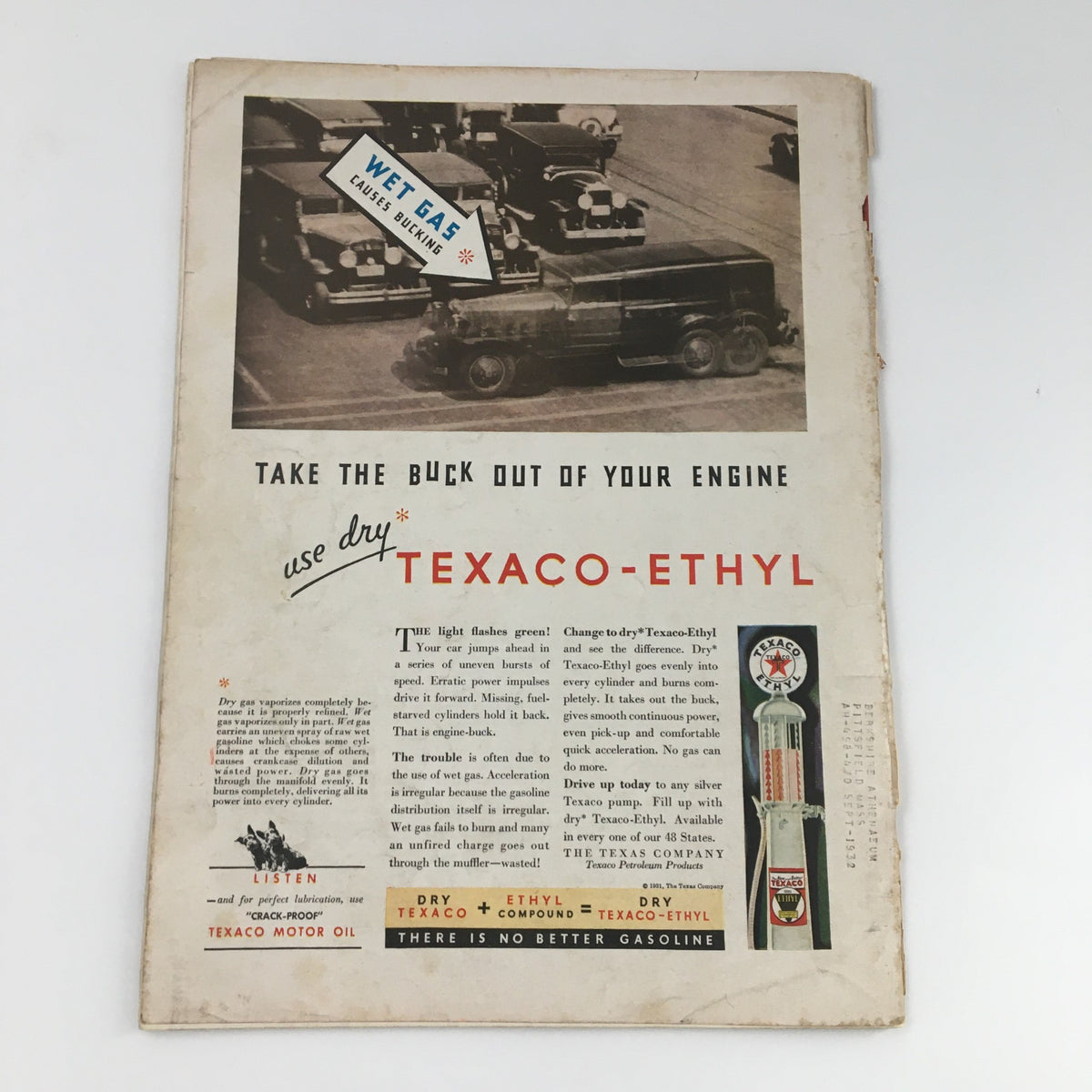
Several specific condition attributes of this issue warrant direct collector attention. The partially detached cover is the most significant structural condition note — the extent of the detachment and whether the cover remains present but loosely attached or is more significantly separated from the binding is best assessed through the provided photographs. The stamped mark on the front cover and the address label on the back add provenance details that connect the artifact to its specific circulation history. For a ninety-plus-year-old periodical, these attributes are the expected and honest evidence of an unrestored original rather than a reproduction, and researchers whose primary interest is in the issue's editorial content will find the interior pages accessible regardless of the cover's structural condition.
About the Publication
Time magazine was founded by Henry Luce and Briton Hadden in 1923 and established itself over the following decade as the most widely read weekly newsmagazine in America, its distinctive cover portrait format — a single person anchoring the week's most significant story — becoming one of the most recognized editorial conventions in American journalism. By September 1931 it had been publishing for eight years and had developed the specific combination of accessible narrative journalism, international scope, and confident editorial voice that made it the primary weekly current events resource for the educated American middle class. Its coverage of European politics in the interwar period constitutes one of the most significant archives of contemporaneous American understanding of the events that would lead to the Second World War, and its cover choices — reflecting the editorial team's weekly judgment about which individuals mattered most — are themselves primary documents of how American media was framing the interwar political landscape for its readership.
Key Highlights Inside
- Pierre Laval and Aristide Briand cover feature — a primary document of French interwar diplomacy at one of its most historically charged moments, pairing the aging architect of European reconciliation with the rising politician whose subsequent trajectory toward collaboration would make him one of the most controversial figures in modern French history.
- September 1931 international news coverage — journalism engaging with a week that included Britain's gold standard abandonment, the developing Manchurian crisis, and the Great Depression's most acute European political pressures, providing contemporaneous American media's framework for understanding a month of extraordinary historical density.
- Interwar American journalism's framing of European politics — the specific interpretive lens through which Time's editorial team was presenting the deteriorating international situation to its American readership in September 1931, at a moment when the full implications of what was happening were not yet visible even to the most informed observers.
- Note: Specific additional article titles, secondary cover features, and further interior content beyond those indicated in the listing have not been confirmed from available sources. The highlights above reflect what is documented in the listing and Time's well-established editorial format for this period.
Condition & Rarity
The September 28, 1931 Time carries a condition profile that the listing describes with appropriate honesty for a nearly ninety-five-year-old periodical: good overall with minor wear, a stamped mark on the front cover, an address label on the back, and a cover that has partially come off. The partially detached cover is the most significant structural condition note and is best assessed through the provided photographs — its extent will determine whether the cover is loosely attached or more significantly separated, which affects the issue's structural integrity and display utility. The address label on the back rather than the front is a favorable condition attribute for display purposes: the front cover's Laval-Briand imagery and Time's masthead survive without label obscuration. The stamped mark on the front cover adds a provenance detail that researchers will want to examine and identify in the photographs. For a periodical of this age, the honest condition description provided — good overall with these specific noted attributes — reflects an authentic, unrestored artifact rather than a reproduction, and the interior pages' accessibility for research purposes is separate from the cover's structural condition. The plastic protective sleeve stabilizes further deterioration.
Looking for More Issues Like This?
A September 1931 Time with Laval and Briand on the cover is a primary document of one of the most historically consequential months of the interwar period, and copies from this Depression-era year in any readable condition represent genuine historical artifacts that reward serious collector attention. If this particular issue is no longer available, the full Time magazine collection at OriginalMagazines.com is the most comprehensive source for exploring other issues across the publication's long and historically rich run. For collectors building a broader archive of the interwar period's most consequential year, the complete 1931 magazine collection brings together publications from twelve months that stand at the hinge point between the Depression's onset and the political crises that would lead to the Second World War.