



Description
Collector's Note – Why This Issue Matters
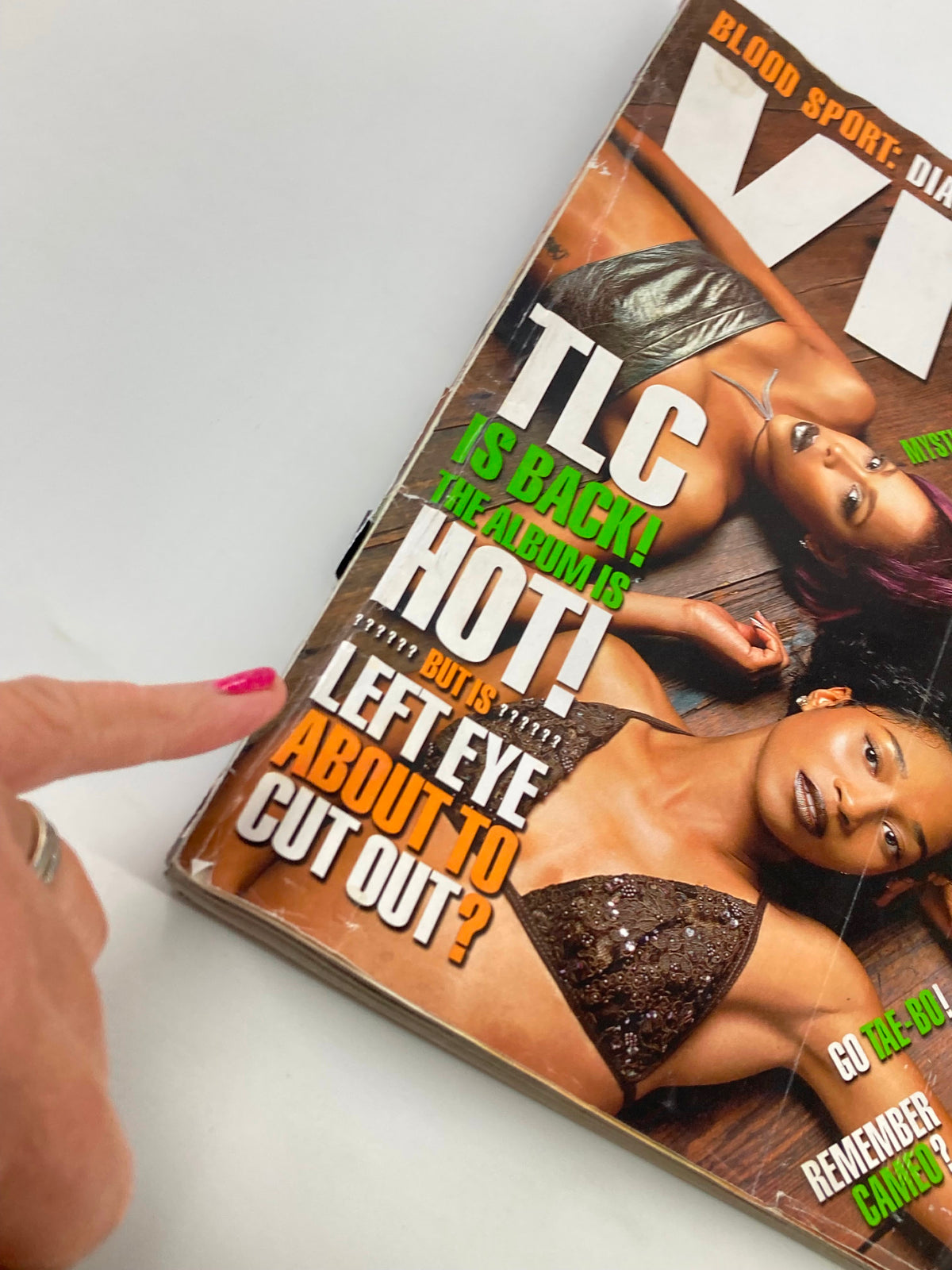
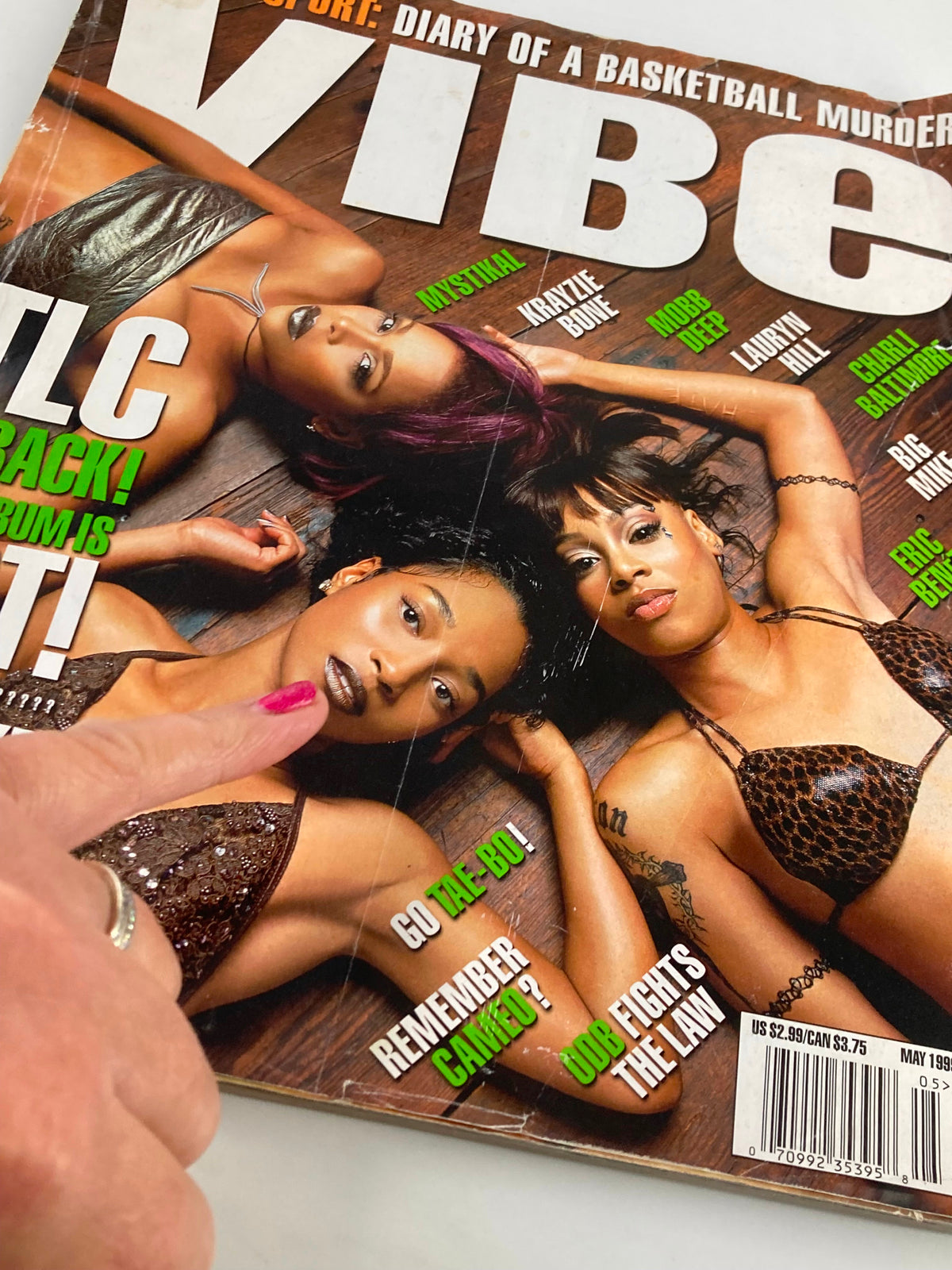
May 1999 captures TLC at one of the most publicly turbulent and creatively significant moments in the group's history. CrazySexyCool had made them the best-selling American girl group of all time when it was released in 1994, and the follow-up album FanMail was released in February 1999 — just three months before this issue's publication — debuting at number one and eventually selling more than twelve million copies worldwide. But the Vibe cover framing tells the more complicated story that the music industry was actually discussing in the spring of 1999: "TLC Is Back! The Album Is Hot! But Is Left Eye About to Cut Out?" Lisa "Left Eye" Lopes had been the most publicly volatile member of the group throughout the CrazySexyCool era — her 1994 arson conviction and her complex relationship with the group's commercial and creative direction had generated sustained press attention — and by May 1999 the question of whether TLC could hold together was genuinely open. Vibe's cover engaged that tension directly rather than producing a celebratory profile, which reflects exactly the editorial intelligence that made the magazine the most trusted voice in hip-hop and R&B journalism during its peak years. For collectors building an archive of Vibe magazine issues from the late nineties, this May 1999 edition is a primary document of TLC at their second commercial peak and their most publicly fraught internal moment — a cover story that proved prophetic given Left Eye's eventual departure from the group and her tragic death in 2002.
The secondary cover content documented on the issue's cover lines adds significant additional collector and research value. Mobb Deep — Prodigy and Havoc — were in the middle of one of the most critically significant periods of their career, their 1995 The Infamous and 1996 Hell on Earth having established them as the defining voices of mid-nineties New York hardcore rap and their ongoing presence in Vibe reflecting sustained industry significance. Lauryn Hill's teased coverage arrives in the specific window between The Miseducation of Lauryn Hill's August 1998 release and her historic Grammy sweep in February 1999, when she won five awards including Album of the Year — the most Grammys won by any artist in a single night at that point in history. A May 1999 Vibe feature on Hill is therefore a primary document of her at the single most celebrated and commercially dominant moment of her career. Krayzie Bone's coverage reflects the continued commercial force of Bone Thugs-n-Harmony in the late nineties, and the "Blood Sport: Diary of a Basketball Murder" feature teased at the top of the cover reflects Vibe's consistent engagement with the intersection of hip-hop culture and the violence that surrounded it in the late nineties. Collectors researching hip-hop and music magazines from 1999 will find this issue a densely documented primary artifact of the genre at one of its most commercially and culturally significant moments.
The specific historical context of May 1999 in hip-hop culture gives this issue additional layers of significance. The late nineties were a period of genuine transition — the East Coast-West Coast conflict that had defined the mid-decade, culminating in the deaths of Tupac Shakur and The Notorious B.I.G. in 1996 and 1997, had subsided, and the commercial landscape was being reshaped by the emergence of new regional voices and new commercial models. TLC's FanMail, Lauryn Hill's Miseducation, and the ongoing work of Mobb Deep collectively represent the genre's breadth at this specific transitional moment — pop-crossover R&B, groundbreaking solo artistry, and hardcore East Coast rap all operating simultaneously in the same cultural space. A Vibe issue that engaged all of these threads in May 1999 is a primary source document of that breadth with the specific editorial intelligence of the publication that had been covering it most authoritatively since its founding in 1993.
About the Publication
Vibe Magazine was founded by Quincy Jones and Time Inc. in 1993 and quickly established itself as the primary mainstream journalistic voice of hip-hop and R&B culture, combining serious music journalism, fashion coverage, cultural commentary, and photography at a level that neither the established music press nor the existing hip-hop press had previously achieved. By May 1999 it had been publishing for six years and had developed the editorial authority, industry relationships, and creative identity that made it the publication of record for Black music and culture in the late nineties. Its combination of access journalism, cultural criticism, and the specific aesthetic sensibility that distinguished its photography and design gave individual issues from this period a documentary value that extends well beyond the immediate commercial significance of their cover subjects.
Key Highlights Inside
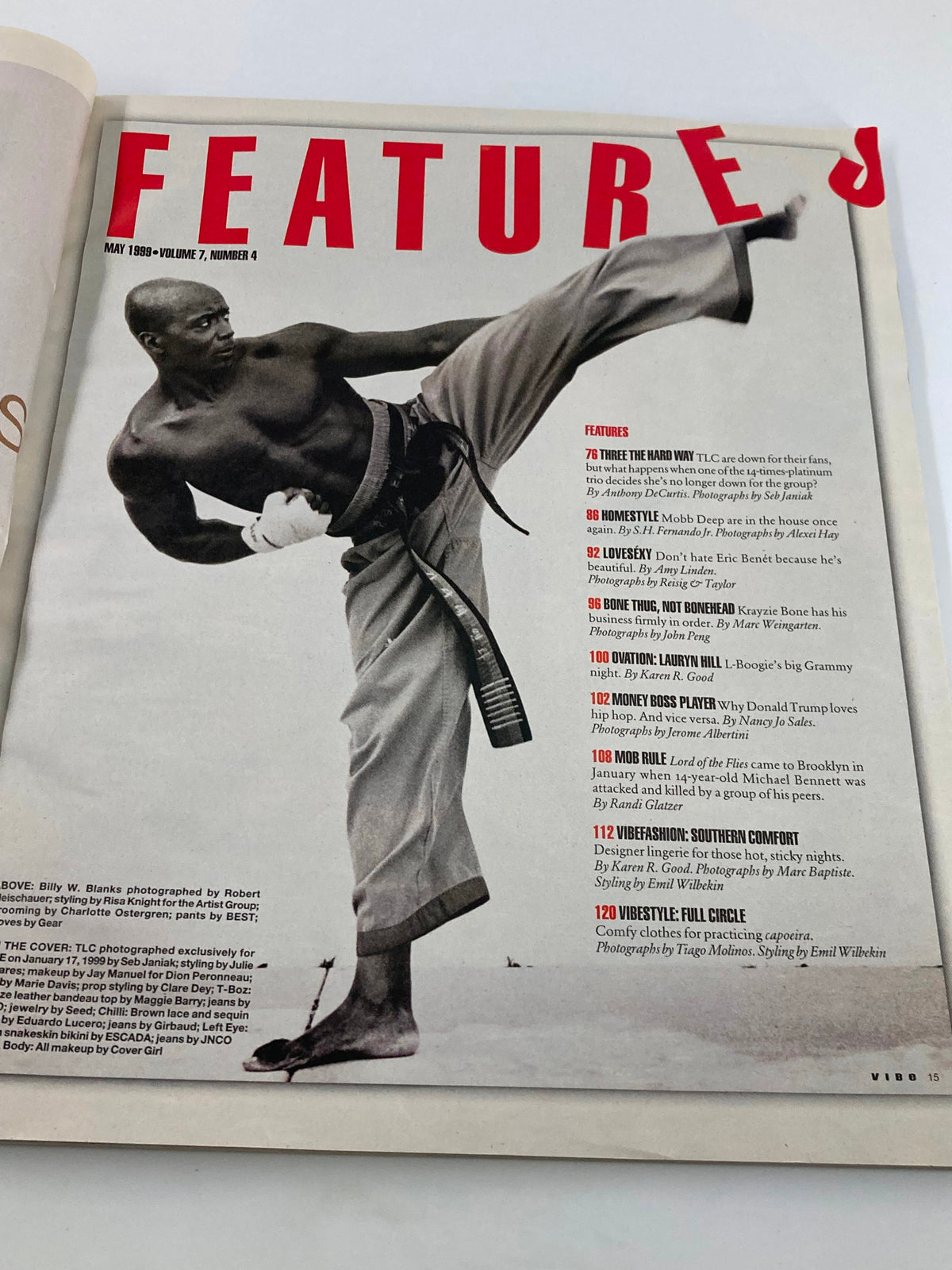
- TLC cover story — "TLC Is Back! The Album Is Hot! But Is Left Eye About to Cut Out?" — a primary document of the group at the commercial peak of FanMail's release and the genuine internal tension around Left Eye Lopes that would eventually prove consequential, representing Vibe's editorial commitment to engaging the actual story rather than the promotional narrative at a moment when both were significant.
- Lauryn Hill feature — coverage arriving in the specific window after her historic five-Grammy sweep at the February 1999 Grammy Awards, making any May 1999 Vibe Hill content a primary document of her at the absolute peak of her commercial and critical recognition, before the extended public retreat that followed.
- Mobb Deep feature — coverage of Prodigy and Havoc in the late nineties, when their mid-decade critical legacy was established and their continued presence in the genre reflected sustained commercial and artistic relevance in the post-East-Coast-West-Coast landscape.
- Krayzie Bone coverage and additional features on Mystikal, Charli Baltimore, Big Mike, and Eric Benét — a roster of late-nineties hip-hop and R&B figures documented in a single May 1999 issue, collectively constituting a primary source record of the genre's commercial breadth at a specific transitional moment.
- "Blood Sport: Diary of a Basketball Murder" — an investigative feature engaging the intersection of sports, street culture, and violence that Vibe covered with a directness and specificity that distinguished it from mainstream sports journalism, reflecting the magazine's editorial commitment to documenting the full cultural landscape of Black American life rather than only its commercial entertainment dimensions.
Condition & Rarity
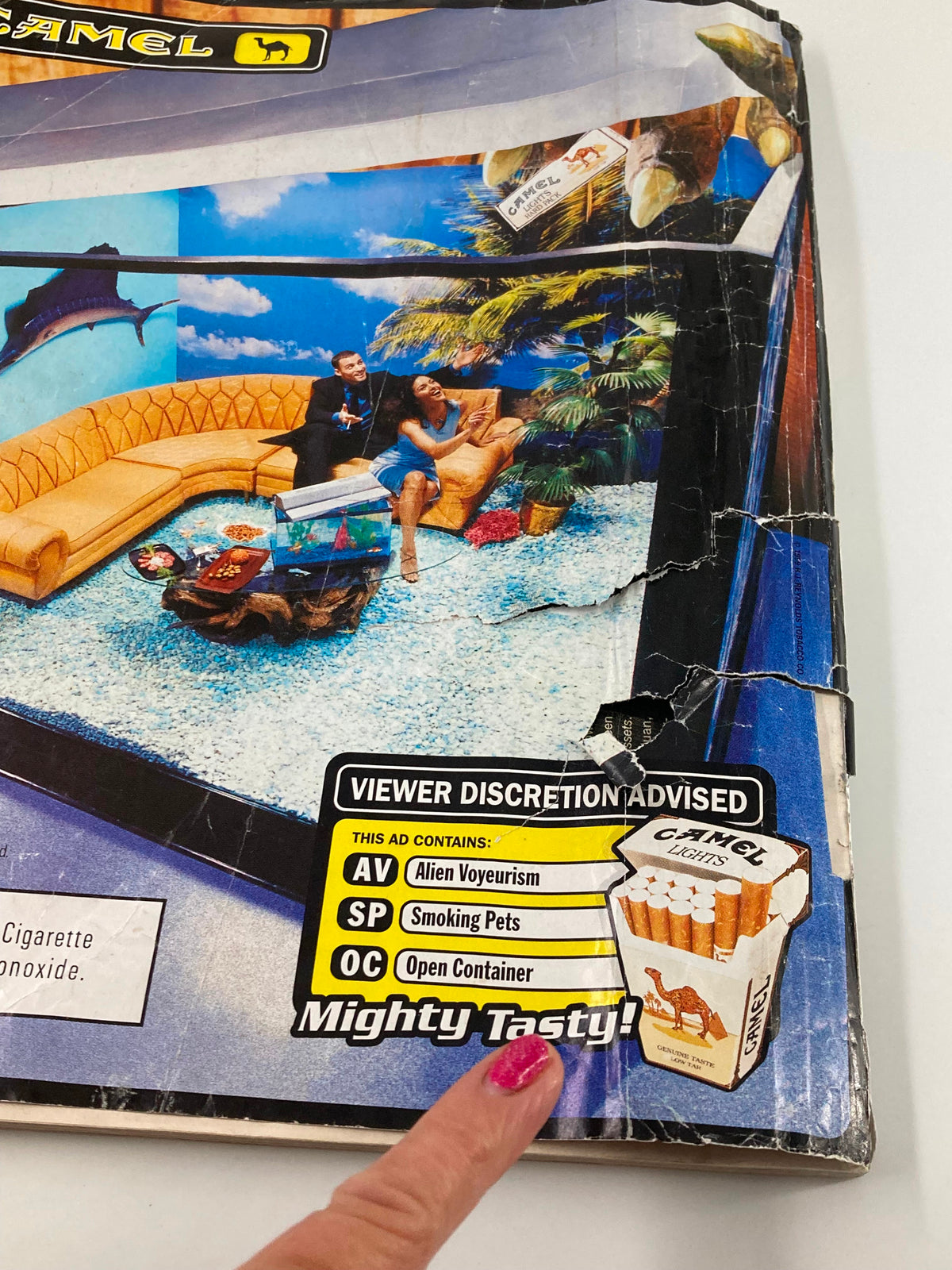
Vibe Magazine issues from May 1999 are approaching their twenty-seventh year of existence — old enough that condition variation is meaningful, particularly for issues with the documented cover subjects and editorial content that make this edition specifically valuable within the Vibe back-catalog. Acceptable condition with noticeable wear, marks, creases on the front cover corner, and rips is an honest and transparent assessment for a twenty-six-year-old monthly music magazine — it describes a copy that retains readable content and structural integrity while carrying the visible evidence of its age and use history. The newsstand provenance without a mailing label is the most significant condition positive, preserving the TLC cover image without adhesive damage and identifying this as a retail rather than subscriber copy. For a cover whose documentary and display value is inseparable from the visual integrity of the TLC photograph and the cover line framing, the label-free newsstand status is a meaningful collector attribute even in a copy showing other wear. The plastic protective sleeve provides ongoing archival protection. Collectors evaluating surviving examples of this issue should prioritize cover legibility, the completeness of all interior pages including the TLC and Lauryn Hill features, and overall structural integrity as primary condition criteria.
Looking for More Issues Like This?
A newsstand copy of Vibe May 1999 with the TLC cover, Lauryn Hill post-Grammy coverage, and Mobb Deep features is a specifically documented late-nineties hip-hop journalism find — issues from Vibe's late-nineties peak with this density of significant cover content surface less frequently than general interest in the period would suggest. If this issue is no longer available, the full Vibe Magazine collection at OriginalMagazines.com is the most comprehensive place to browse surviving issues from across the publication's history and locate other significant cover stories, late-nineties hip-hop features, or notable editions from the magazine's most authoritative years. The 1999 magazine collection brings together issues from across that year's major music and cultural publications for collectors interested in documenting the full breadth of hip-hop and R&B journalism at the turn of the millennium.