



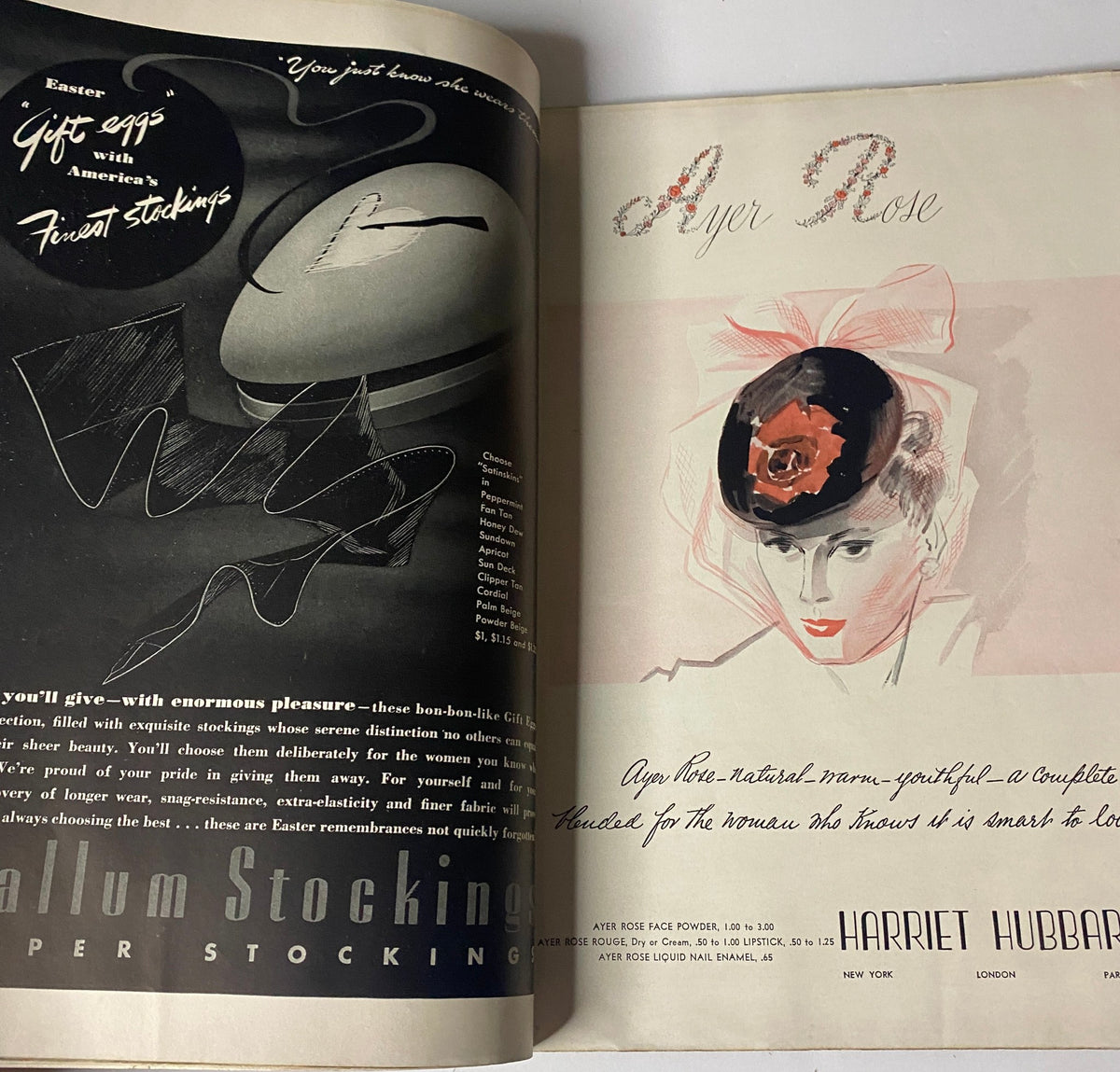


Description
Collector's Note – Why This Issue Matters
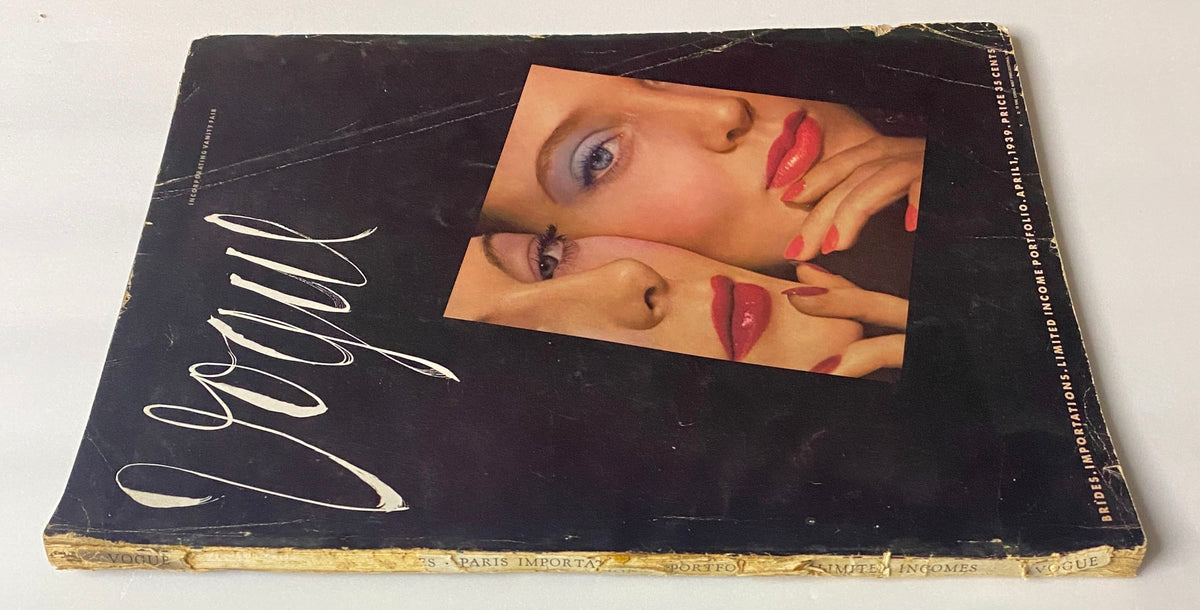
The April 1, 1939 issue of Vogue featuring models Muriel Maxwell, Ruth Knox, and Elden, photographed by Horst P. Horst, is a primary document of one of the most historically charged single seasons in the history of twentieth-century fashion — the final Paris spring collections before the outbreak of the Second World War would suspend haute couture for the duration of the conflict. The confirmed "What America Brought Back from Paris" feature, the Basque bodice and hooded capelets from Paris, and the "Evening Lines from Paris to New York" editorial collectively constitute a primary record of the spring 1939 Paris collections as transmitted to an American readership — fashion journalism produced in the specific months when the French capital's creative leadership of world fashion was about to be interrupted by the most catastrophic event of the modern era. In retrospect, April 1939 Vogue covers and Paris coverage carry a documentary weight that no contemporary reader could have fully appreciated: this was the last full spring season of Parisian couture's uninterrupted prewar operation. For collectors building archives of vintage Vogue magazines, confirmed Horst P. Horst cover credits from 1939 are among the most photographically significant and historically situated primary documents in the publication's entire run.
Horst P. Horst's specific place in the history of fashion photography gives this cover its most important individual distinction. By April 1939, Horst had been contributing to Vogue for nearly a decade and had developed the architecturally composed, classically lit aesthetic that would make his late-1930s work — particularly his 1939 photographs — the most celebrated of his career. His famous "Mainbocher Corset" photograph was made in August 1939, just months after this April issue, and the creative and technical approach visible in that iconic image was fully developed in the work he was producing for the magazine throughout 1939. An April 1939 Horst cover is a primary document of his most historically studied creative period, at a specific seasonal moment within the year that produced his most enduring work. The confirmed Eve Curie and Fred Astaire features inside give this issue additional cultural specificity: Eve Curie — daughter of Marie and Pierre Curie — had published her biography of her mother in 1937 and was in the process of her American lecture tour in 1939; Fred Astaire was at this point one of the most commercially prominent figures in American entertainment, his RKO films with Ginger Rogers having defined Hollywood musical entertainment through the decade. Collectors of 1939 magazines will find this issue documents the final months of prewar American cultural optimism with unusual breadth and named specificity.
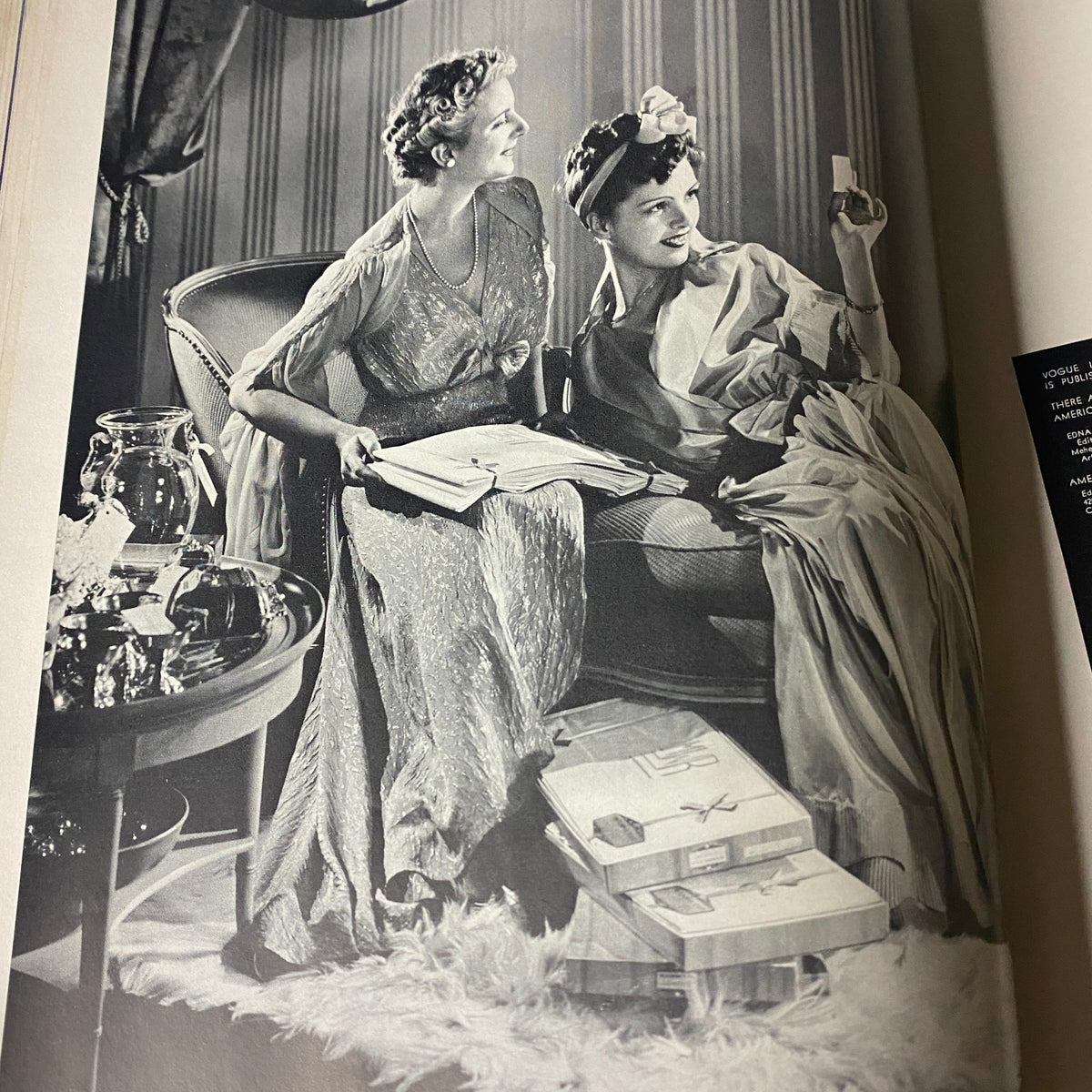
The wedding and trousseau editorial content — "For the Wedding Album," "Wedding-Cake Cottons," "Young Ideas for a Trousseau," "Country Wedding in France" — gives this April issue a seasonal and social documentary dimension characteristic of spring Vogue's consistent engagement with the social rituals of its affluent readership. The confirmed "Country Wedding in France" feature is particularly poignant in retrospect: a pastoral French wedding feature in April 1939, published five months before the German invasion of Poland would bring France within weeks of declaring war, is a primary document of the specific quality of prewar European life that the conflict would permanently alter.
About the Publication
Vogue, published by Condé Nast and founded in 1892, was by April 1939 under the editorial direction of Edna Woolman Chase, who had held the editorship since 1914 and whose tenure is now recognized as the publication's foundational period of journalistic and photographic authority. The late-1930s Vogue under Chase was producing some of the most accomplished fashion photography and fashion journalism in the publication's history, with Horst P. Horst, Edward Steichen, and Cecil Beaton among the photographers contributing cover and editorial work. Its April 1 issue was one of the year's primary spring fashion statements, and the Paris collections coverage it contained reflected the magazine's central role in transmitting Parisian couture's seasonal direction to an American readership for whom Paris remained the unquestioned center of fashion authority.
Key Highlights Inside
- Muriel Maxwell, Ruth Knox, and Elden cover photographed by Horst P. Horst — A confirmed Horst cover credit from April 1939, within the specific creative period that produced his most historically studied and celebrated work — primary documentation of his artistic contribution to Vogue's visual identity at its late-1930s peak.
- "What America Brought Back from Paris" (pages 51–58) and Paris collections coverage — A confirmed extended Paris collections feature providing a primary record of spring 1939 French couture — the final full prewar Paris season — as transmitted to American readership.
- Eve Curie feature (pages 62–63) — A confirmed feature on the daughter of Marie and Pierre Curie during her 1939 American presence, documenting a specific cultural figure at a well-defined biographical moment.
- Fred Astaire feature (pages 64–65) — A confirmed feature on one of American entertainment's most commercially prominent figures at the height of his RKO musical film career.
- "Country Wedding in France" (pages 88–89) — A confirmed French pastoral feature published five months before France's entry into the war — a primary document of prewar French social life in its final spring of normalcy.
- Extended wedding and trousseau editorial — Confirmed coverage spanning pages 68–81, providing a primary record of the spring 1939 American wedding fashion vocabulary at a specific seasonal and social moment.
Condition & Rarity
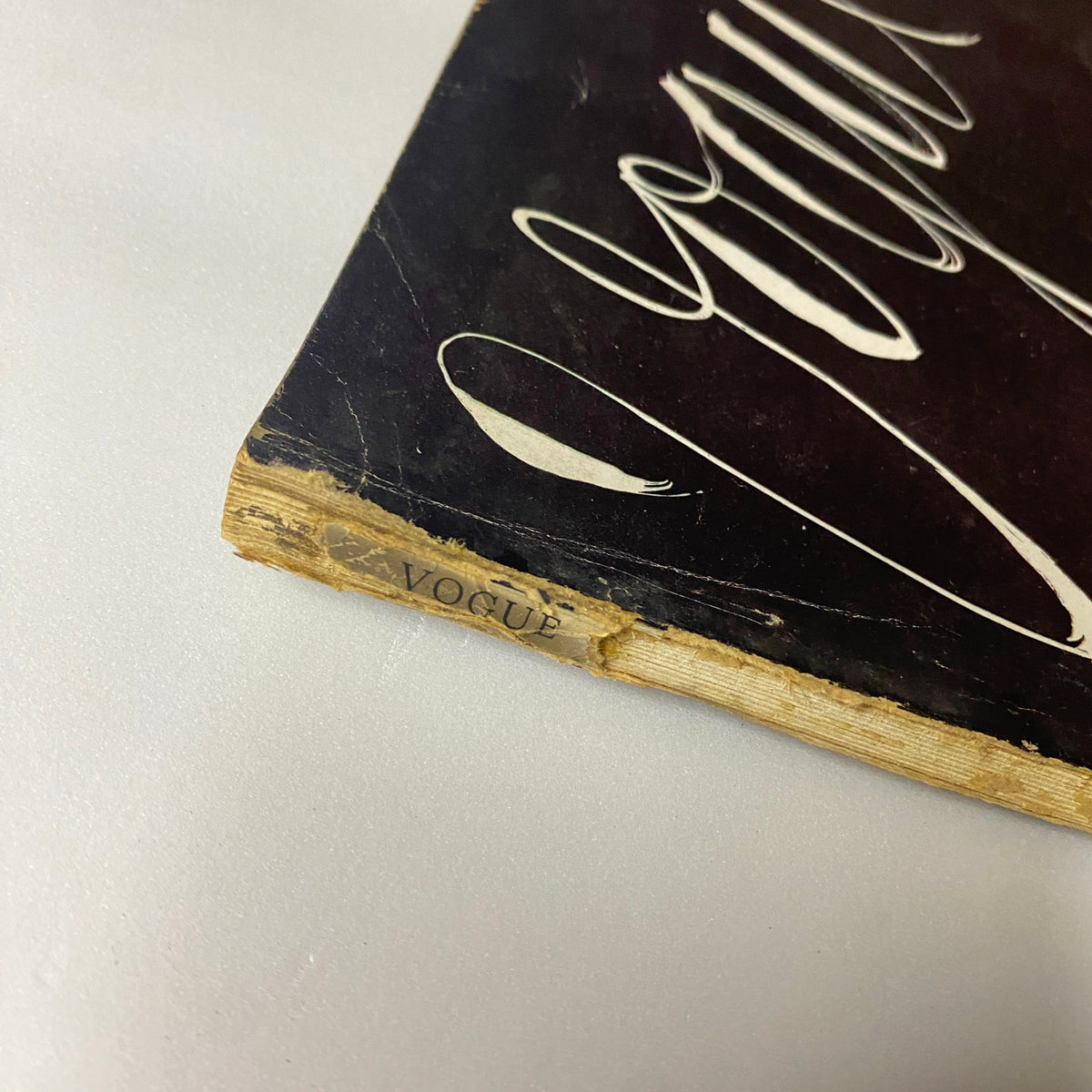
Good condition from a privately held Vogue archive with confirmed vintage traits — binding wear or small splits, staple-rust halos, edge toning, and period shelf dust — represents a transparently described assessment for a nearly ninety-year-old monthly fashion magazine that has undergone professional light dry surface cleaning and archival sleeve housing. These condition factors are standard and expected for a publication of this age and storage history. The confirmed "interiors are dry and legible" is the most meaningful positive attribute for a publication whose confirmed Paris collections feature, Horst photography, and Eve Curie content depend on interior legibility for their research and collector value. The archival sleeve housing indicates professional care. For this specific issue, the Horst cover's surface condition, the completeness and legibility of the Paris collections pages, and the Fred Astaire and Eve Curie feature pages are the primary evaluation factors worth confirming from available photographs.
Looking for More Issues Like This?
Horst P. Horst Vogue covers from 1939 are among the most photographically significant and historically charged primary documents in the publication's entire run — this was his most creative year, and April 1939 places the cover in the last full spring season of prewar Parisian fashion journalism. The broader Vogue magazine archive at OriginalMagazines.com spans many decades of the publication's history and is worth exploring carefully for other late-1930s Horst-era issues from the Chase editorial period. For collectors focused on the extraordinary historical threshold of 1939, the complete 1939 magazine collection documents the most consequential year of the twentieth century across a range of titles and perspectives.