




Description
Collector's Note – Why This Issue Matters
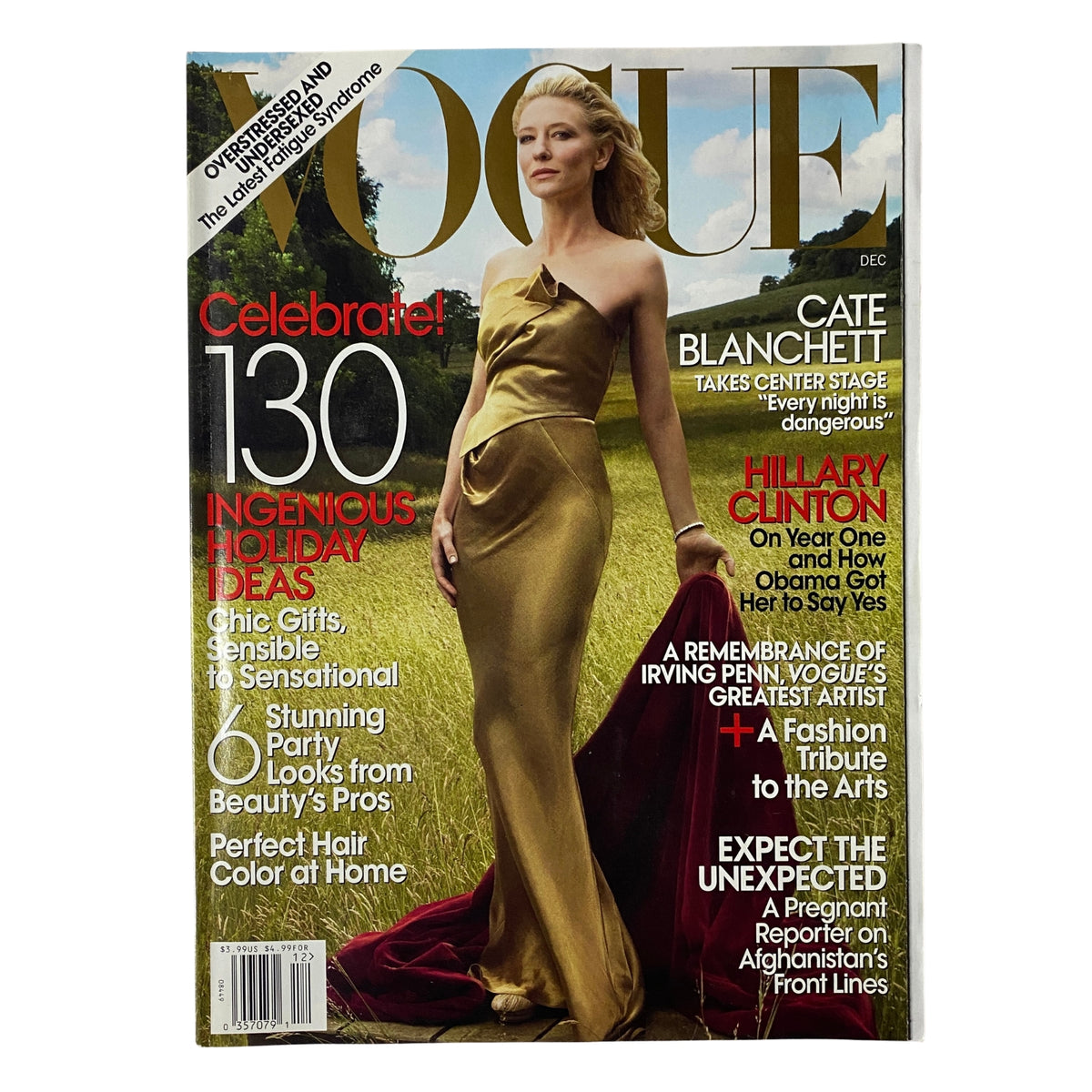
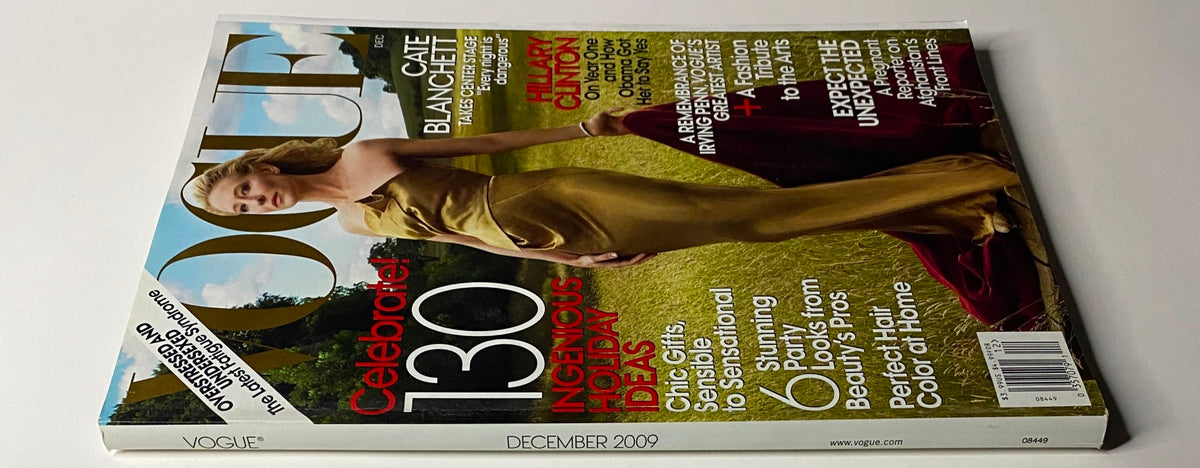
The December 2009 issue of American Vogue featuring Cate Blanchett on the cover is a document of one of the most respected actresses of her generation at a specific and historically interesting moment — the close of a decade that had transformed both her career and the cultural landscape she inhabited. By December 2009, Blanchett had accumulated two Academy Awards (Best Supporting Actress for The Aviator in 2005, Best Actress for Blue Jasmine would come later in 2014, but her status as one of the most critically revered actresses in the world was already fully established), had taken on the role of co-artistic director of the Sydney Theatre Company alongside Andrew Upton, and had developed a relationship with fashion that was sophisticated enough to make her a genuine rather than merely ornamental cover subject for the most authoritative fashion magazine in America. A December closing-of-the-decade cover featuring Blanchett was a deliberate editorial statement: not the most commercially bankable celebrity, not the most sensational choice, but perhaps the most considered — the actress whose combination of artistic seriousness, physical elegance, and genuine fashion authority made her the appropriate figure to close out the decade on Vogue's most important annual cover. The full arc of Vogue's cover strategy and editorial evolution across this period is traceable through the Vogue magazine collection.
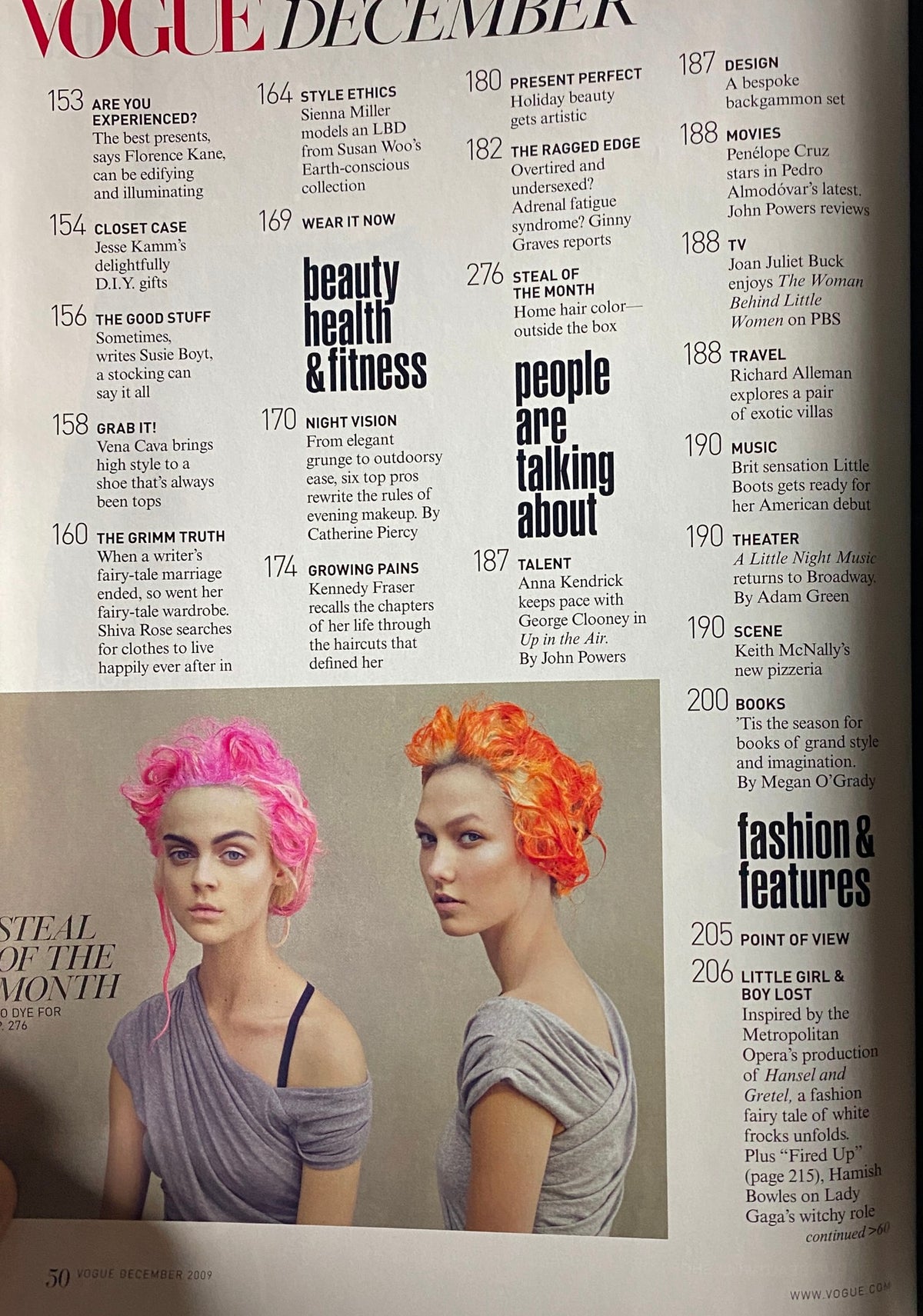
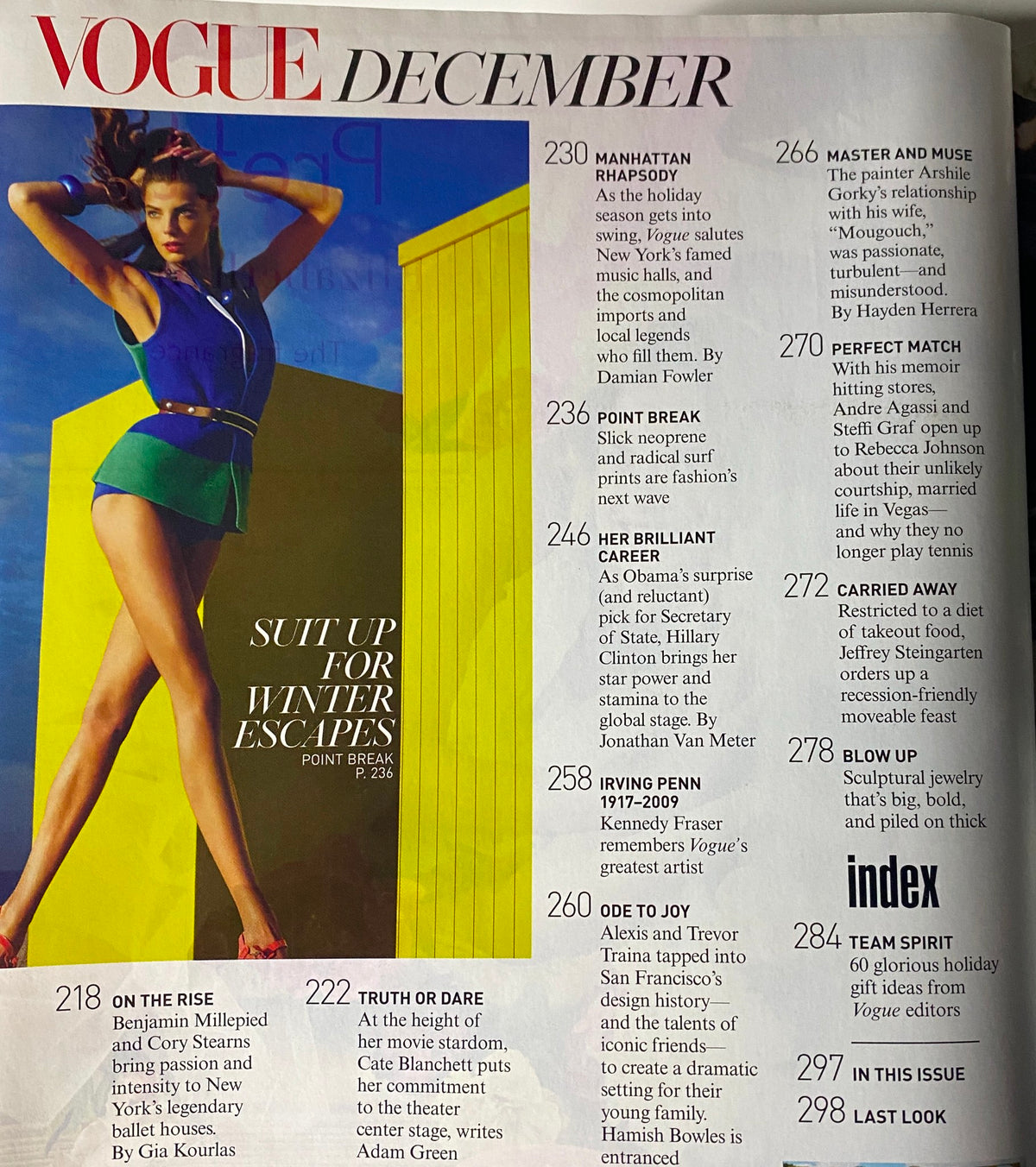
The editorial content of this issue is rich enough to reward attention well beyond the Blanchett cover. Hamish Bowles' feature exploring Lady Gaga's "witchy" role documents one of the most discussed cultural phenomena of the late 2000s at a specific early moment in Gaga's mainstream media absorption — by December 2009 she had released The Fame and was in the midst of her most creatively and commercially explosive early period, and a Vogue Bowles feature engaging with her aesthetic at this moment constitutes a primary document of how the fashion establishment was processing her significance. Anna Kendrick's feature discussing her role alongside George Clooney in Up in the Air arrives at the precise moment of that film's awards season campaign — it would go on to earn multiple Academy Award nominations including Best Picture — making this a document of Kendrick at the earliest stage of her transition from supporting player to recognized actress. Kennedy Fraser's reflection on haircuts as biographical chapters adds the literary depth that the best Vogue issues always provided alongside the fashion content. The broader cultural context of this year's close is documented across the 2009 magazine collection, which brings together titles from the final year of a decade whose cultural transformations remain actively studied.
The fairy-tale framing that runs through several features in this issue — the Hansel and Gretel opera fashion story, "The Grimm Truth" about wardrobe reinvention after a fairy-tale marriage ends, and the general holiday enchantment editorial — reflects a specific moment in fashion editorial's relationship to narrative and theatrical reference. The late 2000s were producing an increasingly self-conscious fashion editorial aesthetic that drew on literary, operatic, and theatrical sources as a counterpoint to the celebrity-driven directness that dominated cover choices, and a December 2009 issue that weaves fairy-tale imagery through its fashion content captures that editorial sensibility at a characteristic expression. The Sienna Miller sustainable fashion feature also documents a specific and early moment in the mainstream fashion press's engagement with sustainability as a genuine editorial rather than merely commercial consideration.
About the Publication
American Vogue, founded in 1892 and acquired by Condé Nast in 1909, is the flagship publication of the global fashion media industry and the standard against which all other fashion magazines have historically measured themselves. Under the editorship of Anna Wintour, who took the helm in 1988, the magazine developed an editorial identity that combined fashion authority with genuine cultural and celebrity engagement — its December issues in particular carried the full weight of its annual editorial authority as the holiday number, the most elaborately produced and most culturally curated entry in the year's publishing calendar. By December 2009, Wintour's tenure was in its twenty-first year and the magazine was closing a decade that had been defined by the digital disruption of print media, the rise of celebrity culture, and the financial crisis of 2008 — all of which had tested the fashion industry and its media ecosystem in ways that made the year-end December issue's cultural authority a more actively negotiated rather than assumed quality.
Key Highlights Inside
- Cate Blanchett December 2009 cover — the magazine's year-closing and decade-closing cover featuring one of the most critically respected actresses of her generation, the editorial choice of Blanchett over more commercially obvious alternatives reflecting a specific kind of considered authority that distinguishes the most historically interesting Vogue cover choices from the merely celebrity-driven ones.
- "Fired Up" (Hamish Bowles on Lady Gaga's aesthetic, p.215) — a primary document of one of the late 2000s' most discussed cultural phenomena, Bowles' engagement with Gaga's "witchy" visual identity capturing the fashion establishment's early absorption of an artist whose relationship to fashion was already one of the decade's most consequential creative conversations.
- Anna Kendrick feature on Up in the Air (p.187) — documentation of the actress at the earliest stage of her transition to recognized star, published at the opening of the film's awards season campaign that would earn it multiple Academy Award nominations including Best Picture.
- "Growing Pains" (Kennedy Fraser on biographical haircuts, p.174) — a literary personal essay from one of fashion journalism's most respected writers, providing the intellectual depth that distinguishes the best Vogue issues from purely fashion-editorial publications.
- "Style Ethics" (Sienna Miller in Susan Woo's sustainable collection, p.164) — an early document of the mainstream fashion press's engagement with sustainability as a genuine editorial consideration, capturing a specific moment in that conversation's development within the most authoritative American fashion title.
- Fairy-tale fashion editorial and "The Grimm Truth" (pp.206, 160) — together documenting the late-2000s fashion editorial aesthetic's self-conscious engagement with literary and theatrical narrative as a counterpoint to celebrity-driven directness, characteristic of the period's most ambitious fashion storytelling.
Condition & Rarity
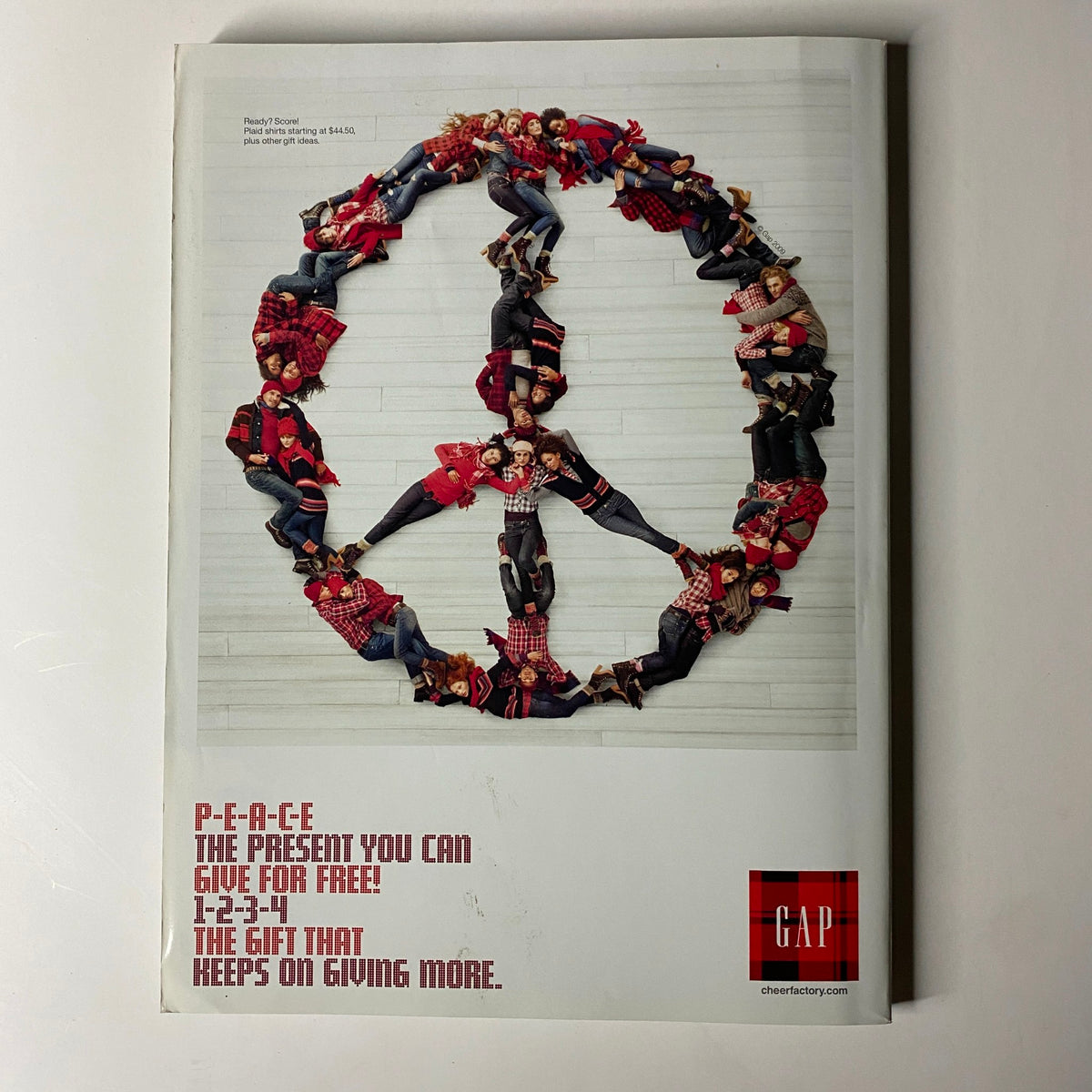
Surviving copies of the December 2009 Vogue in very good condition represent a clean and display-quality example of the magazine's most important annual issue from a historically specific year-end moment. Minor edge wear on a copy of this vintage is the expected and honest condition profile of an original, unrestored periodical rather than a reproduction. The absence of a subscriber address label is a meaningful positive: the Cate Blanchett cover image survives fully intact as designed and printed, without the adhesive marks or obscured photography that subscription labels permanently leave behind. December issues of Vogue were the year's most heavily produced — the largest page counts, heaviest advertising load, and most elaborate physical construction of any monthly edition — making intact structural integrity a particularly meaningful positive attribute in evaluating surviving copies. The protective plastic sleeve is the standard archival measure for a magazine of this production quality and age.
Looking for More Issues Like This?
A no-label very good condition copy of the December 2009 Vogue with Cate Blanchett on the cover — with the Lady Gaga, Anna Kendrick, Kennedy Fraser, and sustainability content documented here — is one of the more editorially layered entries in the magazine's late-2000s December run, offering collector value across fashion history, celebrity media, and cultural journalism simultaneously. If this particular issue is no longer available, the full Vogue magazine collection at OriginalMagazines.com is the most comprehensive source for exploring other issues across the publication's long run. For collectors building a broader archive of the late-2000s cultural and fashion moment, the complete 2009 magazine collection brings together titles from the final year of a decade whose cultural transformations continue to reward serious collector and research attention.